
Tabelog 100 #89
Our verdict
In Umeda’s basement food-floor culture, Tsumagari Daimaru umeda ten belongs to the precise, takeaway-driven side of Osaka sweets: quick, polished, and built for commuters as much as gift buyers. Its Tabelog Sweets WEST 100 selection in 2022 and 2023 places it in a recognized regional bracket, while the Daimaru setting makes the format part of Osaka Station’s dense retail dining circuit.

Pearl is the En Primeur Club membership app — saves, bookings, and concierge access live there. Same editors, same standards.
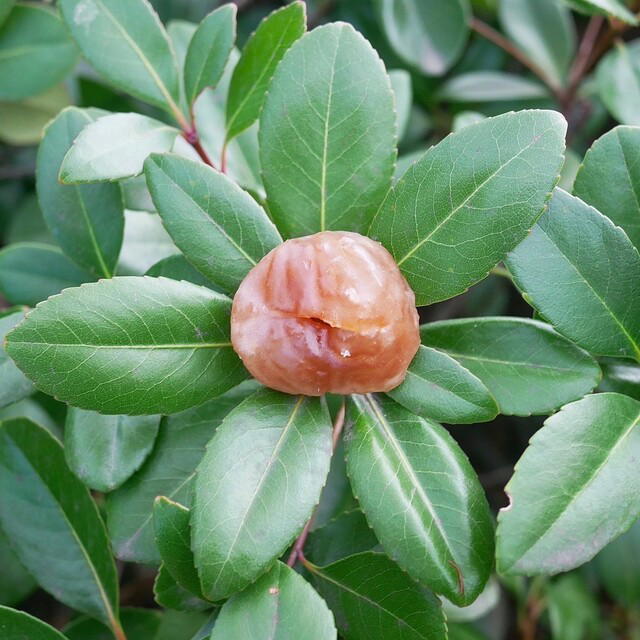
The menu
What to order
- Cream Omelette
- Cookie assortments
- Baked sweets
Osaka’s sweets counters are not usually designed for lingering. They operate as tightly managed retail currents: shoppers moving past glass cases, paper bags, gift boxes, and counters that prize speed as much as craft. In Osaka, that environment matters. Food floors turn sweets into architecture, with packaging, queue position, and counter visibility doing the work that a dining room might do elsewhere.
Tsumagari Daimaru umeda ten fits that grammar. This is a Western-style sweets counter rather than a destination dining room, which makes the physical retail format part of the experience: the decision happens at the case, and the value sits in how cleanly the shop functions inside Osaka’s busy shopping rhythm.
Osaka's depachika sweets culture rewards precision over ceremony
Osaka is built for compression. Office workers, domestic travelers, day shoppers, and tourists move through connected retail and transit corridors, and the food floors have become a parallel dining map. The sweets counters here are less about leisure than timing: a stop between plans, a boxed gift before a meeting, a compact purchase that can survive the trip home.
Within that setting, recognition matters because the field is crowded and visually similar. Tsumagari Daimaru umeda ten has Tabelog Hyakumeiten recognition for 2023, and its Tabelog score is listed at 3.75. Those signals do not turn a counter into a destination restaurant; they place it inside a regional sweets conversation where consistency, public scoring, and repeat-buy behavior carry weight.
The format also explains the price logic. Osaka has higher-end dessert rooms and modest bakery counters, but the sweets-counter sweet spot often sits in the accessible gift range. Here, the listed spend falls around JPY 1,000 to JPY 1,999, a bracket that suits boxed purchases, family carry-home sweets, and casual gifting rather than a plated dessert course. Nearby comparison venues underline the point: Cacao Sampaka Daimaru umeda ten and Delicius pasticceria Oosaka ten can be read as related sweets-counter options, while de tout Painduce Ekimarushie osaka ten sits in a more bread-led lane. The choice is less about splurge versus budget than about which counter format suits the errand.
For readers mapping Osaka by category rather than address, this mode sits beside other quick-service or specialist formats across the city. Other Osaka dining represents the city’s giftable side, while unnamed bakeries and cafés point toward everyday bread and coffee habits. For a broader sweep, use Our full Osaka restaurants guide, then widen the trip planning through Our full Osaka hotels guide, Our full Osaka bars guide, Our full Osaka wineries guide, and Our full Osaka experiences guide.
The counter format is the point, not a limitation
Sweets counters can look minor beside reservation-led dining, but in Japan the counter case has its own discipline. A shop has to communicate quality quickly: category clarity, packaging, staff pacing, and ease of carry all become part of the product. That is why the Osaka retail setting is not incidental. It places the shop inside a buying culture where sweets are often selected for someone else, not consumed as a long meal.
The design angle is practical rather than decorative. Food halls work through repetition: parallel counters, short transactions, small footprints, and immediate comparison. In that environment, the room does not flatter the product with atmosphere; it tests it under pressure. A sweets counter has seconds to read as credible. Tsumagari Daimaru umeda ten benefits from that compactness because its recognized category is clear: Western-style sweets.
That distinction helps set expectations. This is not the choice for a slow dessert course after dinner, and it is not competing with a tasting-menu restaurant for attention. It belongs to the same urban logic that makes Osaka useful: high-density choice, rapid movement, and reliable specialty counters. Chikuyoutei sits in a different register of meal structure, while Shizuku occupies another Osaka dining lane entirely. The comparison clarifies the decision: this counter is for a sweets purchase folded into a city day, not for a seated meal planned around a room.
Osaka’s wider dining map can pull in many directions from here. Unnamed Italian dining and pizza counters belong to a different tempo, with the meal itself as the anchor. The sweets counter serves another use case: a compact add-on before leaving, a host gift, or a controlled purchase when the day does not allow a long table.
How to read it in a wider Japan itinerary
For travelers building a Japan food route, the useful lesson is that not every serious stop requires a reservation or a seat. Some of the country’s strongest food habits live in stations, food floors, and specialist counters that treat throughput as a design challenge. A place like this should be judged on category fit: recognized sweets listing, placement in Osaka, counter discipline, and price band.
That framework is useful beyond Osaka. A trip might move from regional specialists in other Japanese cities to casual-format addresses elsewhere, then back to meal-led planning in larger urban dining rooms. Outside Japan, Japanese drinking and snack formats show how these habits can travel into another city’s dining culture. The point is not to rank every stop by ceremony, but to understand what each format is built to do.
The editorial case for Tsumagari Daimaru umeda ten is therefore precise. It is a compact Osaka sweets stop with Tabelog Hyakumeiten recognition in 2023, a Western-style sweets category, and a price range suited to casual gifting. The room is a retail food-floor setting, but in Osaka that is not secondary scenery. It is the system that shapes how the city buys sweets.
Frequently asked questions
What's the price range at Tsumagari Daimaru umeda ten?
Pricing at Tsumagari Daimaru umeda ten is listed as JPY 1,000 - JPY 1,999 - JPY 999 View spending breakdown.
What's Tsumagari Daimaru umeda ten's location?
Osaka.
Can I walk in to Tsumagari Daimaru umeda ten?
The available listing identifies Tsumagari Daimaru umeda ten as a sweets counter in Osaka. Check the venue's official channels for current visit details.
What's the signature at Tsumagari Daimaru umeda ten?
The defining draw is its Western-style sweets category in Osaka. Its credibility comes from Tabelog Hyakumeiten recognition in 2023, which places it among closely watched sweets listings.
Peers Worth Knowing
Comparable venues at the same tier.
| Venue | Cuisine | Price | Awards | Notes |
|---|---|---|---|---|
| Tsumagari Daimaru umeda tenThis venue (the venue you are viewing) | Western-style patisserie & cookies | $10–20 | Tabelog 100 #89 | Not listed |
| Chikuyoutei | Traditional Japanese Unagi and Kaiseki | $30–50 | Not listed | Unagi |
| Shizuku | Modern Creative Omakase Sushi | $150–200 | Tabelog Bronze #406 | Not listed |
| Cacao Sampaka Daimaru umeda ten | Chocolate Café | $10–20 | Tabelog 100 #29 | JPY 1,000 - JPY 1,999 JPY 1,000 - JPY 1,999 |
| de tout Painduce Ekimarushie osaka ten | Not listed | Not listed | Tabelog 100 #74 | JPY 999 - JPY 999 View spending breakdown |
| Delicius pasticceria Oosaka ten | Modern Japanese patisserie & cheesecake shop | $1–10 | Tabelog 100 #22 | JPY 1,000 - JPY 1,999 JPY 1,000 - JPY 1,999 |
Recognition history
Dated appearances from independent guides and award organizations, with the underlying list record or original source where available.
Tabelog 100 #89 · No. 89
Tabelog · Tabelog 100 - Sweets - WEST - 2023
Continue exploring
More in Osaka
Restaurants in Osaka
All restaurants in Osaka →



Bars in Osaka
All bars in Osaka →

Hotels in Osaka
All hotels in Osaka →




Wineries in Osaka
Browse all →
Details
- Classic
- Well Known
- Solo
- Family
- Casual Hangout
- After Work
- Celebration
- Standalone
- Local Sourcing
- A La Carte
- Counter Dining
- Allergy Accommodating
Bright, functional depachika (department store food floor) counter focused on efficient takeaway service, with displays of neatly boxed cookies and cakes creating an upscale yet everyday gift-shopping atmosphere.