Google: 4.8 · 155 reviews
Helm



Helm holds ten guests around a U-shaped counter on the third floor of Ayala Triangle Gardens, delivering an eight-course tasting menu that draws on Philippine seasonality without anchoring itself to any single cuisine. Chef Josh Boutwood earned a Michelin star and 93 points from La Liste in 2026 for a format that swings from street-food references to theatrical set pieces with equal conviction.
 Discover on Pearl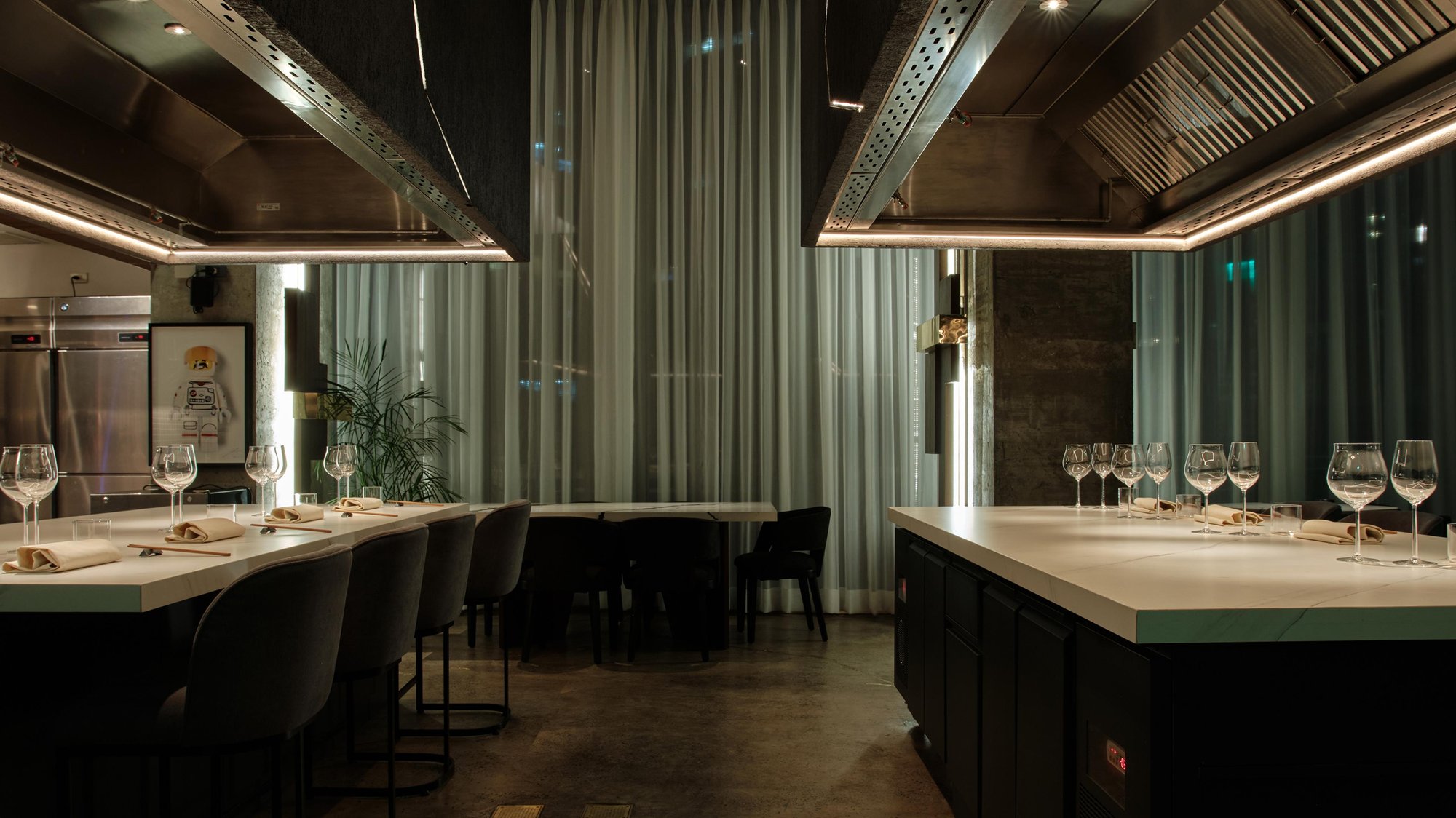
Counter Dining at Its Most Committed
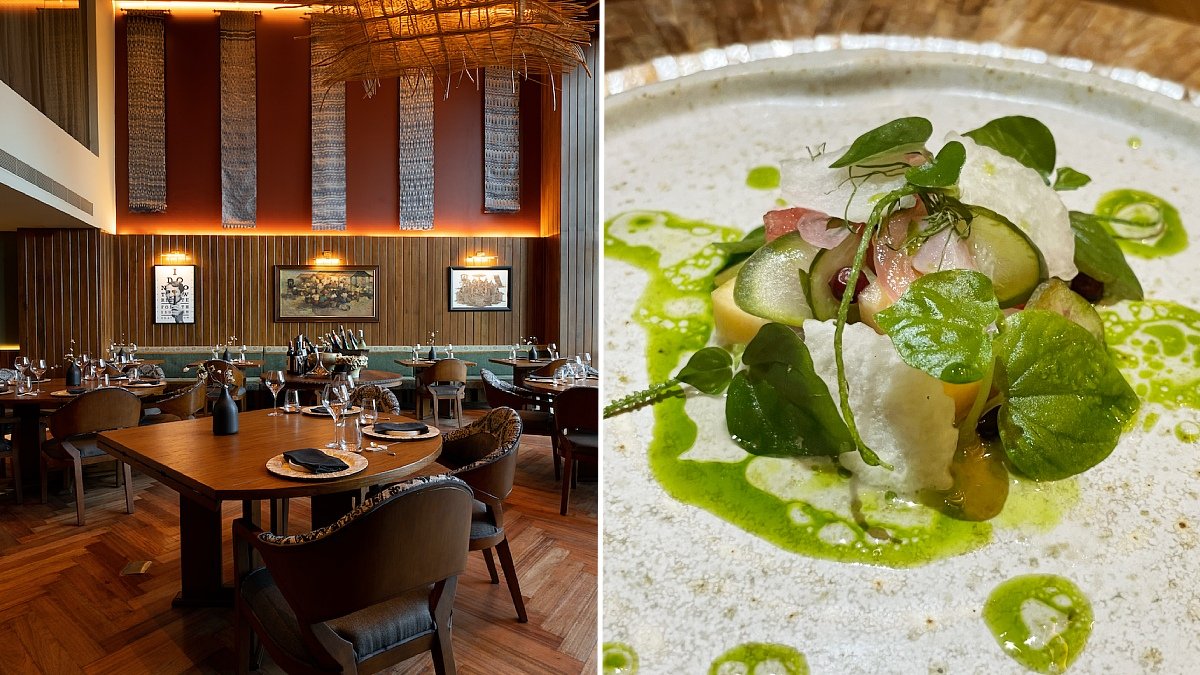
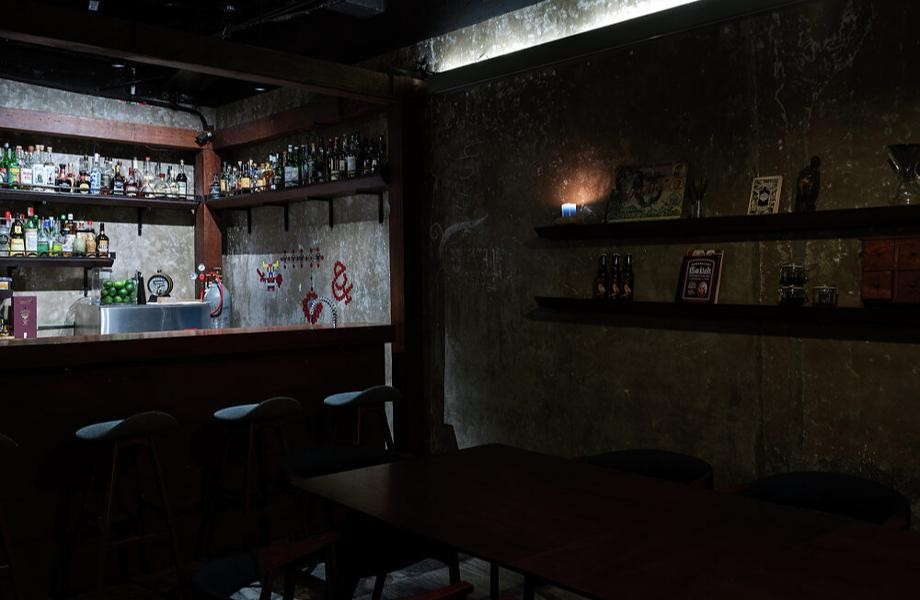
The third floor of Ayala Triangle Gardens is not where you expect to find one of the Philippines' most serious tasting menus. The building sits at the administrative heart of Makati's financial district, more associated with corporate lunch breaks than the kind of cooking that earns a Michelin star and a 93-point score from La Liste in the same year. That gap between setting and ambition is, in some ways, the point. Helm's location in an urban commercial complex makes no concessions to the rustic-harvest aesthetic that often signals farm-to-table sincerity elsewhere. The drama here comes from the room itself: a U-shaped counter for ten guests, framed in interiors designed to command attention, where the kitchen is not a backdrop but the performance.
Counter formats of this kind have proliferated across Asian dining capitals over the past decade, from Tokyo's omakase rooms to Seoul's chef's-table operations like Atomix in New York City's Korean-influenced peer set. What the format demands, beyond the obvious theatrical proximity, is a kitchen program specific enough to hold focus across every seat for the duration of a meal. At Helm, that specificity comes from a commitment to Philippine seasonality and local ingredient sourcing, which provides the structural logic beneath menus that otherwise refuse easy categorisation.
Where the Ingredients Come From, and Why That Shapes Everything
The case for sourcing locally in the Philippines is not sentimental. The archipelago's agricultural geography produces ingredients that are genuinely difficult to replicate from imports: heritage rice varieties, tropical fruits with flavour profiles shaped by volcanic soil, seafood drawn from some of the most biodiverse marine territory on the planet. When a tasting menu anchors itself to this supply, it is not making a philosophical gesture so much as accessing raw materials that would be unavailable or inferior if sourced internationally.
Helm's eight-course structure uses Philippine seasonality as its organising principle. This means the menu shifts with what the islands can actually deliver at a given point in the year, rather than holding to a fixed repertoire built around imported consistency. In practical terms, that approach produces a menu that reads differently from one visit to the next, and it places Helm in a different competitive conversation than restaurants where the signature dishes are the selling point. The closest Makati parallel in terms of ingredient philosophy is Hapag, which pursues a rigorously Filipino sourcing framework, though Hapag's tasting format channels those ingredients through an explicitly national culinary lens. Helm's sourcing is equally grounded in local supply but the interpretive frame is deliberately wider.
That wider frame is worth examining. The awards data describes dishes that range from global street food echoes to a Star Wars-themed degustation, which sounds, on paper, like the kind of eclecticism that collapses into novelty. In practice, what holds a menu like this together is the ingredient thread: when the raw materials are consistently sourced from the same agricultural and marine network, the dish-to-dish tonal variety reads as range rather than incoherence. The local product grounds the global reference. This is a structurally different approach from kitchens at venues like Le Bernardin in New York City, where technique and product are tightly linked to a single culinary tradition. Helm asks its ingredients to carry the weight of identity while the culinary language around them stays fluid.
The Format and What It Demands of the Guest
A ten-seat U-shaped counter is one of the most intimate formats in restaurant dining. It is not simply a small room with a view of the kitchen; it is a configuration that makes each guest's experience contingent on the service timing of the whole group, and that makes the chef's presence legible across the entire seating. The format is well established in Japanese fine dining and has been adopted by a generation of chef-driven operations across Asia, but it remains unusual in the Philippines, where the dominant fine dining formats tend toward conventional table service even in high-end tasting menus.
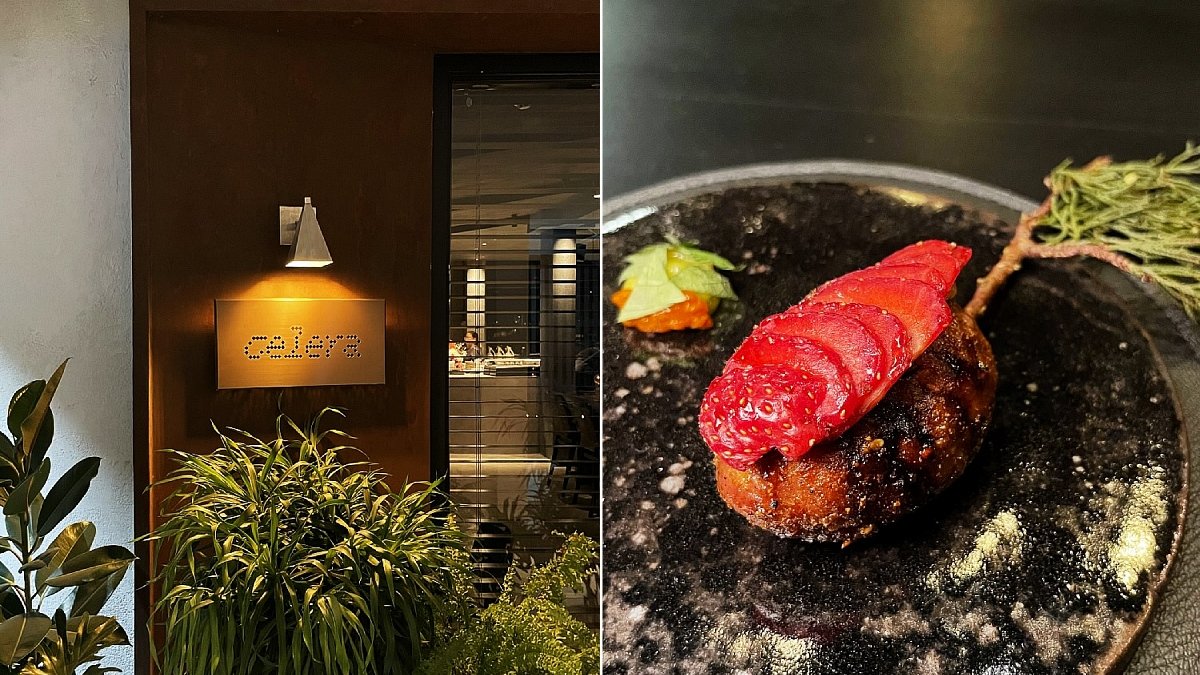
At Helm, the counter format amplifies the effect of bold presentations and theatrical moments that the awards notes describe as characteristic of the menu. In a larger dining room, a visually dramatic dish lands at a table and competes with the ambient activity of the room. At a ten-seat counter, it lands in a context where every guest is watching the same thing at roughly the same moment. The format rewards cooking that is confident enough to hold a small, attentive audience, and the Michelin and La Liste recognition in 2026 suggests the kitchen has found a consistent register for that. For context on how other Makati operators have built around intimate formats, Celera, Inatô, and Kása Palma each represent distinct approaches to the city's higher-end dining tier.
Helm in the Makati Fine Dining Tier
Makati's fine dining scene has developed a credible upper tier over the past several years, with multiple operators now working at the level where international recognition is a reasonable benchmark rather than an aspiration. The 2026 Michelin designation for Helm places it in the same tier as the small group of Philippine restaurants that have drawn guide recognition, a group that includes Gallery By Chele in Manila and reflects a broader consolidation of serious tasting-menu culture across Metro Manila.
Within Makati specifically, the tasting menu format has split between kitchens that prioritise Filipino culinary identity, kitchens that operate within a recognisable European fine dining idiom, and a smaller group that uses local ingredient sourcing as a foundation for menus that are harder to categorise. Helm sits in that third group, alongside approaches seen at operators like 12/10. The La Liste 93-point score positions Helm competitively against regional peers and signals that the format is legible to international evaluators, not just local audiences.
For guests who want to map Helm against the wider Metro Manila and Philippine dining picture before or after a visit, reference points include Linamnam in Parañaque, Asador Alfonso in Cavite, and Bolero in Taguig, each of which represents a distinct strand of the region's evolving restaurant culture. Blackbird Makati offers a useful contrast within the same district for guests calibrating between formats.
Planning a Visit
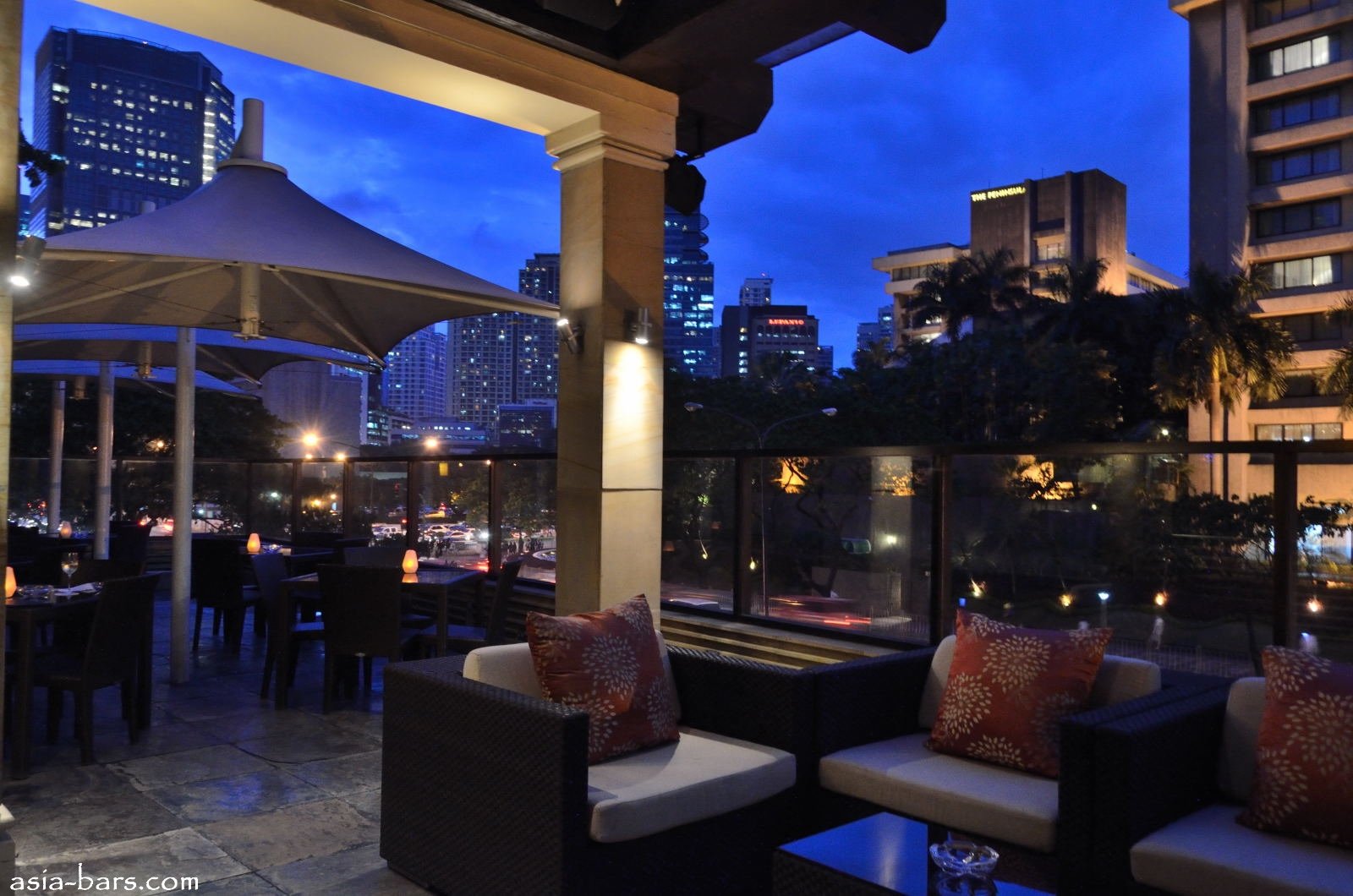
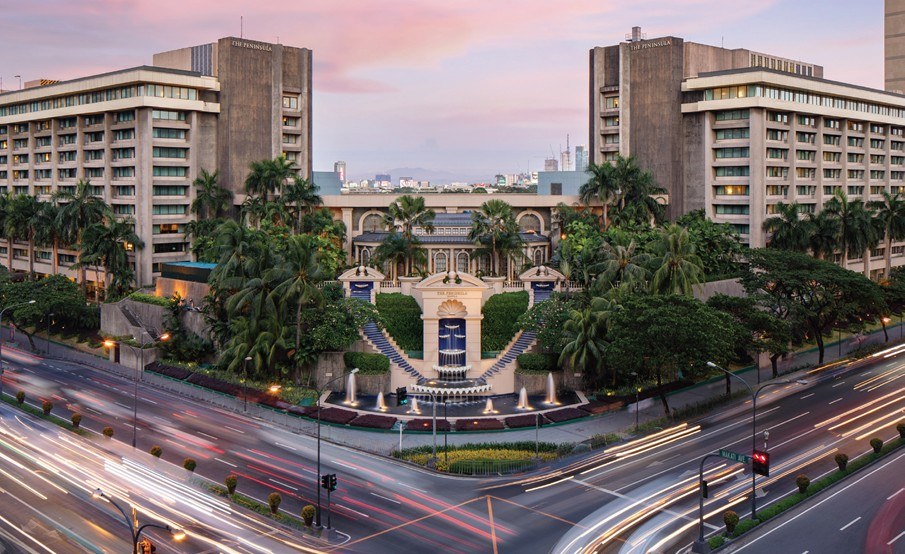
Helm operates on the third floor of Ayala Triangle Gardens on Makati Avenue, in the central financial district. The address places it within walking distance of the major Makati hotel cluster, which makes logistics direct for guests staying in the area, though for a broader picture of accommodation options, our full Makati hotels guide covers the relevant range. The ten-seat counter format means availability is structurally limited, and the dual recognition from Michelin and La Liste in 2026 will have tightened demand further. Advance booking is advisable, and given that the menu is structured around seasonal availability, checking the current format before visiting is worth the effort. For everything else happening in the district, our full Makati restaurants guide, bars guide, and experiences guide provide the broader context. The Makati wineries guide rounds out the picture for those interested in the city's wider drinks culture.
At a Glance
- Intimate
- Elegant
- Modern
- Sophisticated
- Date Night
- Special Occasion
- Celebration
- Open Kitchen
- Chefs Counter
- Design Destination
- Sommelier Led
- Local Sourcing
Peaceful and assured atmosphere with calm, professional energy. Quiet but not sterile, with soft lighting and a sense of focused refinement. The open kitchen layout creates an intimate connection between chef and guest without feeling performative.