
Tabelog 100 #48
Our verdict
Tsukemen Michi puts Tokyo’s dipping-noodle culture in its disciplined, low-friction form: an eight-seat Kameari counter, ticket-machine ordering, and a schedule that changes the noodle style by day. Its repeated Tabelog Ramen TOKYO 100 selections from 2017 through 2025 place it among the city’s serious ramen addresses without moving it into luxury-restaurant pricing.

Pearl is the En Primeur Club membership app, where members save venues, book tables and use the concierge.
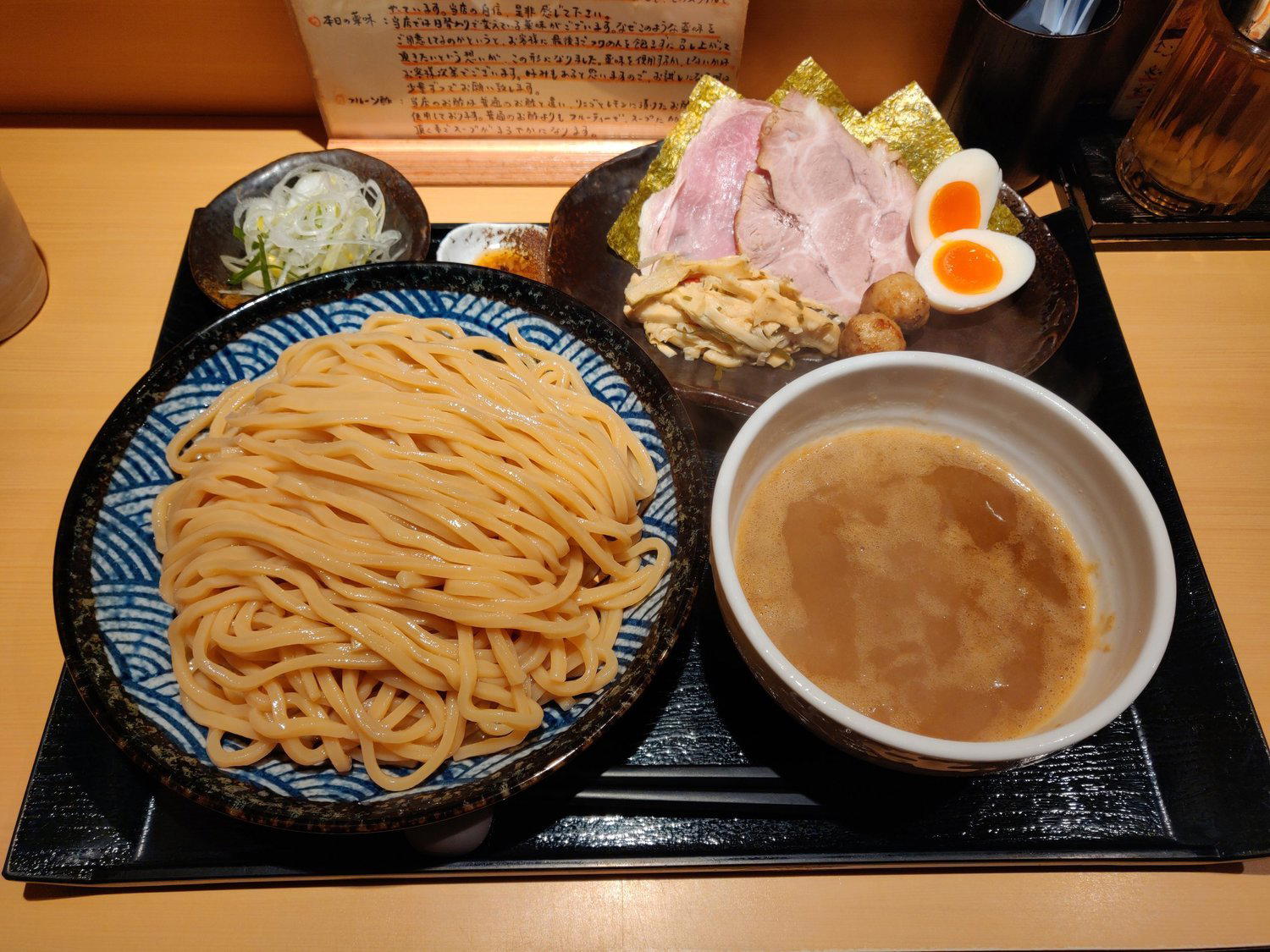
The menu
What to order
- Tokusei tsukemen (all toppings)
- Tonkotsu-based tsukemen
- Shio tsukemen (Tuesdays)
- Crème brûlée dessert
Tokyo noodle counters are not the Tokyo of hotel lobbies and tasting-menu choreography. Around a serious bowl, lunch often runs on queues, counter turnover, and knowing how to move with the room. Tsukemen Michi fits that older rhythm: dipping noodles at the center, a focused format, and a sense of discipline that governs the meal before the first bowl lands.
That discipline matters because tsukemen is built around control. Noodles and broth arrive separately, making texture, timing, heat retention, and portion management part of the eating logic, not service theatre. In a city where ramen swings between fast fuel and obsessive specialization, this Tokyo counter is firmly specialist. The evidence is not chef mythology or design narrative, but current recognition: Tsukemen Michi appears in the 2025 Tabelog Hyakumeiten selection, with a listed 2025 Tabelog score of 3.79.
Tsukemen as a low-waste, high-discipline Tokyo format
Ramen is rarely discussed through sustainability because the category is framed around intensity: broth concentration, noodle weight, queue heat, speed. Yet the counter model has environmental logic. Compact rooms can reduce excess mise en place, streamlined ordering limits ambiguity, and narrow menus can help kitchens forecast demand better than restaurants built around sprawling choice. That does not make a bowl shop an ethical manifesto, but it explains why Tokyo’s serious noodle counters often feel operationally lean rather than performative.
Tsukemen sharpens the point. Separating carbohydrate from soup means the kitchen calibrates concentration and sequence rather than drowning noodles in surplus liquid. At Tsukemen Michi, the appeal sits in that focused structure: dipping noodles are not treated as one option among many, but as the reason to visit. The format asks diners to meet the bowl on its own terms rather than treat the meal as an all-options buffet.
Tokyo’s ramen culture rewards constraint and punishes vagueness. A focused counter cannot hide behind atmosphere; turnover, etiquette, and consistency become the measures. Compared with broader casual Tokyo dining, where other rooms may define themselves through a visual or category hook, ramen counters are judged by repetition. The same bowl must survive hundreds of microscopic comparisons from diners who know the form.
Tokyo puts the meal outside the trophy-only circuit
The location changes the decision. Tsukemen Michi is in Tokyo, but the meal is less about stacking reservations into a polished itinerary and more about committing to one purpose-built stop. It works best as a targeted noodle detour rather than a casual add-on between museums and hotel bars.
Tokyo’s dining hierarchy often overweights price and ceremony. Tsukemen Michi complicates that habit. Average spend is listed at JPY 1,000 to JPY 1,999, yet its 2025 recognition places it in a competitive conversation beyond price alone. In the supplied Tokyo comparison set, Hiroshima Okonomiyaki Okotaro, Tori Sami, and Chuka Dining Ichizu Isshin each occupy different dining formats and budget expectations. The point is not judging one format against another plate-for-plate; it is that Tokyo’s value curve is not linear. A low-ticket counter can carry real destination pressure.
The access style reinforces that distinction. This is not necessarily the hospitality economy of concierge emails and deposits, but the older city bargain: show up, read the room, move efficiently, and accept that the meal’s structure matters. For a focused noodle counter, that choreography is part of the meal’s civic contract.
How to place it inside a Tokyo itinerary
Tsukemen Michi suits travelers who understand some Tokyo meals are about compression, not leisure. The format is direct, the category is tsukemen, and the editorial case is the bowl itself: dipping noodles are timing-sensitive, and the best argument is to experience the shop as intended, in Tokyo, with attention on heat, texture, and pacing.
For a broader Tokyo food day, the contrast helps. Treat Tsukemen Michi as the noodle anchor, then read the city through other formats, from compact counters to casual dining rooms and focused everyday stops. The comparison clarifies what tsukemen does well: stripping dining to timing, heat, texture, and a price point that keeps repeat eating possible.
Travelers building around Japan rather than Tokyo alone can use the same lens. Japanese food culture travels through formats as much as flavors: counters, compact specialty rooms, and other everyday dining structures all show how a meal can be defined by rhythm as much as by ingredients. Tsukemen Michi belongs to that format-first understanding of the city.
Know Before You Go
- Format: tsukemen specialist in Tokyo.
- Recognition: listed in the 2025 Tabelog Hyakumeiten selection, with a 2025 score of 3.79.
- Access style: plan for a focused noodle-counter experience rather than a long-form dining room.
- Payment rhythm: casual Tokyo noodle culture rewards arriving prepared and moving efficiently.
- Planning context: pair the meal with a wider Tokyo plan using Our full Tokyo restaurants guide, then map the rest of the trip through Our full Tokyo hotels guide, Our full Tokyo bars guide, Our full Tokyo wineries guide, and Our full Tokyo experiences guide.
Frequently asked questions
What are Tsukemen Michi's hours?
Check current hours directly before visiting Tsukemen Michi, as specific opening times are not provided here.
Is Tsukemen Michi more mid-range or high-end?
Pricing at Tsukemen Michi is listed as JPY 1,000 - JPY 1,999.
Where is Tsukemen Michi located?
Tokyo.
What is Tsukemen Michi known for?
Tsukemen Michi is known for tsukemen, or dipping noodles, in Tokyo.
Cuisine and Credentials
Comparable venues by price and recognition.
| Venue | Cuisine | Price | Awards | Notes |
|---|---|---|---|---|
| Tsukemen MichiThis venue (the venue you are viewing) | Tsukemen ramen shop | $10–20 | Tabelog 100 #48 | Not listed |
| King Seimen | Modern Tokyo ramen & dumpling shop | $10–20 | Tabelog 100 #67 | Kita |
| Ganso Shio Daifuku Mizuno | Traditional Japanese confectionery & cafe (shio daifuku specialist) | $1–10 | Tabelog 100 #32 | Toshima |
| Ten mame | Japanese Traditional Sweets | $1–10 | Tabelog 100 #98 | Chūō |
| China Soba Osada | Ramen & Tantanmen | $10–20 | Tabelog 100 #66 | Itabashi |
| Kasei Curry | Japanese Curry House | $10–20 | Tabelog 100 #67 | Toshima |
Recognition history
Dated appearances from independent guides and award organizations, with the underlying list record or original source where available.
Tabelog 100 #48 · No. 48
Tabelog · Tabelog 100 - Ramen - TOKYO - 2025
Continue exploring
More in Tokyo
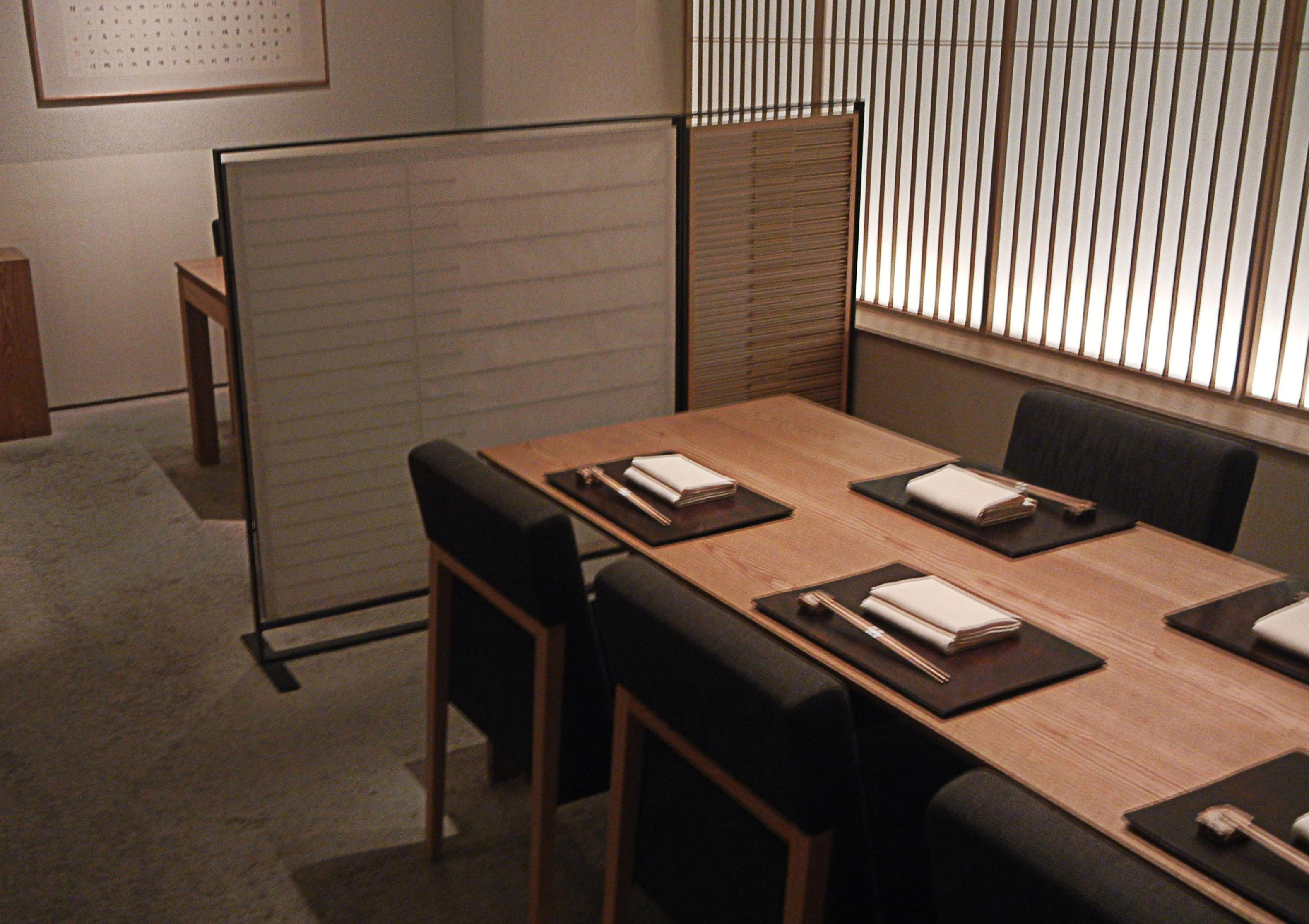
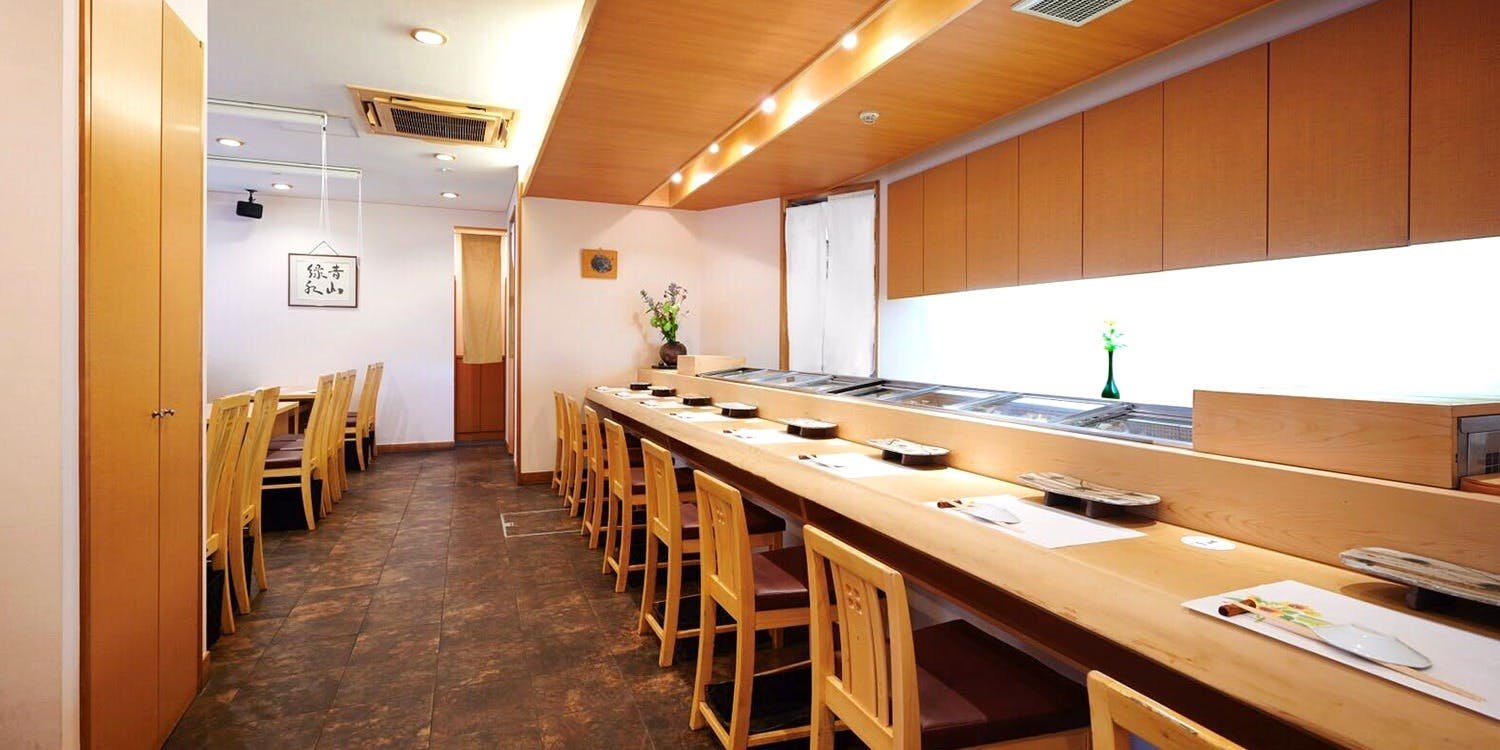
Restaurants in Tokyo
All restaurants in Tokyo →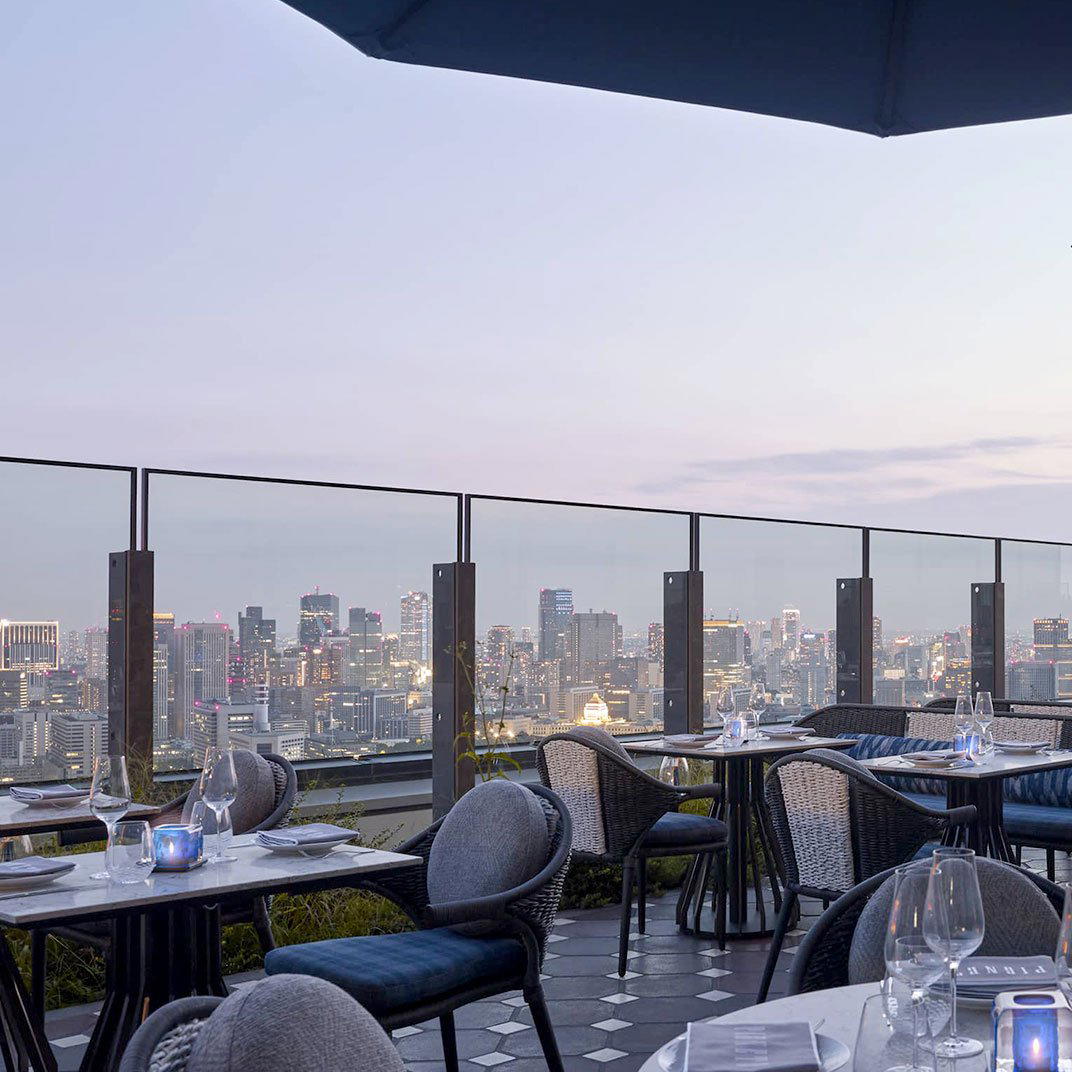


Bars in Tokyo
All bars in Tokyo →


Details
- Cozy
- Lively
- Classic
- Solo
- Casual Hangout
- After Work
- Chefs Counter
- Standalone
- Street Scene
- A La Carte
- Counter Dining
Current opening hours
- Monday
- 10:30 AM–3 PM
- Tuesday
- 10:30 AM–3 PM
- Wednesday
- 10:30 AM–4 PM
- Thursday
- 10:30 AM–4 PM
- Friday
- 10:30 AM–4 PM
- Saturday
- 10:30 AM–4 PM
- Sunday
- 10:30 AM–4 PM
Hours can change for holidays and private events. Hours as of .
A small counter-only neighborhood ramen shop with an intimate, bustling feel, brightly lit and focused on the craft of noodles and broth rather than decor.