Tsudaya Shokudo

Tsudaya Shokudo puts Kitakyushu’s everyday shokudo tradition in sharper focus: cafeteria ease, izakaya drinking habits, and prices that stay in the JPY 1,000–1,999 band for both lunch and dinner. Its selection for Tabelog Diner “Tabelog 100” in 2024 and 2026 gives a low-key local format national visibility without turning it into luxury dining.
Pearl is the En Primeur Club membership app — saves, bookings, and concierge access live there. Same editors, same standards.
- Address
- 福岡県北九州市小倉北区馬借2-1-33
- Phone
- +81935226565
- Website
- tabelog.com
 Saves & bookings on Pearl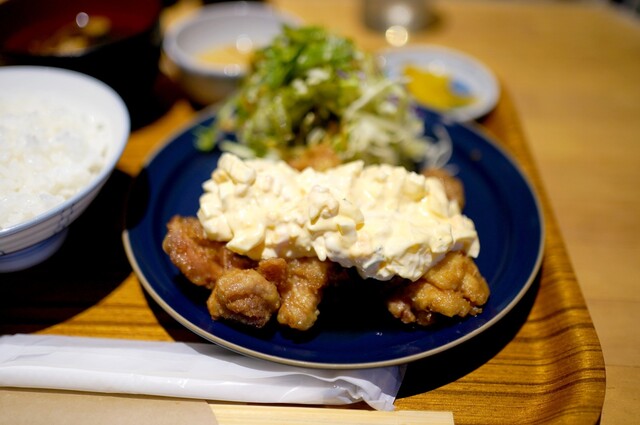
Approaching a Japanese shokudo, the first signal is usually not spectacle but usefulness: a room built for repeat meals, solo counters, small groups, and the easy drift from lunch into an early drink. In Kokurakita-ku, that grammar matters. Kitakyushu is a working port city with a dining culture that prizes directness, value, and recognisable ingredients over performance. Tsudaya Shokudo belongs to that register: cafeteria and izakaya in the same frame, non-smoking, counter seating available, drinks running from sake and shochu to wine and cocktails, and a price band that keeps the experience closer to daily life than special-occasion theatre.
That is why its Tabelog Diner “Tabelog 100” selections in 2024 and 2026 are useful signals. They do not recast the place as a luxury restaurant; they mark a category often overlooked by travellers who arrive in Japan chasing sushi counters, kaiseki rooms, and ramen queues. The shokudo category is about confidence in ordinary forms: set-meal thinking, drinking snacks, familiar preparations, and the discipline of sourcing ingredients that can carry a meal without elaborate staging. In a city with stronger national name recognition for yaki udon and tonkotsu-adjacent ramen culture, this kind of address gives a different reading of local appetite.
Everyday cooking with an izakaya drinking spine
Japanese cafeteria cooking is sometimes misread as casual by default, but the better examples are exacting in a quieter way. The format depends on ingredient rotation, portion logic, and a kitchen’s ability to make lunch and dinner feel equally natural. Tsudaya Shokudo’s category listing, cafeteria and izakaya, is the key: it places the restaurant between the set-meal economy of the shokudo and the social rhythm of a tavern. That means the food is not framed as a chef-led tasting sequence. It is a flexible meal structure, built for people who may want a solo counter seat, a drink with friends, or a low-friction dinner that still feels rooted in the city.
The ingredient-sourcing story here is less about named farms than about format. In Japan, shokudo cooking tends to live or die by procurement discipline: fish, vegetables, pickles, rice, condiments, frying oil, and small sides need to be consistent enough for regulars and economical enough for everyday pricing. Kitakyushu’s geography helps explain the appeal. The city sits between the Kanmon Strait, inland routes through Fukuoka, and a long industrial food culture shaped by workers’ lunches and after-hours drinking. A shokudo-izakaya hybrid can absorb that range: practical at noon, looser after dark, still anchored by ingredients that make sense in a northern Kyushu dining room.
Compared with Kitakyushu’s higher-spend rooms, the editorial point is clear. Spice & Dining KĀLA and Sushi Asauumi sit in a far more expensive bracket, while sushi-focused addresses such as Tsubasa and 寿司つばさ speak to a narrower reservation-led language. Tsudaya Shokudo works in another lane: lower spend, broader utility, and recognition in a diner category rather than a fine-dining hierarchy. For travellers building a city map, that contrast is more revealing than another luxury comparison. It shows how Kitakyushu eats when the meal is not required to announce itself.
Kokura's dining map is stronger when it includes small-format staples
Kokura is often the practical base for eating through Kitakyushu, and the strongest itineraries mix specialist stops with local staples. Ramen at Gyoran Tei Honten, chicken cooking at Hountei, sweets at Hyo Kashiya KOMARU, noodles at Imanami Udon, and eel at Inaka An Kokura honten all point to a city where genre matters. The restaurant adds the connective tissue: a place where the border between meal and drink is porous, and where the shokudo tradition gives visitors a way to read the city without reducing it to a single dish.
The selection for Tabelog’s diner list also matters because it validates an unfashionable category. Japan’s international restaurant conversation often rewards scarcity, counter intimacy, and chef authorship. A diner list shifts attention toward durability and repeatability. Those are different virtues. A shokudo has to make sense on an ordinary weekday, not only on a planned culinary trip. It has to be comfortable for solo dining and flexible enough for friends. It has to carry drinks without becoming only a bar. The available facility details, counter seating, a relaxed room, and a non-smoking policy, support that reading without forcing a fine-dining frame onto a place that does not need one.
How to place it in a Kitakyushu itinerary
Use the restaurant as a corrective to over-scheduled eating. It is better understood as a local-format anchor than as a trophy booking, especially because reservations are unavailable. The address places it in Bashaku, Kokurakita-ku, with Tanga Station listed as the nearest station, so it suits a Kokura-based day rather than a destination detour across the city. The payment setup is equally old-school: cards, electronic money, and QR payments are not accepted, so cash planning matters more here than dress codes or tasting-menu timing.
For broader planning, start with Our full Kitakyushu restaurants guide, then build the rest of the trip around Our full Kitakyushu hotels guide, Our full Kitakyushu bars guide, Our full Kitakyushu wineries guide, and Our full Kitakyushu experiences guide. For travellers comparing casual Japanese formats beyond Fukuoka, useful contrasts include -Grilled beef Sukiyaki- KAMAKURA TANUKIAN 鎌倉 たぬき庵 in Kamakura. 鮪と炭火焼き うお炭 秋葉原店 in Tokyo.cafe in Osaka.know in Kumamoto, (Shoku) Vietnam in Kawasaki, [Curry Senmon Ten] Maruyama Kyoju. in Sapporo, Jōdo Saké Bar in Los Angeles, and Onigiri Time in Pasadena.
The editorial case is not that this is Kitakyushu’s grandest meal. It is that the city’s dining identity becomes clearer when a low-spend, recognised shokudo sits beside ramen shops, udon counters, eel houses, sushi rooms, and drinking spots. The restaurant gives the everyday table its due, and in Japan that category often teaches more about a city than the expensive room built for visitors.
How It Stacks Up
Comparable venues by cuisine and price in the same metro.
| Venue | Cuisine | Price | Notes |
|---|---|---|---|
| Tsudaya ShokudoThis venue — the venue you are viewing | Japanese cafeteria & izakaya set-meal house | $ | Not listed |
| Imanami Udon | Japanese Udon Noodles | $ | Kokuraminami-ku |
| Miyoshino | Traditional Yakitori & Chicken Dishes | $$ | Kokura Kita Ward |
| Kurosaki Inakaan Hibiya | Japanese Unagi (Eel) | $$ | Kurosaki |
| Zubora Tei | Traditional Okonomiyaki & Teppan-yaki | $$ | Kokurakita Ward |
| 天寿し 京町店 | Kyushu-Mae Omakase Sushi | $$$$ | Kokura |
Recognition history
Dated appearances from independent guides and award organizations, with the underlying list record or original source where available.
Tabelog 100 #41 · No. 41
Tabelog · Tabelog 100 - Diner - 2026
Continue exploring
More in Kitakyushu
Restaurants in Kitakyushu
Browse all →
Bars in Kitakyushu
Browse all →
At a Glance
- Cozy
- Classic
- Lively
- Solo
- Casual Hangout
- After Work
- Group Dining
- Standalone
- Sake Program
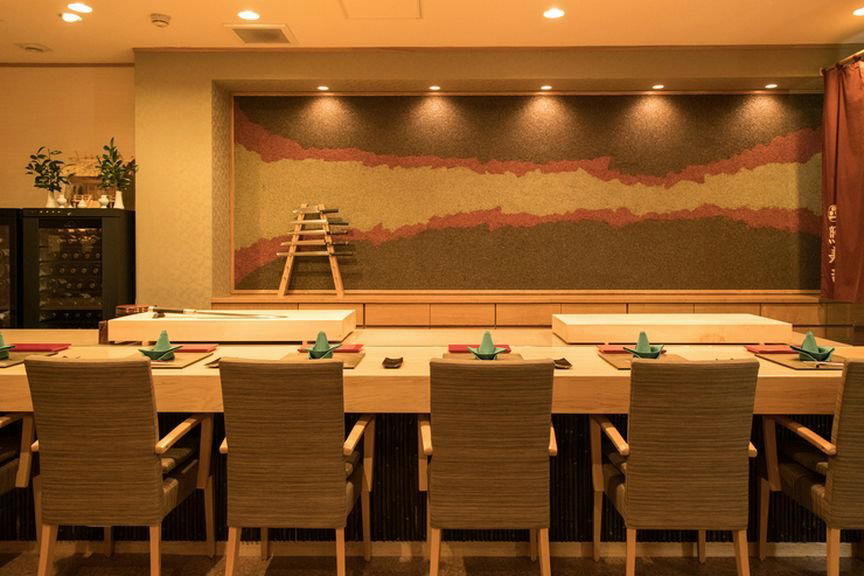
A non-smoking, relaxed neighborhood shokudo with a simple, slightly stylish interior and counter seating, bustling with solo diners and friends enjoying hearty set meals in a casual atmosphere.