Triangel sits on Wiener-Philharmoniker-Gasse in the heart of Salzburg's Altstadt, steps from the Festspielhaus and the city's most concentrated stretch of serious dining. The address alone signals positioning: this is a restaurant oriented around the cultural calendar of one of Europe's most festival-driven cities. Visitors planning around the Salzburg Festival or the winter season should factor Triangel into their itinerary alongside the city's broader fine-dining tier.
 Discover on Pearl
Pearl is the En Primeur Club membership app — saves, bookings, and concierge access live there. Same editors, same standards.
- Address
- Wiener-Philharmoniker-Gasse 7, 5020 Salzburg, Austria
- Phone
- +436642509573
- Website
- triangel-salzburg.co.at
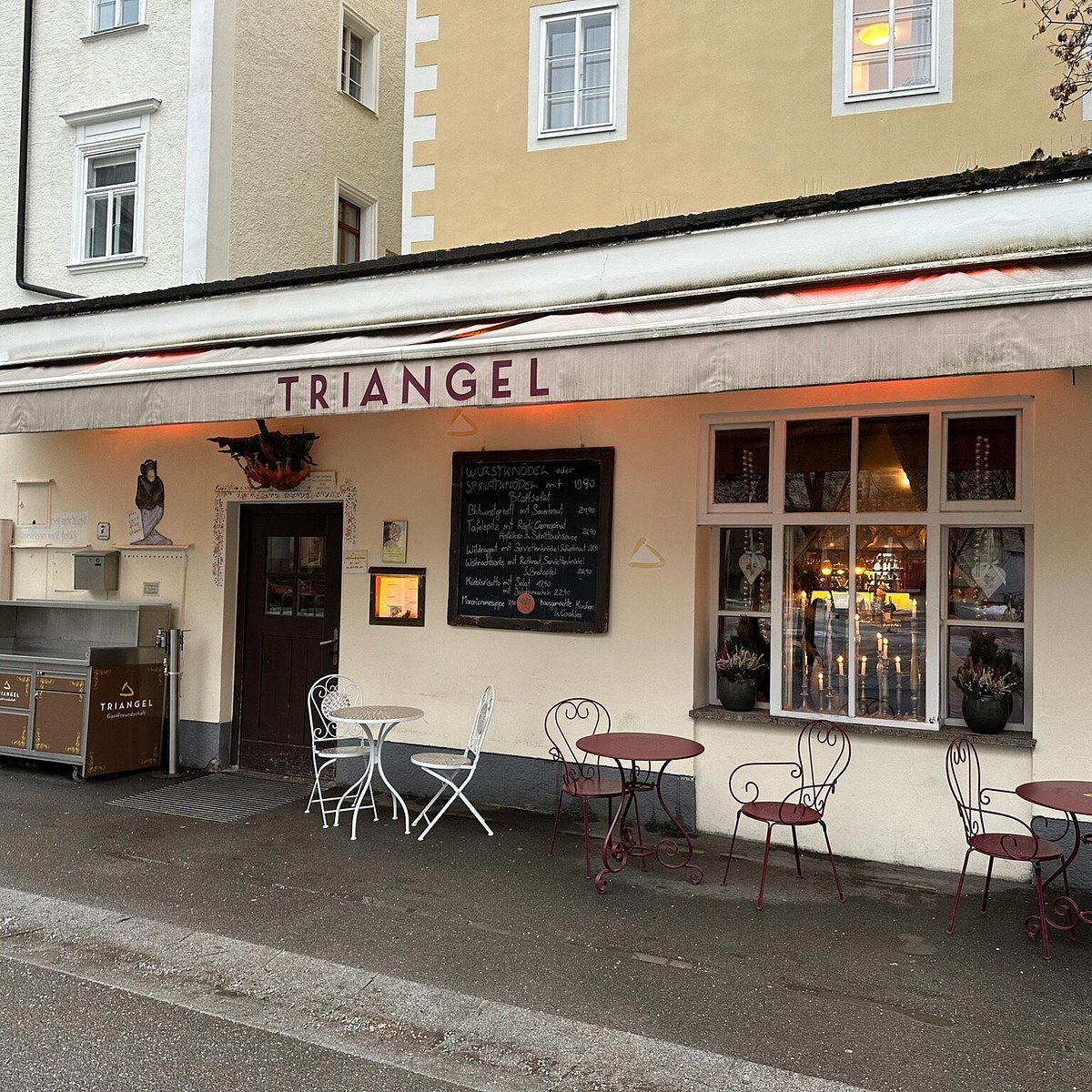
Where the Altstadt Places Its Bets on Dinner
Triangel is a Traditional Austrian restaurant in Salzburg, with a price point around $25 per person. Wiener-Philharmoniker-Gasse is a short, purposeful street in Salzburg's UNESCO-listed old city, and the address of Triangel tells you something before you've crossed the threshold. The lane runs parallel to the Festspielhaus complex, putting the restaurant squarely in the orbit of the festival audience: the kind of crowd that has already decided to spend seriously on a night out and arrives with expectations calibrated accordingly. In a city whose entire hospitality economy tilts toward high-season peaks, the Salzburg Festival in July and August, the Christmas market period in December, the restaurants that survive on this particular stretch are not casual operations. They are positioned for a guest who treats dinner as part of the cultural program, not a refuelling stop between concerts.
That context matters when reading Triangel against Salzburg's broader dining picture. The city punches above its population in terms of serious restaurant density, partly because it has sustained international visitor traffic for generations and partly because the Austrian Alpine culinary tradition, rooted in seasonal produce, game, freshwater fish, and dairy, gives kitchens genuine material to work with. The restaurants that have built reputations here, from Ikarus at the Hangar-7 complex to the neighbourhood precision of Senns and the creative Austrian cooking at Esszimmer, tend to have a clarity of identity that distinguishes them from the more generalist middle tier. Triangel's position in the Altstadt places it in a competitive set that includes Pfefferschiff and The Glass Garden, all operating within a short radius of the main festival infrastructure.
Reading a Menu as a Statement of Intent
In the Austrian fine-dining tradition, menu architecture has long been a reliable signal of a kitchen's reference points. The classic Viennese approach, multiple courses moving from lighter preparations through to richer meat and game, with structured dessert sequences, was codified in grand hotel dining rooms and has been refined, compressed, and reinterpreted across the country's serious restaurants ever since. What a menu chooses to include, exclude, or reframe tells you whether the kitchen is working within that tradition, against it, or at a deliberate angle to it.
Restaurants in Salzburg's upper tier tend to navigate this question in distinct ways. The tasting format, which dominates at places like Ikarus, signals a commitment to narrative sequencing where each course functions as part of an argument. A more à la carte or hybrid format, by contrast, gives the guest more agency but demands that individual dishes carry their weight without the scaffolding of a longer progression. The choice between these formats is rarely neutral: it reflects assumptions about who is eating, how long they want to sit, and how much editorial control the kitchen wants to exercise over the experience.
Austrian kitchens at this level also face a specific regional question: how far to lean into Alpine and local-produce identity versus how much to draw on broader European technique. The restaurants that have achieved the most sustained recognition in the Austrian Alpine corridor, from Obauer in Werfen to Döllerer in Golling an der Salzach, have generally answered that question by making local identity the foundation rather than the decoration. The leading preparations in this tradition use the landscape's produce with the kind of specificity that would be difficult to replicate elsewhere: Salzkammergut char, Pinzgau beef, mushrooms from the surrounding forests, herbs from high-altitude meadows.
Salzburg in the Austrian Fine-Dining Map
Understanding where Salzburg sits within Austria's restaurant geography helps calibrate expectations for any serious dining address in the city. Vienna's top tier, anchored by operations like Steirereck im Stadtpark, sets a benchmark that few provincial cities can match in terms of scale and resource. But Salzburg's sustained international profile, driven by tourism, festival culture, and proximity to the Bavarian border, means it supports a concentration of serious kitchens that a city of its size would not typically sustain on local custom alone.
The broader Austrian Alpine region extends that network further. Gourmetrestaurant Tannenhof in Sankt Anton am Arlberg, Griggeler Stuba in Lech, Kräuterreich by Vitus Winkler in Sankt Veit im Pongau, and Landhaus Bacher in Mautern an der Donau represent the distributed nature of Austrian fine dining, where destination restaurants in smaller towns or mountain resorts draw guests willing to travel specifically for the meal. Schwarzer Adler in Hall in Tirol, Ois in Neufelden, and Restaurant 141 by Joachim Jaud in Mieming extend that picture further. Against this distributed map, a Salzburg address in the Altstadt carries intrinsic logistical appeal: accessible by foot from the main hotels and the concert venues, with no drive required.
For context on how Austrian precision compares internationally, the tasting-menu discipline at operations like Le Bernardin in New York City or the course-sequencing rigour of Atomix illustrates how the leading kitchen programmes use structure to build meaning across a meal rather than simply delivering dishes in sequence.
Planning a Visit
Triangel is located at Wiener-Philharmoniker-Gasse 7 in Salzburg's Altstadt, within walking distance of the Festspielhaus and the main old-city hotel cluster. The address is central enough that no car is needed, and the surrounding streets are pedestrianised, making the approach unhurried even on festival nights when the area is at its busiest. For visitors planning around the Salzburg Festival, which runs through July and August, restaurant availability across the Altstadt tightens considerably, and reservations at any address in this tier should be secured well in advance of arrival. The winter season around the Christmas market period presents a secondary peak. Triangel is recommended for reservations. Hours are Monday and Sunday closed, Tuesday through Saturday 11:30 AM to 12 AM.
Cuisine and Credentials
Comparable venues nearby, for context on price, style, and recognition.
| Venue | Cuisine | Price | Awards | Notes |
|---|---|---|---|---|
| TriangelThis venue — the venue you are viewing | Traditional Austrian | $$ | , | |
| CULT IM | Austrian Local Cuisine | $$ | , | Parsch |
| M32 | Modern Austrian with Mediterranean Influences | $$$ | , | Linke Altstadt |
| Wirtshaus Elefant | Traditional Austrian | $$$ | , | Altstadt |
| Cool Mama Sky Restaurant | Modern Austrian with International Influences | $$ | , | Salzachseesiedlung |
| Alvera Monte Mio | Authentic Italian Bistro | $$ | , | Altstadt |
Continue exploring
More in Salzburg
Restaurants in Salzburg
Browse all →
Bars in Salzburg
Browse all →
Hotels in Salzburg
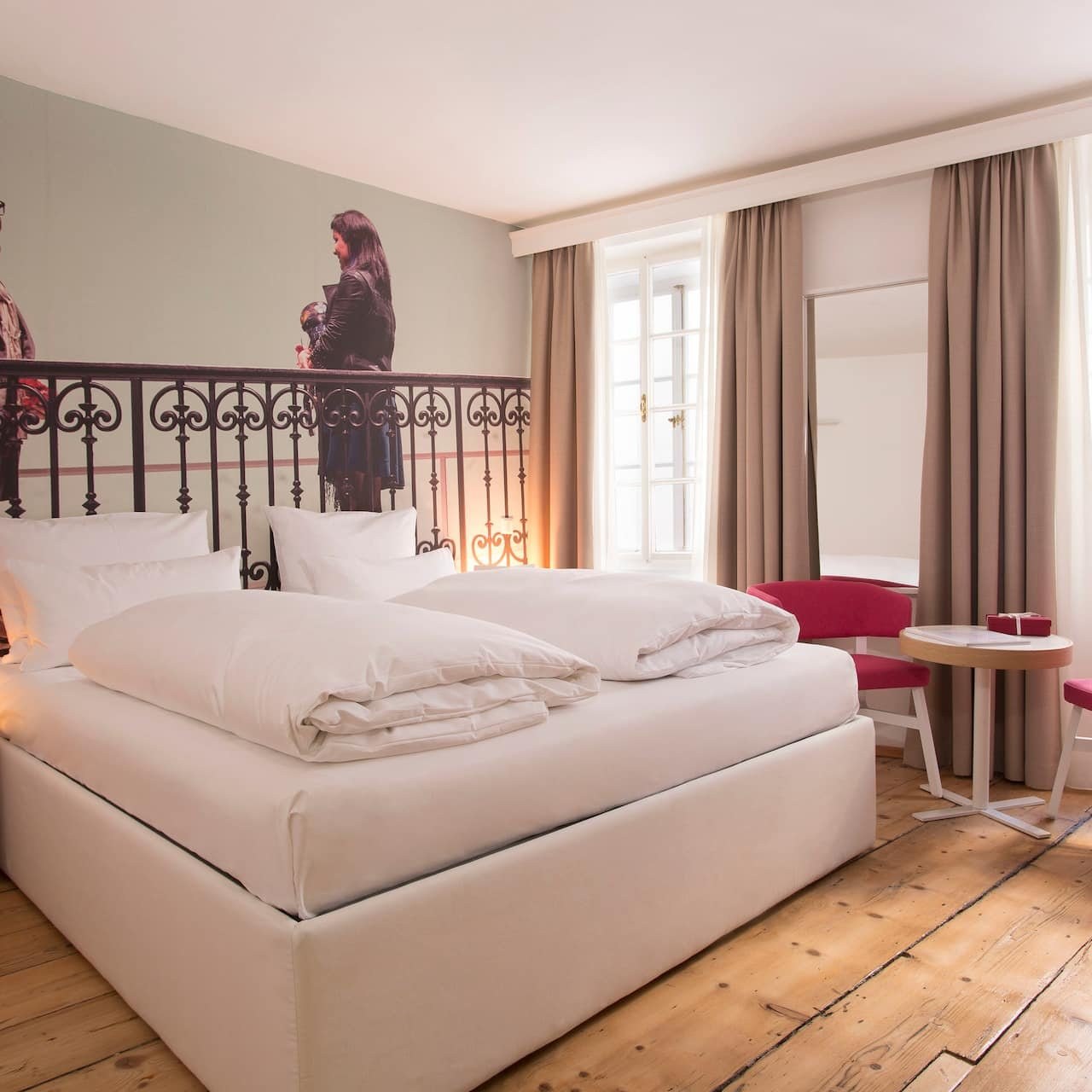
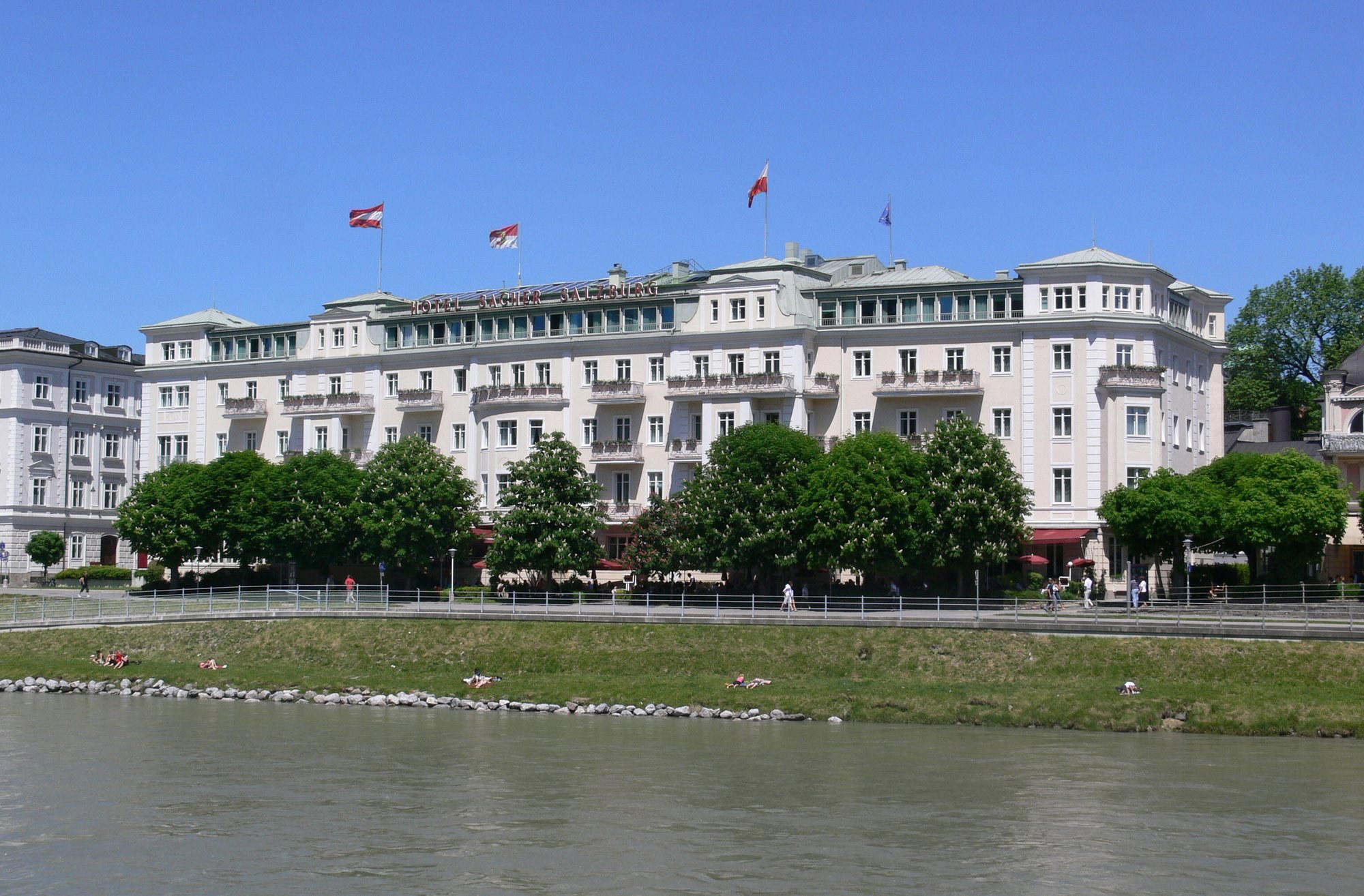
Browse all →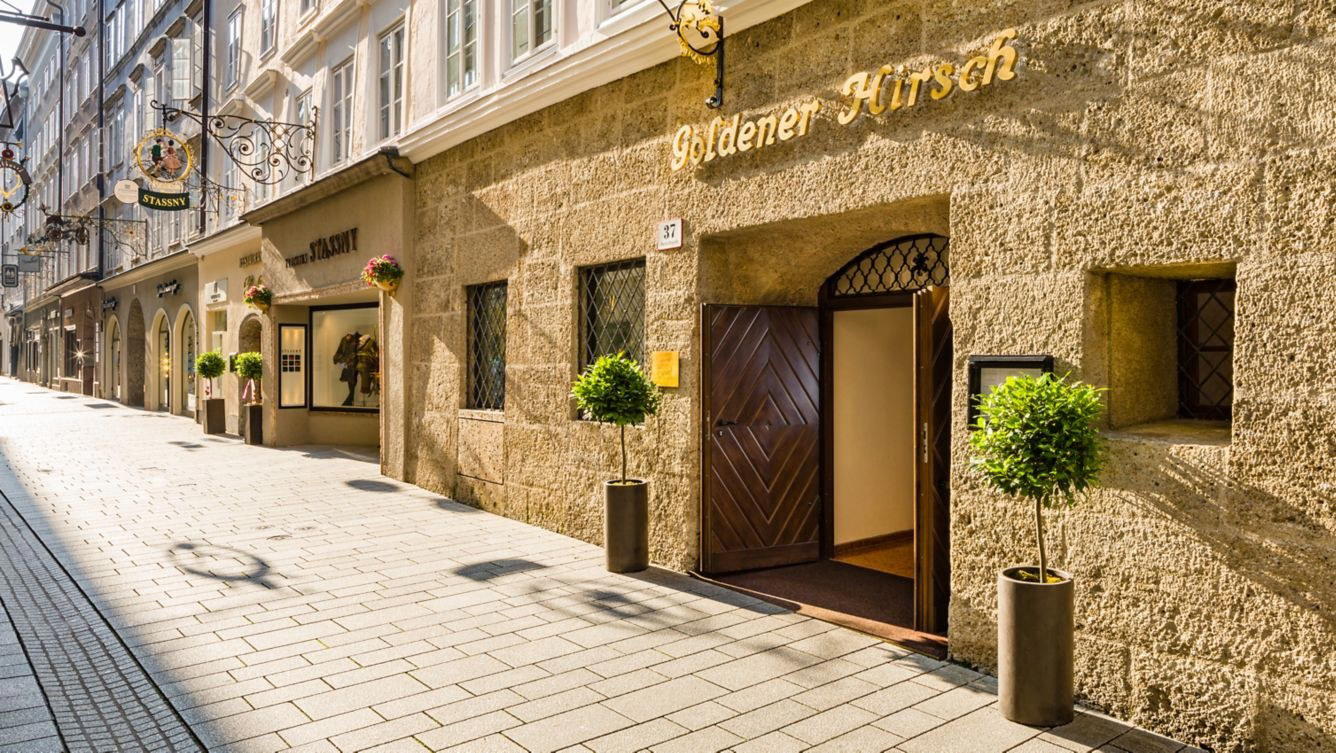
At a Glance
- Cozy
- Lively
- Casual Hangout
- Special Occasion
- Terrace
- Local Sourcing
- Organic
- Street Scene
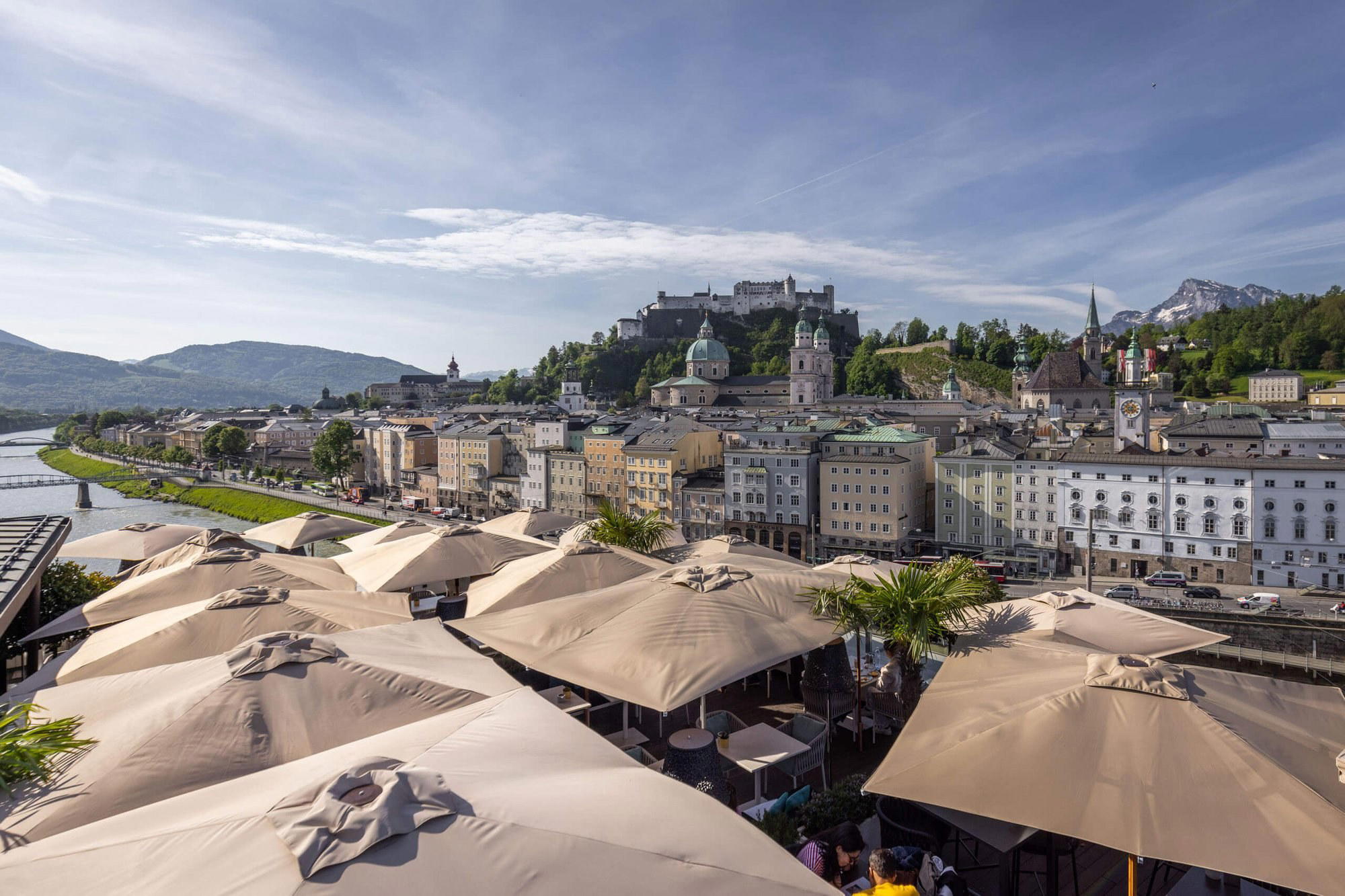
Cozy home-like atmosphere with charming outdoor seating and a lively mix of locals and festival-goers.