Trèsind

.png)
Trèsind holds a Michelin Plate for 2024 and 2025, placing it among a small cohort of Indian restaurants in Dubai that operate at the formal end of the spectrum. Located in DIFC, it brings modern Indian cooking, refined technique applied to subcontinent traditions, to one of the city's most competitive dining corridors. A 4.6 Google rating across nearly 2,800 reviews signals consistent delivery at the upper price tier.
 Discover on Pearl
Pearl is the En Primeur Club membership app — saves, bookings, and concierge access live there. Same editors, same standards.
- Address
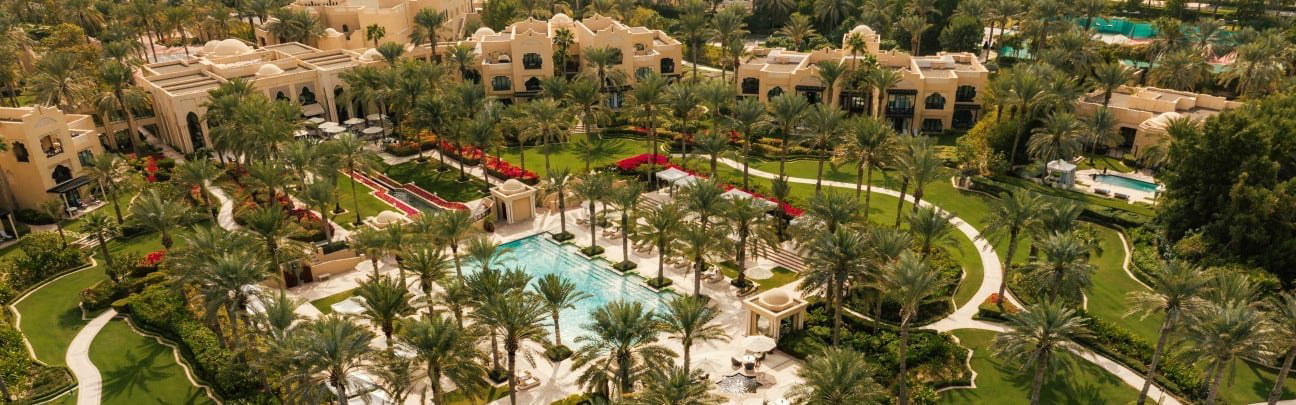
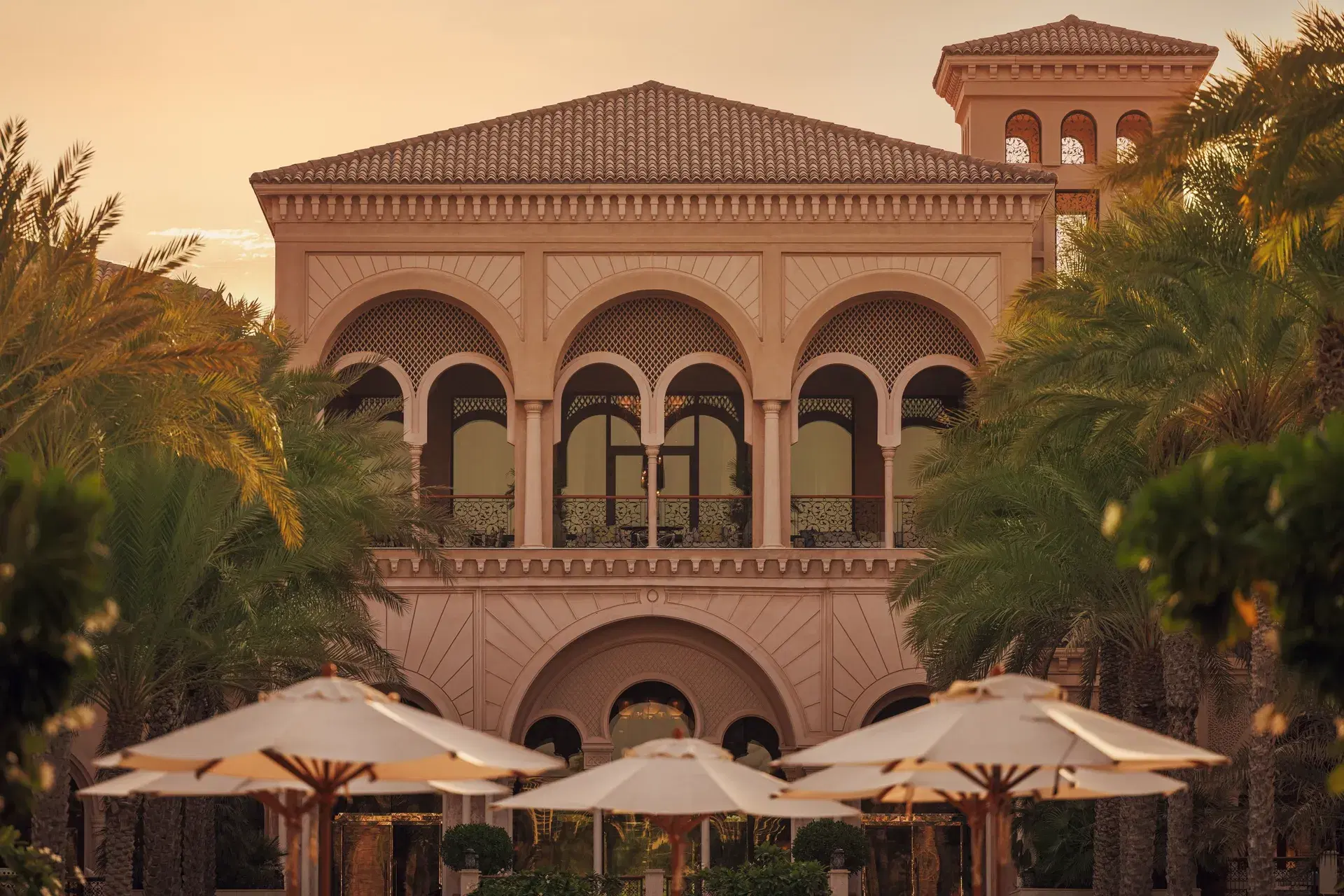
- Arabian Court, One&Only Royal Mirage, King Salman Bin Abdulaziz Al Saud St, Dubai, United Arab Emirates
- Phone
- +971 800 1604
- Website
- oneandonlyresorts.com
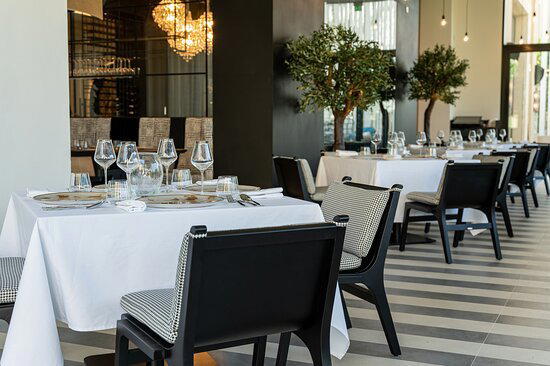
Where DIFC's Indian Dining Scene Positions Itself
Dubai's DIFC corridor has become the most concentrated stretch of formally recognised Indian restaurants in the Gulf. The district draws diners who treat the subcontinent's cuisine as a serious fine-dining proposition rather than a casual or comfort category, and the competition for that audience is real. Trèsind sits at the Arabian Court, One&Only Royal Mirage, on King Salman Abdulaziz Al Saud Street in Dubai. Michelin's inspectors have awarded Trèsind a Plate in both 2024 and 2025, a signal of consistent quality rather than an outlier result.
The Michelin Plate designation sits below Star level but above the general field, it marks restaurants the guide considers worth visiting, with cooking that meets a quality threshold. For DIFC's Indian dining scene, which now includes multiple plate and star holders, this positions Trèsind within a comparable set defined by technique and ambition rather than price alone. At the $$$$-tier, it prices against a premium audience in Dubai, though the two operate at different levels of formality and intimacy.
The Coastal Spice Register: Coconut, Curry Leaf, Tamarind, Kokum
Modern Indian fine dining internationally has tended to anchor itself in north Indian and Mughal-derived frameworks, tandoor cooking, rich gravies, aromatic biryanis. The more interesting counterpoint, which operators in Dubai have been willing to pursue, draws from the coastal and southern traditions: the acid brightness of kokum and tamarind, the aromatic sharpness of curry leaf, the fat and sweetness of fresh coconut. South Indian and Goan seafood traditions represent some of the most technically intricate cooking on the subcontinent, built around layering, fat from coconut milk, heat from green chilli, sourness from kokum, depth from dried fish, in ways that reward the same close reading as any French sauce work.
This coastal register appears in Trèsind's modern Indian framing. The kitchen draws across regional traditions rather than committing to a single state cuisine, which means Goan-influenced seafood preparations, South Indian spice profiles, and the coastal use of kokum as a souring agent all have logical space in the menu architecture. Globally, the shift toward coastal Indian cooking at the premium end is visible across the diaspora: Chaat in Hong Kong and Amaya in London both work within a framework that takes regional diversity seriously, while Opheem in Birmingham applies a similarly technical lens to southern flavour profiles.
What the coastal traditions demand from a kitchen is restraint with heat and precision with acid. A tamarind reduction over-reduced becomes bitter; kokum needs balancing against fat or sweetness to avoid overwhelming a dish. These are not forgiving cooking modes, and at the $$$$-tier with Michelin recognition behind it, Trèsind's approach to this material is one of the more defensible reasons to choose it over comparable Indian addresses in the neighbourhood.
Modern Indian at the Premium Tier: What the Format Signals
Premium Indian dining in the Gulf has moved well past the decorative-heritage format that dominated the category a decade ago. The current generation of restaurants in this tier, Trèsind included, operates with tasting menus or multi-course structures, uses sourcing and provenance as a talking point, and applies fine-dining technique (reductions, ferments, aged proteins, temperature-controlled cooking) to distinctly Indian flavour frameworks. This is the same shift visible at Musaafer in Houston, INDDEE in Bangkok, and Rania in Washington D.C., each adapting the subcontinent's regional depth to a fine-dining presentation without flattening what makes the source material interesting.
In Dubai specifically, the competitive pressure is higher than in most diaspora markets. The city has a large South Asian population, a deeply knowledgeable Indian dining audience, and enough critical infrastructure, Michelin has been active here since 2022, that shortcuts in technique or sourcing get noticed. Atrangi by Ritu Dalmia and Bombay Bungalow occupy adjacent price tiers and serve overlapping audiences, which makes the Michelin Plate signal at Trèsind a meaningful differentiator rather than a courtesy recognition. Globally, Erth in Abu Dhabi and Haoma in Bangkok represent the same formal ambition applied to regional Asian cooking, offering a useful comparative frame for what this category looks like when it's operating at full stretch.
The Google Signal and What It Implies
A 4.6 rating across 3,095 Google reviews is an unusually consistent figure for a restaurant at the leading price tier. Premium restaurants frequently accumulate high-score reviews from occasion diners alongside lower scores from guests whose expectations were misaligned with the format. A score that holds above 4.5 across nearly three thousand data points suggests the kitchen and service are delivering reliably to a broad range of guests, not just those who came in already predisposed to like it. That kind of consistency at the $$$$-tier is harder to sustain than the score itself implies.
Trèsind in the Wider Dubai Dining Context
Dubai's premium Indian category now extends beyond DIFC. For visitors building an itinerary, the tier structure matters: Trèsind Studio operates at a higher level of formality and intimacy, making the two venues complementary rather than interchangeable. Those working through the full range of Dubai's Indian dining scene should treat them as different propositions for different evenings.
Know Before You Go
- Address: The Buildings by Daman, 312 Al Sa'ada Street, DIFC, Dubai
- Cuisine: Modern Indian
- Price tier: $$$$ (premium)
- Awards: Michelin Plate 2024 and 2025
- Google rating: 4.6 from 2,788 reviews
- Booking: Advance reservation strongly advised, see FAQ below
- Getting there: DIFC is accessible via the Dubai Metro (Financial Centre station) and by taxi from most central hotel zones
Recognition Snapshot
Comparable venues nearby, for context on price, style, and recognition.
| Venue | Cuisine | Price | Awards | Notes |
|---|---|---|---|---|
| Trèsind | Progressive Modern Indian | $$$$ | Michelin Plate | Za'abeel 2 |
| Aamara | Modern Indian-Arabic Silk Route Fusion | $$$$ | Bib Gourmand | Za'abeel 2 |
| Carnival by Trèsind | Modern Indian Fine Dining with Molecular Gastronomy | $$$ | Michelin Plate | Za'abeel 2 |
| Indya by Vineet | Modern Indian Street Food | $$$ | Bib Gourmand | Al Sufouh 2 |
| Masti | Modern Indian | $$$ | Michelin Plate | Downtown Dubai |
| Il Borro Tuscan Bistro Dubai | Tuscan Bistro | $$$$ | Michelin Plate | Umm Suqeim |

At a Glance
- Modern
- Elegant
- Sophisticated
- Trendy
- Special Occasion
- Date Night
- Business Dinner
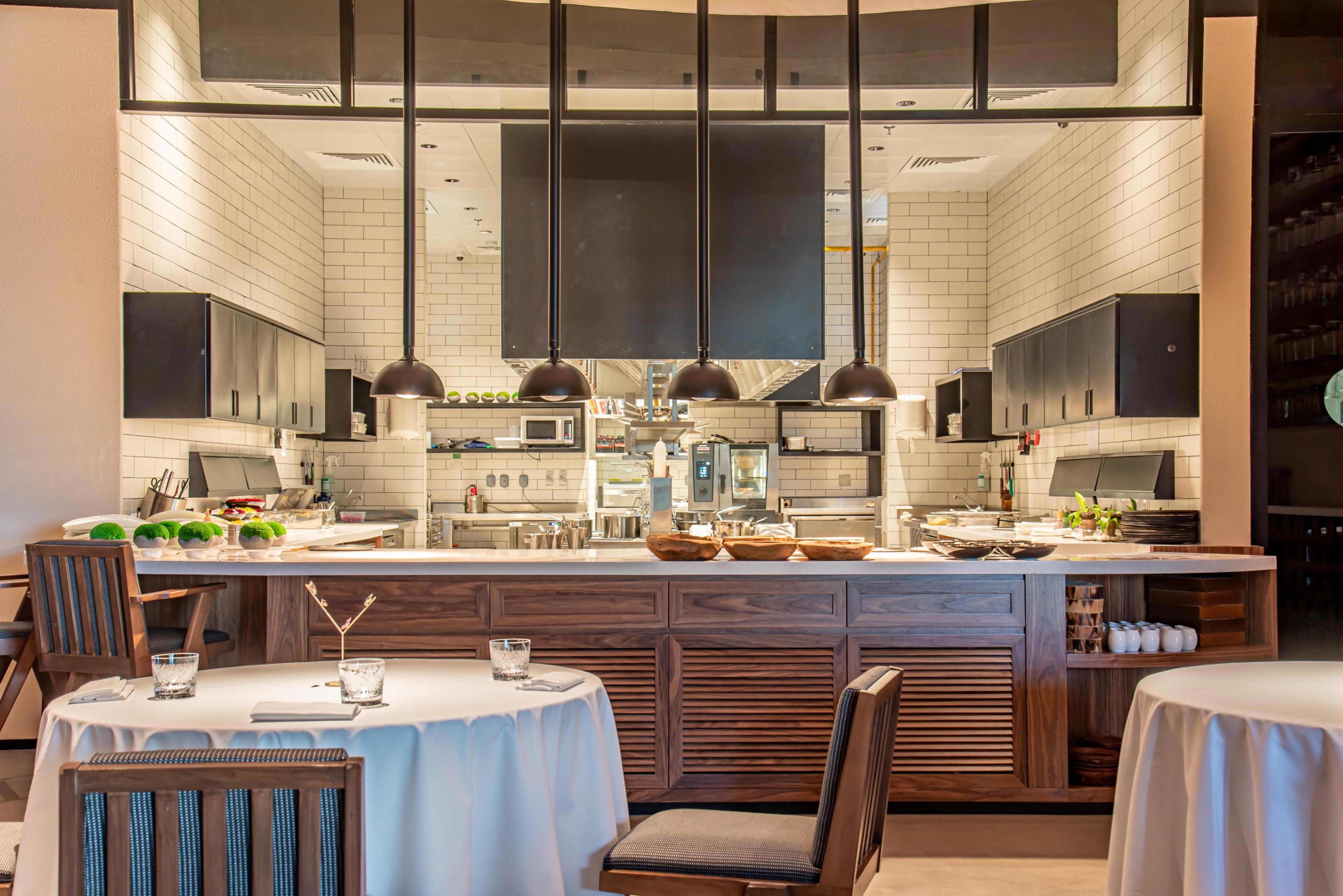
- Open Kitchen
- Craft Cocktails
- Local Sourcing
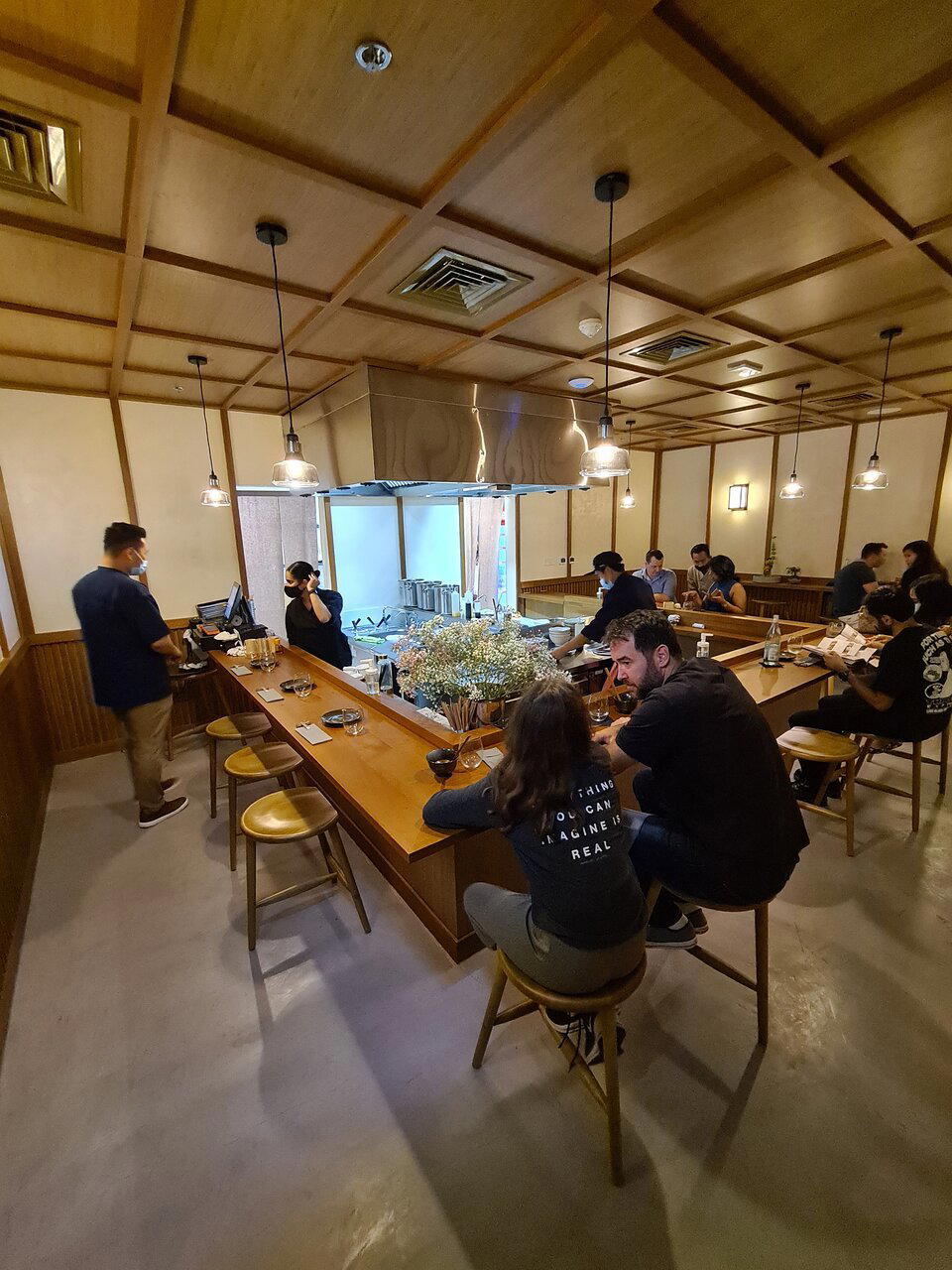
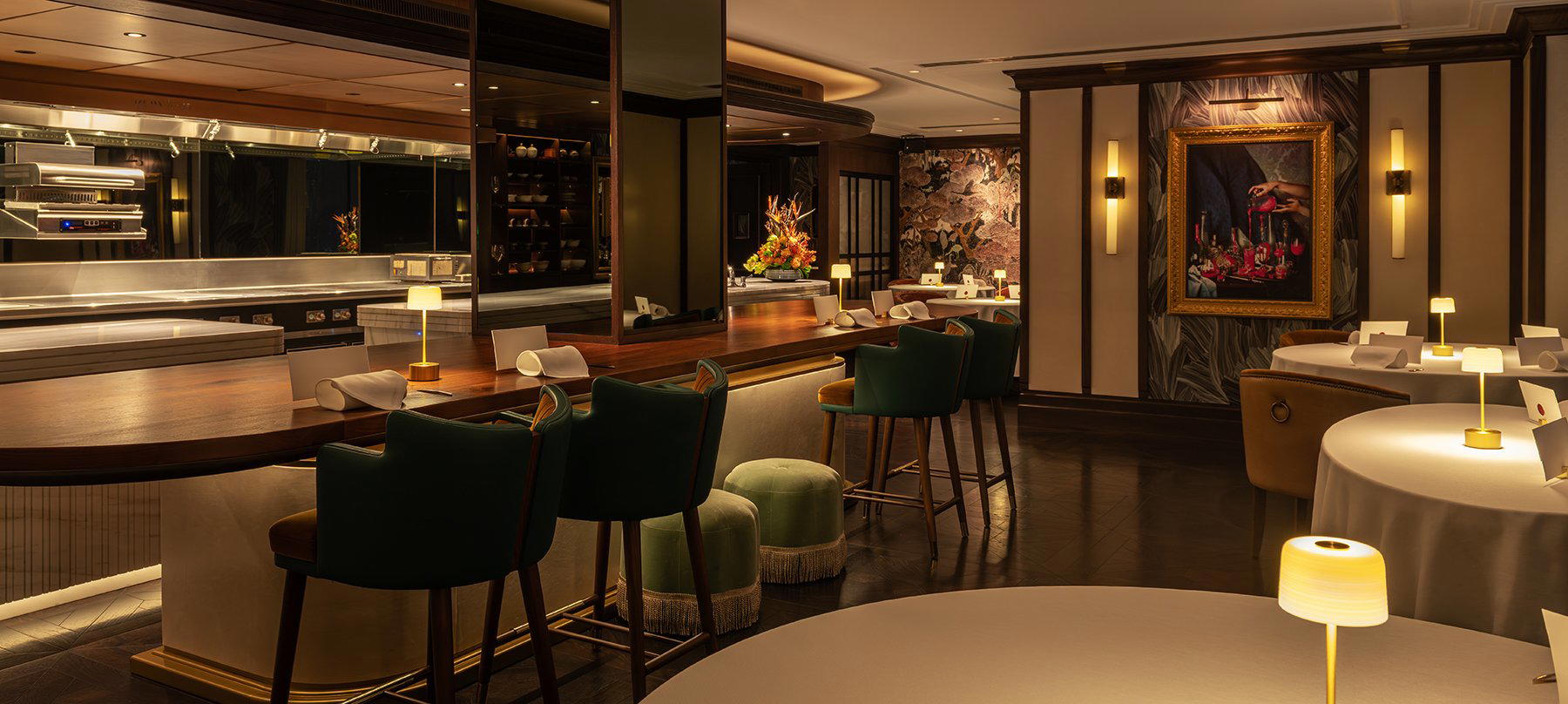
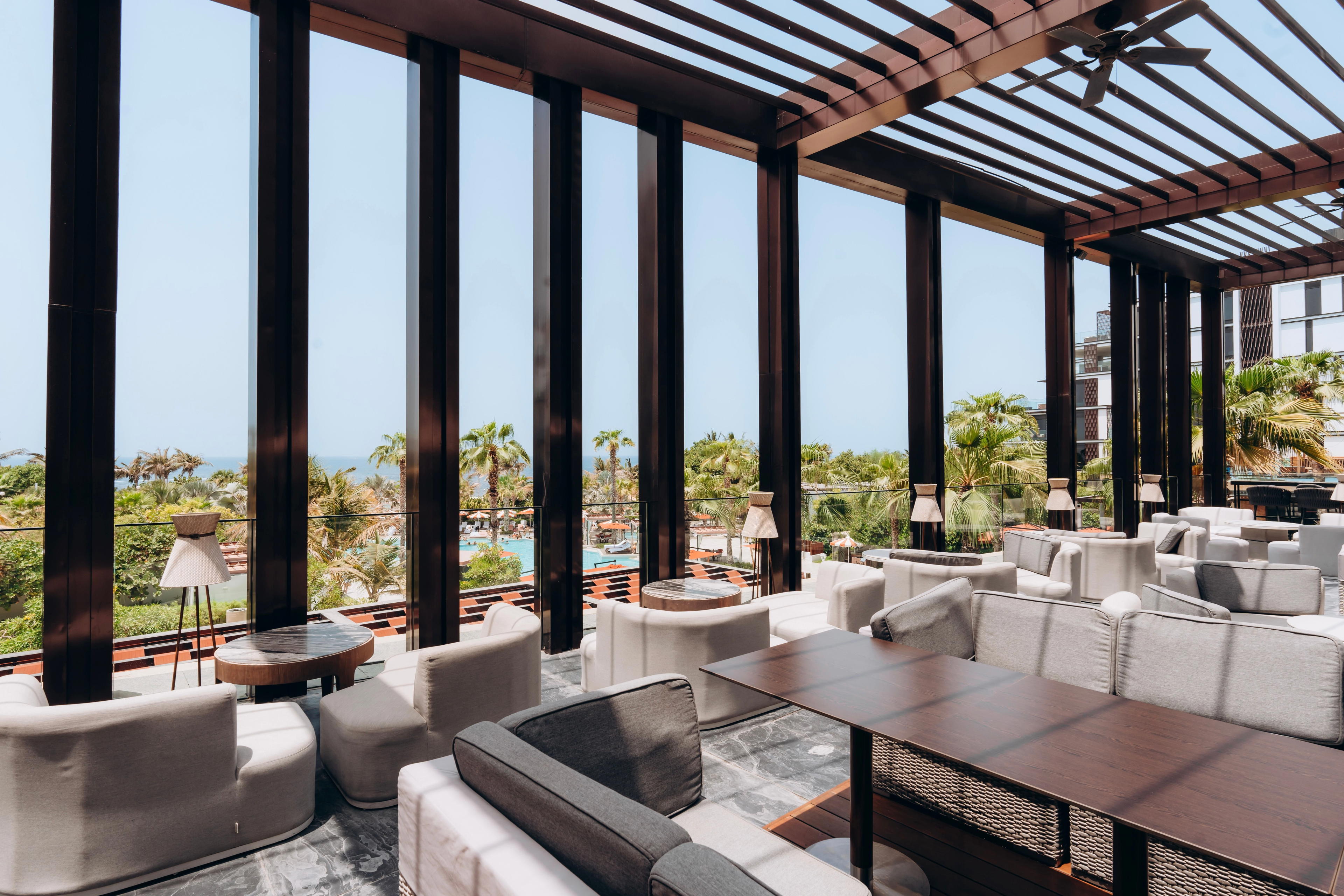
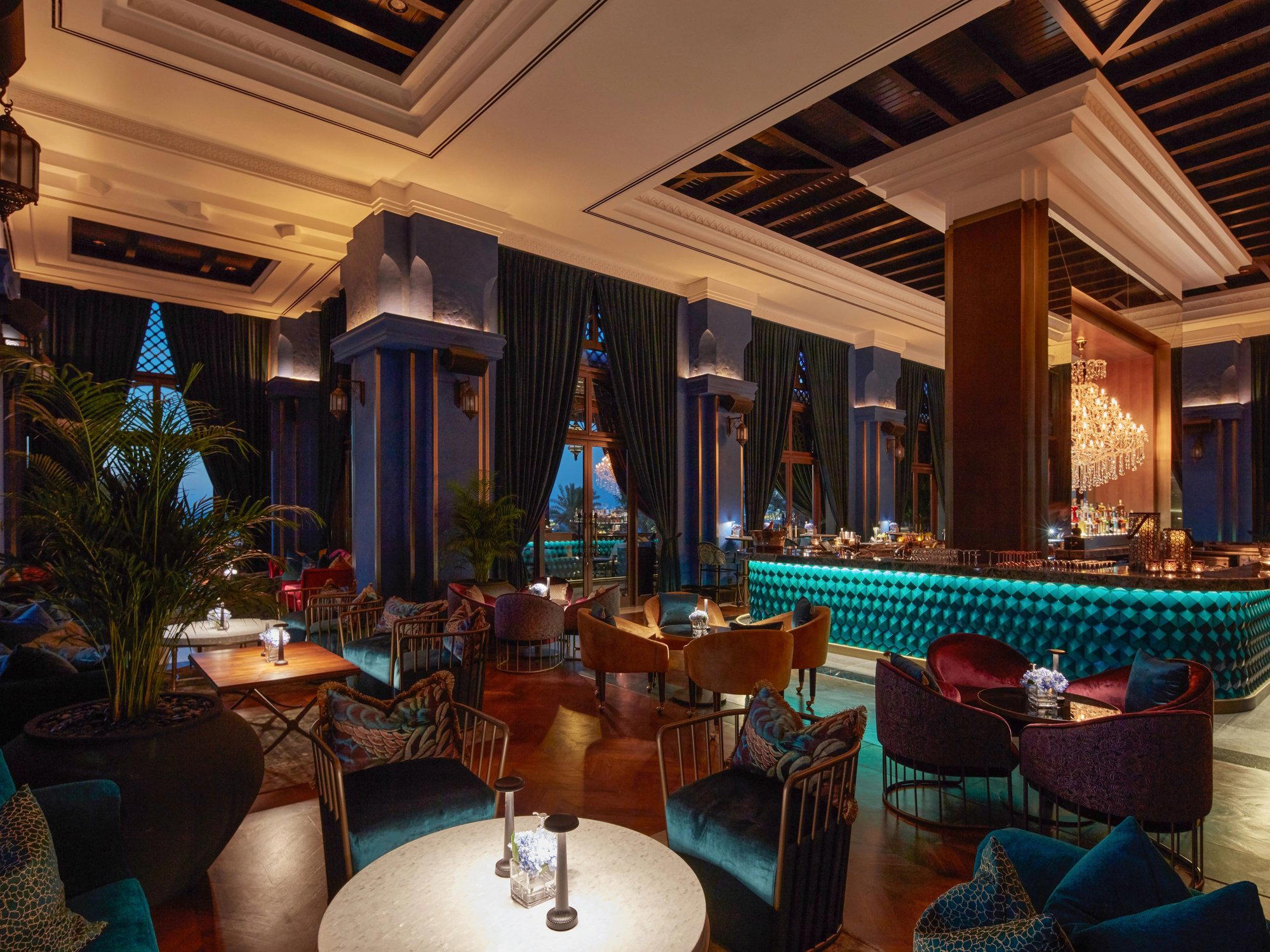
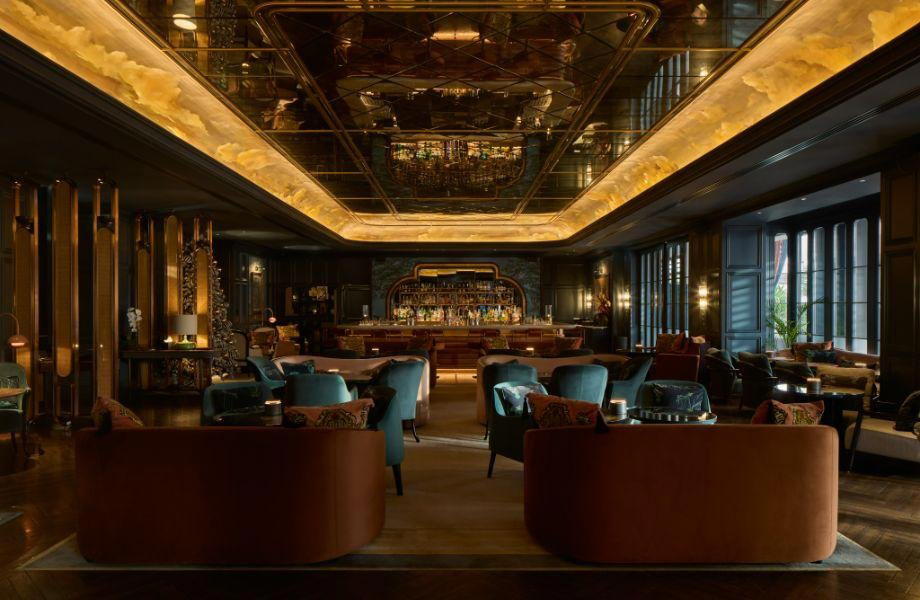
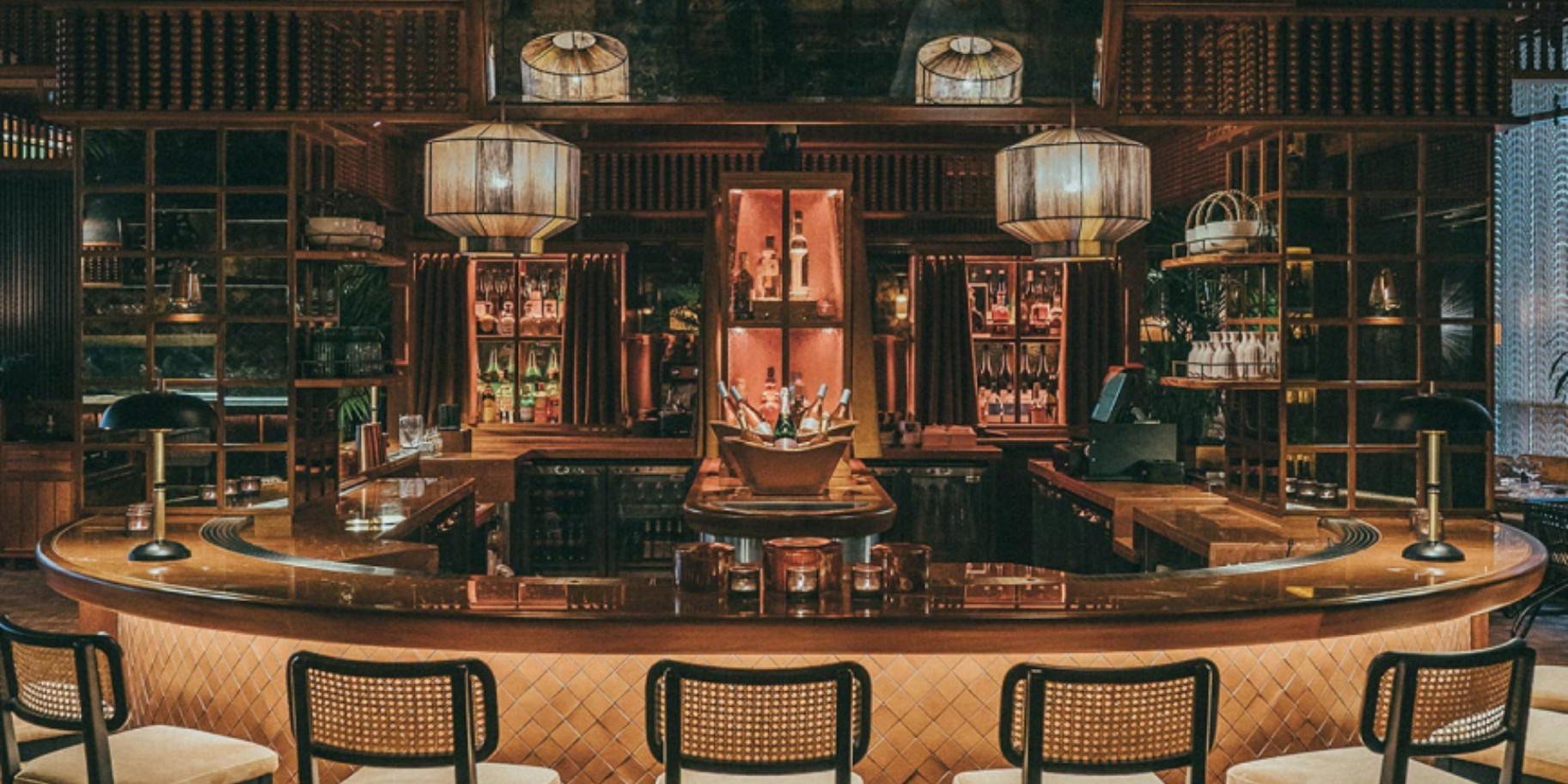
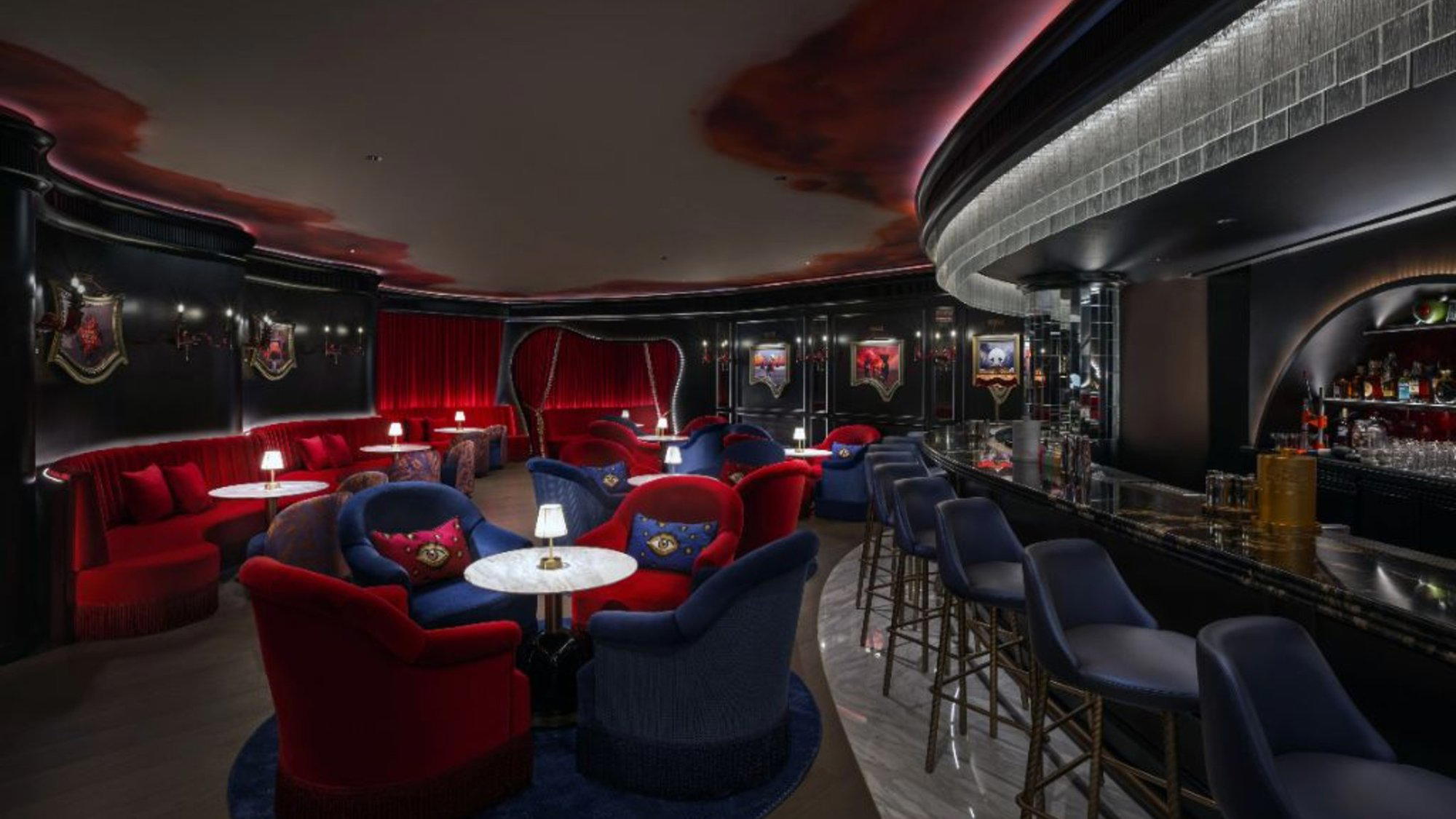
Chic modern space with subway tiles, warm wood, industrial lighting, open kitchen, and vibrant yet refined atmosphere.