
Set within a design hotel on Klosterhof 41 in Ulm's historic centre, the restaurant at Hotel Löwen occupies a city where serious dining has been quietly consolidating around a smaller group of committed kitchens. Visitors looking for design-led hospitality paired with considered food will find the property sits within that broader Ulm fine-dining conversation, alongside peers such as bi:braud and Seestern.
Pearl is the En Primeur Club membership app — saves, bookings, and concierge access live there. Same editors, same standards.
- Address
- Klosterhof 41, 89077 Ulm, Germany
- Phone
- +497313885880
- Website
- loewenulm.de
- Directions
- Get directions
 Saves & bookings on Pearl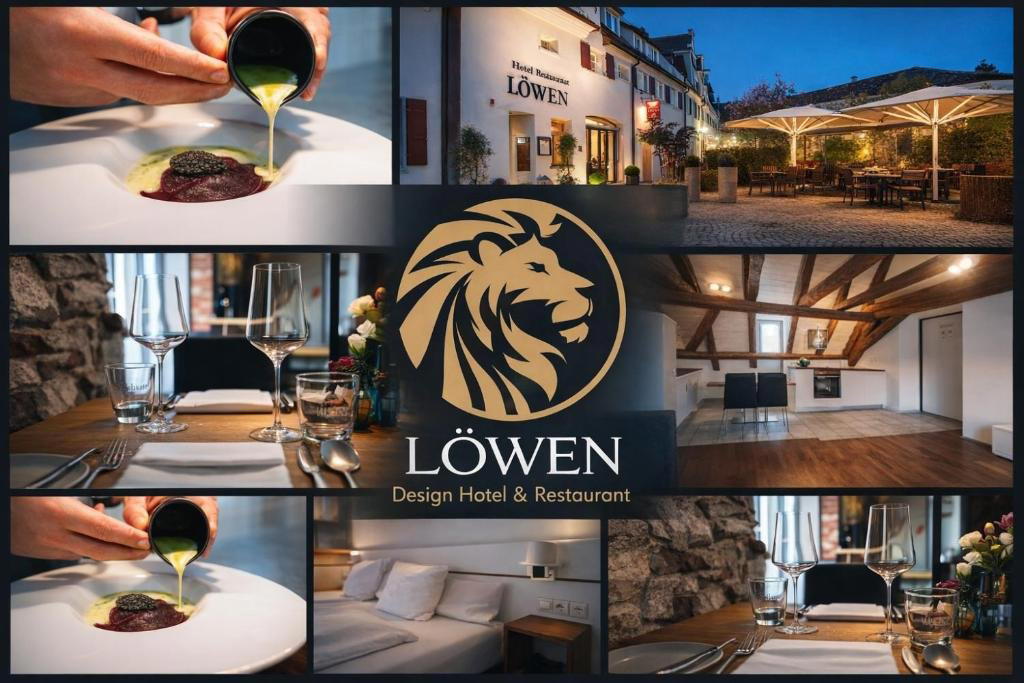
Ulm's Dining Scene and Where Hotel-Restaurants Fit Within It
Germany's mid-sized cities have undergone a quiet recalibration in dining over the past decade. The pattern is consistent: a handful of independent kitchens and hotel restaurants consolidate around a shared ambition, drawing diners into a more concentrated, neighbourhood-scaled scene. Ulm follows that model. The city's address at the intersection of Baden-Württemberg and Bavaria gives it a cultural duality that shows up on the plate, southern German technique, Swabian economy of means, and an increasingly cosmopolitan appetite among the local professional class. Design Hotel Restaurant Löwen Ulm is a restaurant at Klosterhof 41 in Ulm, Germany, serving Swabian-International Seasonal Cuisine and priced at about $50 per person.
Hotel restaurants in Germany have historically occupied an awkward middle ground: too formal for casual diners, too institutional for those who prefer the energy of a standalone kitchen. That perception has been shifting. Properties that invest in design and position themselves as destinations rather than conveniences now compete directly with independent restaurants for the same reservation. In Ulm, that competition is real. bi:braud holds the contemporary end of the market at the €€€ tier, while Seestern operates at the €€€€ level with a Modern French approach that draws comparison to destination restaurants well outside the city. The Löwen property, as a design-led hotel restaurant, enters this conversation from a different angle: the physical environment and the integrated hospitality proposition matter as much as the cooking.
The Architecture of the Setting
Klosterhof 41 is an address with weight. The Klosterhof, monastery courtyard, typology is common across southern Germany's historic centres, and buildings in these locations carry a particular kind of civic gravity: thick walls, considered proportions, a sense that the structure has absorbed centuries of use. Design hotel projects that work with this kind of fabric rather than against it tend to produce interior environments where the contrast between historical shell and contemporary fit-out creates genuine tension. Whether the Löwen achieves that tension is something each guest will assess on arrival, but the address itself signals an intention to operate in that register.
The atmospheric logic of such properties rewards arrival on foot. Approaching through the old town streets, past the Cathedral quarter and toward the quieter lanes around the Klosterhof, the shift in scale from Ulm's main commercial arteries is immediate. Hotel restaurants embedded in historic courtyards carry a different temporal quality than street-level dining rooms, the noise signature changes, the light source changes, and the sense of occasion is established before you have read a menu.
Ulm as a Dining City: Cultural Roots and Regional Positioning
Understanding what any Ulm restaurant is doing requires some grounding in what Swabian cooking has been and where it is going. The Swabian tradition is among the more technically demanding in the German kitchen: Maultaschen, Spätzle, and the broader category of filled pasta and dumpling preparations demand precision that separates competent cooks from skilled ones. That tradition has not disappeared from serious Ulm kitchens, but it has been absorbed into a wider vocabulary. The city's position on the Danube, its historic role as a trading centre, and its proximity to the Alpine foothills have always meant that ingredients and influences moved through it. Contemporary kitchens here tend to reflect that permeability.
Further afield, Aqua in Wolfsburg and Waldhotel Sonnora in Dreis demonstrate how hotel-integrated dining can operate at the highest recognition levels. JAN in Munich and CODA Dessert Dining in Berlin show how German city restaurants have moved into conceptually distinct formats.
Where This Property Fits in Ulm's Competitive Set
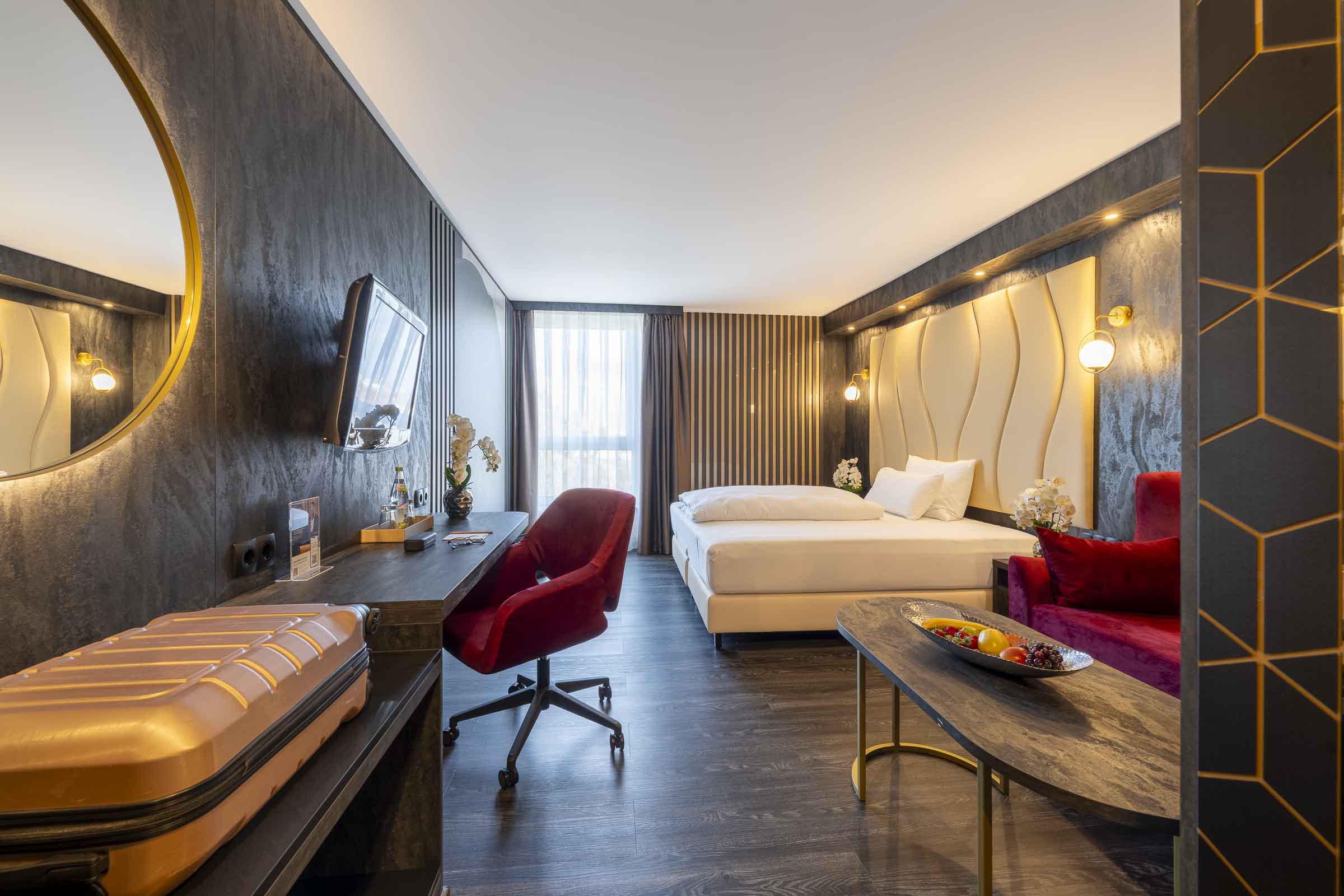
Ulm's restaurant peer group is compact enough that each address has a defined role. 100 Grad Restaurant and Del Tufo cover different registers of the market, while Dolce Cocktailbar anchors the drinks-led end. The Löwen property's design hotel framing means it is competing partly on non-culinary grounds: the integrated experience of room, environment, and table matters to a guest segment that other standalone restaurants cannot address. For visitors spending multiple nights in Ulm, attending the Stadthaus programme, arriving for business at the city's significant medical technology and automotive sector companies, or using Ulm as a base for the broader Swabian Alb, the question is whether the restaurant justifies an evening that might otherwise go to a standalone kitchen.
Among hotel-restaurant comparisons at the recognition level, ES:SENZ in Grassau, Schanz in Piesport, Restaurant Haerlin in Hamburg, and Victor's Fine Dining by Christian Bau in Perl all show how hotel-integrated kitchens can earn standalone critical standing.
Planning Your Visit
The property is located at Klosterhof 41, 89077 Ulm. Reservations are recommended.
Pricing, Compared
Comparable venues nearby, for context on price, style, and recognition.
| Venue | Cuisine | Price | Notes |
|---|---|---|---|
| Design Hotel Restaurant Löwen UlmThis venue — the venue you are viewing | Not listed | $$$ | Not listed |
| 100 Grad Restaurant | Modern Regional German | $$ | Not listed |
| Köz Mangal Ulm | Not listed | $$ | Söflinger Straße, Authentic Turkish Charcoal Grill |
| Restaurant Zur Forelle | Not listed | $$$ | Fischerviertel, Traditional German Seafood in Historic Setting |
| Del Tufo | Not listed | $$ | :null, Authentic Neapolitan Pizza |
| KOBÉS "Burger & Steak" Restaurant #ulm #halal | Not listed | $$$ | Söflingen, Premium Halal Burgers & Steaks |
Recognition history
Dated appearances from independent guides and award organizations, with the underlying list record or original source where available.
Michelin Plate
Michelin

At a Glance
- Cozy
- Elegant
- Modern
- Historic
- Intimate
- Special Occasion
- Group Dining
- Family
- Celebration
- Hotel Restaurant
- Courtyard
- Historic Building
- Local Sourcing
- Garden
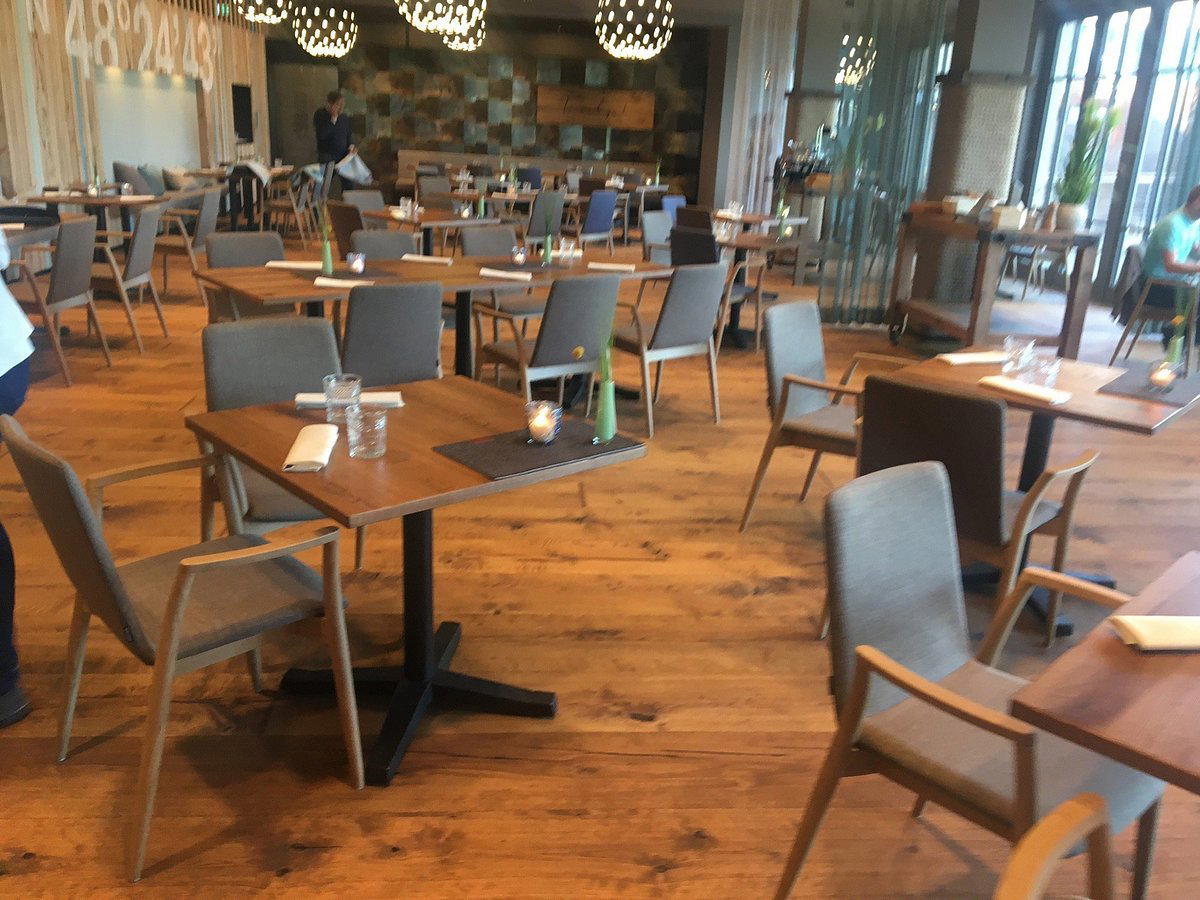
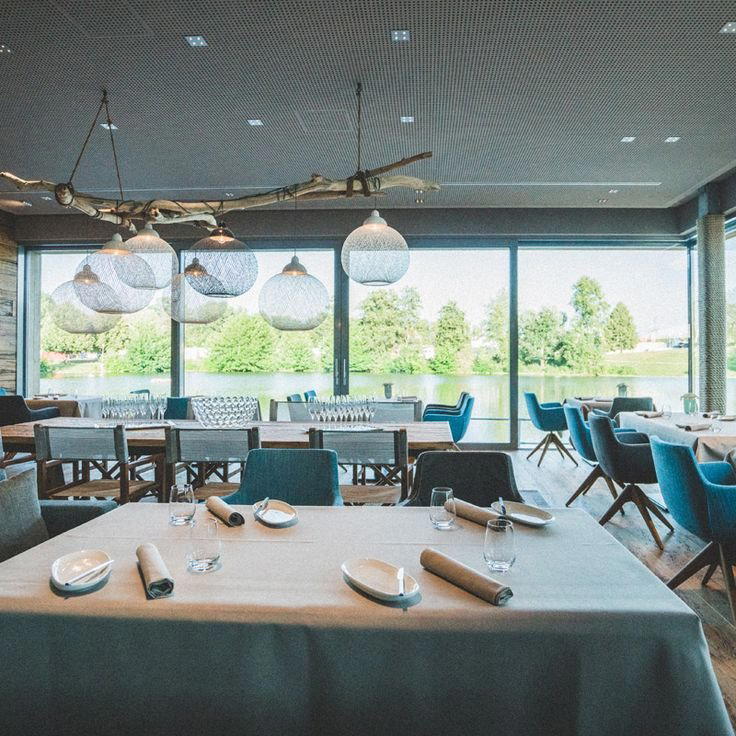
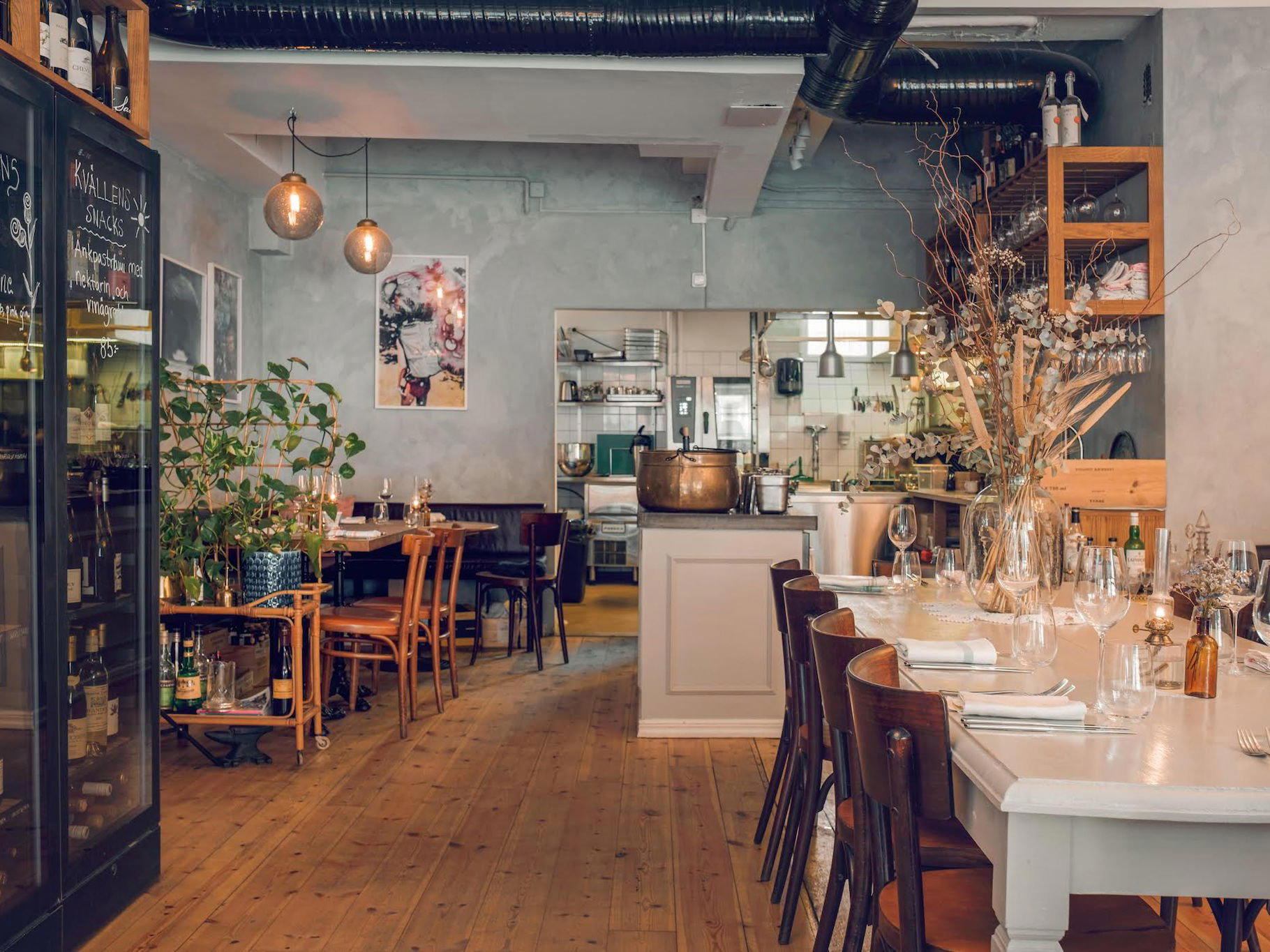
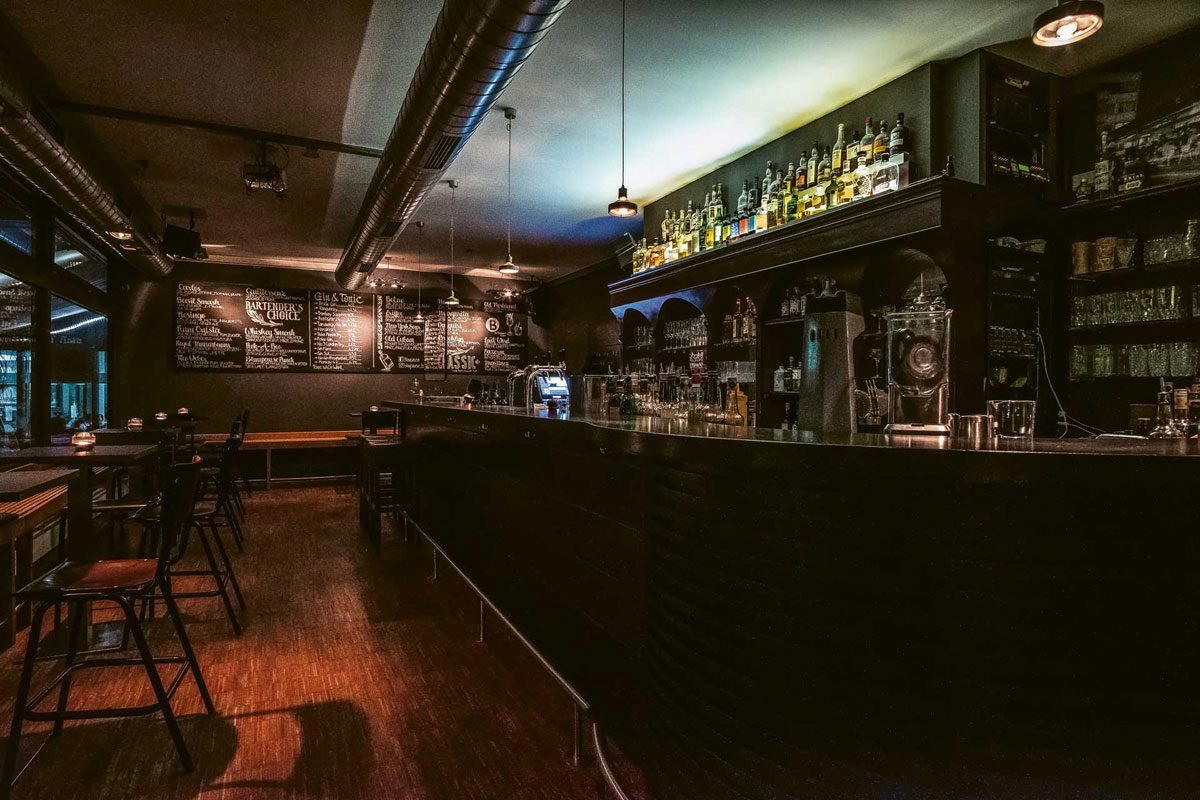
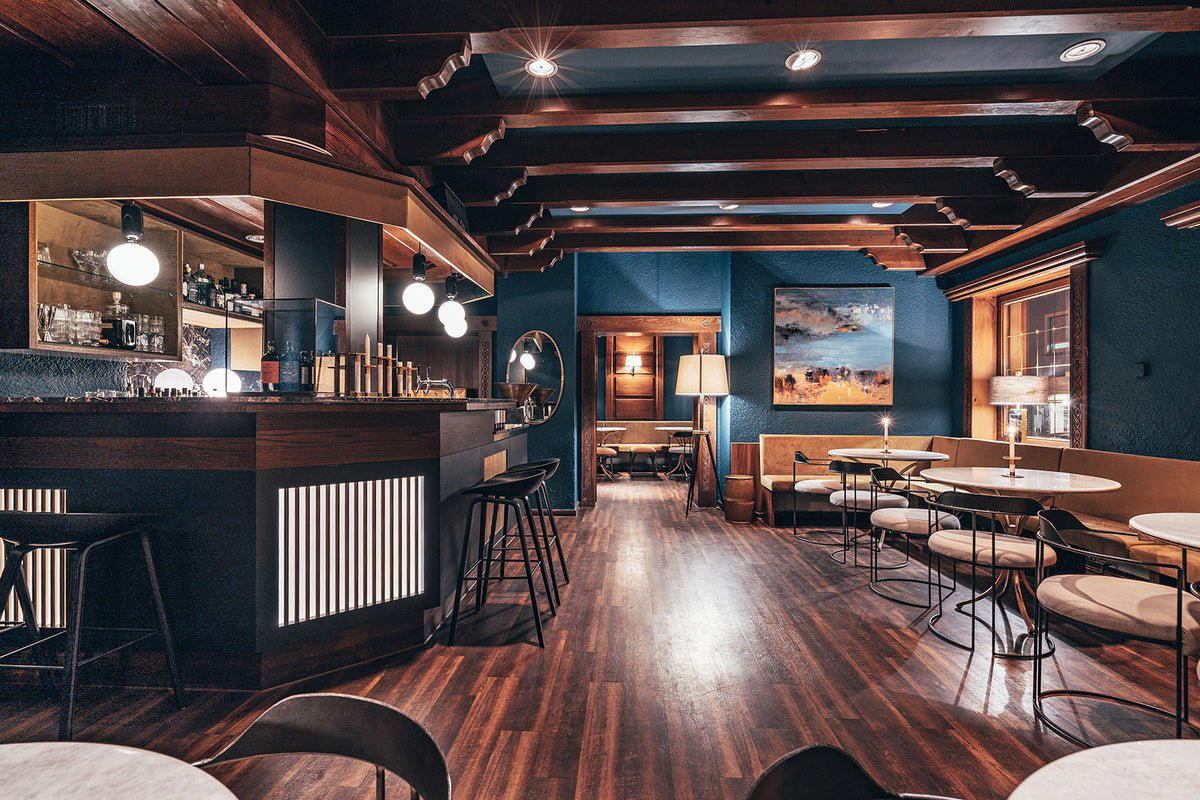
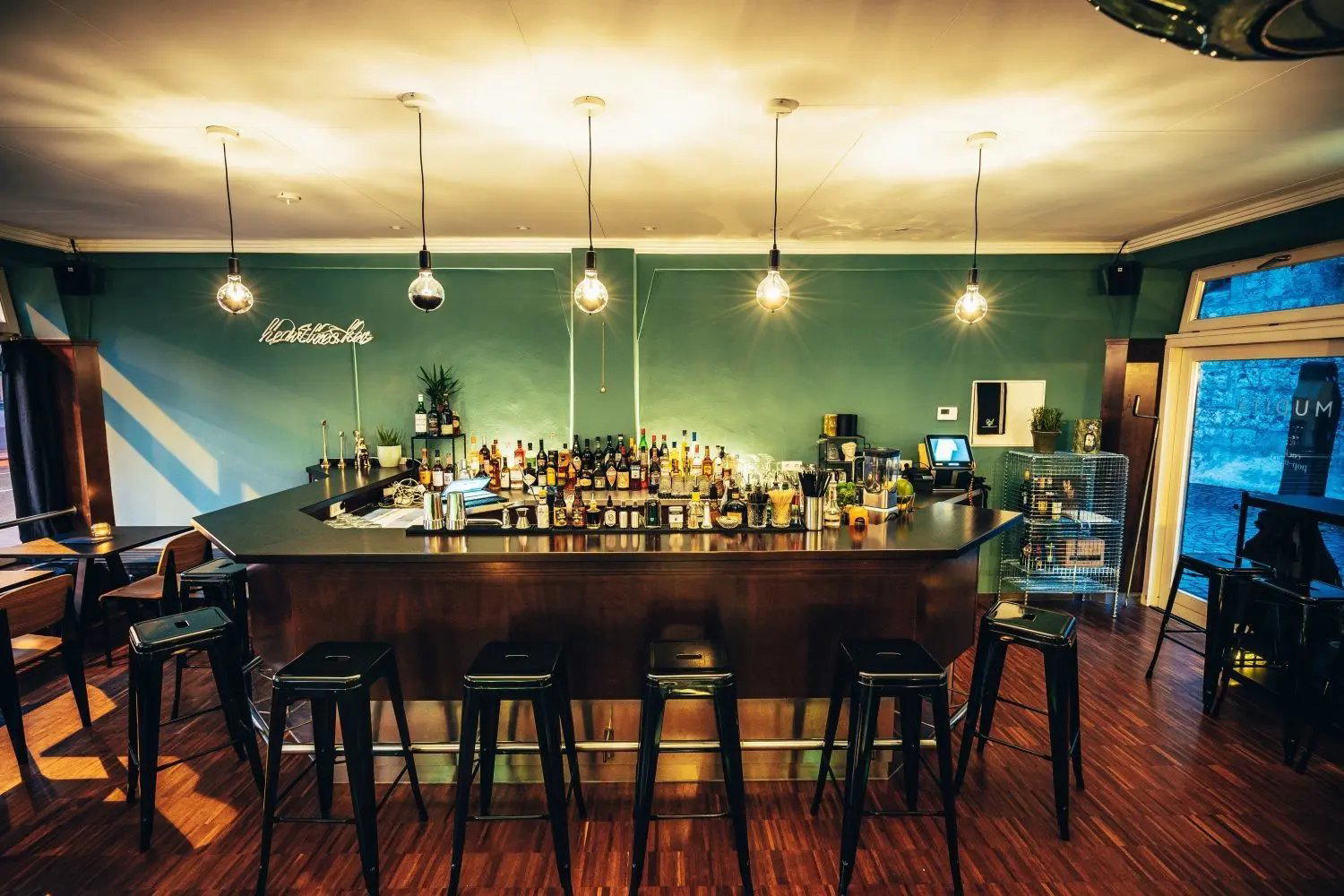
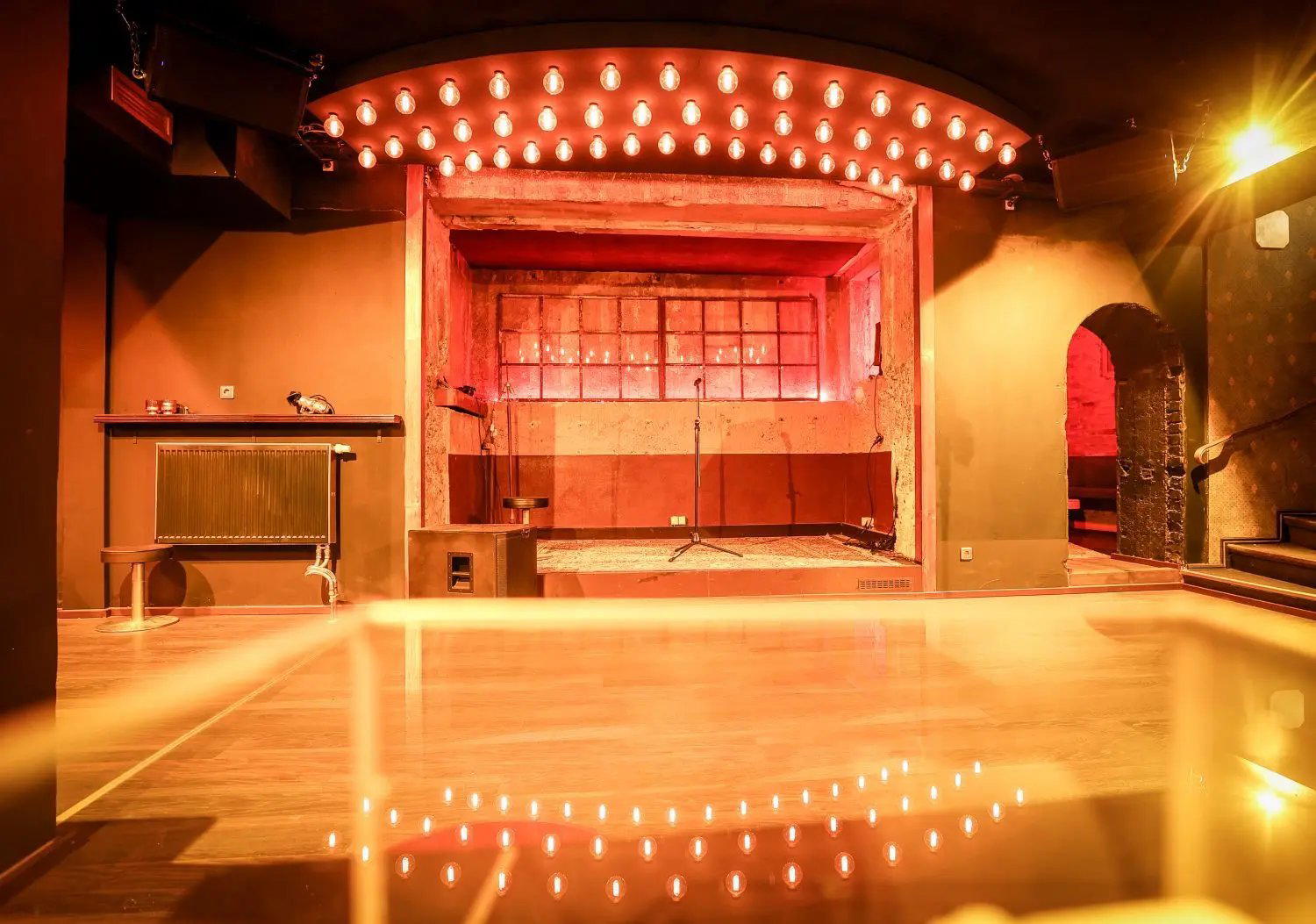
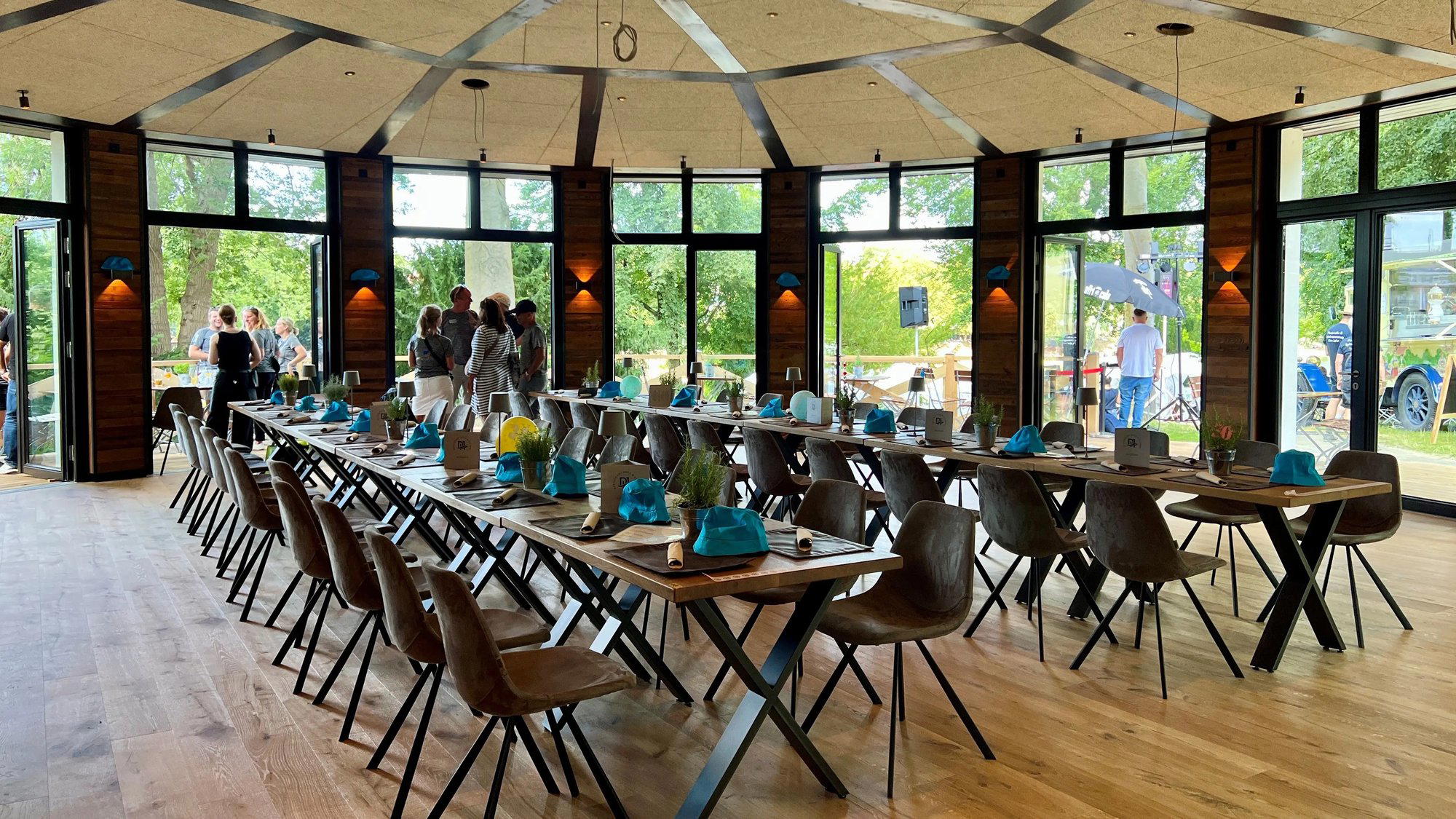
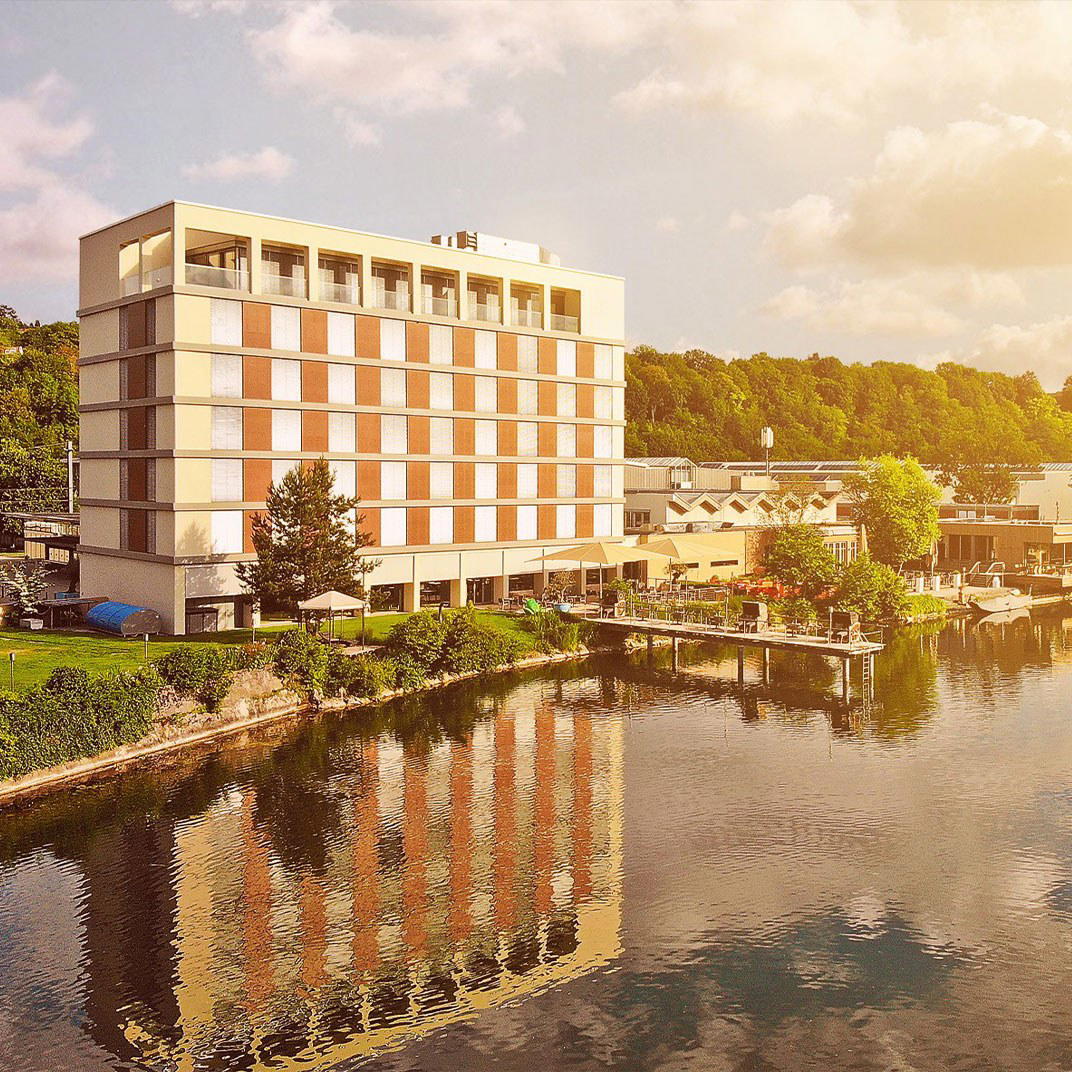
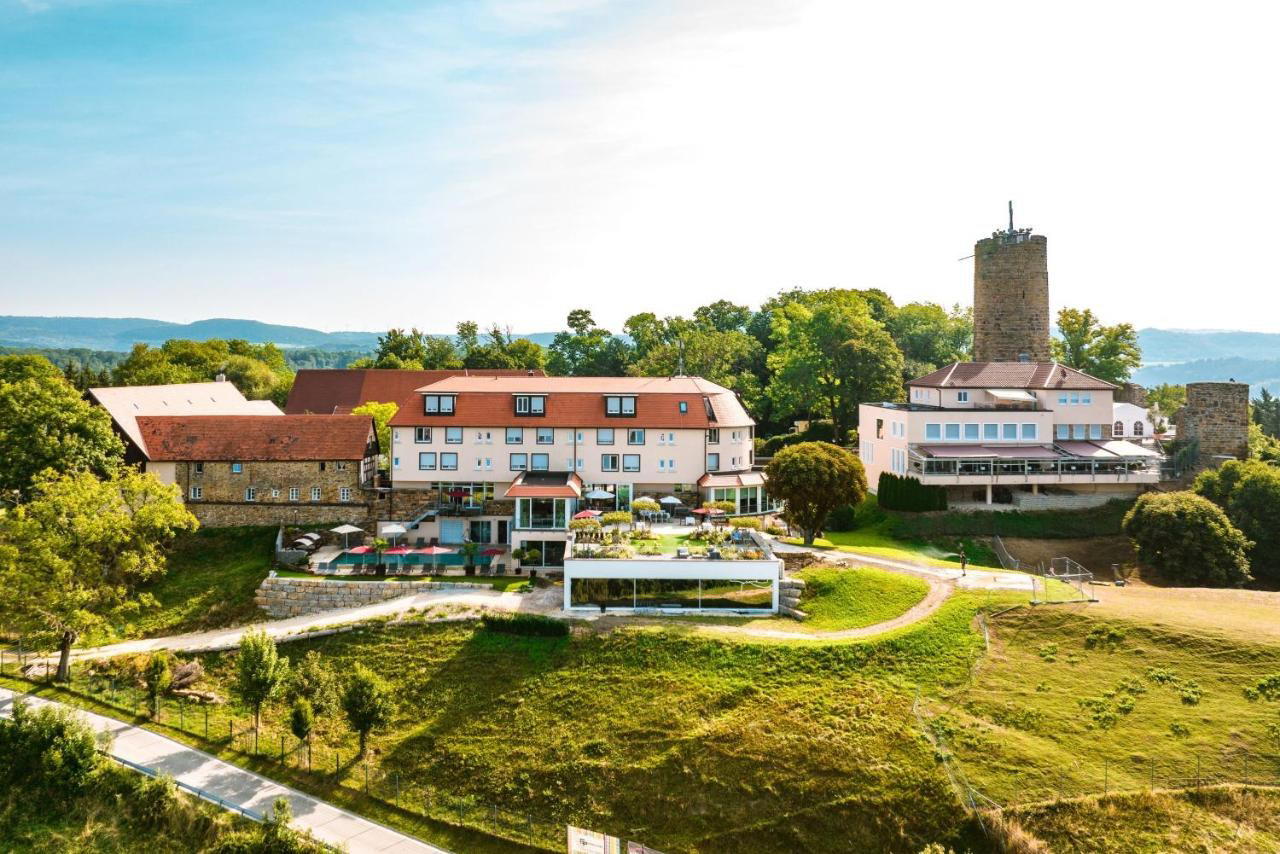
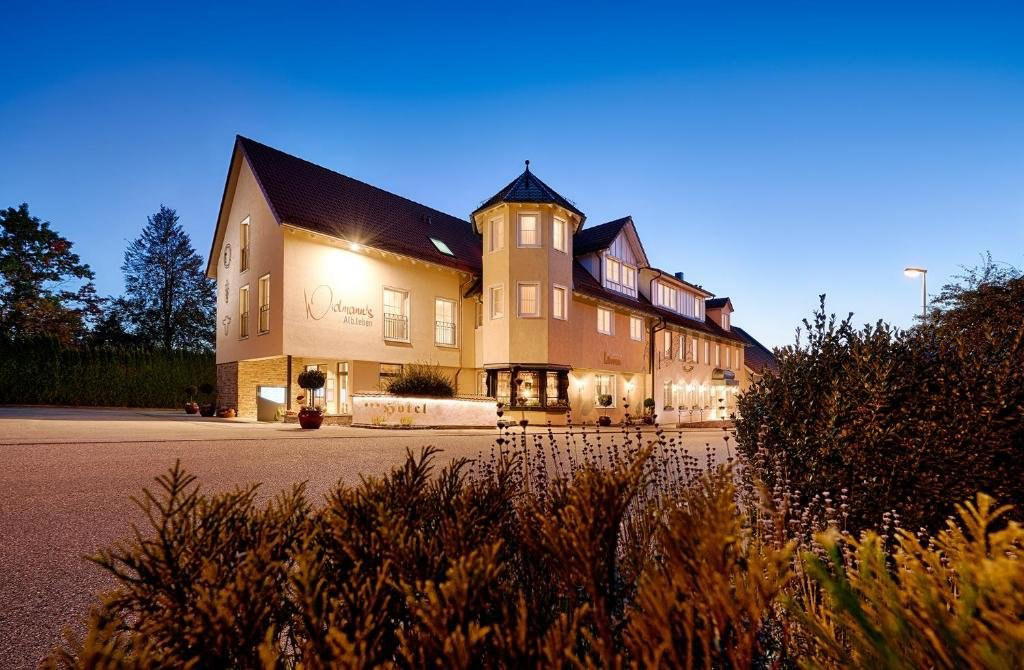
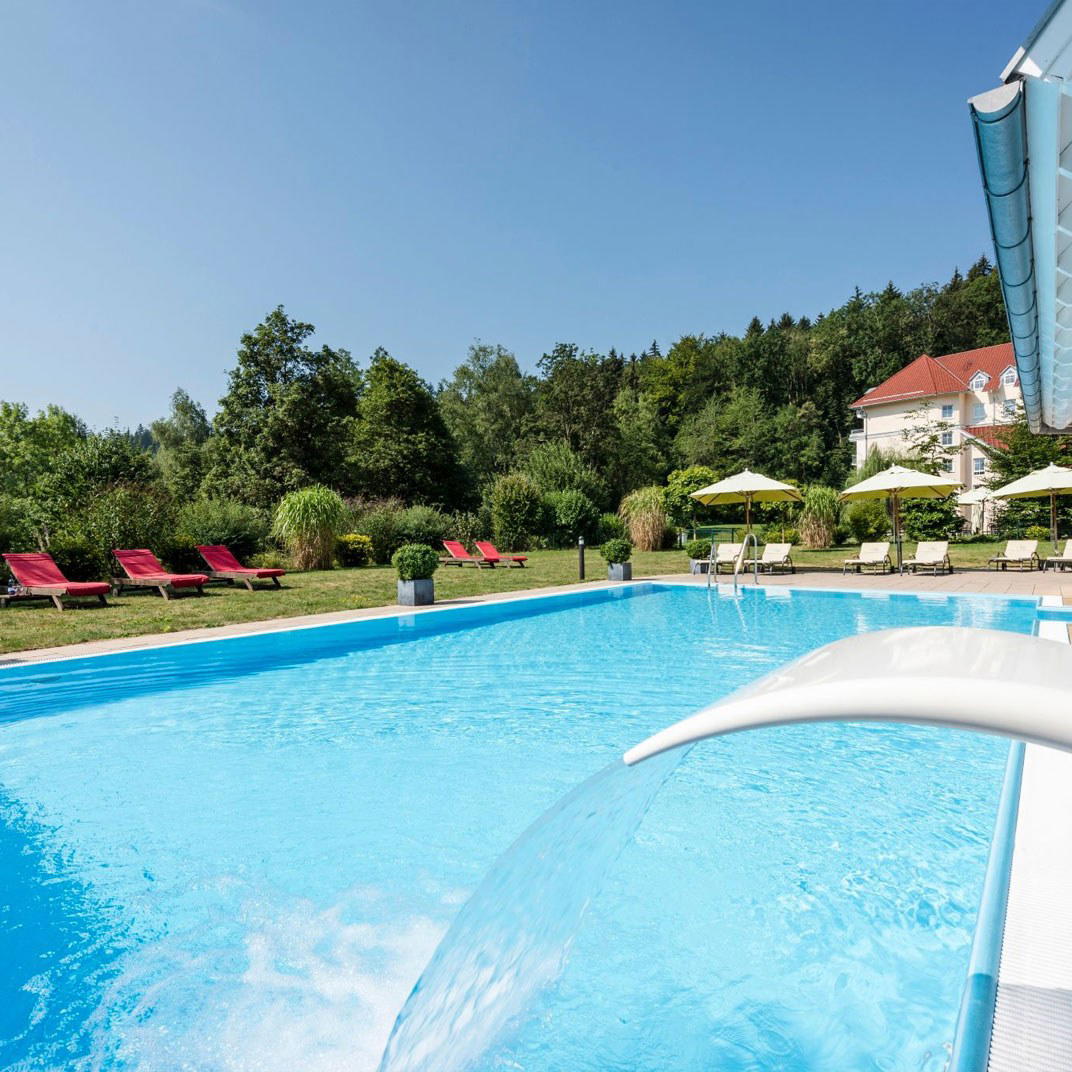
Modern ambience within old stone walls, cozy courtyard garden under chestnut trees, peaceful and picturesque historic setting.