Die Speiserei im Maier

Die Speiserei im Maier holds consecutive Michelin Plate recognition (2024 and 2025), placing it among the more consistent regional-cuisine addresses in Friedrichshafen. At the €€ price tier, it occupies the accessible end of the Michelin-acknowledged dining spectrum on Lake Constance, where the emphasis falls on local produce and the cooking traditions of the Baden-Württemberg hinterland.
Pearl is the En Primeur Club membership app — saves, bookings, and concierge access live there. Same editors, same standards.
- Address
- Poststraße 1, 88048 Friedrichshafen, Germany
- Phone
- +49 7541 404150
- Website
- hotel-maier.de
- Directions
- Get directions
 Saves & bookings on Pearl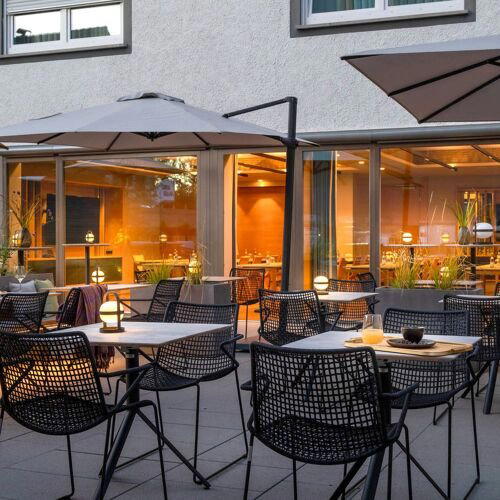
Where the Food Comes From First
In the southern stretch of Baden-Württemberg, the argument for regional cooking is not a marketing concept but a geographical one. Lake Constance and the surrounding Allgäu and Swabian uplands produce apples, stone fruit, freshwater fish, and cured meats that move through the local supply chain with a directness that larger urban kitchens rarely achieve. Die Speiserei im Maier, at Poststraße 1 in Friedrichshafen, sits inside that supply logic. The address places it within a short radius of the lakeside market culture and the agricultural networks that run north toward the Allgäu, and the kitchen's regional-cuisine classification signals a deliberate orientation toward that geography rather than toward imported luxury ingredients or internationally framed tasting menus.
That orientation has earned the restaurant Michelin Plate recognition in 2024 and 2025. The Michelin Plate sits below star level but above anonymous inclusion in the guide: it indicates food prepared to a consistent, quality-conscious standard that the inspectorate considers worth flagging. For a regional-cuisine address operating at the €€ price tier in a mid-sized lakeside city, that is a meaningful position. It places Die Speiserei im Maier in a category of reliable, ingredient-driven cooking that does not require a special-occasion budget to access.
The €€ Tier and What It Means in Context
Germany's Michelin-acknowledged dining scene skews heavily toward high-ticket formats. Aqua in Wolfsburg and Schwarzwaldstube in Baiersbronn operate at three-star level with €€€€ pricing; CODA Dessert Dining in Berlin and Vendôme in Bergisch Gladbach sit at two stars and comparable spend. Further afield, addresses like JAN in Munich, Restaurant Haerlin in Hamburg, Schanz in Piesport, Victor's Fine Dining by Christian Bau in Perl, Waldhotel Sonnora in Dreis, and ES:SENZ in Grassau all represent the upper tiers of the country's fine-dining spectrum.
Die Speiserei im Maier operates at a different register entirely. The €€ bracket here means that Michelin recognition is accessible without the financial commitment those formats demand. This is, in practice, a more common dining pattern for the Lake Constance region than the starred-destination model: a local population that takes its food seriously, a tourism base drawn by the lake rather than by a culinary pilgrimage, and a kitchen tradition that prizes honest execution over architectural presentation.
Regional Cuisine as a Disciplined Category
The regional-cuisine classification deserves scrutiny rather than assumption. In Baden-Württemberg, it can mean anything from Swabian Maultaschen served in modest weinstube conditions to more considered cooking that draws on local producers and applies genuine technique. The Michelin Plate recognition at the restaurant suggests the latter: inspectors are marking the food, not simply the concept.
Regional counterparts worth considering in this context include Fahr in Künten-Sulz and Gannerhof in Innervillgraten, both of which operate within the German-speaking Alpine regional-cuisine tradition. What connects these addresses is an insistence on provenance as a structural element of the menu rather than a footnote. At this level, the sourcing story is embedded in what arrives on the plate: lake fish handled simply, seasonal vegetables at their natural point of readiness, preparations that amplify rather than obscure the raw material.
The Lake Constance zone specifically offers a particular agricultural coherence. The climate along the Bodensee supports fruit cultivation at scale, the lake itself supplies perch, pike-perch, and whitefish, and the proximity to both Swiss and Austrian supply networks gives kitchens here access to Alpine dairy and cured products that are harder to source in northern Germany. A kitchen working seriously within this geography has material worth working with.
Friedrichshafen as a Dining Context
Friedrichshafen is not a city that trades on its restaurant scene. It is a functional lakeside city, better known for the Zeppelin Museum and its ferry connections to Konstanz and the Swiss shore than for culinary destination status. That context shapes the dining options available: there is a broad mid-market hospitality layer oriented toward tourists and the city's engineering and trade-fair economy, and a smaller layer of more considered addresses for residents and repeat visitors who know where to look.
The restaurant, with its Poststraße address and its Michelin Plate recognition, belongs to that second group. It is not competing with the starred destinations of the Black Forest corridor or Munich, and it is not trying to. The competitive set is local: restaurants serving a community that eats out regularly and expects quality without theatre. Within that frame, consecutive guide recognition carries weight.
For visitors arriving at Friedrichshafen, the restaurant sits in the central part of the city, accessible from the lakeside area. For a contrasting dining register nearby, Pinus im Seegut offers a different take on the local dining scene.
Planning a Visit
At the €€ price tier, the restaurant is positioned as a regular-use address rather than a special-occasion destination, though the Michelin Plate recognition means it draws bookings from visitors passing through the region as well as local regulars. Reservations are recommended, and the restaurant is open daily for lunch and dinner: 12 to 2 PM and 6 to 9:30 PM.
What Regulars Order
What do regulars order at Die Speiserei im Maier?
The kitchen's regional-cuisine classification, combined with Michelin Plate recognition and its Lake Constance setting, points toward dishes built around local fish, seasonal produce from the Baden-Württemberg agricultural zone, and preparations rooted in Swabian and southern German tradition. Confirming current dishes directly with the restaurant before visiting is the practical approach.
Side-by-Side Snapshot
Comparable venues nearby, for context on price, style, and recognition.
| Venue | Cuisine | Price | Awards | Notes |
|---|---|---|---|---|
| Die Speiserei im MaierThis venue — the venue you are viewing | Regional German Slow Food | $$$ | Michelin Plate | Not listed |
| Traube am See | Refined German with Regional and International Influences | $$$ | Not listed | Fischbach |
| Pinus im Seegut | Modern Vegetarian Sharing Cuisine | $$ | Bib Gourmand | Friedrichshafen |
| Scala | Modern German Regional Cuisine | $$$ | Michelin Plate | Bad Waldsee |
| Ondersch Genusswirtschaft | Modern German Street Food & Casual Fine Dining | $$$ | Michelin Plate | Ludwigstrasse |
| Adler Stuben | Regional Baden & International Fine Dining | $$$ | Michelin Plate | Hinterzarten |
Recognition history
Dated appearances from independent guides and award organizations, with the underlying list record or original source where available.
Michelin Plate
Michelin · 2026 Michelin Plate
Michelin Plate
Michelin
Michelin Plate
Michelin
Continue exploring
More in Friedrichshafen
Restaurants in Friedrichshafen
Browse all →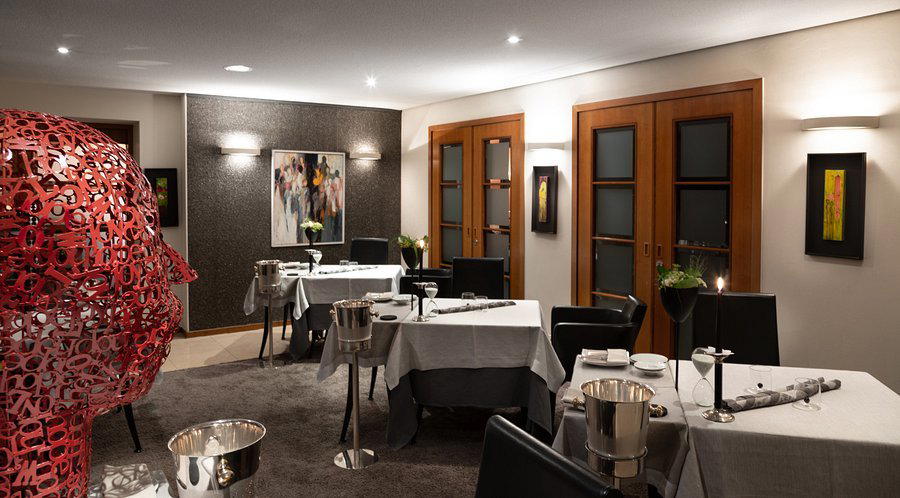
Bars in Friedrichshafen
Browse all →

Hotels in Friedrichshafen
Browse all →

At a Glance
- Cozy
- Elegant
- Classic
- Family
- Special Occasion
- Group Dining
- Terrace
- Hotel Restaurant
- Extensive Wine List
- Local Sourcing
- Organic
Current opening hours
- Monday
- 12–2 PM, 6–9:30 PM
- Tuesday
- 12–2 PM, 6–9:30 PM
- Wednesday
- 12–2 PM, 6–9:30 PM
- Thursday
- 12–2 PM, 6–9:30 PM
- Friday
- 12–2 PM, 6–9:30 PM
- Saturday
- 12–2 PM, 6–9:30 PM
- Sunday
- 12–2 PM, 6–9:30 PM
Hours can change for holidays and private events. Last verified .
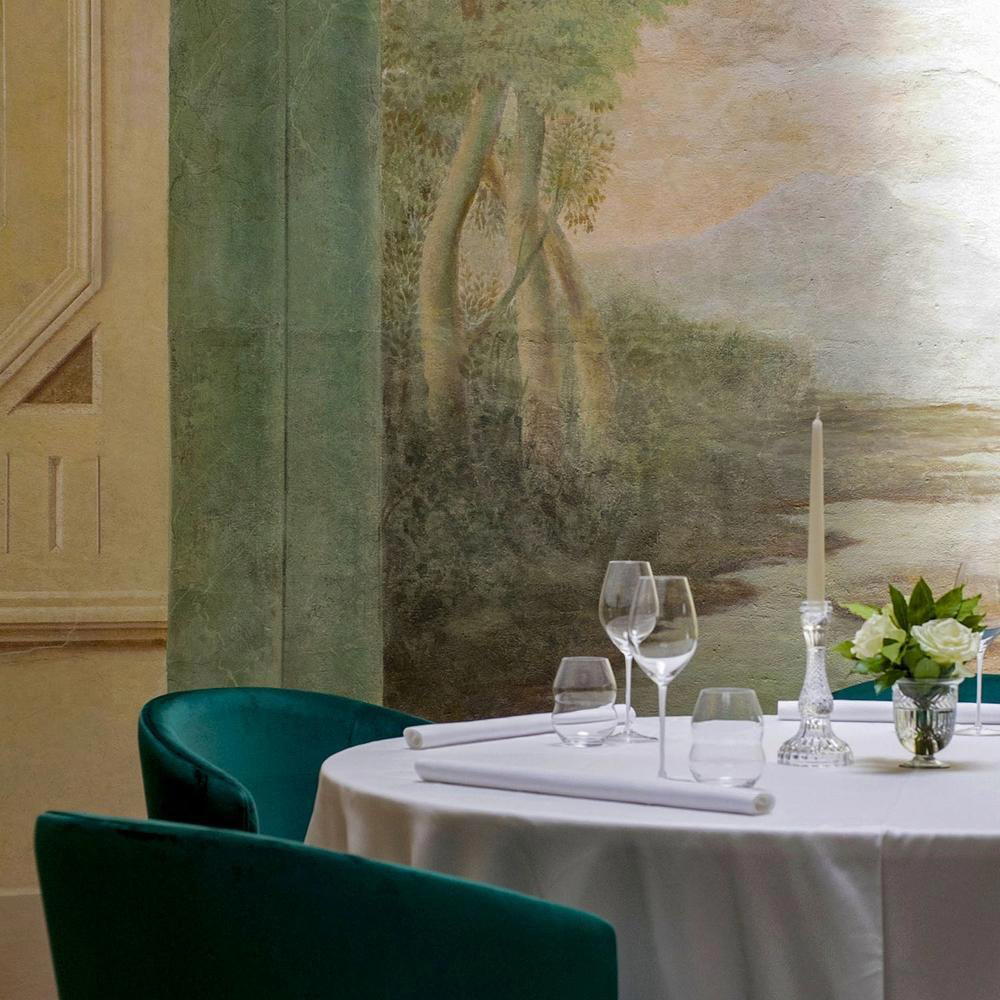
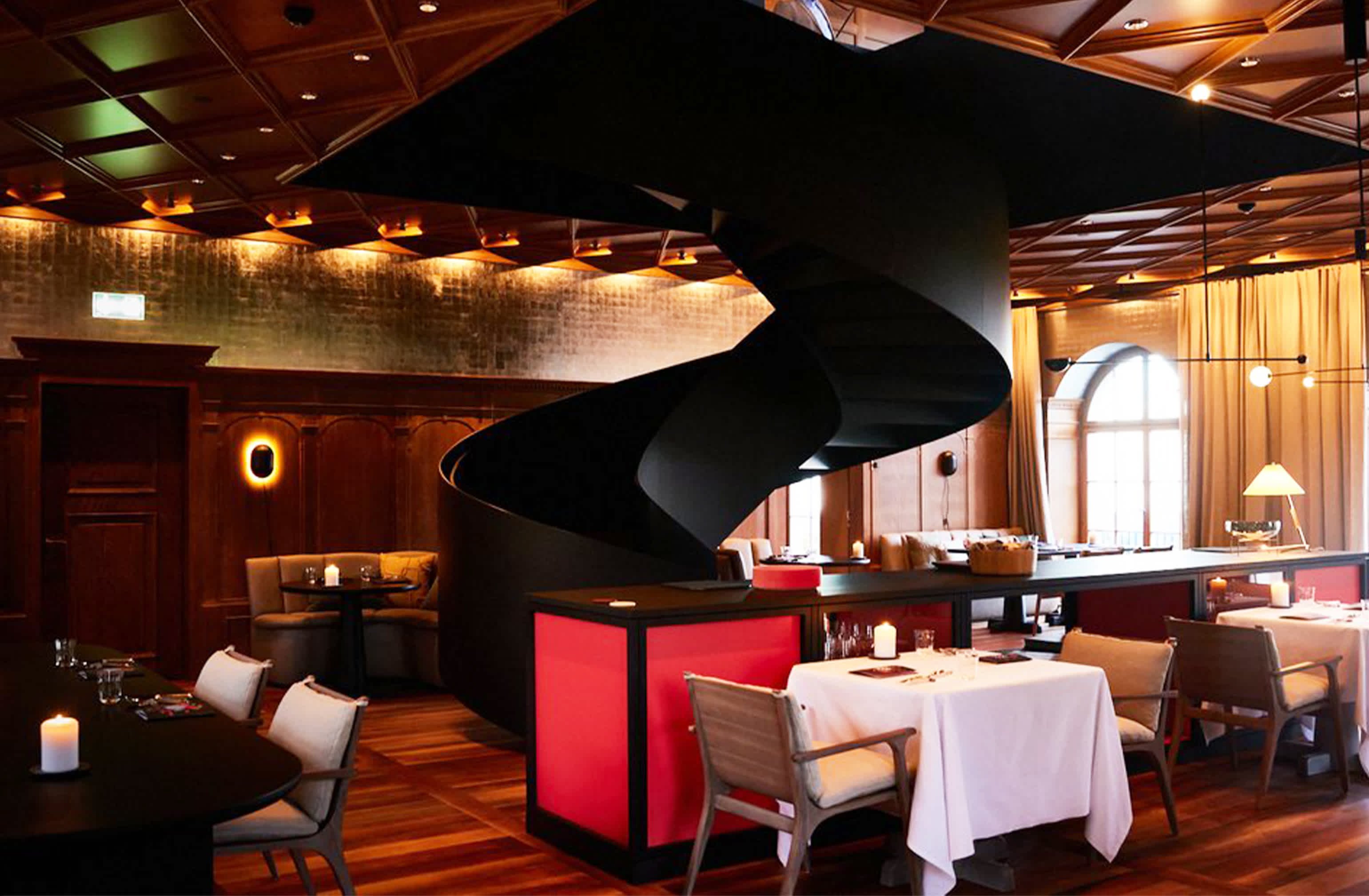
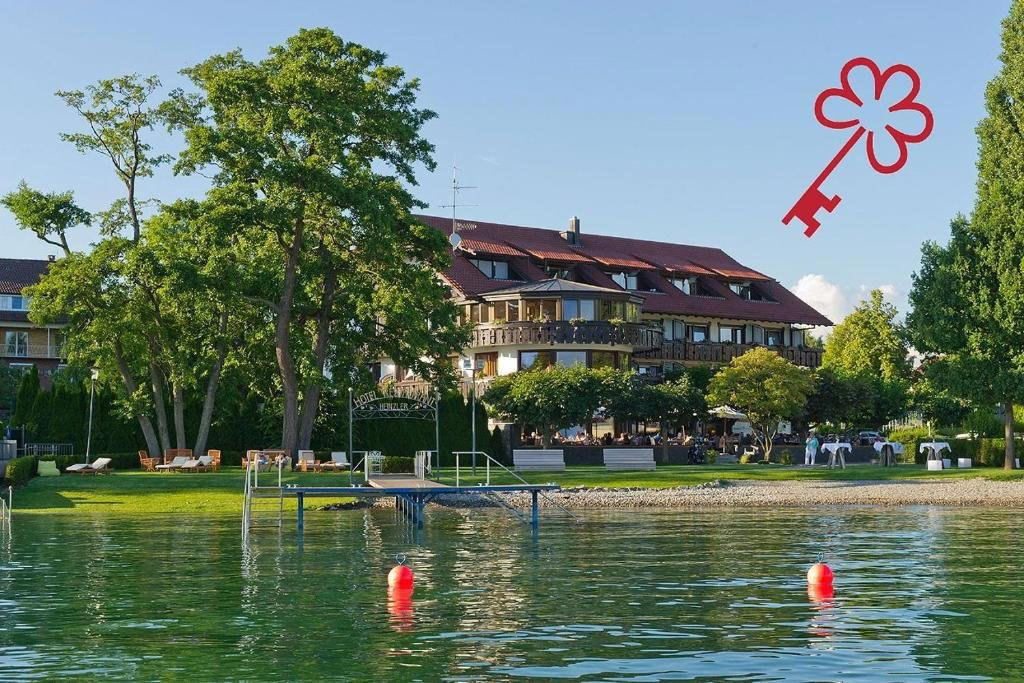
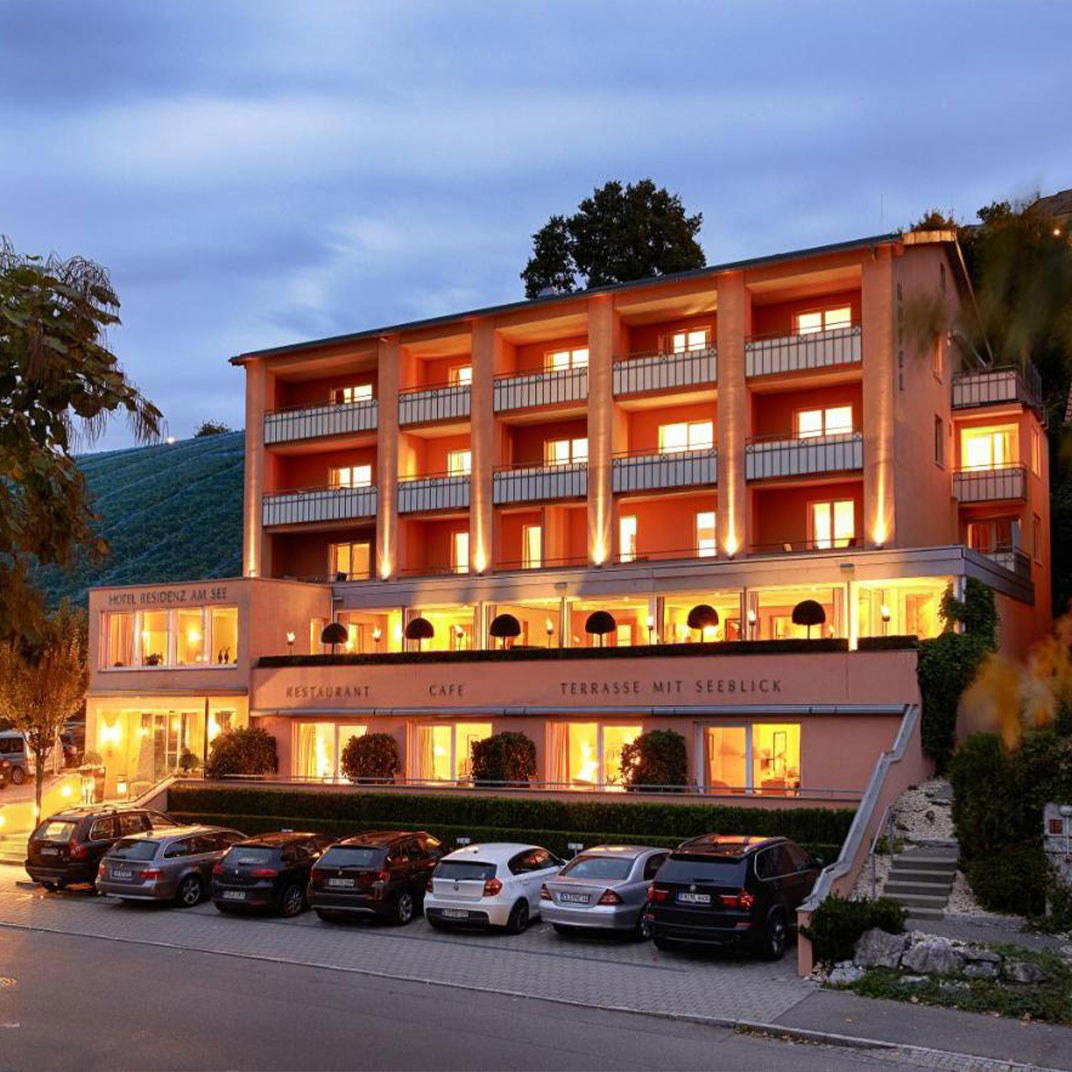
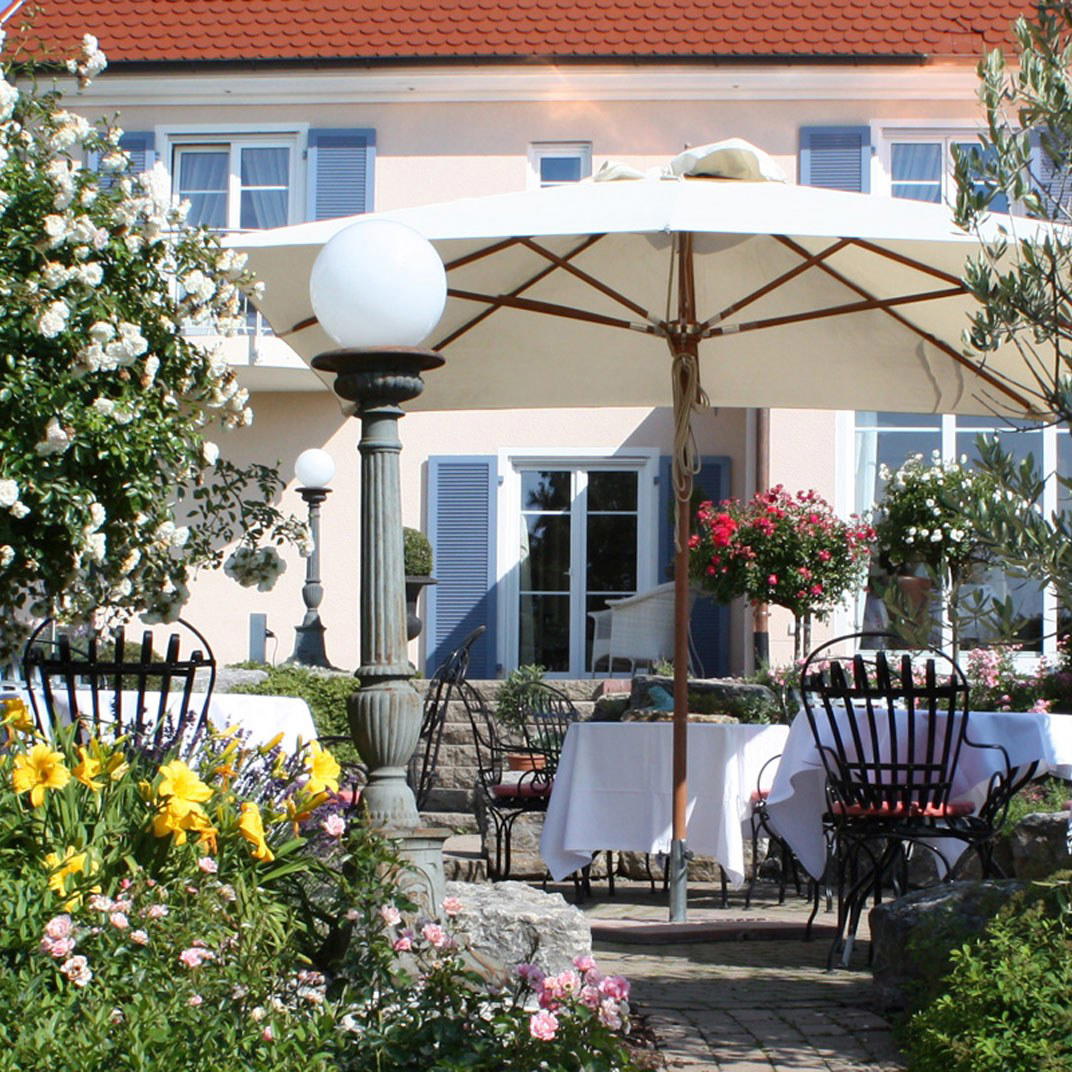
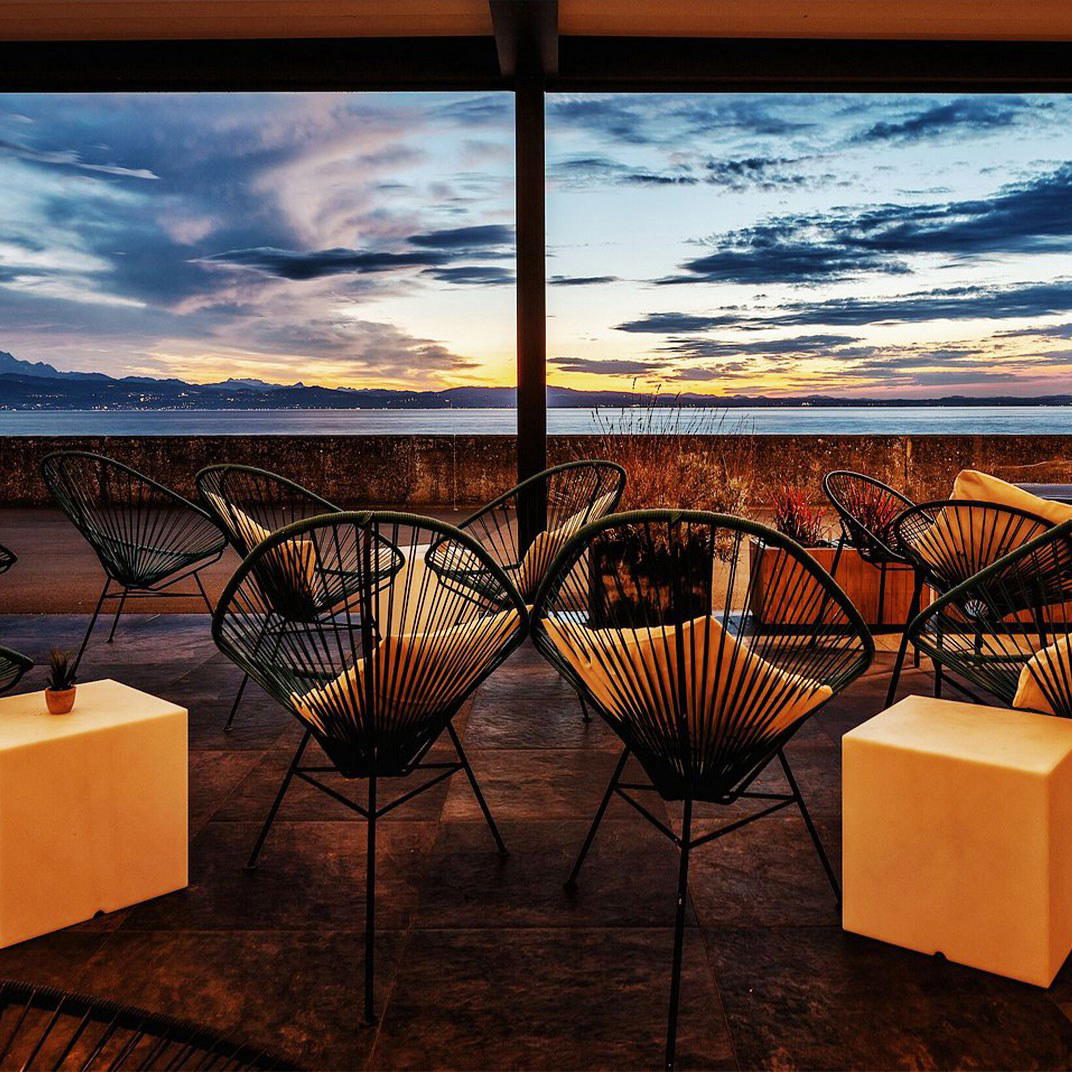
Inviting space preserving traditional character with elegant modern accents, relaxed courtyard terrace, and cozy atmosphere.