Pinus im Seegut

Michelin Bib Gourmand
Our verdict
A Michelin Bib Gourmand recipient in 2025, Pinus im Seegut on Ziegelstraße brings a sharing-format menu to Friedrichshafen's mid-market dining tier at an accessible price point. Under chef Philipp Heid, the kitchen earned a Michelin Plate recognition in 2024 before stepping up to Bib Gourmand honours. A confident local address for ingredient-led plates designed to be passed around the table.

Pearl is the En Primeur Club membership app, where members save venues, book tables and use the concierge.

The menu
What to order
- Vegetarian sharing plates
- Seasonal vegetable dishes
Sharing Plates and Lake-Region Produce in Friedrichshafen
Friedrichshafen sits at a junction that most international visitors treat as transit: ferry crossing to Romanshorn, a glance at the Zeppelin Museum, then onwards. The city's dining scene reflects something more settled than that reputation suggests. Along Ziegelstraße, where Pinus im Seegut occupies its address at number 5/1, the format is sharing, a structure that suits a room where tables lean close and the expectation is that food moves rather than stays fixed in front of one person. This is not the elaborate multi-course architecture of, say, Schwarzwaldstube in Baiersbronn or Aqua in Wolfsburg. It is something more direct: a kitchen that sources from its immediate region and asks diners to eat together rather than in parallel.
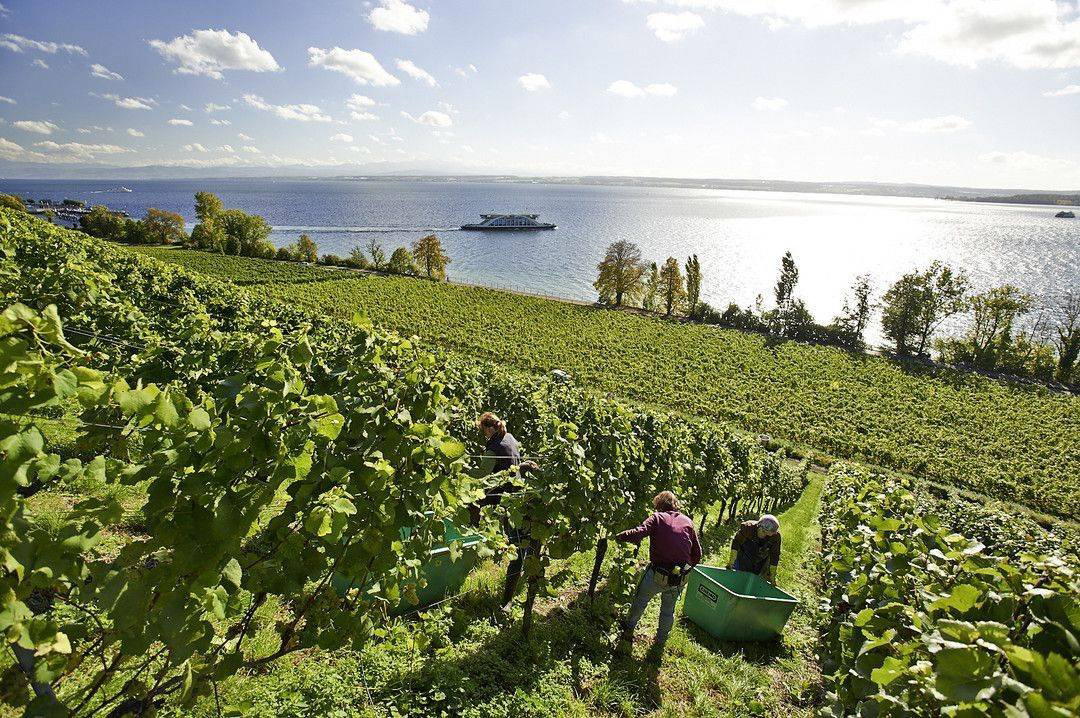
The Bodensee region carries genuine agricultural weight. Baden-Württemberg's lake shore produces fruit, vegetables, and fish that rarely travel far before they reach a plate, and the sharing format at Pinus im Seegut is well-suited to showing that range across a single meal. When a kitchen commits to sharing plates, the sourcing logic changes: more ingredients need to work alongside each other rather than in isolation, and the regional larder around Lake Constance, freshwater fish from the lake itself, orchard fruit from the surrounding slopes, herbs from the alluvial plain, offers the variety that format demands.
From Michelin Plate to Bib Gourmand: What the Step Up Signals
Michelin awarded Pinus im Seegut a Plate in 2024, its signal for kitchens producing food of consistent quality. The 2025 Bib Gourmand designation is a specific category of recognition: it identifies restaurants delivering what the guide describes as good cooking at a moderate price. For context, JAN in Munich or Vendôme in Bergisch Gladbach operate at the starred end of the German Michelin spectrum; Pinus im Seegut's Bib Gourmand signals a different offer, one where the price point (marked at the accessible end of Friedrichshafen's dining range) is part of the proposition, not incidental to it.
Chef Philipp Heid leads the kitchen. The progression from Plate to Bib Gourmand within a single review cycle suggests a kitchen that consolidated quickly rather than one still finding its register. Within the German sharing-format category, comparisons reach internationally: IGNIV Zürich by Andreas Caminada has defined how the format can carry serious culinary intent, while Agnes in Sint-Martens-Bodegem demonstrates how sharing structures translate across northern European contexts. Pinus im Seegut operates at a different price tier but within the same formal logic: food designed for the table, not the individual cover.
Ingredient Sourcing and the Lake Constance Region
The Bodensee sits where Germany, Austria, and Switzerland converge, and that geography produces a food culture with distinct characteristics. Freshwater fishing on the lake yields whitefish (Felchen), perch, and pike; the surrounding agricultural belt is among Baden-Württemberg's most productive, with apple and pear orchards, soft fruit cultivation, and market gardening concentrated on the lake's northern shore. For a kitchen working in a sharing format, this regional density is a practical asset: shorter supply chains mean produce can arrive in better condition, and the breadth of what grows close by supports the variety that small plates require.
The sharing structure also shifts the sourcing emphasis. Where a single-plate main course can anchor itself around one dominant ingredient, shared plates work better when multiple elements carry interest, which tends to favour kitchens that source widely across a region rather than leaning on a single premium product. The Lake Constance area, with its overlap of lake, orchard, and cultivated land, suits that model better than many German city locations further from agricultural production.
For a broader view of how Friedrichshafen's dining scene uses regional produce, Die Speiserei im Maier takes a regional cuisine approach that provides useful comparison: both restaurants draw from the same geographical supply, but with different formats and price tiers. The contrast illustrates how a single regional larder can support meaningfully different kitchen philosophies.
Where Pinus im Seegut Sits in Friedrichshafen's Dining Picture
Friedrichshafen is not a city with a dense concentration of Michelin-recognised restaurants. That relative scarcity gives the Bib Gourmand recognition at Pinus im Seegut particular weight locally: it functions as a reliable fixed point in a dining scene that has fewer of them than comparable lake-town destinations in Switzerland or Austria. The accessible price point (the venue sits at the lower end of Friedrichshafen's range) means the Bib Gourmand here operates closer to a neighbourhood restaurant register than a special-occasion format, which distinguishes it from higher-tariff sharing-format restaurants such as those at the starred level documented elsewhere in the German Michelin guide, including ES:SENZ in Grassau, Restaurant Haerlin in Hamburg, or Schanz in Piesport.
The Bib Gourmand designation, awarded by inspectors visiting multiple times, is the more reliable signal of what to expect.
For anyone spending time in the region, the wider Friedrichshafen context is worth considering. The city connects to a cluster of experiences, accommodation, and drinking options that make it more than a single-meal destination. Our full Friedrichshafen hotels guide, bars guide, wineries guide, and experiences guide cover the surrounding options in depth. The full Friedrichshafen restaurants guide places Pinus im Seegut among the city's wider dining options.
Planning a Visit
Pinus im Seegut is at Ziegelstraße 5/1, 88048 Friedrichshafen. The price point sits at the accessible end of the city's dining range, which, combined with the Bib Gourmand recognition, makes forward booking advisable, Michelin-flagged addresses at accessible price points fill faster than their higher-tariff counterparts, particularly in smaller cities where the recognised options are fewer. The sharing format means group sizes from two upwards will find the menu structure works in their favour: more dishes on the table translates directly into a broader cross-section of what the kitchen and the region's producers are doing at any given time.
Frequently asked questions
Can I bring kids to Pinus im Seegut?
The accessible price point and sharing format both suggest a relaxed room rather than a formal one, which typically makes a venue workable for families with older children. Sharing menus, where plates arrive in sequence for the table rather than as fixed individual courses, give younger diners more flexibility than a set tasting format. That said, Friedrichshafen's mid-market Bib Gourmand restaurants tend to attract a mixed local crowd, and the environment is likely more conducive than the multi-starred addresses elsewhere in Germany, such as Waldhotel Sonnora in Dreis or Victor's Fine Dining by Christian Bau in Perl. Confirming directly before visiting is advisable if the question matters to your booking.
Is Pinus im Seegut better for a quiet night or a lively one?
The sharing format is structurally social: food designed for the table rather than the individual tends to generate more interaction and noise than plated fine dining. In a city like Friedrichshafen, where Michelin-recognised options are limited and the price point here is accessible, the crowd at a Bib Gourmand address is typically local and regular rather than international and occasion-driven. That combination points toward a lively room rather than a hushed one, particularly on weekends. The 2025 Bib Gourmand award will have increased awareness and footfall, so expect the room to run at capacity on busier evenings.
What do regulars order at Pinus im Seegut?
What the Bib Gourmand designation and the sharing format together indicate is a kitchen where the menu is likely built around seasonal, regionally sourced ingredients from the Bodensee area, with plates sized for the table. Under chef Philipp Heid, the award progression from Michelin Plate (2024) to Bib Gourmand (2025) points to a kitchen gaining confidence with its format. Regulars at sharing-format Bib Gourmand addresses typically gravitate toward whatever is most seasonal and whatever the table can agree to order in quantity, since the format rewards over-ordering over restraint. Asking the kitchen what is freshest on a given night is a reasonable approach.
Budget Reality Check
| Venue | Cuisine | Price | Awards | Notes |
|---|---|---|---|---|
| Pinus im SeegutThis venue (the venue you are viewing) | Modern Vegetarian Sharing Cuisine | $30–50 | Michelin Bib Gourmand | Not listed |
| Schwarzwaldstube | Modern French Fine Dining | $150–200 | 3 Michelin Stars · World's 50 Best #47 | French, Classic French |
| Aqua | Not listed | Not listed | Michelin 3 Star | Contemporary German, Italian/Japanese, Creative |
| CODA Dessert Dining | Dessert-Inspired Fine Dining | $200–300 | 2 Michelin Stars · World's 50 Best #82 | Creative |
| Tantris | Modern French, French Contemporary | Not listed | Michelin 2 Star | Not listed |
| Vendôme | Modern German Haute Cuisine | $200–300 | 2 Michelin Stars · World's 50 Best #47 | Modern European, Creative |
Recognition history
Dated appearances from independent guides and award organizations, with the underlying list record or original source where available.
Michelin Bib Gourmand
Michelin
Full recognition history (3 entries)
Michelin Bib Gourmand
Michelin
Michelin Plate
Michelin
Continue exploring
More in Friedrichshafen
Restaurants in Friedrichshafen
All restaurants in Friedrichshafen →
Bars in Friedrichshafen
Browse all →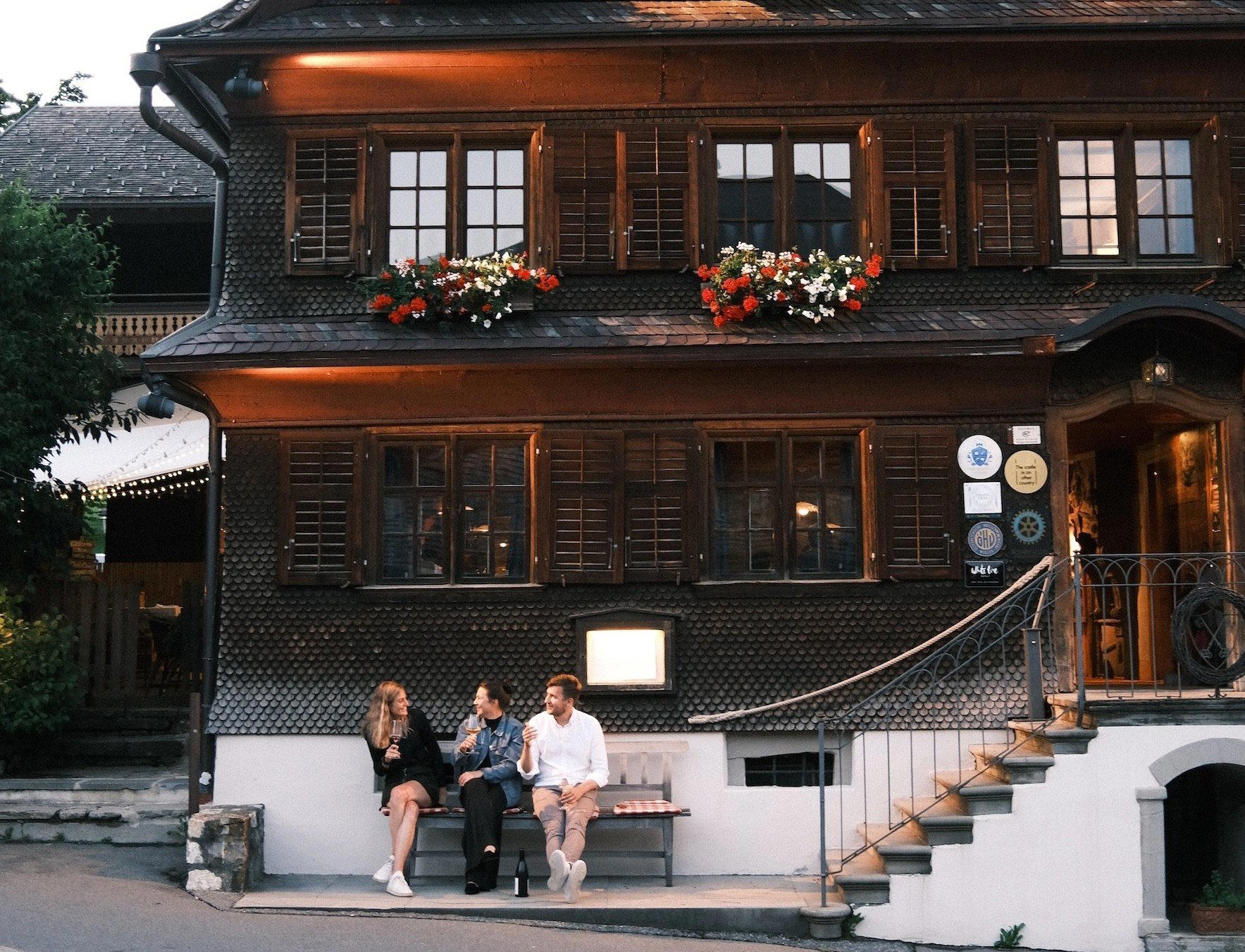

Pinus im Seegut
The wine
- Extensive wine list
- Natural wine
- Zero-proof drinks
Details
- Modern
- Elegant
- Scenic
- Relaxed
- Date Night
- Group Dining
- Special Occasion
- Celebration
- Terrace
- Waterfront
- Garden
- Design Destination
- Hotel Restaurant
- Panoramic View
- Extensive Wine List
- Natural Wine
- Zero Proof
- Local Sourcing
- Farm To Table
- Waterfront
- Garden
- Mountain
- A La Carte
- Small Plates
- Natural Wine
- Non Alcoholic Pairings
- Lake Constance Wines
- Vegetarian Friendly
- Vegan Options
- Organic Focus
- Allergy Accommodating
Current opening hours
- Monday
- 6:30 AM–11 PM
- Tuesday
- 6:30 AM–11 PM
- Wednesday
- 6:30 AM–11 PM
- Thursday
- 6:30 AM–11 PM
- Friday
- 6:30 AM–11 PM
- Saturday
- 6:30 AM–11 PM
- Sunday
- 6:30 AM–11 PM
Hours can change for holidays and private events. Hours as of .
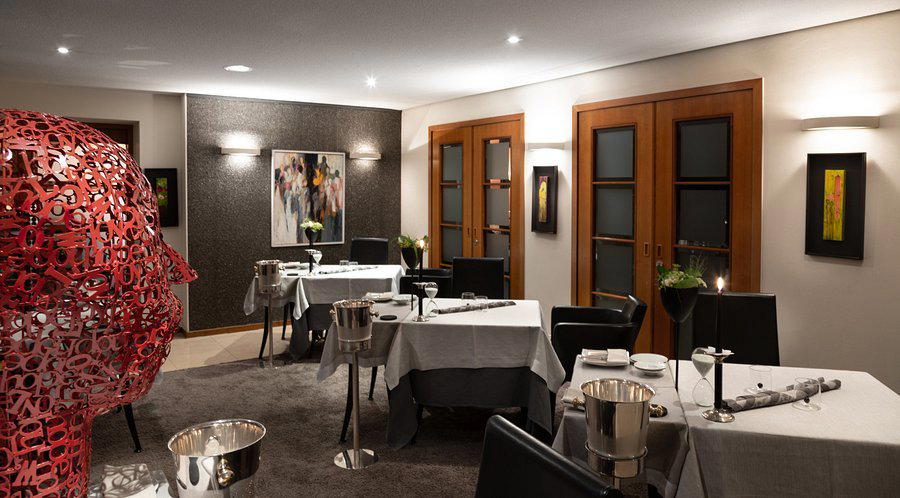
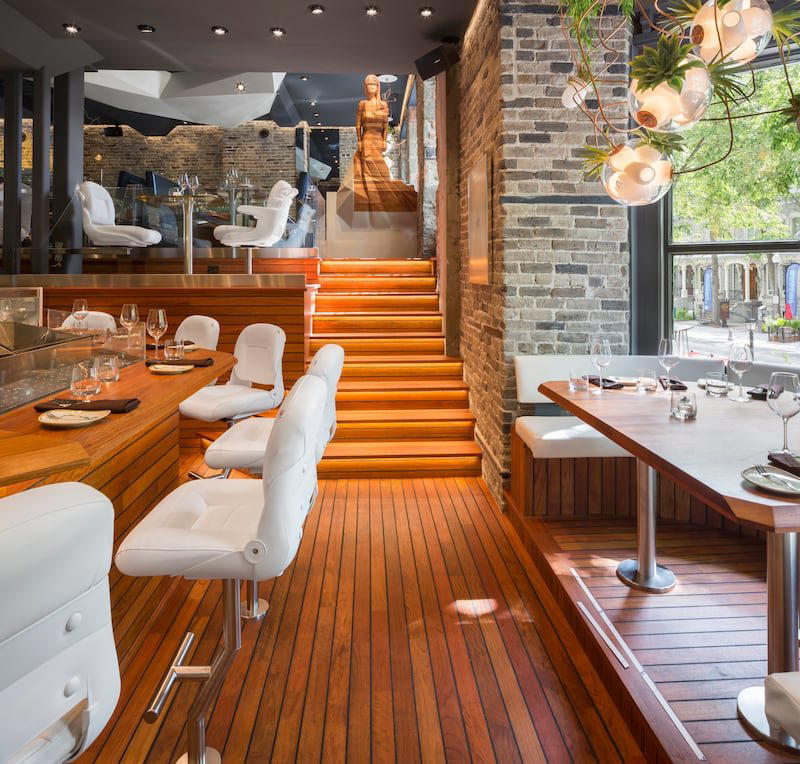
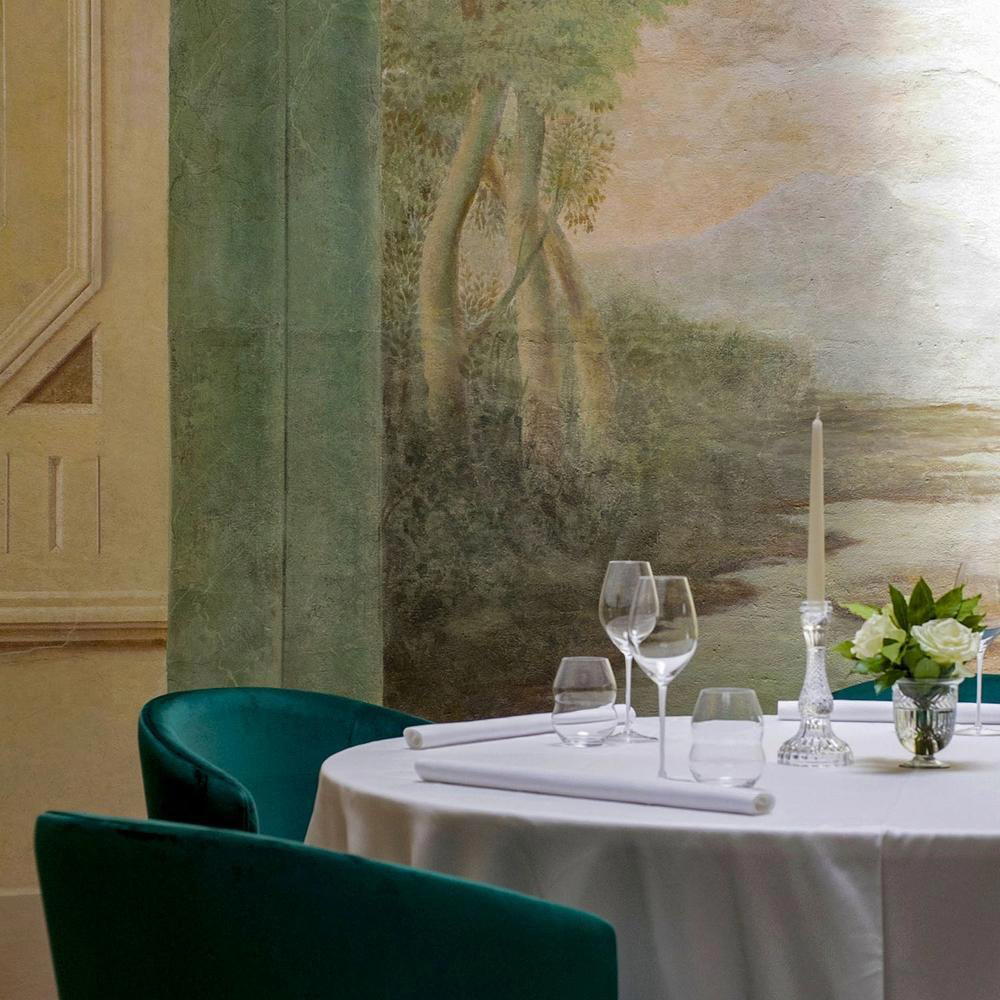
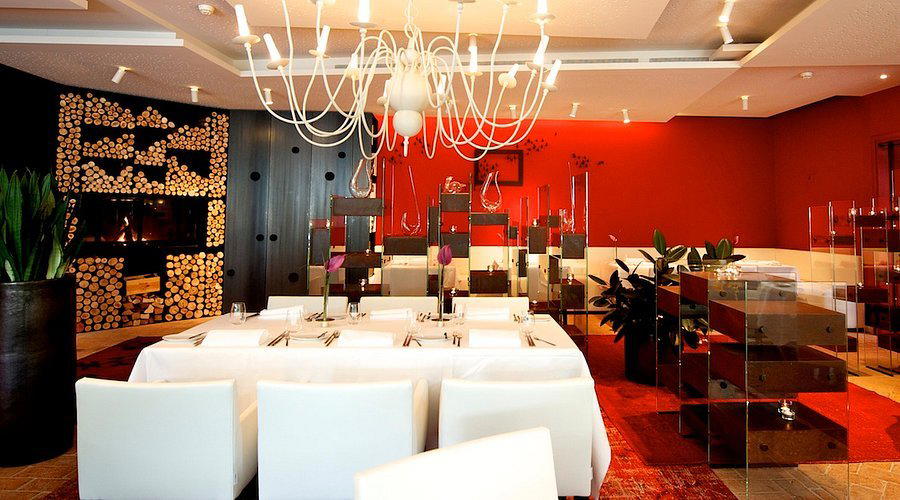
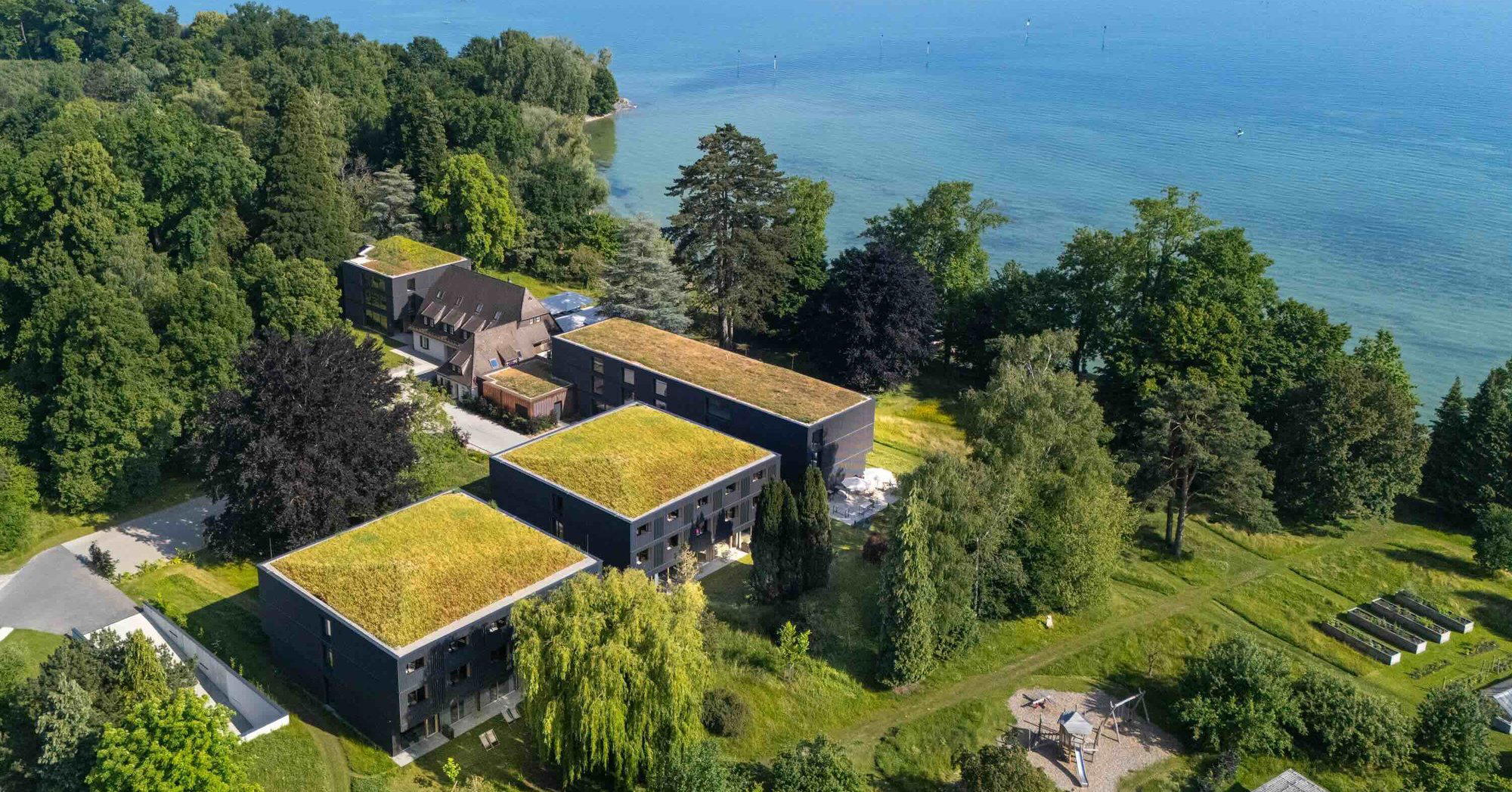
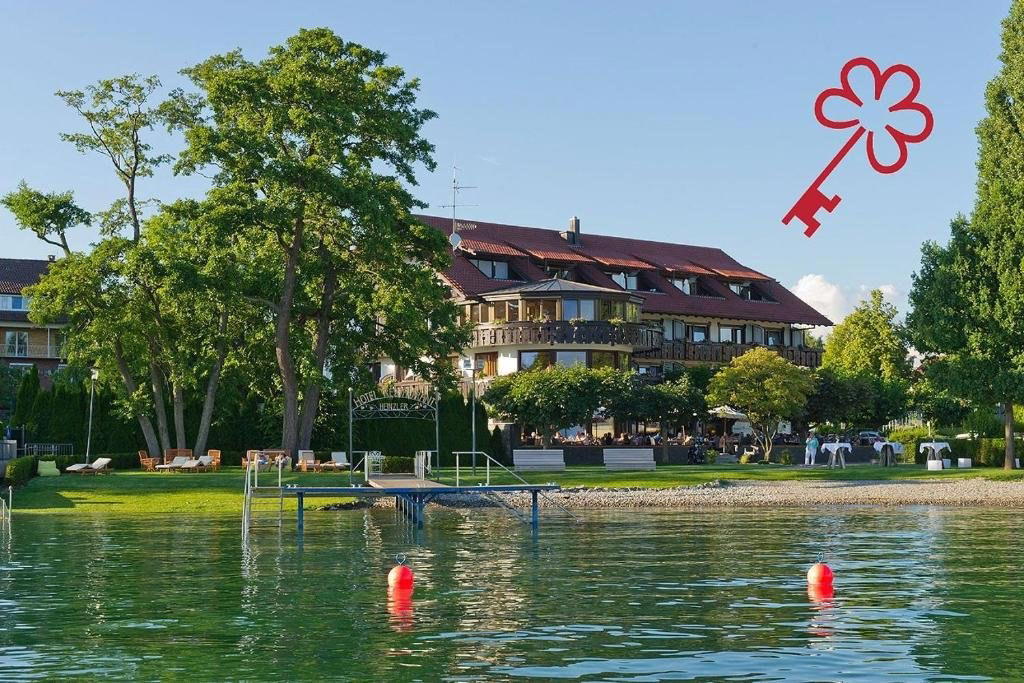
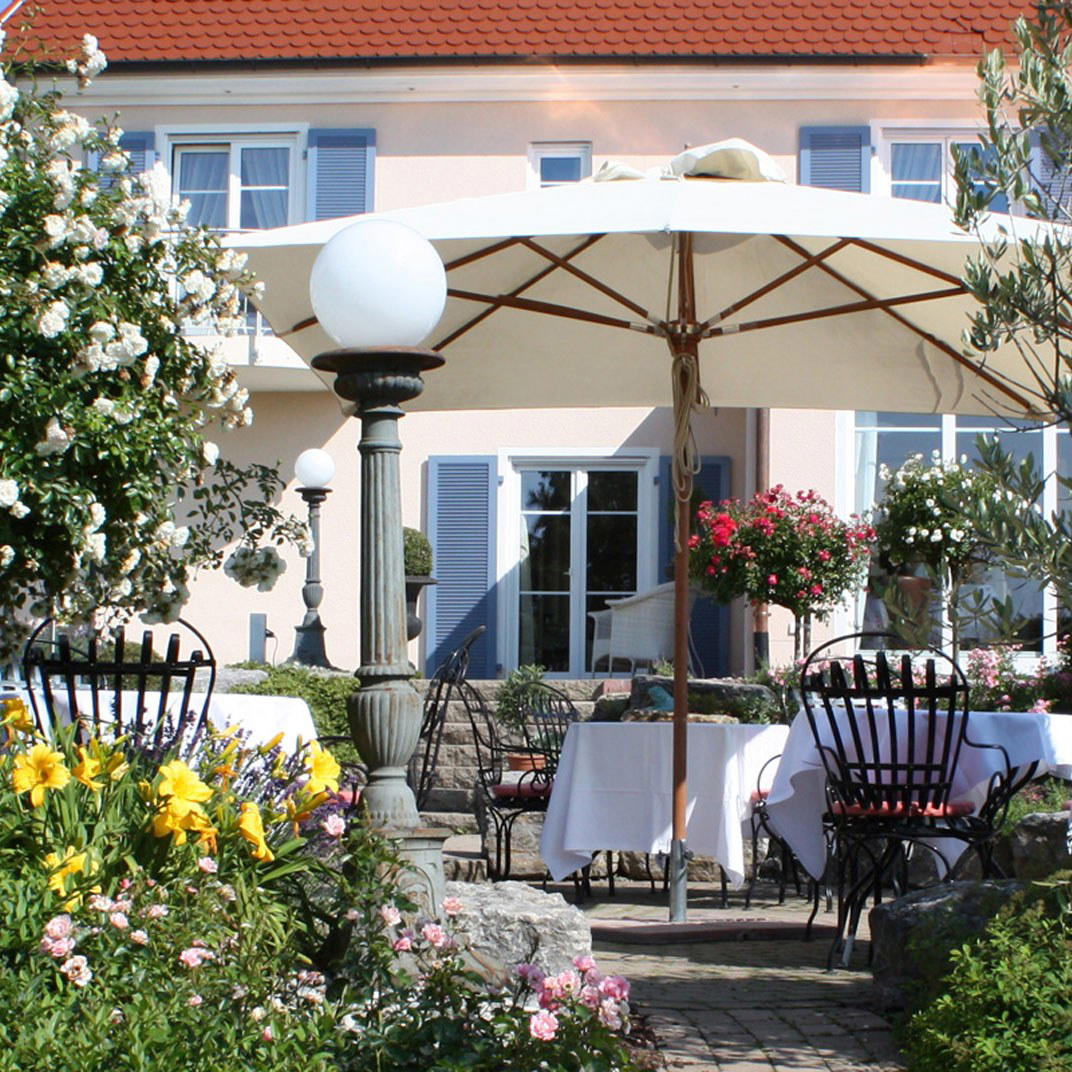
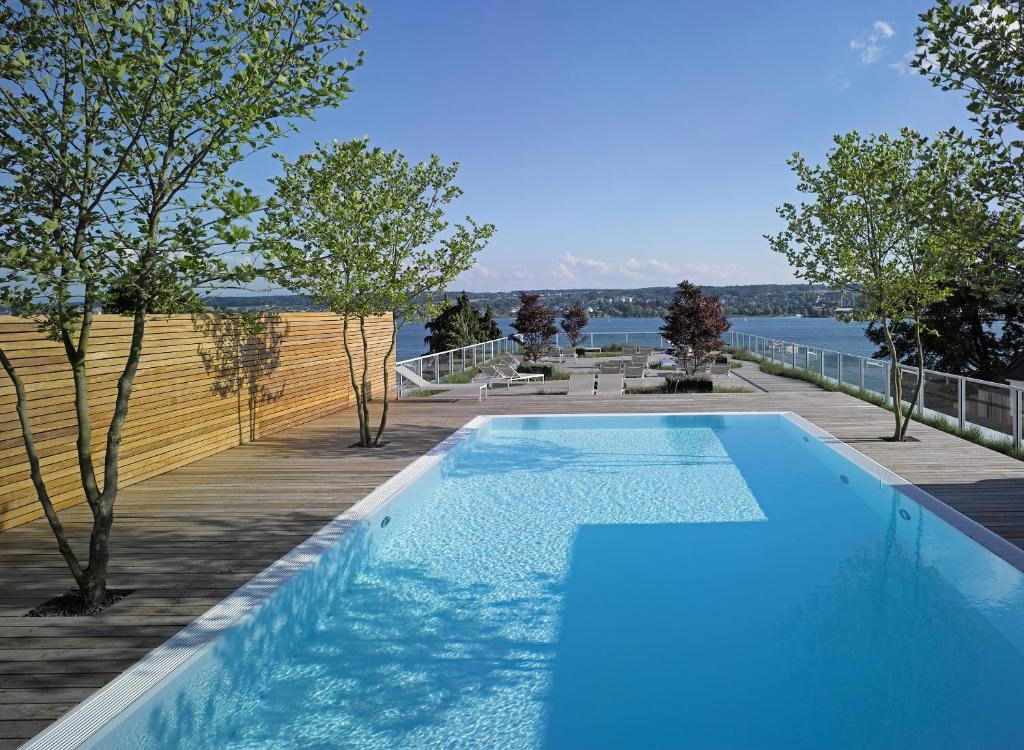
Modern upscale decor with a comfortably relaxed atmosphere; natural light from large windows overlooking the lake and majestic black pine tree in the garden; terrace seating available seasonally.