Where the Ingredients Come From, and Why That Shapes the Menu
The Michelin citation is specific about ingredient sourcing: select ingredients, fuss-free cooking, expressive results. That combination is harder to sustain than it sounds. Simplicity in a fine-dining context is not economy of effort; it is a deliberate choice to let the quality of the raw material carry the dish rather than obscure it behind technique. The classical lean of the cooking reinforces this: classical French and European structures have always been predicated on procurement, on the idea that a properly sourced piece of protein or a correctly chosen seasonal vegetable needs only informed treatment, not transformation.
The St. Gallen region sits in a productive agricultural corridor. The Rhine Valley to the east and the broader Thurgau lowlands to the north produce dairy, stone fruit, and market-garden vegetables that have supplied serious Swiss kitchens for generations. A kitchen at this level in this location is in a position to source with precision, and the Michelin description of "select ingredients" implies that is exactly the approach being taken. The cheese course, specifically noted in Michelin's write-up as a strength of the experience, is a natural extension of that regional sourcing logic: the arc from alpine pasture to affinage to table is shorter here than in many Swiss cities.
Broader Swiss fine dining has been moving in two directions simultaneously. The €€€€ tier, represented by venues like Schloss Schauenstein in Fürstenau and IGNIV Zürich by Andreas Caminada, pursues maximum creative elaboration or format innovation. A parallel current, exemplified by Neue Blumenau's €€€ positioning, favours restraint and directness, finding that the sourcing rigour can carry the meal without requiring the infrastructure of a multi-course theatrical production. Both approaches earn Michelin recognition; they simply represent different theories of what a star-level meal should do.
The Room and the Terrace
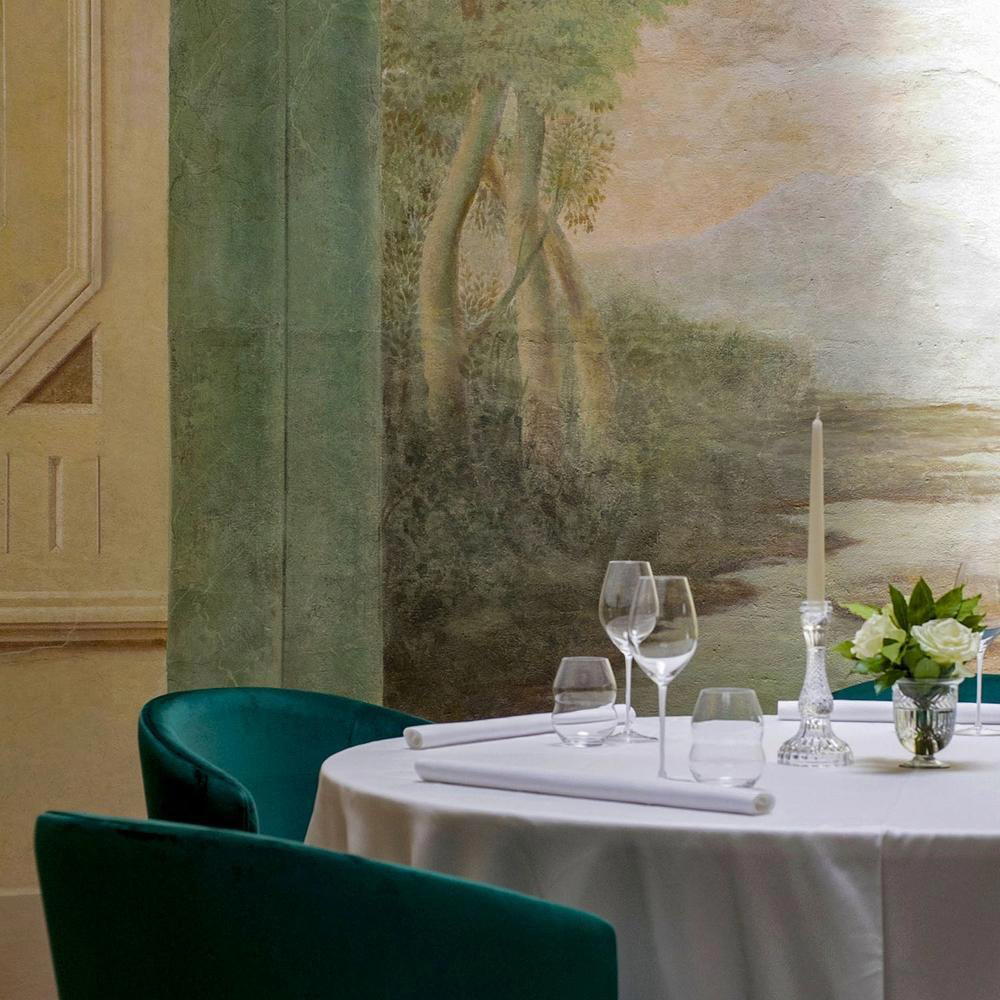
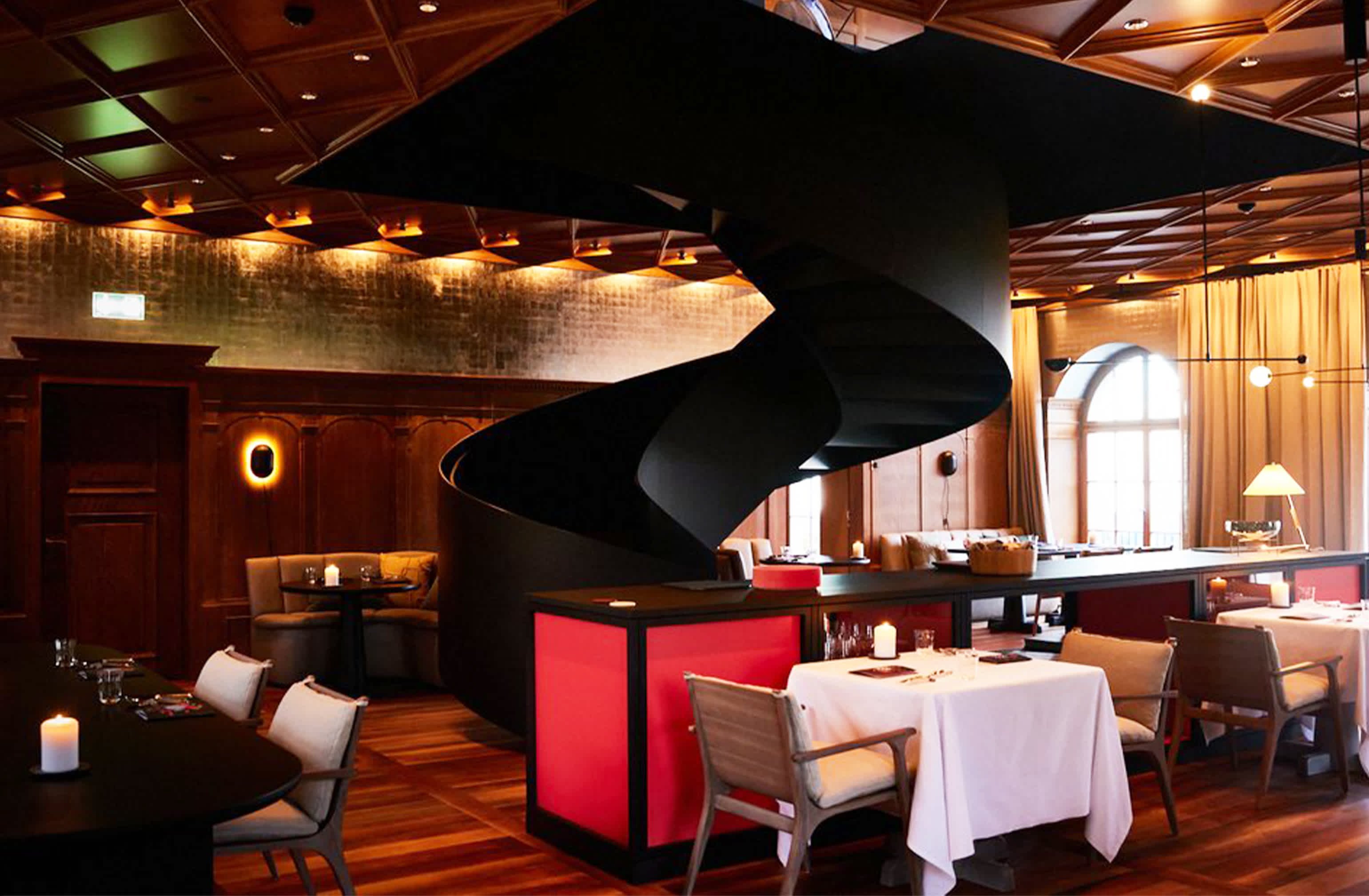
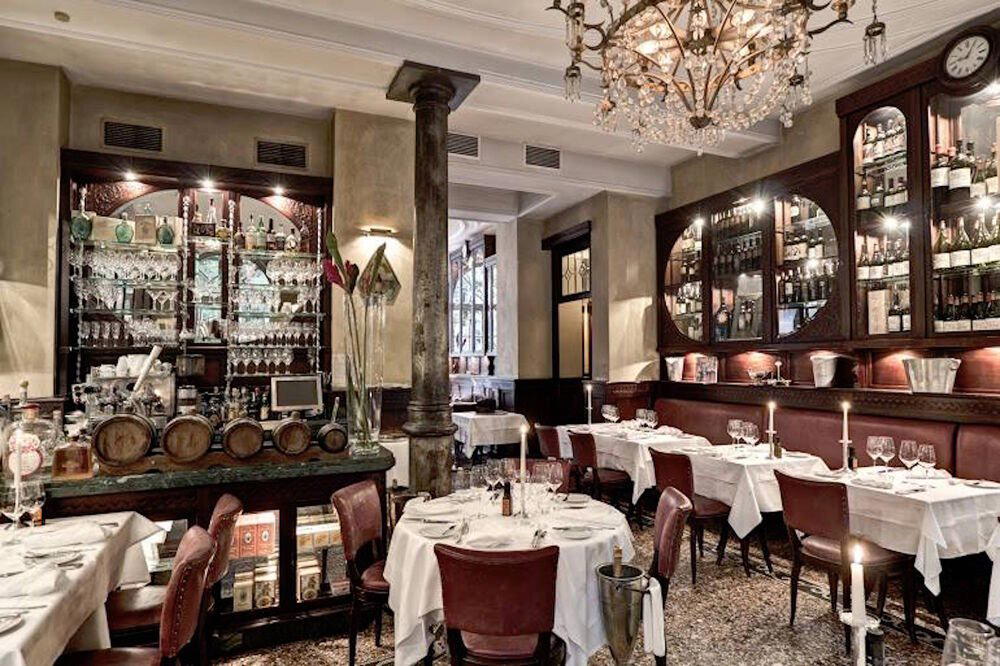
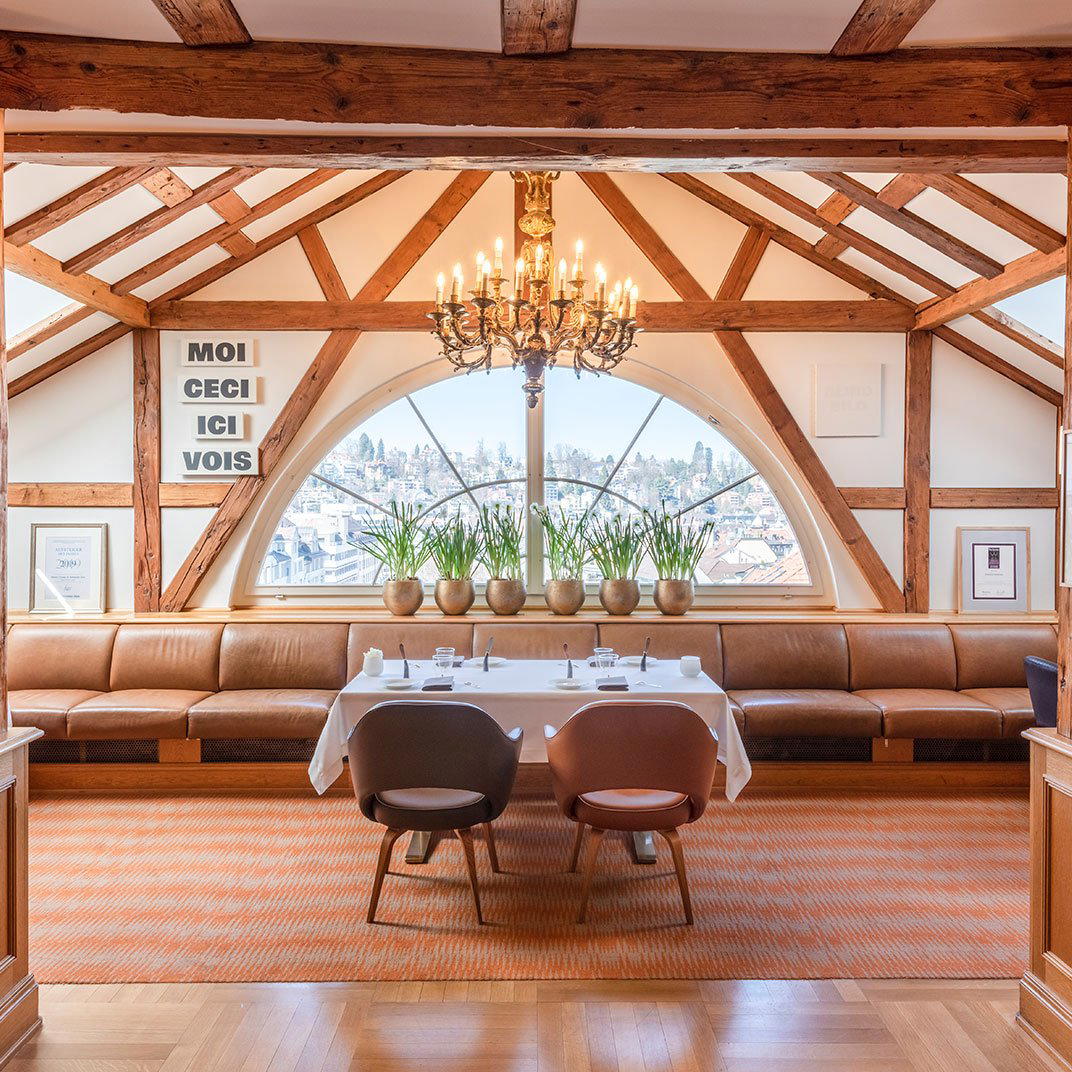
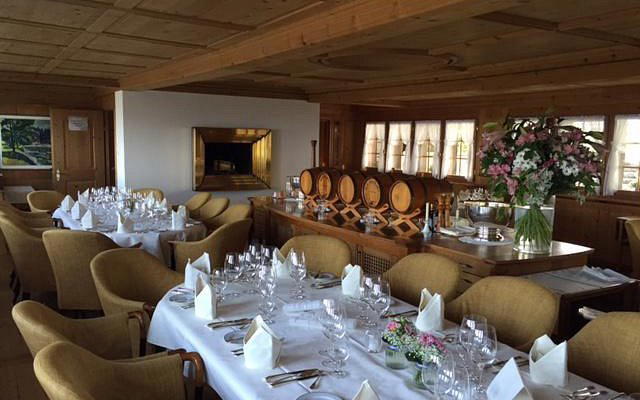
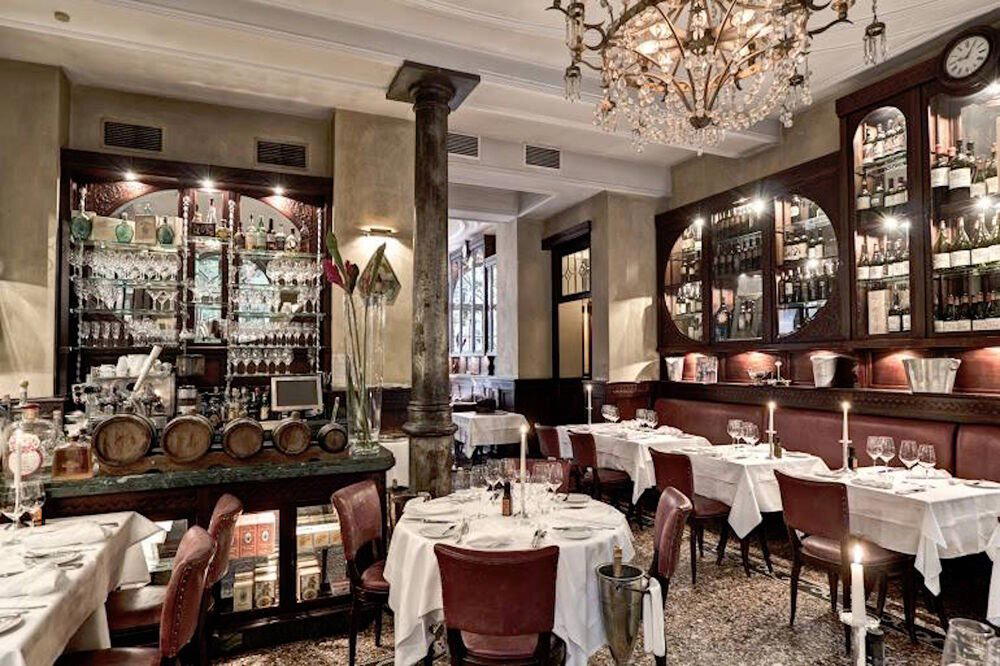
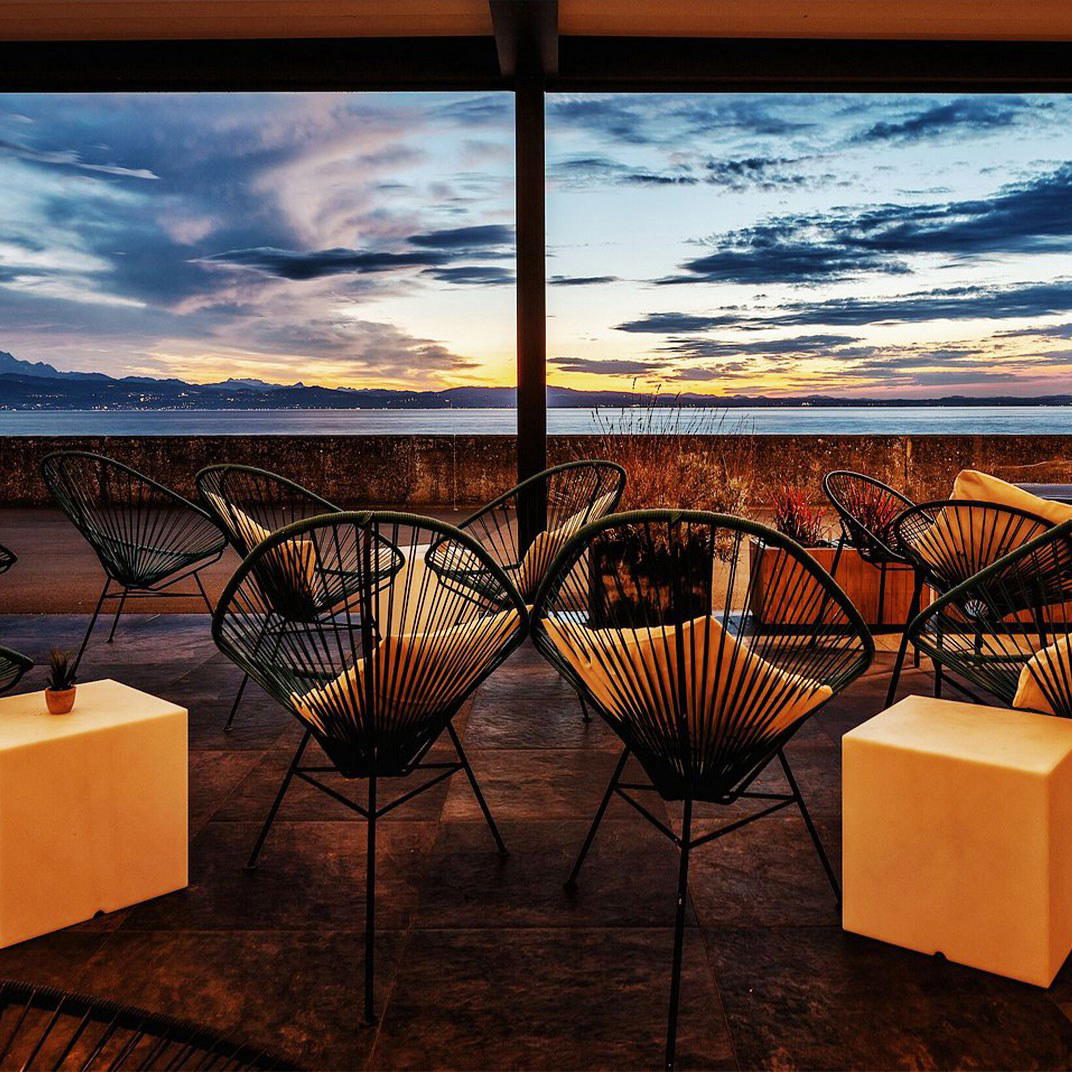
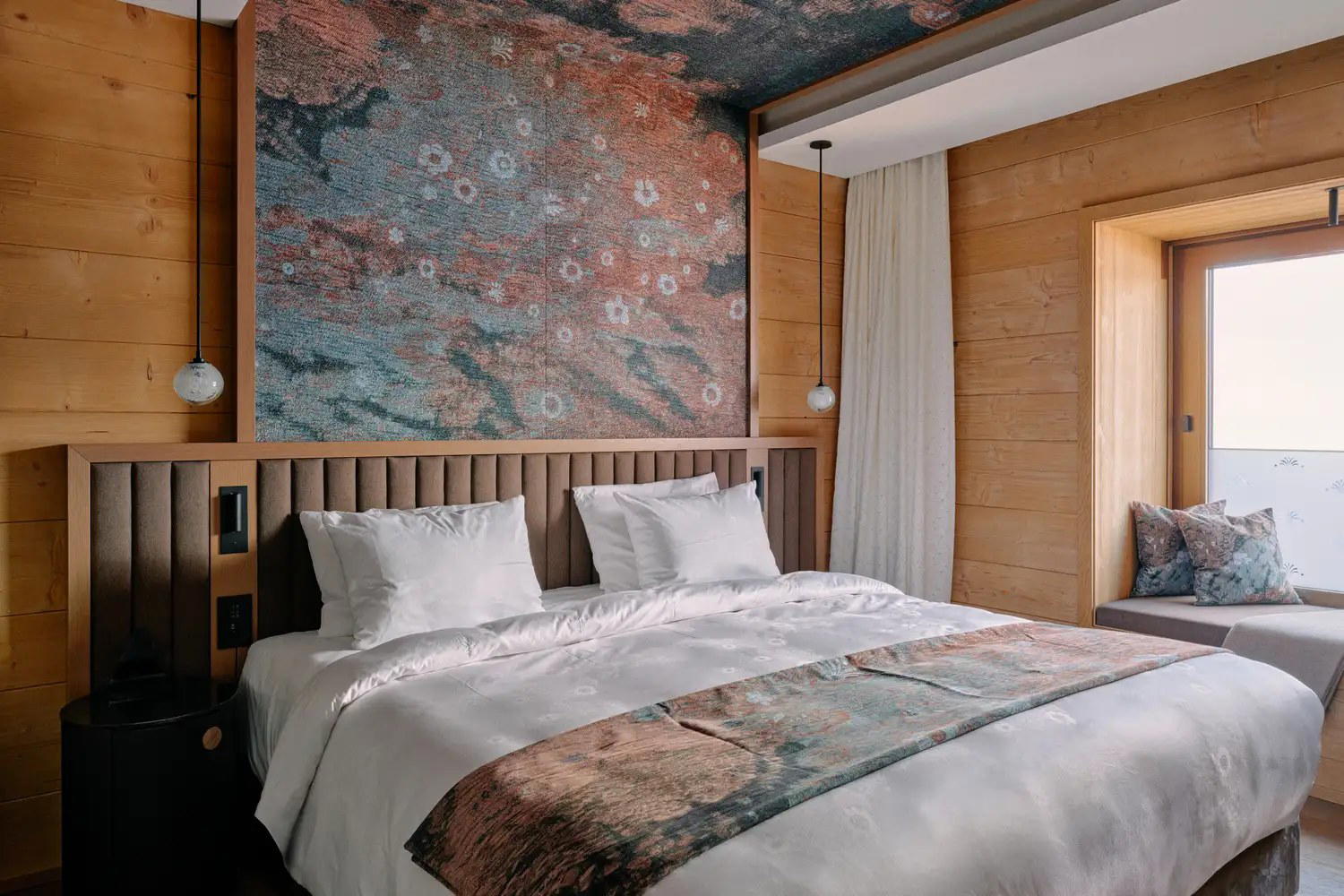
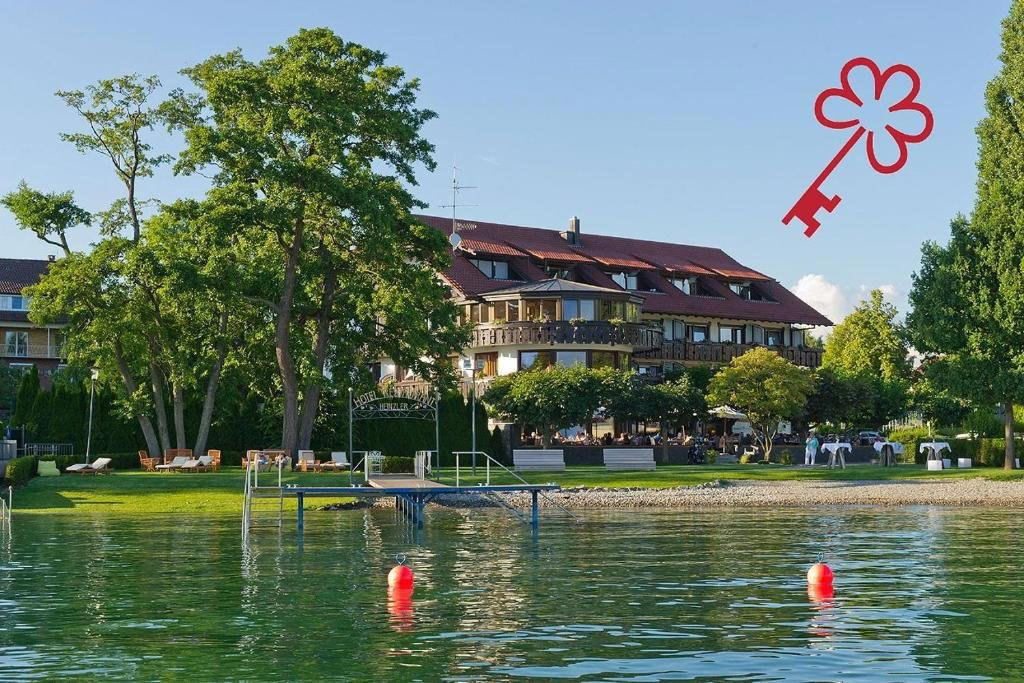
Inside, the restaurant occupies an elegant space that the Michelin guide describes without hesitation as a pleasant environment. The interior reads as a serious dining room rather than a decorative exercise: somewhere that frames the food and service without competing with them. For diners arriving on a summer evening, the garden terrace is the more sought-after option. Securing a spot outside extends the experience beyond the plate, placing the meal in a softer context that is specific to properties with this kind of space and setting.
The seasonal nature of that terrace matters practically. Summer bookings for the outdoor tables will carry additional demand, and the restaurant's Tuesday-to-Friday lunch and dinner schedule (with Saturday dinner service running to midnight) gives a clear window for planning. The restaurant is closed Sunday and Monday. For those combining a visit with regional exploration, the proximity to St. Gallen and the broader lake and Rhine corridor means that Neue Blumenau can anchor a longer stay without requiring a dedicated resort.
Service and the Role of the Owner on the Floor
In Swiss fine dining, the presence of an owner at the tables is neither unusual nor unremarkable. What distinguishes Neue Blumenau is the consistency with which it is noted. Bernadette Lisibach is described by Michelin as "extremely friendly" and as someone who "puts her heart and soul" into running the restaurant, making frequent appearances at the tables. That language, in the typically restrained vocabulary of a Michelin citation, signals something specific: service here is genuinely hospitable rather than formally correct, which is a harder standard to maintain at the one-star level than the inverse might suggest.
The courteous service noted across both the dining room and the terrace reflects a house style rather than a contingency. Restaurants that depend on a single charismatic presence for warmth tend to read inconsistently; the Michelin inspection process, which involves multiple anonymous visits, rewards consistent delivery.
The Format: Two Set Menus and a Considered Wine List
The structure is direct: two set menus, a good wine list, and a cheese course that rounds out the meal with regional logic. That format places Neue Blumenau in a specific tier of Swiss contemporary dining where the kitchen controls the arc of the meal and the diner's role is to engage with that arc rather than construct their own. It is a format that rewards sourcing-led cooking because it allows each course to be calibrated precisely to the ingredients available.
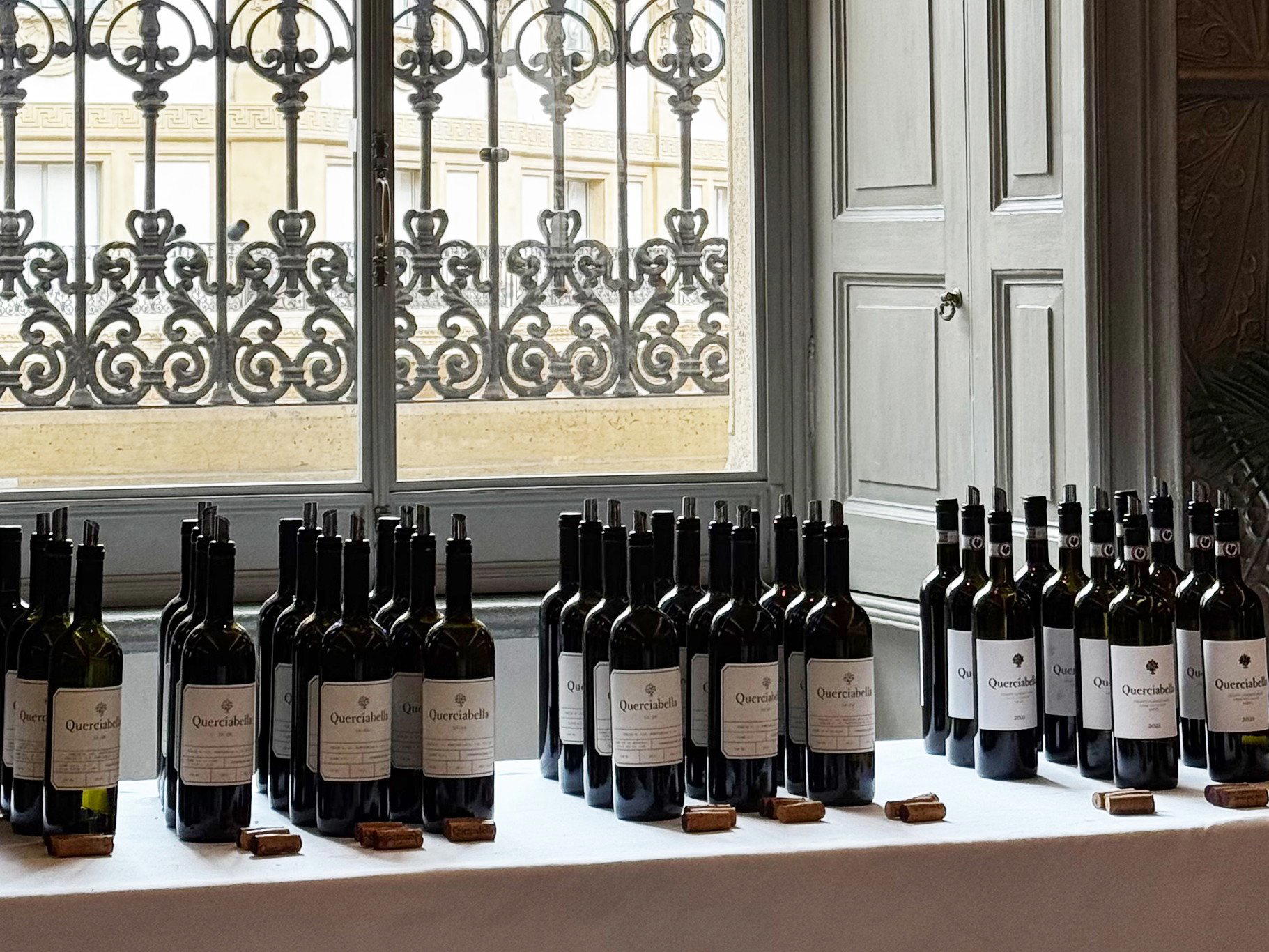
Wine list is noted approvingly without qualification, which in a Michelin citation suggests appropriate depth and selection rather than encyclopaedic volume. For a restaurant at this price tier in the German-speaking Swiss tradition, expect coverage of Swiss regional bottles alongside the French classics that dominate cellar selections at this level across the country. Pairing the meal with a regional selection from eastern Switzerland or Graubünden would be consistent with the sourcing philosophy evident in the kitchen.
For context within Switzerland's wider scene, the €€€ positioning at one-star level is a relevant signal. Several Swiss one-stars price at €€€€, particularly those in resort settings or with higher urban overheads. Cheval Blanc by Peter Knogl in Basel and Hotel de Ville Crissier in Crissier represent that higher-investment end of the Swiss spectrum. Neue Blumenau's one-star recognition at the €€€ level represents a meaningful entry point into serious Swiss cooking without the premium that resort or grand-hotel infrastructure typically adds. Internationally, the contemporary format finds echoes in addresses like César in New York City and Jungsik in Seoul, both of which operate within a similar discipline of classically grounded contemporary cooking at the one-to-two-star tier.
Planning Your Visit
Neue Blumenau is at Romanshornerstrasse 2, 9308 Lömmenschwil, and operates Tuesday through Friday with both lunch (11:30 AM to 2 PM) and dinner (6:30 PM to 11 PM) service. Saturday is dinner only, running until midnight. The restaurant is closed Sunday and Monday. Given the Michelin star and the garden terrace demand in summer months, advance booking is advisable, particularly for Friday and Saturday evenings.
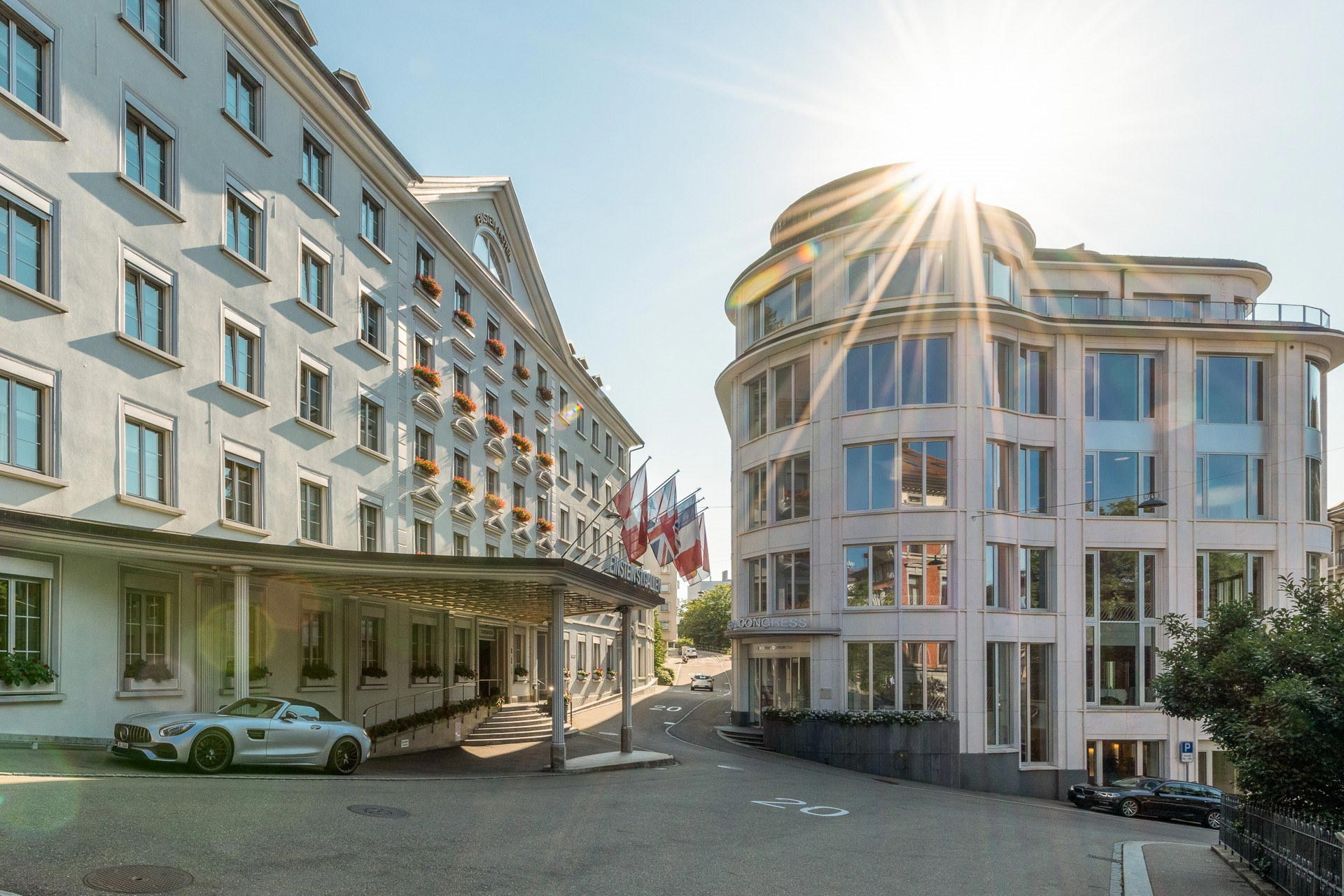
Lömmenschwil sits in an area of eastern Switzerland with modest but genuine regional appeal. For those planning broader itineraries across the region, see our full Lömmenschwil restaurants guide, as well as our guides to hotels, bars, wineries, and experiences in the area. For Michelin-starred alternatives nearby, Einstein Gourmet in Sankt Gallen is the closest peer reference. Elsewhere in the Swiss eastern region, 7132 Silver in Vals and Colonnade in Lucerne offer different registers of the same broader Swiss contemporary tradition. For those crossing into western Switzerland or Geneva, L'Atelier Robuchon in Geneva and Da Vittorio in St. Moritz round out the regional picture at different price points and styles.