Trattoria Milano sits on Bloor Street West in Toronto's Yorkville corridor, operating within a city where Italian dining ranges from quick-service trattorias to Michelin-adjacent tasting menus. The address places it in proximity to some of Toronto's most competitive dining real estate, where neighbourhood expectations run high and the Italian category is well-contested by venues like DaNico and Don Alfonso 1890.
Pearl is the En Primeur Club membership app — saves, bookings, and concierge access live there. Same editors, same standards.
- Address
- 55 Bloor St W, Toronto, ON M4W 1A5, Canada
- Phone
- +14373740250
- Website
- eataly.ca
- Directions
- Get directions
 Saves & bookings on Pearl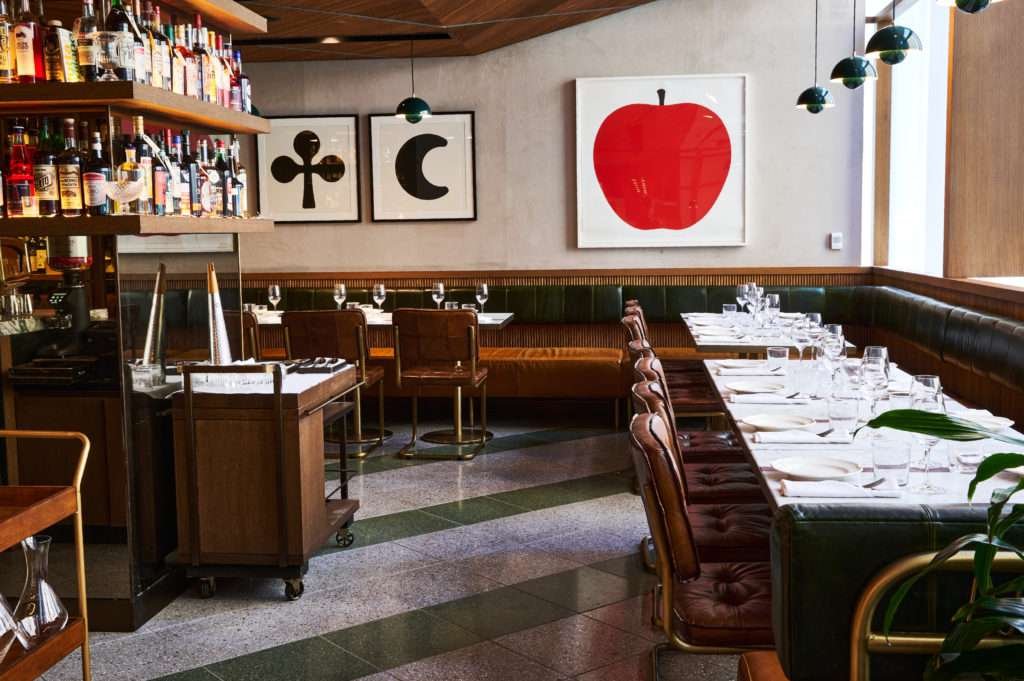
Bloor Street and the Italian Dining Bracket
Bloor Street West, at the southern edge of Yorkville, is one of Toronto's more competitive dining corridors. The stretch between Bay and Avenue Road draws a crowd that cross-references restaurant choices with reservation availability, neighbourhood prestige, and a growing awareness of what the city's Italian dining tier can actually deliver. In that context, the trattoria format carries specific weight: it signals a middle register between casual pizza-pasta operations and the white-tablecloth contemporary Italian rooms that have pushed the category upward in recent years. Toronto's Italian dining scene has bifurcated sharply. On one side sit venues like DaNico and Don Alfonso 1890, both operating at the $$$$ price tier with tasting menus and formal service structures that align them with the city's fine dining ceiling rather than its trattoria tradition. Trattoria Milano operates in a different register, one that positions itself by name and address within a format that Torontonians have historically associated with neighbourhood warmth and mid-range pricing, with an average spend of about $45 per person.
What the Bloor Corridor Means for Booking
The editorial angle worth addressing before you arrive at any restaurant on this stretch is the booking experience itself. Toronto's premium dining tier, represented at its apex by counters like Sushi Masaki Saito and Aburi Hana, both operating at Michelin-adjacent price points with limited seats, requires planning horizons of weeks to months. The trattoria format, in contrast, has traditionally offered more accessible entry: walk-ins absorbed on quieter evenings, same-week reservations on most nights, and a floor plan that accommodates groups without the restriction of a counter-only format. The format signals suggest a more approachable booking window than the city's tasting menu rooms. For visitors building a Toronto itinerary, this matters. If your week already includes a harder-to-book reservation at Alo, Toronto's most decorated contemporary room, Trattoria Milano's probable accessibility makes it a functional complement rather than a competing priority.
The Trattoria Format in a Canadian City Context
Canada's Italian dining tradition runs deep in its major cities, and Toronto's version of it has been shaped by waves of Italian immigration that established neighbourhoods like Corso Italia and Little Italy as culinary anchors long before the city's broader restaurant culture matured. The trattoria, as a format, carries that history: it is a dining room built around shared plates, familiar pasta structures, and a service cadence that prioritises return visits over occasion dining. That tradition is distinct from what is happening at the contemporary Italian tier. Don Alfonso 1890, for instance, imports the Michelin-starred heritage of its namesake property in Sant'Agata sui Due Golfi and operates in Toronto as a fine dining proposition with corresponding price signals. The trattoria does not compete in that bracket, it competes with neighbourhood Italian rooms across the city's midtown and downtown cores, where the measure of quality is consistency, pasta texture, and whether the wine list offers honest value rather than prestige markup.
Across Canada more broadly, the dining rooms generating critical attention in the Italian and contemporary European space include operations like Jérôme Ferrer - Europea in Montreal and properties in smaller markets that have built reputations through culinary specificity rather than urban density. Ontario's own contribution to that conversation extends beyond Toronto: Restaurant Pearl Morissette in Lincoln and Eigensinn Farm in Singhampton represent the kind of destination dining that pulls critics out of the city entirely. The trattoria format does not chase that kind of recognition, it operates in a different economy of loyalty, where regulars matter more than first-time visitors seeking a portfolio experience.
Atmosphere on Bloor West
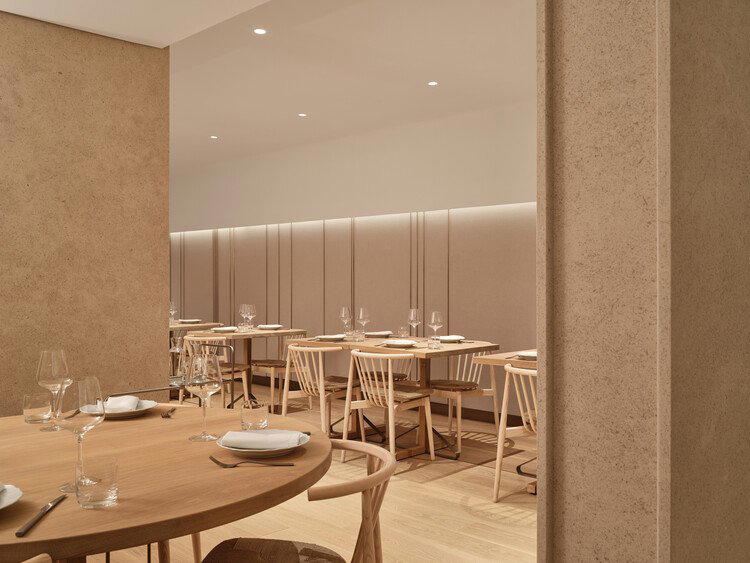
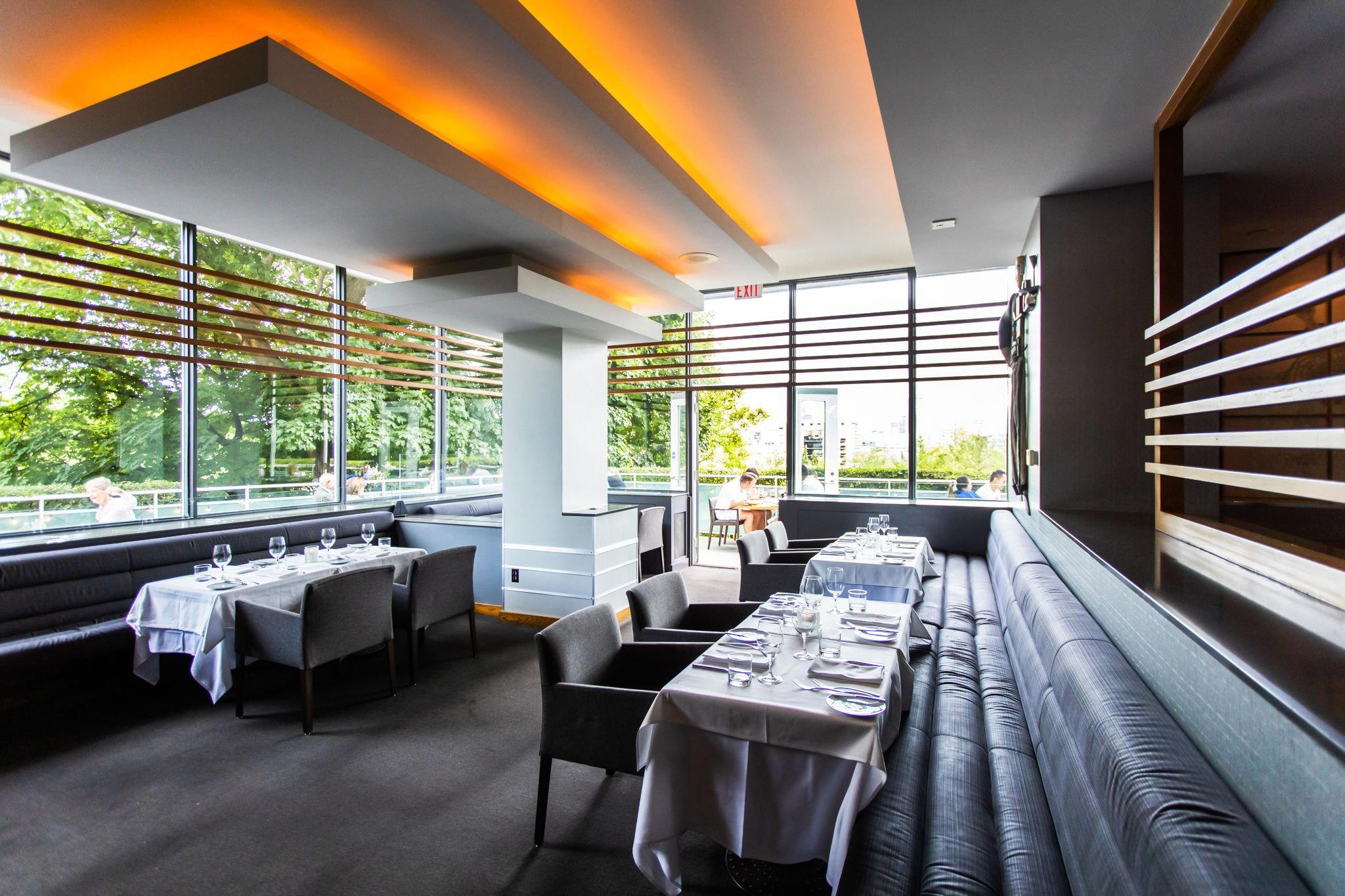
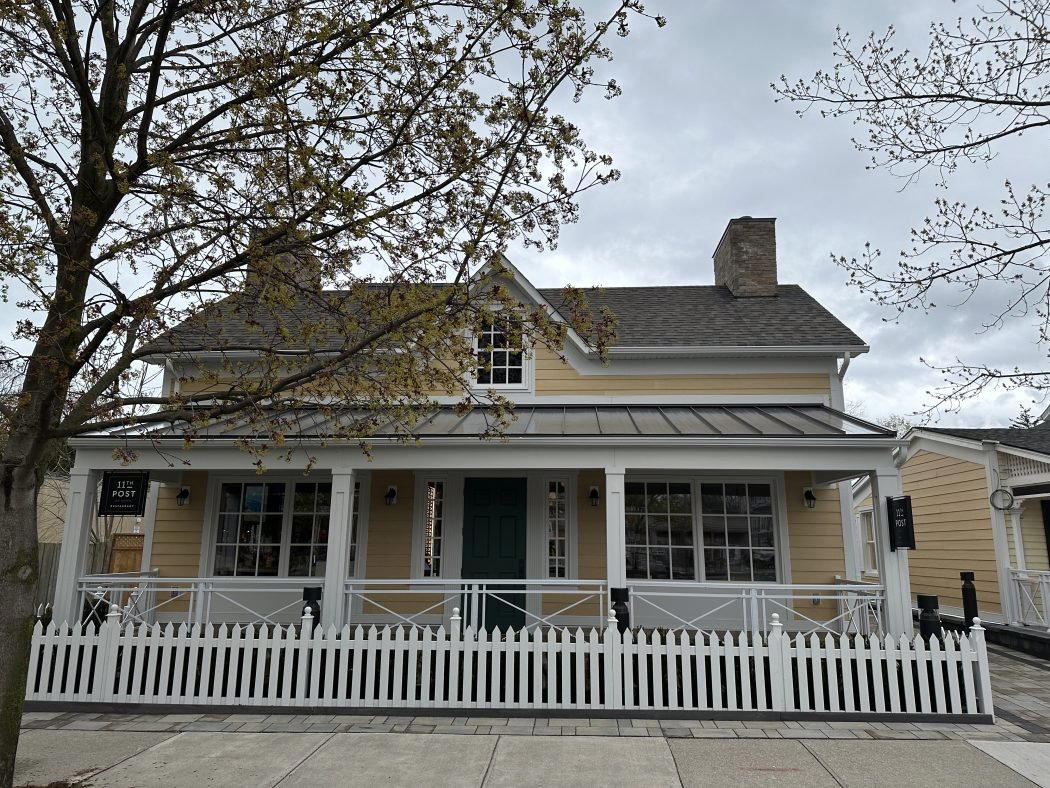
The physical experience of arriving at a restaurant on this block is shaped by Yorkville's particular character: the street-level retail is upscale, the foot traffic skews toward the after-work and weekend leisure crowd, and the building stock mixes older low-rise with newer mixed-use developments. A trattoria in this setting faces a tension familiar to any mid-register restaurant in a premium neighbourhood: the expectation that the room will feel warm and unpretentious while the postcode presses toward polish. Italian trattoria interiors across North America have navigated this by leaning on the visual grammar of the format, close-set tables, wine on display, a kitchen that is at least partially visible, as a signal of intent. The atmosphere, in other words, is a positioning statement. It tells a diner arriving from the street that the room is not trying to compete with the formal dining propositions two blocks away, and that is a deliberate choice rather than a limitation. For context on how Toronto's upper-tier rooms handle atmosphere at the other end of the spectrum, the omakase counters at Aburi Hana and Sushi Masaki Saito operate with near-ceremonial quiet, which is the opposite of what a trattoria is built to deliver.
Planning Your Visit
Toronto's dining calendar has seasonal pressure points that affect reservation availability across categories. The autumn months, roughly September through November, see the city's restaurant scene at its most active, with convention and festival traffic adding to baseline demand. Summer patio season, July and August, shifts some dining outdoors but compresses indoor availability at rooms without meaningful patio space. For a Yorkville-area trattoria, the practical recommendation is to book at least a week in advance for weekend evenings and to hold that booking closer to your visit date, since the format is less likely to enforce strict no-cancellation policies than the tasting menu rooms. If Canadian dining more broadly is the frame, Tanière³ in Quebec City and AnnaLena in Vancouver represent the country's contemporary fine dining conversation in other regions. Closer to Toronto, The Pine in Creemore and Barra Fion in Burlington offer alternatives within a reasonable drive for those willing to leave the city.
Reservations are recommended, dress is smart casual, and the address is 55 Bloor St W, Toronto, ON M4W 1A5, Canada.
Budget Reality Check
Comparable venues nearby, for context on price, style, and recognition.
| Venue | Cuisine | Price | Notes |
|---|---|---|---|
| Trattoria MilanoThis venue — the venue you are viewing | Not listed | $$$ | Not listed |
| Piano Piano Harbord | Harbord Village, Modern Italian | $$$ | Not listed |
| Amano Trattoria | Not listed | $$$ | Church-Yonge Corridor, Modern Italian Trattoria |
| Casa 73 | Harbourfront, Contemporary Italian | $$$ | Not listed |
| Edna + Vita | Not listed | $$$ | Financial District, Modern Italian Trattoria |
| Mercatto | Not listed | $$$ | Bay Street Corridor, Casual Elegant Italian |
Continue exploring
More in Toronto
Restaurants in Toronto
Browse all →
Bars in Toronto
Browse all →
Hotels in Toronto
Browse all →

At a Glance
- Elegant
- Classic
- Sophisticated
- Intimate
- Date Night
- Business Dinner
- Group Dining
- Special Occasion
- Private Dining
- Historic Building
- Design Destination
- Extensive Wine List
- Craft Cocktails
- Sommelier Led
- Local Sourcing
Current opening hours
- Monday
- 11:30 AM–9 PM
- Tuesday
- 11:30 AM–9 PM
- Wednesday
- 11:30 AM–9 PM
- Thursday
- 11:30 AM–9 PM
- Friday
- 11:30 AM–10 PM
- Saturday
- 11:30 AM–10 PM
- Sunday
- 11:30 AM–9 PM
Hours can change for holidays and private events. Last verified .
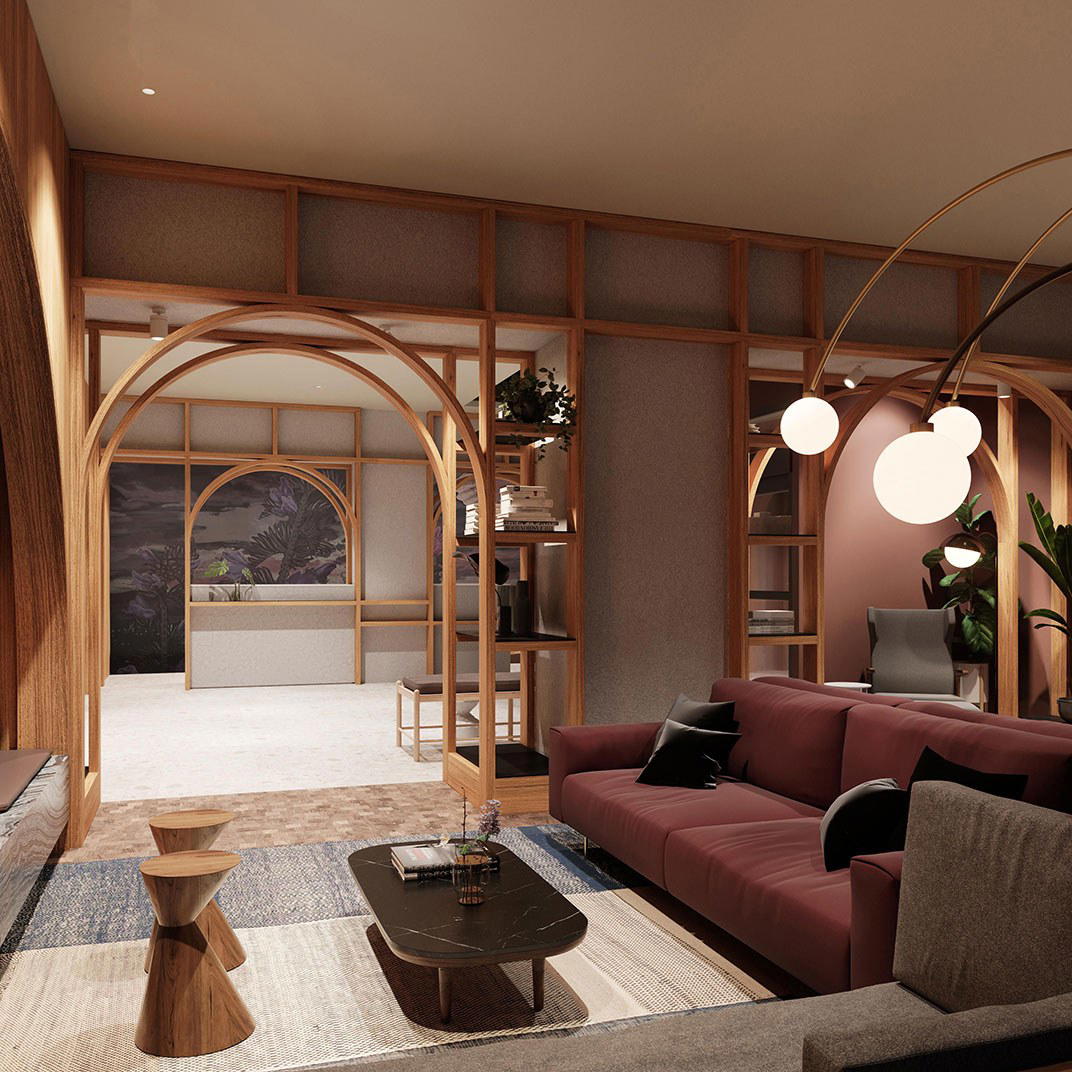
Immersive Northern Italian atmosphere with eclectic Italian art and culture adorning the walls, evoking Milan's historic bars and cultural spaces.