Trattoria Fasano in São Paulo serves Southern Italian Trattoria cooking with a terrace, an extensive wine list, and leisurely pacing at lunch or dinner.
Pearl is the En Primeur Club membership app — saves, bookings, and concierge access live there. Same editors, same standards.
- Address
- R. Iguatemi, s/n - Itaim Bibi, São Paulo - SP, 01451-010, Brazil
- Phone
- +5511966310606
- Website
- fasano.com.br
- Directions
- Get directions
 Saves & bookings on Pearl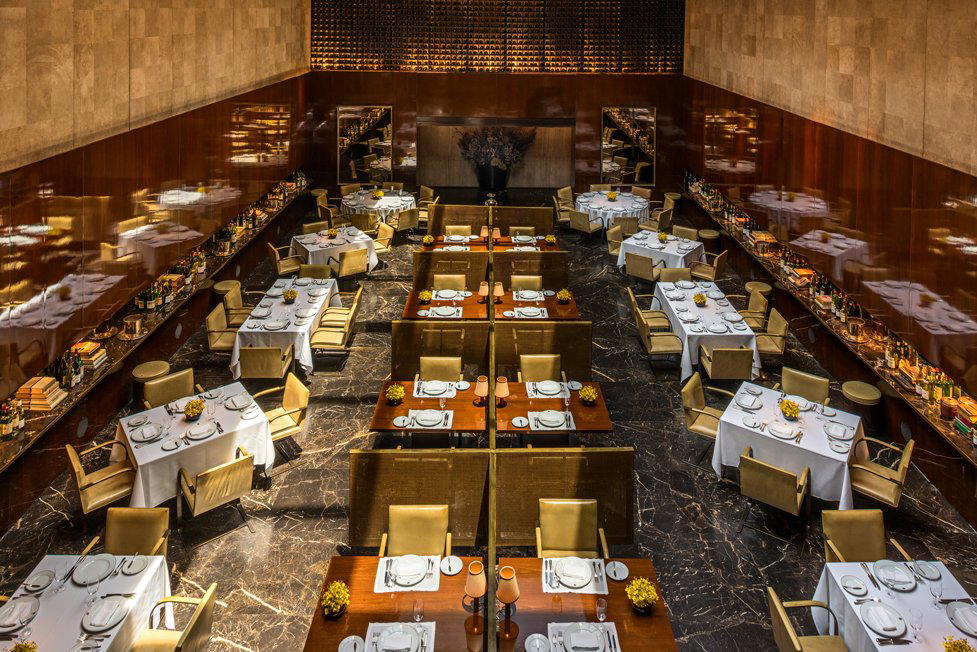
Italian Dining in São Paulo's Itaim Bibi: Where the Fasano Legacy Meets the Room
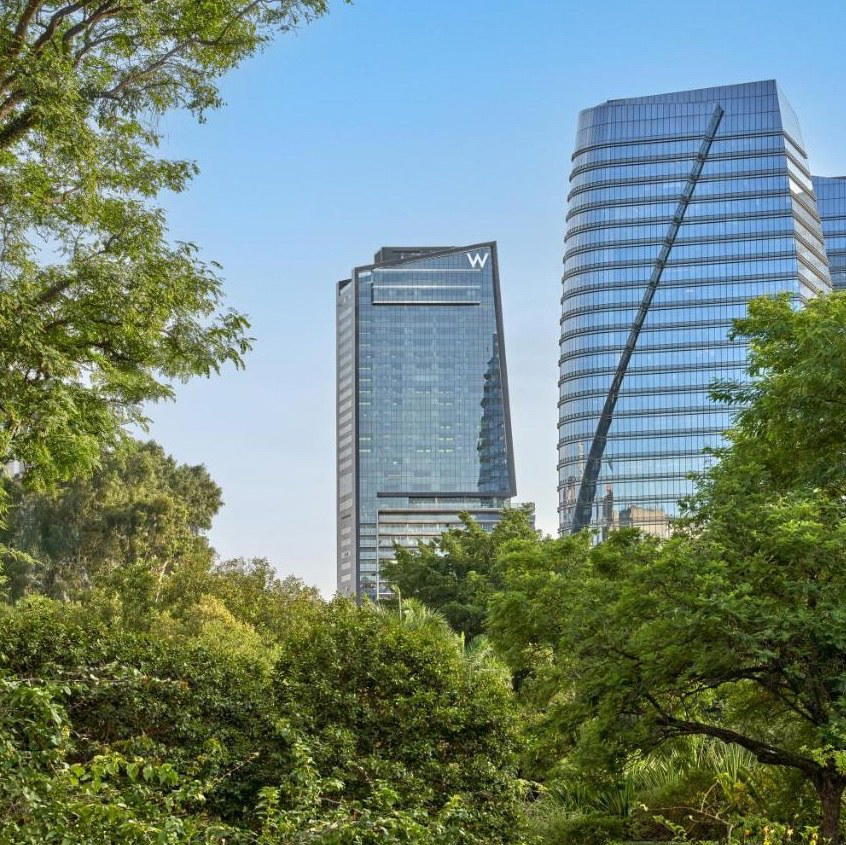
Itaim Bibi does not announce itself quietly. The neighbourhood carries the density of São Paulo's financial and creative class, glass towers, sharp tailoring, restaurant lists that rotate faster than most cities manage in a decade. Inside that context, the Fasano group's trattoria address on Rua Iguatemi operates at a register that the neighbourhood understands: confident, classical, and priced for a crowd that treats a long lunch as a professional instrument rather than an indulgence.
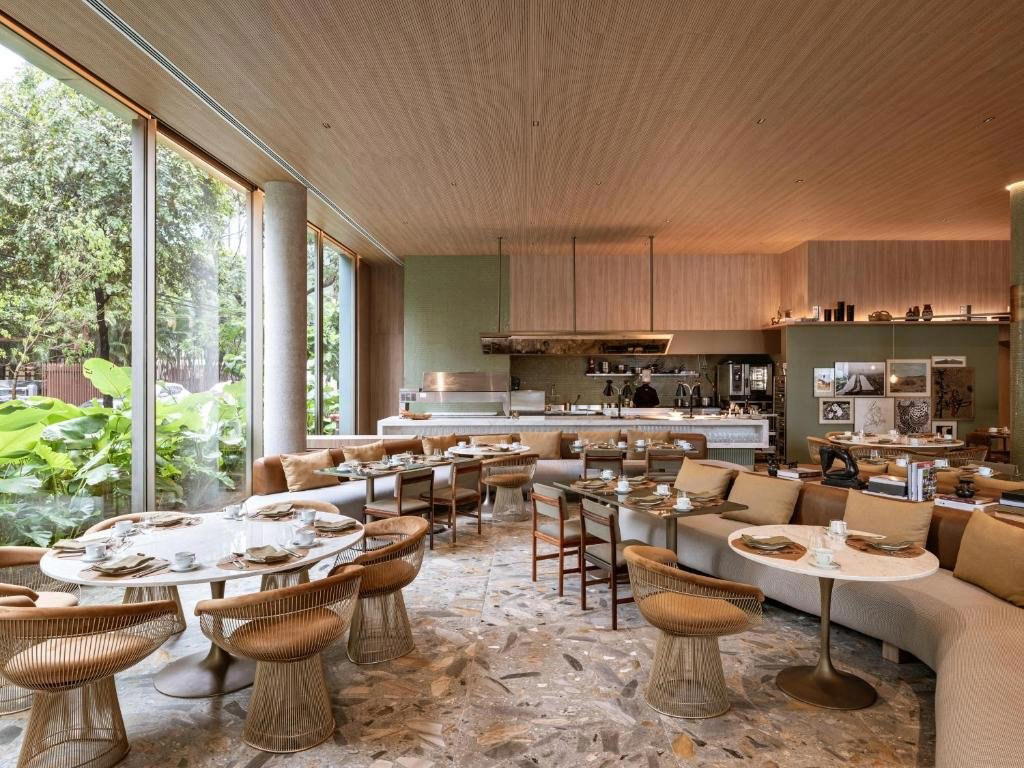
The physical room matters here. São Paulo's Italian restaurant scene has split between two poles: the white-tablecloth formalism of the city's older Higienópolis and Jardins establishments, and a newer, looser osteria wave represented by places like Fame Osteria and the contemporary Italian precision of Evvai. Trattoria Fasano sits between those poles, carrying the lineage of one of Brazil's most recognised hospitality names without the full ceremonial weight of the flagship Fasano restaurant a short distance away.
The Wine Program: Cellar Depth in a Trattoria Format
The editorial angle that most distinguishes the trattoria tier of the Fasano operation from its competitors is the wine program. In São Paulo, the gap between a restaurant's ambition on the plate and its seriousness at the cellar is often wide. The Fasano group's institutional relationships with Italian producers, built across decades of operating in a city with a substantial Italian-Brazilian community and a deep appetite for Barolo, Brunello, and aged whites from the Veneto, tend to filter down into the trattoria format in ways that competitors at the same price register rarely match.
Italian wine in Brazil carries structural complexity: import duties, temperature logistics, and a currency that makes European cellar depth expensive to build and expensive to sell. Restaurants that do it well are, almost by definition, backed by operations with the volume and supplier relationships to absorb those costs. The Fasano group's scale in that regard places Trattoria Fasano in a different competitive position than standalone Italian addresses in the city, where the list often stops at accessible Chianti or a thin selection of Piedmontese reds. A trattoria format housing a serious Italian list is a more specific proposition than it first appears, closer in wine seriousness to Evvai's considered Italian focus than to the neighbourhood casual Italian category more broadly.
For the São Paulo diner who approaches the wine list first and the menu second, that positioning matters. The city's most serious wine lists across all categories, including the cellar programs at creative Brazilian addresses like D.O.M. and Tuju, tend to share a common characteristic: institutional backing, either through group operations or through a founding team with deep supplier access. Trattoria Fasano benefits from precisely that.
Reading the Menu Against Its Context
The trattoria format in Italy has always been a vehicle for regional specificity: pasta made with local flour, secondi built around what arrives that morning, a wine list that reflects the producer relationships of whoever owns the cellar. In São Paulo, that format gets filtered through a different set of constraints. The Italian-Brazilian community in the city, one of the largest concentrations of Italian descent outside Italy, means that certain benchmarks are held to seriously. Handmade pasta, brasato, ossobuco: these are dishes that arrive with comparison points already loaded. The city's Italian-Brazilian restaurants operate under a kind of community scrutiny that straightforwardly European-positioned restaurants in other global cities do not face.
The restaurant operates within that tradition without pretending to exist outside it. The format signals accessibility relative to the Fasano flagship, it is a trattoria, which in the context of this group means approachable without being casual, familiar without losing precision. Compare that positioning to the creative Italian direction at Evvai, where the contemporary reframe is explicit, or to the looser, market-driven register of Fame Osteria. The restaurant's lane is deliberately classical, the version of Italian that São Paulo's established dining class has used as a reference point for decades.
São Paulo's Italian Restaurant Tier: Where This Fits
Understanding the restaurant requires understanding how São Paulo's Italian restaurants have stratified. At the leading end, Evvai operates with a tasting menu format and Michelin recognition. At the middle, a cluster of neighbourhood trattorias and osterie serve the Italian-Brazilian community with regional specificity but limited cellar programs. Fasano's trattoria sits in a tier that has classical ambition, group infrastructure, and a room that signals occasion without requiring it, a profile that aligns it more closely with the dining habits of the Itaim Bibi professional class than with the destination-dining category occupied by D.O.M. or Maní.
For context across Brazilian dining more broadly, the gap between São Paulo's Italian tier and the creative Brazilian restaurants is worth noting. Places like Tuju and Maní represent the direction that has drawn international attention in recent years. The Italian segment operates in a different register, less about pushing boundaries, more about holding a classical line well. The restaurant is among the strongest proponents of that classical position in the city. Outside São Paulo, Brazilians who travel for food will find comparative seriousness in a handful of addresses: Lasai in Rio de Janeiro for a different creative tradition, or regional outposts like Cantina Pozzobon in Santa Maria for the Italian-Brazilian community's deeper regional roots. None of those comparisons map directly onto what the Fasano trattoria does in Itaim Bibi, but they sketch the range of Italian dining as it exists across Brazil.
Internationally, the precision and institutional depth of programs like Le Bernardin in New York City offer a useful comparison point for what group-backed classical restaurants can sustain at the cellar level over time.
Reputation First
Comparable venues nearby, for context on price, style, and recognition.
| Venue | Cuisine | Price | Notes |
|---|---|---|---|
| Trattoria FasanoThis venue — the venue you are viewing | Southern Italian Trattoria | $$$ | Not listed |
| Aguzzo | Traditional Italian Cucina | $$$ | Pinheiros |
| Santo Colomba | Traditional Italian | $$$ | Jardim Paulista |
| Veridiana Pizzaria - Jardins | Neapolitan-Style Pizza | $$ | Jardim Paulista |
| Altruísta Osteria e Enoteca | Italian Osteria with Wine Focus | $$$ | Jardim Paulista |
| Famiglia Mancini Trattoria | Traditional Southern Italian Trattoria | $$$ | Republica |
Continue exploring
More in São Paulo
Restaurants in São Paulo
Browse all →
Bars in São Paulo
Browse all →
At a Glance
- Elegant
- Sophisticated
- Classic
- Romantic
- Date Night
- Business Dinner
- Group Dining
- Special Occasion
- Terrace
- Standalone
- Extensive Wine List
Current opening hours
- Monday
- 12–3 PM, 7 PM–12 AM
- Tuesday
- 12–3 PM, 7 PM–12 AM
- Wednesday
- 12–3 PM, 7 PM–12 AM
- Thursday
- 12–3 PM, 7 PM–12 AM
- Friday
- 12–4 PM, 7 PM–12 AM
- Saturday
- 12–4 PM, 7 PM–12 AM
- Sunday
- 12–4:30 PM
Hours can change for holidays and private events. Last verified .
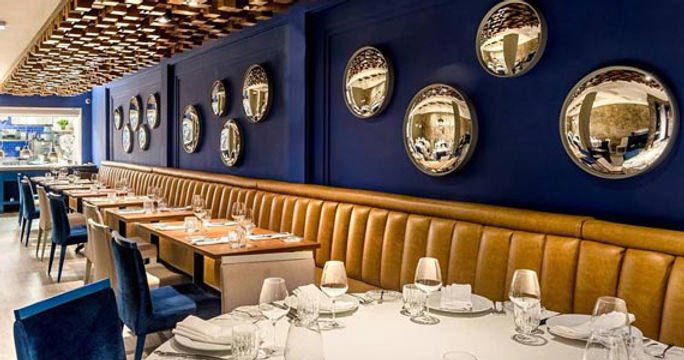
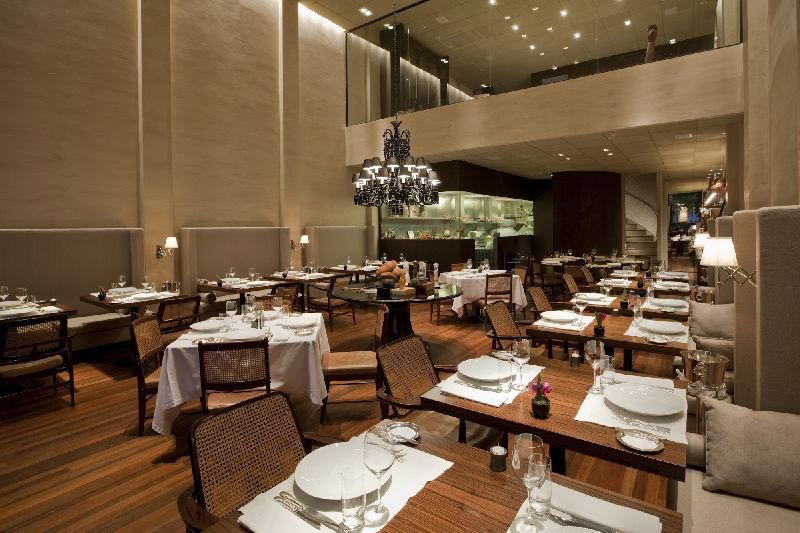
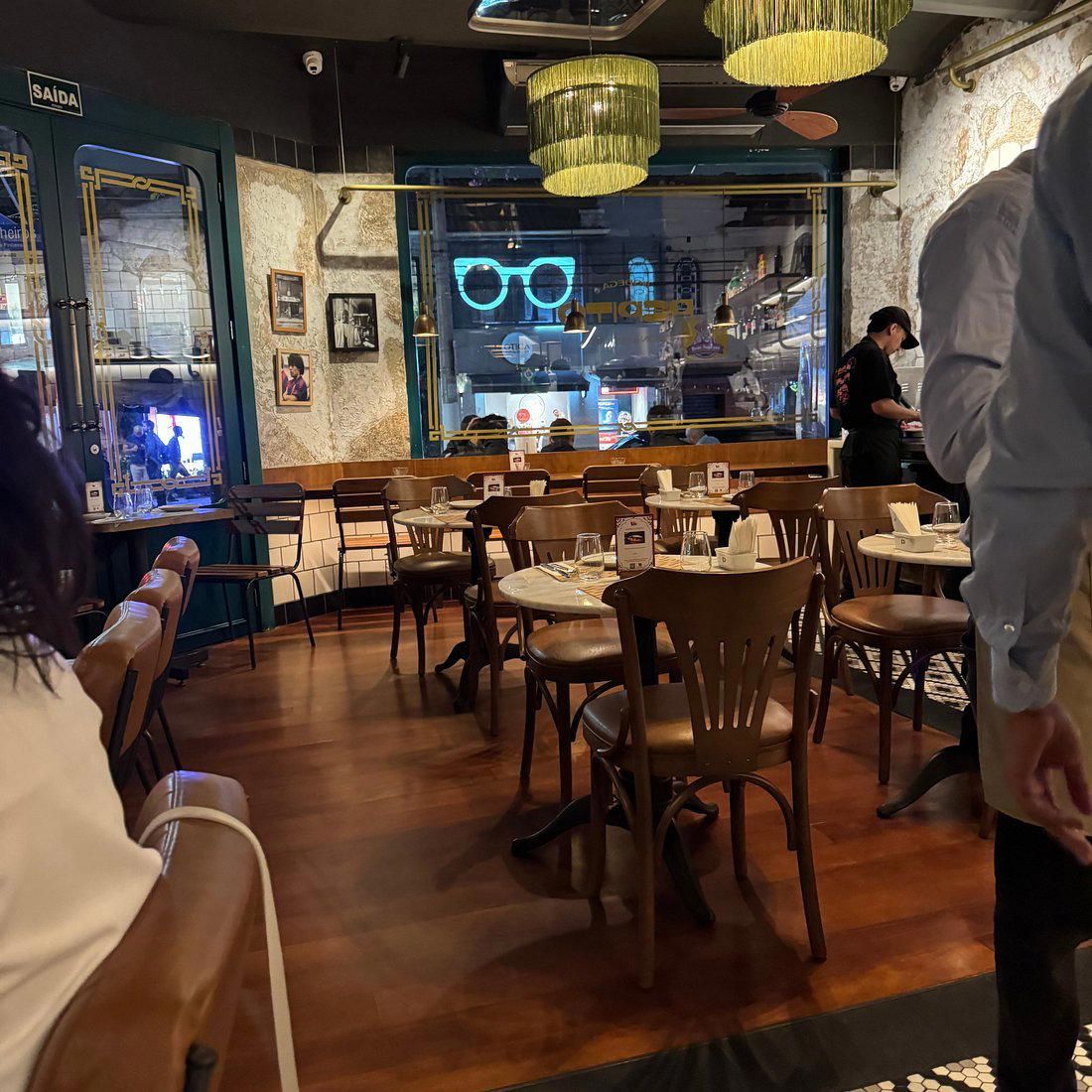
Elegant yet inviting atmosphere with warm wooden accents, plush leather seating, and Italian football team flags; pleasant outdoor terrace with refined interiors suitable for intimate dinners or festive gatherings.