


Michelin Plate · Macarfi 7.1 Food Rating
Our verdict
A Michelin Plate-recognised contemporary restaurant in Chamartín, Tramo operates from a former concert space tied to Madrid's Movida Madrileña era. Its menu draws on small-scale Spanish producers and local farmers, sitting at a mid-range price point that distinguishes it from Madrid's dominant €€€€ creative dining tier. The sustainability commitment — bioconstruction materials, recycled finishes, social employment practices — runs through every operational decision.

Pearl is the En Primeur Club membership app — saves, bookings, and concierge access live there. Same editors, same standards.
- Address
- C. de Eugenio Salazar, 56, Chamartín, 28002 Madrid, Spain
- Phone
- +34 620 09 98 81
- Hours
- Mon ClosedTue–Sat 1:30–4 PM, 8–11 PMSun Closed
- Website
- espaciotramo.com
- Directions
- Get directions
- Booking
- Book on the venue's website
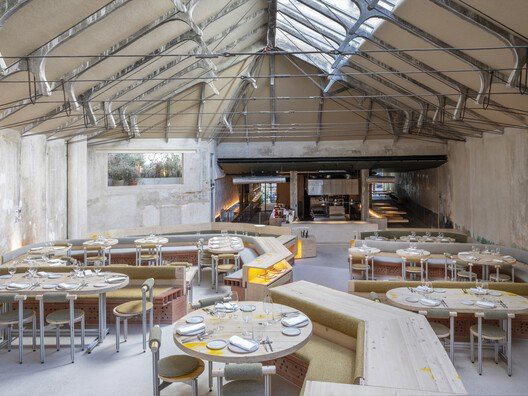
A Concert Room Repurposed, a Dining Scene Reframed
Chamartín is not the district most Madrid dining guides reach for first. The northern residential neighbourhood sits outside the gravitational pull of Malasaña's bars, Lavapiés's tabernas, and the grand-hotel dining rooms of the Salamanca corridor. That positioning matters at Tramo, because the restaurant makes deliberate use of it. The space occupies what was once one of the legendary concert rooms of the Movida Madrileña movement — the venue formerly known as El Garaje Hermético — and the building carries that history in its bones. Exposed structural decisions, materials chosen for their recyclability, bioconstruction methods used wherever the fabric allowed: the room reads as a considered reuse rather than a cosmetic renovation.
Walking in, the architecture does the talking before the food arrives. There is none of the hushed luxury signalling common to Madrid's upper dining tier, the €€€€ bracket occupied by Desborre and peers operating tasting-menu formats with full tablecloth ceremony. Tramo sits at €€, which in Madrid's contemporary segment is a meaningful statement about access and intent.
Where Tramo Sits in Madrid's Contemporary Dining Structure
Madrid's contemporary restaurant scene has consolidated around two poles. At one end, the high-investment creative houses, DiverXO, Deessa, Smoked Room, Coque, Paco Roncero, operate at €€€€, built around long tasting menus, elaborate service choreography, and Michelin star or equivalent recognition. At the other end, neighbourhood bistros and traditional tascas continue to anchor daily eating across the city. The mid-range contemporary segment, where cooking draws on modern technique and sourcing discipline but stops short of theatrical presentation, is less crowded.
Tramo occupies that middle ground. The Michelin Plate recognition in 2025 confirms the kitchen is operating at a standard the guide considers worth noting, without the ceremony that three-hour tasting formats demand. For visitors comparing it against restaurants like Adaly, BANCAL, or En la Parra, all operating in Madrid's producer-focused contemporary register, Tramo's social enterprise structure adds a dimension those comparators do not carry.
Spain's most formally decorated kitchens, El Celler de Can Roca in Girona, Arzak in San Sebastián, Aponiente in El Puerto de Santa María, Azurmendi in Larrabetzu, Quique Dacosta in Dénia, and Disfrutar in Barcelona, have established producer relationships and sustainability language as baseline expectations for serious contemporary cooking in Spain. Tramo applies that framework at a price point where the trade-off between ingredient cost and cover charge requires genuinely efficient kitchen discipline.
Lunch vs. Dinner: Two Distinct Rhythms in the Same Room
The gap between lunch and evening service at a restaurant like Tramo is worth understanding before booking. Across Madrid's contemporary mid-range, lunch service tends to carry a working-city character: faster pacing, menu del día structures or condensed formats, tables turning. Dinner slows down. The room acquires more of the Movida-era building's atmospheric weight when the light drops, and the kitchen has room to apply more deliberate technique without the throughput pressure of a busy midday service.
At €€, Tramo is in a tier where the lunch offer typically represents the sharper value proposition. Madrid's mid-range contemporary restaurants frequently operate a fixed weekday lunch at a price that would not cover a single course at the €€€€ houses nearby. If the sourcing discipline and contemporary approach are the draw, lunch is usually where the ratio of quality to spend works most efficiently. Dinner offers more time, arguably more atmosphere in a room with this kind of history, and a menu likely oriented toward a longer, more deliberate format.
The social enterprise dimension, employing people who face difficulty accessing the jobs market, does not disappear between services, but it has more visibility in the texture of a slower evening meal, where the pace of service allows its intentionality to register.
The Sourcing Logic Behind the Menu
Contemporary cooking in Spain has spent the better part of two decades moving toward small-producer sourcing as a central discipline rather than a marketing add-on. Tramo's menu is built around ingredients from small-scale Spanish producers, farmers, and local breeders, a supply chain structure that appears across the Michelin Plate tier in Spain but that operates differently depending on the kitchen's relationships and regional reach.
At €€, this sourcing model requires choices. Kitchens cannot absorb premium ingredient costs across every course the way a €€€€ tasting menu can price in. The result, at restaurants operating in this register, is typically a menu that makes precise decisions: fewer ingredients per dish, more attention to preparation method, less reliance on expensive centerpiece proteins in favour of secondary cuts, vegetables, and preserved or fermented elements where Spanish culinary tradition runs deep.
For diners who have tracked this approach across the contemporary segment, at Ferretería in Madrid or at international peers like César in New York City or Jungsik in Seoul, the interest at Tramo lies in how the sustainability framework shapes the menu structure as a whole, not as a single signature dish.
The Neighbourhood and the Building's History
The Movida Madrileña was the cultural explosion that ran through Madrid in the late 1970s and 1980s following the end of Francoism, a period when music venues, bars, and creative spaces became the infrastructure of a city reinventing itself at speed. El Garaje Hermético was part of that circuit. The fact that Tramo now occupies the space with a socially inclusive restaurant project carries a continuity that is more than decorative: the Movida's spaces were often themselves built around access, community, and a deliberate break from formal hierarchy.
Chamartín itself is a district that functions primarily for the people who live and work there, rather than for the tourism economy. The address on Calle de Eugenio Salazar sits within that residential character. For diners arriving from outside the neighbourhood, the journey north from the city's hotel and transport corridors is short but places you in a Madrid that reads differently from the centre. That context is part of what Tramo is doing, the choice of location is consistent with its operating logic.
Planning Your Visit
Budget: €€, making it accessible across both lunch and dinner services relative to Madrid's starred tier. Address: C. de Eugenio Salazar, 56, Chamartín, 28002 Madrid. Reservations: Dress: No dress code is specified; the building's character and price tier suggest smart casual is appropriate. For broader context on where Tramo sits within the city's dining offer, see our full Madrid restaurants guide, our full Madrid hotels guide, our full Madrid bars guide, our full Madrid wineries guide, and our full Madrid experiences guide.
Frequently Asked Questions
Compact Comparison
| Venue | Cuisine | Price | Awards | Notes |
|---|---|---|---|---|
| TramoThis venue — the venue you are viewing | Contemporary Mediterranean | $30–50 | Michelin Plate · Macarfi 7.1 Food Rating | Not listed |
| DiverXO | Avant-Garde Spanish Tasting Menu | $300–500 | 3 Michelin Stars · World's 50 Best #4 | Progressive - Asian, Creative |
| Deessa | Modern Valencian Fine Dining | $150–200 | 2 Michelin Stars · La Liste Top Restaurants | Modern Spanish, Creative |
| Smoked Room | Modern Japanese Fire Omakase | $200–300 | 2 Michelin Stars · La Liste Top Restaurants | Progressive Asador, Contemporary |
| Coque | Modern Spanish Fine Dining | $300–500 | 2 Michelin Stars · La Liste Top Restaurants | Spanish, Creative |
| Paco Roncero | Avant-Garde Spanish Fine Dining | $150–200 | 2 Michelin Stars · La Liste Top Restaurants | Creative |
Recognition history
Dated appearances from independent guides and award organizations, with the underlying list record or original source where available.
Michelin Plate
Michelin
Macarfi 7.1 Food Rating
Macarfi
Opinionated About Dining Newly Added European Restaurants
Opinionated About Dining
Full recognition history (5 entries)
Opinionated About Dining Casual in Europe Recommended
Opinionated About Dining
Michelin Plate
Michelin
Continue exploring
More in Madrid
Restaurants in Madrid
Browse all →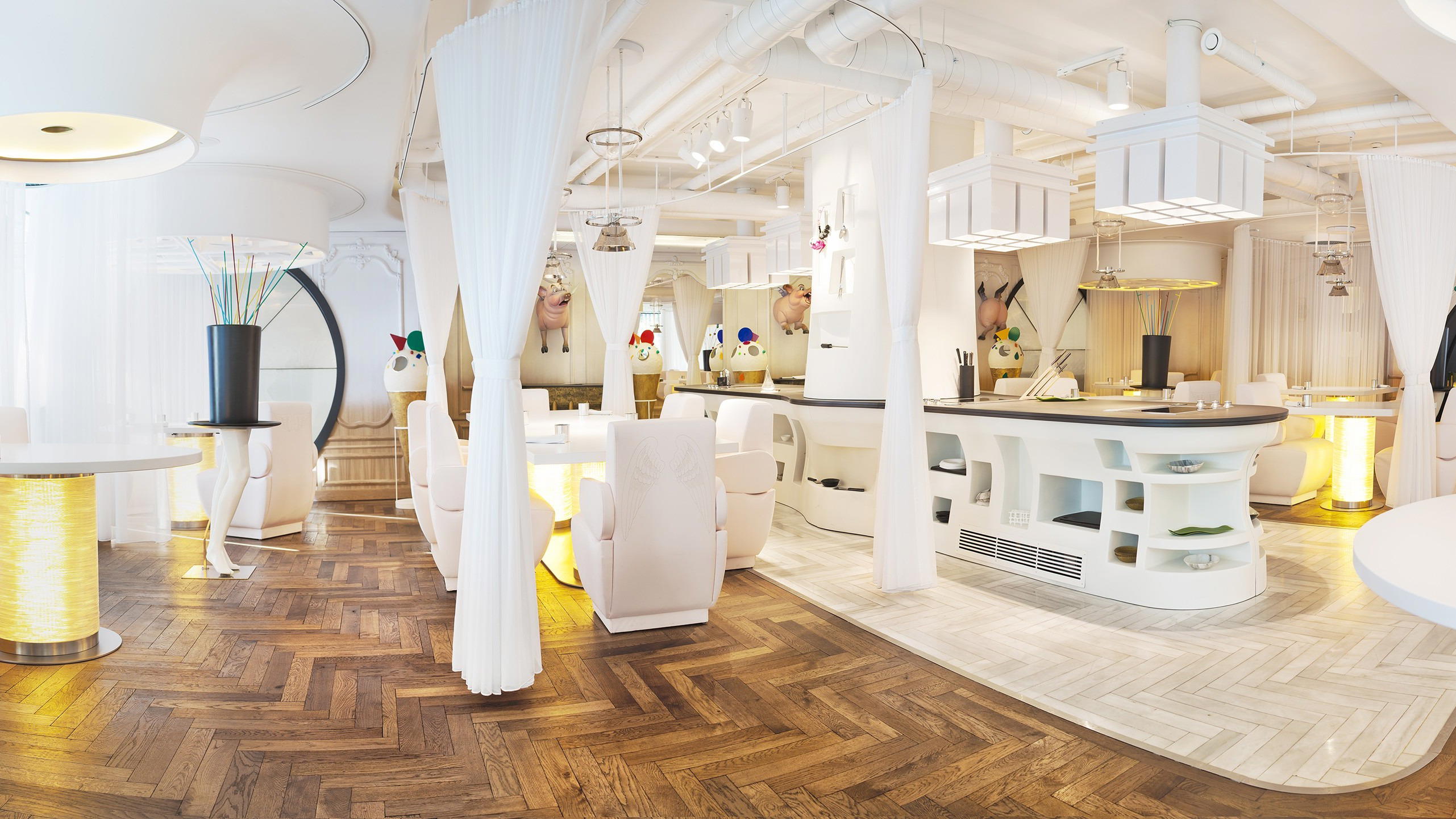
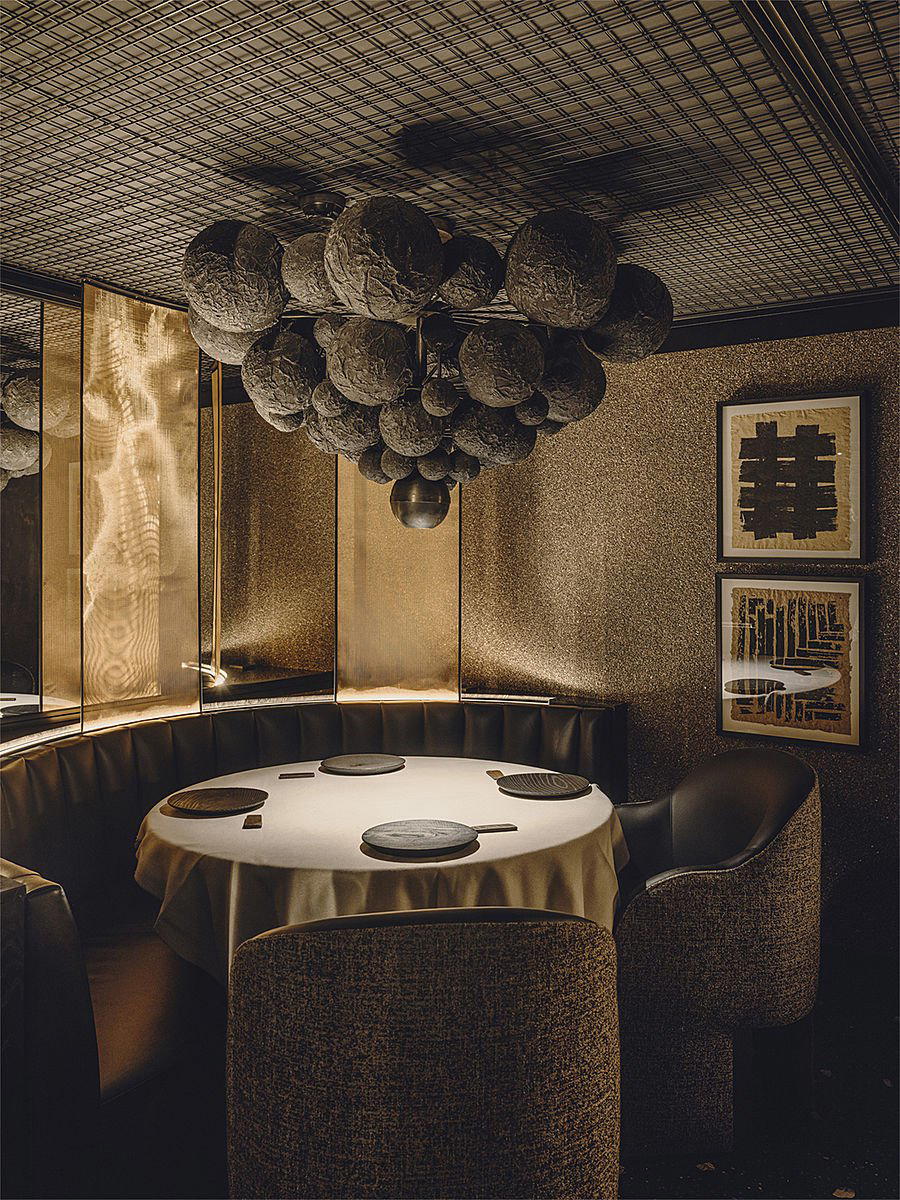
Bars in Madrid
Browse all →
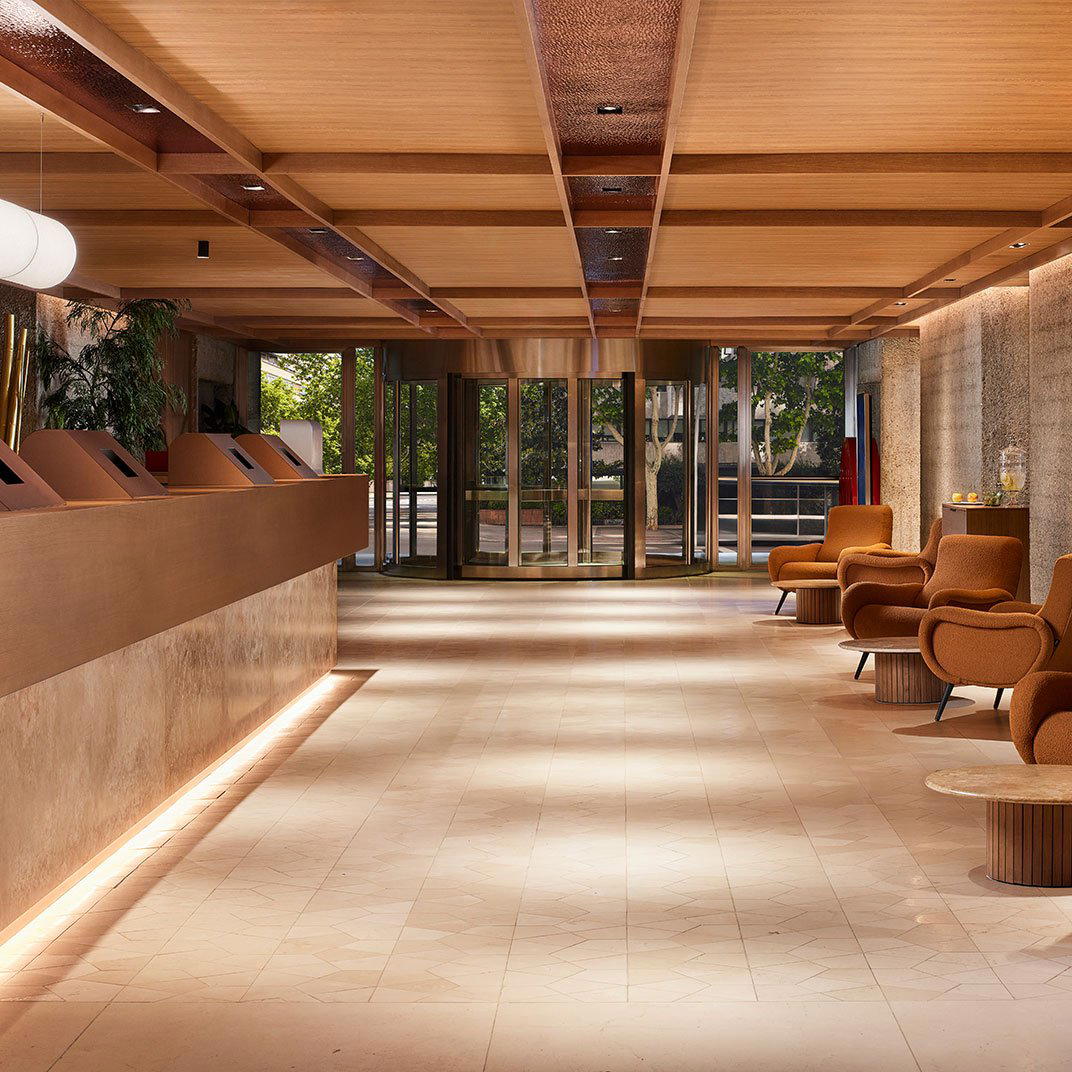
Hotels in Madrid
Browse all →


Details
- Modern
- Trendy
- Industrial
- Minimalist
- Date Night
- Special Occasion
- Casual Hangout
- Open Kitchen
- Design Destination
- Historic Building
- Natural Wine
- Farm To Table
- Local Sourcing
- A La Carte
- Tasting Menu
- Vegetarian Friendly
Current opening hours
- Monday
- Closed
- Tuesday
- 1:30–4 PM, 8–11 PM
- Wednesday
- 1:30–4 PM, 8–11 PM
- Thursday
- 1:30–4 PM, 8–11 PM
- Friday
- 1:30–4 PM, 8–11 PM
- Saturday
- 1:30–4 PM, 8–11 PM
- Sunday
- Closed
Hours can change for holidays and private events. Last verified .
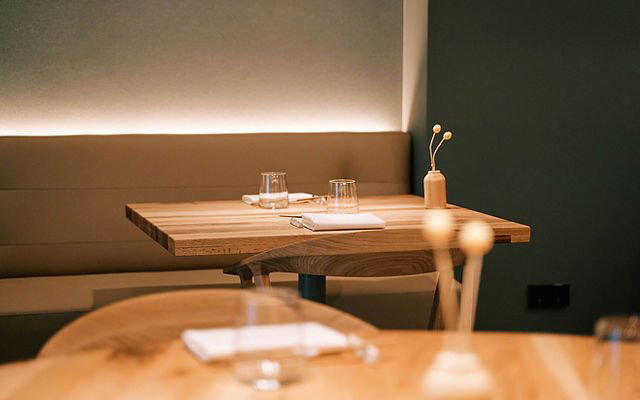
Airy, harmonious space with vaulted ceilings, abundant plants, open kitchen, and natural temperature regulation creating a relaxing, spa-like atmosphere.