Trabucco
Our verdict
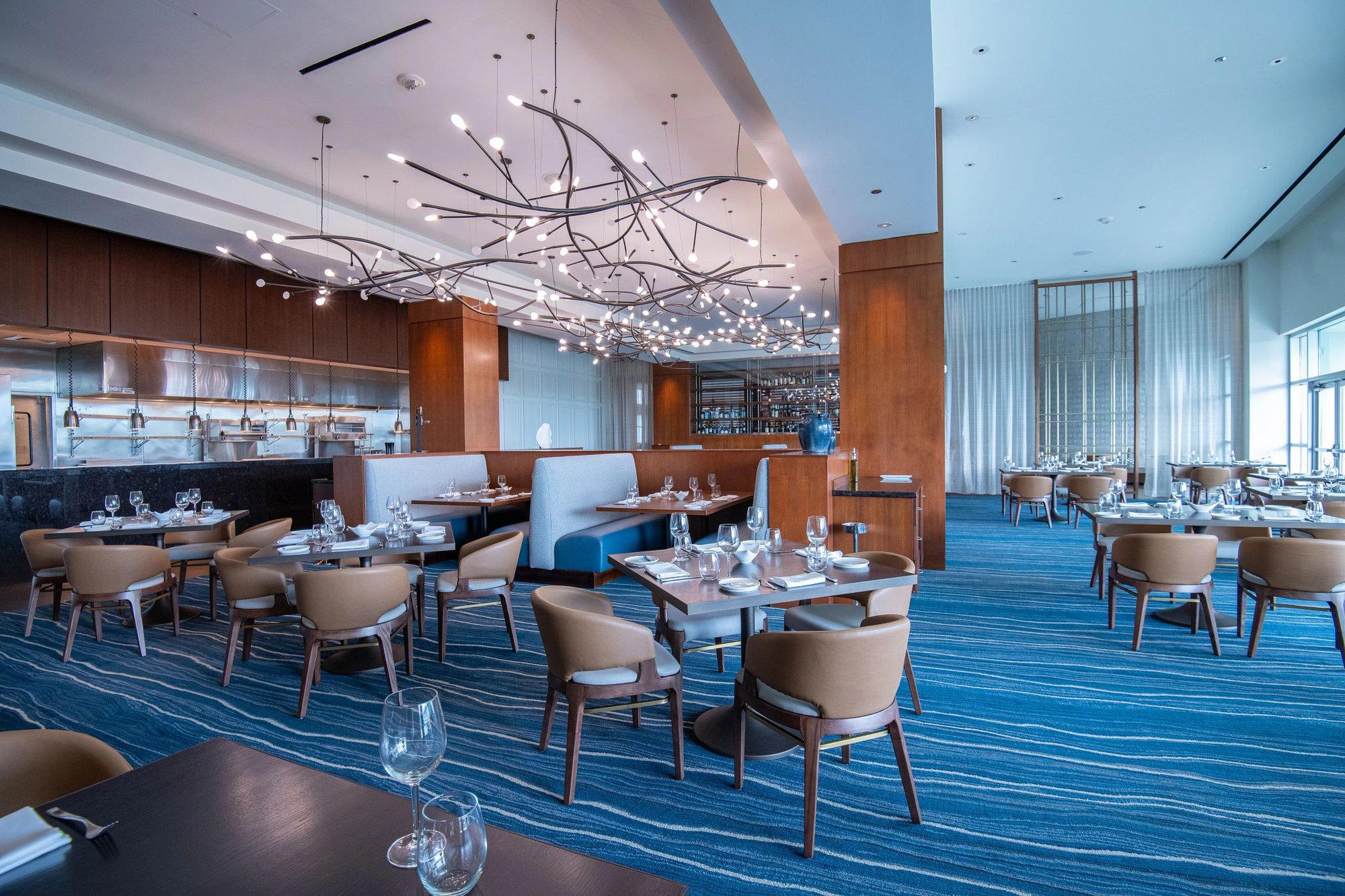
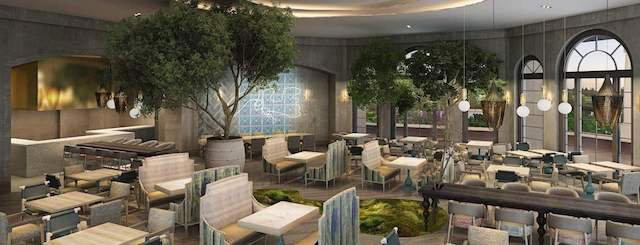
Trabucco pairs coastal Italian seafood with a garden view and an extensive wine list, making it a fit for leisurely dinner plans at the Hilton in Orlando.

Pearl is the En Primeur Club membership app — saves, bookings, and concierge access live there. Same editors, same standards.
- Address
- 6001 Destination Pkwy, Orlando, FL 32819
- Phone
- (407) 313-8625
- Hours
- Mon ClosedTue–Sat 5–9:45 PMSun Closed
- Website
- thehiltonorlando.com
- Directions
- Get directions
- Booking
- Book on OpenTable
The menu
What to order
- Zuppa di Pesce
- Osso Bucco
- Pistachio Pesto Pappardelle
- Garganelli with Shrimp
Where Orlando's Resort Corridor Takes Italian Seriously
The stretch of International Drive and its surrounding resort campus has long operated on a logic of volume: feed thousands of guests efficiently, rotate menus seasonally for the broadest possible appeal, and let the theme-park spectacle carry the room. Trabucco, at 6001 Destination Parkway in Orlando, sits inside that geography but operates on different terms. The address places it squarely in the resort corridor, yet the kitchen's orientation points toward a more considered register of Italian cooking, one that increasingly defines how the upper tier of Florida's dining scene is positioning itself against coastal competitors.
Italian-American cooking in resort markets tends to collapse toward familiarity: veal parmigiana, house-made fettuccine, Chianti by the carafe. The more interesting Florida operators have moved in a different direction over the past several years, drawing on the sourcing disciplines and regional specificity that characterize serious Italian tables elsewhere in the country. That shift is visible in how kitchens in Orlando's premium tier are now talking about provenance, not just preparation.
Sustainability as Structure, Not Decoration
The broader conversation about ethical sourcing and waste reduction in American fine dining has moved well past greenwashing. At restaurants like Single Thread Farm in Healdsburg and Blue Hill at Stone Barns in Tarrytown, sustainability functions as a structural constraint on menu design, not a marketing footnote. Seasonal availability shapes the tasting arc; relationships with specific producers dictate protein selection; zero-waste commitments push kitchens toward whole-animal and nose-to-tail approaches that require genuine technical range.
Italian cooking, at its core, was always a cuisine of frugality made elegant. The traditions of cucina povera, the Emilian practice of using every part of the pig, the Sicilian habit of preserving summer tomatoes through winter, these are historical sustainability practices embedded in the culinary grammar long before the term entered the restaurant lexicon. A kitchen serious about Italian cooking has a natural entry point into that ethic, provided it treats the tradition with discipline rather than nostalgia.
Trabucco's position within the resort environment at Destination Parkway creates an interesting structural opportunity. Resort kitchens that commit to sourcing from Florida's agricultural network, a state with year-round growing capacity, citrus production, Gulf seafood, and cattle operations, can sidestep the supply-chain inefficiencies that plague urban fine dining while still executing at a level that competes with destinations like Capa, Orlando's Spanish steakhouse benchmark at the Four Seasons, or the Japanese precision counters at Kadence and Sorekara.
The Orlando Premium Tier in Context
Orlando's fine dining market has matured considerably since the city's restaurant identity was defined almost entirely by resort chains and tourist-oriented Italian-American formats. The current upper tier includes Camille, a Vietnamese-influenced tasting menu operating at the $$$$ price point, and Natsu, which brings Japanese precision to the same bracket. Victoria and Albert's at Disney's Grand Floridian remains the city's most formally credentialed table, holding a consistent position in national rankings.
Italian cuisine occupies an unusual position in American fine dining: it is simultaneously the most democratized cuisine (every market has Italian-American) and among the most technically demanding at the leading level. Restaurants like Le Bernardin in New York City and Alinea in Chicago demonstrate that technical ambition and regional specificity can coexist at the highest levels, even if neither is Italian. The Italian-specific proof of concept exists in 8 1/2 Otto e Mezzo Bombana in Hong Kong, which has held three Michelin stars and demonstrated that serious Italian technique travels beyond its home geography. The question for any ambitious Italian table in a resort market is whether it can hold that ambition against the pull of the market it serves.
Comparable resort-anchored fine dining operations nationally, including Addison in San Diego and The Inn at Little Washington in Washington, have shown that the resort or destination-property format can actually support serious cooking, because the captive-audience model allows for longer meal formats, higher per-cover investment, and the kind of forward booking that enables kitchen teams to plan sourcing with precision.
Florida Sourcing and the Italian Table
Florida's agricultural calendar is the inverse of most American growing regions. Peak season for Florida tomatoes runs October through June; citrus comes in from November through April; Gulf shrimp and grouper provide year-round protein options that align naturally with Italian coastal cooking traditions. A kitchen working with these cycles, rather than against them, can build a menu with the kind of seasonal integrity that kitchens at Providence in Los Angeles or Lazy Bear in San Francisco pursue through direct farm relationships on the West Coast.
The challenge in any resort-based kitchen is maintaining sourcing discipline when the operational pressure to standardize runs high. The operators that manage it successfully tend to build supplier relationships into the procurement structure early, treating them as fixed costs rather than variable ones. Emeril's in New Orleans built much of its early reputation on exactly this model, sourcing from Louisiana producers before farm-to-table became standard vocabulary in fine dining. The precedent for regional sourcing as an identity anchor, rather than a trend, is well established.
For readers thinking about how Trabucco fits into a broader Orlando dining itinerary, the relevant comparison set is the city's $$$$ tier rather than the resort's internal dining options. The full picture of what that tier looks like is in our full Orlando restaurants guide.
Know Before You Go
| Address | 6001 Destination Pkwy, Orlando, FL 32819 |
|---|---|
| Cuisine | Italian (resort fine dining context) |
| Price Range | |
| Reservations | |
| Hours | Not confirmed; verify before visiting |
| Dress Code | Not confirmed; smart casual is standard for Orlando's $$$$ tier |
Frequently asked questions
What's the signature at Trabucco?
Signature dishes are not listed in our confirmed data for Trabucco. Italian kitchens operating at the resort fine dining level in the United States frequently anchor their identity around a pasta course or a regionally specific protein preparation. For accurate, current information on what the kitchen is doing at any given time, the venue is the authoritative source. See also the Orlando dining guide for peer-set context.
How does Trabucco fit into Orlando's broader Italian dining scene?
Orlando's fine dining market has expanded well beyond its resort-corridor origins, with the current $$$$ tier including Japanese, Vietnamese, and steakhouse formats alongside Italian. Trabucco's address at Destination Parkway places it within the resort infrastructure, but the relevant peer comparison is the city's upper-bracket tables rather than casual Italian-American operators. For visitors planning a multi-dinner itinerary, cross-referencing Trabucco against venues like Atomix in New York City or the French-technique benchmarks at The French Laundry in Napa gives a sense of where the ceiling of the format sits nationally.
A Credentials Check
Comparable venues nearby, for context on price, style, and recognition.
| Venue | Cuisine | Price | Notes |
|---|---|---|---|
| TrabuccoThis venue — the venue you are viewing | Coastal Italian Seafood | $50–100 | Not listed |
| Bice Ristorante | Northern Italian Trattoria | $50–100 | International Drive |
| Siro Urban Italian Kitchen | Urban Italian Kitchen | $50–100 | Vistana |
| Tutto Italia | Traditional Italian Trattoria | $50–100 | EPCOT World Showcase |
| Pie Fection | Brazilian-Italian Pizza | $20–30 | Metrowest |
| La Luce | Modern Italian Trattoria | $30–50 | Bonnet Creek |
Details
- Elegant
- Cozy
- Scenic
- Date Night
- Special Occasion
- Hotel Restaurant
- Extensive Wine List
- Garden
- A La Carte
- Italian Wine
- Spritzes
- Limoncello
Current opening hours
- Monday
- Closed
- Tuesday
- 5–9:45 PM
- Wednesday
- 5–9:45 PM
- Thursday
- 5–9:45 PM
- Friday
- 5–9:45 PM
- Saturday
- 5–9:45 PM
- Sunday
- Closed
Hours can change for holidays and private events. Last verified .
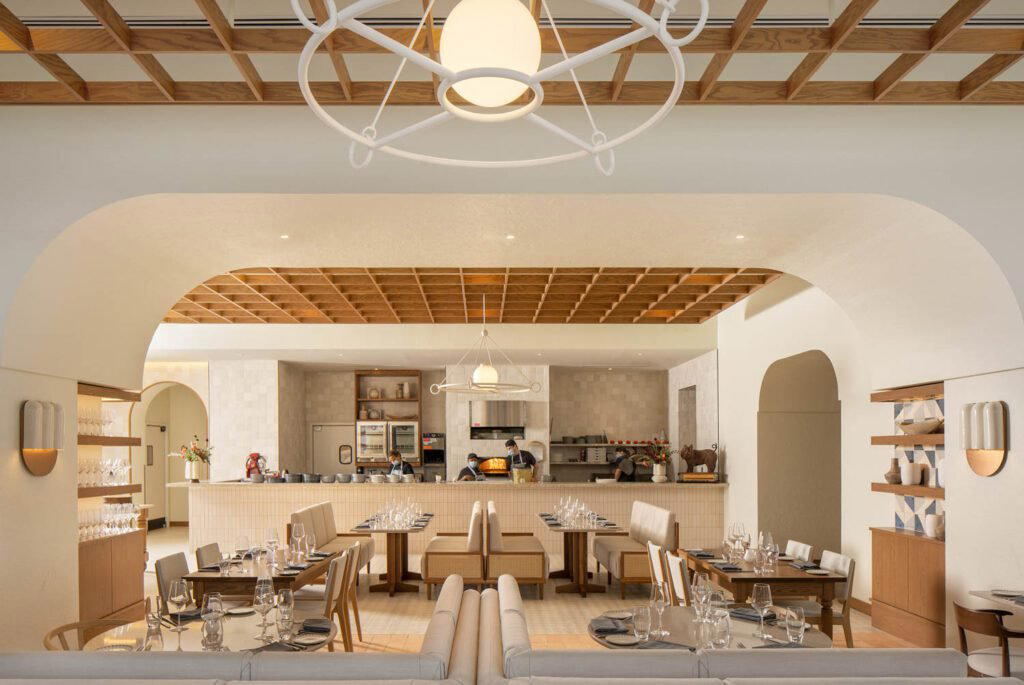
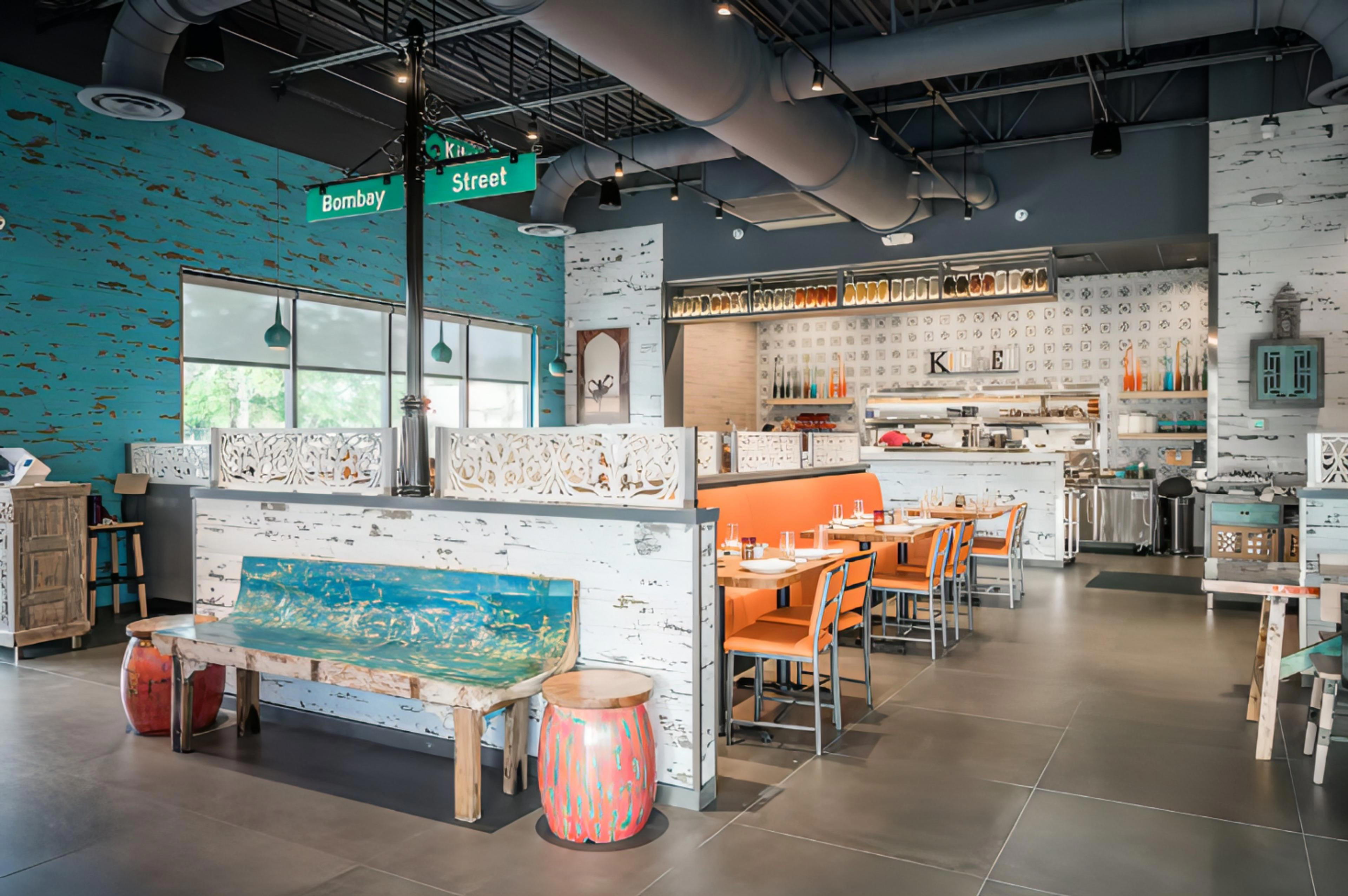
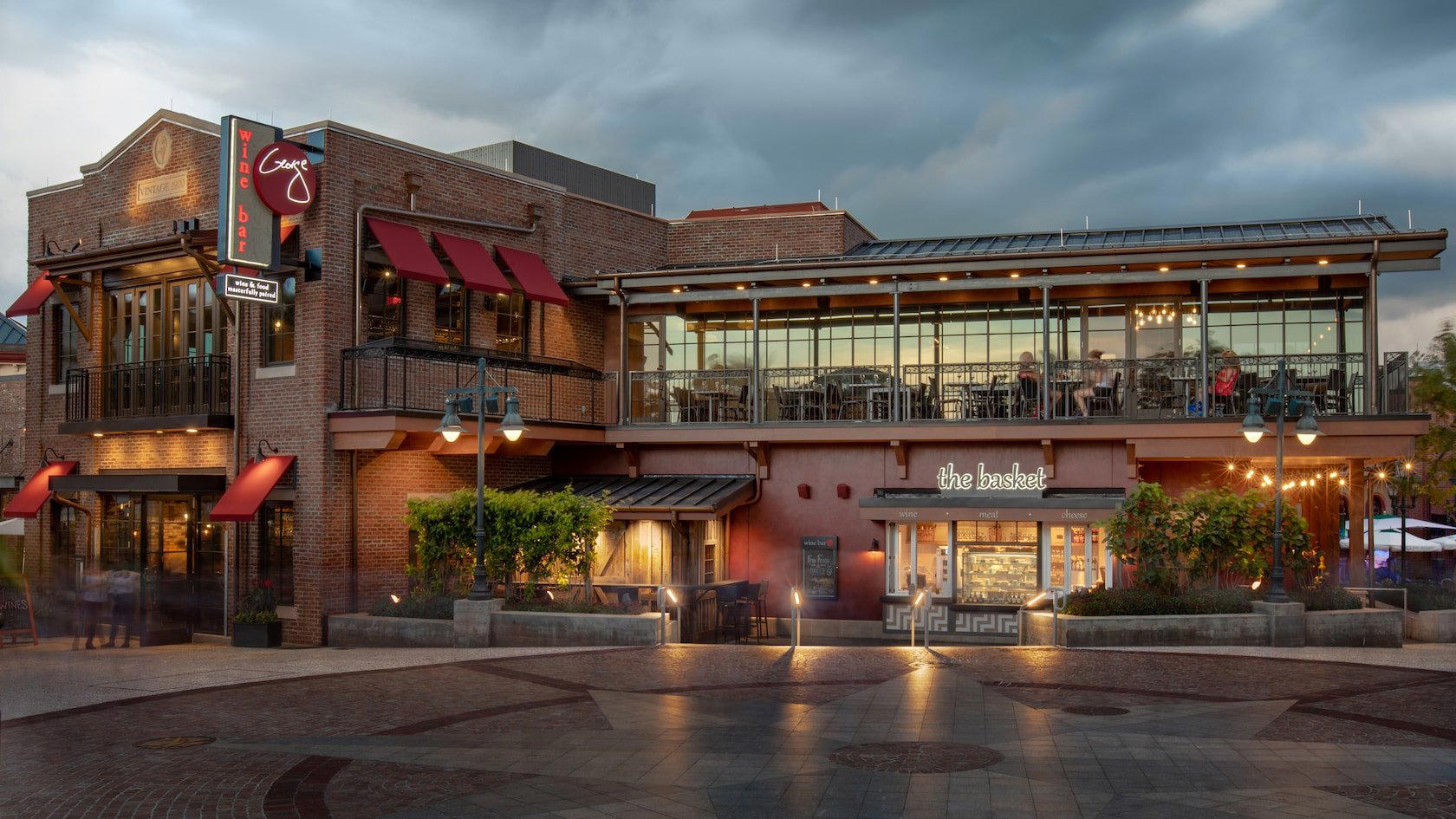
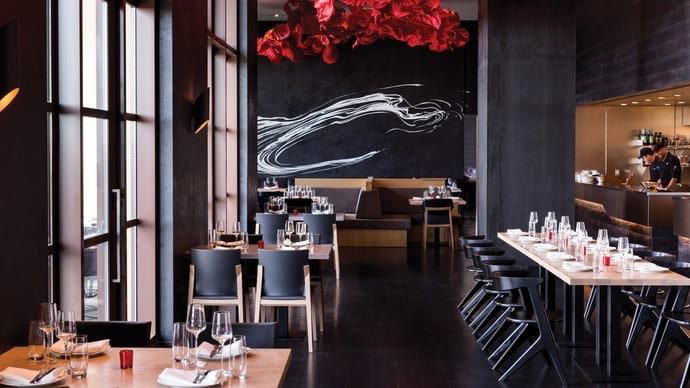
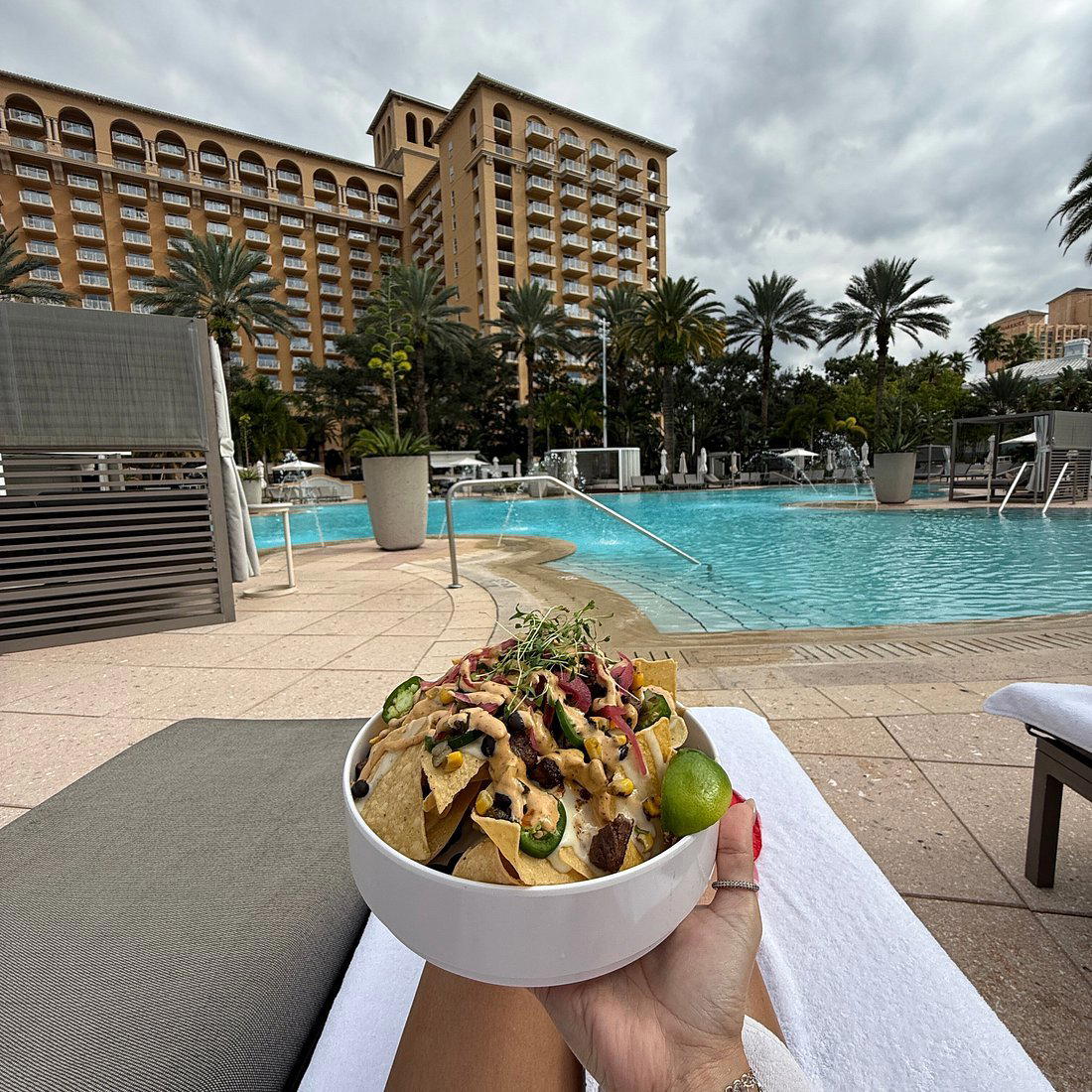
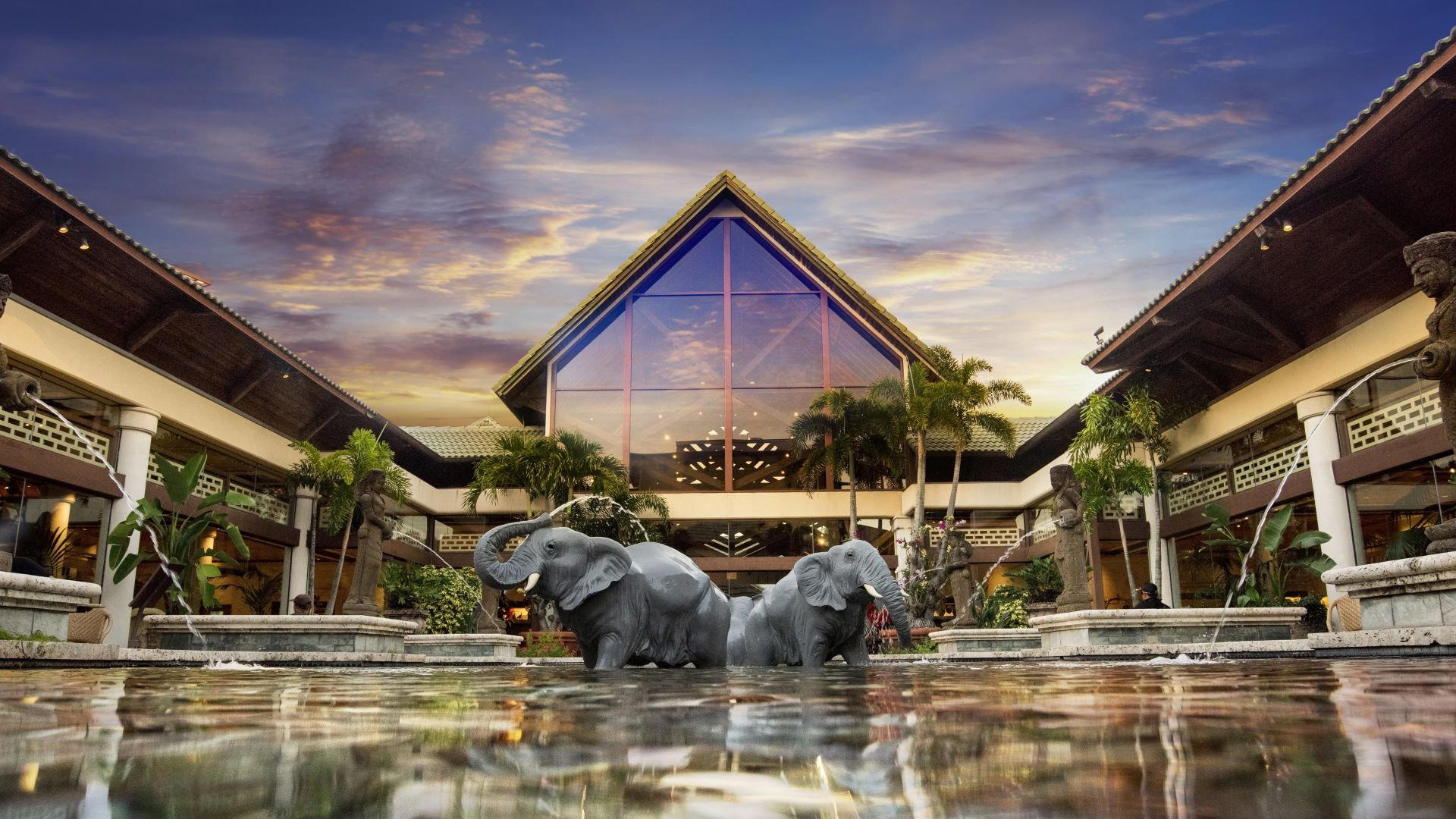
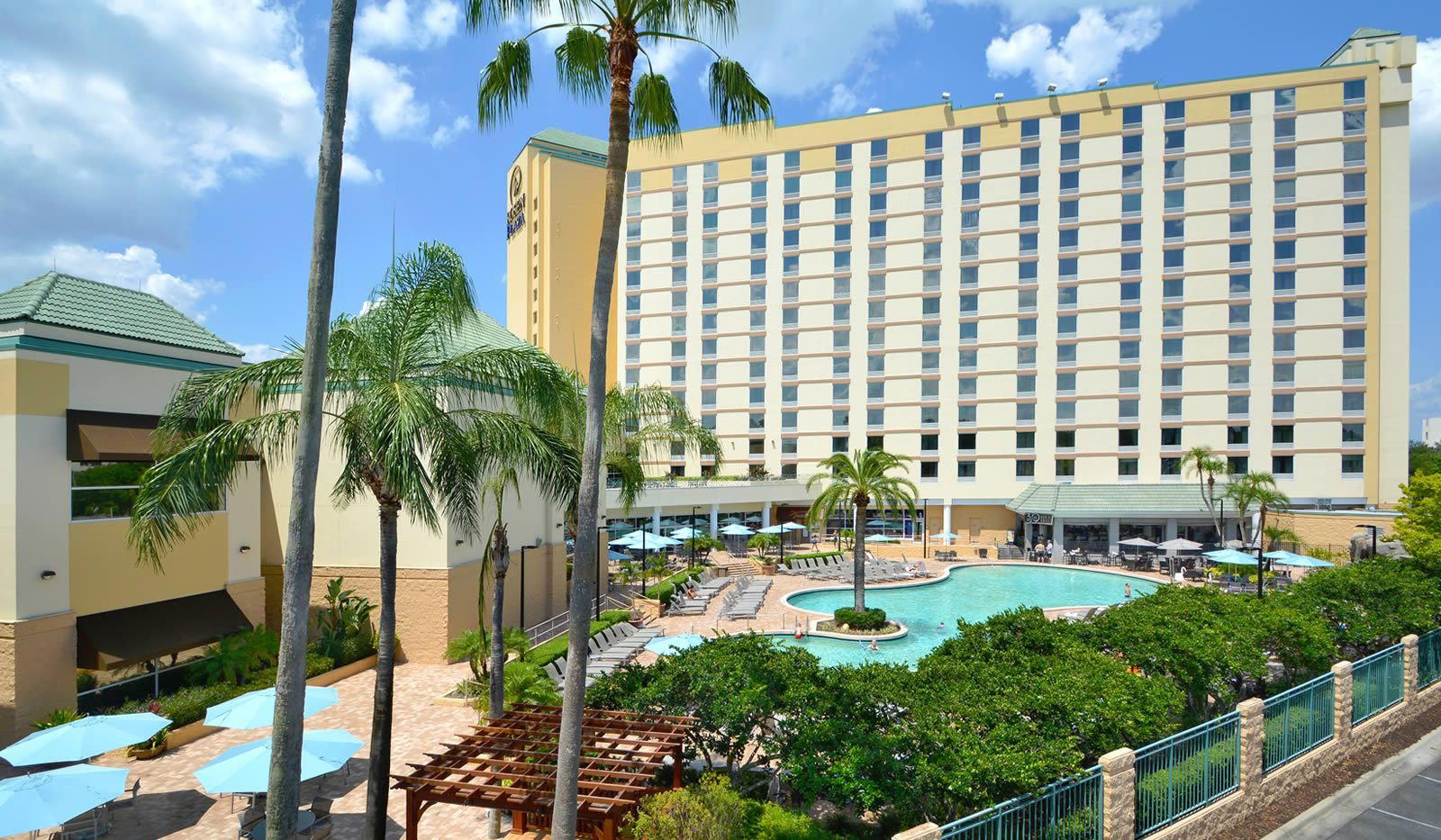
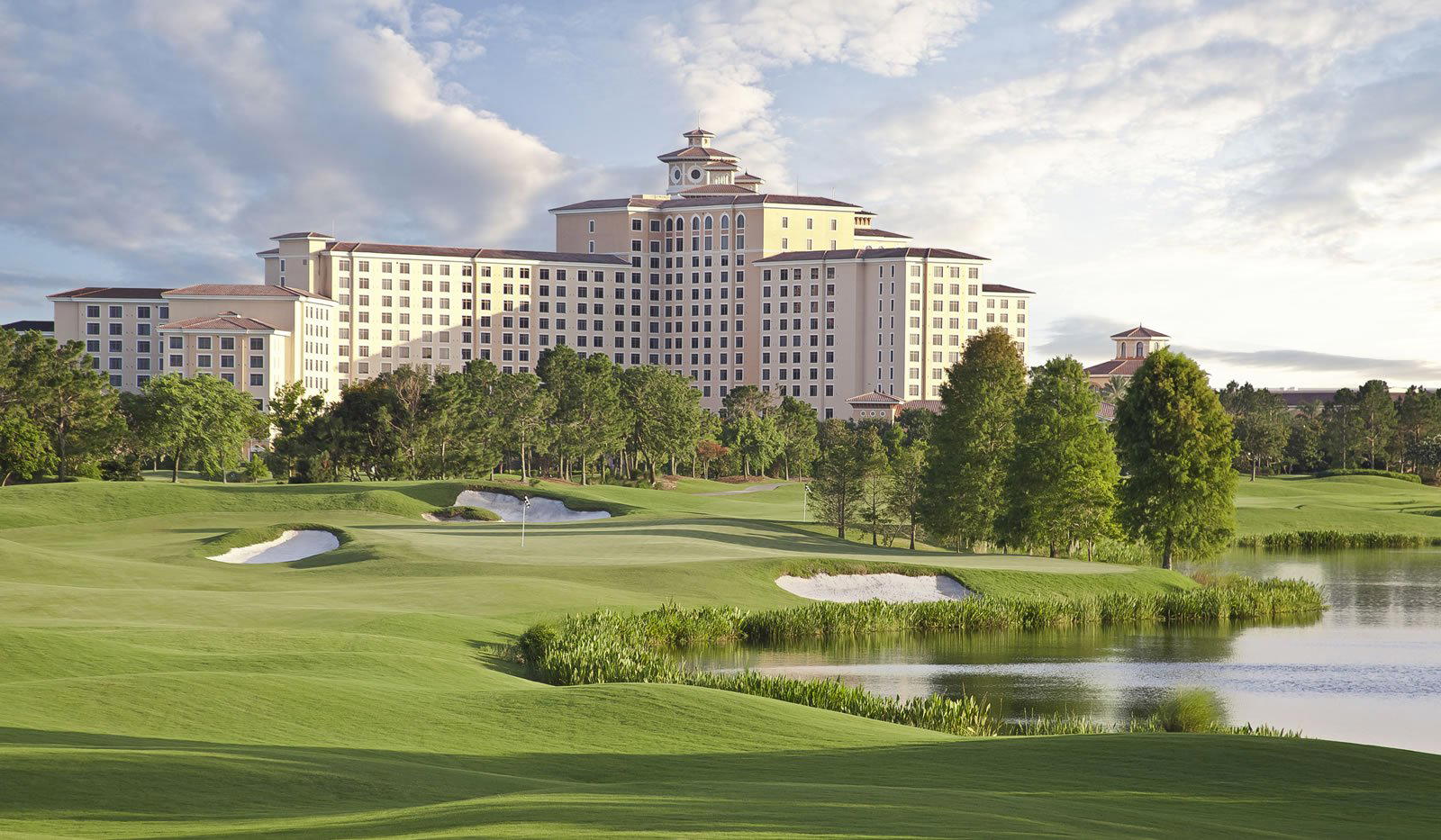
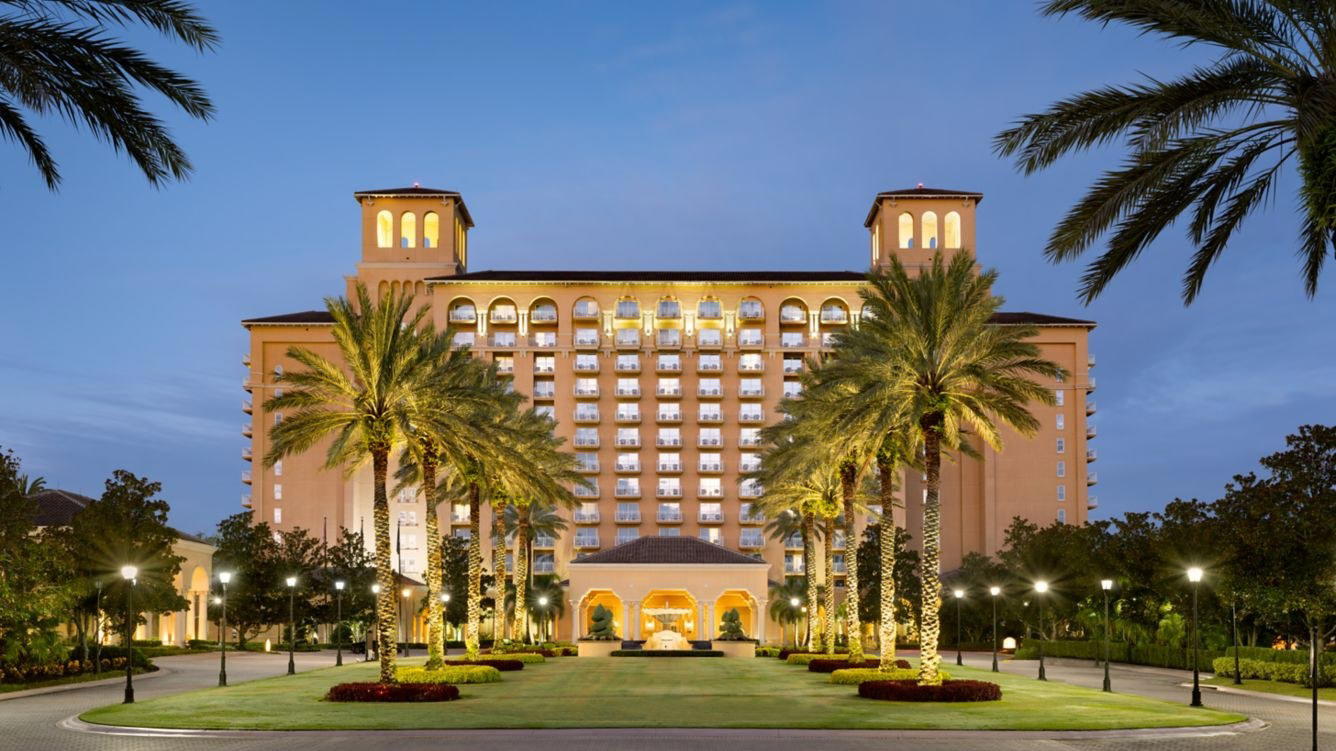
Elegant and nostalgic with a warm atmosphere, enhanced by a coastal breeze on the outdoor patio overlooking the resort oasis.