Tabelog 100 #12
Our verdict
Toyoda brings Tokyo’s chicken-dining tradition into a compact Jiyugaoka setting, with Tabelog 100 Chicken Cuisine recognition in 2025 and a format suited to small celebrations rather than ceremony-heavy fine dining. The appeal is precision without pageantry: chicken dishes, kara-age, counter seats, table seats, and a neighbourhood rhythm that feels more local than destination-driven.

Pearl is the En Primeur Club membership app, where members save venues, book tables and use the concierge.
The menu
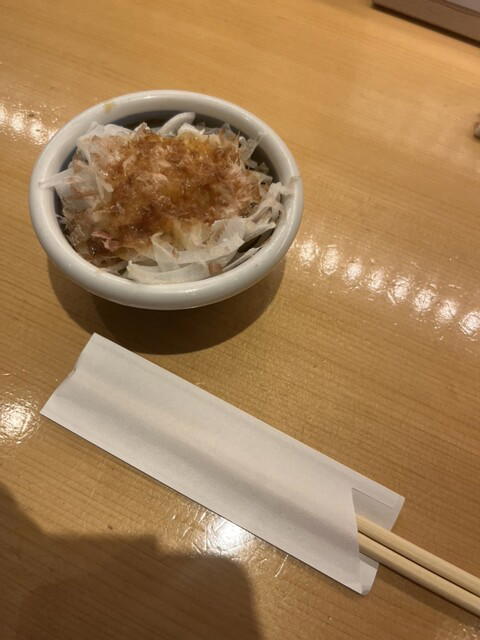
What to order
- Kara-age (deep-fried chicken)
- Chicken Gizzard
- Chicken Wings
- Chicken Thigh
After dark, Tokyo slows in pockets: boutiques and cafés thin, side streets take over, and dining becomes smaller, warmer, and more conversational. Toyoda fits a Tokyo tradition that treats chicken not as fallback but as a focused evening meal, with chicken dishes, kara-age, and a specialist-kitchen seriousness.
Tokyo occasion dining is often misread as white tablecloths, tasting menus, and reservation anxiety. Many local celebrations are less formal: a family birthday, work milestone, or meal with relatives from another part of the city often lands in rooms with a clear subject and little performance. Toyoda’s selection for Tabelog 100 Chicken Cuisine in 2025 places it in that specialist category, not among general-purpose restaurants.
Chicken as the occasion, not the side order
Chicken restaurants in Japan cover more than the English category suggests. Some emphasize skewers and pacing; kara-age specialists focus on frying technique; izakaya-style chicken houses let the meal spread across shared plates and conversation. Toyoda sits in the chicken-dishes and kara-age lane: neither a long-form luxury counter nor a quick fried-chicken stop, but a specialist restaurant built around a focused table rhythm.
That makes it useful for occasion dining with constraints. The experience feels intentional without becoming ceremonial. The format suits pairs, families, or small groups marking something without turning dinner into production. In Tokyo, that middle register gives a celebration a point of view without forcing luxury signals onto the table.
The recognition also clarifies Tokyo’s dining hierarchy. International visitors often read the city through sushi, ramen, tempura, and high-end European rooms, but Tabelog’s category lists reveal another local map: specialists competing within craft lanes. A Tabelog 100 Chicken Cuisine selection is not a generic popularity badge; it places the restaurant in a narrow Japanese category where diners compare technique, consistency, and value against other chicken-focused addresses.
Within Tokyo, that specificity is part of the draw. The city has cafés, bakeries, and polished casual dining, but its strength is how Tokyo uses good restaurants: repeatedly, socially, and without central-city destination-dining performance. For a full day, Our full Tokyo restaurants guide gives the wider restaurant field, while Our full Tokyo hotels guide, Our full Tokyo bars guide, Our full Tokyo wineries guide, and Our full Tokyo experiences guide help place dinner inside a larger itinerary.
A Tokyo room for small milestones
Toyoda’s strongest case is fit, not extravagance. Some celebrations need a place where the bill does not become the story, the subject is clear, and the cooking has enough reputation to make the choice feel deliberate. Chicken dishes and kara-age create a clear subject for the evening: familiar enough for a broad group, specific enough to feel chosen rather than accidental.
That range explains why it can read as approachable in a city where many specialist restaurants suit narrow audiences better. The format is flexible: chicken dishes and fried items can sit beside more particular choices from the kitchen. Tokyo diners often choose restaurants by practical intelligence, not spectacle. A room can be serious about food and still work for different appetites and tolerances for formality.
Payment, smoking, and private-room expectations can shape the experience more than many visitors expect in Japan, but current details should be checked directly before relying on them. Smaller independent venues often require more practical planning than hotel restaurants or large dining rooms. For speeches, gifts, or high privacy, a more formal venue may fit better. For a birthday dinner centered on good chicken and easy conversation, this scale works.
The Tokyo comparison set underlines the point. Le Monde Gourmand, El Pescador, and Kaneda offer other ways to frame a meal in the same city. Cafe Enseigne Dangle Jiyuugaoka ten and Majo no Chiisana Mori no Hamburger point to the café and casual-meal side of local dining. Toyoda’s role is different: a chicken specialist with enough recognition to anchor a planned evening, without pushing the meal into Tokyo’s formal dining grammar.
Where it fits in a Tokyo itinerary
For visitors, Tokyo rewards planning beyond headline attractions. Treat the evening as a Tokyo meal rather than a stop between sights: arrive with time to settle into the city’s pace, then let dinner anchor the night. That suits travellers who have spent a few nights chasing famous reservations and want a meal showing how Tokyo residents use restaurants: local, repeatable, and specific.
There is also a useful distinction between specialist dining and novelty dining. Tokyo has many rooms that photograph well or succeed through theme. Chicken cuisine depends less on concept than repetition: heat control, portioning, seasoning, and making familiar items feel coherent as a sequence. Category recognition carries weight because it signals sustained performance in a narrow field, not one viral dish or visually dramatic room.
Readers building a broader Tokyo food map can use nearby and cross-city contrasts carefully. Other Tokyo dining rooms show how different formats change the pace, price, and mood of a meal. Beyond Toyoda’s chicken-dishes and kara-age focus, the city’s mid-priced dining scene ranges widely across specialist counters, casual rooms, cafés, and drinking places, making it useful to compare by occasion rather than by prestige alone.
The editorial read is clear: choose Toyoda when the occasion needs warmth, focus, and local credibility rather than ceremony. Its value is a narrow promise delivered in a Tokyo setting: chicken as the main event, a conversational feel, and enough critical recognition to justify crossing town for a celebration that does not need to announce itself.
Frequently asked questions
How do I find Toyoda?
Toyoda is located in Tokyo.
What should I budget for a meal at Toyoda?
Pricing at Toyoda is listed as JPY 5,000 - JPY 5,999.
How hard is it to get a table at Toyoda?
Toyoda’s Tabelog recognition makes it a planned-dinner choice rather than a generic fallback. Check the venue directly for current reservation availability, opening details, and seating arrangements before you go.
What has Toyoda built its reputation on?
Toyoda was selected for Tabelog 100 in the chicken cuisine category for 2025, which is the clearest signal here. The menu is anchored in chicken dishes and kara-age, with a listed price range of JPY 5,000–JPY 5,999 in Tokyo.
What if I have allergies at Toyoda?
Those details are not published. The restaurant can be reached at +81-3-3723-7683. Check the venue's official channels for the latest details.
Standing Among Peers
Comparable venues for orientation by cuisine and category.
| Venue | Cuisine | Price | Awards | Notes |
|---|---|---|---|---|
| ToyodaThis venue (the venue you are viewing) | Japanese chicken & kara-age specialist | $30–50 | Tabelog 100 #12 | Not listed |
| Japanese Soba Noodles Tsuta (Japanese Soba Noodles 蔦) | Michelin-Starred Japanese Soba Ramen | $20–30 | Tabelog 100 #32 | Yoyogi-Uehara |
| Age Fuku | Specialist Tonkatsu Restaurant | $30–50 | Tabelog 100 #33 | Shinagawa |
| Chacha no Ma | Japanese tea room & cafe | $20–30 | Tabelog 100 #28 | Shibuya |
| Mori Iro | Soba & Japanese Small Plates | $20–30 | Tabelog 100 #28 | Ōta |
| Suju Dining Rokkaku | Modern Shinshu Miso Izakaya | $30–50 | Not listed | Minato |
Recognition history
Dated appearances from independent guides and award organizations, with the underlying list record or original source where available.
Tabelog 100 #12 · No. 12
Tabelog · Tabelog 100 - Chicken cuisine - 2025