



Inside a 15th-century mansion in Cáceres' UNESCO-listed old quarter, Torre de Sande occupies the accessible end of the Atrio culinary orbit, the same kitchen philosophy, applied to Extremaduran tradition. The à la carte and tasting menu format delivers Iberian sausage, regional cheeses, slow-cooked stews, and grilled meats in a setting where the terrace alone justifies the booking. Michelin Plate recognition in both 2024 and 2025 anchors it in the city's serious mid-range tier.
Pearl is the En Primeur Club membership app — saves, bookings, and concierge access live there. Same editors, same standards.
- Address
- C. Condes, 3, Centro-Casco Antiguo, 10003 Cáceres, Spain
- Phone
- +34 927 16 49 94
- Website
- atriocaceres.com
- Directions
- Get directions
 Saves & bookings on Pearl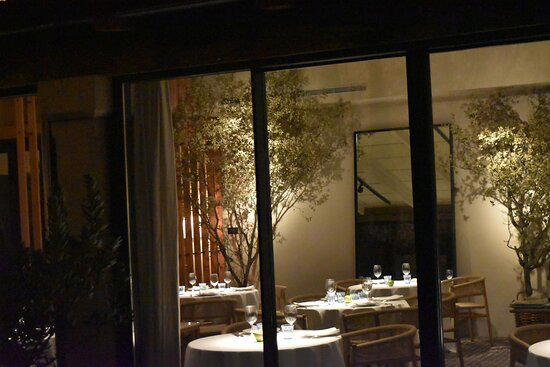
Stone Walls, Serious Food: The Atrio Orbit at Ground Level
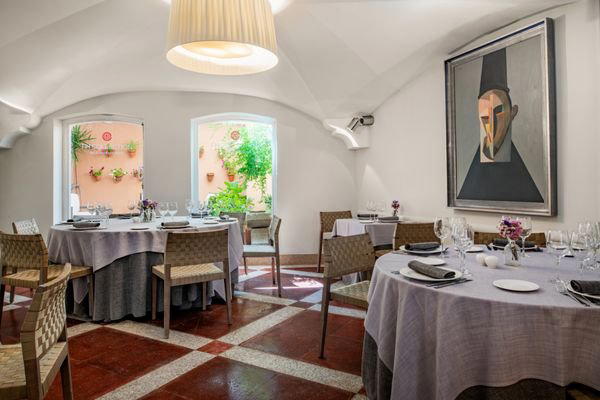
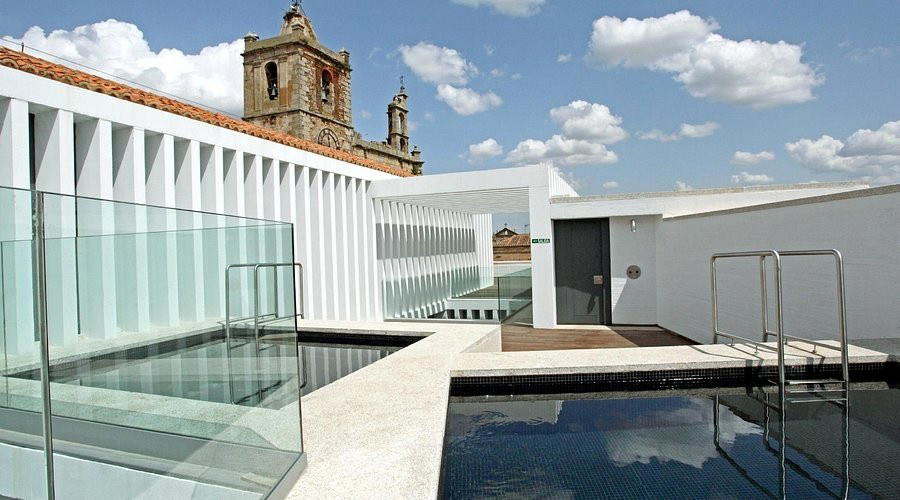
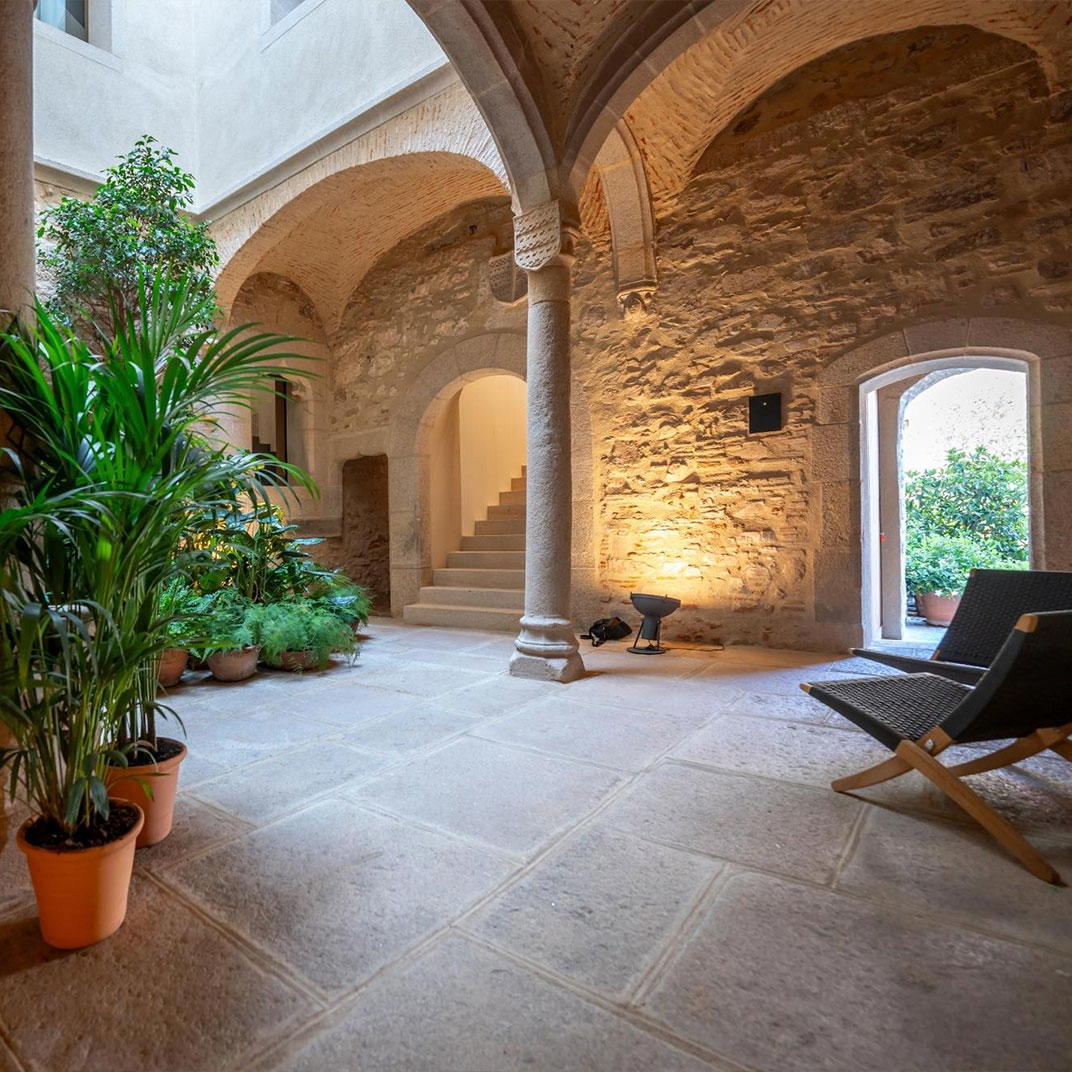
The approach to Torre de Sande tells you something before you sit down. The restaurant occupies a 15th-century mansion on Calle Condes, inside the walled old quarter of Cáceres, a UNESCO World Heritage site where medieval towers and Romanesque doorways sit in an unusually intact state. The building itself frames the experience: thick stone walls, proportions that predate the nation-state, a terrace that opens onto among the more architecturally coherent historic cores in Spain. This is not a converted warehouse or a design intervention. The room has its own gravity.
What makes the address particularly legible in the context of Cáceres dining is its proximity to Atrio (Contemporary Spanish, Creative), the three-Michelin-starred restaurant a short walk away that has long anchored the city's reputation on Spain's fine dining map. Alongside destinations like Aponiente in El Puerto de Santa María, Arzak in San Sebastián, El Celler de Can Roca in Girona, DiverXO in Madrid, Quique Dacosta in Dénia, and Azurmendi in Larrabetzu, Atrio represents the upper tier of Spanish restaurant ambition. Torre de Sande is the more accessible expression of that same culinary lineage, a deliberate step down in formality and price, not a dilution in seriousness.
What the Menu Architecture Reveals
In Spain's mid-range restaurant category, menus tend to fall into two broad types: those that replicate fine dining structure at lower price points, and those that use the same ingredients and suppliers as a fine dining sibling but present them in an unguarded, regional register. Torre de Sande belongs to the second type. The menu, available both as an à la carte and a tasting format, reads less like a summary of current culinary ambition and more like a deliberate map of Extremaduran ingredient identity.
Iberian sausage and local cheeses appear as foundational rather than decorative, which in this region means products with clear denominational weight. Extremadura's Ibérico pig culture runs deep, the montanera-fed herds of the Sierra de Gata and the Dehesa de Extremadura produce particularly recognisable charcuterie in Spain, and a kitchen that takes those products seriously is making a statement about sourcing priority. The stews and grilled meats that anchor the menu follow the same logic: these are the dishes that define the domestic table in Extremadura, presented without the kind of technical re-framing that characterises the modernist tradition.
The fusion-influenced dishes noted on the menu indicate that the kitchen is not dogmatically regionalist. There is space for a wider register, but those dishes appear as additions rather than the core argument. That structural choice matters. It means the menu's centre of gravity sits with tradition, and the more adventurous options offer contrast rather than displacement. Desserts follow as a distinct closing act, with their own category identity, a menu architecture that suggests the kitchen is thinking in composed sequences rather than simply listing options.
This is a notably different proposition from the other mid-range addresses in Cáceres. Borona Bistró (Contemporary) and Javier Martín (Contemporary) both operate at the €€ and €€€ tiers respectively with a contemporary frame, while Madruelo (Regional Cuisine) and Miga share the Traditional Cuisine category at the same price point. Within that peer group, the restaurant's explicit connection to the Atrio kitchen provides a distinct positioning signal that the others cannot replicate.
Michelin Recognition in Context
Michelin Plate status in 2024 and 2025 places the restaurant in a specific tier of Michelin's recognition hierarchy, below the starred levels but above unrecognised restaurants. In a city where the visible Michelin signal is the three-star rating at Atrio, this secondary recognition level serves a different purpose: it confirms that the quality standard is not exclusive to the flagship address and that the old quarter supports serious dining across more than one format.
For traditional cuisine categories, the Plate signal carries meaningful weight. The traditional register does not attract stars at the frequency of modernist or creative-contemporary kitchens, so Michelin recognition here reflects a consistent standard in a category that tends to be assessed on execution fidelity rather than innovation.
For broader context on how traditional Spanish kitchens are recognised at this level, it is worth looking at peers like Auga, Traditional Cuisine in Gijón and Auberge Grand'Maison, Traditional Cuisine in Mûr-de-Bretagne, both of which operate within a similar framework of regional identity and Michelin acknowledgement.
Planning a Visit: Practical Considerations
The restaurant sits at C. Condes, 3, inside the Centro-Casco Antiguo, within easy walking distance of the major monuments of the old quarter. The pricing sits at the €€ tier, making it one of the more accessible serious dining options in the city alongside Madruelo and Miga, and well below the €€€€ level of Atrio. The terrace is the primary reason to time a visit around good weather, the setting in the old quarter, surrounded by medieval stone, makes exterior dining here materially different from a standard restaurant terrace. If you are planning a visit between spring and early autumn, and the forecast is clear, booking for the terrace rather than the interior is the more considered choice.
Both à la carte and tasting menu formats are available, which allows the visit to be calibrated to appetite and time. The tasting menu format provides a more structured encounter with the kitchen's priorities, while the à la carte option suits those who want to focus on specific Extremaduran products without committing to a full sequence.
Comparable Spots
Comparable venues nearby, for context on price, style, and recognition.
| Venue | Cuisine | Price | Notes |
|---|---|---|---|
| Torre de SandeThis venue — the venue you are viewing | Traditional Spanish Regional | $$$ | Not listed |
| Madruelo | Modern Extremaduran Spanish | $$$ | Centro-Casco Antiguo |
| Miga | Modern Extremaduran Spanish | $$$ | Centro-Casco Antiguo |
| La Fabiola | Modern Extremaduran & Mediterranean Spanish | $$$ | Cáceres |
| Javier Martín | Modern Spanish Fine Dining | $$$ | Nuevo Cáceres |
| Borona Bistró | Modern Spanish Extremaduran Tasting Menu | $$$ | Centro-Casco Antiguo |
Recognition history
Dated appearances from independent guides and award organizations, with the underlying list record or original source where available.
Guía Repsol 1 Sol
Guía Repsol
Macarfi 7.8 Food Rating
Macarfi
Michelin Plate
Michelin
Relais Chateaux Award
Relais Chateaux
Michelin Plate
Michelin
Michelin Plate
Michelin
At a Glance
- Romantic
- Elegant
- Cozy
- Historic
- Intimate
- Date Night
- Special Occasion
- Courtyard
- Historic Building
- Terrace
- Extensive Wine List
- Local Sourcing
- Garden
Current opening hours
- Monday
- 1:30–4 PM, 8:30–11 PM
- Tuesday
- 1:30–4 PM, 8:30–11 PM
- Wednesday
- 1:30–4 PM, 8:30–11 PM
- Thursday
- 1:30–4 PM, 8:30–11 PM
- Friday
- 1:30–4 PM, 8:30–11 PM
- Saturday
- 1:30–4 PM, 8:30–11 PM
- Sunday
- 1:30–4 PM, 8:30–11 PM
Hours can change for holidays and private events. Last verified .
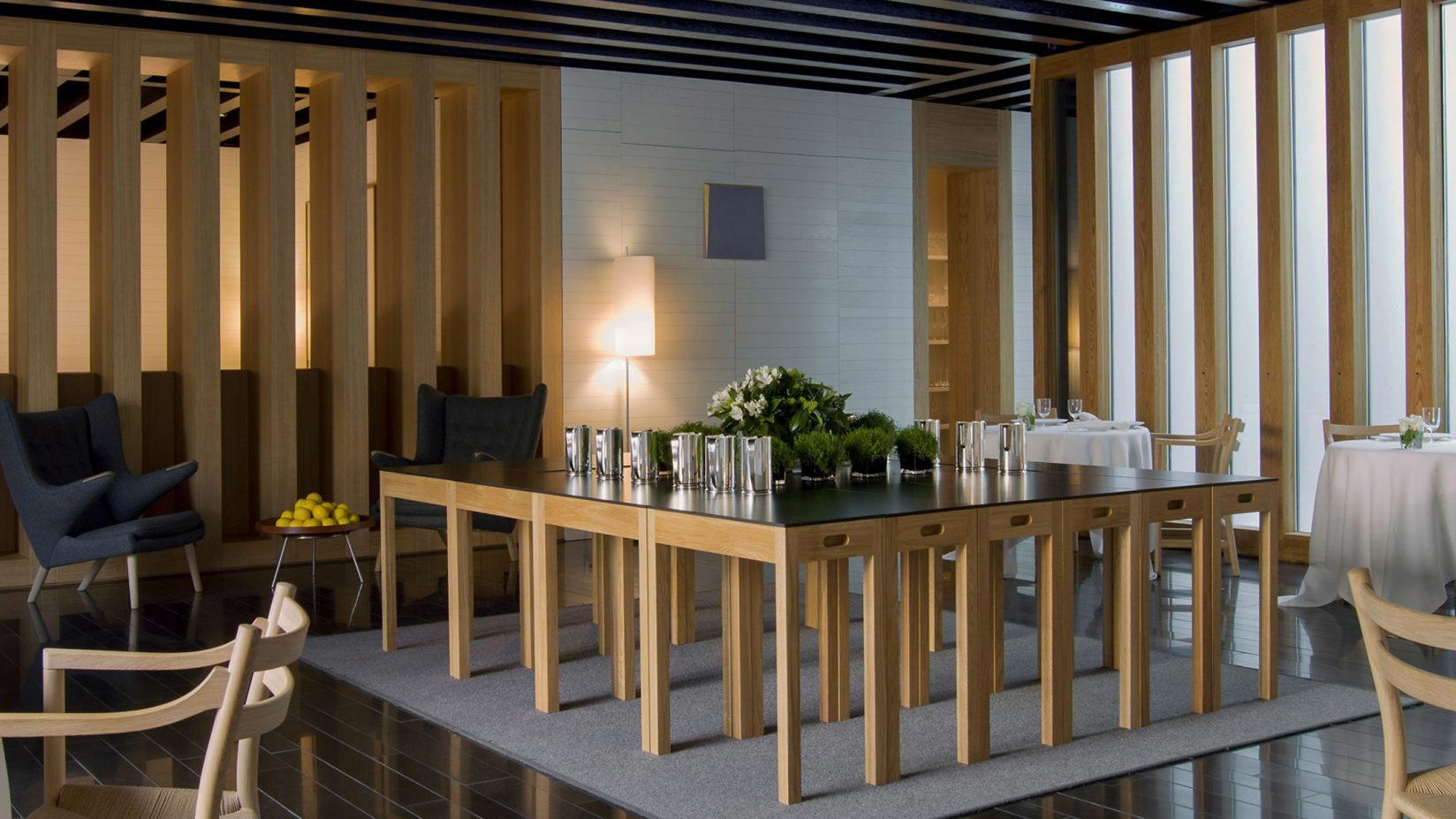
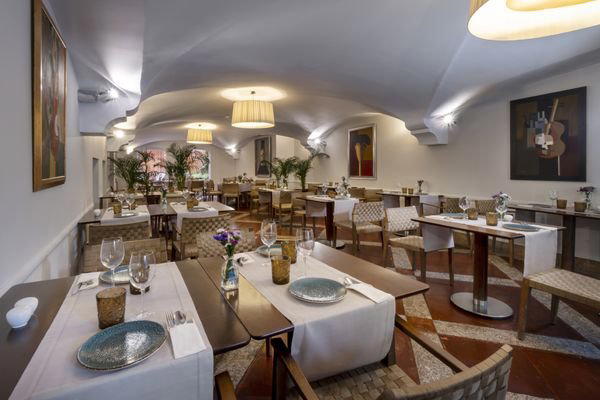
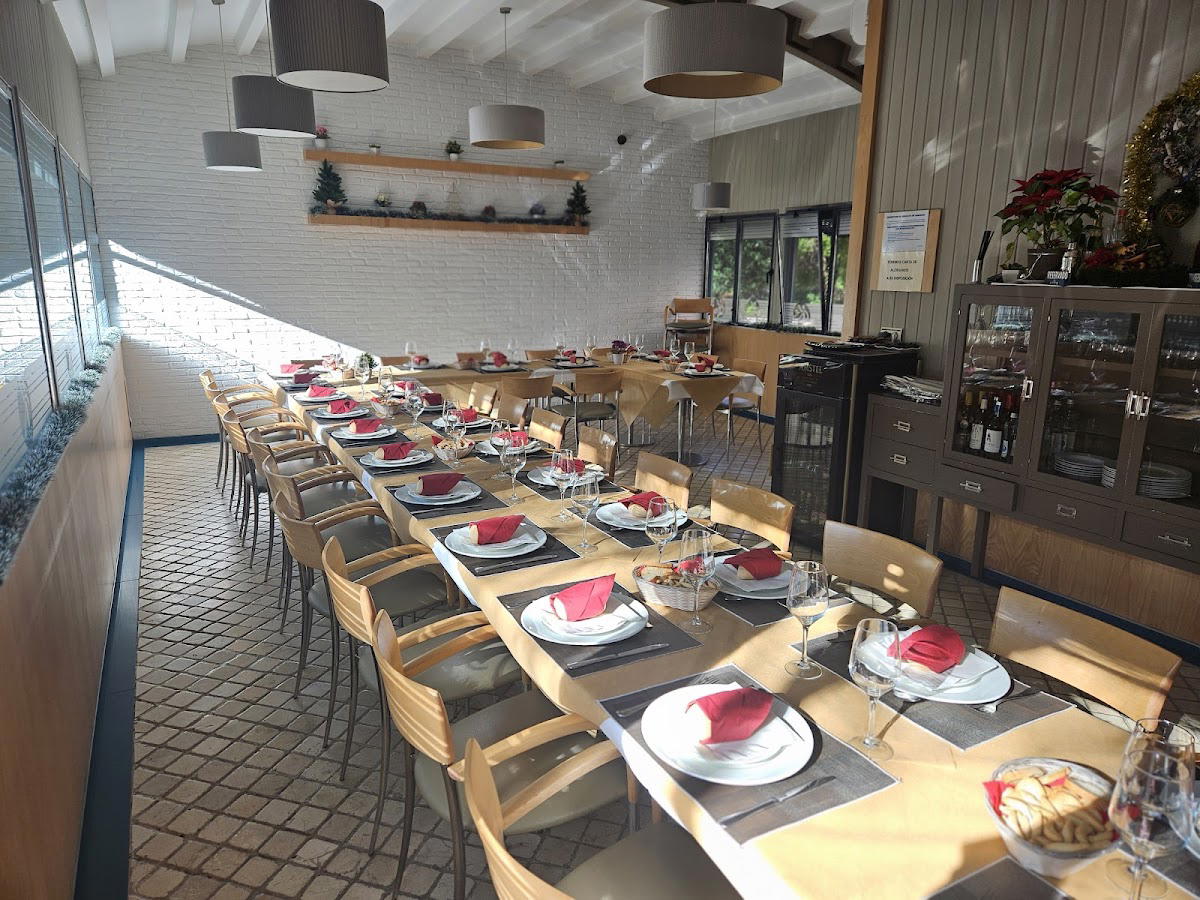
Warm and inviting with elegant decor reflecting regional heritage, beautiful courtyard and garden views, stylish interior with thoughtful lighting.