

Michelin Bib Gourmand · Macarfi 7.3 Food Rating
Our verdict
A family-run kitchen on the edge of the old city walls, Miga holds a Michelin Plate (2025) and serves a modern take on traditional cuisine at prices that reward generous ordering. Soy-braised short ribs and spicy noodles with crispy beef jeon have built a steady following among locals and visitors alike. At the €€ tier, it represents one of Cáceres's more compelling value propositions.

Pearl is the En Primeur Club membership app — saves, bookings, and concierge access live there. Same editors, same standards.
- Address
- C. Arco de la Estrella, s/n, Centro-Casco Antiguo, 10003 Cáceres, Spain
- Phone
- +34 927 09 04 02
- Hours
- Mon 1–3:30 PMTue ClosedWed–Fri 1–3:30 PM, 8–11 PMSat 11 AM–5 PM, 8–11 PMSun 11 AM–3:30 PM, 8–11 PM
- Website
- migarestaurante.com
- Directions
- Get directions
- Booking
- Book on TheFork
The menu
What to order
- Migas del maestro
- Grilled Retinta beef tenderloin
- Seasonal vegetable paella
Where the Old City Meets an Honest Kitchen
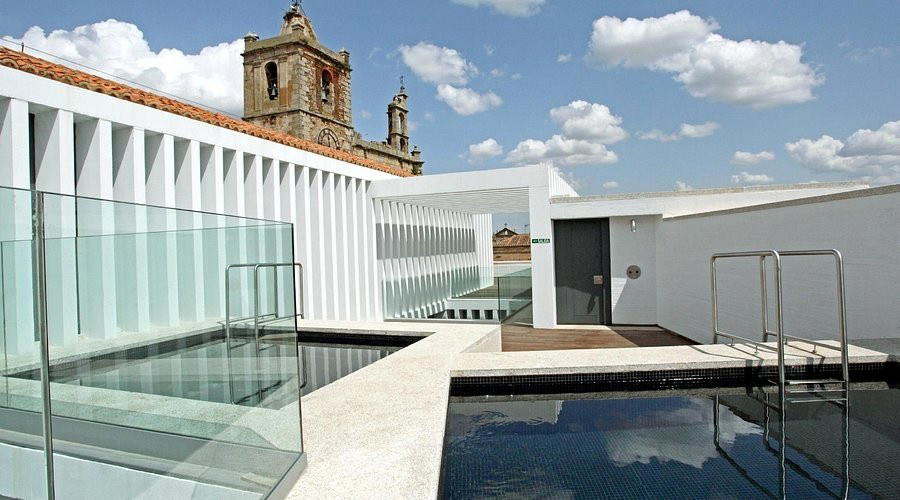
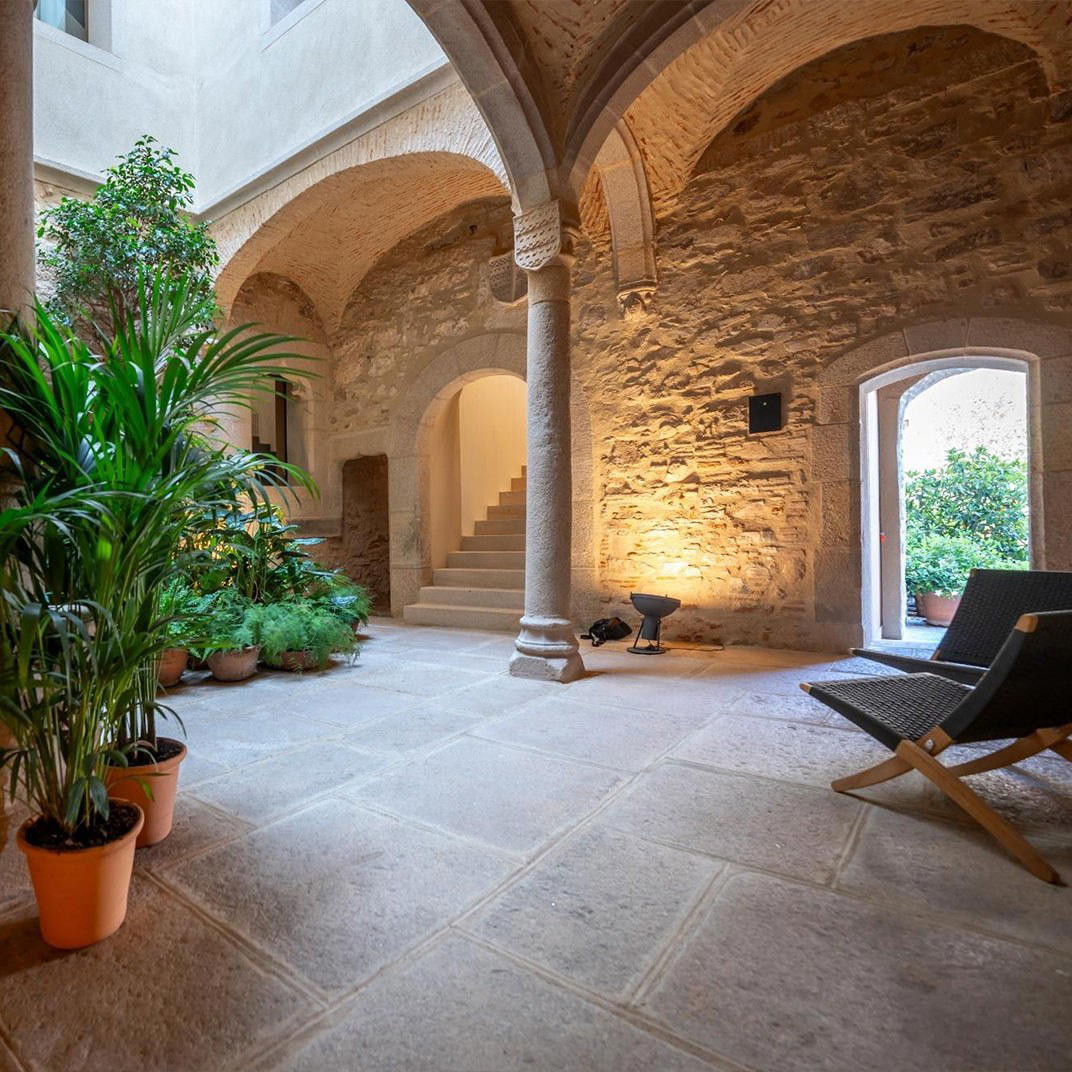
The approach to Miga tells you something before you step inside. The address sits along the Arco de la Estrella, the monumental gate that funnels visitors into Cáceres's UNESCO-listed medieval quarter, one of the most intact historic centres in Spain. Stone walls centuries old press close on either side. It is the kind of entrance that usually precedes a tourist-facing menu at a tourist-facing price.
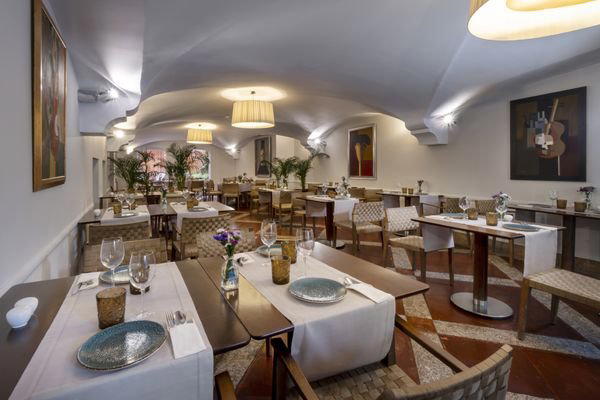
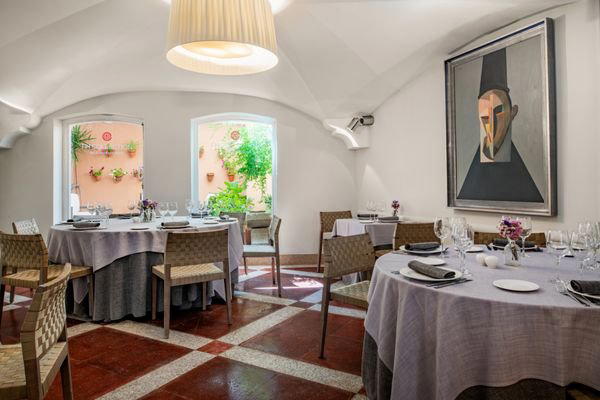
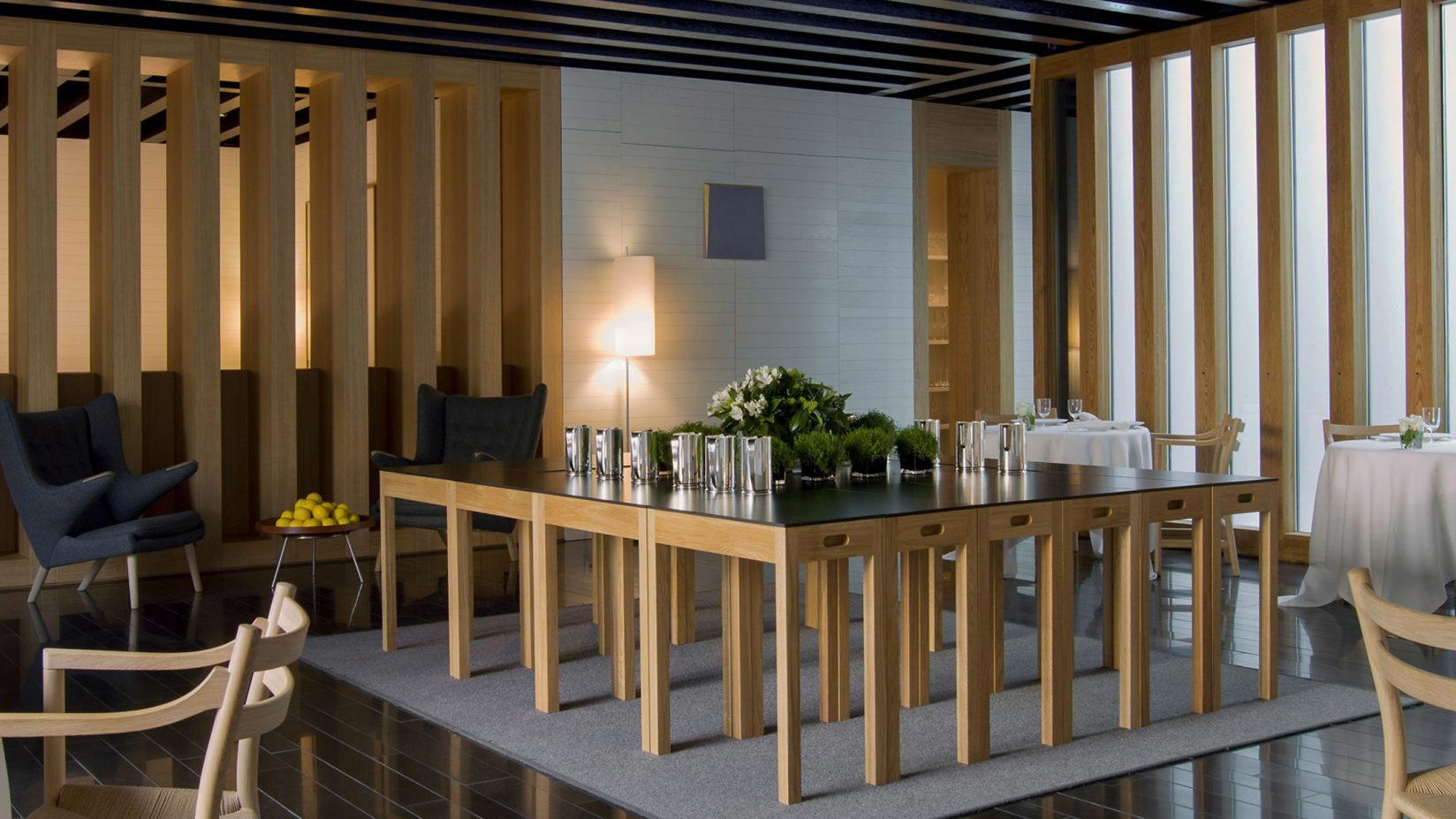
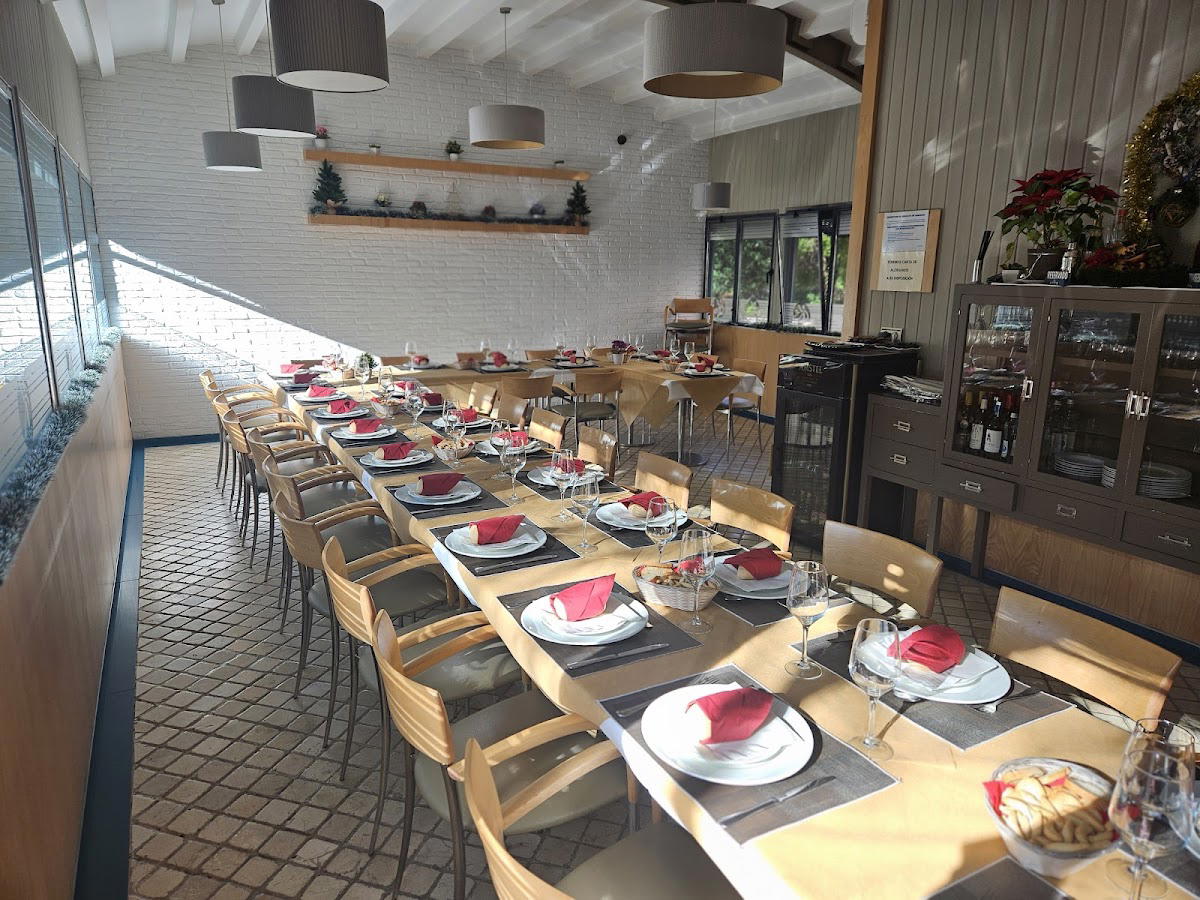
The room itself is described as bright and airy, a deliberate contrast to the weighty architecture outside. Family history is laid out on the wall for anyone who wants to read it, a low-key detail that sets the tone: this is a place comfortable enough in its identity that it does not need to explain itself in the usual ways. The father runs the open kitchen; the younger generation manages the floor. That division of labour, common to the leading family restaurants in provincial Spain, tends to produce a particular kind of attentiveness that larger, more formally staffed operations rarely replicate.
What the Michelin Plate Signals at This Price Point
Spain's restaurant scene spans an enormous range, from three-starred monuments like El Celler de Can Roca in Girona, Arzak in San Sebastián, and Azurmendi in Larrabetzu to small regional kitchens working without any formal recognition at all. The Michelin Plate, introduced as a category sitting below Bib Gourmand and stars, denotes cooking that inspectors consider noteworthy but that does not yet command either a cost premium or a tasting-menu format. At the €€ price tier, a Plate essentially functions as a quality signal without a price penalty — the inspectors noticed, but the restaurant has not adjusted its pricing accordingly.
That compression between quality signal and accessible price is relatively rare. Within Cáceres itself, Atrio operates at the €€€€ tier with two Michelin stars, representing the city's most decorated address. Javier Martín sits at €€€. Borona Bistró and Madruelo share the €€ bracket, as does Torre de Sande, which occupies a sixteenth-century palace and focuses on traditional cuisine. Miga belongs in that affordable tier, but the Michelin recognition sets it apart within it.
The Food: A Modern Lens on Familiar Structures
Miga's tagline, "a modern take on Korean cuisine," is the operative frame for what arrives at the table. Korean cooking in its traditional forms is built around fermentation, umami layering, and textural contrast. A modern interpretation tends to preserve those structural principles while adjusting presentation and sourcing toward a contemporary European sensibility — a combination that has found traction in cities like London, Paris, and Madrid over the past decade, but that appears less commonly in smaller provincial cities like Cáceres.
The soy-braised short ribs have become the dish most associated with Miga, already a fans' favourite according to available documentation. Soy-braised preparations of short rib, or galbi jjim in Korean tradition, rely on a long, slow cook that breaks down connective tissue while the soy, sugar, and aromatics reduce to a lacquer-like gloss. The dish rewards the technique rather than theatrical presentation. Spicy noodles with crispy beef jeon represent a second recurring order: jeon is a Korean savoury pancake, and its crispy texture against a spiced noodle base is the kind of contrast that travels well across cultural contexts.
The broader category of traditional cuisine, as Michelin classifies Miga, encompasses kitchens that draw on established culinary frameworks rather than avant-garde technique. Compared to Spain's more experimental addresses, such as DiverXO in Madrid, Aponiente in El Puerto de Santa María, or Quique Dacosta in Dénia, Miga is working in a quieter register. The ambition is in flavour and consistency, not in format reinvention. That is a defensible and frequently more satisfying position at the price point Miga occupies. At equivalent price levels in Brittany, Auberge Grand'Maison in Mûr-de-Bretagne shows how deeply a traditional-cuisine classification can anchor serious cooking; in northern Spain, Auga in Gijón occupies a comparable position for Asturian tradition.
The Value Equation at Miga
Practical case for Miga is direct. Lunch pricing in particular is described as generous, to the degree that it supports what the documentation calls "enthusiastic ordering" without financial regret. In Cáceres, which draws visitors primarily for its extraordinary medieval architecture rather than for a deep restaurant culture, the gap between what tourists expect to pay and what Miga charges is meaningful.
At dinner, the €€ designation holds across the menu. The open kitchen format means the cooking is visible, which tends to create accountability and a particular kind of energy in the room. Family-run restaurants in Spain often maintain lower baseline prices than chef-owned restaurants with investment behind them, and that dynamic is visible here.
Planning Your Visit
Miga sits at C. Arco de la Estrella, s/n, in the Centro-Casco Antiguo, the historic core of Cáceres. Spanish lunch service typically runs from approximately 2pm to 4pm, with dinner beginning around 9pm, though confirming current hours directly with the venue is recommended.
For a fuller picture of eating and drinking in the city, the full Cáceres restaurants guide covers the range from Atrio down to neighbourhood regulars. If you are building a longer itinerary, the Cáceres hotels guide, bars guide, wineries guide, and experiences guide each map the city's options at comparable depth.
Frequently asked questions
What's the address for Miga?
Miga is located at C. Arco de la Estrella, s/n, Centro-Casco Antiguo, 10003 Cáceres, Spain, Cáceres.
How much does it cost to eat at Miga?
Pricing at Miga is listed as €€.
Is Miga Michelin-listed?
Miga has received recognition including: There’s always a certain joyfulness to family owned and run restaurants – and Miga is truly a family affair, with dad running things in the open kitchen and the younger generation looking after guests in the bright, airy room. If you want t….
What dish is Miga famous for?
The soy-braised short ribs have become a documented fan favourite at Miga, noted specifically in the restaurant's Michelin Plate recognition. Spicy noodles with crispy beef jeon also feature prominently in the kitchen's modern Korean approach.
Is Miga reservation-only?
Booking details for Miga are not published through the venue's current public channels. Given its Michelin Plate status and compact family-run format on Cáceres's Arco de la Estrella, contacting the restaurant directly before visiting is advisable, particularly for lunch when the generous pricing draws consistent demand.
Reputation Context
| Venue | Cuisine | Price | Awards | Notes |
|---|---|---|---|---|
| MigaThis venue — the venue you are viewing | Modern Extremaduran Spanish | $50–100 | Michelin Bib Gourmand · Macarfi 7.3 Food Rating | Not listed |
| Atrio | Modern Spanish Fine Dining with Iberian Pork Focus | $200–300 | 3 Michelin Stars · La Liste Top Restaurants | Contemporary Spanish, Creative |
| Borona Bistró | Modern Spanish Extremaduran Tasting Menu | $50–100 | Michelin Plate · Macarfi 7.5 Food Rating | Contemporary |
| Javier Martín | Modern Spanish Fine Dining | $50–100 | Michelin Plate · Macarfi 7.6 Food Rating | Contemporary |
| Madruelo | Modern Extremaduran Spanish | $30–50 | Michelin Plate · Macarfi 7.2 Food Rating | Regional Cuisine |
| Torre de Sande | Traditional Spanish Regional | $50–100 | Michelin Plate · Macarfi 7.8 Food Rating | Traditional Cuisine |
Recognition history
Dated appearances from independent guides and award organizations, with the underlying list record or original source where available.
Michelin Bib Gourmand
Michelin
Macarfi 7.3 Food Rating
Macarfi
Full recognition history (3 entries)
Michelin Plate
Michelin
Details
- Elegant
- Rustic
- Cozy
- Sophisticated
- Date Night
- Special Occasion
- Business Dinner
- Open Kitchen
- Terrace
- Extensive Wine List
- Local Sourcing
- Street Scene
- A La Carte
- Tasting Menu
- Small Plates
- Wine
- Vegetarian Friendly
Current opening hours
- Monday
- 1–3:30 PM
- Tuesday
- Closed
- Wednesday
- 1–3:30 PM, 8–11 PM
- Thursday
- 1–3:30 PM, 8–11 PM
- Friday
- 1–3:30 PM, 8–11 PM
- Saturday
- 11 AM–5 PM, 8–11 PM
- Sunday
- 11 AM–3:30 PM, 8–11 PM
Hours can change for holidays and private events. Last verified .
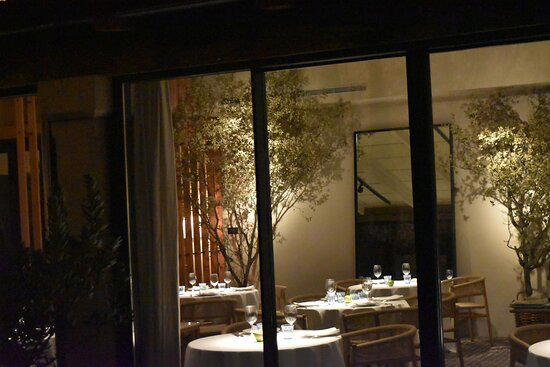
Warm rustic decor with contemporary design, peaceful and elegant overlooking Plaza Mayor.