


In Cáceres' modern Nuevo Cáceres district, Javier Martín holds a 2025 Michelin Plate for contemporary cooking built around Extremadura's seasonal larder. The kitchen offers an extensive à la carte alongside two tasting menus, Origen and Experiencia, with dishes ranging from Iberian ham carpaccio to red partridge stuffed with Pedro Ximénez and foie gras.
Pearl is the En Primeur Club membership app — saves, bookings, and concierge access live there. Same editors, same standards.
- Address
- C. Juan Solano Pedrero, 15, Sur, 10005 Cáceres, Spain
- Phone
- +34 927 23 59 06
- Website
- restaurantejaviermartin.com
- Directions
- Get directions
 Saves & bookings on Pearl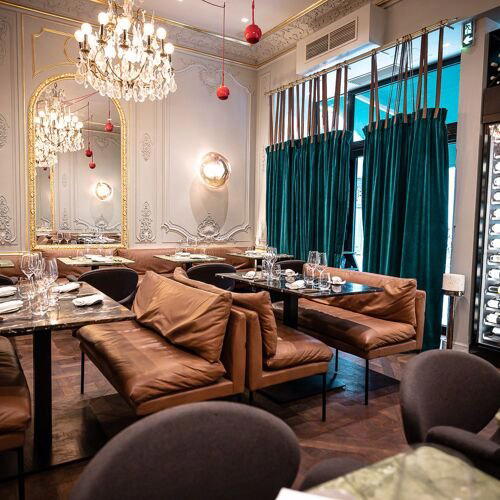
Where Cáceres Sets Its Table for Serious Eating
The Nuevo Cáceres neighbourhood sits apart from the medieval stone lanes that draw most visitors to the city. It is a quieter, more residential quarter, and the restaurant on Calle Juan Solano Pedrero reads the same way: a composed, deliberate setting that signals intent before a dish arrives. In a city where much of the dining conversation centres on tapas bars in the old town, this part of Cáceres hosts a different kind of meal, one governed by sequence, by the sourcing of ingredients, and by the pacing that two tasting menus require.
That architectural contrast matters because it frames the dining ritual at Javier Martín before the menu is even opened. You are not eating between sightseeing stops here. The room, the neighbourhood, and the format all point toward a deliberate sit-down occasion, the kind of evening where the structure of the meal is part of the experience itself.
The Architecture of the Meal
Contemporary Spanish fine dining has developed a fairly consistent grammar over the past two decades: a short snack sequence to open, a middle act of more substantial courses built around a regional larder, and a dessert passage that either surprises or reinforces the kitchen's point of view. Javier Martín follows that grammar while keeping one foot firmly in Extremadura's own culinary vocabulary.
The two tasting menus, named Origen and Experiencia, operate at different depths of commitment. Origen reads as the more accessible of the two, a survey of what the kitchen does with Extremadura's seasonal produce. Experiencia extends the running time and the ambition, moving through more courses with greater specificity. The distinction between the two formats matters in practical terms: the Experiencia menu asks for a larger block of the evening and rewards guests who want the kitchen to set the pace entirely.
For those who prefer to construct their own sequence, the à la carte is extensive enough to function as a full meal in multiple configurations. That range is relatively unusual in this format tier, most contemporary Spanish kitchens at this level have trimmed à la carte options in favour of pushing guests toward tasting menus. Here, the choice is genuinely open.
Extremadura on the Plate
The Iberian Peninsula's pig culture is concentrated most densely in Extremadura and western Andalusia, and the kitchens that treat that ingredient with the rigour tend to operate in those regions. The carpaccio of Iberian ham with foie gras and tierra de Ibores, a cheese from the Ibores range in the eastern corner of the province, represents the kind of course that is only fully legible in its own geography. The combination is neither novel nor derivative; it is the kind of dish that makes sense because the ingredients have always coexisted here.
Red partridge stuffed with Pedro Ximénez, truffles, and foie gras belongs to a longer tradition of Extremaduran game cookery, where the birds shot across the dehesa are treated as luxury ingredients rather than rustic ones. The Pedro Ximénez element introduces a sweetness that the foie reinforces, while truffle grounds the whole construction in earthier territory. Grilled wild red mullet with salted flakes and olive caviar shifts register entirely, pointing toward the Mediterranean edge of Spanish contemporary cooking rather than the inland larder, a signal that the kitchen is not confined to a single regional argument.
The sourcing emphasis on seasonal and locally produced ingredients connects Javier Martín to a wider pattern in Spanish fine dining, where the relationship between kitchen and territory has become a primary marker of credibility. That pattern is most visible at the country's three-Michelin-star level, at restaurants like El Celler de Can Roca in Girona, Arzak in San Sebastián, or Azurmendi in Larrabetzu, but the same commitment to provenance runs through kitchens at every recognition tier. The 2025 Michelin Plate acknowledges the cooking at the restaurant.
The Cáceres Fine Dining Map
Cáceres punches above its size in terms of serious restaurants relative to its population and tourist traffic. The city's dining options cover a clear spectrum: Miga and Torre de Sande operate in the traditional cuisine register, Madruelo represents regional cooking at an accessible price point, and Borona Bistró sits in the contemporary tier at a lower price bracket (€€ versus the €€€ positioning of the restaurant).
Within that map, the restaurant occupies the middle of the formal dining range. Atrio, at €€€€, is the city's reference point for destination-level fine dining and draws visitors specifically for its wine programme and three-decade track record. The restaurant sits one price tier below that, making it the more accessible entry point into contemporary format cooking in Cáceres, not a compromise, but a different kind of commitment from the diner.
That positioning is worth noting for visitors constructing a multi-day itinerary in Extremadura. The combination of the historic old town, the Parque Natural de Monfragüe within reach, and a dining scene that spans from traditional to contemporary makes Cáceres a more rounded destination than its regional profile might suggest.
For context on where contemporary Spanish cooking sits globally, the format shares structural DNA with destination restaurants as varied as DiverXO in Madrid, Aponiente in El Puerto de Santa María, and internationally at Cocina Hermanos Torres in Barcelona, or beyond Spain at Jungsik in Seoul and César in New York City, all of which operate within the contemporary tasting-menu idiom that restaurant draws from.
Planning the Evening
The restaurant is located at C. Juan Solano Pedrero, 15 in the Nuevo Cáceres district, a short drive or taxi from the monumental zone. Advance reservation is the sensible approach for either tasting menu, particularly if travelling on a weekend or during Extremadura's spring and autumn seasons when the regional produce the kitchen builds around is at its fullest range.
Cuisine Lens
Comparable venues nearby, for context on price, style, and recognition.
| Venue | Cuisine | Price | Awards | Notes |
|---|---|---|---|---|
| Javier Martín | Modern Spanish Fine Dining | $$$ | Michelin Plate | Nuevo Cáceres |
| Madruelo | Modern Extremaduran Spanish | $$$ | Michelin Plate | Centro-Casco Antiguo |
| Borona Bistró | Modern Spanish Extremaduran Tasting Menu | $$$ | Michelin Plate | Centro-Casco Antiguo |
| La Fabiola | Modern Extremaduran & Mediterranean Spanish | $$$ | Not listed | Not listed |
| Torre de Sande | Traditional Spanish Regional | $$$ | Michelin Plate | Centro-Casco Antiguo |
| Las Corchuelas | Modern Extremaduran Spanish Fusion | $$$ | Not listed | Palacio de Arenales |
Recognition history
Dated appearances from independent guides and award organizations, with the underlying list record or original source where available.
Guía Repsol 1 Sol
Guía Repsol
Macarfi 7.6 Food Rating
Macarfi
Michelin Plate
Michelin
Michelin Plate
Michelin
Michelin Plate
Michelin

At a Glance
- Elegant
- Sophisticated
- Cozy
- Date Night
- Special Occasion
- Open Kitchen
- Terrace
- Private Dining
- Extensive Wine List
- Local Sourcing
Current opening hours
- Monday
- 1:30–4:30 PM, 8:30–10:30 PM
- Tuesday
- 1:30–4:30 PM, 8:30–10:30 PM
- Wednesday
- 1:30–4:30 PM, 8:30–10:30 PM
- Thursday
- 1:30–4:30 PM, 8:30–10:30 PM
- Friday
- 1:30–4:30 PM, 8:30–10:30 PM
- Saturday
- 1:30–4:30 PM, 8:30–10:30 PM
- Sunday
- 1:30–4:30 PM
Hours can change for holidays and private events. Last verified .
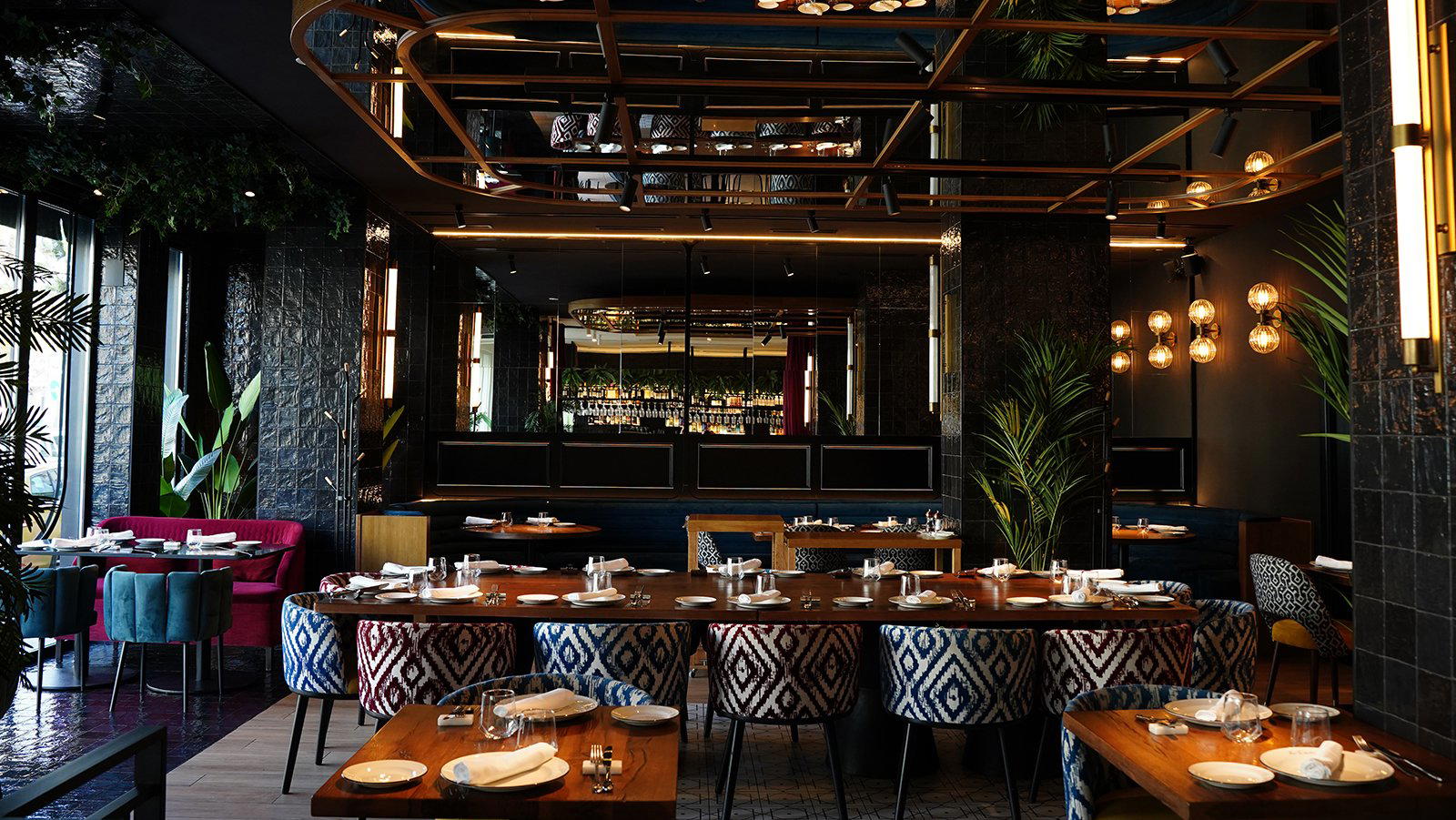
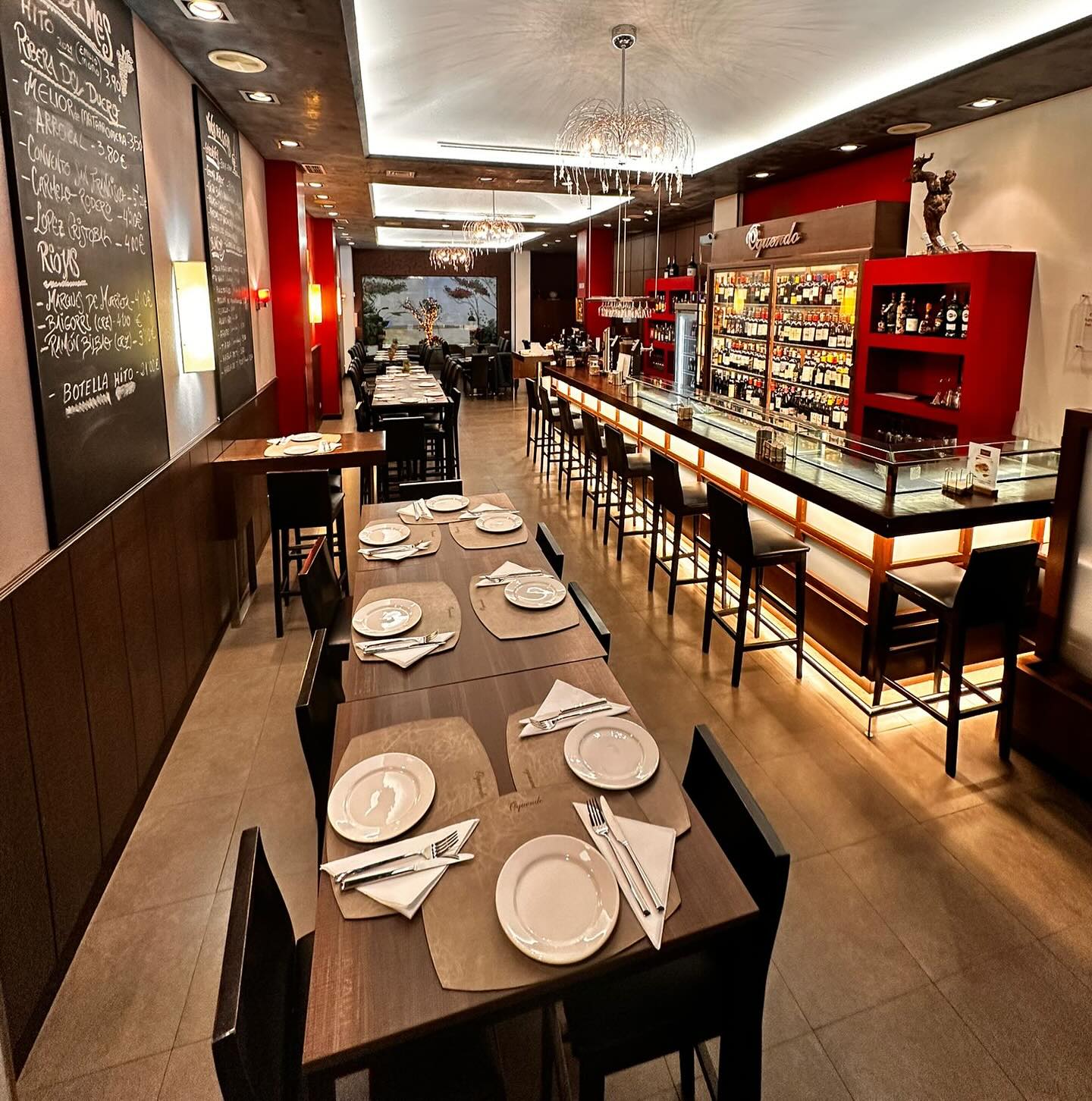
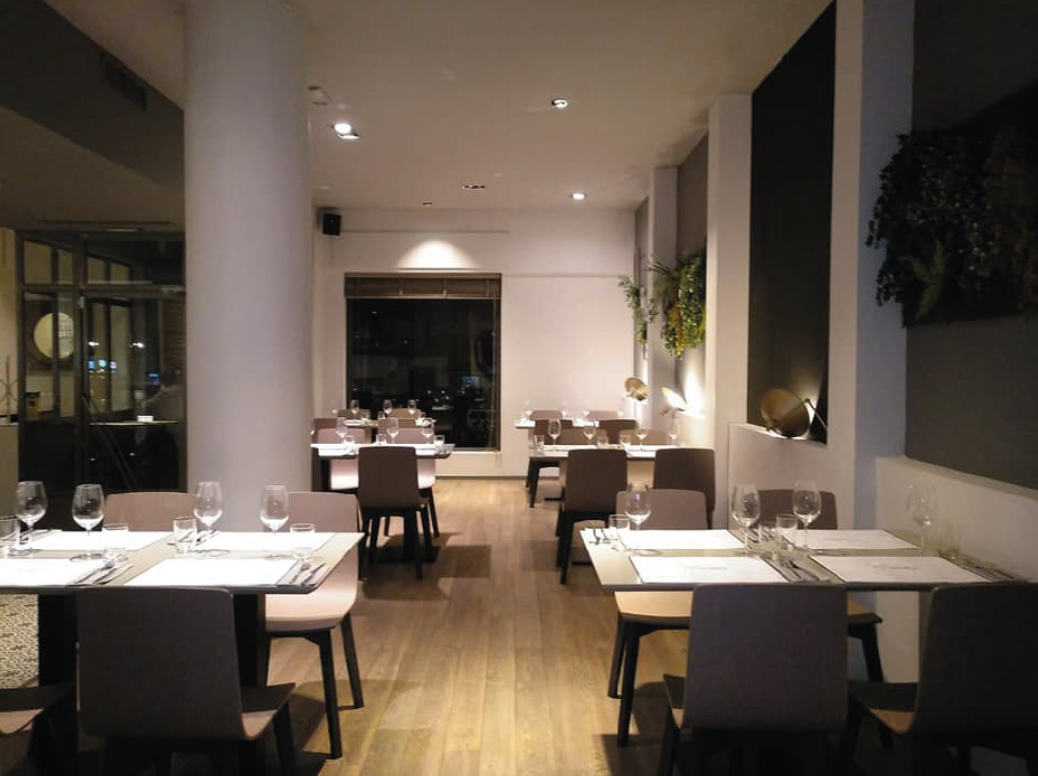
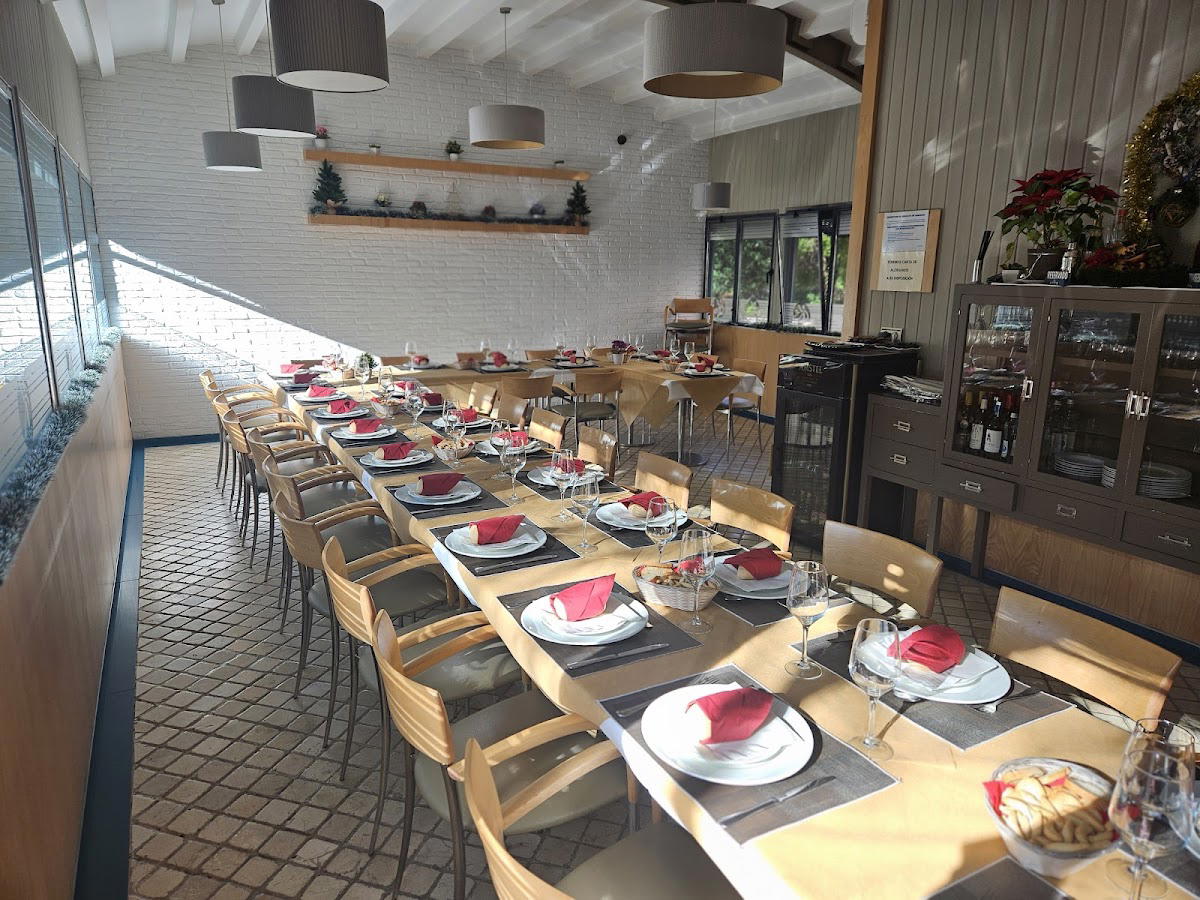
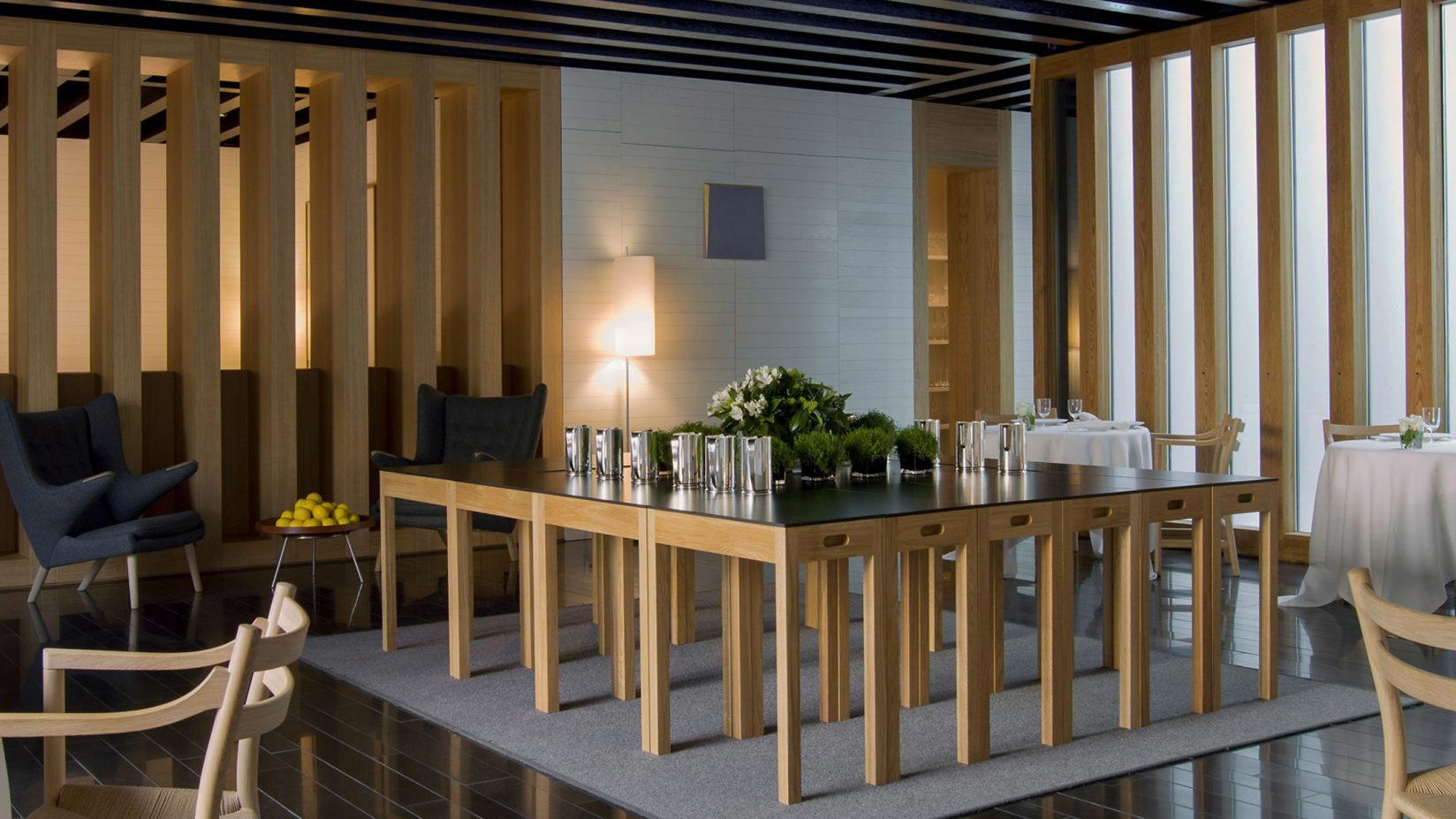
Elegant and sleek decor with attention to detail, ample spacious dining room, warm and welcoming atmosphere enhanced by attentive service.