
Tabelog 100 #93
Our verdict
Tokyo Italian dining has become a serious category in its own right, shaped by small rooms, high spending, and local critical lists rather than hotel grandeur. TORNAVENTO sits in Nishiazabu’s quieter, reservation-led tier: an 18-seat Italian restaurant recognized in Tabelog’s Italian TOKYO 100 for 2025, with earlier selections in 2023 and 2021.

Pearl is the En Primeur Club membership app, where members save venues, book tables and use the concierge.
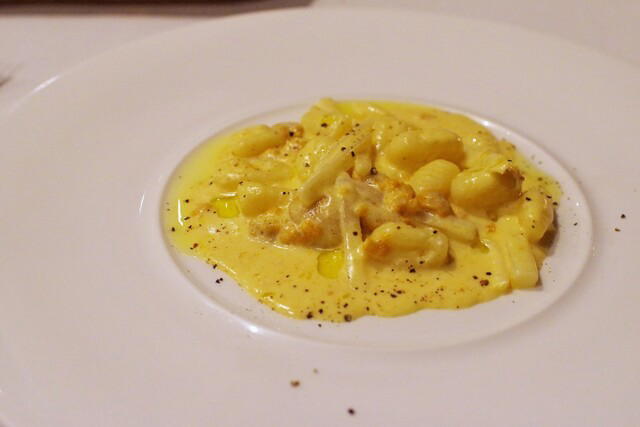
Tokyo rewards restaurants that do not announce themselves loudly. Between the city’s late-night velocity, residential calm, and discreet expense, its dining rooms often feel like destinations discovered through local research rather than broad tourist messaging. TORNAVENTO fits into that research-led register: a Tokyo Italian restaurant whose public profile is anchored by domestic listing data, price bands, and Tabelog recognition rather than by international spectacle.
Tokyo’s Italian scene has moved past imported formulas. Its serious end spans classic ristorante formats, counter-style meals, wine-focused rooms, and seasonal cooking interpreted through the expectations of a demanding local dining public. Recognition from Tabelog in 2025 places a restaurant inside that local conversation rather than a tourist-facing award economy. In a city where Italian competes with French, sushi, tempura, yakitori, kaiseki, and Chinese at the same spending level, that matters.
Tokyo Italian in the small-room, reputation-led bracket
The comparison is not casual pasta, nor broadly marketed Italian dining built mainly around hotel visibility or shopping-district convenience. It is the Tokyo Italian restaurant where public listing strength, reservation planning, and local recognition create the value proposition. TORNAVENTO’s available profile points most clearly to its category, pricing, and Tabelog standing, which are the safest signals for diners deciding whether it belongs on an itinerary.
The Tabelog recognition in 2025 gives the restaurant a useful reputational marker. Single-year appearances can reflect a moment; selection in a domestic dining context suggests meaningful local approval. Its Tabelog score is 3.69, which reads differently in Japan than on looser review platforms: in Tokyo’s high-density restaurant culture, mid-to-high 3s can signal a serious audience rather than mass consensus.
That context matters in Tokyo, where dining identity has long depended on reputation carried by regulars, booking habits, and genre-specific lists. Michelin stars and international lists dominate global Tokyo conversation, but domestic restaurant culture often gives equal weight to narrower category recognition, repeat local attention, and the ability to hold interest beyond opening buzz. TORNAVENTO sits in that local-recognition lane rather than relying on spectacle.
Tokyo’s Italian category must justify itself in a city already fluent in precision. Pasta, seafood, bread, oil, wine service, and pacing are all judged by diners applying the same scrutiny they bring to sushi rice or tempura batter. The restaurants that last here offer more than imported comfort: they translate Italian structure into Tokyo’s smaller, sharper dining grammar.
Where it sits against Tokyo's broader dining map
Against other Tokyo listings, TORNAVENTO occupies a different lane from cuisine-led cross-shopping. Kyuu brings a Chinese frame into the city’s premium field; RISTORANTE Al Porto and Alporto sit closer to the Italian comparison set; Isana sushi bar belongs to another ritual, where counter format and fish sourcing carry the argument. These restaurants do not compete dish for dish; Tokyo diners often choose by occasion, room scale, and genre confidence before neighborhood.
For visitors planning around the city rather than one reservation, the distinction matters. A Tokyo Italian dinner serves a different purpose from a ramen crawl, a sushi counter, or a late drinking night. It can provide a composed Western dining slot within a schedule otherwise dominated by Japanese specialist formats. TORNAVENTO’s practical appeal is best read through that role: an Italian restaurant with domestic recognition in a city where the category is taken seriously.
Tokyo’s restaurant geography can be unforgiving for first-time planners. Different parts of the city are not interchangeable dining zones, even when travel times look manageable. For a wider read on the city’s range, compare this Tokyo listing with other dining rooms across casual concepts, specialist Japanese formats, and more polished destination meals. Each represents a different Tokyo dining mode, from everyday convenience to tightly focused specialist cooking.
Planning a serious Tokyo eating trip means resisting the urge to stack every meal at the same intensity. An Italian restaurant with domestic recognition can provide rhythm between sushi counters, yakitori rooms, and bars without lowering ambition. That is where TORNAVENTO makes sense: not as novelty, but as evidence that Tokyo’s Italian category has enough depth to merit space in a demanding itinerary.
How to read the practical signals
The restaurant is in Tokyo. Lunch and dinner both appear in the public pricing band, with dinner listed at JPY 20,000 - JPY 29,999 and lunch at JPY 10,000 - JPY 14,999; that spread is common in Tokyo’s premium Western dining rooms, where daytime service can offer a softer entry while dinner carries the fuller spend. For travelers, the key signal is that TORNAVENTO belongs in the planned-reservation portion of an itinerary rather than the casual drop-in category.
The public listing frames TORNAVENTO as Italian, with a Tabelog score of 3.69 and 2025 recognition in its category. Those signals place it in Tokyo’s serious local dining conversation while keeping the decision practical: choose it when the itinerary needs a composed Italian meal, not merely another high-intensity counter or late-night stop.
For broader trip architecture, use Our full Tokyo restaurants guide alongside Our full Tokyo hotels guide, Our full Tokyo bars guide, Our full Tokyo wineries guide, and Our full Tokyo experiences guide. If the itinerary extends beyond the capital, contrast Tokyo’s dining rhythm with unnamed dining rooms in other Japanese cities and abroad, where the balance of local recognition, price, and occasion can feel very different from the capital.
Just the Basics
Comparable venues at the same tier for side-by-side context.
| Venue | Cuisine | Price | Awards | Notes |
|---|---|---|---|---|
| TORNAVENTOThis venue (the venue you are viewing) | Piedmontese Italian with wine-focused chef’s courses | $50–100 | Tabelog 100 #93 | Not listed |
| Kyuu | Modern Japanese Omakase and Robatayaki | $100–150 | Michelin Plate | Chinese |
| RISTORANTE Al Porto | Seasonal Italian Seafood Pasta | $50–100 | Michelin Plate | Italian |
| Isana sushi bar | Traditional Edomae Sushi Omakase | $150–200 | Not listed | Not listed |
Recognition history
Dated appearances from independent guides and award organizations, with the underlying list record or original source where available.
Tabelog 100 #93 · No. 93
Tabelog · Tabelog 100 - Italian - TOKYO - 2025
Continue exploring
More in Tokyo
Restaurants in Tokyo
All restaurants in Tokyo →







TORNAVENTO
The wine
- Wine program
- Deep wine list
- Extensive wine list
- Sommelier-led
Details
- Classic
- Elegant
- Cozy
- Intimate
- Date Night
- Business Dinner
- Celebration
- Special Occasion
- Group Dining
- Private Event
- Wine Cellar
- Private Dining
- Standalone
- Extensive Wine List
- Sommelier Led
- Local Sourcing
- Tasting Menu
- Set Menu
- Wine
- Allergy Accommodating
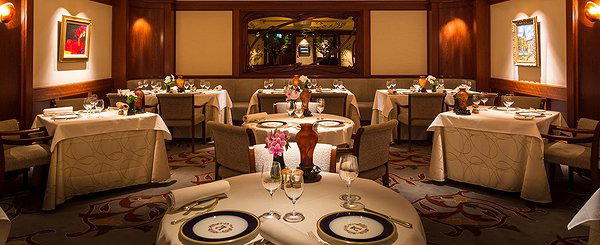
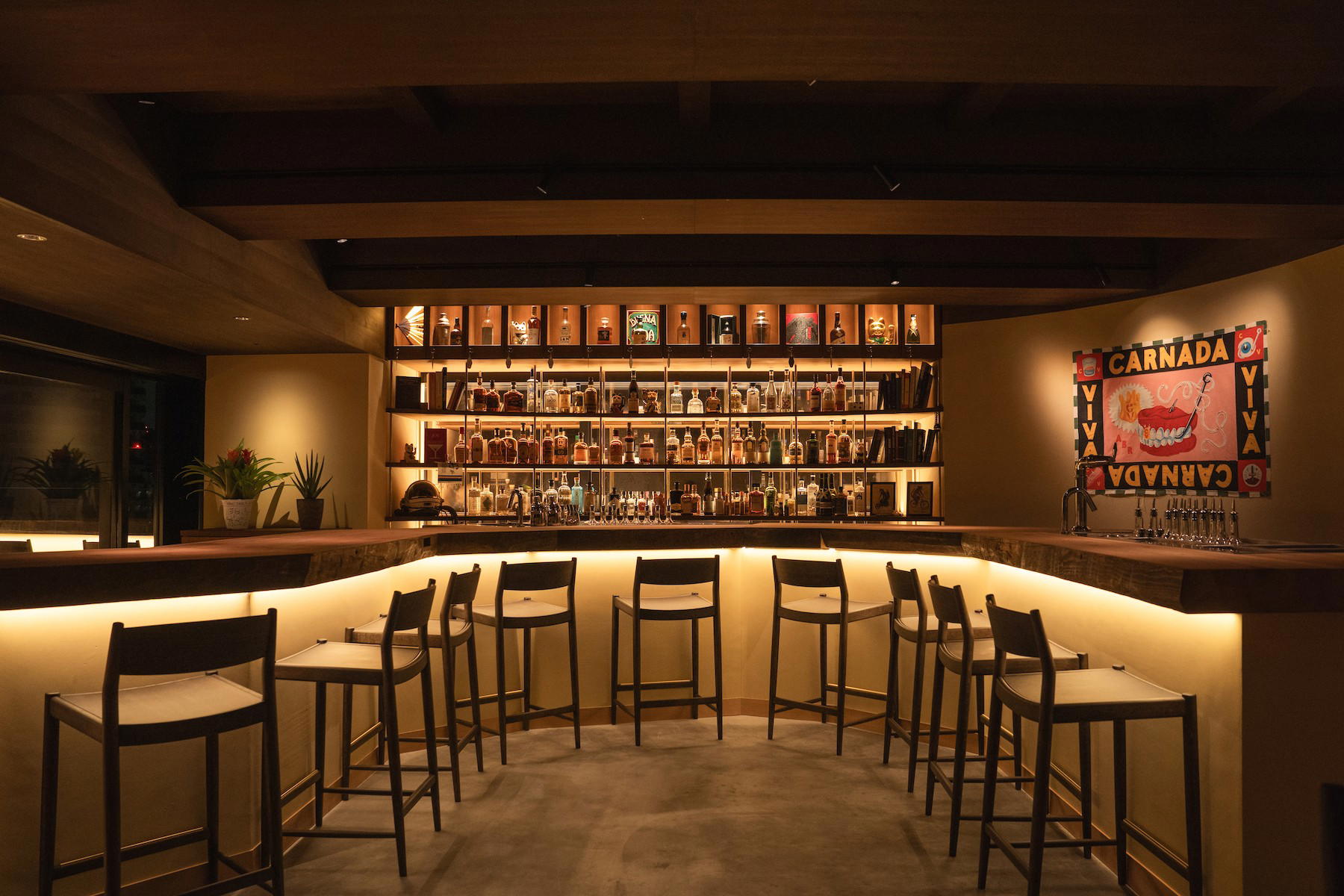
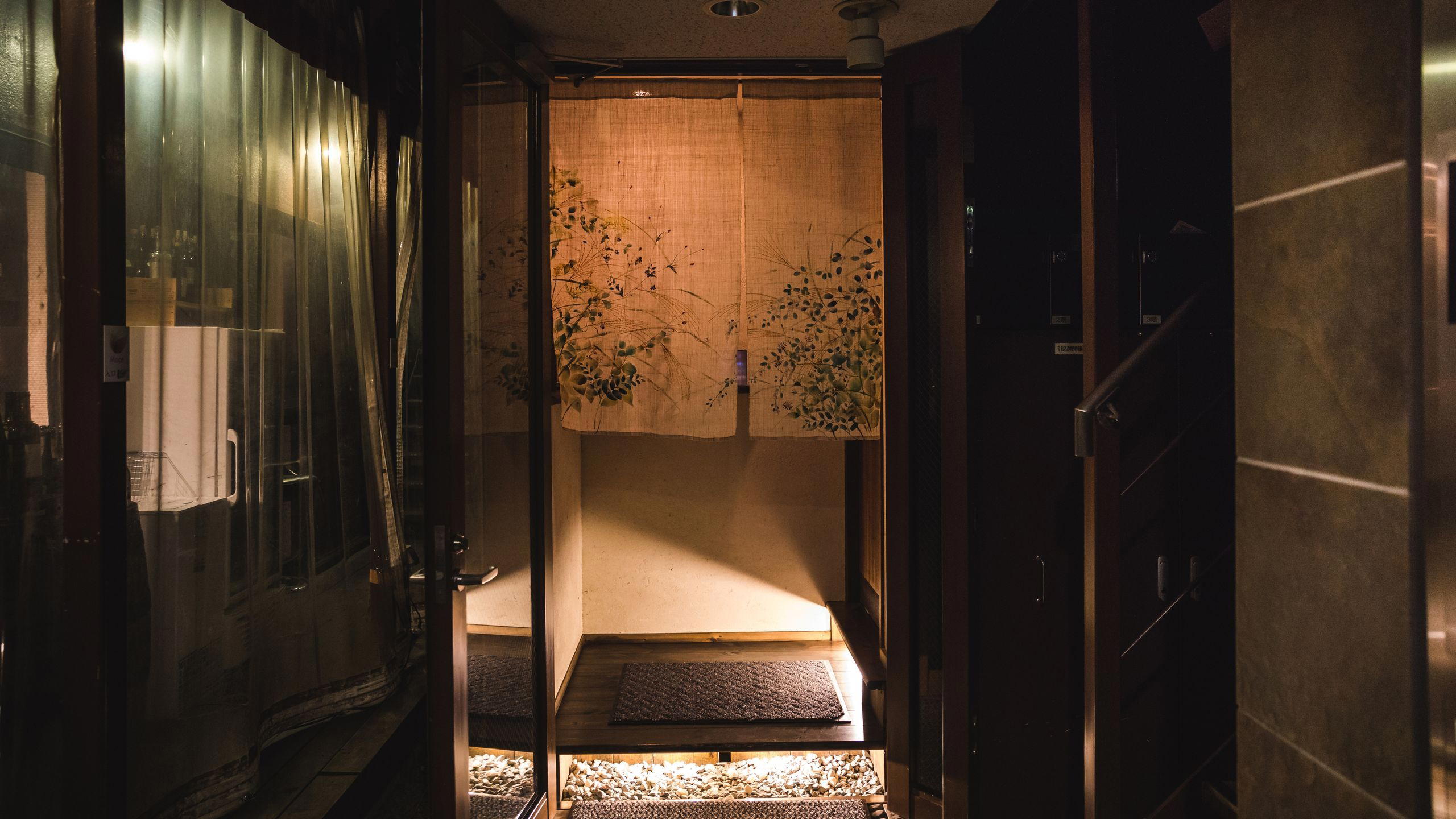
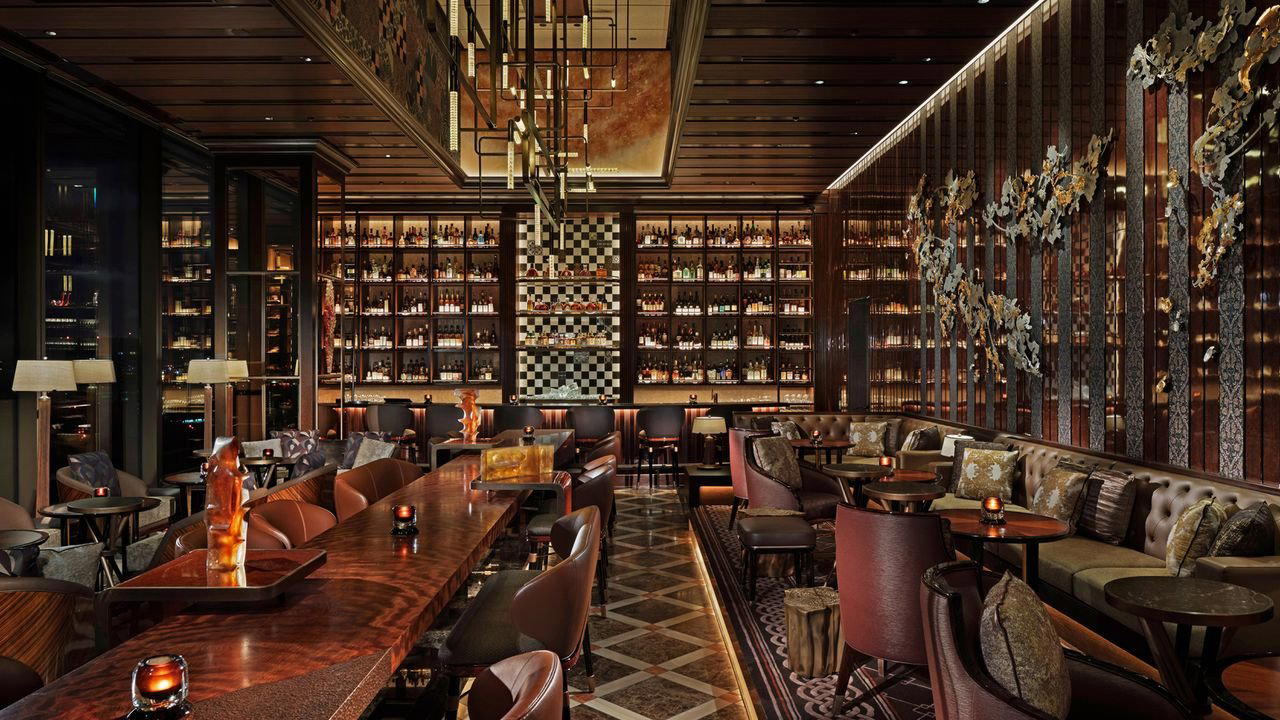
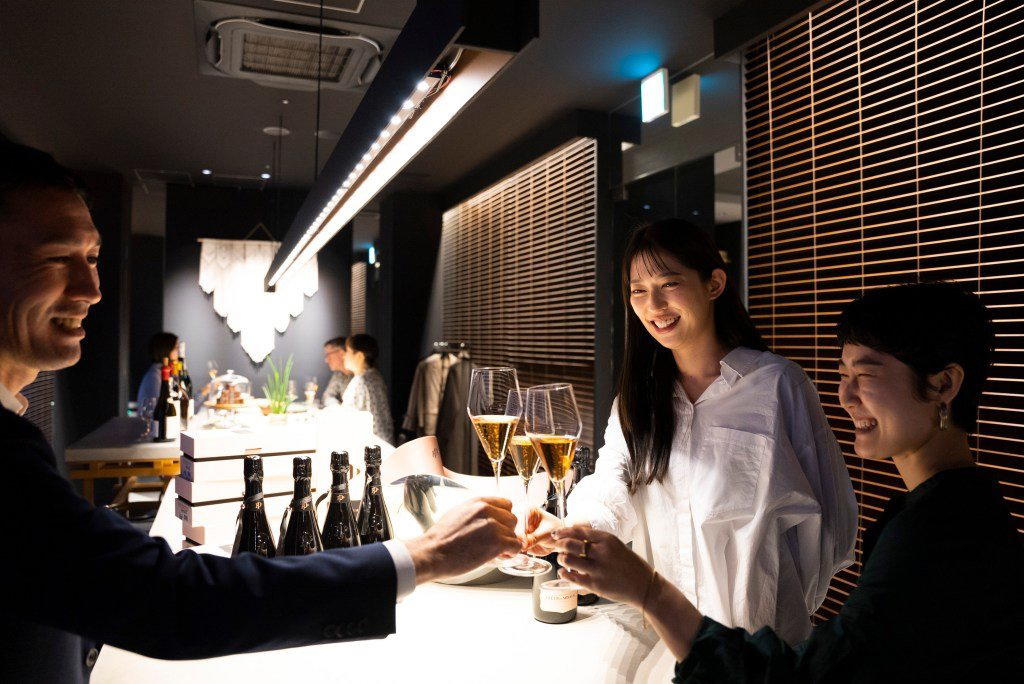
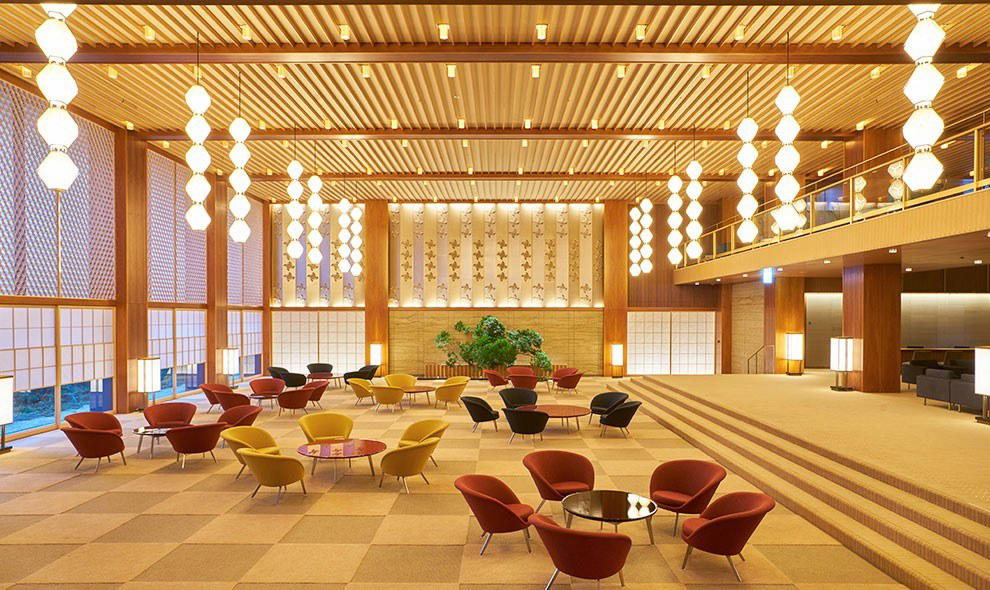
Classic, softly lit Italian dining room with a warm, quietly elegant atmosphere that works for dates, business dinners, and low-key celebrations rather than loud gatherings.