Torkel


1 Michelin Star · Wine Enthusiast Best Winery Restaurant 2026
Our verdict
A Michelin-starred modern cuisine restaurant in Vaduz, Liechtenstein, Torkel takes its name from the antique wine press at the centre of its dining room, a remnant of the valley's viticultural past surrounded by clean contemporary design. The conservatory opens to vineyard views over the Rhine Valley, and the kitchen works with high-quality produce in a format that runs Tuesday through Saturday.

Pearl is the En Primeur Club membership app, where members save venues, book tables and use the concierge.
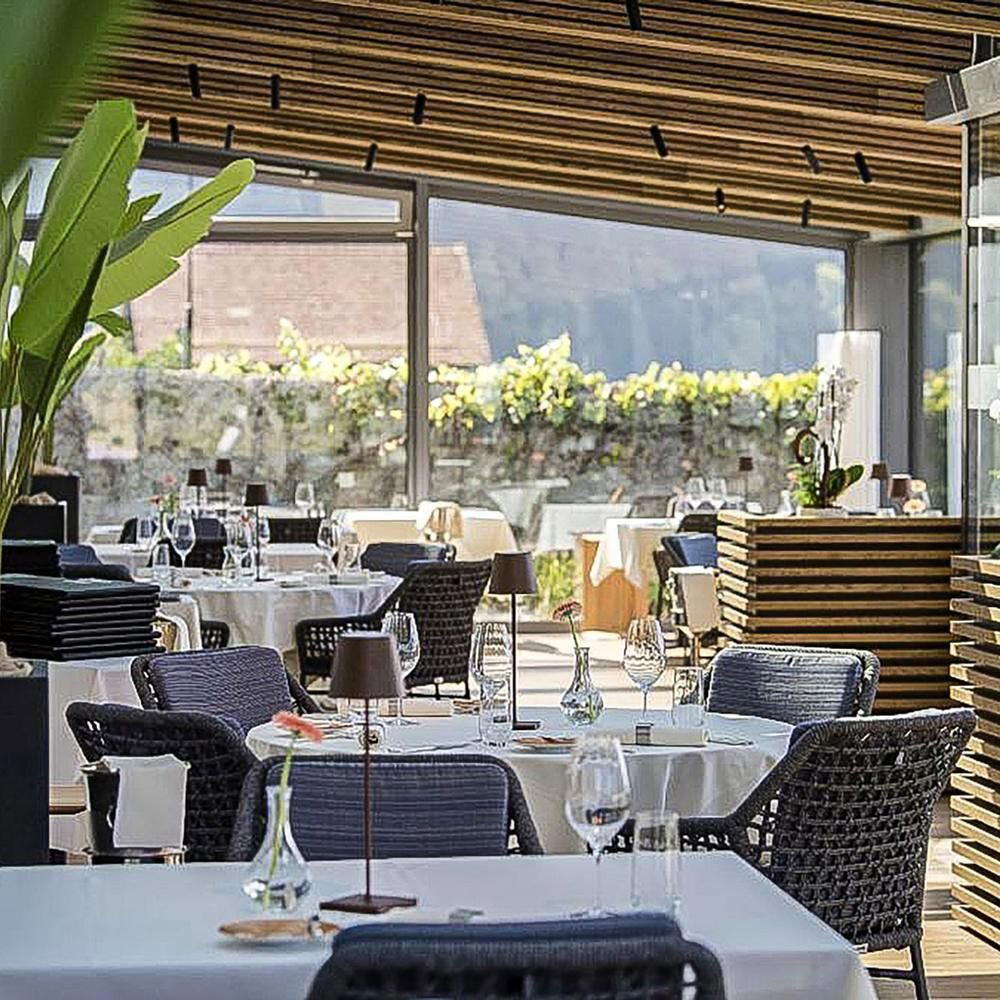
Where the Vine Press Meets the Plate
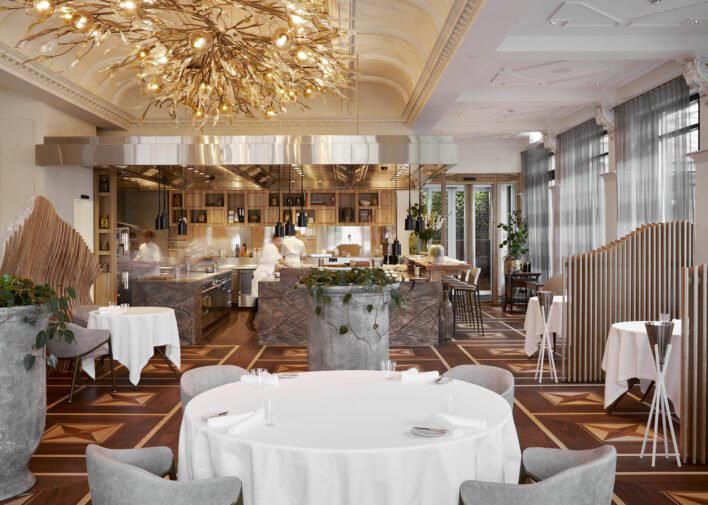
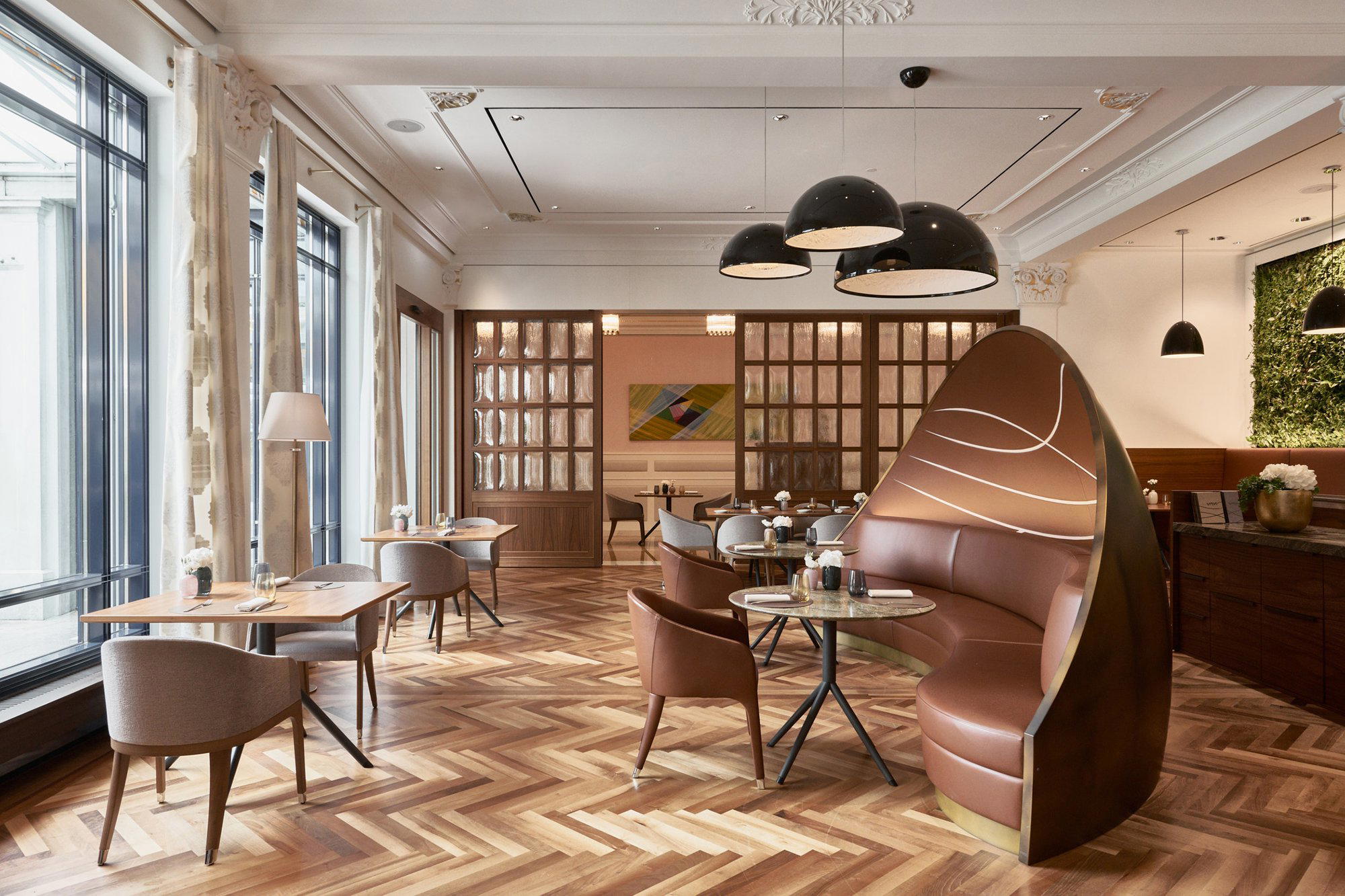
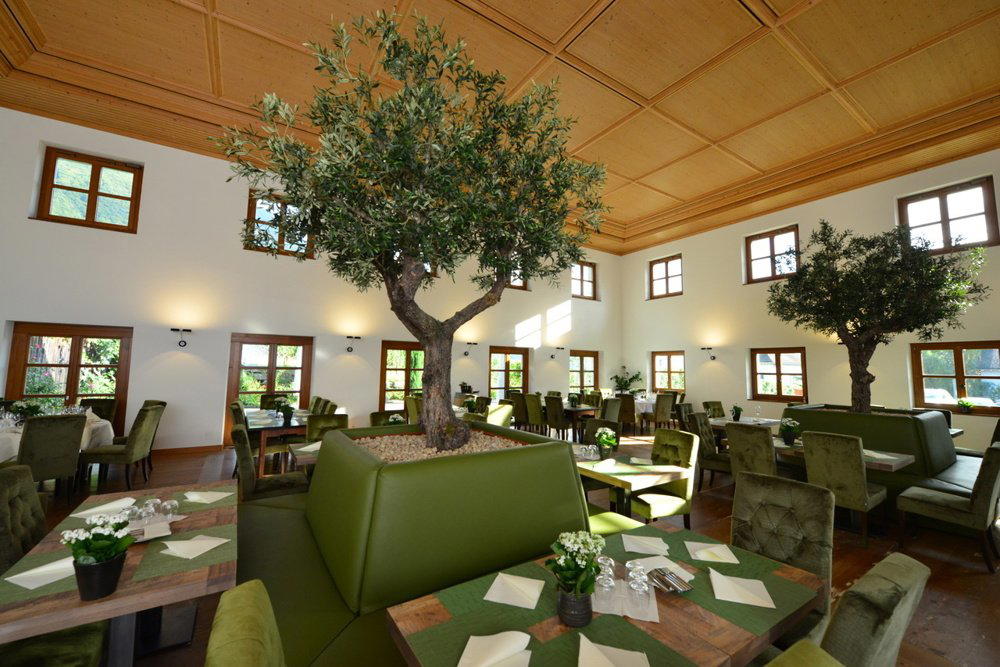
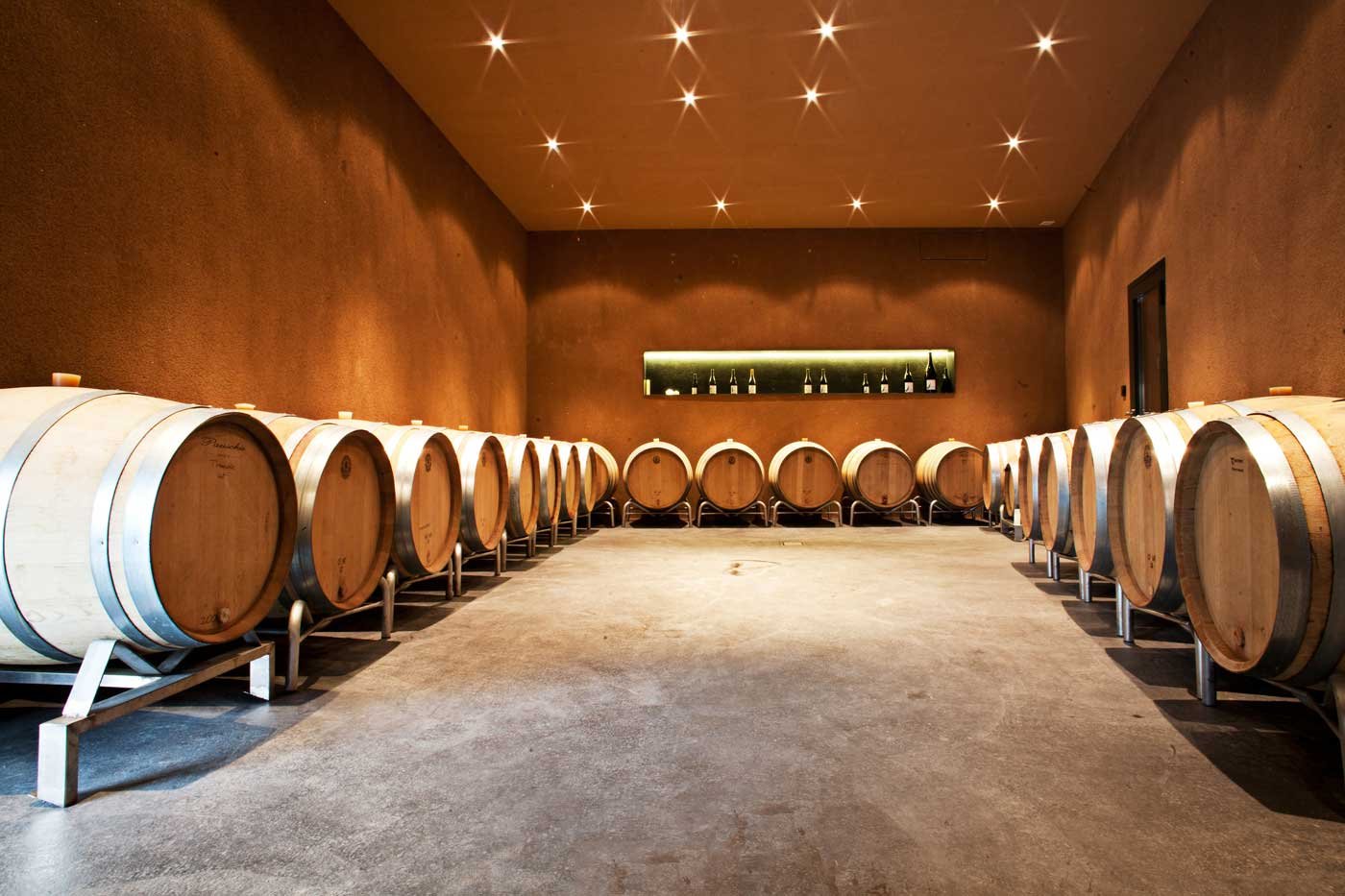
A handful of restaurants in Europe manage to hold two timelines simultaneously, the agricultural past of a region and the culinary present it has grown into. Torkel, on Hintergass in Vaduz, is one of them. The dining room is anchored by a preserved Torkel, the local dialect word for a wine press, a piece of working equipment from Liechtenstein's viticultural history that now sits as the room's centrepiece surrounded by modern furniture and clean sightlines. The conservatory section extends that dialogue further: the walls retract, the Rhine Valley opens up, and the vines outside become part of the room rather than scenery framed by glass. It is a spatial argument for continuity between land and table that many newer restaurants attempt with design mood boards and miss entirely.
Vaduz is a small capital in a small country, but the dining culture here has developed with a seriousness that reflects both Swiss proximity and the local wine tradition. For a fuller picture of what the city offers across every category, see our full Vaduz restaurants guide, which maps the range from classic tables to contemporary formats.
The Cultural Weight of a Wine-Country Kitchen
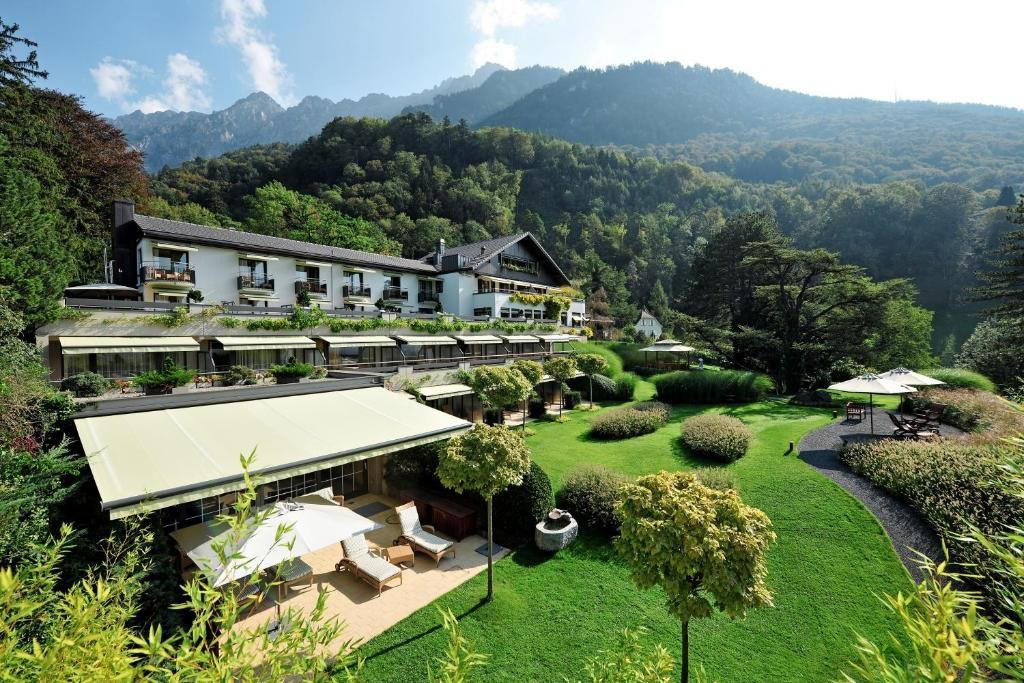
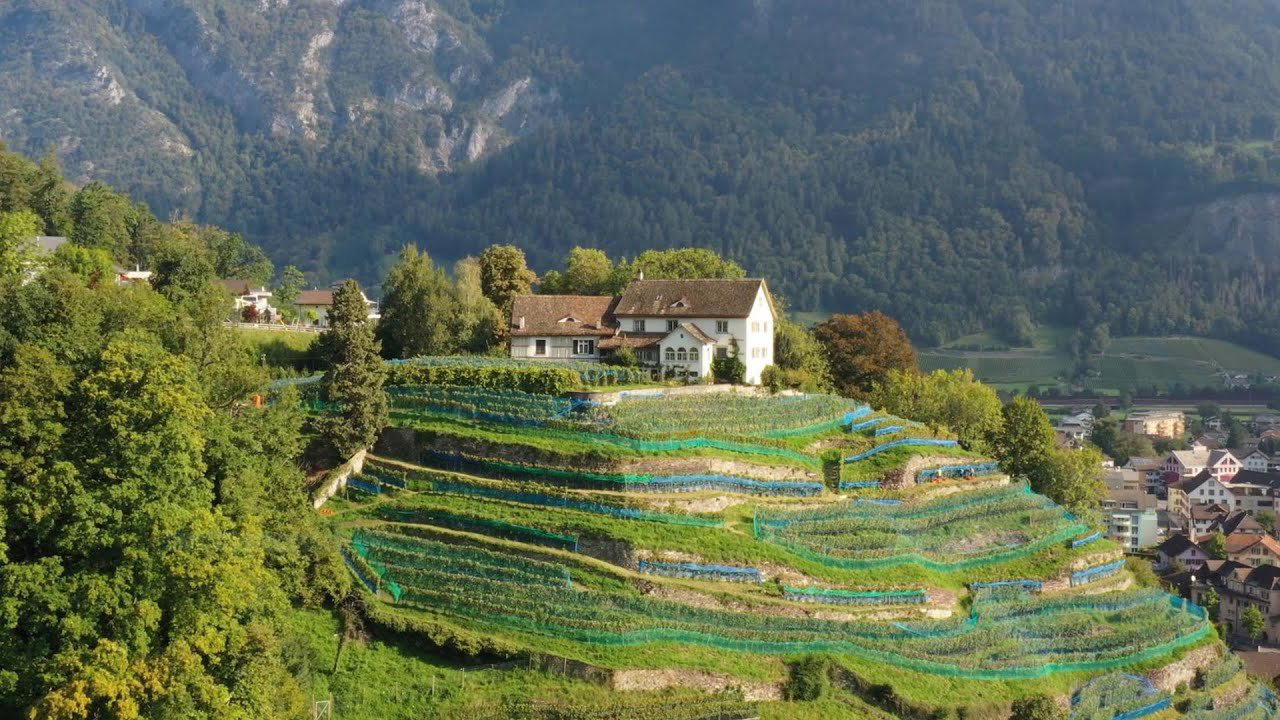
Liechtenstein sits within one of the Rhine Valley's lesser-discussed wine corridors. The principality produces Pinot Noir and Chardonnay on slopes above the valley floor, with vineyards visible from the road into town and, from Torkel's conservatory, from the table itself. Modern cuisine in this context carries a specific obligation: to engage with that agricultural identity rather than simply use it as backdrop. The approach at Torkel, as recognised by Michelin's 2024 one-star award, does exactly that. The kitchen works with high-quality produce and balances flavours without overcomplicating the architecture of a dish, a discipline that fits the region's character better than the maximalist tendencies that have run through European fine dining for much of the past two decades.
The front-of-house team at Torkel is noted specifically in the Michelin citation for wine recommendations, with an emphasis on local producers. This matters in a country where the wine programme at a serious restaurant is one of the more direct ways a kitchen communicates its relationship to place. Liechtenstein's wine output is small and rarely exported, which makes a table here one of the few practical access points to these bottles for visiting guests. If you want to extend that exploration beyond a single dinner, our full Vaduz wineries guide covers the region's producers in depth.
Modern Cuisine in a Small Capital
The term "modern cuisine" covers a wide range of ambition and execution. At the high end of the tier, as represented by Michelin-starred addresses like Frantzén in Stockholm or Maison Lameloise in Chagny, the category signals technical rigor, sourcing depth, and a defined culinary identity. Torkel operates within that continuum at a scale appropriate to Vaduz: a Michelin one-star in the $$$ price tier, with a service rhythm built around tightly framed lunch and dinner windows rather than the extended multi-hour formats of larger urban flagships.
Within Vaduz itself, the comparison set is narrow. Marée operates in the classic cuisine format at a similar price point, representing the more traditionally European side of fine dining in the capital. Torkel's positioning is deliberately contemporary, using the historical elements of the space as counterpoint rather than template. That tension, old press, modern plate, is part of what gives the restaurant a character that direct modern-European rooms in larger cities cannot replicate.
Internationally, the modern cuisine category that Torkel belongs to includes addresses as varied as Cracco in Galleria in Milan, Agli Amici in Godia, and Chapter One by Mickael Viljanen in Dublin. The award credential places Torkel in verifiable company, even if the setting, a capital city of roughly 5,000 people, is unlike any of those peers.
The Dining Format and What to Expect
Torkel runs a structured weekly schedule. Lunch service, from 12 PM to 1:30 PM, operates Tuesday through Friday. Dinner service, from 6:30 PM to 8:30 PM, runs Tuesday through Saturday. The restaurant is closed Sunday and Monday. The compressed service windows, particularly the 90-minute lunch slot, indicate a kitchen operating to precise timing rather than an open-ended table pace. Guests planning a visit should account for that rhythm when booking, particularly at dinner where the 6:30 PM to 8:30 PM frame suggests a two-hour ceiling on the experience.
The $$$ price designation places Torkel at the upper end of Vaduz dining without reaching into the extended tasting-menu territory where per-head costs escalate significantly. For a capital with limited restaurant density, this positions it as the serious choice for a single destination dinner rather than a casual option to fit around other plans.
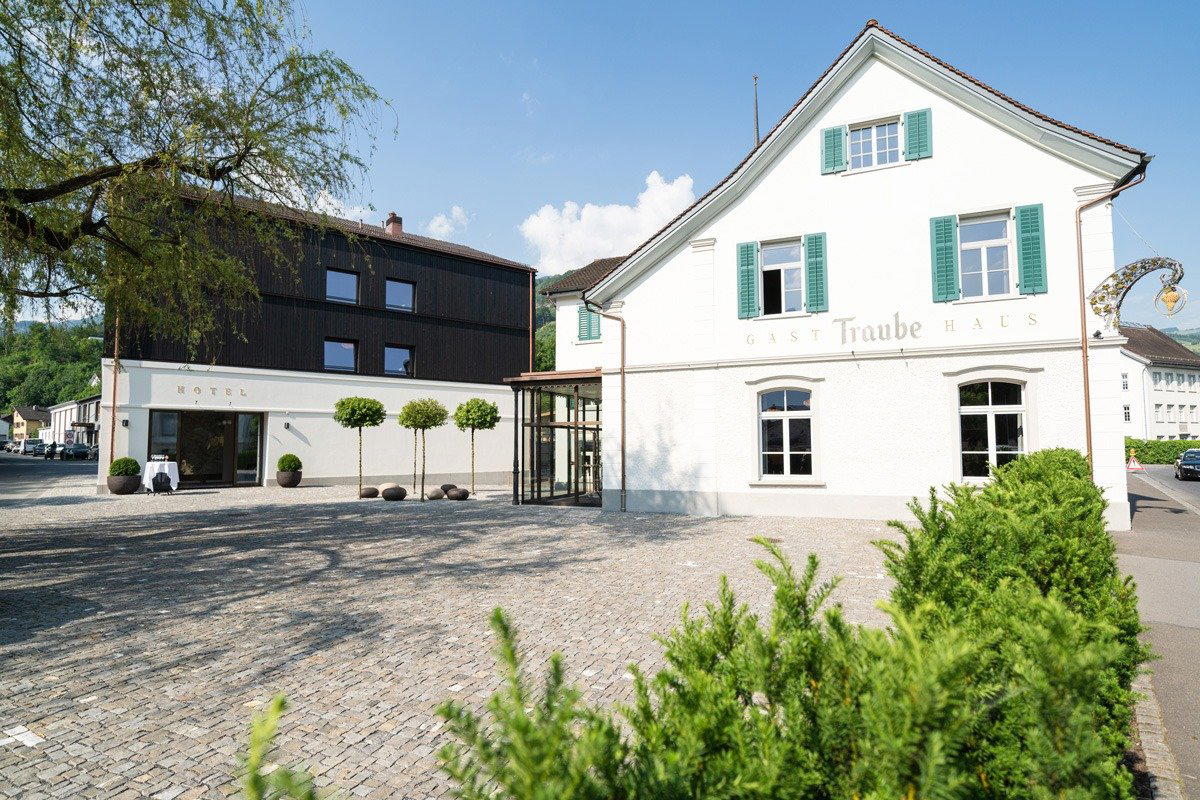
The restaurant is located at Hintergass 9 in Vaduz, a short walk from the main commercial street and the Vaduz Castle hillside. Vaduz is accessible from Zurich by train and bus in under 90 minutes, with connections through Sargans or Buchs. There is no direct train station in Vaduz itself; the most common approach for visitors staying nearby is to base in the town or cross from the Swiss side. For accommodation options in Vaduz, our full Vaduz hotels guide covers the available range. For bars and other evening options to bookend a dinner at Torkel, see our full Vaduz bars guide and our full Vaduz experiences guide.
What the Michelin Recognition Signals
A one-star in a country with a limited number of starred restaurants carries a different kind of weight than the same award in Paris or Tokyo, where the density of competition normalises the credential. In Liechtenstein, Michelin recognition functions as a signal that the kitchen is operating at a standard that would hold up in a larger culinary context, not merely that it is the leading available locally. The 2024 citation describes the produce as first-class and the flavour balance as harmonious, language that is precise rather than effusive in Michelin's register. The specific mention of the wine programme and the front-of-house team alongside the kitchen reflects an evaluation of the whole experience, not a narrowly technical assessment of the cooking.
That kind of whole-room quality, space, service, wine, kitchen, is what separates one-star tables from technically competent but atmospherically thin modern restaurants. The structural argument of Torkel's room, with its wine press and retractable conservatory overlooking working vines, reinforces rather than contradicts the cooking's ambitions. Similar regional-identity anchoring appears in venues like Bartholomeus in Heist and Casadelmar in Porto-Vecchio, where the environment is not neutral backdrop but active argument. Torkel makes a similar case for why Liechtenstein's Rhine Valley deserves a serious table.
For those interested in how the modern cuisine category plays out in other wine-producing regions, Azafrán in Mendoza and Weinlaube in Schellenberg offer useful points of comparison. Further afield, Trescha in Buenos Aires and FZN by Björn Frantzén in Dubai and 11 Woodfire in Dubai represent the category in very different urban and geographic registers.
Frequently asked questions
What price level is Torkel?
Pricing at Torkel is listed as $$$.
Price and Positioning
| Venue | Cuisine | Price | Awards | Notes |
|---|---|---|---|---|
| TorkelThis venue (the venue you are viewing) | Modern European Fine Dining | Not listed | 1 Michelin Star · Wine Enthusiast Best Winery Restaurant 2026 | Not listed |
| Marée | Classic Mediterranean Fine Dining | $100–150 | Michelin Plate · Relais Chateaux Award | Classic Cuisine |
| Weinlaube | Classic Regional Alpine Cuisine | $50–100 | Michelin Plate | Classic Cuisine |
Recognition history
Dated appearances from independent guides and award organizations, with the underlying list record or original source where available.
Michelin 1 Star
Michelin
Wine Enthusiast Best Winery Restaurant 2026
Wine Enthusiast
Full recognition history (3 entries)
Michelin 1 Star
Michelin
Continue exploring
More in Vaduz
Restaurants in Vaduz
All restaurants in Vaduz →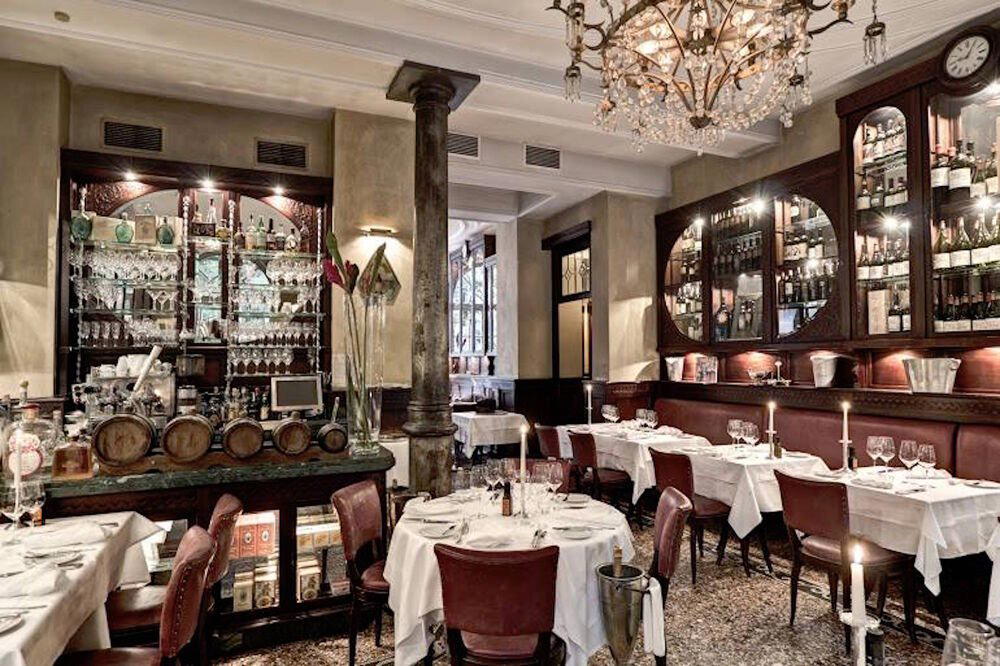
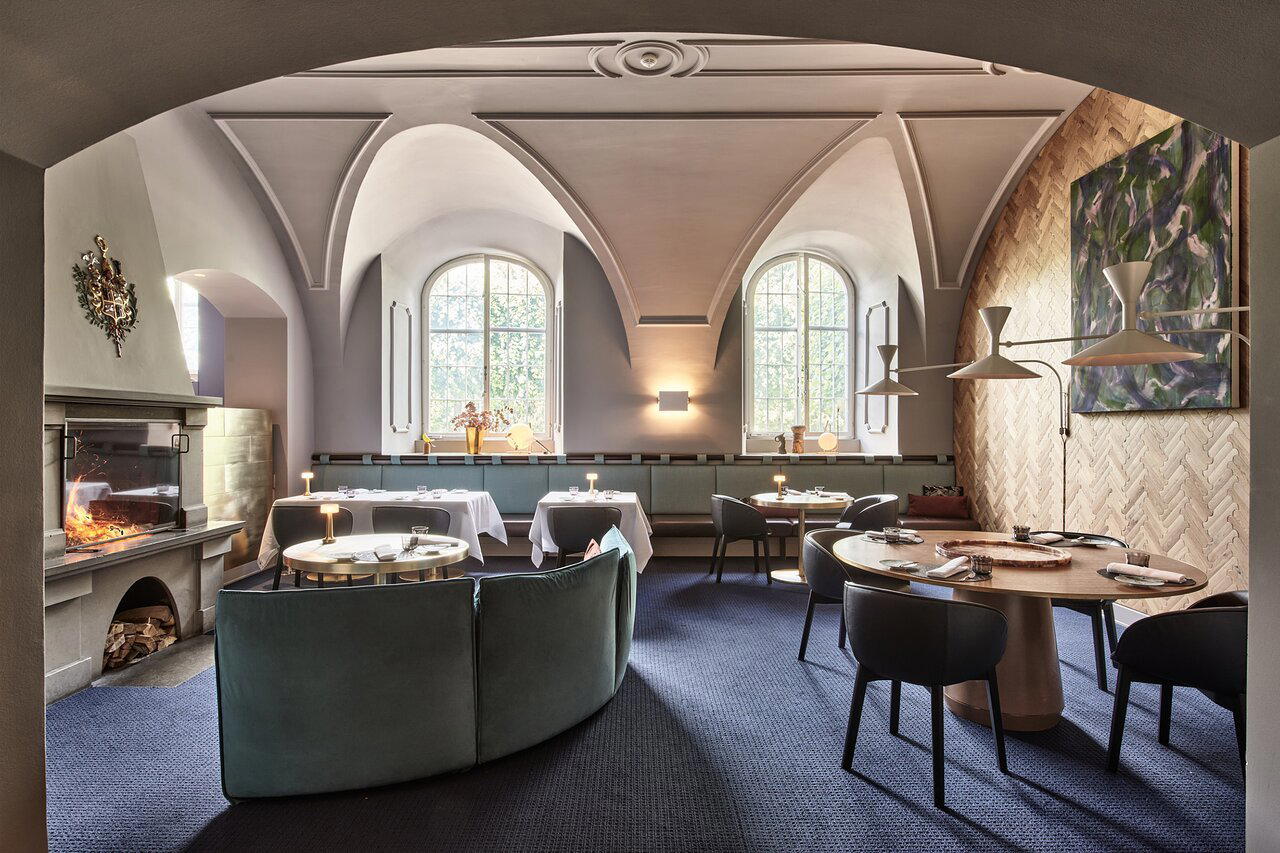
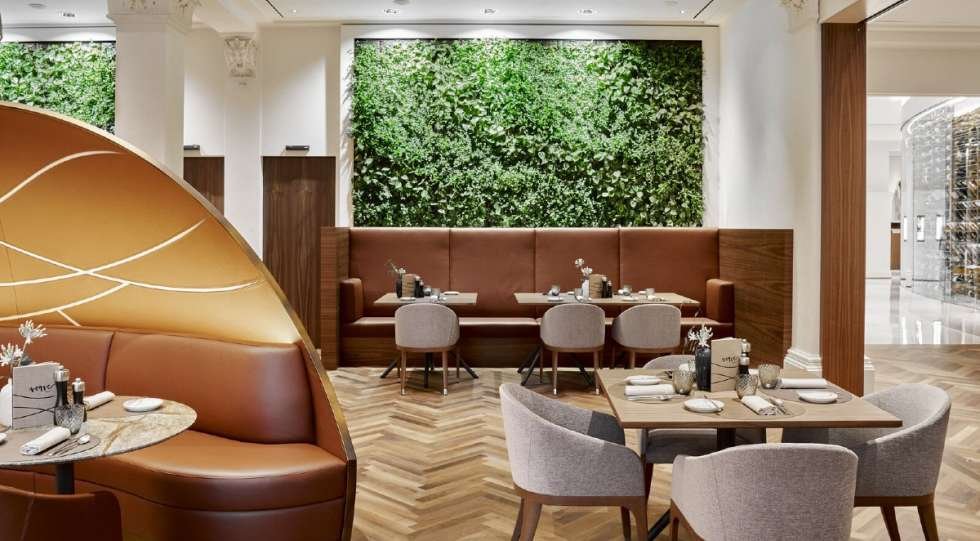
Bars in Vaduz
Browse all →

Details
- Elegant
- Cozy
- Modern
- Scenic
- Sophisticated
- Date Night
- Special Occasion
- Business Dinner
- Terrace
- Historic Building
- Panoramic View
- Extensive Wine List
- Farm To Table
- Local Sourcing
- Vineyard
- Mountain
- A La Carte
- Vegetarian Friendly
Current opening hours
- Monday
- Closed
- Tuesday
- 12–1:30 PM, 6:30–8:30 PM
- Wednesday
- 12–1:30 PM, 6:30–8:30 PM
- Thursday
- 12–1:30 PM, 6:30–8:30 PM
- Friday
- 12–1:30 PM, 6:30–8:30 PM
- Saturday
- 6:30–8:30 PM
- Sunday
- Closed
Hours can change for holidays and private events. Hours as of .
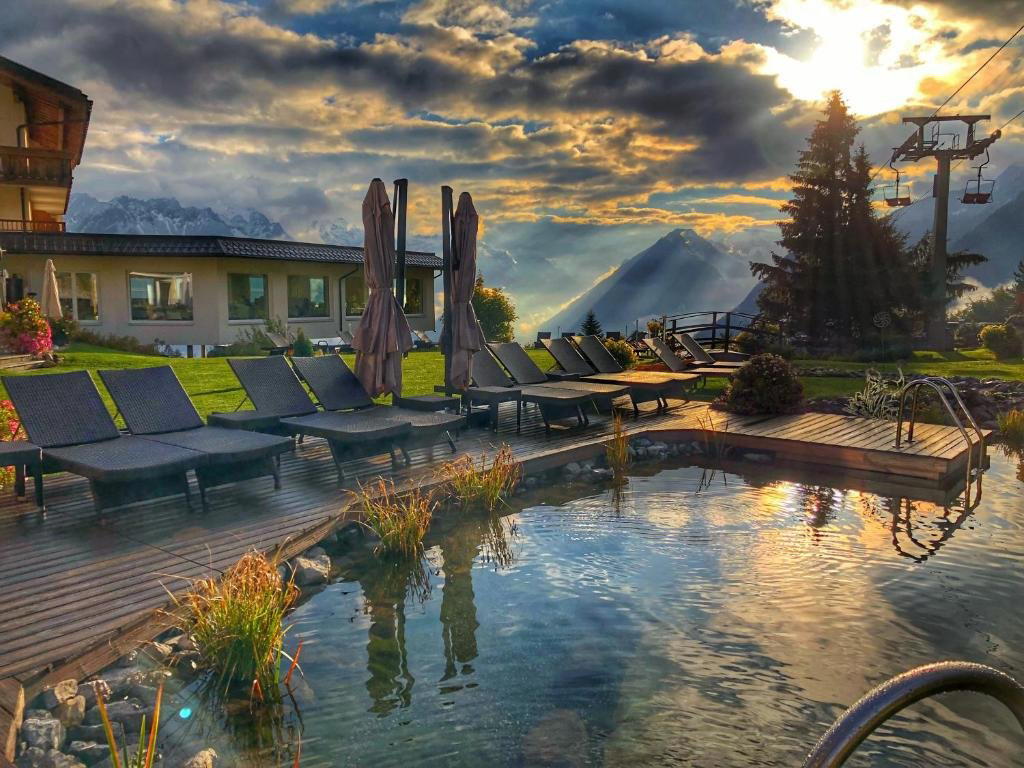
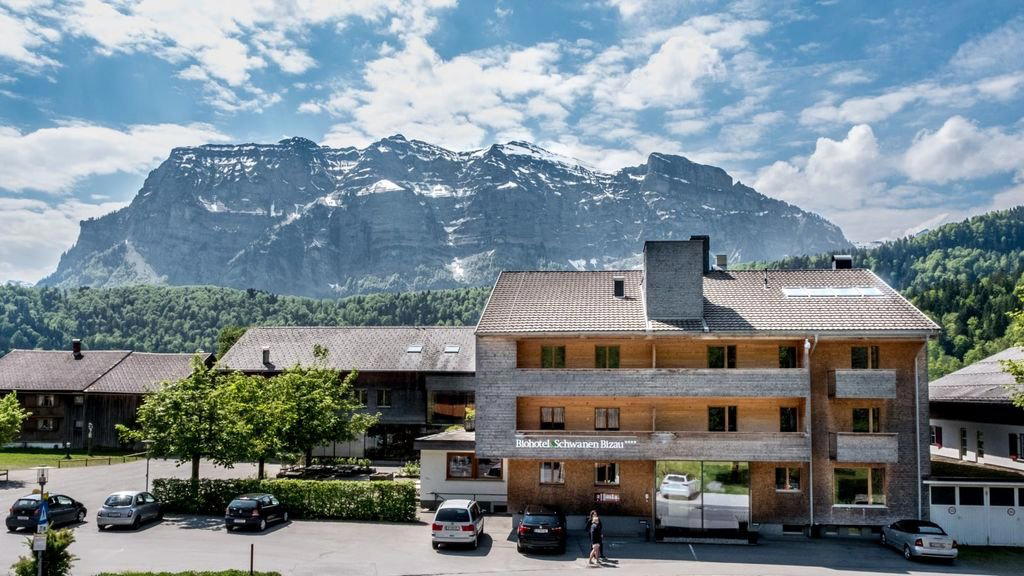
Elegant blend of historical elements like a preserved old wine press with modern decor, creating a serene, inviting atmosphere enhanced by vineyard surroundings.