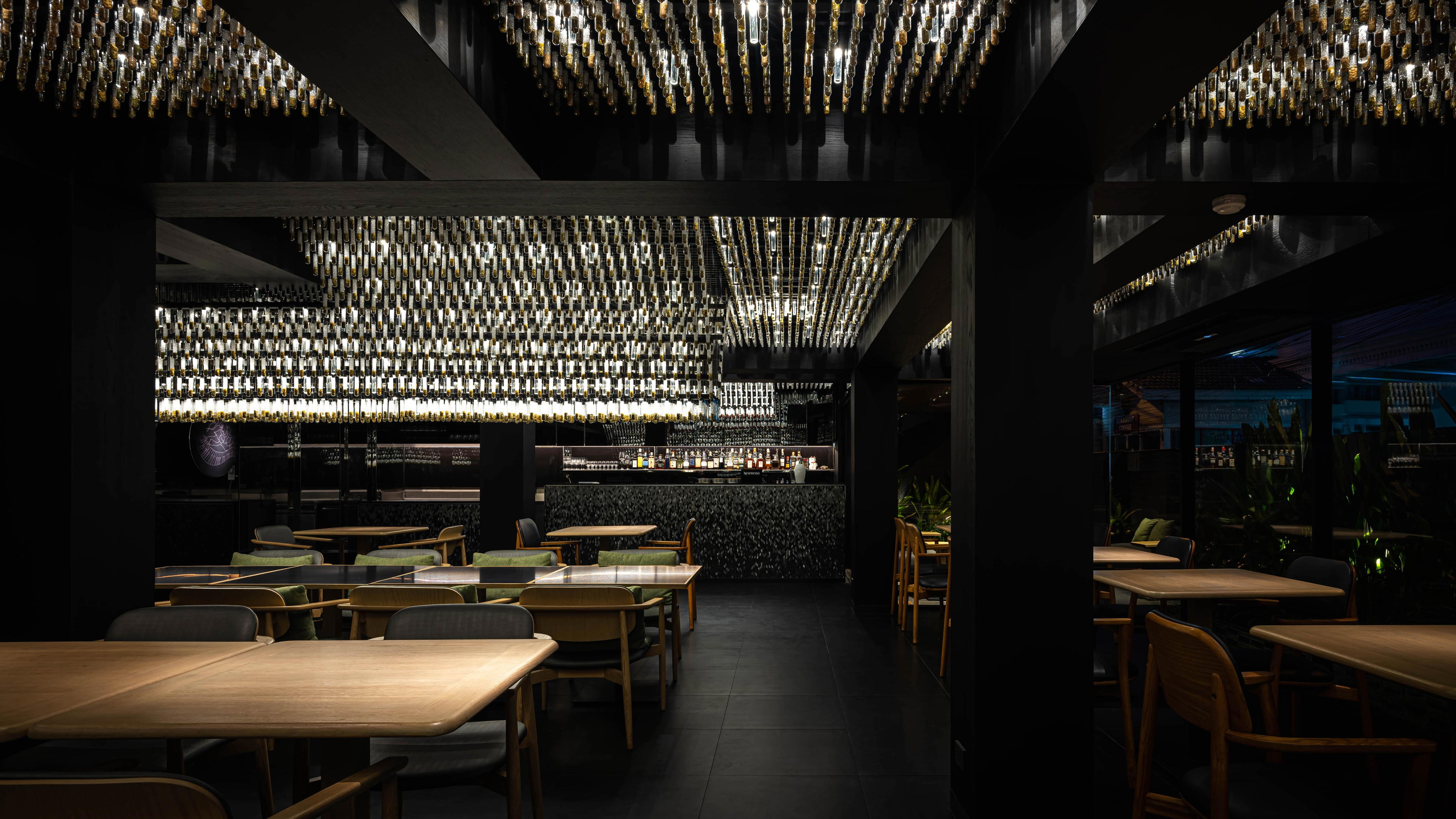
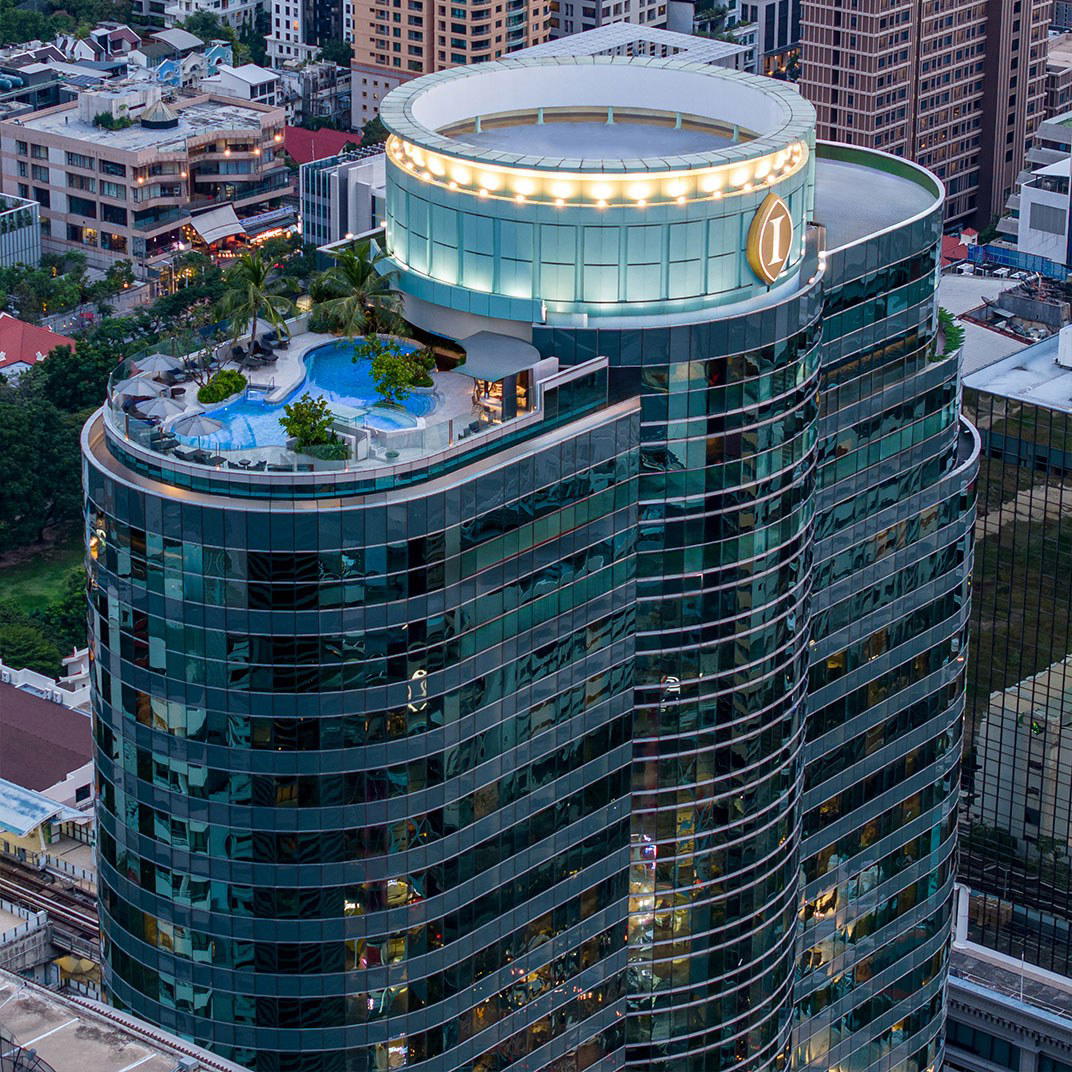
Salvia sits inside the Grand Hyatt Erawan Bangkok on Rajdamri Road, positioning it squarely within the upper tier of hotel dining on one of the city's most commercially dense corridors. The address places it alongside Bangkok's more formal international restaurant set, where cellar depth and service structure carry as much weight as the plate.
Pearl is the En Primeur Club membership app — saves, bookings, and concierge access live there. Same editors, same standards.
- Address
- Grand hyatt Erawan Bangkok 494 Rajdamri Road Khwaeng, Lumphini, Bangkok 10330, Thailand
- Phone
- +6622541234
- Website
- hyatt.com
- Directions
- Get directions
 Saves & bookings on Pearl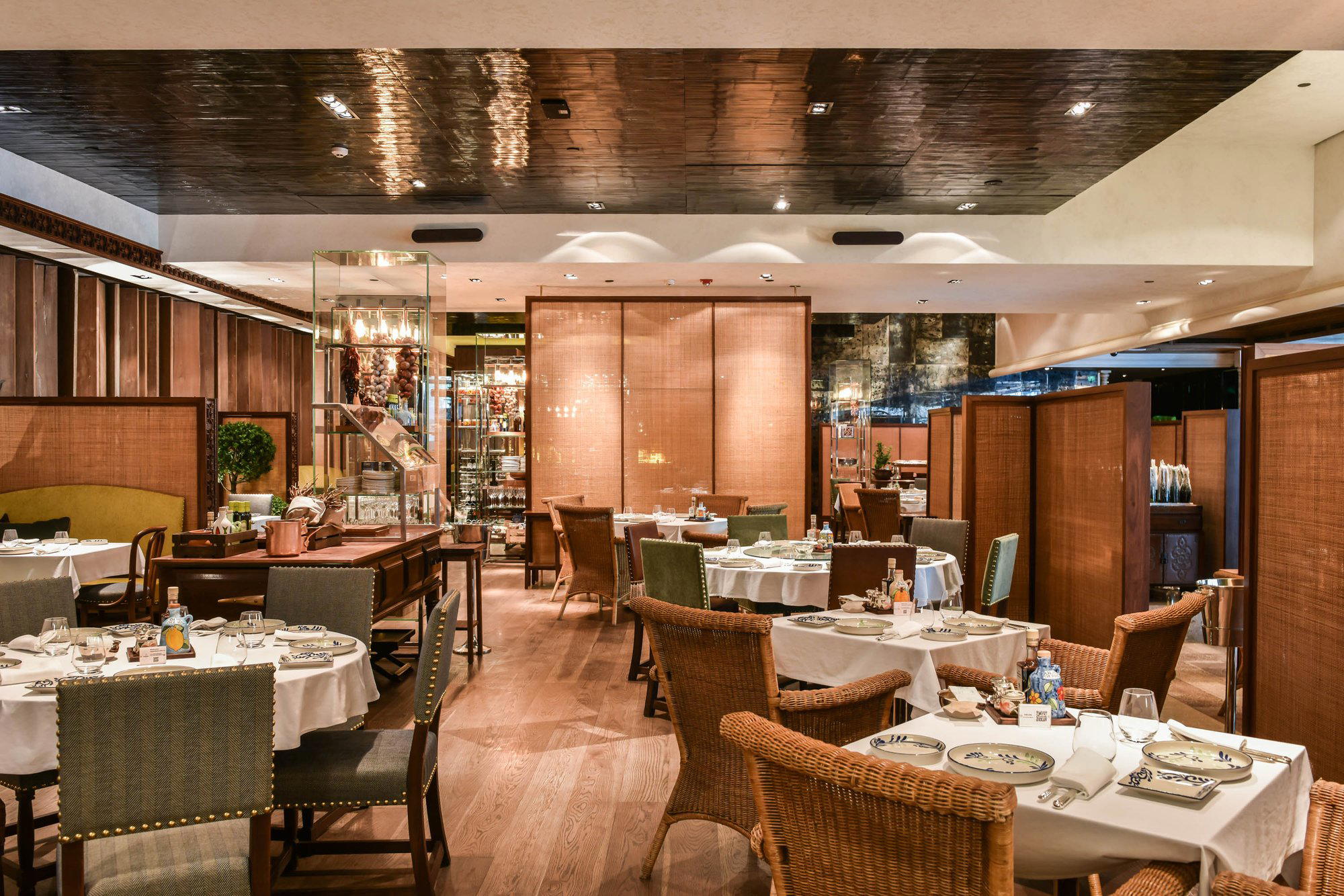
Rajdamri Road and the Hotel Dining Tier It Anchors
Bangkok's hotel dining scene has sorted itself into a clearer hierarchy over the past decade. At the leading end, a handful of addresses inside large international properties operate less like hotel restaurants and more like standalone fine-dining destinations with rooms attached. The Grand Hyatt Erawan on Rajdamri Road occupies that upper bracket by location alone: the Erawan Shrine sits at the junction outside, one of the city's most visited sites, and the surrounding blocks house embassies, luxury retail, and the kind of foot traffic that international business travel generates. Salvia, the Italian-leaning restaurant within the property, draws directly from that positioning.
Rajdamri Road connects Rama I to Ploenchit, running along the eastern edge of Lumphini Park. The immediate area is not a neighbourhood in the organic sense that Ekkamai or Ari are, it is a commercial and diplomatic corridor where venue reputation is built on consistency and formal service rather than on neighbourhood character or culinary provenance. Diners arriving here typically arrive with expectations shaped by international hotel standards, and the competitive set for a restaurant like Salvia is less the street-food density of Yaowarat and more the formal dining rooms at other five-star properties across Sukhumvit and Silom.
The Wine Argument in Bangkok Hotel Dining
In the Bangkok fine-dining tier, wine programs have become one of the clearest differentiators between venues that operate as serious restaurants and those that function primarily as hotel amenities. At the level where properties like the Grand Hyatt Erawan compete, the cellar is expected to do more than carry recognisable labels at a markup. Peer hotel dining rooms across the city, particularly those in the Michelin-tracked bracket occupied by venues like Côte by Mauro Colagreco and Sühring, have moved toward structured wine pairings and sommelier-led service as standard components of the dining format rather than optional add-ons.
Italian restaurants carry a particular wine responsibility. Italian wine is among the more regionally fractured categories in the world: the gap between a well-sourced Barolo from a serious Piedmontese producer and a generic label sharing the same appellation is not marginal. For a restaurant bearing an Italian identity in this price tier, the cellar's ability to navigate that complexity, Nebbiolo from the Langhe, Sangiovese across Tuscany's sub-appellations, Fiano and Greco di Tufo from the south, signals where the kitchen's ambitions actually sit. A list that leans on Super Tuscans and Pinot Grigio alone tells one story; a list that works vertically through producers and vintages tells another.
Bangkok's import infrastructure has improved considerably, and the leading hotel cellars in the city now hold inventory that would be competitive in comparable properties in Singapore or Hong Kong. The logistical question for any Bangkok dining room operating at this level is less about access to good wine and more about whether the team can articulate why a given bottle belongs on that list. That's a staffing and training question as much as a procurement one, and it's where the better hotel restaurants in the city have invested meaningfully in recent years.
Where Salvia Sits Against Bangkok's Italian and European Set
Bangkok's European fine-dining circuit is narrower than its Thai-cuisine tier, which has accumulated significant critical mass through venues like Sorn in the southern Thai register and Baan Tepa in the contemporary Thai bracket. Italian specifically occupies a middle position in the city's dining culture: it is familiar enough to anchor hotel dining rooms, but rarely the format through which Bangkok restaurants accumulate serious critical recognition. The Michelin Guide's Bangkok chapter has directed most of its starred recognition toward Thai, Japanese, and hybrid modern-Asian formats. European restaurants at the hotel level tend to compete on consistency, service depth, and wine over culinary novelty.
That competitive positioning is neither a weakness nor a strength on its own, it depends on execution. Venues like Gaa have demonstrated that non-Thai formats can earn serious recognition in Bangkok when the cooking has a distinct point of view. The question for any European hotel restaurant is whether it operates with that kind of specificity or settles into the broader luxury-hotel-Italian category that international brands replicate across cities. The address on Rajdamri places Salvia in the formal upper tier; what happens inside determines which side of that line it lands on.
Planning a Visit: What the Address Requires
The Grand Hyatt Erawan sits at 494 Rajdamri Road, directly accessible from the Ratchadamri BTS station on the Silom Line. For visitors working through Bangkok's broader fine-dining circuit, the Rajdamri corridor connects efficiently to the Silom and Sathorn dining clusters.
Booking ahead is recommended. Dress expectations at this address align with the standard for formal hotel dining in Bangkok: smart casual is the baseline, and the room will read formal enough that underdressing is distinctive. Thailand's dining culture does not carry the strict jacket requirements of some European equivalents, but the Grand Hyatt Erawan's standard is distinctly above the relaxed dress norms of the city's mid-range market.
PRU in Phuket to AKKEE in Pak Kret, and international reference points like Le Bernardin in New York City and Atomix in New York City illustrate the global tier against which Bangkok's leading dining rooms increasingly measure themselves.
Reputation First
Comparable venues nearby, for context on price, style, and recognition.
| Venue | Cuisine | Price | Awards | Notes |
|---|---|---|---|---|
| SalviaThis venue — the venue you are viewing | Italian Osteria with Wood-Fired Pizza and Handmade Pasta | $$$ | Not listed | Not listed |
| Biscotti | Authentic Italian Fine Dining | $$$ | Not listed | Siam Square |
| Nonna Nella by Lenzi | Traditional Italian Pizza & Pasta | $$$ | Not listed | Suan Lumphini |
| Giglio Trattoria Fiorentina | Authentic Tuscan Trattoria | $$$ | Michelin Plate | Bang Rak Khwaeng |
| #FindTheLockerRoom | Cocktail Bar with Dim Sum | $$$ | Not listed | Watthana Khwaeng |
| Cento | Modern Italian Trattoria | $$$ | Not listed | Si Lom |
Continue exploring
More in Bangkok
Restaurants in Bangkok
Browse all →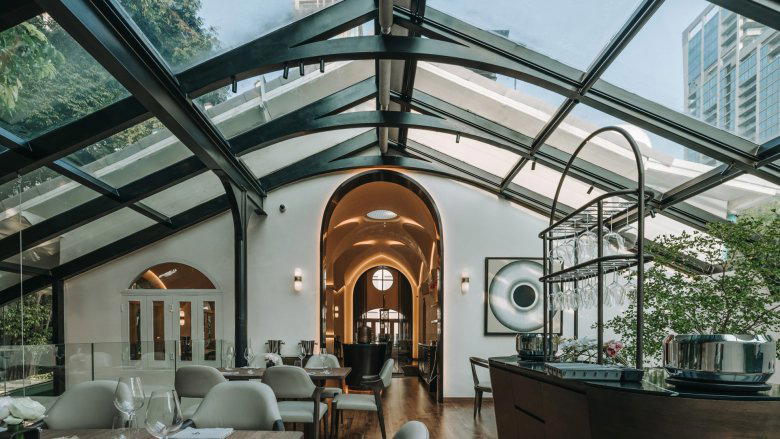
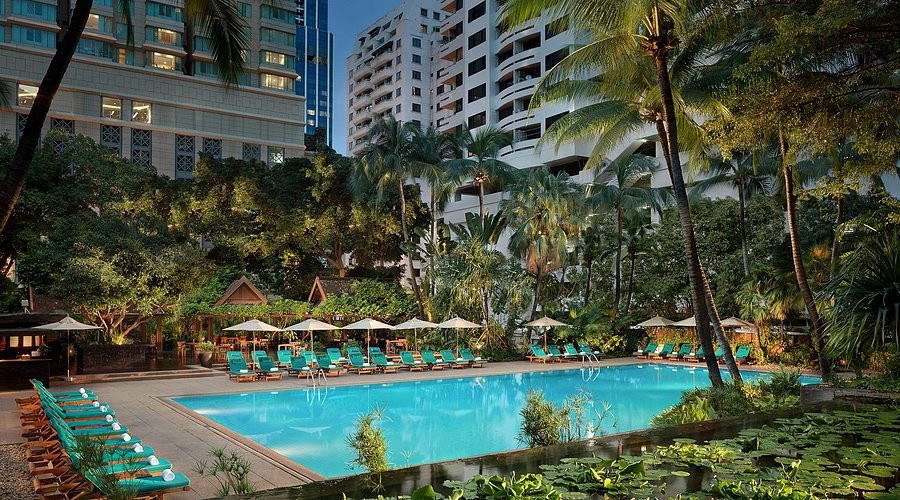
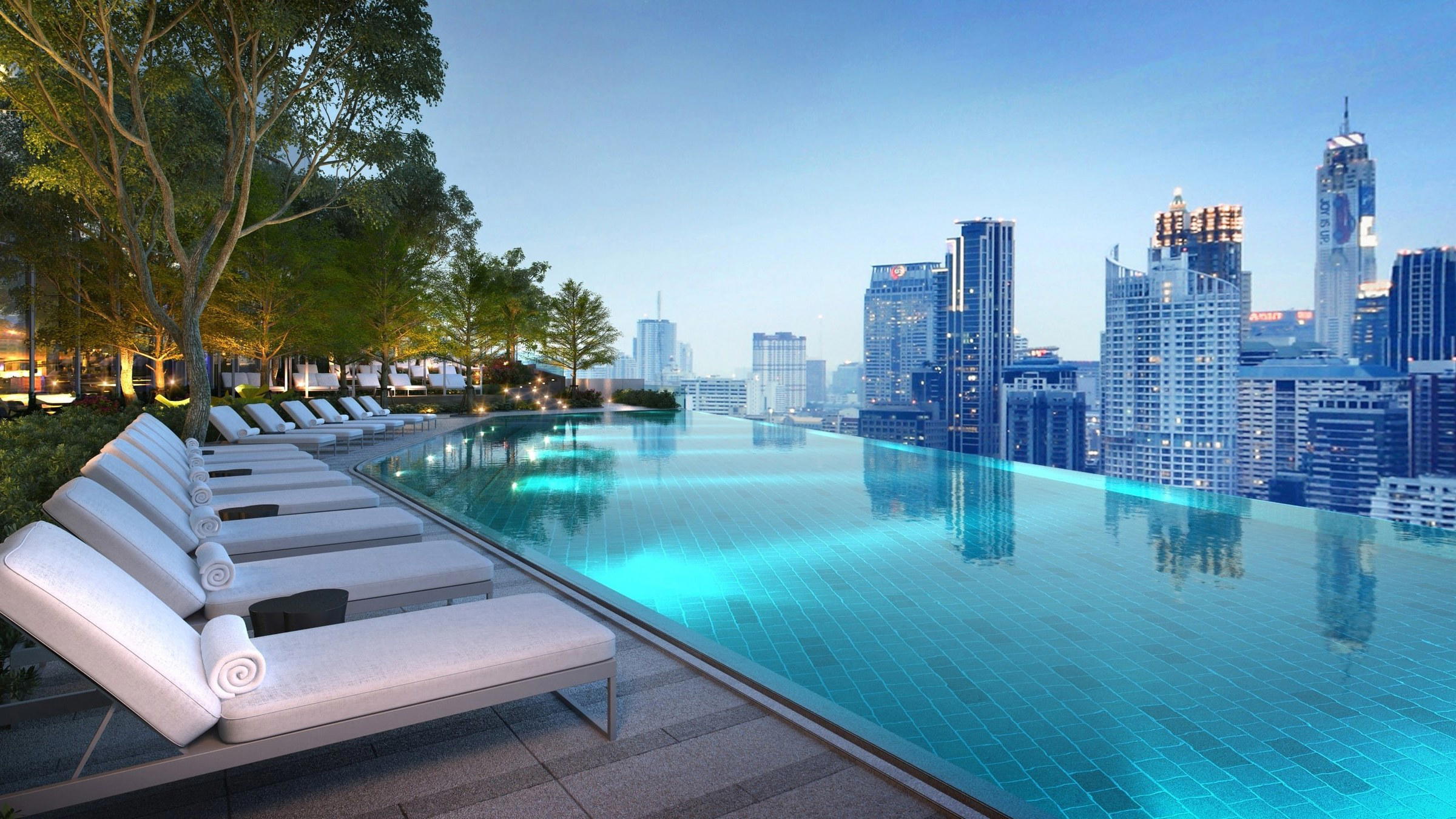
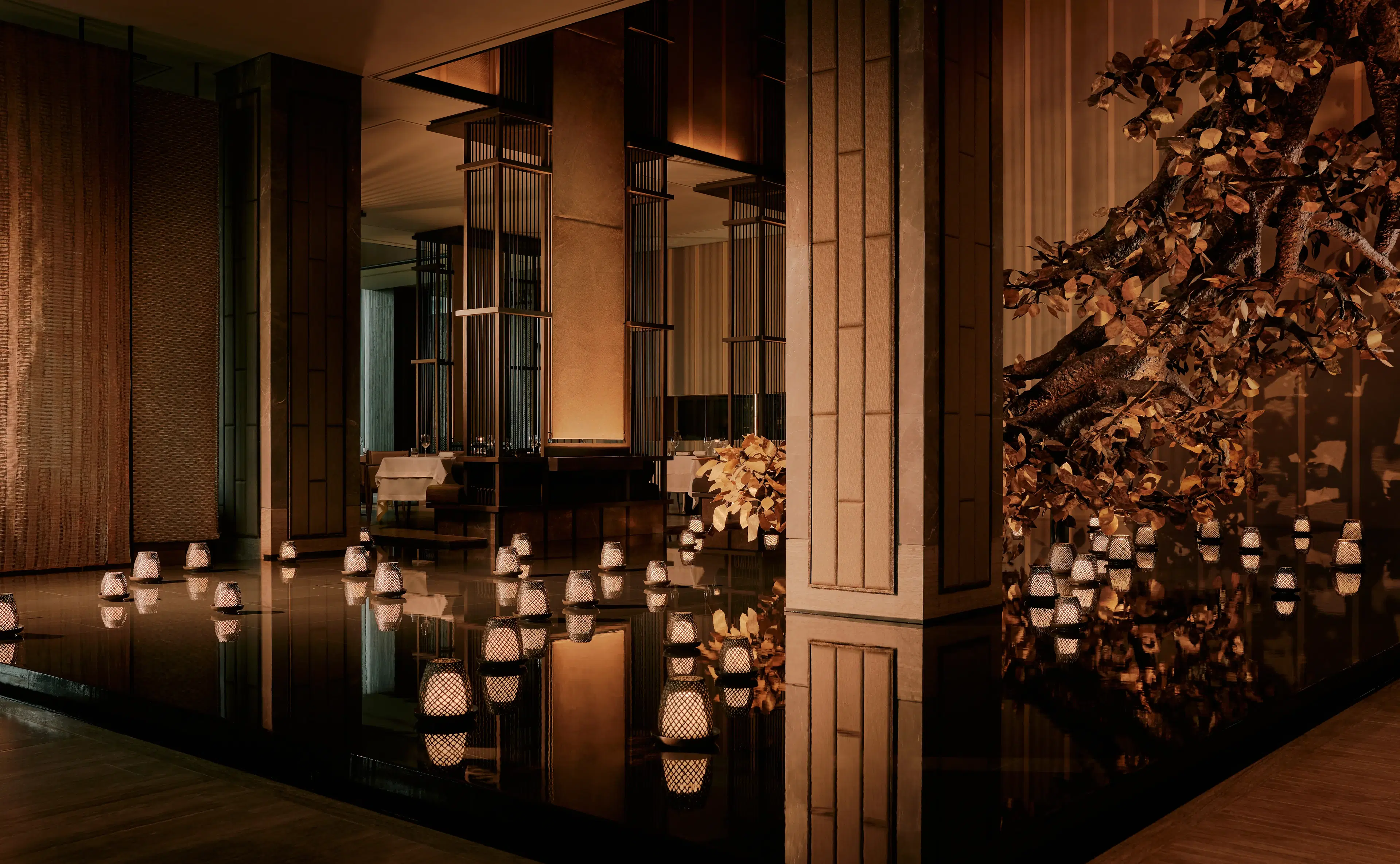
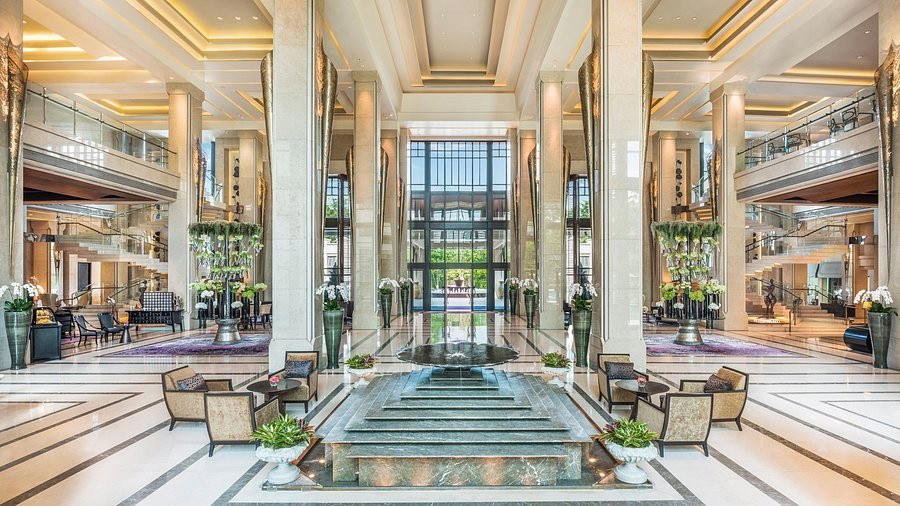
At a Glance
- Cozy
- Elegant
- Intimate
- Date Night
- Family
- Group Dining
- Casual Hangout
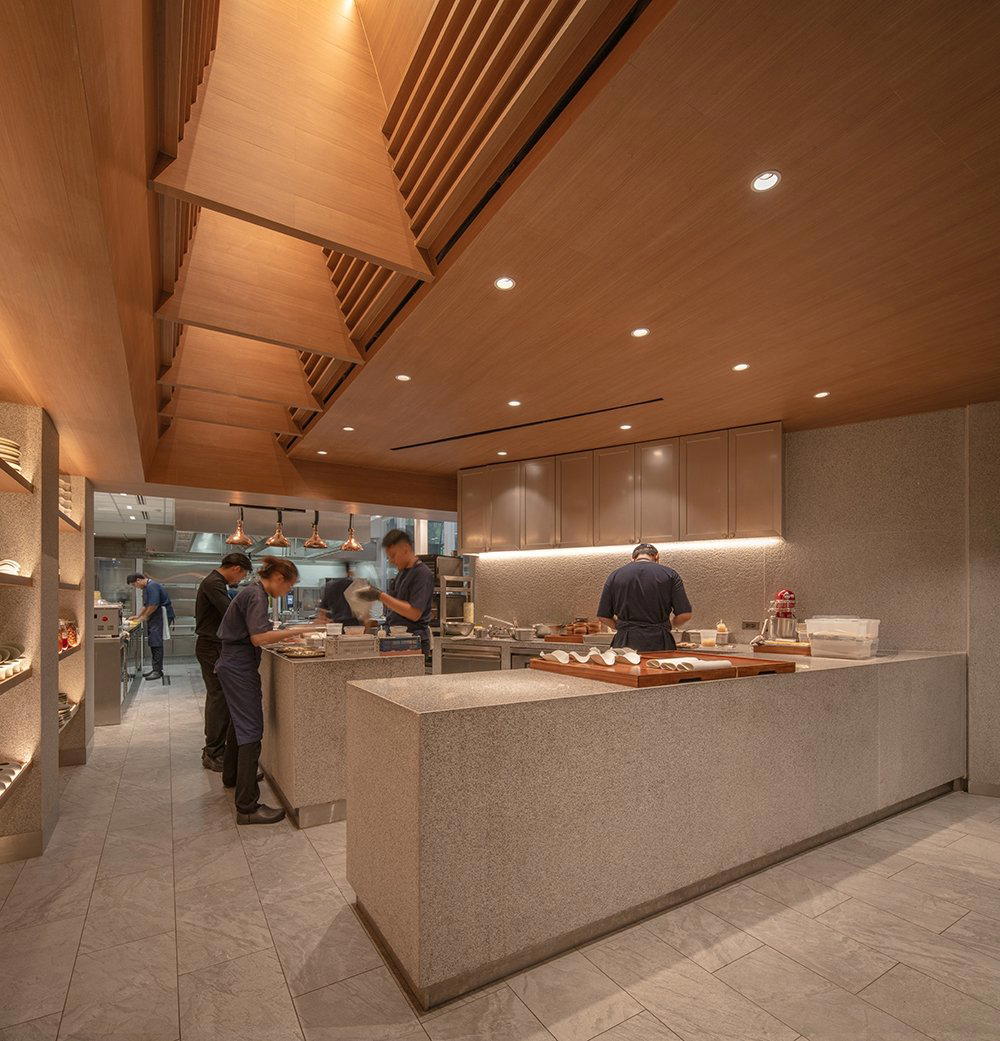
- Hotel Restaurant
- Open Kitchen
- Extensive Wine List
- Craft Cocktails
- Local Sourcing
Current opening hours
- Monday
- 11:30 AM–2:30 PM, 5:30–10 PM
- Tuesday
- 11:30 AM–2:30 PM, 5:30–10 PM
- Wednesday
- 11:30 AM–2:30 PM, 5:30–10 PM
- Thursday
- 11:30 AM–2:30 PM, 5:30–10 PM
- Friday
- 11:30 AM–2:30 PM, 5:30–10 PM
- Saturday
- 11:30 AM–2:30 PM, 5:30–10 PM
- Sunday
- 11:30 AM–2:30 PM, 5:30–10 PM
Hours can change for holidays and private events. Last verified .
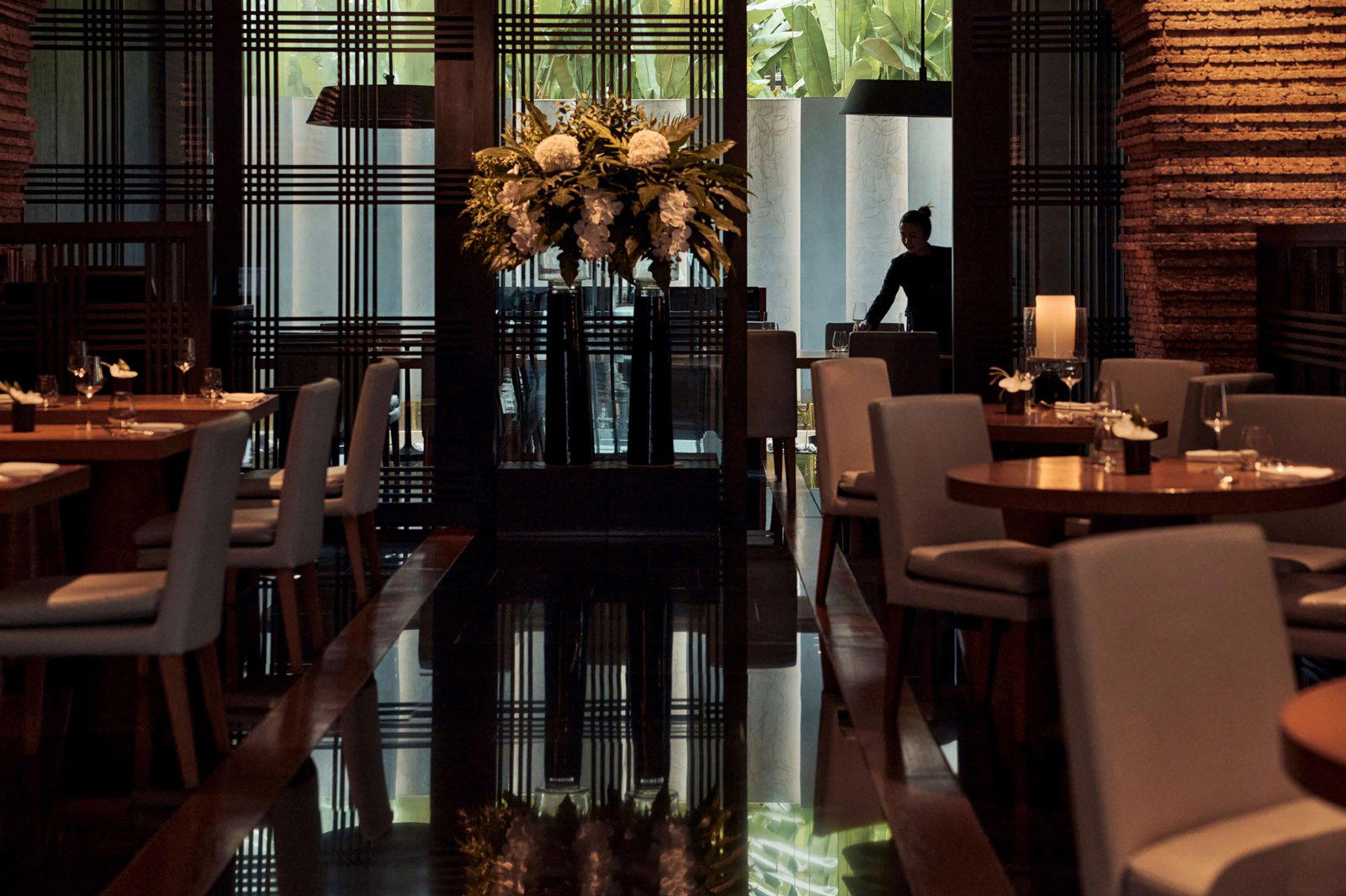
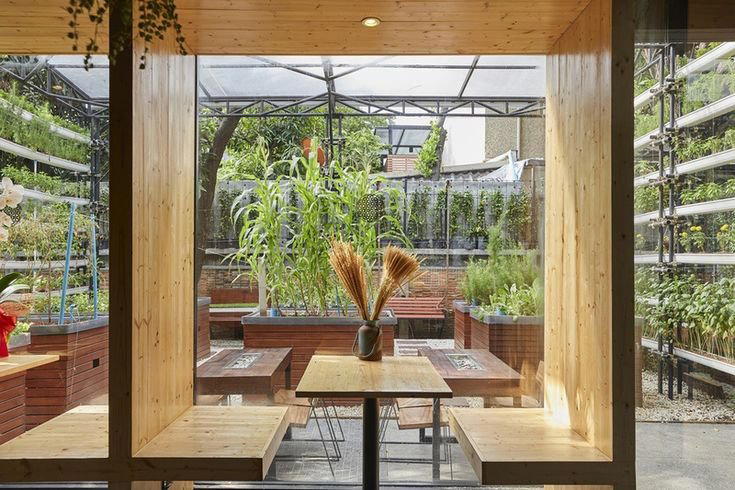
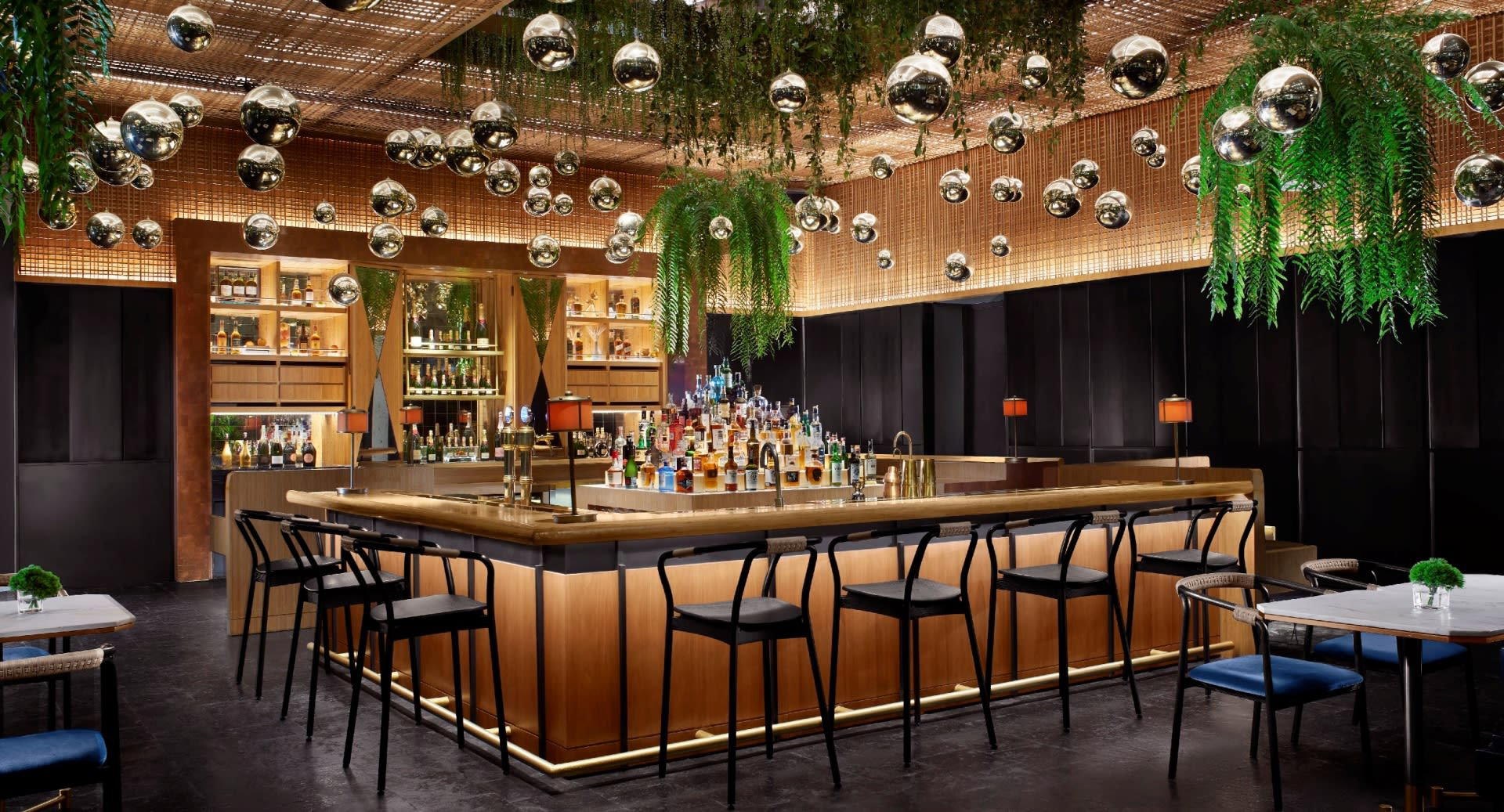
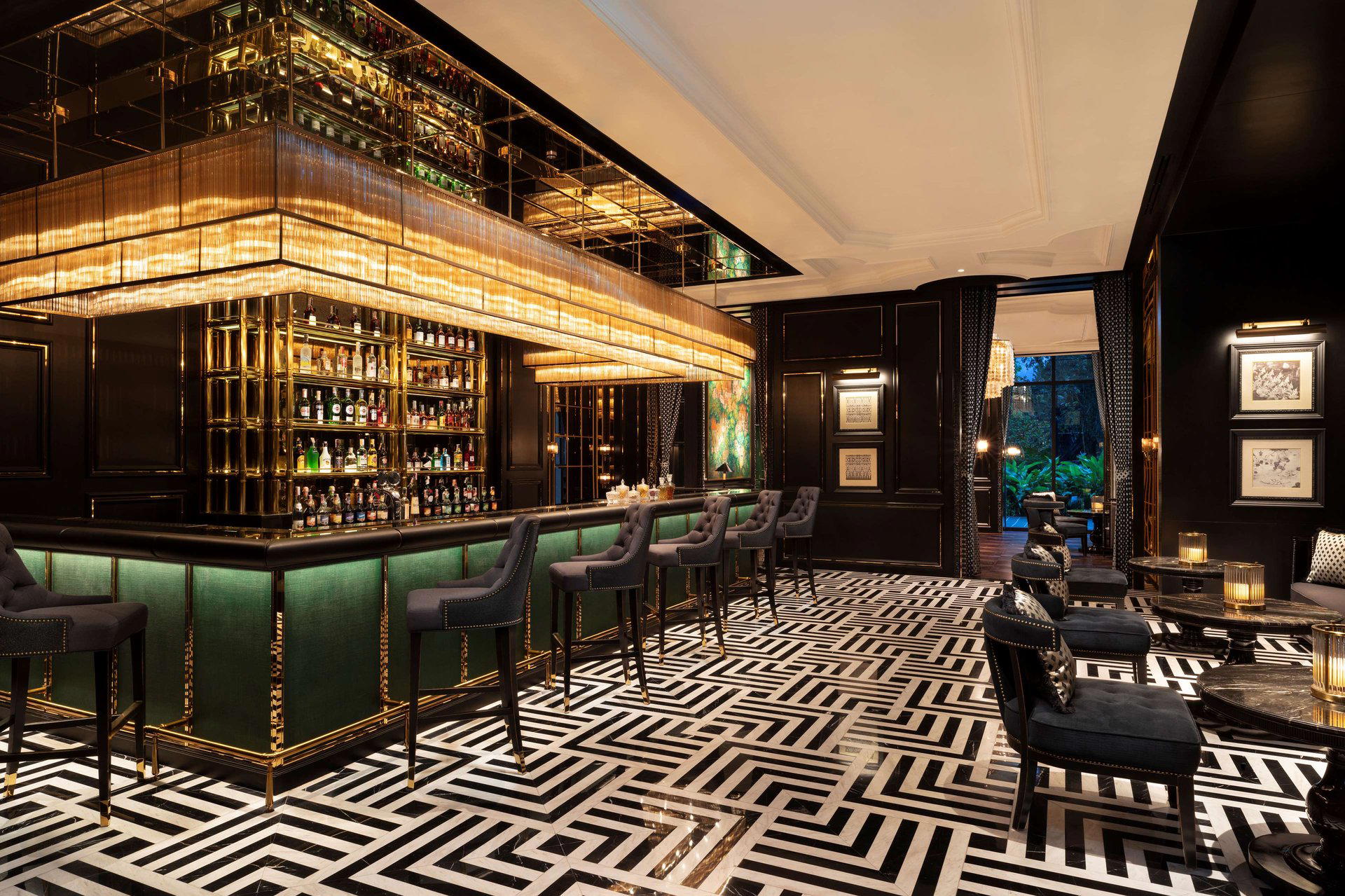
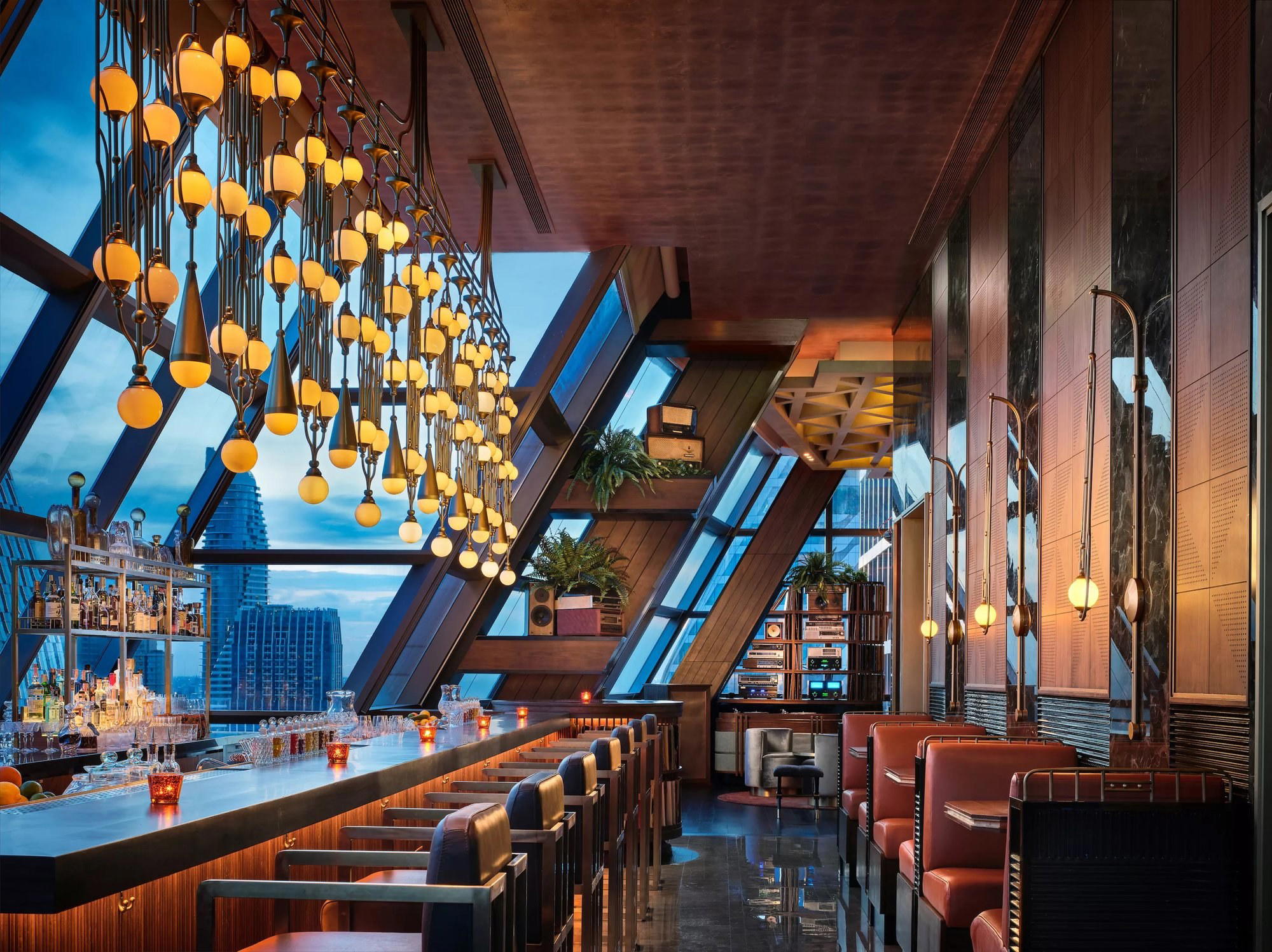
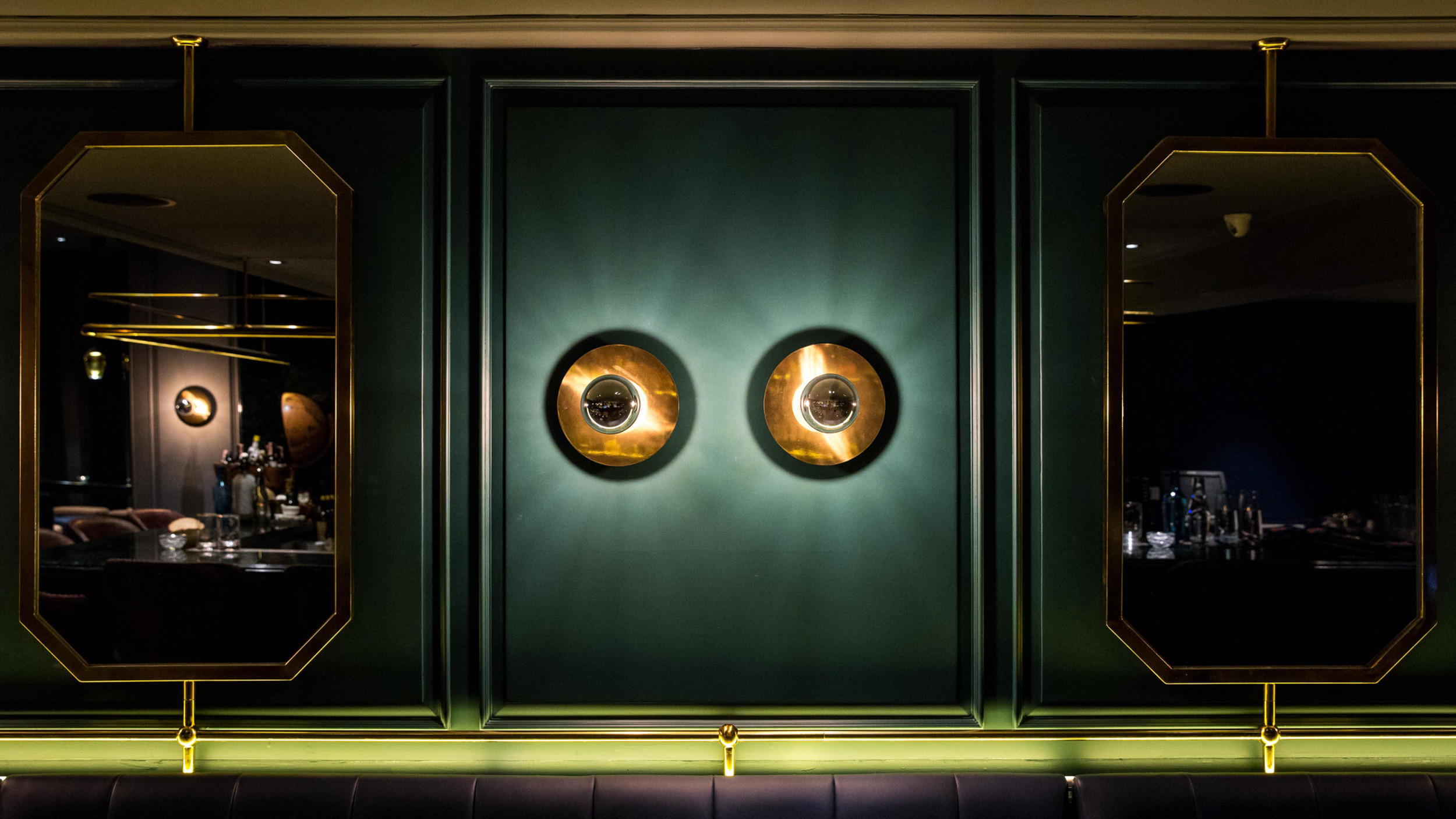
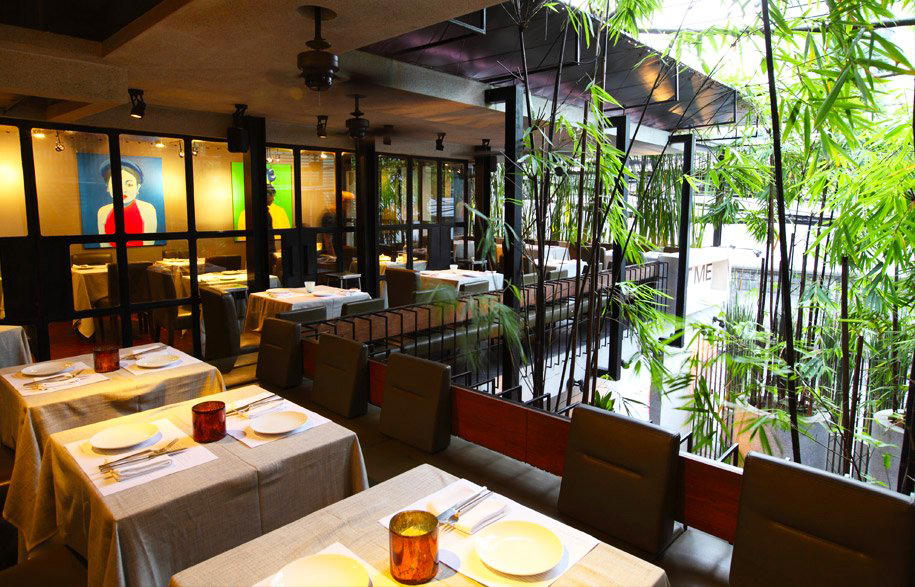
Relaxed casual chic atmosphere with quiet background music, warm lighting, and a friendly neighborhood osteria vibe.