


Michelin Bib Gourmand · Tabelog Bronze #474
Our verdict
Torishige belongs to Tokyo’s older pork-skewer tradition, where postwar street-stall habits, offal grilling, and counter culture carry as much weight as polish. Its value lies less in luxury cues than in continuity: a lineage tied to motsuyaki, rare cuts, and a format that has earned Michelin Bib Gourmand recognition and repeat attention from Opinionated About Dining.

Pearl is the En Primeur Club membership app — saves, bookings, and concierge access live there. Same editors, same standards.
- Address
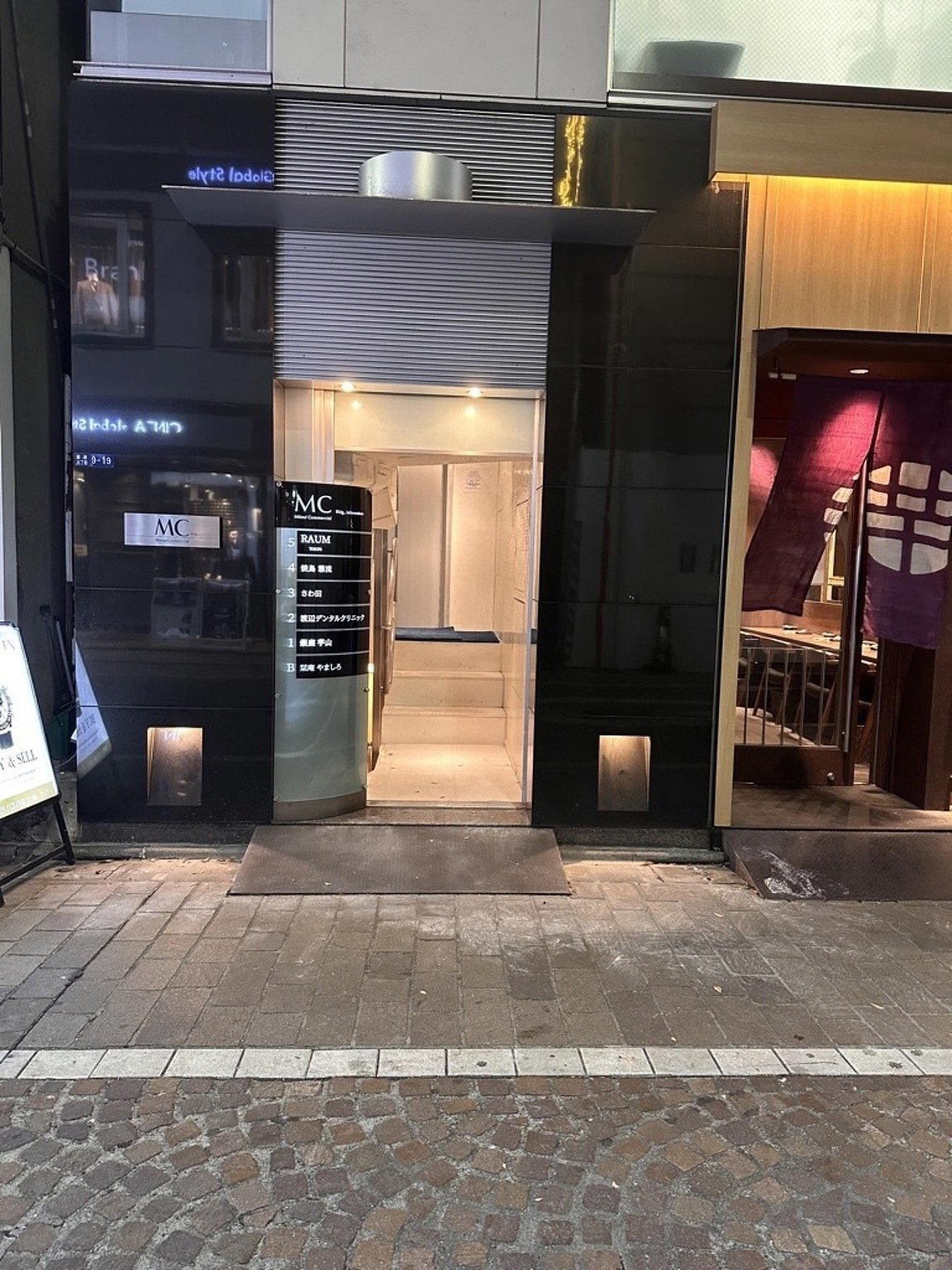
- 2 Chome-9-17 Shinbashi, Minato City, Tokyo 105-0004, Japan
- Phone
- +81 3-3508-9532
- Hours
- Mon–Sat 5–11:30 PMSun Closed
- Website
- torishige.com
- Directions
- Get directions
- Booking
- Book on the venue's website
The menu
What to order
- Pork liver skewers
- Wagyu beef
- Tsukune
- Shiro (white meat)
- Raw pork
- Congee
Tokyo’s grilled-skewer rooms are rarely ceremonially quiet. Their rhythm is practical: charcoal, orders in short bursts, regulars reading the room, and the old urban habit of eating meat from skewers rather than turning dinner into performance. Torishige sits in that lineage, a pork-focused counter tradition that predates the global shorthand in which yakitori usually means chicken. The point is not luxury theatre, but how much history, technique, and appetite can fit into a format built for after-work Tokyo.
The value proposition is unusually clear in a city where small counters can drift into trophy dining. Torishige’s reputation comes from endurance and specificity: Michelin Bib Gourmand recognition in 2024, Opinionated About Dining placements in 2023, 2024, and 2025, and Tabelog Bronze recognition in recent years. Those signals matter because pork and offal grilling rarely travel internationally with the prestige of sushi, tempura, or kaiseki. In Tokyo, the category has its own hierarchy, and Torishige belongs to the tier where diners pay for repetition, fire control, sourcing judgment, and an inherited grammar of cuts.
Pork skewers with postwar memory, not luxury signalling
Motsuyaki and pork-skewer cooking occupy a different emotional register from Tokyo’s formal dining traditions. They grew from working-city habits: quick protein, close seating, smoke, alcohol, and cooks who made inexpensive cuts feel deliberate. Torishige’s origin as a postwar food stall gives that context weight. The name carries a period clue: “Tori” reflects an older usage in which yakitori could refer to pork as well as chicken skewers, while “shige” nods to Shigeru Yoshida, Japan’s postwar prime minister. That etymology says more about the restaurant’s place in the city than a decorative origin story could.
The house customs also point to a category shaped by habit. Instead of chopsticks, two bamboo skewers are used, keeping the meal close to its street-stall logic. Meat-stuffed bell peppers are linked to the first generation. Beef arrived under the second generation. Rare cuts entered the vocabulary under the current chef, Yuji Sakamaki. This is not reinvention so much as continuity with controlled expansion: each generation added something while leaving the core grammar intact.
That matters because Tokyo’s grill culture rewards precision without asking every meal to become a tasting-menu argument. Pork cooking is unforgiving in a different way from seafood or wagyu. Texture, timing, fat rendering, and offal handling decide whether the meal feels generous or merely rustic. The better rooms in this category make a case for value through accumulated skill, not imported ingredients or elaborate plating. Torishige’s repeated recognition suggests its appeal sits there: common cuts cooked as if they deserve attention.
Why the spend makes sense in Tokyo's skewer economy
Tokyo visitors often misread value by comparing every counter to sushi. A pork-skewer dinner asks a different question: how much character can a kitchen draw from cuts that depend on heat, trimming, seasoning, and sequence rather than rarity alone? In that frame, Torishige offers a grounded form of value. The meal is not chasing imported glamour; it is built around a local eating tradition with decades of muscle memory.
The award history reinforces that position. Michelin’s Bib Gourmand category rewards quality at a more accessible level than starred dining, while Opinionated About Dining’s Japan listings point to recognition among serious eaters rather than casual popularity alone. Tabelog Bronze recognition adds a domestic signal, useful in Japan because local user and award ecosystems often capture category-specific devotion that international lists flatten. Together, these signals place Torishige in a rare lane: old-school enough to carry postwar identity, current enough to remain relevant under contemporary scrutiny.
The cooking tradition also explains why this room suits certain travelers better than a formal counter. Diners who want ceremony, hushed pacing, and a chef-led narrative may find the genre too direct. Diners who want Tokyo’s everyday sophistication, hidden inside narrow categories and inherited habits, will understand the appeal faster. Pork skewers, offal, stuffed vegetables, and beef additions speak to a city that makes room for practical pleasure alongside refinement.
There is also a useful lesson here about Tokyo dining culture in 2026. The city’s international reputation still leans on sushi counters, ramen queues, and French-inflected tasting menus, but its deeper strength is category density. A grill room can be historically serious without looking precious. A pork specialist can carry as much cultural information as a more expensive counter. A meal can be rooted in postwar working appetite and still draw contemporary awards attention. Torishige makes that argument with unusual economy.
How to place it in a Tokyo itinerary
For travelers building a restaurant plan, this meal belongs between higher-ceremony bookings rather than after them. It gives Tokyo a different texture: less polished, more urban, and closer to the drinking-and-grilling culture that shaped much of the city’s evening economy. Pair it with a broader look at the city’s dining range in Our full Tokyo restaurants guide, then decide whether the trip needs more counter dining, hotel dining, or bar-led evenings through Our full Tokyo hotels guide, Our full Tokyo bars guide, Our full Tokyo wineries guide, and Our full Tokyo experiences guide.
Within EP Club’s wider Japan coverage, the useful comparison is not with another named pork specialist, but with how sharply Japanese dining categories define themselves. For adjacent reading across casual, specialist, and regional formats, see. 鮪と炭火焼き うお炭 秋葉原店, 12/10 Shinjuku ten, 124. KAGURAZAKA (Yakitori), 2D Cafe, 3 Chome no Curry Ya San, -Grilled beef Sukiyaki- KAMAKURA TANUKIAN 鎌倉 たぬき庵 in Kamakura.cafe in Osaka.know in Kumamoto, (Shoku) Vietnam in Kawasaki, [Curry Senmon Ten] Maruyama Kyoju. in Sapporo, and [ki:] in Kyoto. For a look at how Japanese drinking and rice-based comfort travel abroad, Jōdo Saké Bar in Los Angeles and Onigiri Time in Pasadena extend that conversation beyond Japan.
Frequently asked questions
Who is the chef or culinary lead at Torishige?
The chef associated with Torishige is Yuji Sakamaki.
What does dinner at Torishige typically cost?
Pricing at Torishige is listed as ¥¥.
What's the cuisine at Torishige?
Torishige serves Pork Cuisine, Pork cuisine.
What days is Torishige closed?
Hours at Torishige: Hours: Monday 4:30–11:30 pm Tuesday 4:30–11:30 pm Wednesday 4:30–11:30 pm Thursday 4:30–11:30 pm Friday 4:30–11:30 pm Saturday 4:30–11:30 pm Sunday Closed.
Comparable Options
A quick peer list to put this venue’s basics in context.
| Venue | Cuisine | Price | Awards | Notes |
|---|---|---|---|---|
| TorishigeThis venue — the venue you are viewing | Traditional Japanese Robatayaki | $30–50 | Michelin Bib Gourmand · Tabelog Bronze #474 | Not listed |
| Harutaka | Edo-Style Omakase Sushi | $200–300 | 3 Michelin Stars · World's 50 Best #76 | Sushi |
| RyuGin | Modern Kaiseki | $500+ | 3 Michelin Stars · World's 50 Best #41 | Kaiseki, Japanese |
| L'Effervescence | Modern French with Japanese Influences | $200–300 | 3 Michelin Stars · World's 50 Best #69 | French |
| HOMMAGE | Modern French with Japanese Influences | $150–200 | 2 Michelin Stars · World's 50 Best #78 | Innovtive French, French |
| MAZ | Innovative Peruvian-Japanese Fusion | $150–200 | 2 Michelin Stars · World's 50 Best #28 | Innovative |
Recognition history
Dated appearances from independent guides and award organizations, with the underlying list record or original source where available.
Michelin Bib Gourmand
Michelin
Opinionated About Dining Top Restaurants in Japan Recommended
Opinionated About Dining
Tabelog Bronze #474
Tabelog
Full recognition history (10 entries)
Tabelog Bronze #473
Tabelog
Opinionated About Dining Top Restaurants in Japan Ranked #163
Opinionated About Dining
Tabelog Bronze
Tabelog
Tabelog 100 #73 · No. 73
Tabelog · Tabelog 100 - Yakitori - EAST - 2025
Michelin Bib Gourmand
Michelin
Opinionated About Dining Top Restaurants in Japan Ranked #130
Opinionated About Dining
Opinionated About Dining Top Restaurants in Japan Highly Recommended
Opinionated About Dining









Details
- Lively
- Classic
- Energetic
- Group Dining
- After Work
- Casual Hangout
- Celebration
- Open Kitchen
- Chefs Counter
- Historic Building
- Beer Program
- Sake Program
- Omakase
- A La Carte
- Set Menu
- Counter Dining
- Sake
- Beer
- Wine By The Glass
Current opening hours
- Monday
- 5–11:30 PM
- Tuesday
- 5–11:30 PM
- Wednesday
- 5–11:30 PM
- Thursday
- 5–11:30 PM
- Friday
- 5–11:30 PM
- Saturday
- 5–11:30 PM
- Sunday
- Closed
Hours can change for holidays and private events. Last verified .
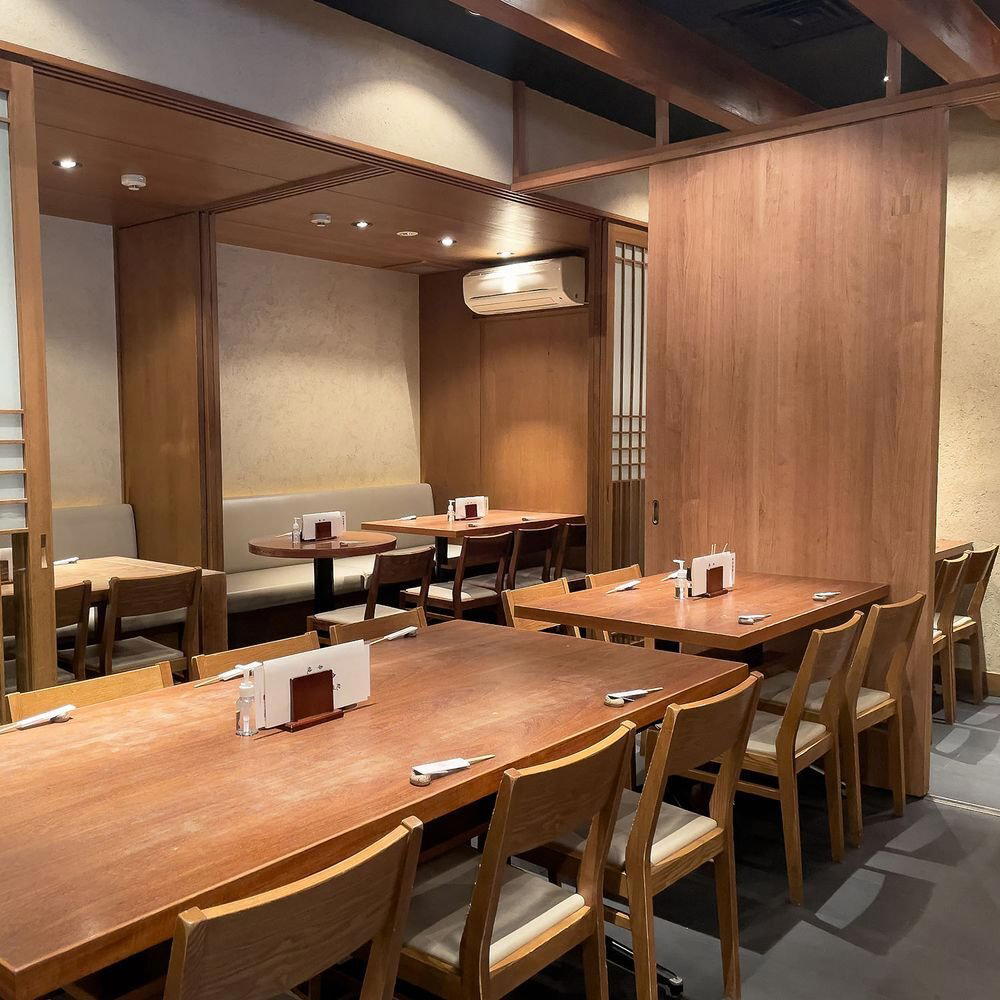
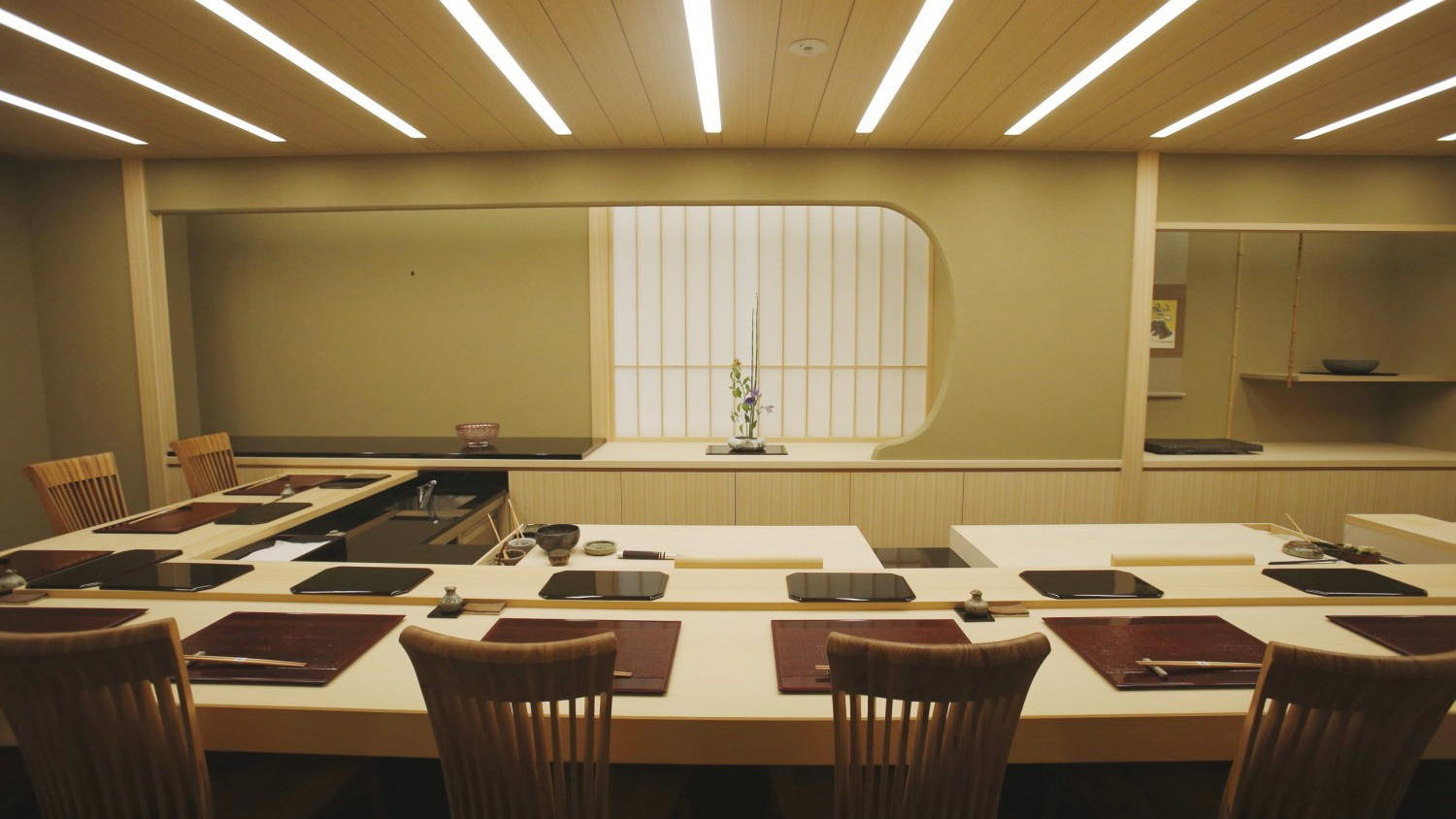
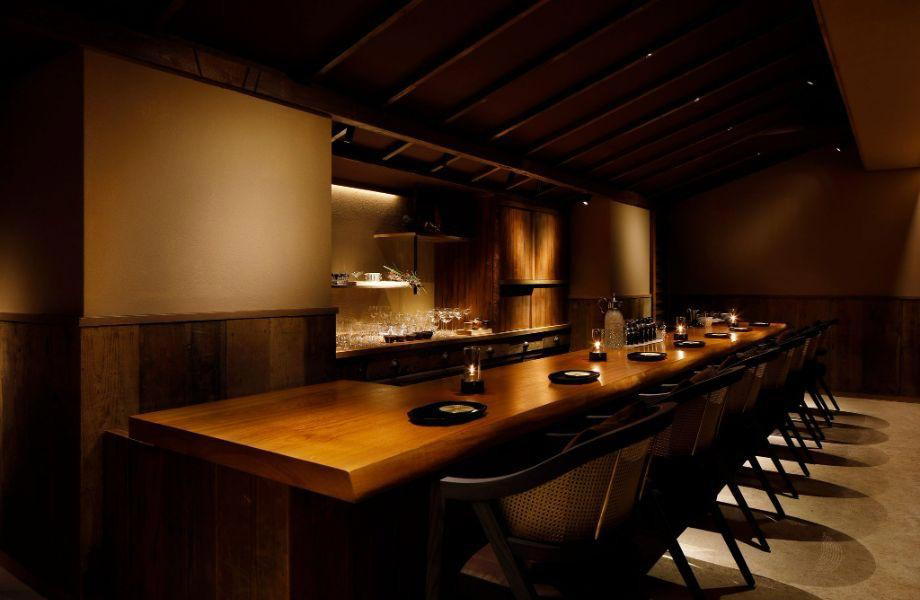
Lively, bustling izakaya atmosphere with an open kitchen where diners can watch skilled chefs work; two-story layout with counter seating and tables; warm and welcoming despite language barriers.