
Tabelog 100 #97
Our verdict
Osaka ramen has a serious low-price, high-precision tier, and Tori Soba Zagin Honten sits squarely inside it: a 12-seat counter in Edobori with repeat Tabelog Ramen 100 selections from 2020 through 2025. The appeal is not luxury theatre but disciplined chicken ramen, tsukemen, and counter-service focus in a city where casual formats can carry real critical weight.

Pearl is the En Primeur Club membership app, where members save venues, book tables and use the concierge.
The menu
What to order
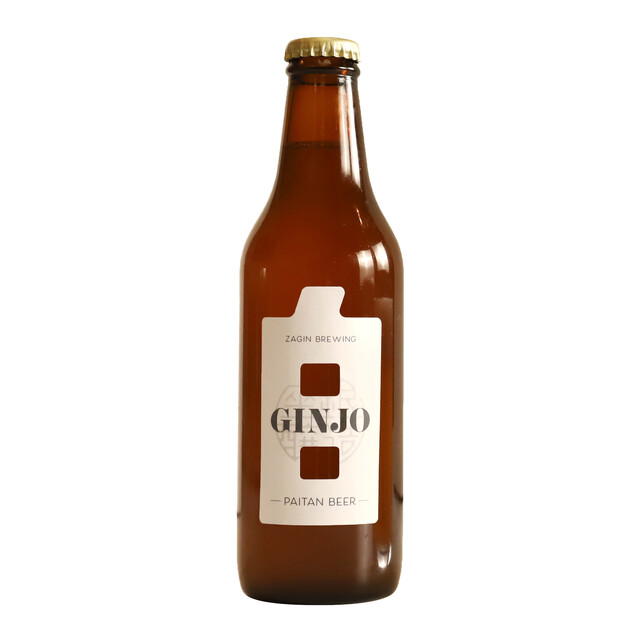
- Tori paitan soba
- Chicken dipping noodles (tsukemen)
- Beef sushi
- Karaage fried chicken
Osaka changes the tempo of casual dining. Away from the louder shopping corridors, the city has plenty of places built around quick decisions, steam, and turnover rather than ceremony. Tori Soba Zagin Honten belongs to that Osaka category where the meal is inexpensive, the format is focused, and the critical scrutiny is serious. The appeal is direct: a ramen shop with a clear public identity and little need for extra ceremony.
Osaka is often reduced to takoyaki, okonomiyaki, and standing-bar culture, but its ramen scene has developed a sharper vocabulary over time. Ramen, tsukemen, and chicken-dish formats have pushed the city beyond generic late-night bowls. Tori Soba Zagin Honten carries that evolution in a stripped-down way: ramen, tsukemen, and chicken dishes, with focus as the organising principle. There is no need to inflate the experience. In this category, credibility comes from repeat attention, line discipline, broth clarity, noodle handling, and whether the shop can serve a focused menu without blurring its identity.
Chicken ramen in Osaka's serious casual tier
The strongest signal here is current recognition. Tori Soba Zagin Honten appears in the 2025 Tabelog Hyakumeiten selection, with a listed score of 3.70. That kind of placement matters because ramen recognition is crowded, local, and unforgiving. A shop can draw early attention with novelty; remaining visible in a competitive Osaka ramen field usually points to repeat local demand and format control.
The public menu categories give the useful frame: ramen, tsukemen, and chicken dishes. In Osaka, that places the shop within a focused noodle-and-chicken lane rather than a broad, all-purpose dining room. Those details should be read as category markers rather than decorative flourishes: ramen at this level is about extraction, temperature, and timing, not long tasting-menu explanation.
Small-format ramen also changes the way a meal is judged. There is less room for ceremony to distract from the bowl itself. Service in this kind of ramen shop is usually assessed through pace, clarity, and the ability to keep the experience direct without making it feel careless. The team dynamic is practical rather than theatrical: when the format is compact, small lapses are easy for diners to notice.
A low-price bowl with high scrutiny
Price band is part of the point. Listed at JPY 999 and under for both lunch and dinner, this is not a special-occasion restaurant disguised as casual dining. It is a reminder that Japan’s ramen culture can place serious technique inside a small bill. That makes the critical bar different from high-end kaiseki or omakase. Value is judged by concentration, speed, and whether the bowl carries enough identity to justify crossing town.
Compared with broader Osaka dining, the distinction is sharp. BOY, Mashica, and Goichi Higobashi belong to a wider Osaka conversation around informal dining and drinking. Tori Soba Zagin Honten operates in a narrower lane: a ramen shop with 2025 ramen-list recognition and no luxury buffer. The decision is not between luxury and simplicity; it is between formats. For a fuller read on the city’s range, see Our full Osaka restaurants guide, with adjacent planning in Our full Osaka hotels guide, Our full Osaka bars guide, Our full Osaka wineries guide, and Our full Osaka experiences guide.
Within that broader map, Osaka’s casual table is unusually broad. A morning, afternoon, or late meal built around other bakeries, cafes, takeout counters, or informal dining rooms tells one story; other Osaka restaurants show how varied casual formats become localised. Ramen sits beside those options rather than beneath them. It is casual, but not unserious.
How to read the counter before going
The useful planning note is to approach the shop as a compact Osaka ramen stop rather than a long-form destination meal. Access will depend on the day’s rhythm and demand. In a small-format ramen setting, lunch and post-work windows can compress attention, so timing matters more than elaborate planning.
The strongest recommendation is to treat this as a focused ramen stop, not a long-form dinner. The 2025 Tabelog Hyakumeiten recognition gives it a trust signal, but the real appeal is the alignment of category and format: ramen, tsukemen, chicken dishes, low pricing, and current recognition. It works well for travellers who want Osaka’s everyday food culture with evidence behind it, and less well for diners looking for extended seating or a wine-led evening.
For readers building a wider Japan food itinerary, the contrast is useful: regional casual dining can mean many things, from grill counters and drinking rooms to curry specialists, minimalist dining rooms, bakeries, cafes, and Japanese food culture abroad. Against that spread, Tori Soba Zagin Honten is a precise Osaka answer: low-cost, chicken-focused, and measured by ramen recognition rather than room design or ceremony.
Frequently asked questions
Is Tori Soba Zagin Honten more mid-range or high-end?
Pricing at Tori Soba Zagin Honten is listed as - JPY 999 - JPY 999.
What's Tori Soba Zagin Honten's location?
Osaka.
How hard is it to get a table at Tori Soba Zagin Honten?
Access depends on timing and the day’s flow. Tori Soba Zagin Honten is in Osaka, and its 2025 Tabelog Hyakumeiten recognition signals meaningful attention.
What do critics highlight about Tori Soba Zagin Honten?
The useful public frame is the shop’s ramen, tsukemen, and chicken dishes in Osaka. The concrete recognition provided is its 2025 Tabelog Hyakumeiten listing, with a score of 3.70.
Is Tori Soba Zagin Honten good for vegetarians?
The menu focus is ramen, tsukemen, and chicken dishes, so it is not a natural fit for strict vegetarians. Diners in Osaka should expect a chicken-inclusive shop rather than a vegetable-led one.
A Lean Comparison
Comparable venues to calibrate price, style, and recognition.
| Venue | Cuisine | Price | Awards | Notes |
|---|---|---|---|---|
| Tori Soba Zagin HontenThis venue (the venue you are viewing) | Chicken ramen (tori paitan soba) counter | $10–20 | Tabelog 100 #97 | Not listed |
| BOY | Not listed | Not listed | Tabelog 100 #94 | JPY 3,000 - JPY 3,999 View spending breakdown |
| Mashica | Italian Izakaya with Natural Wines | $30–50 | Star Wine List | Not listed |
| Goichi Higobashi | Charcoal-Grilled Yakitori Omakase | $100–150 | Tabelog Bronze #87 | Not listed |
Recognition history
Dated appearances from independent guides and award organizations, with the underlying list record or original source where available.
Tabelog 100 #97 · No. 97
Tabelog · Tabelog 100 - Ramen - OSAKA - 2025
Continue exploring
More in Osaka
Restaurants in Osaka
All restaurants in Osaka →



Bars in Osaka
All bars in Osaka →




Hotels in Osaka
All hotels in Osaka →



Wineries in Osaka
Browse all →
Details
- Cozy
- Lively
- Solo
- After Work
- Casual Hangout
- Chefs Counter
- Standalone
- A La Carte
- Counter Dining
An intimate, counter-only ramen shop with a simple, no-frills interior where guests sit side by side at a small counter, creating a cozy, bustling atmosphere focused entirely on the steaming bowls of chicken ramen.