
Star Wine List
Our verdict
In Higobashi, Osaka's business district, Mashica operates at the intersection of natural wine culture and Italian-leaning bar food, a format more common in certain European cities than in Japan. The small dining room positions it closer to a specialist wine bar than a conventional restaurant, which changes both the pacing and the expectations a visitor should bring.

Pearl is the En Primeur Club membership app, where members save venues, book tables and use the concierge.
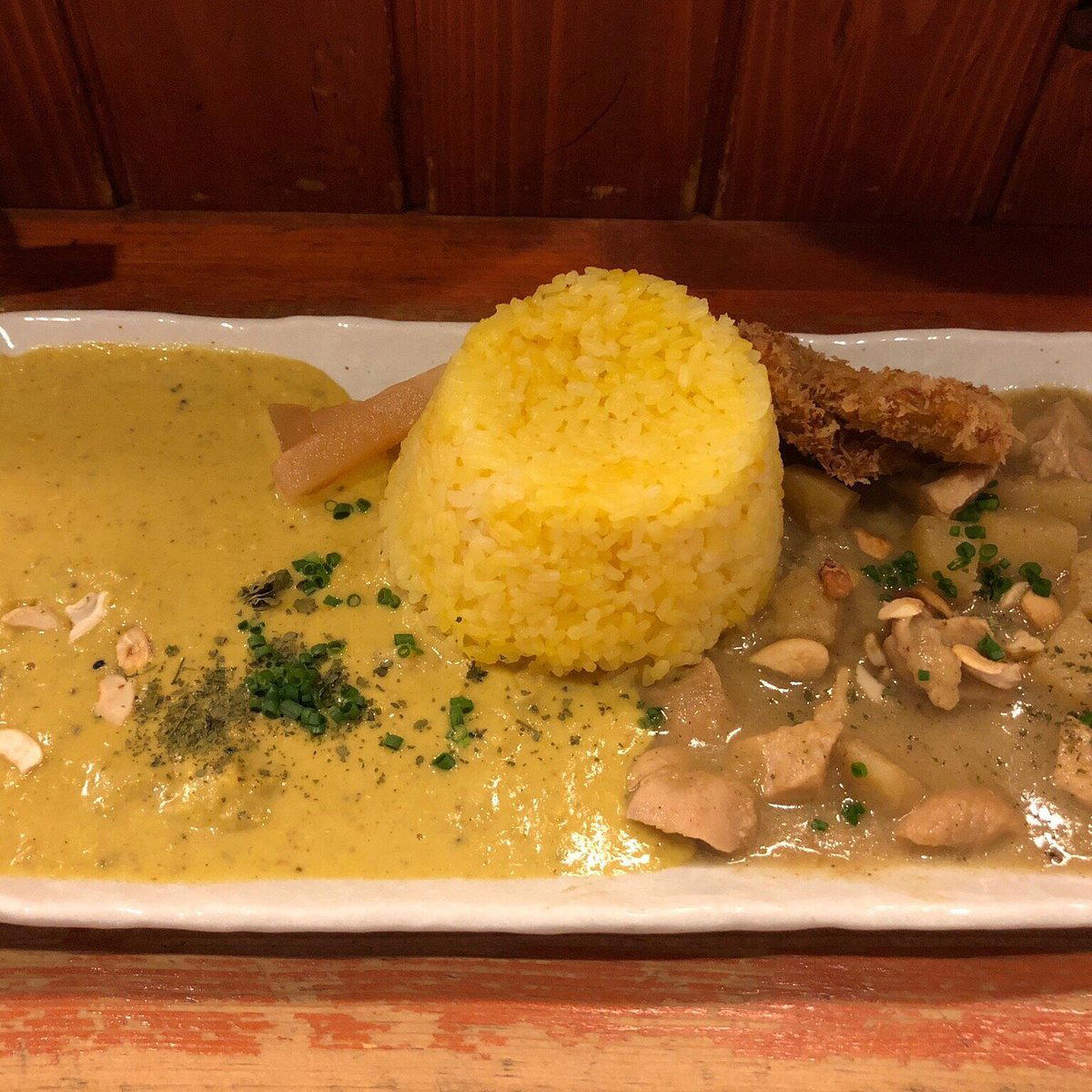
The menu
What to order
- Pate of mochi pork
- Red Shrimp and Girolle Mushroom Tomato Sauce Linguine with Bottarga
- Salted mackerel sushi
Higobashi After Hours
Higobashi sits on the western edge of Osaka's commercial core, a district of mid-rise offices and older merchant buildings that empties out in the early evening as suit-wearing commuters head toward Hommachi or the Midosuji Line. What remains after dark is a quieter, more local version of the city: a few neighbourhood izakayas, the occasional standing bar, and the kind of places that function for regulars rather than tourists. It is not where most visitors to Osaka end up spending their evenings, and that separates it decisively from the more heavily trafficked dining corridors of Shinsaibashi or Fukushima.
This is the context in which Mashica operates. A natural wine bar with Italian-influenced bar food is an unusual thing to find here, not because Osaka lacks wine culture, but because that culture tends to cluster in Kitahama or the older backstreets of Namba. A venue built around producers working with minimal intervention, paired with food that takes its structural cues from Italy rather than Japan, occupies a particular niche in a city whose dining identity is still primarily framed by teppanyaki, kappo, and ramen.
The Format: Wine Bar, Not Restaurant
The format distinction matters. Osaka has, over the past two decades, developed one of the densest concentrations of serious dining in Japan. The Michelin Guide awarded the city more stars than any other metropolitan area when it first launched here, and that reputation is sustained by places like HAJIME, whose French innovative tasting menus operate at ¥¥¥¥ pricing, and La Cime, another French house in the same upper price tier. At the kaiseki and Japanese end, Kashiwaya Osaka Senriyama and Taian anchor the ¥¥¥ bracket, while Fujiya 1935 sits at the innovative ¥¥¥¥ end alongside the French houses.
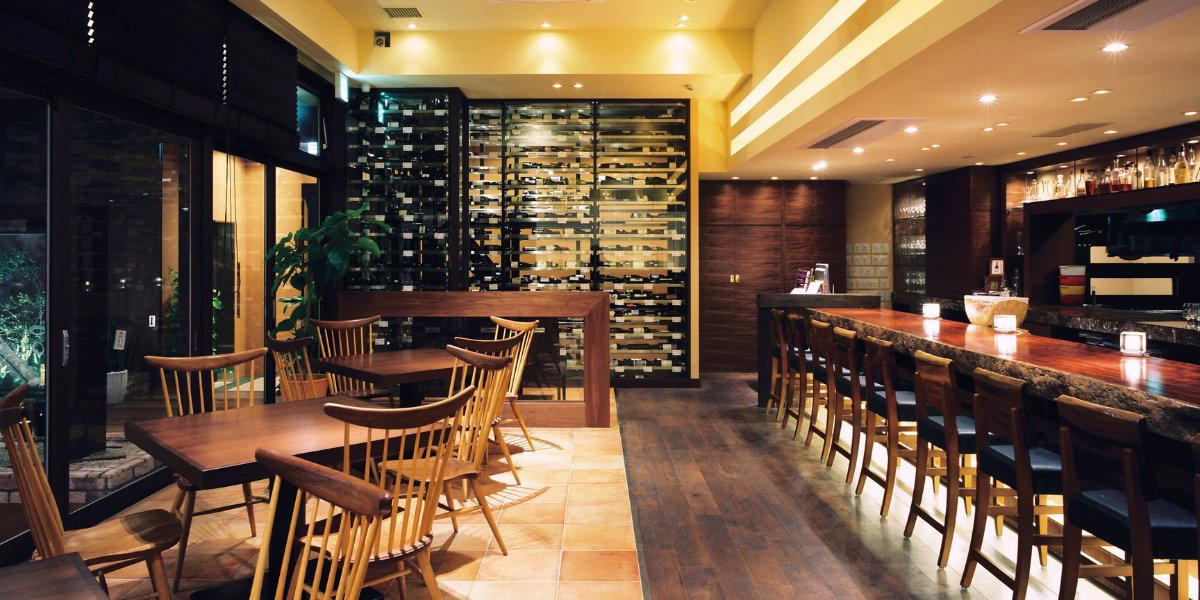
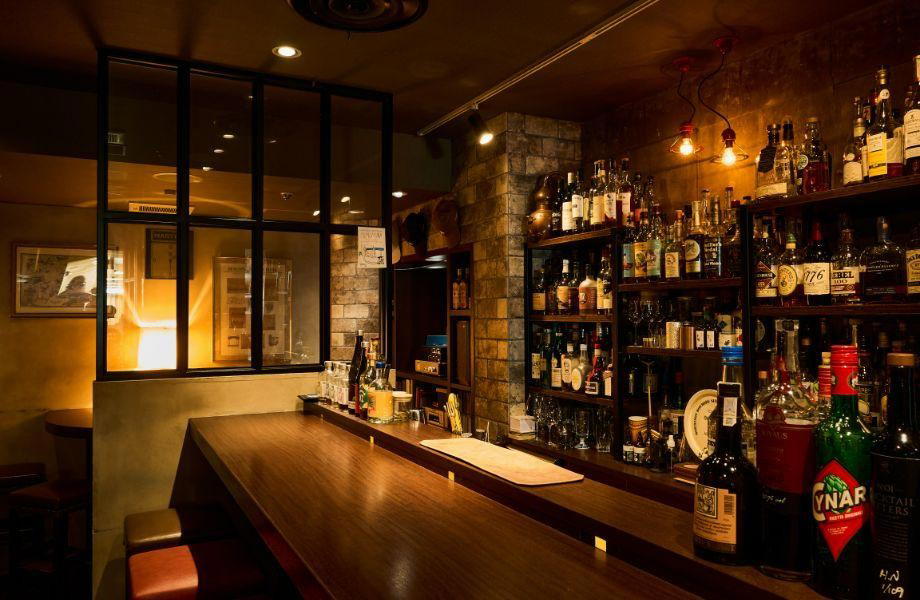
Mashica operates in a different register entirely. The small dining room signals this immediately: the scale is not conducive to the extended pacing of a kaiseki progression or a multi-course European tasting menu. This is closer to what you would recognise from wine-bar culture in Rome, Lyon, or certain corners of Copenhagen, a format where the wine list anchors the evening and the food is designed to be ordered across the table rather than progressed through in sequence.
Natural Wine as the Editorial Thread
Natural wine culture arrived in Japan's major cities in earnest through the 2010s, first through a handful of importers in Tokyo, then spreading into the restaurant communities of Osaka and Kyoto. The category covers producers who work without added sulphites, with native yeasts, and generally without interventions that would alter the character of the fruit or fermentation. The results range from precise and textural to funky and oxidative, and building a focused program around such wines requires genuine knowledge of producers and vintages rather than a reliance on established regional hierarchies.
In cities where natural wine culture has deepened, Tokyo being the most obvious domestic reference point, these bars have become important nodes in the dining ecosystem, attracting chefs and sommeliers on their nights off, functioning as informal exchanges of culinary information. The format at Mashica, placing natural and craft beverages alongside Italian-influenced food, belongs to that same tradition. Italian bar food translates well to this role: antipasti, cured products, cheese, simple pastas, and preparations built around olive oil and acid rather than stock reduction sit comfortably alongside low-intervention whites and light reds.
Locating It in Osaka's Broader Scene
Visitors who have spent time at Gion Sasaki in Kyoto or akordu in Nara will recognise a similar principle operating across the Kansai region: the most interesting drinking-and-eating happens in venues that have a clear identity built around one category of beverage, with food designed to support rather than dominate. Mashica applies this logic to natural wine in a Higobashi address that keeps it outside the tourist circuit without making it inaccessible.
For reference, the regional pattern extends further. Goh in Fukuoka, Bleston Court Yukawatan in Nagano, and giueme in Akita each demonstrate that Japan's serious dining and drinking culture is not confined to Tokyo or Osaka's headline addresses. The same principle that produced a natural wine bar in Higobashi has produced thoughtful specialist venues across prefectures. In that light, Mashica reads less like a curiosity and more like a local node in a national pattern.
Planning a Visit
Higobashi is served directly by the Yotsubashi Line at Higobashi Station, placing it roughly two stops from Hommachi and a short taxi or metro ride from the Shinsaibashi hotel corridor. The address, 1 Chome-19-15 Edobori, Nishi Ward, puts it in the older commercial fabric of the ward rather than on a main boulevard, so arriving with the full address in Japanese is advisable. Given the small dining room, visiting without a reservation on busy evenings carries real risk; the format rewards those who have planned ahead rather than walked in speculatively.
For visitors building a broader Osaka itinerary, the full Osaka restaurants guide and Osaka bars guide provide the competitive context. Those focusing on accommodation should consult the Osaka hotels guide. If the wine dimension is the primary interest, the Osaka wineries guide and Osaka experiences guide extend that thread further.
The comparison set for Mashica is not the kaiseki houses or the Michelin-starred French tables. It is other specialist wine bars in Japanese cities, venues in Tokyo's Shibuya or Daikanyama, similar addresses in Kyoto's Nakagyo Ward, and, at a wider frame, the wine bar format that has established itself in cities like New York and New Orleans as a distinct alternative to the formal restaurant occasion. The evening Mashica proposes is not a grand tasting event; it is a more informal, wine-led dinner in a business district that has more character after hours than its daytime function suggests.
Frequently asked questions
Is Mashica a family-friendly restaurant?
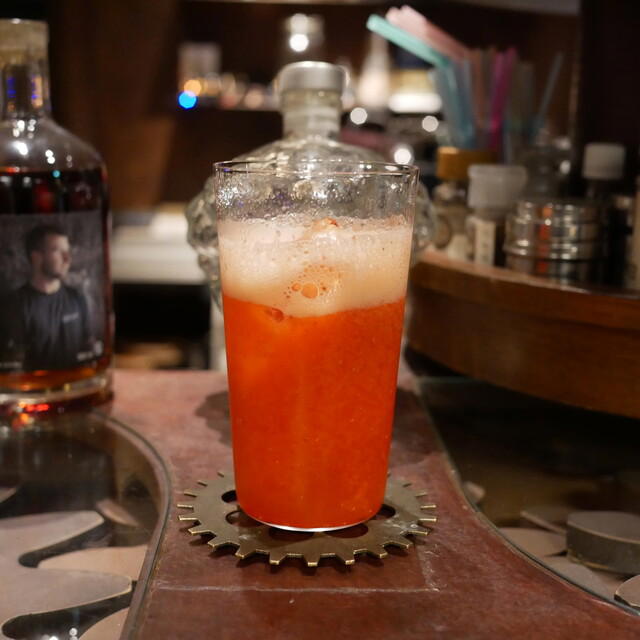
The small dining room and wine-bar format at Mashica, with its emphasis on natural wine and craft beverages, positions it firmly as an adult-oriented venue. In Osaka's Higobashi district, where the evening crowd skews toward office workers and serious drinkers, it fits a pattern common to compact urban wine bars across the city.
What kind of setting is Mashica?
Mashica occupies a small dining room in Higobashi, the business district of Nishi Ward, at 1 Chome-19-15 Edobori. The format aligns more closely with a European wine bar than a conventional Japanese restaurant: the focus is on natural wine and craft beverages alongside Italian-based bar food, suited to unhurried drinking and eating rather than a structured multi-course meal.
Is Mashica award-winning?
Mashica has received recognition including: Mashica is a restaurant and bar with a focus on natural wine and craft beverages, paired with Italian-based bar food. It's located in Higobashi, the business centre of Osaka city. The small dining roo....
What's the signature dish at Mashica?
The food programme at Mashica is built around Italian-based bar food designed to complement natural wine. That framing points toward snacks, small plates, and sharing dishes rather than a single headline item. For current menu specifics, contacting the venue directly or checking recent visits from Osaka dining communities is the most reliable route.
How do I find Mashica?
Mashica is located at 1 Chome-19-15 Edobori, Nishi Ward, Osaka, 550-0002, Japan, Osaka.
The Quick Read
Comparable venues nearby, for context on price, style, and recognition.
| Venue | Cuisine | Price | Awards | Notes |
|---|---|---|---|---|
| MashicaThis venue (the venue you are viewing) | Italian Izakaya with Natural Wines | $30–50 | Star Wine List | Not listed |
| LA PIZZA D'ORO | Italian Pizza | $20–30 | Tabelog 100 #82 | Kita, Italian Pizza |
| Pizzeria Sukunittsuo da Shigeo | Traditional Neapolitan Pizzeria | $20–30 | Tabelog 100 #76 | Kita, Traditional Neapolitan Pizzeria |
| Pargolo | Italian Pizzeria | Not listed | Star Wine List | Konohana, Italian Pizzeria |
| Chiara | Italian Trattoria | Not listed | Tabelog 100 #43 | Tennōji, Italian Trattoria |
| ALBALONGA | Seasonal Italian Fine Dining | $50–100 | Tabelog 100 #4 | Chūō, Seasonal Italian Fine Dining |
Recognition history
Dated appearances from independent guides and award organizations, with the underlying list record or original source where available.
Star Wine List
Star Wine List
Continue exploring
More in Osaka
Restaurants in Osaka
All restaurants in Osaka →

Bars in Osaka
All bars in Osaka →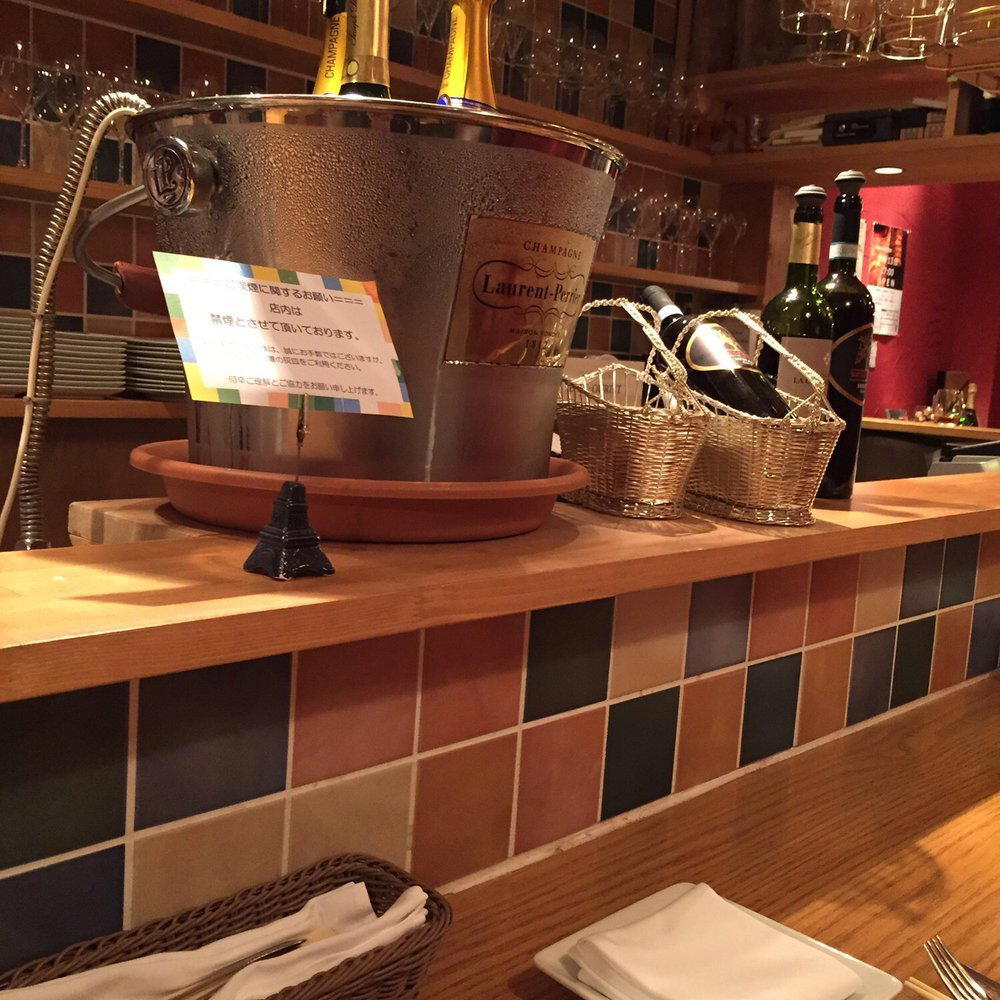
Hotels in Osaka
All hotels in Osaka →


Wineries in Osaka
Browse all →
Details
- Cozy
- Trendy
- Casual Hangout
- Group Dining
- After Work
- Open Kitchen
- Natural Wine
- Sake Program
- Local Sourcing
- A La Carte
- Small Plates
- Natural Wine
Current opening hours
- Monday
- Closed
- Tuesday
- 5–11 PM
- Wednesday
- 5–11 PM
- Thursday
- 5–11 PM
- Friday
- 5–11 PM
- Saturday
- 5–11 PM
- Sunday
- 3–10 PM
Hours can change for holidays and private events. Hours as of .
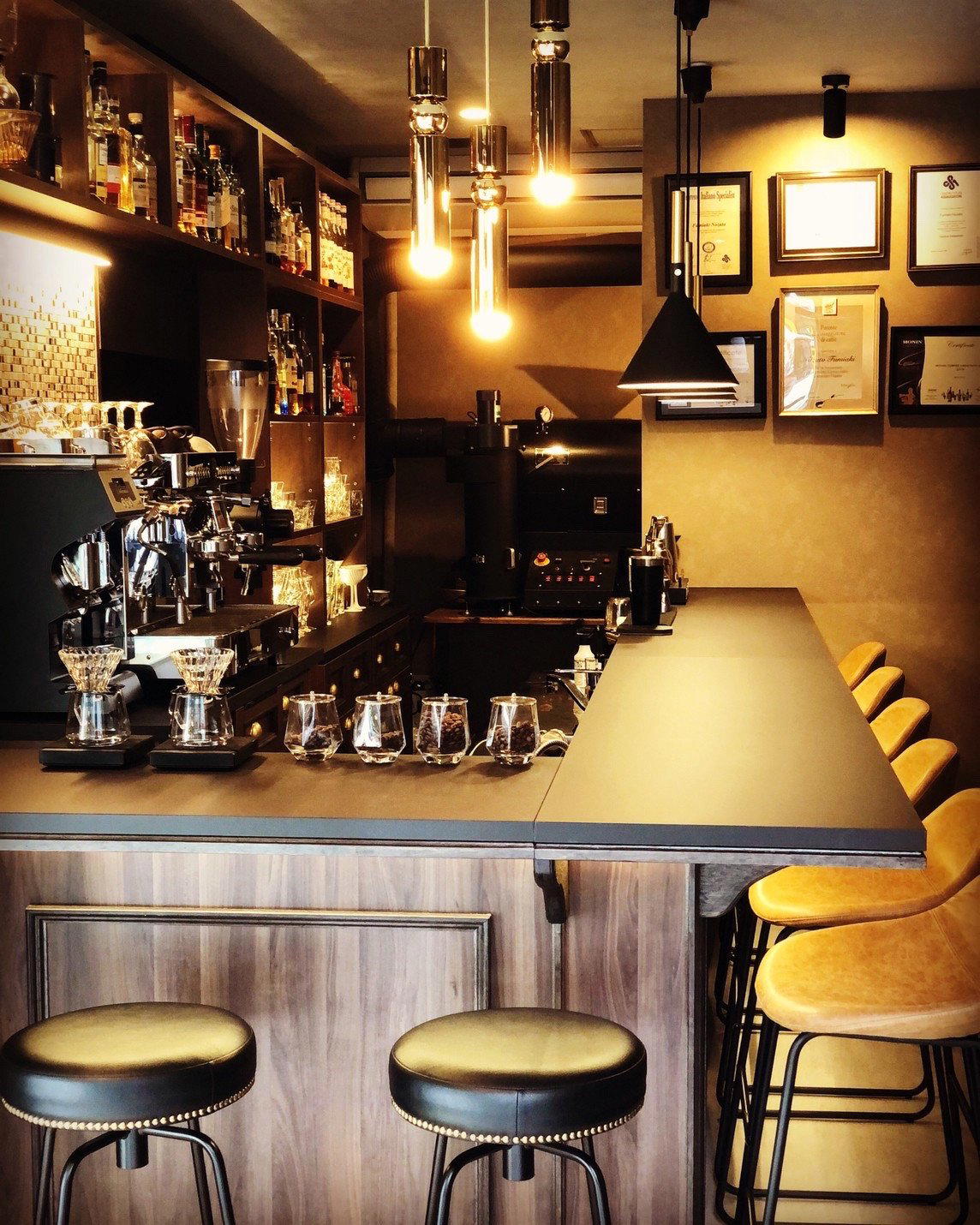
Cozy, bustling counter seating in a small, hideout-style space with a retro pub atmosphere and friendly service.