Toreros Bonfire Miami
Our verdict
Toreros Bonfire Miami occupies a corner of Little Havana at 1704 NW 7th St, where fire-driven cooking meets one of Miami's most culturally layered neighbourhoods. The address places it on Calle Ocho, a corridor that has long served as the city's clearest argument for Latin culinary depth over fine-dining spectacle. Details on format and pricing remain sparse, making a direct inquiry before visiting advisable.

Pearl is the En Primeur Club membership app, where members save venues, book tables and use the concierge.
Little Havana and the Fire Tradition
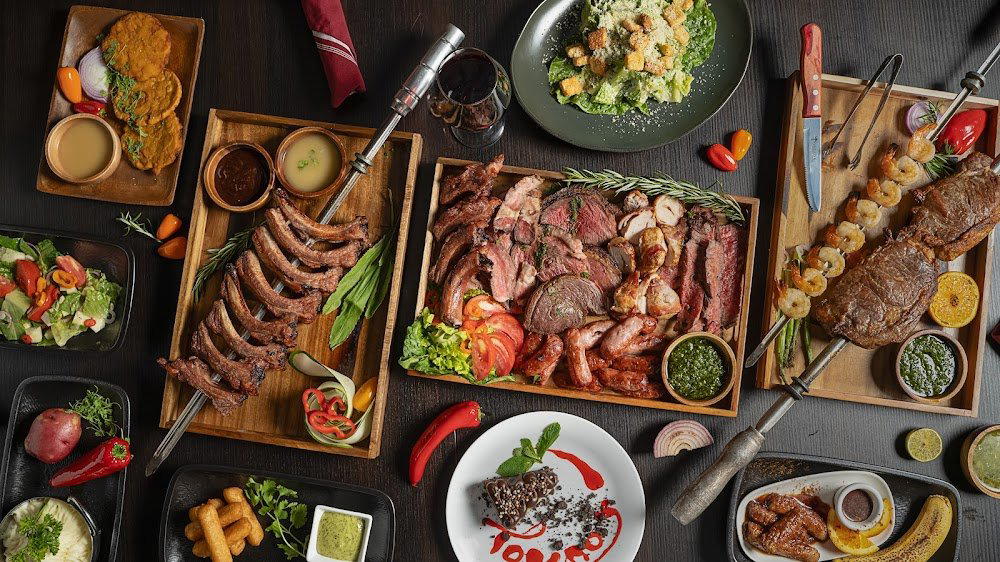
Calle Ocho has never needed validation from the city's waterfront dining circuit. NW 7th Street runs through the heart of Little Havana with a culinary identity shaped by decades of Cuban, Central American, and South American immigration, producing a neighbourhood where smoke, citrus, and rendered fat carry more cultural weight than tasting menus and wine pairing fees. Toreros Bonfire Miami, at 1704 NW 7th St, lands inside that tradition. The address alone signals an editorial choice: this is not a restaurant positioning itself against L'Atelier de Joël Robuchon Miami or the downtown fine-dining tier. It belongs to a different conversation entirely.
Fire-cooking as a formal restaurant proposition has expanded significantly across American cities since the mid-2010s, partly driven by the visibility of Argentine open-hearth traditions and partly by a broader shift toward technique transparency. In Miami, that shift runs parallel to the city's Latin identity. The bonfire or parrilla format is not an import here; it connects to a culinary lineage that predates Miami's current dining moment. Venues like Ariete in Coconut Grove and Boia De in Little Haiti represent Miami's appetite for neighbourhood-anchored cooking with strong culinary points of view, and Toreros Bonfire fits within that broader pattern of locally rooted dining operating outside the resort corridor.
What Fire-Cooking Means on This Block
The bonfire or open-flame format carries specific implications for a kitchen's output. Temperature control relies on wood type, coal depth, and grill height rather than a dial, which demands a different kind of technical discipline. In the Argentine tradition made globally visible by figures like Francis Mallmann, whose Miami outpost sits in a comparable neighbourhood tier, the fire is both method and philosophy: patient, high-heat, unmediated.
Miami's appetite for this format has grown steadily. Cote Miami, operating a Korean steakhouse format in the Design District at the $$$ price tier, demonstrates how meat-centred, high-heat cooking can hold a strong position in the city's mid-to-upper dining range. The open-fire end of that spectrum sits somewhat differently: less controlled, more atmospheric, and often better suited to the neighbourhood dining format that Little Havana supports.
The Wine Question on Calle Ocho
Fire-cooking venues across the United States occupy a wide range on wine program depth. At the upper end, Argentine parrilla-influenced restaurants have built serious Malbec and Torrontés programs, with some extending into Chilean, Spanish, and even French selections to match fat-rendered proteins. At the neighbourhood end, the wine list tends toward accessibility over curation, with house pours and approachable South American bottles doing the heavy lifting.
For reference, the wine programs that define fire-cooking at the highest level in the US, from The French Laundry in Napa to Le Bernardin in New York City, operate with dedicated sommelier teams and cellar depth measured in thousands of labels. The more instructive comparison is the mid-tier neighbourhood restaurant in a Latin urban corridor: wine lists that skew Argentine and Chilean, priced to work with the food rather than to showcase cellar investment, and updated seasonally rather than managed as a long-term asset.
Where Toreros Bonfire Sits in Miami's Dining Spread
Miami's restaurant scene in 2024 runs across a wider range than its South Beach reputation once suggested. The city now sustains serious neighbourhood dining across multiple districts: Coconut Grove, Wynwood, Little Haiti, and Calle Ocho each carry distinct culinary identities. Little Havana's food culture leans toward Latin cooking with deep roots and moderate pricing, and the corridor rewards visitors willing to move away from the resort and waterfront zones. Our full Miami restaurants guide covers the city's range across price tiers and neighbourhoods.
In that spread, Toreros Bonfire Miami at 1704 NW 7th St occupies the neighbourhood-specialist tier rather than the destination-dining tier. That distinction matters for how to approach a visit. Restaurants in that tier, including Boia De in its category, tend to reward repeat visitors and casual drop-ins more than single-visit itinerary planning. They are places where the neighbourhood context is part of the meal. For broader US dining context, the fire-cooking tradition appears at scale in restaurants like Blue Hill at Stone Barns in Tarrytown and Lazy Bear in San Francisco, though both operate with substantially more formal structure than a Calle Ocho address implies.
Other Miami venues worth mapping in parallel: ITAMAE brings Peruvian-Japanese technique to the city's Latin dining conversation, and Cote Miami anchors the Korean steakhouse category at a $$$ price point. Neither is a direct peer, but both illustrate how Latin and Asian cooking traditions sit at the centre of Miami's current dining identity rather than at its edges.
How does Toreros Bonfire Miami fit into Little Havana's wider dining scene?
Little Havana's NW 7th Street corridor is one of Miami's most concentrated stretches of Latin cooking, with Cuban, Nicaraguan, and South American kitchens operating across a range of formats and price points. Toreros Bonfire Miami, with its fire-cooking identity, connects to a regional tradition where open-flame preparation of meats and fish carries deep cultural context rather than being a technique deployed for novelty. Visitors exploring the neighbourhood would do well to treat Calle Ocho as a full evening itinerary rather than a single stop, since the corridor rewards sequential dining across multiple venues.
Budget and Context
Comparable venues nearby, for context on price, style, and recognition.
| Venue | Cuisine | Price | Notes |
|---|---|---|---|
| Toreros Bonfire MiamiThis venue (the venue you are viewing) | Brazilian Rodizio Churrascaria | $50–100 | Not listed |
| 'O Munaciello Coral Way | Authentic Neapolitan Pizza & Italian | $30–50 | Coral Way, Authentic Neapolitan Pizza & Italian |
| ZURI Restaurant | Mediterranean-Moroccan Fusion | Not listed | Edgewater, Mediterranean-Moroccan Fusion |
| Marabú | Coal-Fired Cuban Cuisine | $30–50 | Miami Riverwalk, Coal-Fired Cuban Cuisine |
| Gaucho Ranch Grill and Wines | Argentinian Wood-Fire Grill | $50–100 | Little River, Argentinian Wood-Fire Grill |
| Hutong Miami | Modern Northern Chinese | $100–150 | Miami Riverwalk, Modern Northern Chinese |
Continue exploring
More in Miami
Restaurants in Miami
All restaurants in Miami →

Bars in Miami
All bars in Miami →
Details
- Lively
- Energetic
- Group Dining
- Celebration
- A La Carte
Current opening hours
- Monday
- 12–10 PM
- Tuesday
- 12–10 PM
- Wednesday
- 12–10 PM
- Thursday
- 12–10 PM
- Friday
- 12 PM–5 AM
- Saturday
- 12 PM–5 AM
- Sunday
- 12–10 PM
Hours can change for holidays and private events. Hours as of .
Moderate noise level with a welcoming atmosphere focused on hospitality and meat-centric dining.