
Tora Shokudo is a Shirakawa ramen reference point with repeated selection in Tabelog Ramen EAST 100, including 2025, and a score of 3.77. The appeal is not luxury formatting; it is regional ramen discipline, a cash-only, no-reservations setup, and a room built for regulars, families, and travellers who understand why Fukushima’s noodle culture matters.
Pearl is the En Primeur Club membership app — saves, bookings, and concierge access live there. Same editors, same standards.
- Address
- 福島県白河市双石滝ノ尻1
- Phone
- +81248223426
- Website
- tabelog.com
 Saves & bookings on Pearl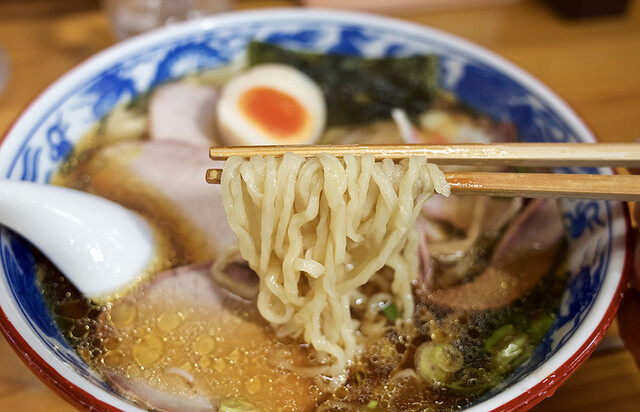
Approaching a serious regional ramen shop in Shirakawa is rarely theatrical. The signal is practical: cars, queues, numbered tickets, and a room built for bowls, not ceremony. Tora Shokudo belongs to the Japanese dining category governed less by décor than by timing, turnover, and a local style that has earned national attention without dressing up as a destination restaurant.
Shirakawa ramen sits apart from the heavier urban ramen idioms that shape Tokyo, Sapporo, or Fukuoka itineraries. Its reputation rests on hand-worked noodles, clear soy-based soup traditions, and balance that reads as regional craft rather than maximalism. The point is structure, not excess: noodle texture, broth clarity, and toppings that support rather than bury the bowl. In Fukushima, that restraint carries cultural weight because ramen is not only late-night convenience food. It is a daytime, family-friendly, small-city ritual, with queues formed by confidence rather than spectacle.
Shirakawa ramen is a regional grammar, not a Tokyo trend
Japan’s strongest ramen cities usually declare a formula. Sapporo leans into miso and butter-rich winter logic; Hakata builds around pork-bone concentration and thin noodles; Tokyo divides into endless subgenres. Shirakawa’s identity is quieter and more specific: a bowl that looks simple until the details work, the spring of the noodles, seasoning clarity, and soy sauce framing the soup without making it heavy.
That sourcing angle matters because regional ramen depends on supply chains and habits hard to reproduce elsewhere. Water, flour handling, soy seasoning, local eating hours, and inherited regular-customer expectations shape the bowl before any chef narrative enters. Tora Shokudo’s repeated selection for Tabelog Ramen EAST 100 from 2017 through 2025 places it among ramen addresses that serve as regional benchmarks rather than novelty stops. The 2025 listing and 3.77 Tabelog score are useful not as trophies, but as evidence of sustained consensus in a category where diners quickly punish drift.
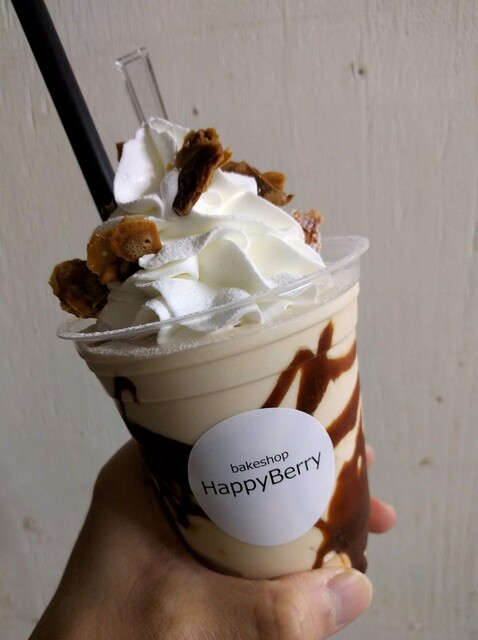
The competitive set also clarifies value. Nearby out-of-metro references such as HappyBerry and NASU SHOZO CAFE share the JPY 1,000 to JPY 1,999 casual-spend band, while Steak House Juraku Honten sits higher at JPY 3,000 to JPY 3,999. Ramen at this level occupies an interesting position in Japanese travel dining: low spend, high scrutiny, and little tolerance for inconsistency. A bowl can be inexpensive yet carry pressure usually associated with more formal cooking.
A democratic room with serious queue discipline
The dining room format says much about the tradition. Forty-eight seats make this larger than the tiny counter-only ramen shops foreign visitors often romanticise, but the configuration remains grounded in close service: counter seats, tatami tables, standard tables, and sunken seating. The mix changes the mood. This is not a hushed tasting counter, but a ramen house where solo diners, friends, and families fit the same service pattern, and quality is measured by whether the bowl survives volume without losing focus.
No-reservations system is part of the experience, not a flaw. Numbered tickets organise demand, and services close once the allotted tickets are gone. For travellers, Shirakawa ramen demands a different mindset from urban restaurant planning: early movement, tolerance for a queue, and awareness that the meal follows the day’s rhythm. The room is non-smoking, with a smoking area on the premises, and children are welcome, reinforcing a local, intergenerational feel rather than a collector-only posture.
Access also shapes the decision. Shirakawa is not a casual detour from central Tokyo like a station-adjacent ramen counter. The restaurant sits outside core rail-and-foot traffic, with parking for more than 40 vehicles and public-transport options that require timing. That car-oriented reality is why the place reads as regional rather than metropolitan. The audience is not only chasing a ranking; it is joining a local eating system built around lunch movement, family cars, and Fukushima’s practical geography.
How to place it in a Shirakawa itinerary
For EP Club travellers, the question is less whether a famous ramen shop deserves attention than what kind of day it anchors. Tora Shokudo works as a food-led reason to understand Shirakawa beyond castle-and-station sightseeing. It pairs naturally with a slower regional itinerary, especially for travellers interested in Japanese noodle traditions, Tohoku food culture, or casual restaurants carrying more local meaning than formal dining rooms.
The cash-only payment setup and absence of private rooms keep expectations clear. This is not a place to dress up, linger over a long wine list, or treat lunch as a flexible slot between appointments. It is a focused ramen stop with broad local usability and enough national recognition to plan around. Sake on the drinks side is useful context, but the centre of gravity remains the bowl and the regional style behind it.
Readers building a wider Shirakawa trip should use Our full Shirakawa restaurants guide first, then decide whether the day needs a hotel base, drinking plan, winery angle, or cultural pacing through Our full Shirakawa hotels guide, Our full Shirakawa bars guide, Our full Shirakawa wineries guide, and Our full Shirakawa experiences guide. For broader Japanese dining comparisons across formats and cities, EP Club also covers -Grilled beef Sukiyaki- KAMAKURA TANUKIAN 鎌倉 たぬき庵 in Kamakura, . 鮪と炭火焼き うお炭 秋葉原店 in Tokyo, .cafe in Osaka, .know in Kumamoto, (Shoku) Vietnam in Kawasaki, [Curry Senmon Ten] Maruyama Kyoju. in Sapporo, [ki:] in Kyoto, #肉といえば松田 奈良本店 in Kashihara, 1/3 HAMBURGER FACTORY in Kanazawa, 1000 in Yokohama, 1000mヒュッテ 1000m Hut in Kutchan, Jōdo Saké Bar in Los Angeles, and Onigiri Time in Pasadena.
The editorial case is clear: this is a serious regional ramen address whose importance comes from continuity, format discipline, and Shirakawa’s noodle culture, not luxury signals. Travellers who value ingredient origin, local eating patterns, and the economics of everyday excellence will understand why a modestly priced bowl can carry destination weight.
Quick Comparison
Comparable venues by cuisine and price in the same metro.
| Venue | Cuisine | Price | Notes |
|---|---|---|---|
| Tora ShokudoThis venue — the venue you are viewing | Traditional Shirakawa Ramen | $ | Not listed |
| Arry 8Bites | Japanese Small Bites | $ | Tokyo |
| Koja Sobaya | Authentic Miyako Soba | $ | Hirara |
| 京ゆば工房 | Kyoto Yuba Workshop | $ | Higashiyama |
| うどん満月 中間店 | Traditional Kyushu Udon | $ | 中間市 |
| Maki no Udon (牧のうどん 空港店) | Traditional Fukuoka Kamaage Udon | $ | Hakata |
Recognition history
Dated appearances from independent guides and award organizations, with the underlying list record or original source where available.
Tabelog 100 #100 · No. 100
Tabelog · Tabelog 100 - Ramen - EAST - 2025
Continue exploring
More in Shirakawa
Restaurants in Shirakawa
Browse all →
Hotels in Shirakawa
Browse all →
At a Glance
- Well Known
- Lively
- Classic
- Cozy
- Rustic
- Solo
- Family
- Casual Hangout
- Group Dining
- Standalone
- Historic Building
- Sake Program