
Tabelog Bronze #323
Our verdict
Tonkatsu Noguchi brings Osaka’s fried-pork tradition into a compact counter format, with brand pork, katsu-don, wine attention, and a sommelier signal that place it beyond the casual set-meal category. Tabelog recognition gives it measurable weight: The Tabelog Award 2026 Bronze, a 4.08 score, and prior selection for Tabelog Tonkatsu 100 in 2024 and 2022.

Pearl is the En Primeur Club membership app, where members save venues, book tables and use the concierge.
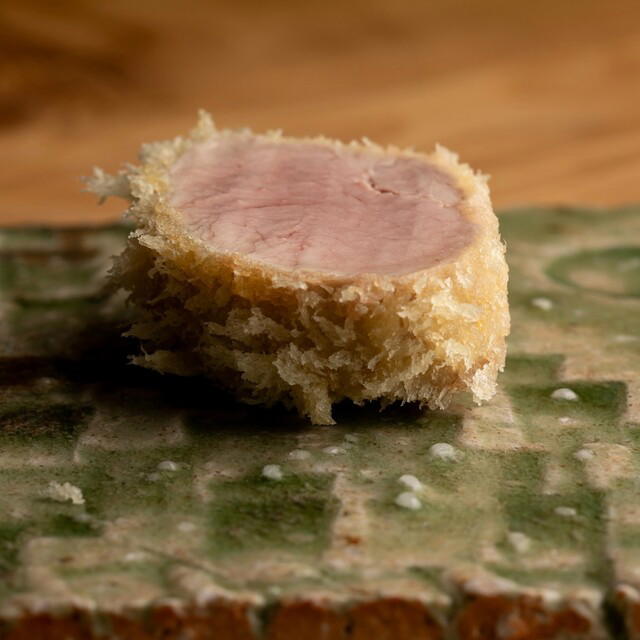
The menu
What to order
- Noguchi's selection
- Sanemon loin
- Fillet
- TOKYO X loin
Approaching serious tonkatsu in Osaka means leaving behind the easy image of a quick cutlet set and paying attention to the counter. The room is small, the rhythm is controlled, and the cooking asks for the same focus usually granted to sushi, tempura, or kappo. Tonkatsu Noguchi belongs to that newer category of Japanese comfort food treated with specialist discipline: brand pork, measured frying, counter pacing, and a drinking program that makes wine part of the conversation rather than an afterthought.
Osaka has always understood eating as a social act. Kushikatsu, okonomiyaki, standing bars, market counters, and after-work izakaya all share a practical grammar: food arrives in portions that encourage another drink, another order, another half hour. Tonkatsu is often less communal on paper, built around a single plate and rice, but the counter format changes the mood. Here, the cutlet becomes a shared focus across a tight room, closer to the izakaya habit of watching food move from hand to heat to plate than to the anonymous lunch-tray model.
Brand pork tonkatsu treated as counter cuisine
The serious tonkatsu movement in Japan has tightened around sourcing and timing. Older expectations were simple: crisp coating, hot rice, cabbage, sauce. The higher tier now asks more precise questions. What breed or brand of pork is being used? How is fat handled? Is the cooking calibrated for juiciness rather than sheer crunch? Tonkatsu Noguchi signals that shift directly through its focus on brand pork, with katsu-don sitting beside pork cutlet rather than replacing it as the casual option.
That distinction matters in Osaka, a city where value and pleasure are often discussed in the same breath. A cutlet specialist has to justify attention in a place already rich with cheap, fast, satisfying food. The answer is not luxury theater. It is concentration: fewer seats, counter service, and a format that narrows the meal around pork, frying, rice, and drink. The appeal is closer to a compact izakaya with a single obsession than to a broad restaurant menu trying to please every table.
The awards history gives the format objective weight. Tonkatsu Noguchi received The Tabelog Award 2026 Bronze, following a 2025 Silver award, and has been selected for Tabelog Tonkatsu 100 in both 2024 and 2022. Its 4.08 Tabelog score places it in a serious national conversation for a category that rarely gets the same international attention as sushi or ramen. For travelers reading Japan through reservation culture, that is the signal: this is not merely a neighborhood fried-pork counter, but a specialist address with measurable recognition inside Japan’s own restaurant-ranking ecosystem.
Why wine changes the tonkatsu conversation
Wine with tonkatsu is not a gimmick when the pork is the point. Fried food, fat, salt, cabbage, rice, and sauce create a broad pairing field, and a sommelier presence changes how the meal is framed. In izakaya culture, drinking is not decorative; it shapes pace, appetite, and conversation. The same logic applies here, only with a narrower kitchen brief. Instead of beer automatically anchoring the table, wine opens a different register for pork cutlet and katsu-don.
That shift also reflects a wider pattern in Japan’s compact specialist restaurants. Categories once treated as everyday food now borrow the service discipline of counter dining: fixed pacing, limited capacity, ingredient specificity, and drinks chosen with intent. The result is not formality for its own sake. It is a sharper version of a familiar meal, built for diners who understand that tonkatsu can be judged with the same seriousness as tempura: heat, timing, cut, fat, rest, and proportion all matter.
The counter is central to that reading. Conversation tends to tighten around the food rather than drift across a long menu. That is where the izakaya connection becomes useful: the pleasure is social, but the format is disciplined. It suits a pair of diners who want the intimacy of a drinking counter and the focus of a specialist kitchen, not a large-group night built around variety.
How it fits an Osaka food itinerary
Osaka rewards category-hopping. A strong day might move from bakery to pork buns, from coffee to counter cooking, then into bars after dark. Tonkatsu Noguchi fits the part of the itinerary where comfort food gets treated with unusual seriousness. It is not the place to solve every appetite in one sitting; it is the address to understand how a familiar Japanese dish can be narrowed, studied, and made more adult through format and drink.
Nearby Osaka research can also run through smaller category stops:.cafe, 52CHO-ME BAKERY, 551 Horai (551蓬莱), 99 Pizza Napoletana Gourmet, and a canto (Italian). Wider Japan and overseas notes can stretch the same appetite-led approach through -Grilled beef Sukiyaki- KAMAKURA TANUKIAN 鎌倉 たぬき庵 in Kamakura. 鮪と炭火焼き うお炭 秋葉原店 in Tokyo.know in Kumamoto, (Shoku) Vietnam in Kawasaki, [Curry Senmon Ten] Maruyama Kyoju. in Sapporo, [ki:] in Kyoto, Jōdo Saké Bar in Los Angeles, and Onigiri Time in Pasadena.
Frequently asked questions
How do I find Tonkatsu Noguchi?
Tonkatsu Noguchi is located in Osaka.
Is Tonkatsu Noguchi focused on a specific cuisine style?
Tonkatsu Noguchi serves Tonkatsu (Pork cutlet), Katsu-don (Pork cutlet bowl) cuisine.
What price level is Tonkatsu Noguchi?
Pricing at Tonkatsu Noguchi is listed as JPY 6,000 - JPY 7,999 JPY 4,000 - JPY 4,999.
What is Tonkatsu Noguchi known for?
Tonkatsu Noguchi is primarily known for Tonkatsu (Pork cutlet), Katsu-don (Pork cutlet bowl) in Osaka.
Just the Basics
| Venue | Cuisine | Price | Awards | Notes |
|---|---|---|---|---|
| Tonkatsu NoguchiThis venue (the venue you are viewing) | Omakase Tonkatsu | $20–30 | Tabelog Bronze #323 | Not listed |
| HAJIME | Avant-Garde Japanese Fine Dining | $300–500 | 3 Michelin Stars · World's 50 Best #83 | French, Innovative |
| La Cime | Modern French with Japanese Ingredients | $150–200 | 2 Michelin Stars · World's 50 Best #13 | French |
| Kashiwaya Osaka Senriyama | Seasonal Kaiseki Omakase | $200–300 | 3 Michelin Stars · La Liste Top Restaurants | Japanese |
| Taian | Traditional Japanese Kaiseki Omakase | $150–200 | 3 Michelin Stars · La Liste Top Restaurants | Kaiseki, Japanese |
| Fujiya 1935 | Modern Japanese with European influences | $100–150 | 2 Michelin Stars · La Liste Top Restaurants | Innovative |
Recognition history
Dated appearances from independent guides and award organizations, with the underlying list record or original source where available.
Tabelog Bronze #323
Tabelog
Continue exploring
More in Osaka
Restaurants in Osaka
All restaurants in Osaka →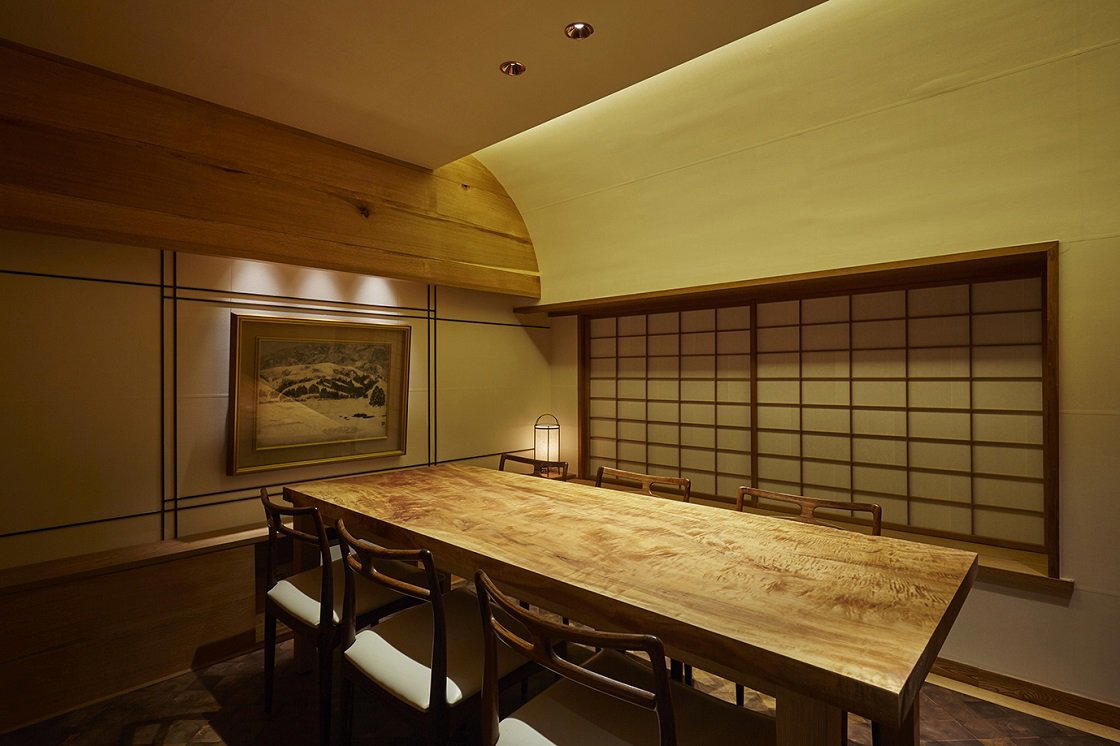


Bars in Osaka
All bars in Osaka →



Hotels in Osaka
All hotels in Osaka →




Wineries in Osaka
Browse all →
Details
- Intimate
- Elegant
- Solo
- Date Night
- Special Occasion
- Chefs Counter
- Open Kitchen
- Sake Program
- Local Sourcing
- Counter Dining
- A La Carte
- Wine
- Sake
Stylish counter-only space in a hideaway residential location with a focus on the open kitchen and intimate dining experience.