
A 23-seat tonkatsu specialist under the tracks in Nishi-Ogikubo, TONKATSU KEITA places pork cutlet in Tokyo’s serious reservation-only tier rather than the casual lunch-counter lane. Its 2026 Tabelog 100 Tonkatsu selection, cashless format, TableCheck reservations and Kagoshima pork-farm connection make it a useful read on how the city treats a familiar comfort food with craft-level discipline.
Pearl is the En Primeur Club membership app — saves, bookings, and concierge access live there. Same editors, same standards.
- Address
- 東京都杉並区松庵3-41-1 西荻高架下
- Phone
- +815017220056
- Website
- tabelog.com
 Saves & bookings on Pearl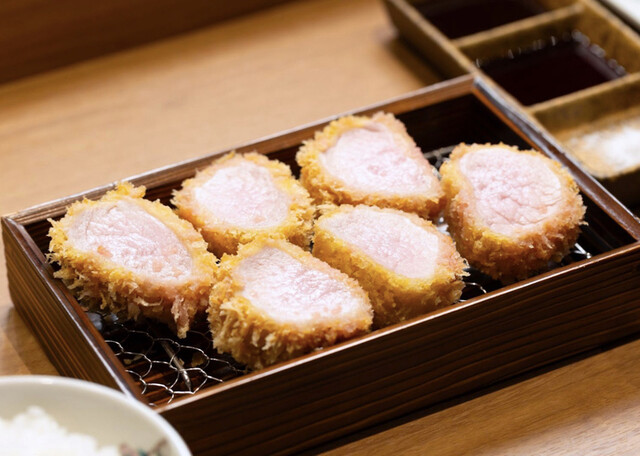
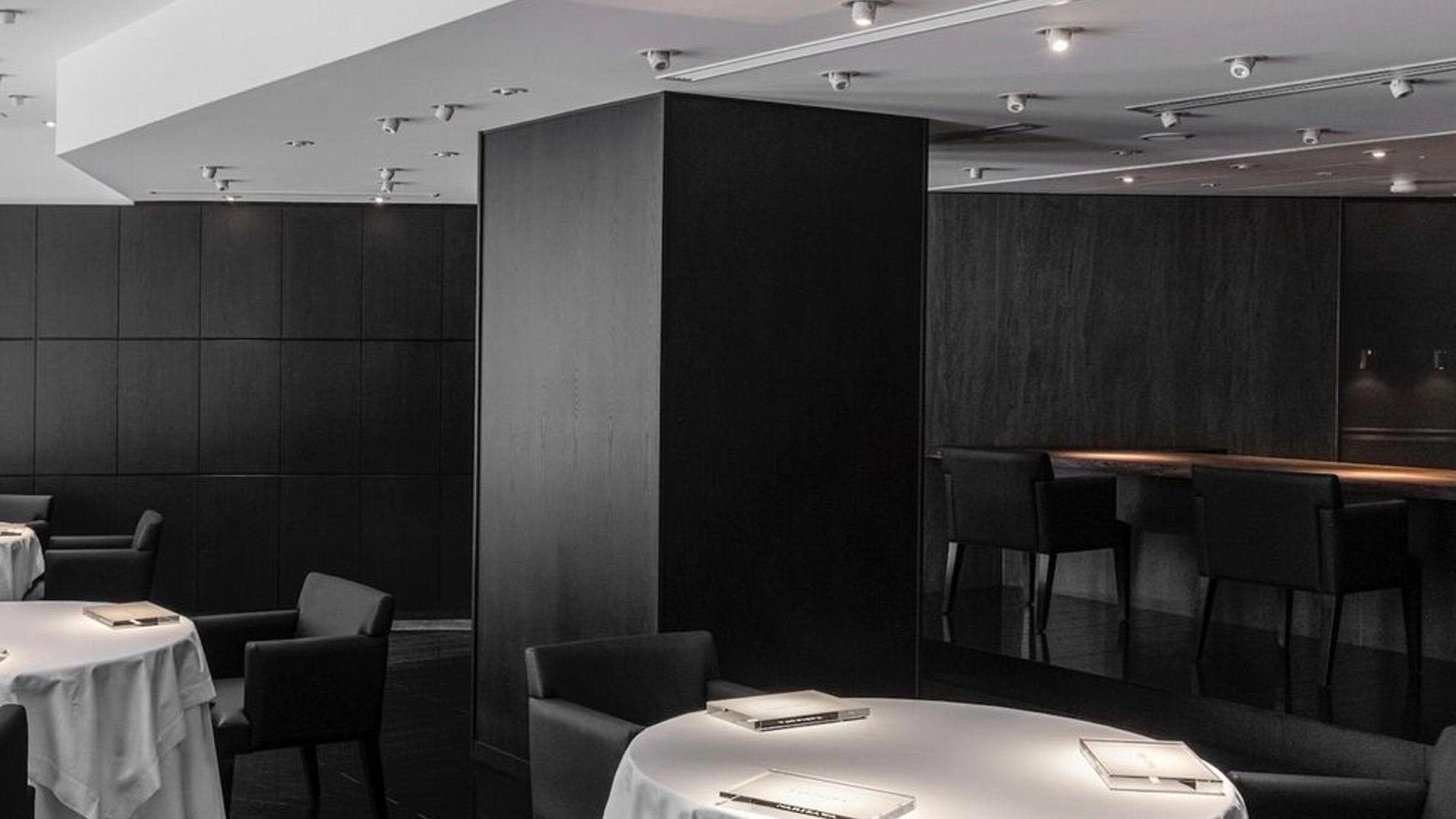
Under the rail line at Nishi-Ogikubo, the setting is compact and urban rather than ceremonial: counter seats, a few tables, a private room for six and the steady reminder that western Tokyo’s serious eating often happens away from hotel lobbies and Ginza addresses. Tonkatsu belongs to everyday Japan, but Tokyo has a way of turning everyday forms into specialist categories. The pork cutlet house becomes a study in frying temperature, breed, rice, cabbage, sauce restraint and timing.
TONKATSU KEITA sits inside that more exacting bracket. The room runs 23 seats, including nine counter seats, two four-seat tables and one six-person private room, a scale that suits a dish where the gap between ordinary and memorable is measured in minutes of resting and the confidence to stop short of overcooking. Its selection for Tabelog 100 Tonkatsu 2026 gives it a clear trust signal in a category where local diners scrutinise texture and value with unusual severity.
Tokyo tonkatsu treated as craft, not nostalgia
Tonkatsu’s cultural power comes from its hybrid nature. It is a yoshoku descendant, Western-style breaded meat absorbed into Japanese dining habits, then refined through rice, miso soup, shredded cabbage and sauce into something that feels native to the city’s lunch rhythm. In Tokyo, the genre splits between fast, generous, sauce-forward counters and smaller houses where the cutlet is handled with the seriousness usually reserved for sushi rice or tempura batter.
This is the context that matters here. The restaurant is not competing with casual chain tonkatsu on convenience; it is positioned among specialists where pork sourcing, frying method and service rhythm define the experience. The publicly stated angle is low-temperature frying and a direct connection to Kagoshima pig farming through owner Keita’s background. That detail matters less as biography than as category evidence: Tokyo’s serious tonkatsu scene increasingly rewards provenance and technique, not just portion size.
The drink list also signals a broader shift in the category. Tonkatsu has long been friendly to beer and simple set-meal drinking, but this address lists sake, shochu and wine, with particular attention to wine. That places the meal closer to a compact dinner format than a purely functional lunch stop. The price band reinforces the same reading: lunch at JPY 3,000 to JPY 3,999 and dinner at JPY 4,000 to JPY 4,999, with review-based spending listed higher. This is not a bargain hunt; it is a controlled specialist meal priced below Tokyo fine dining but above everyday fried-pork expectations.
Nishi-Ogikubo's advantage is distance from the obvious dining circuit
Nishi-Ogikubo has a different tempo from central Tokyo’s high-gloss restaurant zones. The neighbourhood rewards diners who are comfortable moving west for smaller rooms, independent counters and formats that do not need international hotel traffic to justify themselves. That matters for tonkatsu because the dish depends on repetition and local loyalty. A restaurant can build credibility through regulars who compare crumb, fat, doneness and rice quality across visits rather than through theatre.
The address near Nishi-Ogikubo Station also explains the practical shape of the experience. It is accessible without feeling central, compact without being precious, and structured enough that the reservation-only policy makes sense. A 23-seat room cannot absorb the same flow as a large station-front tonkatsu shop, and counter seating changes the pace: diners are closer to the frying sequence and less insulated from the kitchen’s timing.
For travellers mapping Tokyo by category rather than by neighbourhood, this is the useful distinction. Ginza and Omotesando concentrate luxury cues; Nishi-Ogikubo asks for a narrower mission. The meal makes sense for readers who already understand that Tokyo’s strongest food experiences are not confined to tasting menus. A pork cutlet specialist with a 2026 Tabelog 100 Tonkatsu selection can carry as much local meaning as a more formal counter when the point is to understand how a city edits a single dish into a discipline.
Where it fits in a wider Tokyo itinerary
Tokyo dining is easier to read when categories are kept separate. Tonkatsu should not be judged against ramen, curry or yakitori, even when the budgets overlap. A place such as FRENCH CURRY SPOON works in a different lane, with curry as the organising idea, while Sennomago brings a Chinese frame to a mid-priced Tokyo meal. ENTUKO, Echigo Tsuruy and Menson Rage point to the city’s breadth at lower or less formal price bands. The comparison is not about superiority; it is about choosing the right appetite and occasion.
That same logic applies across EP Club’s Tokyo coverage. Use Our full Tokyo restaurants guide for category-led planning, then widen the trip with Our full Tokyo hotels guide, Our full Tokyo bars guide, Our full Tokyo wineries guide and Our full Tokyo experiences guide. Nearby or alternate restaurant research can include. 鮪と炭火焼き うお炭 秋葉原店, 12/10 Shinjuku ten, 124. KAGURAZAKA (Yakitori), 2D Cafe and 3 Chome no Curry Ya San.
For a wider Japan itinerary, the contrast becomes sharper: -Grilled beef Sukiyaki- KAMAKURA TANUKIAN 鎌倉 たぬき庵 in Kamakura speaks to beef sukiyaki.cafe in Osaka to café culture.know in Kumamoto to regional dining, (Shoku) Vietnam in Kawasaki to Vietnamese cooking in the Tokyo orbit, [Curry Senmon Ten] Maruyama Kyoju. in Sapporo to curry specialisation and [ki:] in Kyoto to Kyoto’s quieter register. Outside Japan, Jōdo Saké Bar in Los Angeles and Onigiri Time in Pasadena show how Japanese formats translate abroad, but Tokyo remains the sharper classroom for tonkatsu.
Know Before You Go
- Format: Reservation-only tonkatsu specialist with take-out listed.
- Recognition: Selected for Tabelog 100 Tonkatsu 2026; Tabelog score listed at 3.72.
- Budget: Lunch JPY 3,000 to JPY 3,999; dinner JPY 4,000 to JPY 4,999.
- Seats: 23 total, including counter seating and one private room for up to six.
- Payment: Cashless only; credit cards, electronic money and QR code payments accepted.
- Access: Near Nishi-Ogikubo Station in Suginami, with no parking listed.
- Family note: Children are welcome, though large strollers may be difficult.
Standing Among Peers
Comparable venues for orientation by cuisine and category.
| Venue | Cuisine | Price | Notes |
|---|---|---|---|
| TONKATSU KEITA | Tonkatsu (Kagoshima Kurobuta Pork Cutlet) | $$$ | Suginami |
| Iruka Tokyo Roppongi | Modern Ramen | $$$ | Roppongi |
| Yakitori Uu. | Yakitori | $$$ | Meguro |
| Sake Hidejiro | Japanese Sake Omakase Izakaya | $$$ | Shibuya |
| Shiomi | Handmade Soba and Japanese Cuisine | $$$ | Shinjuku |
| Onikuya Keisuke Sannanbo | Refined Yakiniku & Beef Tongue in Hiroo | $$$ | Shibuya |
Recognition history
Dated appearances from independent guides and award organizations, with the underlying list record or original source where available.
Tabelog 100 #74 · No. 74
Tabelog · Tabelog 100 - Tonkatsu - 2026













At a Glance
- Cozy
- Modern
- Trendy
- Intimate
- Solo
- Family
- Group Dining
- After Work
- Casual Hangout
- Special Occasion
- Chefs Counter
- Private Dining
- Standalone
- Sake Program
- Local Sourcing
- Farm To Table
A small, stylish, non-smoking space with counter seats and a few tables under the railway tracks near Nishi-Ogikubo Station, offering a relaxed, intimate atmosphere suited to focused tonkatsu dining rather than lingering crowds.