
Tabelog 100 #26
Our verdict
Bashamichi gives Yokohama tonkatsu a sharper urban frame: business-lunch tempo, counter seating, and the port-city habit of treating specialist food seriously without ceremony. Tonkatsu Aoki Yokohama bashamichi ten sits in that lane with Tabelog Tonkatsu 100 selections in 2022, 2024, and 2026, placing a compact pork-cutlet counter among the city’s more credible casual dining stops.

Pearl is the En Primeur Club membership app, where members save venues, book tables and use the concierge.
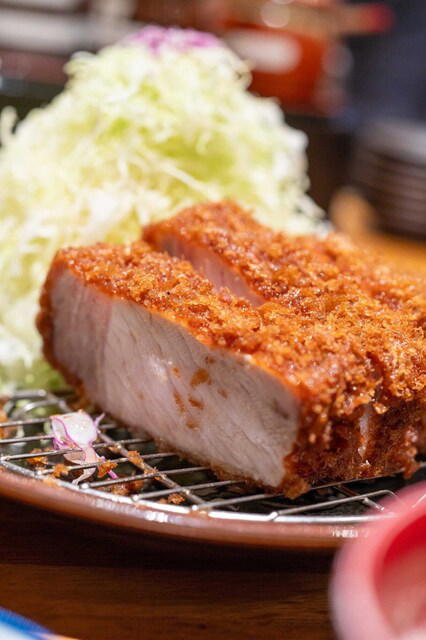
Yokohama is not only a soft-focus waterfront postcard. The city carries a more practical rhythm: office workers moving through the city, small restaurants working hard at street level, and the old port-city confidence that good food does not need theatrical packaging. In that setting, tonkatsu reads less like a nostalgic comfort plate and more like a specialist craft, judged on frying discipline, pork quality, rice, cabbage, and the pace of a room built for a focused meal rather than lingering.
Tonkatsu Aoki Yokohama bashamichi ten belongs to the modern Japanese category of narrow-focus restaurants that do one thing with enough consistency to draw attention beyond the immediate area. Its selection for Tabelog Tonkatsu 100 in 2026 matters because tonkatsu is a crowded field in Japan, and recognition in that category rewards repeatable execution rather than luxury signalling. This is a casual specialist format, not a grand dining room trying to dress pork cutlet in fine-dining language.
Yokohama gives tonkatsu a working-city edge
Yokohama’s dining identity often gets split between visitor-facing waterfront dining, larger hotel-style meals, and polished rooms serving guests who stay close to the bay. This restaurant occupies a different position. It is practical and less performative, which suits tonkatsu well. The dish depends on speed, heat management, and the confidence to let a simple set meal carry the room. A focused specialist restaurant can be a virtue here: the meal is about fry timing and direct service, not atmosphere stretched into theatre.
That also explains why this restaurant feels different from a longer evening itinerary in Yokohama. The Bar CASABLANCA, Sushi Tsugu, Bashamichi Okawa, LA FIGLIA DEL PRESIDENTE, and Cucina Takemura each point to other ways of reading the city’s dining map. Tonkatsu Aoki Yokohama bashamichi ten is useful because it keeps the proposition narrower: a serious pork-cutlet meal without the financial or temporal commitment of a full restaurant evening.
For travellers mapping a day around the area, the restaurant makes sense as a Yokohama lunch or early dinner anchor rather than a destination that needs a whole night built around it. That distinction matters. Tonkatsu is at its strongest when treated as a focused stop: arrive hungry, order decisively, and let the room’s pace do its work. Readers building a broader city plan can pair this kind of address with the wider context in Our full Yokohama restaurants guide, then separate dining from stay, drinking, wine, and cultural planning through Our full Yokohama hotels guide, Our full Yokohama bars guide, Our full Yokohama wineries guide, and Our full Yokohama experiences guide.
The value of a specialist restaurant in a city of bigger meals
Japan’s stronger casual restaurants often resist the international instinct to inflate a meal into an occasion. Tonkatsu is a useful test of that principle. The format gives the kitchen little room to hide: batter, oil, pork, rice, cabbage, and sauce sit in plain view of the diner’s judgement. Recognition from Tabelog’s tonkatsu category places this restaurant in a national conversation about a dish that is widely available but unevenly executed. The point is not rarity. The point is control.
The price tier reinforces the appeal. In Yokohama, where more formal meals can move quickly into higher budgets and ask for both time and planning, a recognized tonkatsu restaurant listed at Dinner: JPY 1,000 - JPY 1,999 and Lunch: JPY 1,000 - JPY 1,999 occupies a useful middle ground. It is not cheap by convenience-food standards, but it is accessible by the standards of award-listed Japanese specialist dining. That makes the restaurant especially relevant for visitors who want one serious local meal without committing to a tasting-menu structure.
There is no need to manufacture a chef mythology around the place. The stronger story is category discipline. Tonkatsu has always rewarded restaurants that understand repetition: the same core process, refined service after service, with little visual drama beyond the cutlet itself. In a focused setting, that repetition becomes part of the experience. The room’s practical rhythm, ordering tempo, and focus on the plate all matter. This is a practical dining culture, and the sharper pleasure comes from respecting that practicality.
How to place it in a Yokohama eating day
The most sensible way to use Tonkatsu Aoki Yokohama bashamichi ten is as a specialist stop in a Yokohama-led itinerary. The city can move between civic, commercial, waterfront, and old port moods, and a pork-cutlet meal here has a different logic from a dinner built around drinks, sushi, or formal Japanese cooking. It gives the day a firm centre without exhausting the evening.
Travellers comparing casual Yokohama options should think in categories, not rankings. Other local dining rooms may point toward skewers, drinking food, noodles, curry, or different casual formats, and each pulls the city’s casual map in another direction. The value of a tonkatsu address in Yokohama is its clarity: one dish category, a focused setting, and enough external recognition to justify choosing it over a random station-area meal.
The same category thinking helps beyond Yokohama. A diner comparing casual restaurants in other Japanese cities, or even Japanese-influenced dining abroad, is not choosing between equivalent experiences. The better question is what role the meal plays in the day. Here, the answer is direct: a focused, award-listed tonkatsu restaurant that suits Yokohama’s working-city grain.
Frequently asked questions
Where is Tonkatsu Aoki Yokohama bashamichi ten in Yokohama?
Yokohama.
What price level is Tonkatsu Aoki Yokohama bashamichi ten?
Pricing at Tonkatsu Aoki Yokohama bashamichi ten is listed as Dinner: JPY 1,000 - JPY 1,999; Lunch: JPY 1,000 - JPY 1,999.
What's the best way to book Tonkatsu Aoki Yokohama bashamichi ten?
Use the venue’s current contact or listing details before you go, and plan around it as a focused Yokohama tonkatsu stop rather than a long formal meal.
What's the standout thing about Tonkatsu Aoki Yokohama bashamichi ten?
Its clearest credential is selection for Tabelog 100 - Tonkatsu in 2026, alongside a listed score of 3.70 and a lunch and dinner budget of JPY 1,000 - JPY 1,999.
Is Tonkatsu Aoki Yokohama bashamichi ten good for vegetarians?
The listed category is Tonkatsu (Pork cutlet), so vegetarians should check directly before visiting rather than assuming suitable options are available.
Just the Basics
Comparable venues to calibrate price, style, and recognition.
| Venue | Cuisine | Price | Awards | Notes |
|---|---|---|---|---|
| Tonkatsu Aoki Yokohama bashamichi tenThis venue (the venue you are viewing) | Japanese Tonkatsu | Not listed | Tabelog 100 #26 | Not listed |
| The Bar CASABLANCA | Authentic Cocktail Bar | $20–30 | Tabelog 100 #17 | JPY 2,000 - JPY 2,999 View spending breakdown |
| Cucina Takemura | Wild Game Italian | $30–50 | Not listed | Not listed |
| Sushi Tsugu | Edomae Sushi Omakase | $50–100 | Tabelog 100 #37 | JPY 15,000 - JPY 19,999 JPY 4,000 - JPY 4,999 |
| Bashamichi Okawa | Kaiseki Japanese | $100–150 | Tabelog 100 #36 | JPY 10,000 - JPY 14,999 JPY 3,000 - JPY 3,999 |
| LA FIGLIA DEL PRESIDENTE | Authentic Neapolitan Pizzeria | $20–30 | Tabelog 100 #31 | JPY 3,000 - JPY 3,999 JPY 1,000 - JPY 1,999 |
Recognition history
Dated appearances from independent guides and award organizations, with the underlying list record or original source where available.
Tabelog 100 #26 · No. 26
Tabelog · Tabelog 100 - Tonkatsu - 2026
Continue exploring
More in Yokohama
Restaurants in Yokohama
All restaurants in Yokohama →



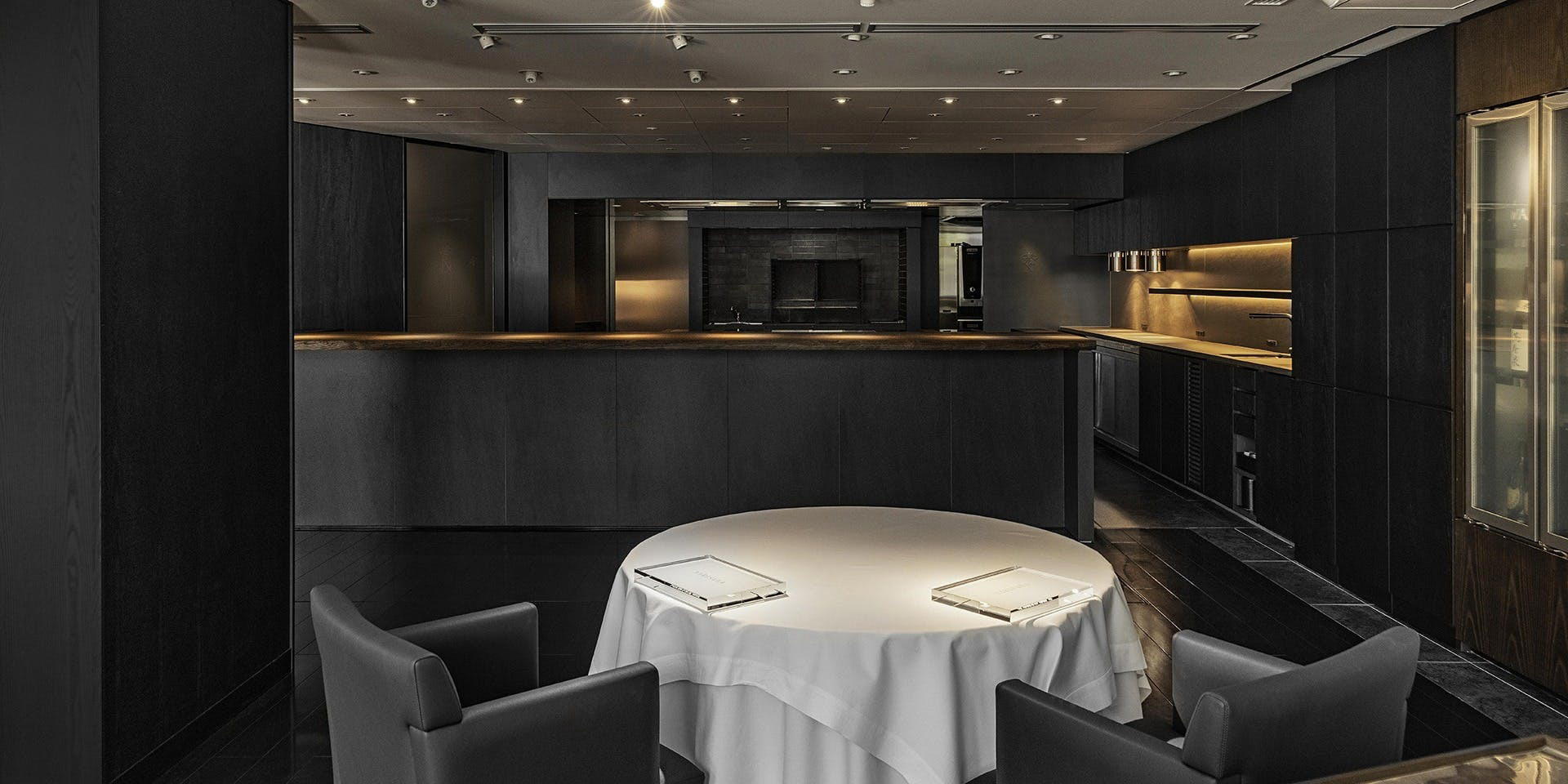
Bars in Yokohama
Browse all →








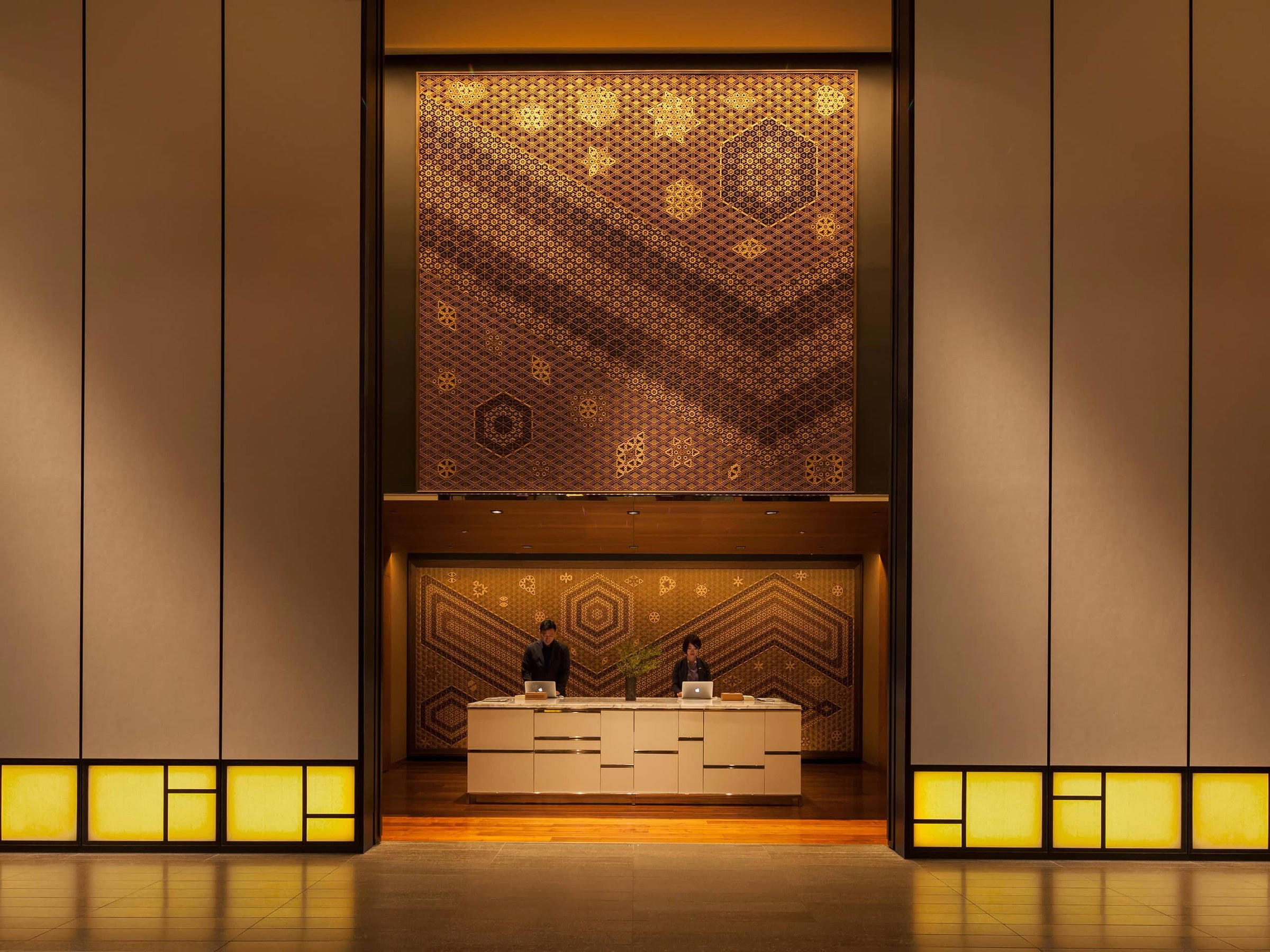
Details
- Classic
- Cozy
- Intimate
- Solo
- Casual Hangout
- Business Dinner
- Standalone
- Sake Program
- Street Scene
- Set Menu
- Counter Dining
- Shochu
A small, non-smoking counter-service tonkatsu shop with a simple, focused atmosphere rather than a formal dining room.