Tucked into Duckboard Place in Melbourne's CBD laneway grid, Tonka brings Indian-inflected modern cooking to one of the city's most atmospherically charged addresses. The kitchen draws on subcontinental spice traditions while anchoring its output firmly in Australian produce, placing it in a dining category that Melbourne's restaurant scene has made distinctly its own. Reserve well ahead for evening service.
Pearl is the En Primeur Club membership app — saves, bookings, and concierge access live there. Same editors, same standards.
- Address
- 20 Duckboard Pl, Melbourne VIC 3000, Australia
- Phone
- +61 3 9650 3155
- Website
- tonkarestaurant.com.au
- Directions
- Get directions
 Saves & bookings on Pearl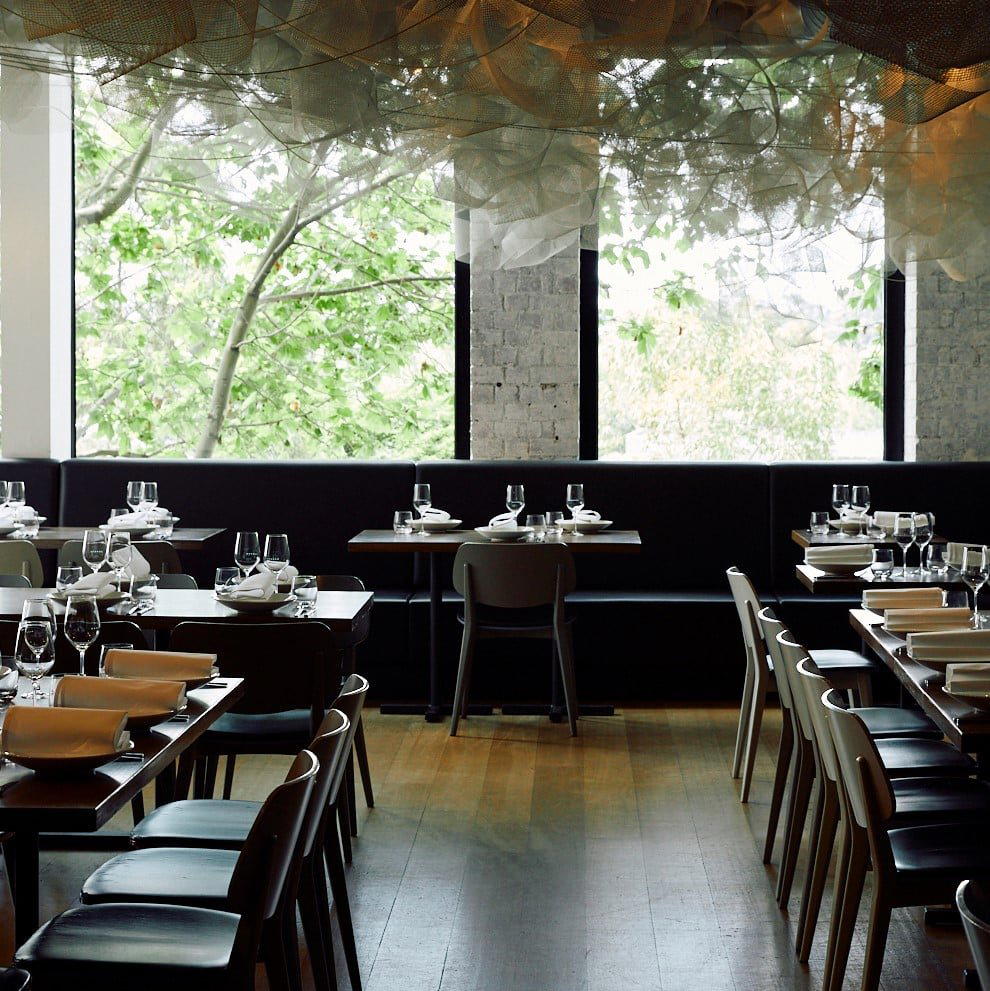
A Laneway Address with Weight Behind It
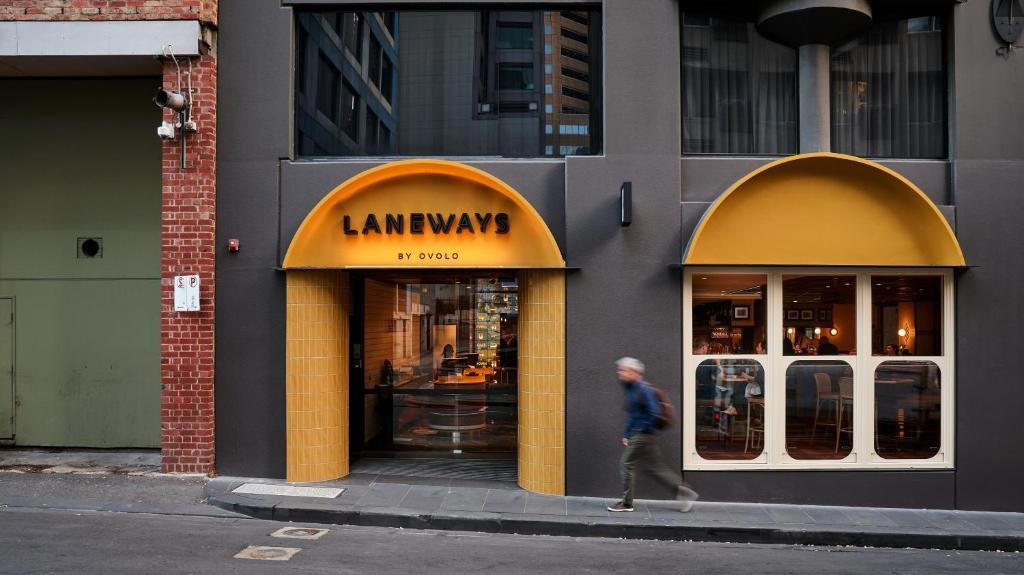
Duckboard Place sits in the compressed network of laneways that defines Melbourne's CBD dining character at its most concentrated. These narrow corridors, lit by neon spill and pendant warmth, have incubated some of the city's most significant restaurants over the past two decades, and they continue to operate as a kind of pressure cooker for ambition. The address at number 20 belongs to Tonka, and the laneway context matters: you arrive through the city's back channels rather than off a main boulevard, which sets the register before you've stepped inside. The approach is specifically Melbourne in a way that few other Australian cities can replicate.
The Room and What It Does to You
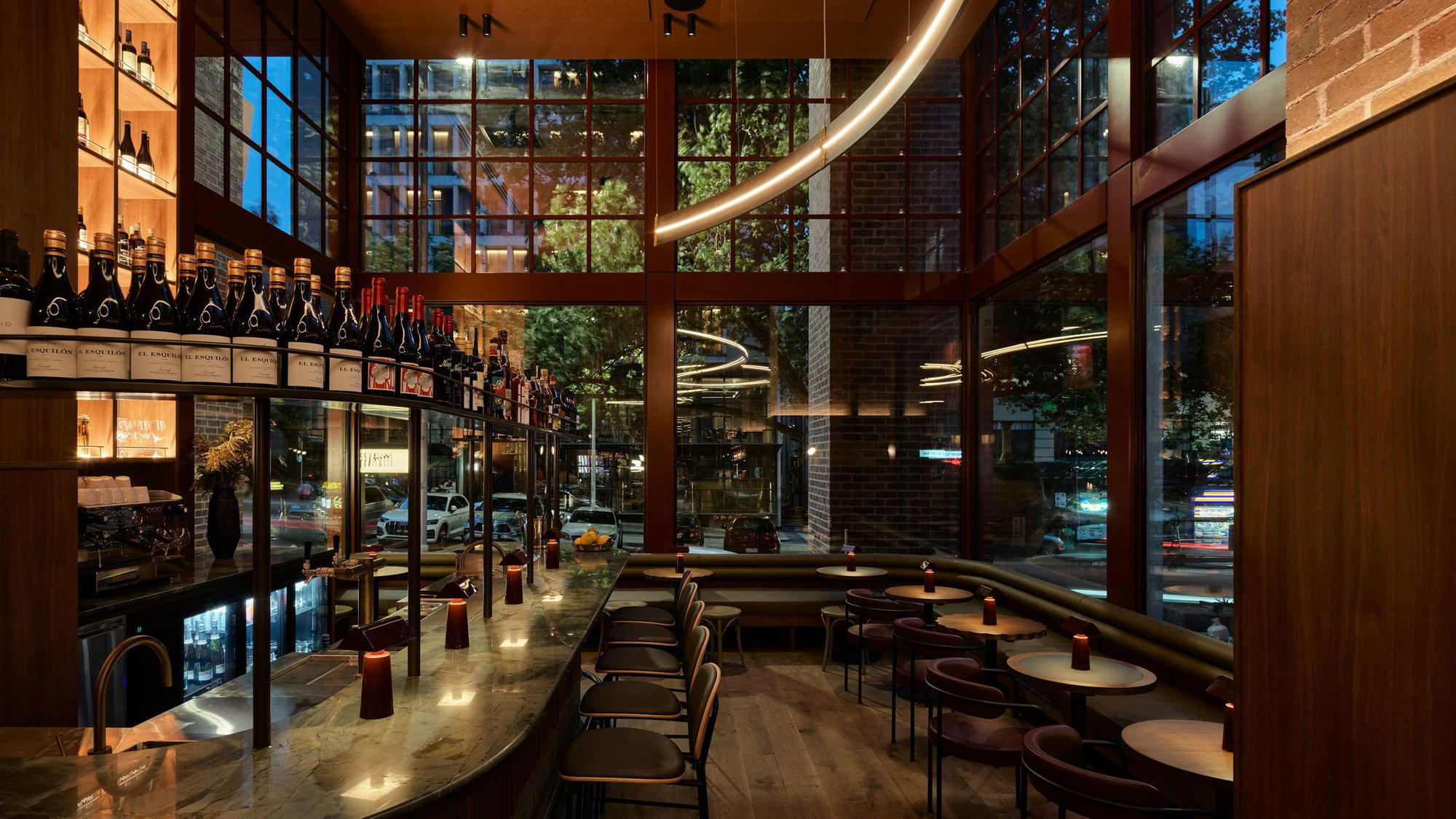
Indian-inflected dining in Australia has historically occupied either the casual end of the market or the ornate, heavily decorated formal end. Tonka sits in neither of those categories. The interior operates in a register closer to Melbourne's broader fine-casual idiom: the kind of space where the room has clearly been considered without announcing itself. The soundtrack tends toward something low and contemporary rather than the sitar loops that became a shorthand for subcontinental restaurants in the 1990s. The lighting is warm without being theatrical. The cumulative effect is a room that draws you into conversation with the food rather than with the decor, which in a city as food-serious as Melbourne is exactly the right hierarchy.
That sensory calibration places Tonka in a comparable set that includes Melbourne dining rooms where the atmosphere is deliberate but undemonstrative. Compare it with the hushed authority of Flower Drum, where decades of Cantonese tradition fill the room with their own gravity, or the different proposition of Attica, where Australian Modern cooking sits in a Ripponlea dining room of quiet intensity. Each of these rooms works its atmosphere differently. Tonka's version is warmer and less ceremonial, more likely to encourage a long second round of drinks than an early exit.
The Cooking: Where the Interest Lies
The format that Tonka operates within draws on Indian spice architecture and applies it to Australian produce, which is a genuinely productive collision. Indian cuisine's spice traditions are among the more technically sophisticated in the world: the sequencing of aromatics, the dry and wet masala logic, the interplay of heat, acid, and fat are all systems that reward serious kitchen attention. When those systems meet the produce calendar of southern Australia, the results can be more interesting than either tradition alone.
This is the same broad ambition that has shaped a generation of Australian restaurants working across Asian and subcontinental cooking traditions. At the higher end of the Australian dining spectrum, restaurants like Brae in Birregurra have shown what happens when European fine-dining rigour meets hyper-local Australian produce. Tonka's version of that negotiation runs through a different culinary tradition, but the underlying logic of serious technique applied to quality local ingredients is consistent. For context on how this approach plays out in other Australian cities, Botanic in Adelaide and Rockpool in Sydney represent comparable ambitions in their respective markets.
Melbourne's CBD has a high density of restaurants competing for the serious-dinner occasion, and Tonka's positioning within that field is specific: it occupies the space between casual Indian and formal fine dining, which in Melbourne terms means it competes with a range of rooms rather than a narrow subcategory. At the other end of the format spectrum, 48h Pizza e Gnocchi Bar anchors the Italian-casual end of the same neighbourhood.
Planning the Visit
Duckboard Place is accessible on foot from Flinders Lane and the wider CBD grid. The surrounding laneway precinct rewards arriving slightly early rather than rushing in: the approach through the narrow streets is part of the experience in a way that a main-road frontage is not. Reservations are recommended, and weekend tables are best secured well in advance. Evening service is where the room operates at full effect, when the laneway outside dims and the interior warmth becomes more pronounced.
Peers You’d Cross-Shop
Comparable venues nearby, for context on price, style, and recognition.
| Venue | Cuisine | Price | Notes |
|---|---|---|---|
| TonkaThis venue — the venue you are viewing | Modern Indian | $$$ | Not listed |
| Chapati CBD | Modern Indian | $$$ | Melbourne |
| Cote Basque | Basque Coast-Inspired European Grill | $$$ | CBD |
| Marameo | Modern Italian | $$$ | Melbourne |
| Lucy Liu Kitchen and Bar | Modern Pan-Asian Fusion | $$$ | Melbourne |
| Da Noi | Sardinian-Inspired Italian | $$$ | South Yarra |
Continue exploring
More in Melbourne
Restaurants in Melbourne
Browse all →
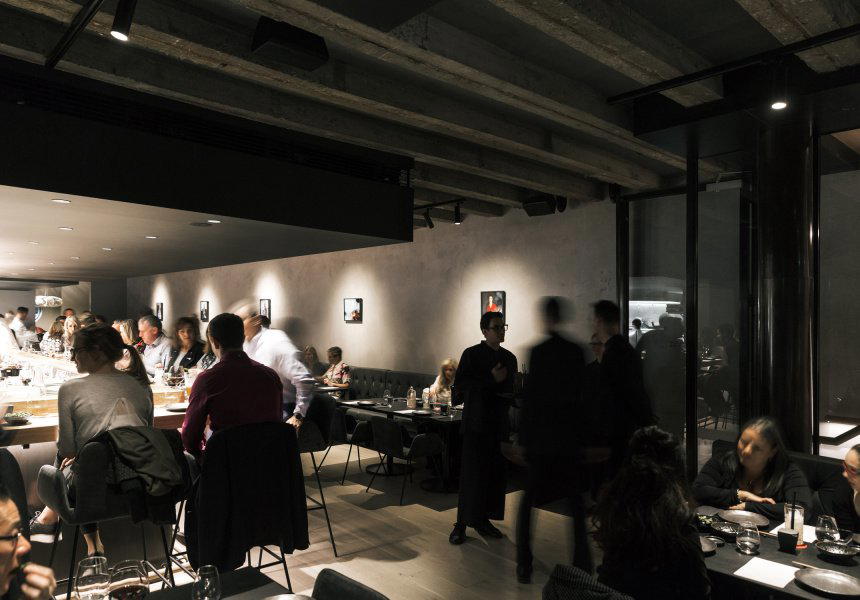
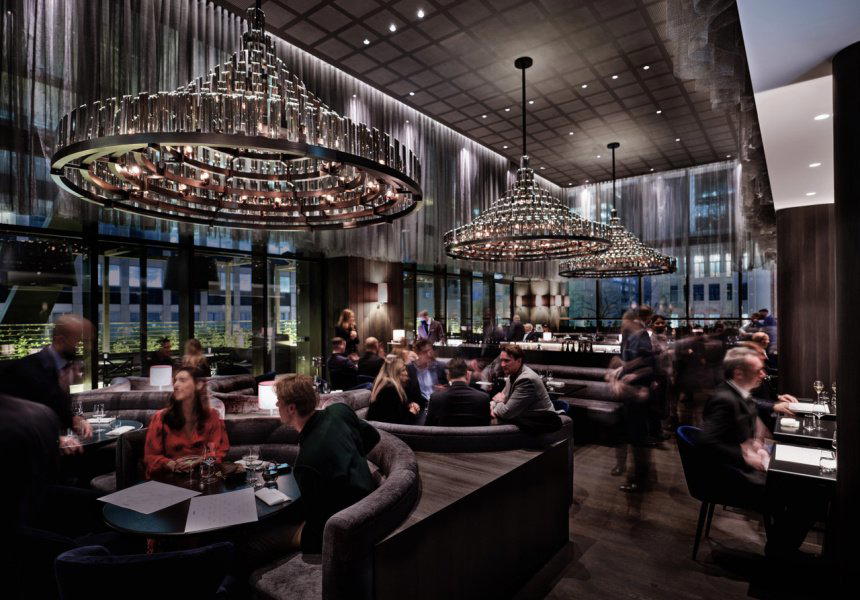
Bars in Melbourne
Browse all →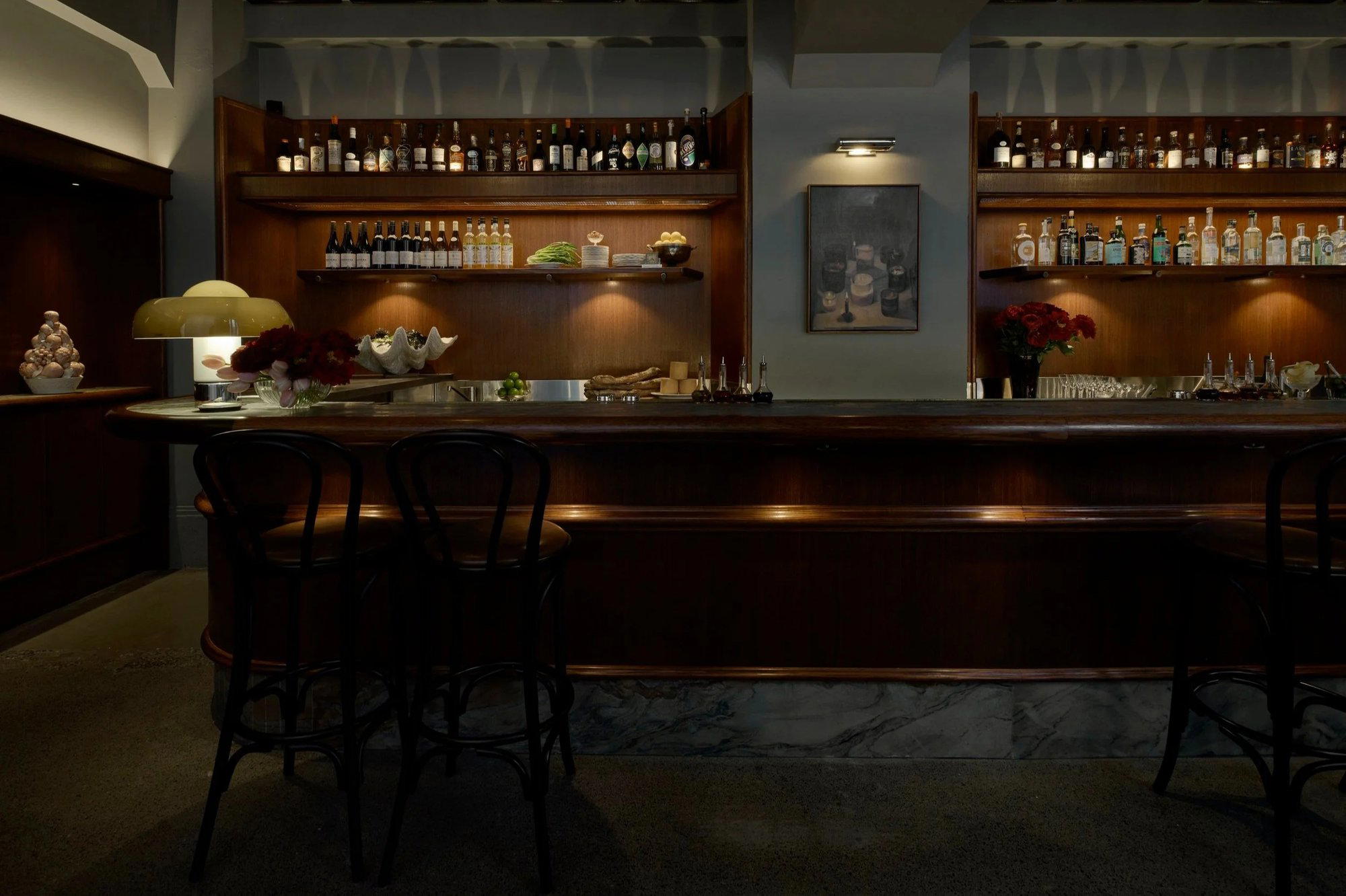
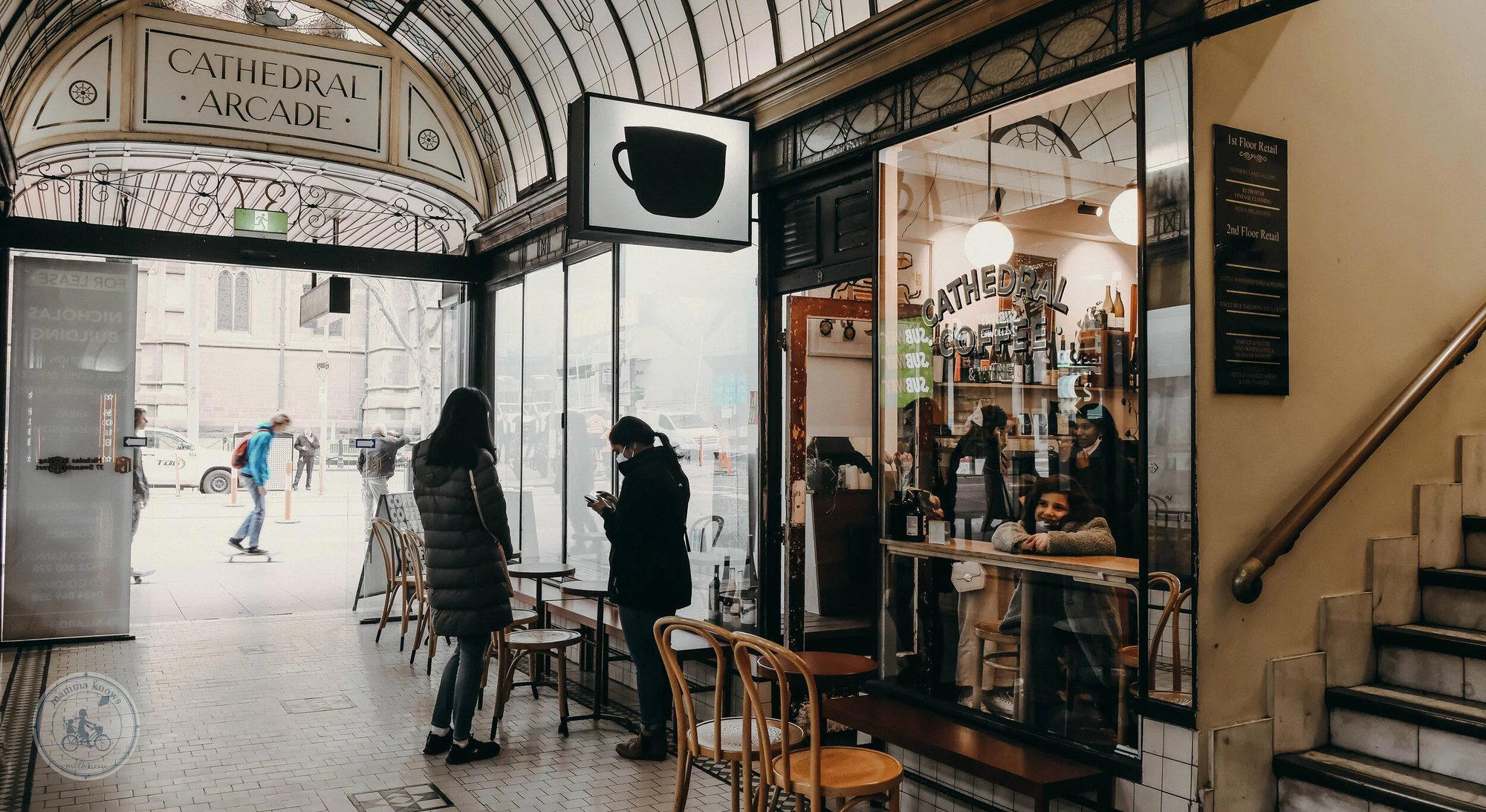
Hotels in Melbourne
Browse all →
At a Glance
- Modern
- Elegant
- Sophisticated
- Date Night
- Special Occasion
- Business Dinner
- Open Kitchen
- Extensive Wine List
- Craft Cocktails
- Local Sourcing
- Street Scene
Current opening hours
- Monday
- 5:30–9 PM
- Tuesday
- 12–3 PM, 5:30–9 PM
- Wednesday
- 12–3 PM, 5:30–9 PM
- Thursday
- 12–3 PM, 5:30–9 PM
- Friday
- 12–3 PM, 5:30–10:30 PM
- Saturday
- 12–10:30 PM
- Sunday
- 12–9 PM
Hours can change for holidays and private events. Last verified .
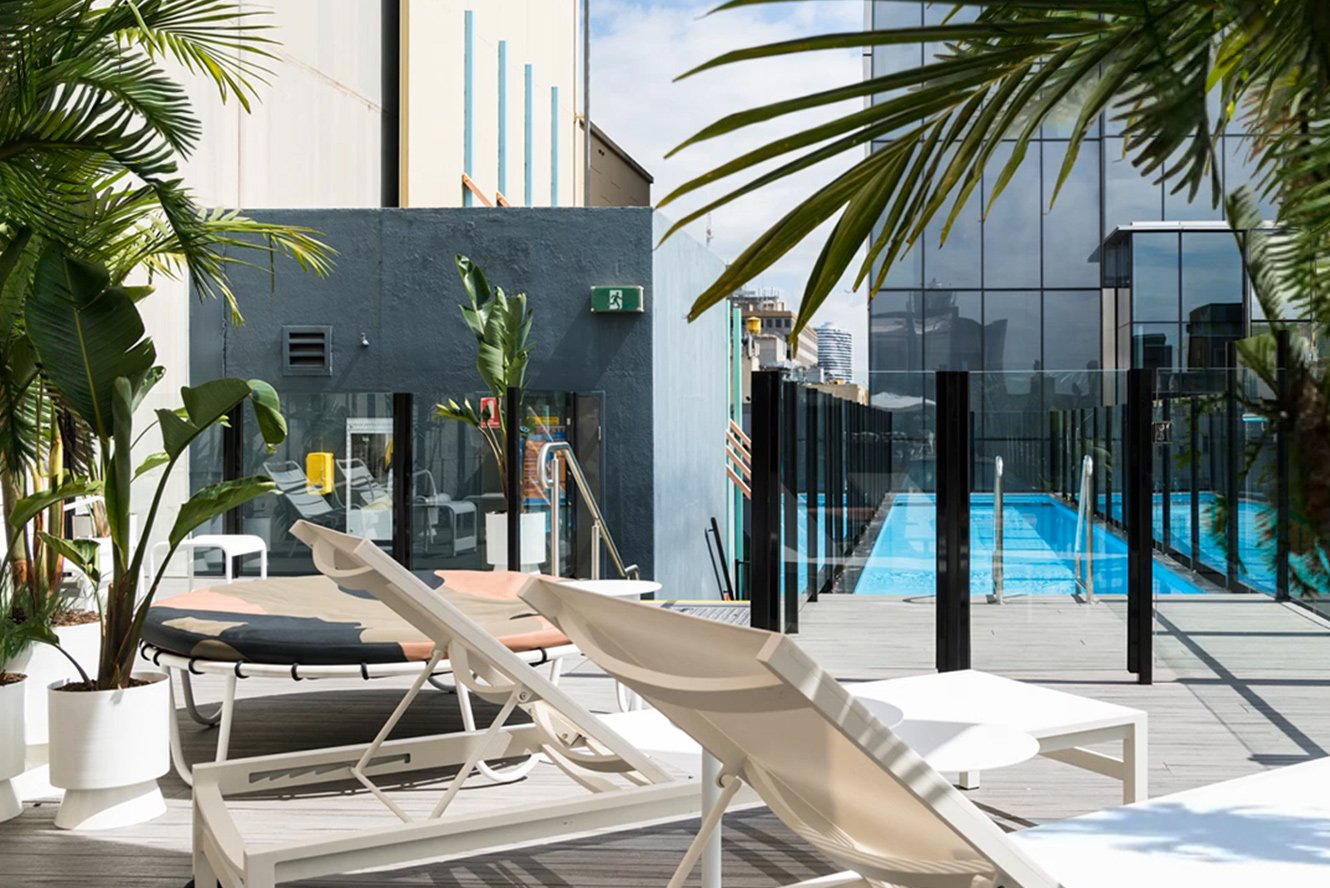
Elegant space with ethereal installation, sweeping windows offering street views, well-lit with natural light, and warm professional atmosphere.