Chapati CBD serves Modern Indian on Crossley St, with Chicken 65, Tandoori Mushroom and Chicken Tikka Tandoori; lively, upscale casual dinner suits a planned night out.
Pearl is the En Primeur Club membership app — saves, bookings, and concierge access live there. Same editors, same standards.
- Address
- Ground floor/27-29 Crossley St, Melbourne VIC 3000, Australia
- Phone
- +61 1300 809 169
- Website
- chapati.com.au
- Directions
- Get directions
 Saves & bookings on Pearl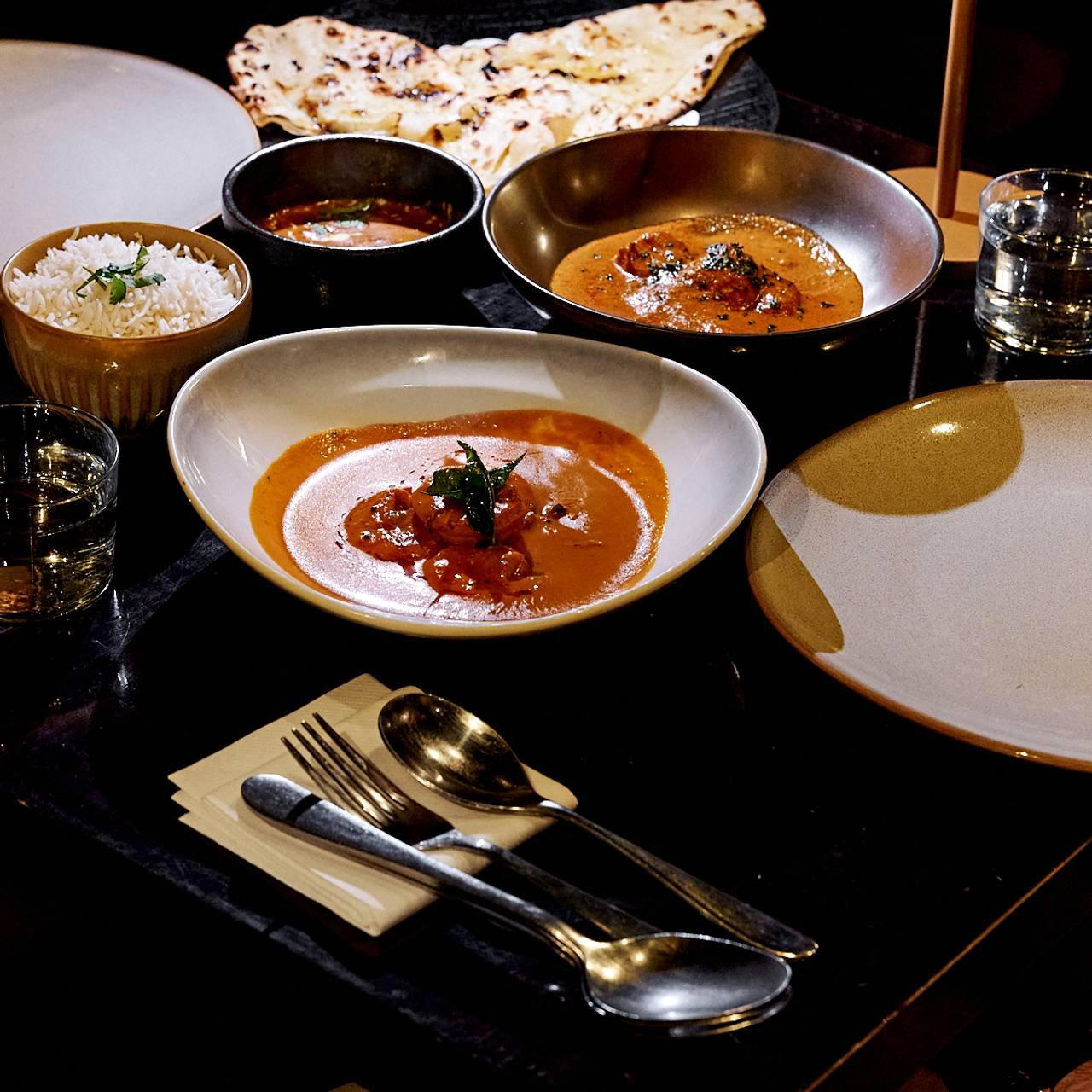
Crossley Street and the Indian Subcontinental Tradition in Melbourne's CBD
Crossley Street occupies a compressed lane between Bourke and Little Bourke, running through a block that has quietly accumulated some of Melbourne's more dependable mid-tier dining options over the decades. The ground floor of 27-29 sits at street level, accessible without ceremony, in the kind of location that rewards walkers who know the grid rather than those relying on a headline address. For Indian cuisine in Melbourne's CBD, this is characteristic territory: the neighbourhood rarely generates the same press as the Southbank precinct or Fitzroy's restaurant corridor, but it sustains a consistent local population of office workers, nearby hotel guests, and returning regulars who have matched expectation to format.
Chapati CBD operates within a city where the Indian dining offer spans a wide range, from canteen-style lunch counters near the Queen Victoria Market to more composed contemporary interpretations appearing periodically across the inner suburbs. The CBD itself tends toward formats built around accessibility and volume during weekday lunch service, with dinner trade leaning on proximity to theatres and hotels along the Bourke Street axis. Crossley Street sits inside that pattern, a short walk from the eastern end of the CBD retail core and within reasonable reach of both the Spring Street cultural precinct and the Parliament station exit.
What the Chapati Tradition Signals About Sourcing and Preparation
The chapati, as a bread form, carries a specific argument about ingredients and process that distinguishes it from leavened alternatives. Made from whole wheat flour, water, and salt, it demands well-milled atta and sufficient resting time for the gluten to relax before cooking on a tawa at high heat. The result is a bread that communicates the quality of its base ingredient directly, with no yeast fermentation or long ferment to mask flour character. In the context of Indian dining outside the subcontinent, the presence of chapati on a menu rather than (or alongside) naan signals something about kitchen priorities: chapati is a daily bread in many North Indian and Pakistani households, baked to order and consumed immediately, whereas naan has historically travelled better as a restaurant-adapted format because its tandoor production scales more easily in commercial settings.
Australian sourcing of atta flour has improved significantly over the past decade, with specialist importers and local millers producing whole wheat flours that approach the texture of subcontinent varieties. Restaurants working in this category now have access to supply chains that were considerably thinner fifteen years ago. For venues positioned in the CBD lunch and casual dinner tier, the sourcing question extends beyond flour to dal varieties, spice provenance, and the availability of fresh curry leaf, all of which affect the baseline register of the food. The distance between a dish made with pre-ground spice blends and one built from freshly toasted and ground individual spices is perceptible without any specialist knowledge, and it is precisely this gap that separates reliable mid-market Indian dining from the forgettable.
Melbourne's Indian Dining Context
Melbourne's Indian restaurant offer is broader and more differentiated than most Australian cities outside of Sydney. The Fitzroy and Brunswick corridors have produced venues working with regional specificity, distinguishing between Punjabi, South Indian Chettinad, Keralan coastal, and Rajasthani traditions rather than defaulting to a single pan-Indian menu structure. The CBD, by contrast, tends toward formats with broader menus and faster service rhythms, shaped by the demographic reality of a business district lunch crowd that values efficiency alongside quality.
In that context, a venue operating under the name Chapati CBD is making a modest editorial claim about its own identity: the reference to a specific bread form, rather than a regional cuisine or a chef name, positions it within the accessible and familiar rather than the specialist or premium. Comparable venues in the city's Indian mid-market, including various Punjabi-leaning counters in Footscray and South Asian lunch spots around Little India on Swanston Street, compete on consistency, portion calibration, and price-to-quality ratio rather than tasting menus or provenance narratives.
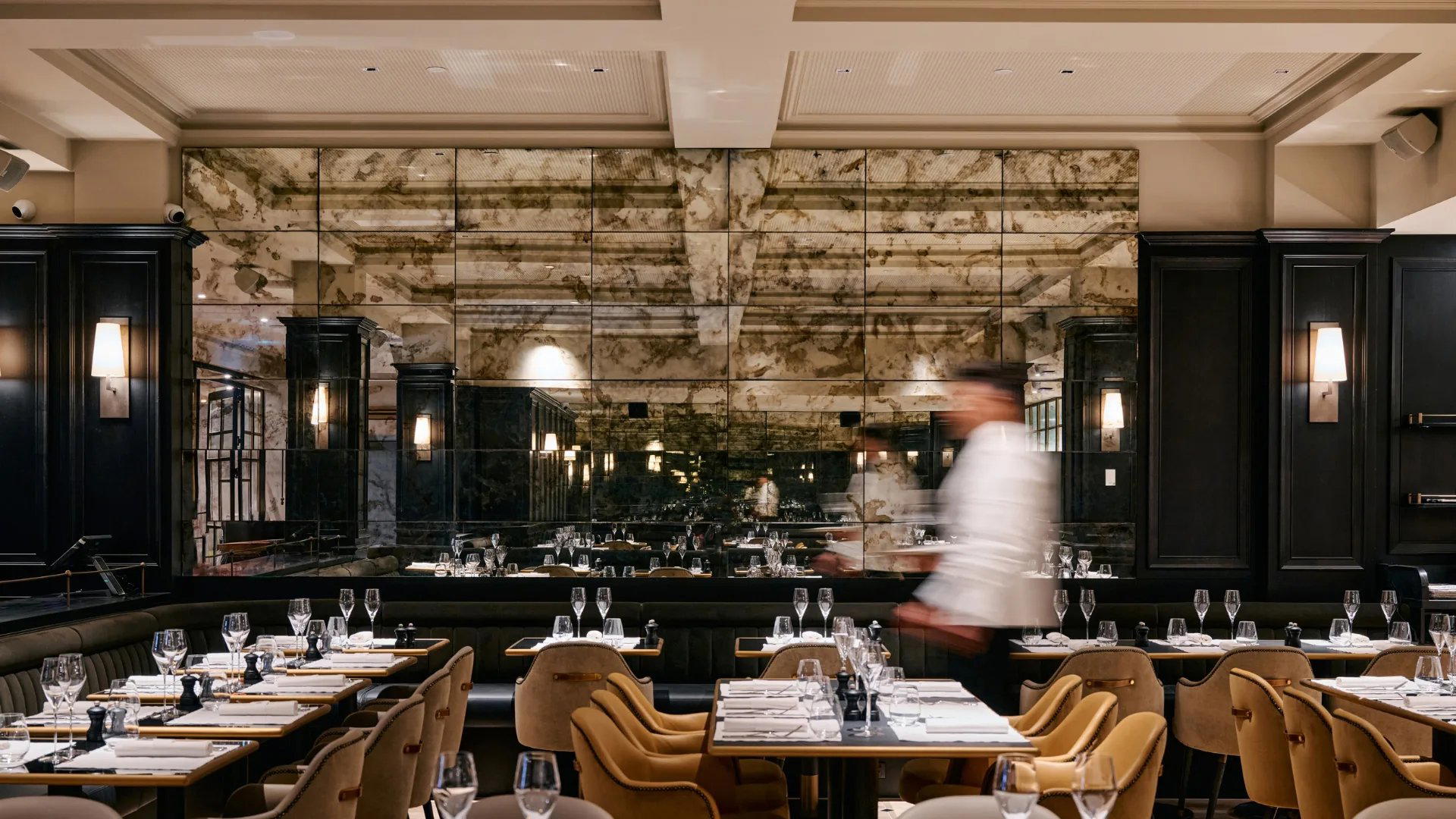
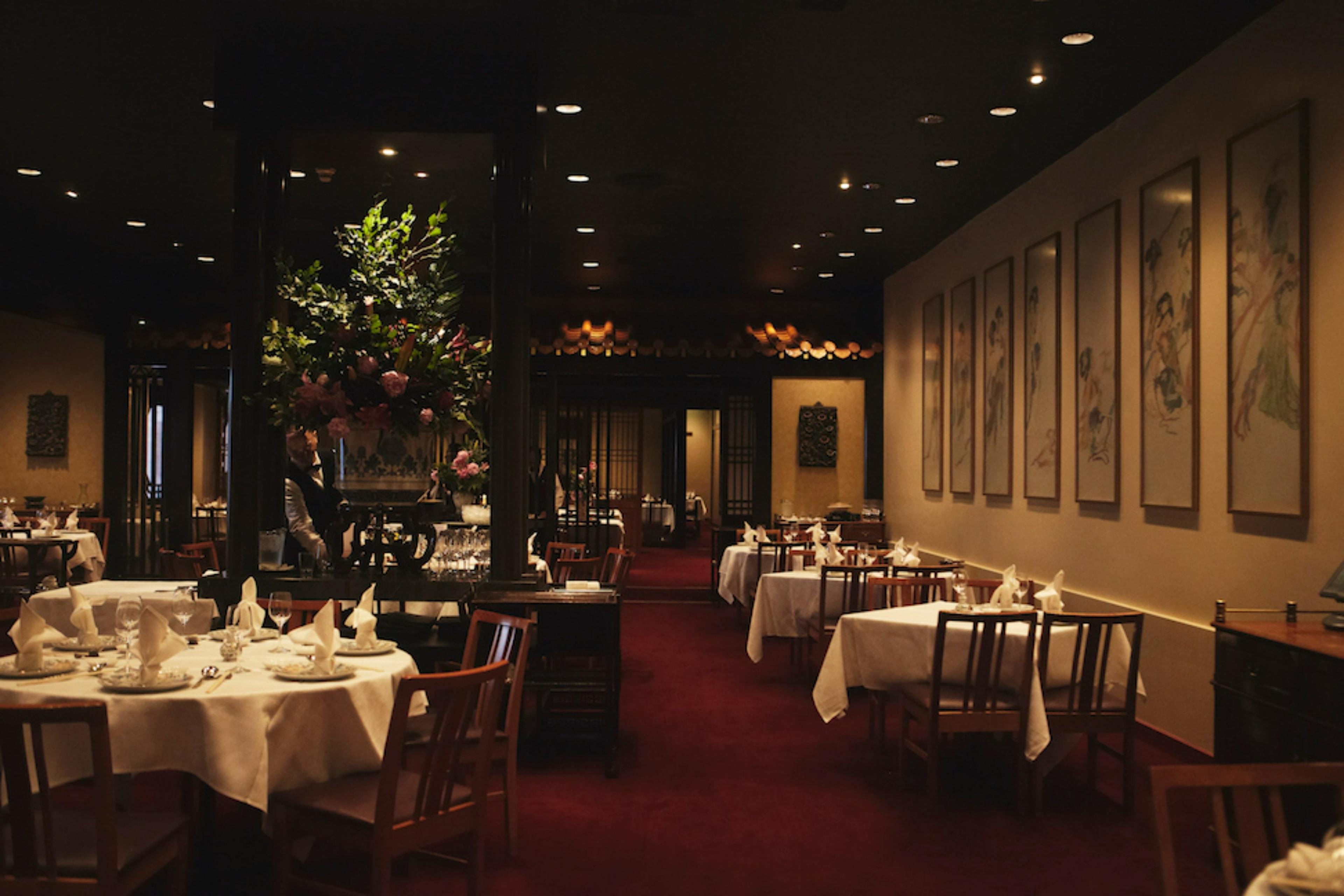
For the premium dining reader seeking context, Melbourne's broader restaurant conversation is anchored at the upper end by venues such as Attica (Australian Modern) and Flower Drum (Cantonese), both of which operate at a different price tier and with a different booking logic entirely. Chapati CBD occupies a different position in the city's dining architecture, closer to the accessible end of the market that sustains the CBD's daily food economy alongside venues like 48h Pizza e Gnocchi Bar, 7 Alfred (steak-frites), and Above Board. The full range of where Melbourne sits in Australia's dining picture is mapped in our full Melbourne restaurants guide.
For comparison points outside Melbourne, the ingredient-led sourcing argument that defines the better end of this category finds parallels in produce-driven operations such as Brae in Birregurra, Botanic in Adelaide, and Hentley Farm in Seppeltsfield, though these operate at a different format and price level. The point is structural rather than comparative: Australian dining has moved consistently toward sourcing transparency across price tiers, and even informal CBD venues are increasingly accountable to that expectation.
Further afield, venues like Rockpool in Sydney, Laura at Pt Leo Estate in Merricks, Pipit in Pottsville, Provenance in Beechworth, Salt Water Restaurant in Cairns, Ormeggio at The Spit in Mosman, and Lizard Island Resort in Lizard Island each illustrate how Australian dining geography rewards those willing to travel beyond the metropolitan core. Internationally, the sourcing discipline that separates strong from weak in subcontinental cooking has equivalents in fine dining institutions such as Le Bernardin in New York City and Lazy Bear in San Francisco, both of which demonstrate how ingredient rigour shapes the ceiling of what a kitchen can achieve.
Planning Your Visit
Chapati CBD is located on the ground floor of 27-29 Crossley Street, Melbourne CBD, accessible on foot from the eastern end of the city centre and a short walk from Parliament and Melbourne Central stations. The Crossley Street location is generally suited to walk-in lunch visits during weekday service, given the corridor's profile as a mid-market dining lane rather than a destination requiring advance reservation.
How Chapati CBD Melbourne compares with similar nearby venues.
| Venue | Cuisine |
|---|---|
| Florentino | Modern Italian |
| Flower Drum | Cantonese |
Continue exploring
More in Melbourne
Restaurants in Melbourne
Browse all →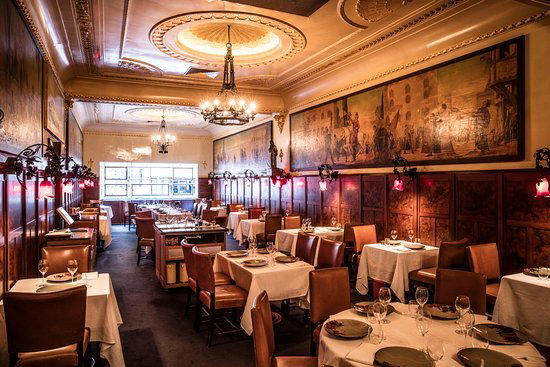
Bars in Melbourne
Browse all →
Hotels in Melbourne
Browse all →


At a Glance
- Modern
- Trendy
- Lively
- Group Dining
- Casual Hangout
- Date Night
Current opening hours
- Monday
- 5–10 PM
- Tuesday
- 12–3 PM, 5–10 PM
- Wednesday
- 12–3 PM, 5–10 PM
- Thursday
- 12–3 PM, 5–11 PM
- Friday
- 12–3 PM, 5–11 PM
- Saturday
- 5–11 PM
- Sunday
- 5–10 PM
Hours can change for holidays and private events. Last verified .
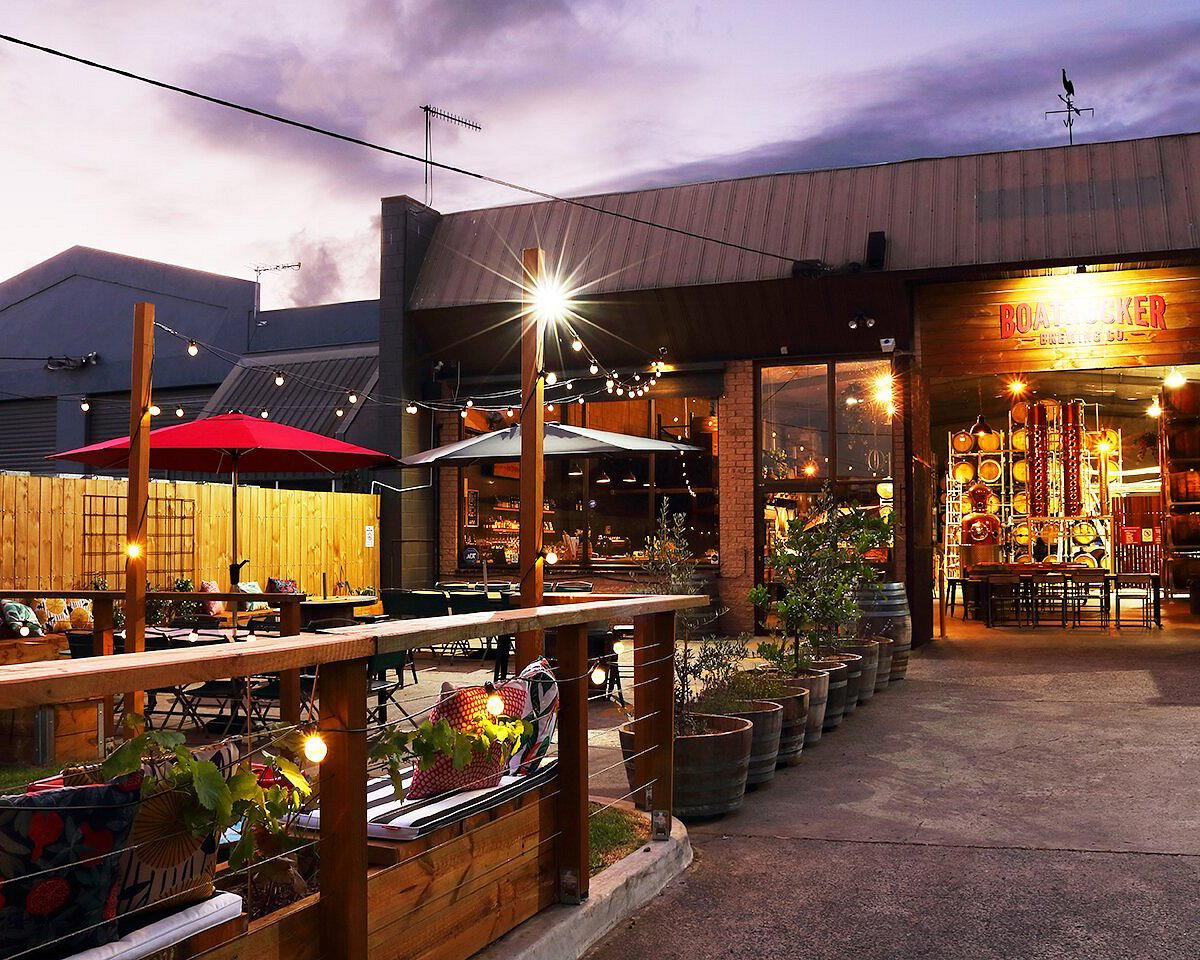
Sleek lines, minimalist design, open layout creating a relaxed yet sophisticated atmosphere with warm, inviting feel.
Know Before You Go
- Getting there
- Ground floor/27-29 Crossley St, Melbourne VIC 3000, Australia