Tomson
Tomson sits in Cape Town's iKapa district, entering a dining scene where ethical sourcing and environmental accountability have moved from talking point to structural expectation. Positioned alongside Cape Town's most considered restaurants, it represents a local shift toward cooking that treats provenance as a starting condition rather than a marketing add-on. Advance research is advised before visiting.
Pearl is the En Primeur Club membership app — saves, bookings, and concierge access live there. Same editors, same standards.
- Address
- iKapa, 8000
- Directions
- Get directions
 Saves & bookings on Pearl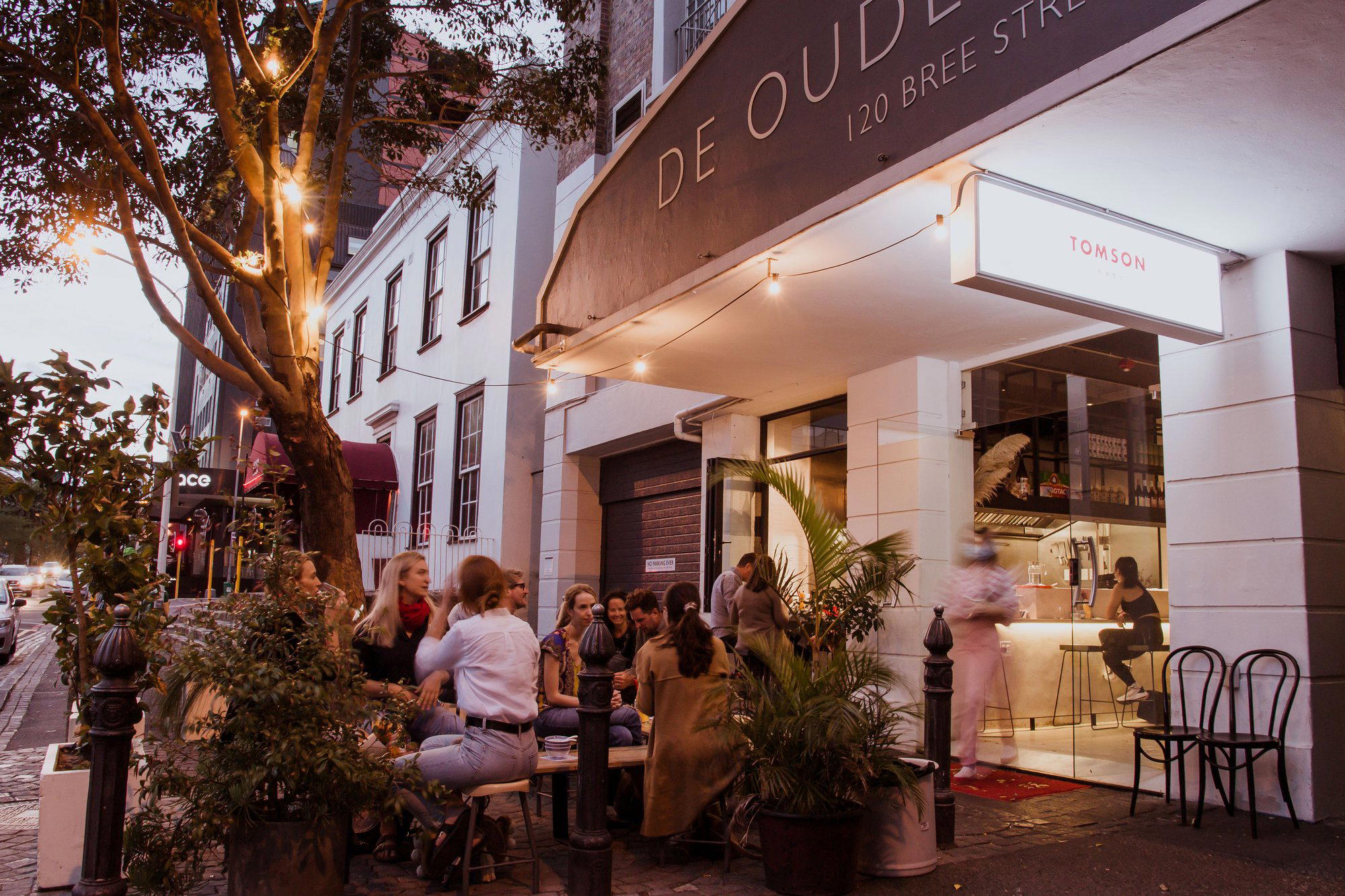
Cape Town's Sourcing-Driven Dining Scene, and Where Tomson Fits
Cape Town has spent the last decade building one of the southern hemisphere's more coherent arguments for place-based cooking. The city's leading tables, Fyn, La Colombe, Salsify at the Roundhouse, and The Test Kitchen, have each, in their own register, moved beyond the novelty of South African ingredients toward a more disciplined conversation about where those ingredients come from and what the kitchen's relationship to the land actually looks like. Tomson is a South Cantonese Street Food restaurant in iKapa, Cape Town, priced at about $25 per person.
What the address signals matters. iKapa sits within Cape Town's broader urban fabric, a city where the distance between a fishing harbour, a smallholder farm, and a fine dining kitchen can be measured in minutes rather than hours. That geography has long been the structural advantage that Cape Town kitchens press when building sourcing-led menus. The peninsula's access to cold-water Atlantic seafood, the Winelands' proximity for both produce and ferments, and the Swartland's grain culture to the north give any serious kitchen here a supply network that restaurants in most other cities would require significant logistics to replicate.
The Sustainability Shift in South African Fine Dining
The broader movement toward environmental accountability in South African restaurant kitchens has accelerated in the post-2020 period. This is not a uniform trend, it exists on a spectrum from genuine structural change to surface-level positioning, but the restaurants that have committed most seriously to it share recognisable characteristics: relationships with named farms and fisheries, waste reduction built into the menu architecture rather than bolted on afterward, and a willingness to let seasonal scarcity shape what is and is not offered on any given night.
Wolfgat in Paternoster has made this approach its entire identity, building a menu from foraged coastline ingredients that shifts with what the shoreline provides rather than what a fixed menu demands. Bread & Wine Vineyard Restaurant in Stellenbosch has applied a similar logic to its vineyard-integrated kitchen. These are reference points for what committed place-based sourcing looks like when it is structural rather than decorative. Restaurants that sit within this tradition are assessed by their peers and by returning guests on the consistency of that commitment across seasons, not just at the moment a menu is photographed for a press release.
For visitors moving between Cape Town and the wider Western Cape, this context is relevant. The conversation about sustainability in South African dining is not contained to the city. Le Quartier Français in Franschhoek and Wolfgat in Saldanha Bay represent different inflections of the same regional preoccupation with provenance and ethical supply. Understanding that network gives any visit to a Cape Town table considerably more interpretive depth.
Positioning Within Cape Town's Restaurant Tier
Cape Town's serious restaurant scene now divides broadly into three operating tiers. The first includes venues with international award recognition, Michelin attention, World's 50 Best positioning, or sustained coverage in named international publications, where the kitchen's ambition is explicitly outward-facing. The second tier comprises places that have built strong local reputations and regional credibility without that degree of international signal. The third is a more exploratory layer of newer or less-documented restaurants where the offer is real but the public record is thinner.
Tomson's current public profile places it in a position where direct verification from the venue is the appropriate first step for any potential visitor. Checking current hours, reservation availability, and menu focus directly with the venue before making plans is the practical advice here.
For broader Cape Town planning, 95 at Parks offers another reference point within the city's mid-to-upper dining register, and our full Cape Town restaurants guide maps the wider scene across neighbourhoods and price tiers.
Vegetarian and Dietary Considerations in This Context
Cape Town's sourcing-led restaurant culture has generally been more receptive to vegetable-forward cooking than cities where protein-centric fine dining remains the default. Kitchens that organise their menus around what the season provides, rather than around a fixed protein anchor, tend to produce more considered vegetarian options by structural necessity. Whether Tomson's specific offer reflects this pattern is best confirmed with the venue directly, particularly given the limited public detail available. Contacting the restaurant ahead of a visit is one reliable method for guests with dietary requirements.
The Wider South African Context
For readers moving through South Africa more broadly, the restaurant conversation extends well beyond the Western Cape. EAT YOUR HEART OUT in Hillbrow and Foundry in Sandton represent Johannesburg's parallel development of serious dining culture, while Klein Jan in Moshaweng Nu makes an altogether different argument about where in the country committed place-based cooking is happening, one rooted in Kalahari ecology rather than coastal abundance. La Sosta Restaurant in Swellendam adds another regional data point for visitors moving the Garden Route corridor.
Further afield, for EP Club readers who use South African fine dining as a calibration against global benchmarks, Le Bernardin in New York City and Atomix in New York City represent international peer-set reference points in the seafood and tasting-menu formats respectively. The comparison is not one of equivalence but of shared ambition around provenance, technique, and the relationship between a kitchen and its supply chain.
Planning a Visit to Tomson
Tomson takes reservations, and advance booking is recommended. Cape Town restaurants at the more considered end of the market frequently operate on advance-booking systems, and Tomson is best booked ahead. Early contact is worth the effort.
A Lean Comparison
Comparable venues nearby, for context on price, style, and recognition.
| Venue | Cuisine | Price |
|---|---|---|
| TomsonThis venue — the venue you are viewing | Not listed | $$$ |
| Baia Seafood Restaurant | Schotschekloof, Contemporary Seafood | $$$ |
| El Burro Greenpoint | Schotschekloof, Authentic Mexican Tapas | $$ |
| Arthur’s Mini Super | Bantry Bay, Quirky Neighborhood Cafe | $$ |
| The Kitchen | City Bowl, Cape Malay | $$ |
Continue exploring
More in Cape Town
Restaurants in Cape Town
Browse all →
Bars in Cape Town
Browse all →
Hotels in Cape Town
Browse all →
At a Glance
- Lively
- Trendy
- Modern
- Minimalist
- Casual Hangout
- Date Night
- Craft Cocktails
- Street Scene
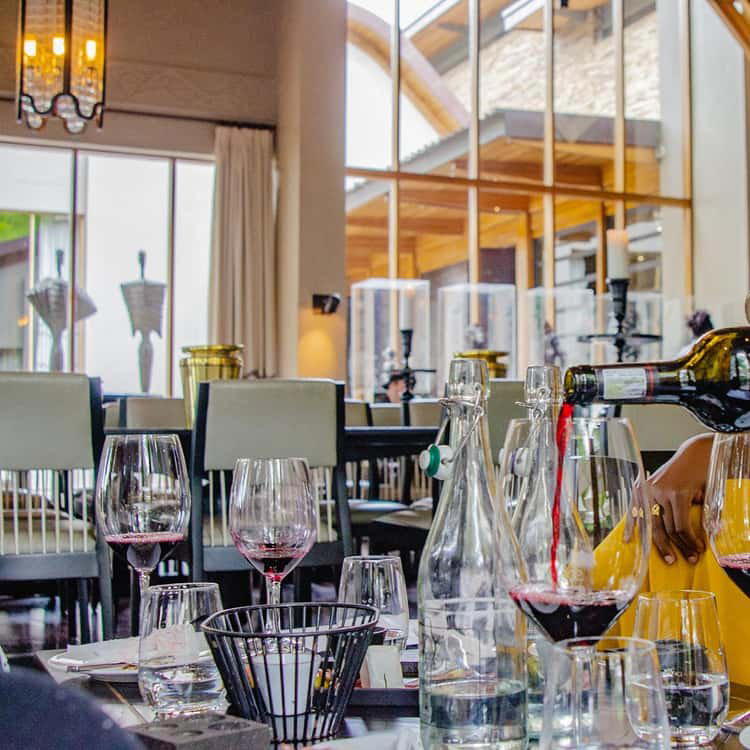
Lively and busy minimalist interior with lively street-side energy and flavorful Cantonese dishes front and center.