Tom Almhütte sits above Maria Alm in the Salzburg Alps, accessible only on foot or by ski, a working mountain hut that operates within Austria's deep tradition of alpine refuge dining. The setting defines the experience: no car access, no concessions to convenience, and a menu shaped by what the mountain allows. For context on the wider dining scene, see our full Maria Alm restaurants guide.
Pearl is the En Primeur Club membership app — saves, bookings, and concierge access live there. Same editors, same standards.
- Address
- KEINE PKW ZUFAHRT MÖGLICH, Natrun 50, 5761 Maria Alm, Austria
- Phone
- +43 676 3535045
- Website
- edertom.com
- Directions
- Get directions
 Saves & bookings on Pearl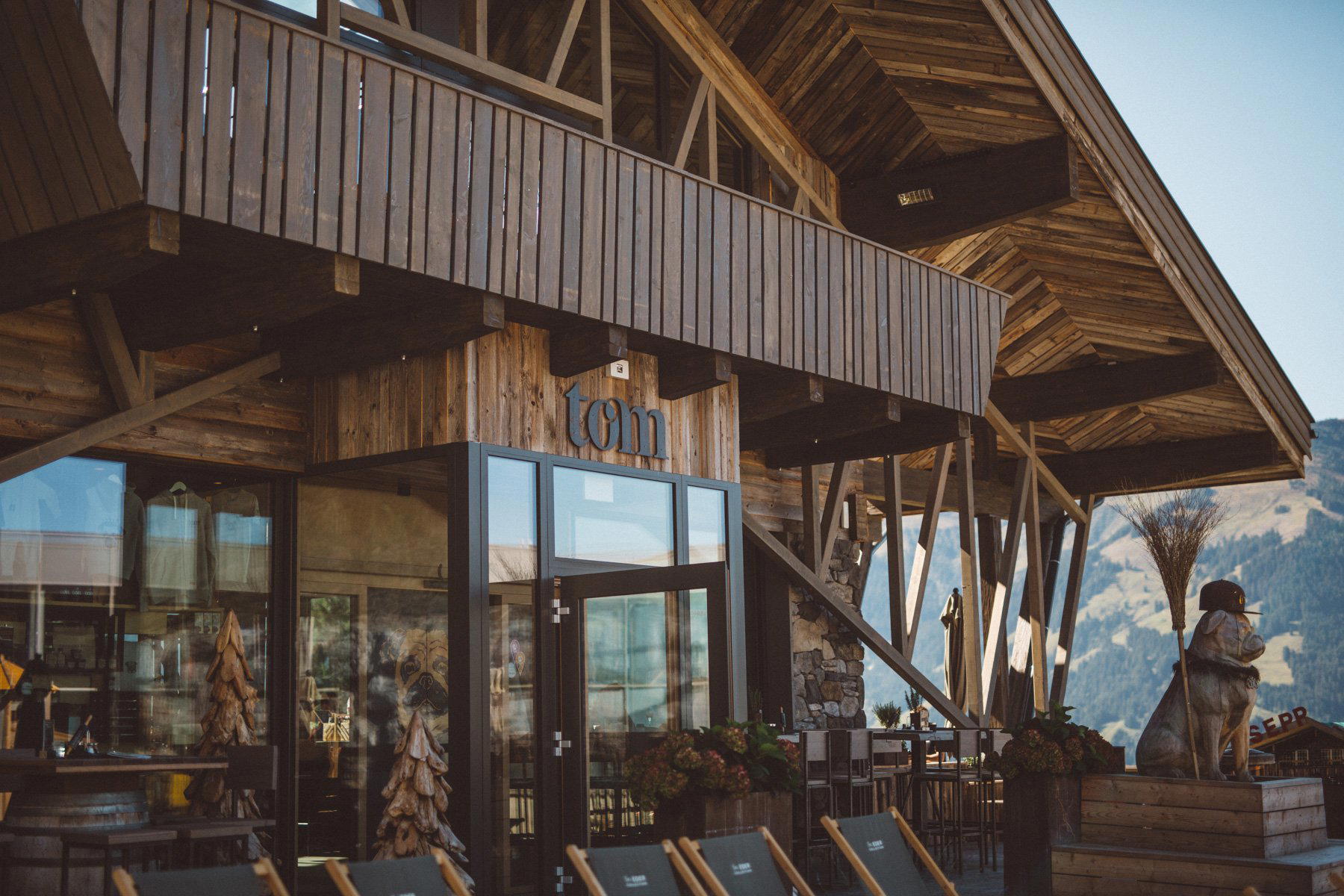
The Alpine Hut Tradition and Where Tom Almhütte Fits
Austria's mountain huts occupy a category that has no clean equivalent elsewhere in European dining. They are not restaurants that happen to have views, nor are they rustic canteens preserved for nostalgia. Strong examples among them function as a distinct hospitality format: provisioned by what can be carried or stored at altitude, shaped by centuries of pastoral and hunting culture, and measured by whether they earn their place in the mountain landscape. The Salzburg Alps, which frame the Hochkönig massif above Maria Alm, contain particularly committed examples of this format. Tom Almhütte, positioned above the valley floor with no road access whatsoever, sits squarely in that tradition.
The address alone signals the operating logic: Natrun 50, Maria Alm, with the explicit note that no car access is possible. That constraint is not incidental. It is the condition that defines the experience, filters the clientele, and preserves the character of the place. Guests arrive on foot in summer or on skis in winter, which means the approach itself is part of the proposition. In this respect, Tom Almhütte belongs to a comparable set that prioritises earned arrival over convenient access, a format more common in the Swiss and Austrian Alps than anywhere else in Europe.
Maria Alm and the Hochkönig Dining Context
Maria Alm sits at the western edge of the Hochkönig ski area, a quieter alternative to the more heavily marketed Salzburgerland resorts. The village dining scene reflects that character: less oriented toward high-turnover après-ski volume, more toward the kind of address that rewards some prior knowledge. Almhof and RAR Fine Dining represent the valley-floor end of the local range, while Steinbockalm and the restaurant occupy the mountain tier, places where the journey is genuinely part of the assessment.
The broader Austrian alpine dining scene provides context: Döllerer in Golling an der Salzach has long anchored serious regional cooking in the Salzach valley, while Ikarus in Salzburg operates at the opposite end of the formality spectrum. For mountain-specific fine dining comparisons, Griggeler Stuba in Lech and Gourmetrestaurant Tannenhof in Sankt Anton am Arlberg represent the Vorarlberg and Tirol versions of altitude dining with Michelin recognition. The restaurant operates outside that formal awards bracket, but that is precisely what defines its comparable set: huts that are measured by their authenticity to the format rather than by tasting-menu credentials.
The Cultural Roots of Almhütte Dining
The Austrian Almhütte functions within a food culture that traces directly to transhumance, the seasonal movement of livestock to high alpine pastures, and to the provisions economy that sustained it. The foods associated with this tradition are specific and deliberately simple: Brettljause (a wooden-board spread of cured meats, cheese, bread, and pickles), Kasnocken or Käsespätzle (pan-fried cheese noodles), hearty soups built from mountain herbs, and game preparations that reflect the hunting rights historically attached to high-altitude land. These are not dishes that a kitchen retreats to when it lacks ambition. They are dishes that require restraint and sourcing discipline to do well, and they represent the culinary logic of altitude: calorie-dense, shelf-stable ingredients prepared in ways that reward quality of raw material over complexity of technique.
Within this tradition, the credibility of a hut rests on the provenance of its ingredients and the confidence with which it serves them without elaboration. The Salzburg region has a particular claim on this culture: the salt trade that made the city wealthy also moved through these mountain corridors, and the food traditions of the Pongau and Pinzgau districts around Hochkönig reflect centuries of provisioning logic. Kräuterreich by Vitus Winkler in Sankt Veit im Pongau represents one version of how that regional ingredient culture can be expressed in a contemporary fine-dining format. The restaurant represents a different version of the same raw material heritage, one that stays entirely within the traditional frame rather than translating it upward.
Arriving at Tom Almhütte
The no-car-access condition shapes every practical decision a visitor makes. In winter, the hut is reached via ski run or touring route from the Hochkönig ski network. In summer, the approach is on foot from the valley trails above Natrun. This is standard operating procedure for Austria's higher-altitude huts.
Midday is the natural service window for mountain huts of this type, with most winding down in the afternoon before last descent or return hike times. Arriving close to the midday peak means sharing the terrace with the largest crowd; arriving later in the early afternoon typically means a quieter experience with the same views.
The Wider Austrian Mountain Dining Map
Obauer in Werfen remains one of the region's most consistent fine-dining references. Steirereck im Stadtpark in Vienna represents the apex of Austrian seasonal cooking in an urban format. Further afield in the alpine arc, Stüva in Ischgl and Schwarzer Adler in Hall in Tirol anchor the Tirol end of the mountain dining conversation, while Landhaus Bacher in Mautern an der Donau and Ois in Neufelden extend the map westward into Lower Austria and Upper Austria respectively. Restaurant 141 by Joachim Jaud in Mieming adds a Tirol reference for contemporary alpine cuisine. For context on mountain dining, Le Bernardin in New York City and Atomix in New York City represent the formal end of what a destination dining experience can look like at the opposite extreme of the format spectrum.
Budget Reality Check
Comparable venues nearby, for context on price, style, and recognition.
| Venue | Price | Awards | Notes |
|---|---|---|---|
| Tom AlmhütteThis venue — the venue you are viewing | $$$ | Not listed | Not listed |
| Almhof | $$$ | Not listed | Maria Alm am Steinernen Meer, Alpine Hut Cuisine with International Flair |
| Steinbockalm | $$ | Not listed | Maria Alm, Traditional Austrian Mountain Hut |
| RAR Fine Dining | $$$$ | Michelin Plate | Maria Alm, Alpine-Asian Fusion Fine Dining |
| Römerhof Stüberl | $$$ | Not listed | .null, Traditional Austrian & Tyrolean restaurant |
| Pehab | $$$ | Not listed | Ramsau am Dachstein, Regional Austrian Seasonal |
Continue exploring
More in Maria Alm
Restaurants in Maria Alm
Browse all →
Bars in Maria Alm
Browse all →
At a Glance
- Modern
- Rustic
- Scenic
- Trendy
- Cozy
- Celebration
- Group Dining
- Casual Hangout
- Brunch
- Special Occasion
- Panoramic View
- Terrace
- Live Music
- Private Dining
- Design Destination
- Beer Program
- Craft Cocktails
- Local Sourcing
- Organic
- Mountain
Current opening hours
- Monday
- 9 AM–6 PM
- Tuesday
- 9 AM–6 PM
- Wednesday
- Closed
- Thursday
- Closed
- Friday
- Closed
- Saturday
- 9 AM–6 PM
- Sunday
- 9 AM–6 PM
Hours can change for holidays and private events. Last verified .
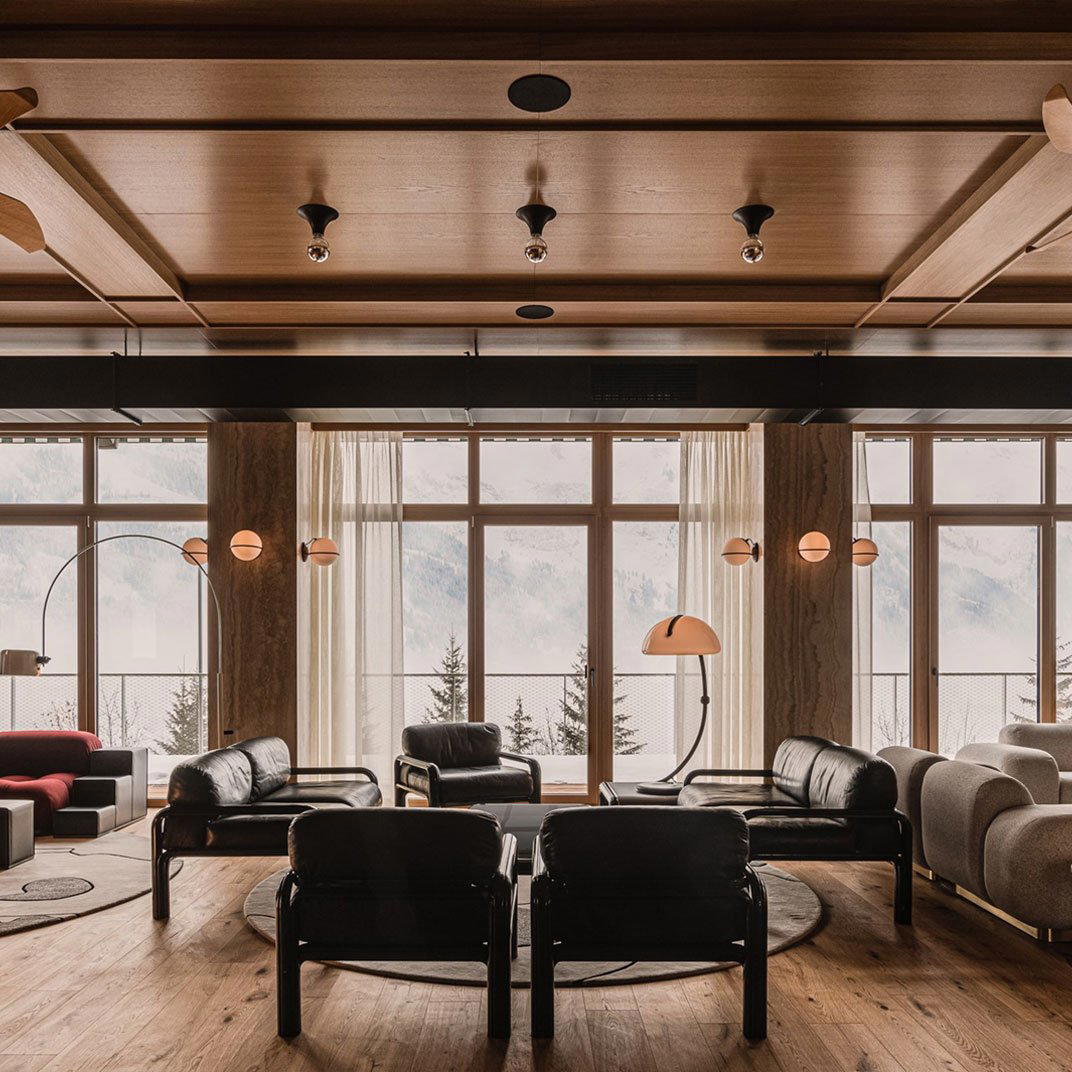
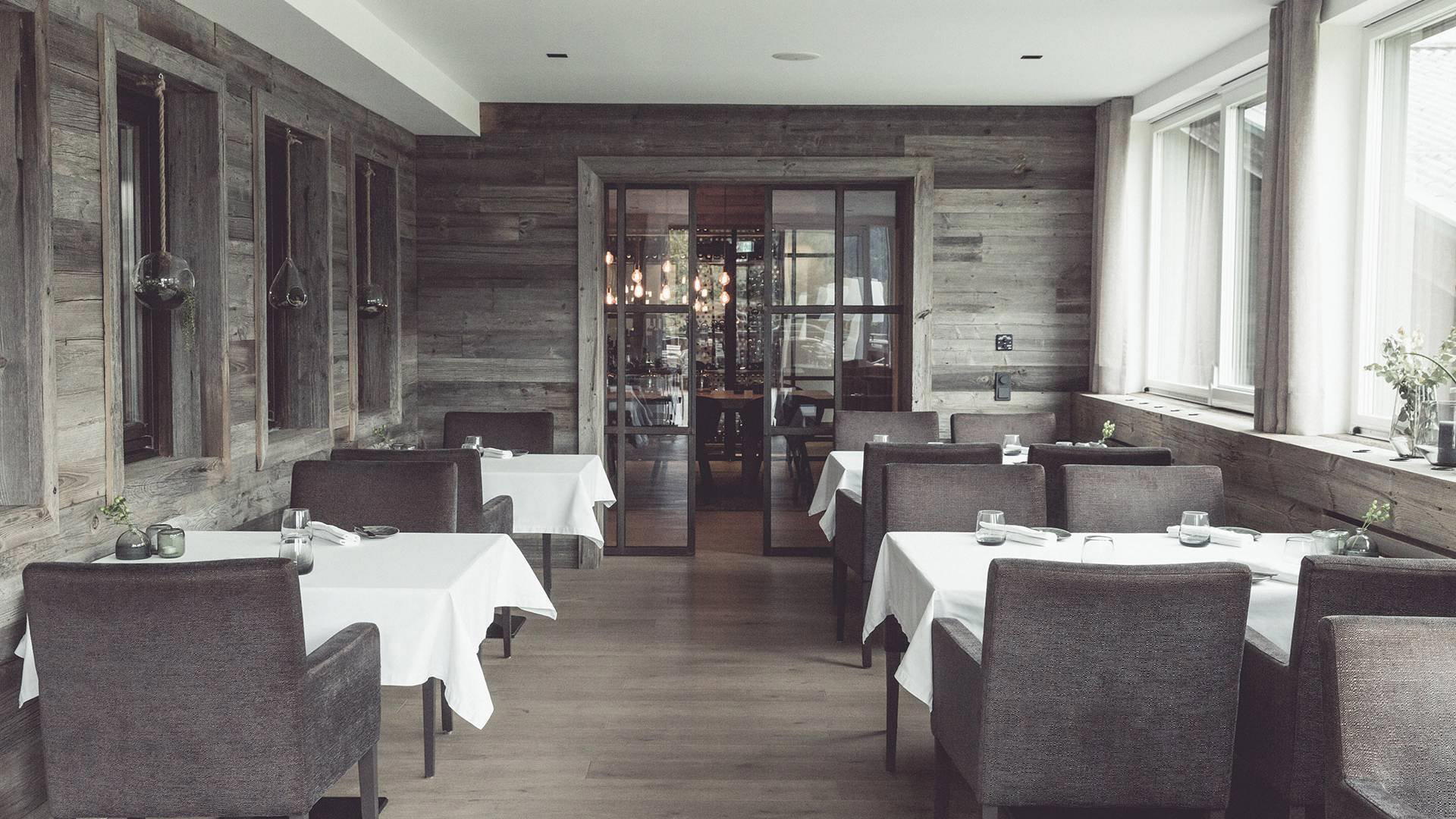
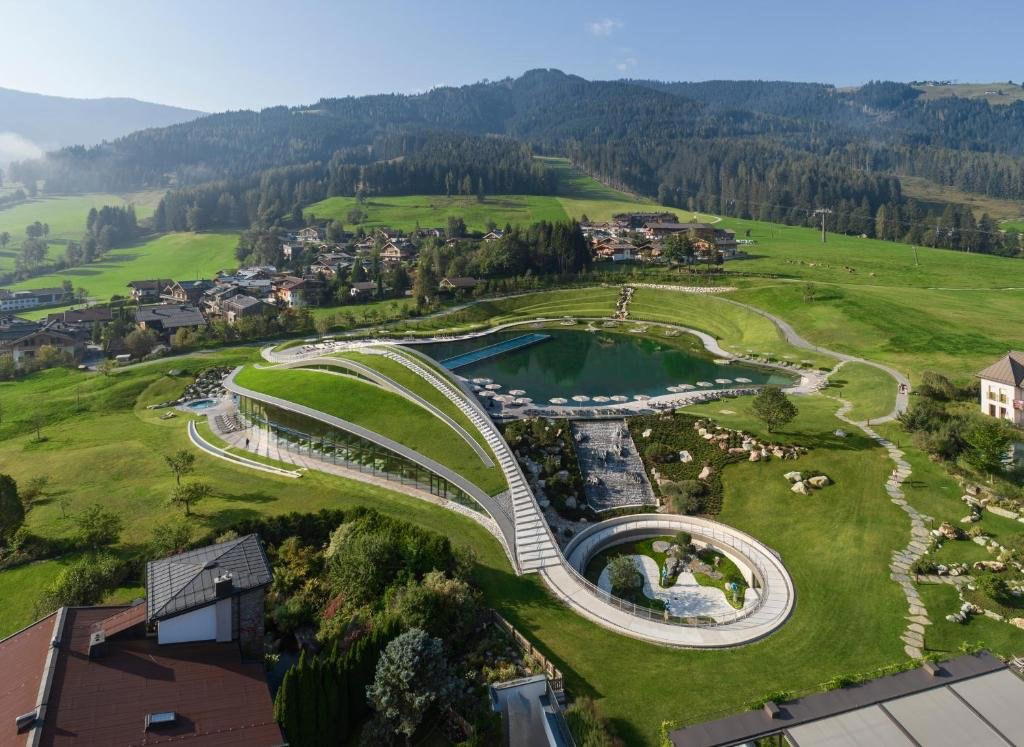
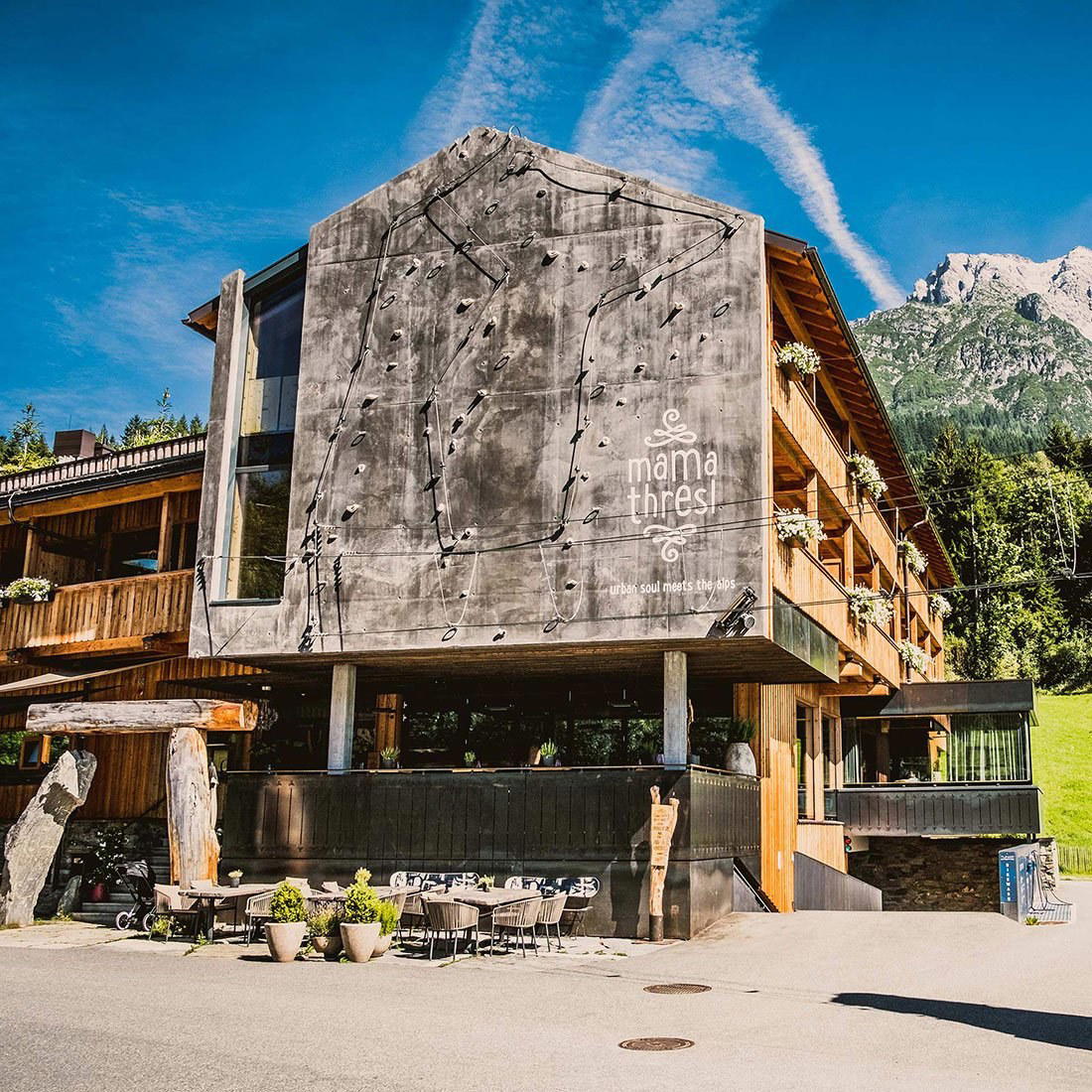
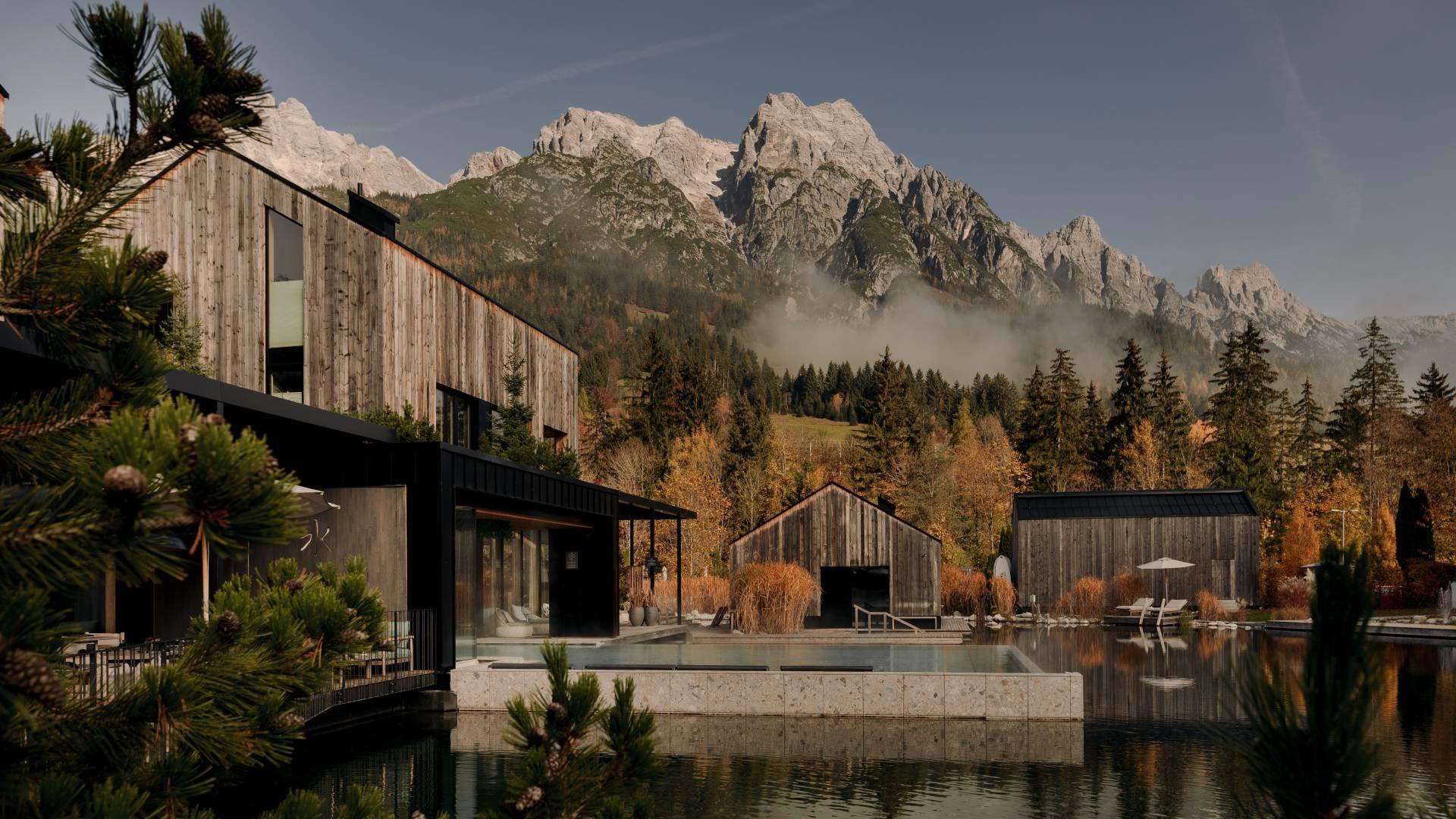
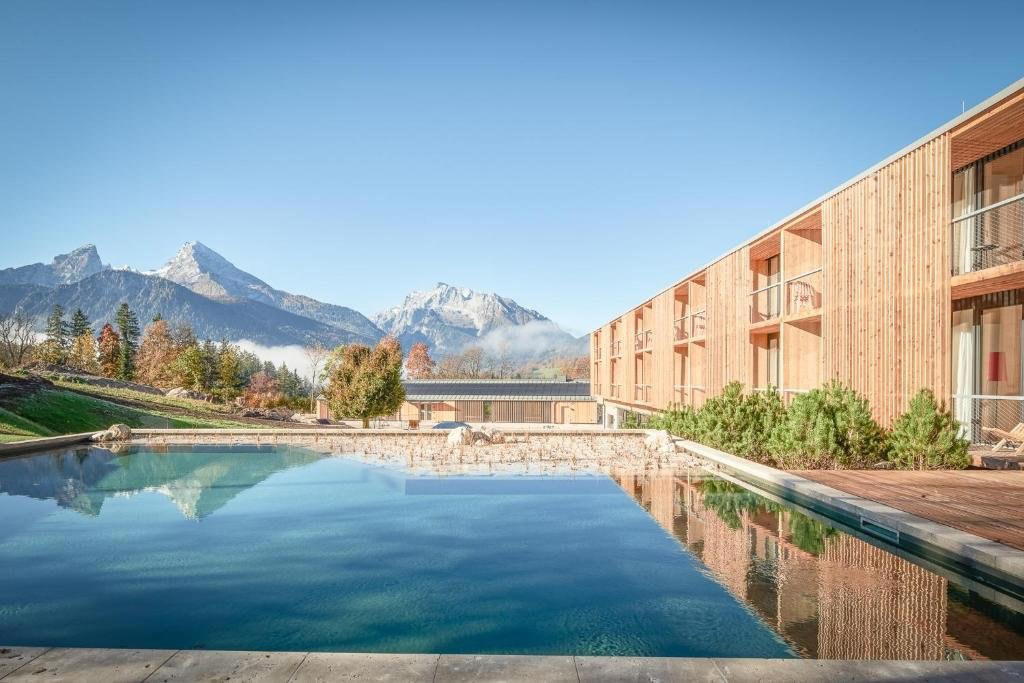
Bright and airy with modern wood interior design, stylish bar, and elegant decor balanced with traditional alpine hut warmth; spectacular mountain views create a welcoming yet sophisticated atmosphere.