A mountain hut on the Hochkönig massif above Maria Alm, Steinbockalm sits at an elevation where the sourcing logic writes itself: alpine dairy, regional game, and high-pasture herbs define what appears on the plate. The address in Dienten am Hochkönig places it within one of the Salzburger Land's most scenically concentrated ski and hiking circuits, making it a natural stop for visitors already moving through this corridor of Austria's alpine interior.
Pearl is the En Primeur Club membership app — saves, bookings, and concierge access live there. Same editors, same standards.
- Address
- Hochmais 13, 5652 Dienten am Hochkönig, Austria
- Phone
- +43658423669
- Website
- steinbockalm.at
- Directions
- Get directions
 Saves & bookings on Pearl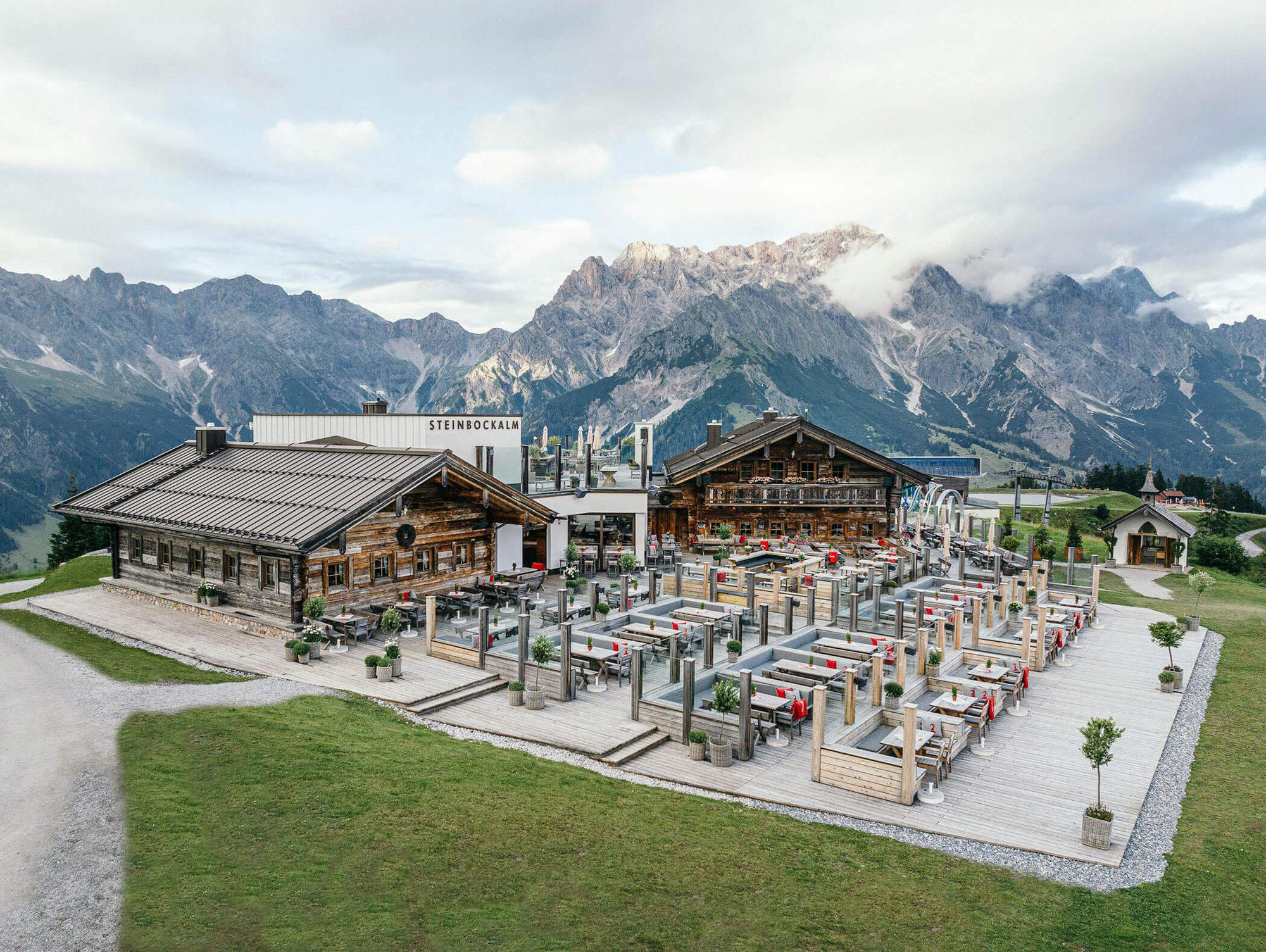
High Ground, Local Produce: The Sourcing Logic of Alpine Huts
Austria's alpine hut tradition has always been shaped by necessity before philosophy. At elevations where supply chains thin out and transport becomes seasonal, what grows or grazes nearby becomes what you eat. The Hochkönig massif, rising above Maria Alm in Salzburger Land, is one of the more intact expressions of this logic: the plateau and its surrounding slopes support high-altitude dairy farming, game, and the short-season herbs that define the flavor profile of Pinzgau cooking. Steinbockalm, addressed at Hochmais 13 in Dienten am Hochkönig, occupies this terrain directly. Its name references the steinbock, the alpine ibex that has been a symbol of this mountain range for centuries, a signal, even before you arrive, that the identity here is tied to the land rather than to any imported culinary program.
That grounding in place is worth understanding in context. The broader Austrian alpine dining scene has split, over the past two decades, into two recognizable camps. One has professionalized sharply, with Michelin-starred kitchens like Griggeler Stuba in Lech and Stüva in Ischgl bringing fine dining technique to mountain settings, or purpose-built destination restaurants like Gourmetrestaurant Tannenhof in Sankt Anton am Arlberg framing the alpine environment as backdrop for serious gastronomy. The other camp has stayed closer to the hut format: direct sourcing, heavier portions, and an atmosphere shaped by the physical setting rather than by interior design budgets. Steinbockalm operates within the second tradition, where the altitude and the surrounding agricultural practice do more editorial work than any tasting menu could.
What the Hochkönig Produces
The Hochkönig region, and the Pinzgau district more broadly, is one of the few parts of the eastern Alps where traditional transhumance, the seasonal movement of livestock to high pastures, remains genuinely active rather than ceremonially preserved. Summer pasturing at elevation produces a different quality of dairy than lowland farming: the milk carries the botanical complexity of high-altitude meadows, and the cheese and butter made from it reflect that. For a mountain hut with direct access to these supply chains, the result on the plate tends to show up in the simplest preparations: bread served with cultured butter, cheese boards that don't require explanation, or sauces built on reductions of real stock rather than commercial bases.
Game is the other pillar of Hochkönig sourcing. The surrounding area supports red deer, chamois, and wild boar populations that feed into regional kitchens through established hunting circuits. In the Austrian alpine context, this matters because game isn't treated as a seasonal novelty or a luxury upsell in the way it often is in urban restaurants. It is a staple of the hut kitchen, prepared according to techniques that predate the arrival of international culinary fashion. For comparison, consider how Obauer in Werfen, one of Salzburg province's most celebrated restaurants, has built decades of critical recognition on exactly this kind of regional ingredient fidelity, or how Kräuterreich by Vitus Winkler in Sankt Veit im Pongau has turned alpine herb cultivation into a defining culinary identity. Steinbockalm works at a different scale and register, but the sourcing logic connects to the same regional food culture.
The Hut Setting and What It Means for the Meal
Approaching a mountain hut at this elevation, the physical environment sets conditions that no restaurant interior can replicate. The views across the Hochkönig and toward the Berchtesgaden Alps to the north create a context in which the food is always partly secondary to the place. This is not a weakness of the hut format, it is its defining character. The leading hut meals in the Austrian alps work precisely because the setting does not compete with the kitchen but instead frames it. What you drink after a morning on the slopes or a long summer hike is calibrated differently than what you'd order in a warm urban dining room, and hut kitchens that understand this tend to serve food that is honest rather than ambitious.
Maria Alm itself sits at around 800 metres, but the Hochkönig plateau above it reaches over 2,900 metres at its summit. The huts on this massif, including Steinbockalm in Dienten, serve both summer hikers using the König Ludwig Weg and other marked routes, and winter visitors using the SkiAlpin Card that connects Maria Alm, Dienten, and Mühlbach. That dual seasonality shapes the kitchen's operation: the summer menu skews toward lighter regional preparations when fresh herbs and dairy are at peak availability, while winter sees the heavier, restorative cooking that mountain guests returning from cold conditions expect. For visitors planning around the dining experience rather than the sport, the shoulder seasons, late spring and early autumn, tend to offer one concentrated version of the regional pantry before the high-volume tourist periods shift the pace.
Within the Maria Alm dining circuit, Steinbockalm sits in a different bracket from the more polished options available in the village itself. Properties like Almhof and RAR Fine Dining operate at a more refined register, while Tom Almhütte occupies a format closer to Steinbockalm's own.
The Wider Austrian Reference Frame
Understanding where Steinbockalm sits requires some knowledge of how alpine hut dining relates to the broader spectrum of Austrian culinary achievement. At the summit of that spectrum, urban and semi-urban destinations like Steirereck im Stadtpark in Vienna and Ikarus in Salzburg represent the country's highest-profile gastronomic expression, where Austrian produce is processed through international fine dining technique. Regional fine dining in the Salzburg province, from Döllerer in Golling an der Salzach to Landhaus Bacher in Mautern an der Donau, occupies a middle tier where the sourcing and technique are both taken seriously. Alpine huts sit below this on the formality scale, but not on the provenance scale. When sourcing is genuinely local and the kitchen is competent, a hut meal can carry more regional authenticity than a polished tasting menu built around the same ingredients. That is the strongest argument for the hut format, and it applies to Steinbockalm's position in the Hochkönig corridor.
For comparison with mountain dining at greater distances, the alpine hut format shares a cultural DNA with high-altitude restaurants across the arc of the Alps, though the Austrian version tends to lean more heavily on dairy and game than, say, the Italian side's emphasis on cured meats and polenta. The global contrast is sharper still: the precision service and ingredient sourcing programs at places like Le Bernardin in New York City or the multi-course architecture of Atomix in New York City represent a completely different paradigm, one where the dining room is the destination. The hut is never the destination, the mountain is.
Planning a Visit
Steinbockalm is located at Hochmais 13, 5652 Dienten am Hochkönig. Dienten is accessible by road from Maria Alm via the B164, and during ski season the mountain lift infrastructure provides direct access from the slopes. Visitors planning around meal timing should account for the mountain's weather patterns: afternoon cloud and thunderstorm activity in summer can affect both the approach and the departure window, and early arrival tends to secure both table and view.
In Context: Similar Options
Comparable venues nearby, for context on price, style, and recognition.
| Venue | Cuisine | Price | Awards | Notes |
|---|---|---|---|---|
| SteinbockalmThis venue — the venue you are viewing | Traditional Austrian Mountain Hut | $$ | Not listed | Not listed |
| Almhof | Alpine Hut Cuisine with International Flair | $$$ | Not listed | Maria Alm am Steinernen Meer |
| Tom Almhütte | Alpine Hut Cuisine with International Influences | $$$ | Not listed | Maria Alm |
| RAR Fine Dining | Alpine-Asian Fusion Fine Dining | $$$$ | Michelin Plate | Maria Alm |
| Post | Tyrolean Alpine Cuisine | $$ | Not listed | central St. Johann |
| Hilberger's Beisl | Modern Austrian Beisl | $$ | Not listed | Kaprun |
Continue exploring
More in Maria Alm
Restaurants in Maria Alm
Browse all →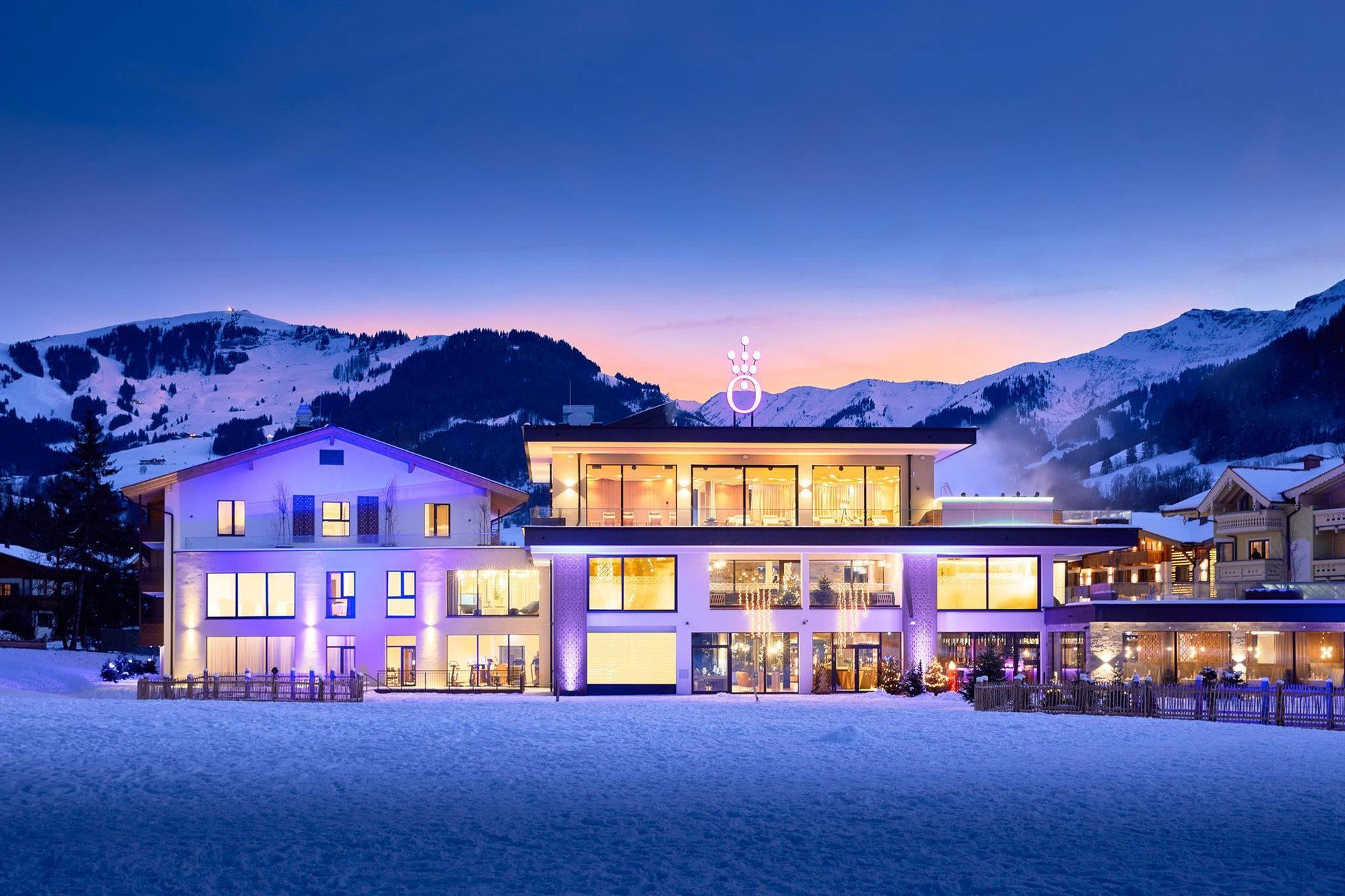
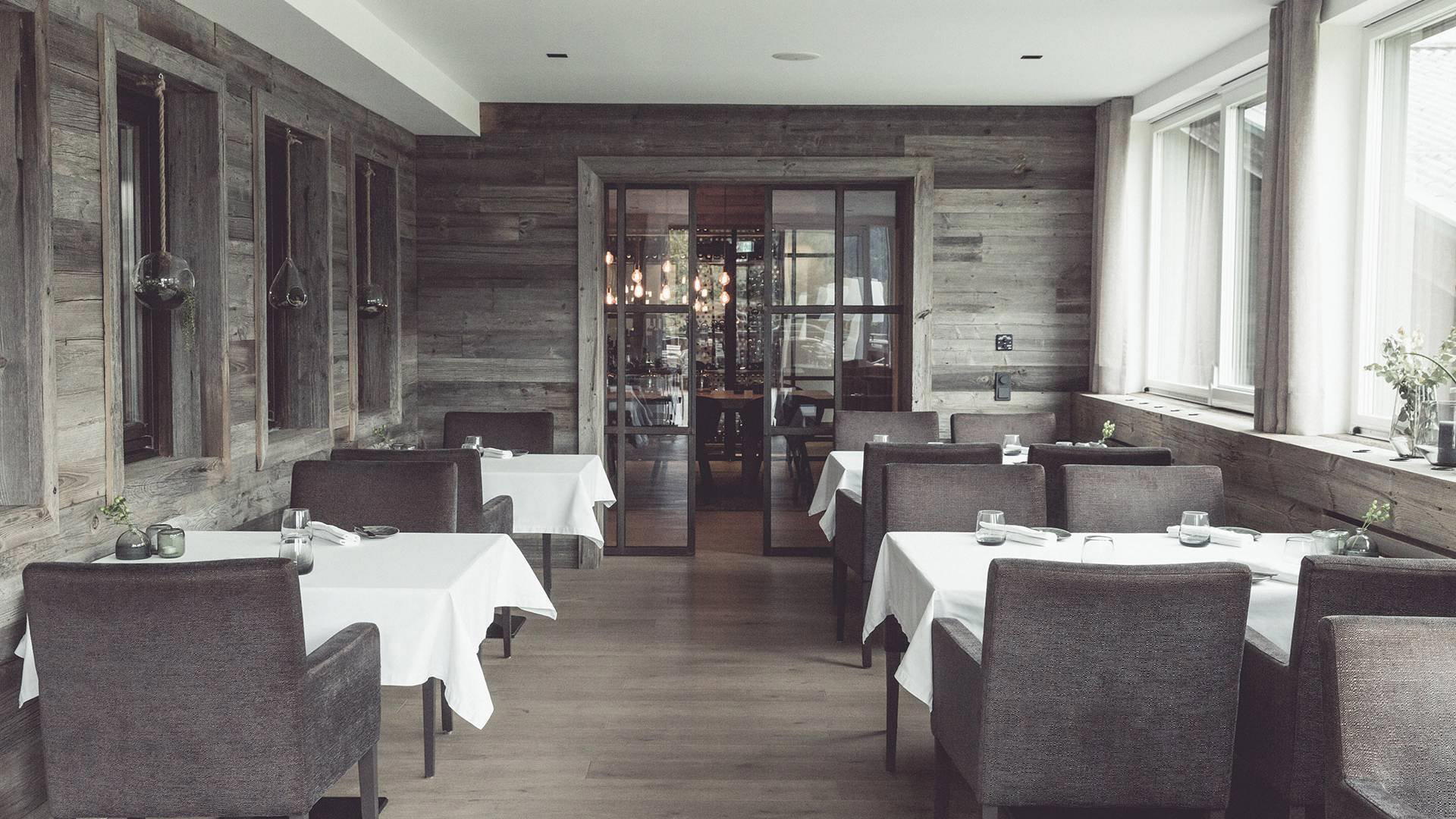
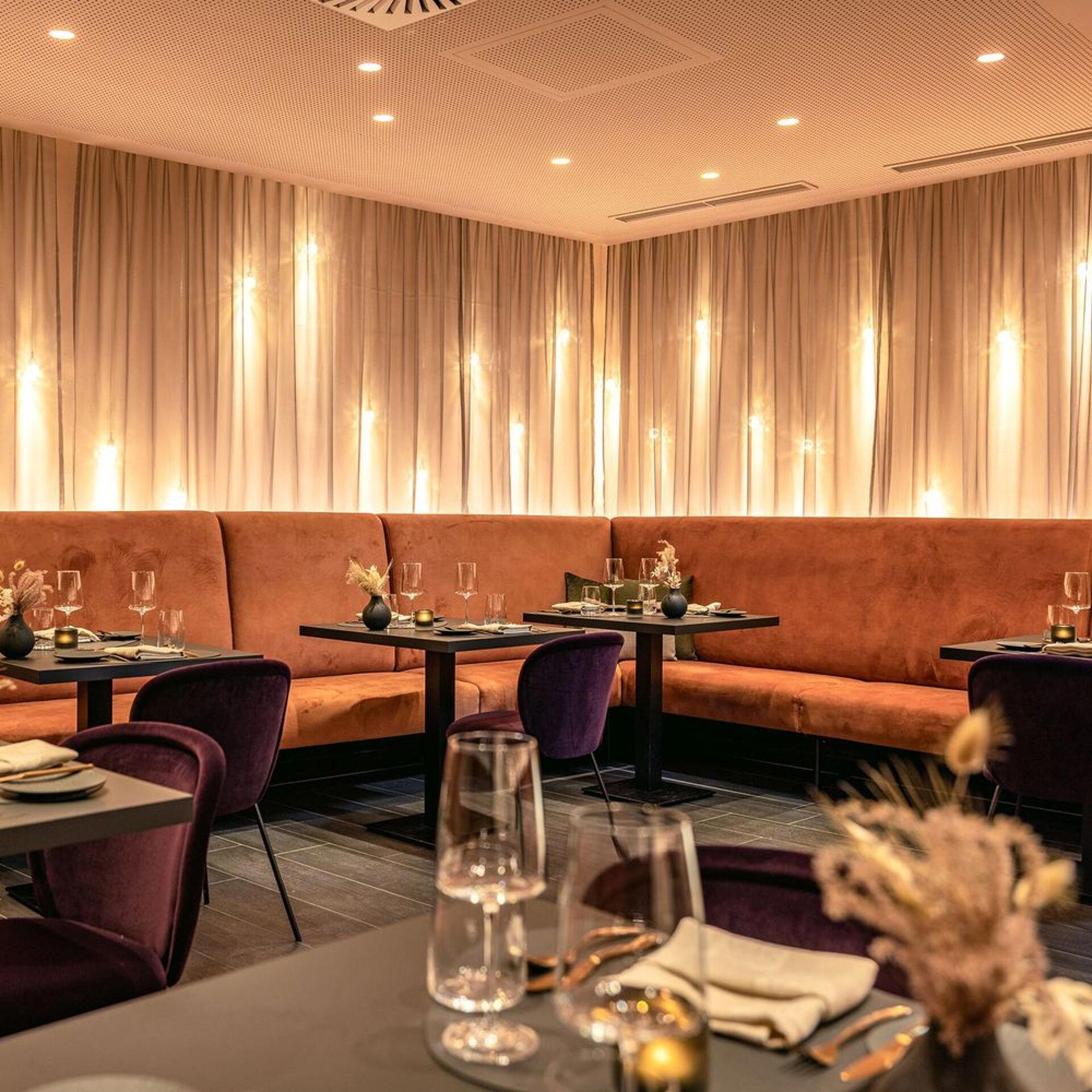
Bars in Maria Alm
Browse all →


Hotels in Maria Alm
Browse all →
Wineries in Maria Alm
Browse all →
At a Glance
- Scenic
- Cozy
- Rustic
- Lively
- Group Dining
- Celebration
- Casual Hangout
- Special Occasion
- Private Event
- Panoramic View
- Terrace
- Standalone
- Extensive Wine List
- Beer Program
- Local Sourcing
- Mountain
Cosy, rustic wooden-stube atmosphere with large panorama windows and an energetic après-ski/event feel.