

1 Michelin Star · Tabelog 100 #8
Our verdict
A Tokyo outpost supervised by akordu, the Nara restaurant known for reading ancient-capital ingredients through modern Spanish technique, TOKi operates from a Shinbashi showroom dedicated to Nara Prefecture. The menu borrows its structure from the folding accordion-book form, with poetic dish names that frame each course as a seasonal image of Japan. It sits at the ¥¥¥ tier, a step below Tokyo's densest concentration of ¥¥¥¥ tasting-counter restaurants.

Pearl is the En Primeur Club membership app, where members save venues, book tables and use the concierge.
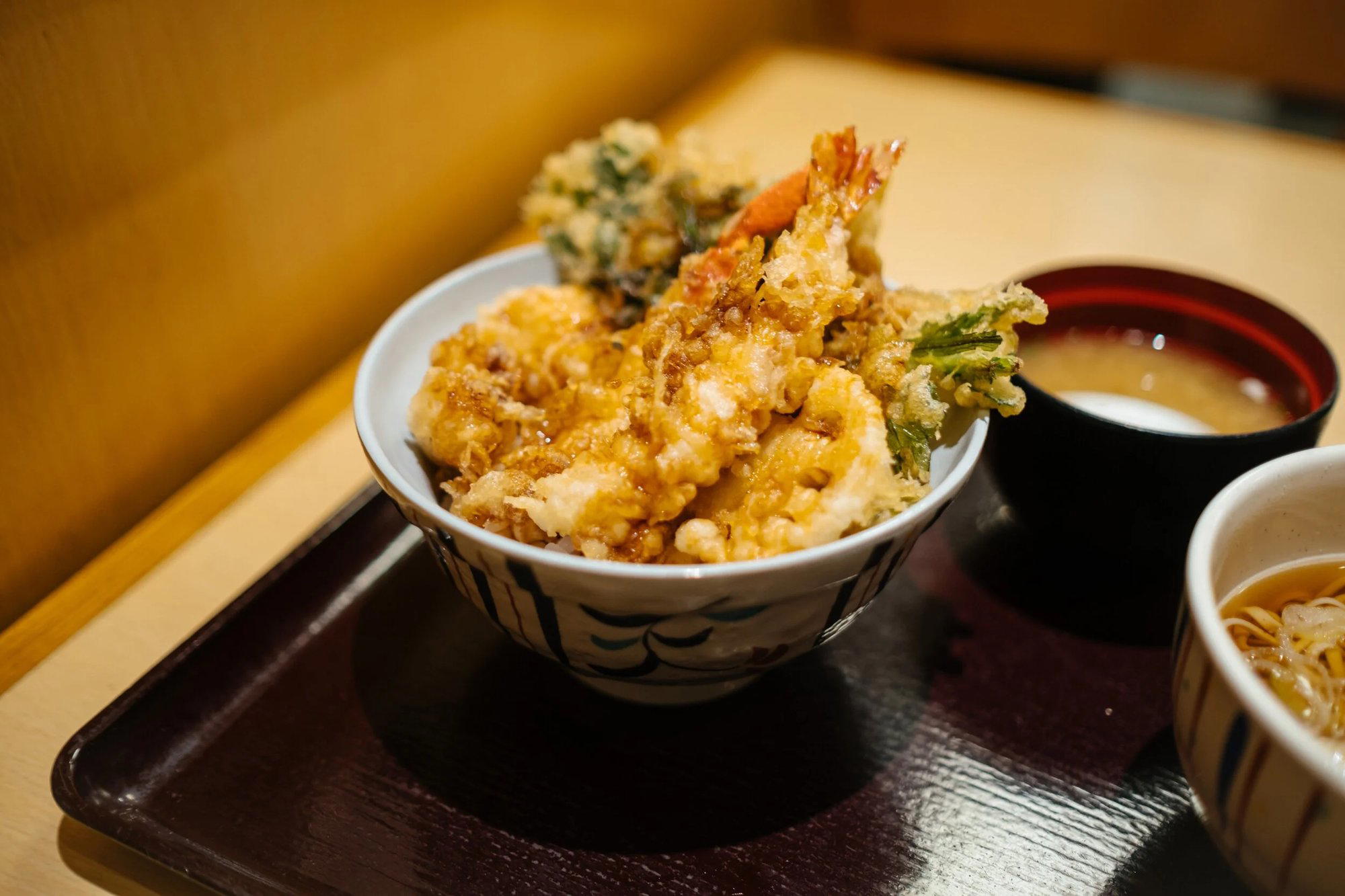
The menu
What to order
- Nara Yamato Pork with Lavender Sauce
- Seafood Aros
- Striped Horse Mackerel Ceviche
Where Nara Meets Post-elBulli Tokyo
Tokyo's high-end tasting-counter scene clusters around a familiar axis: kaiseki houses, sushi omakase, and French-trained kitchens. Spanish contemporary occupies a thinner slice of that spectrum, and the version practiced at TOKi is narrower still, rooted not in the coastal modernism of Catalonia or the Basque country, but in the landlocked, historically dense range of Nara Prefecture. The restaurant operates on the second floor of the SMBC Shimbashi Building in Minato City's Shinbashi district, inside a showroom that promotes the produce, craft, and cultural identity of Japan's ancient capital. That framing is not incidental. TOKi exists because akordu in Nara, the parent restaurant that supervises this space, has spent years building a culinary argument: that Nara's ingredients are substantial enough to carry a modern Spanish tasting format.
The post-elBulli generation of Spanish cooking was never really about Spain. It was about a method, the decomposition and reconstruction of familiar flavour, the application of technique to local material, the rejection of comfort-seeking repetition. When that method travelled to Japan, it found a host culture with comparable obsessions: seasonality, regional specificity, product sourcing treated as an ethical position. The combination, when it works, produces something that reads as neither purely Spanish nor purely Japanese but identifiably its own register. TOKi operates in that register, with akordu's interpretive framework applied to Nara ingredients served to a Tokyo audience.
The Accordion Menu and Its Seasonal Logic
The menu format at TOKi is structured like an accordion, the literal folding-book form, not only a metaphor. Each opening reveals a new section, and the dish names are written to be read as poetry before they are tasted as food. This is a design choice with clear intellectual lineage. Spanish avant-garde kitchens from the early 2000s onward treated the menu as a narrative object, something to be read, interpreted, and remembered. At TOKi, that instinct is translated into Japanese aesthetic sensibility: the menu as an old folding manuscript, the dishes as images of season and scenery.
Cuisine is described as light and creative, and within the contemporary Spanish framework, that places it in the direction of technique-driven cooking rather than protein-forward richness. Post-elBulli Spanish cooking at this tier tends toward precision over abundance, courses that arrive in deliberate sequence, each making a specific argument about an ingredient rather than a comprehensive statement about a category. What distinguishes the akordu approach, and by extension TOKi, is the decision to anchor those arguments in Nara rather than in a generically sourced Japanese pantry. Nara is one of Japan's oldest settled regions, with a food culture shaped by Buddhist vegetarianism, fermentation traditions, and access to river fish, mountain vegetables, and ancient rice varieties. That material, processed through Spanish contemporary technique, produces courses that are neither a Japanese tasting menu with Spanish accents nor a Spanish tasting menu with Japanese accents, but something with its own internal logic.
Shinbashi's Position in Tokyo's Dining Map
Shinbashi sits between the financial density of Marunouchi and the restaurant concentration of Ginza, historically a salaryman district, grilled chicken, standing bars, lunch sets at speed. The choice to plant a serious creative tasting format here, inside a prefectural showroom rather than a standalone restaurant space, reflects a pattern that has gained traction in Tokyo: the institutional venue as dining destination. Nara Prefecture is not the only regional government to operate a Tokyo presence, but few have invested in the kind of supervised culinary program that TOKi represents. The connection to akordu provides credibility that an in-house kitchen without outside supervision could not manufacture. For diners already familiar with akordu's Nara restaurant, TOKi functions as an accessible preview. For those new to the project, it serves as an introduction to a culinary argument that rewards following back to its source.
Within Tokyo's Spanish contemporary niche, TOKi occupies a middle tier. At ¥¥¥, it prices below the densest cluster of ¥¥¥¥ tasting counters, restaurants like L'Effervescence, Sézanne, and RyuGin, while sitting clearly above casual dining. That positioning allows it to serve a diner who wants the formal tasting-menu experience without committing to the upper bracket, while the akordu supervision provides a credential that separates it from other mid-tier creative restaurants. Crony and Harutaka represent distinct approaches within Tokyo's broader creative dining scene, French-inflected innovation and traditional sushi omakase respectively, and the contrast helps clarify what TOKi is actually doing: not substituting for any of these but occupying the specific gap between regional Japanese identity and Spanish contemporary method.
Japan's Regional Culinary Hubs and the Tokyo Extension Model
The most ambitious creative restaurants in Japan are not all in Tokyo. HAJIME in Osaka, Gion Sasaki in Kyoto, and Goh in Fukuoka each represent serious culinary programs rooted in their respective cities. The akordu-TOKi relationship follows a different model: not relocating the primary restaurant to Tokyo, but extending its identity into the capital through a supervised outpost, retaining Nara as the source and using Tokyo as a platform for reach. This is unusual in Japan, where restaurant identity is typically tied tightly to place. The showroom setting reinforces rather than dilutes that connection, TOKi is explicitly framed as a window onto Nara, not a standalone Tokyo restaurant that happens to use Nara ingredients. Elsewhere in Japan, 1000 in Yokohama and 6 in Okinawa demonstrate how distinctive regional food identities can anchor serious dining programs outside the capital's gravity. TOKi inverts that pattern, bringing the regional identity into the city.
For international context, the ambition behind akordu's Nara project has some parallel with what restaurants like Le Bernardin in New York City and Atomix have demonstrated: that a disciplined, technique-led tasting format can carry a specific cultural or regional argument to an international audience without compromising the integrity of that argument. TOKi makes its case to Tokyo diners, and through Tokyo, to the world.
Know Before You Go
Location: 2F, SMBC Shimbashi Building, 1 Chome-8-4 Shinbashi, Minato City, Tokyo 105-0004
Cuisine: Spanish Contemporary, supervised by akordu (Nara)
Price Tier: ¥¥¥ (mid-to-upper range; below the ¥¥¥¥ tasting-counter tier)
Getting There: Shinbashi Station is served by the JR Yamanote Line, Tokyo Metro Ginza Line, and the Toei Asakusa Line, making it direct to reach from most central Tokyo districts
Access Note: The restaurant is on the second floor; stairs and elevator access are located on the right side of the building facade
Context: TOKi functions as the Tokyo extension of akordu in Nara. Diners interested in the full program should consider a Nara visit to experience the source kitchen
Frequently asked questions
What do people recommend at TOKi?
Regulars and critics consistently point to the accordion-format menu itself as the defining experience: the sequence of courses framed through poetic dish names drawn from Nara's seasonal and scenic identity. The kitchen is supervised by akordu, whose approach applies modern Spanish technique to Nara Prefecture ingredients, mountain vegetables, river fish, ancient grain varieties, and fermented products from the region's long Buddhist culinary tradition. The awards record describes the food as light and creative, with each dish functioning as a distinct image of Japanese scenery and season rather than a conventional tasting progression. For those exploring Tokyo's broader creative dining scene, the full Tokyo restaurants guide maps the wider field, while guides to hotels, bars, wineries, and experiences in Tokyo cover the full stay.
Comparable options at a glance, pulled from our tracked venues.
| Venue | Cuisine | Price | Awards | Notes |
|---|---|---|---|---|
| TOKiThis venue (the venue you are viewing) | Modern Spanish with Nara Fusion | $50–100 | 1 Michelin Star · Tabelog 100 #8 | Not listed |
| Harutaka | Edo-Style Omakase Sushi | $200–300 | 3 Michelin Stars · World's 50 Best #76 | Sushi |
| RyuGin | Modern Kaiseki | $500+ | 3 Michelin Stars · World's 50 Best #41 | Kaiseki, Japanese |
| L'Effervescence | Modern French with Japanese Influences | $200–300 | 3 Michelin Stars · World's 50 Best #69 | French |
| HOMMAGE | Modern French with Japanese Influences | $150–200 | 2 Michelin Stars · World's 50 Best #78 | Innovtive French, French |
| MAZ | Innovative Peruvian-Japanese Fusion | $150–200 | 2 Michelin Stars · World's 50 Best #28 | Innovative |
Recognition history
Dated appearances from independent guides and award organizations, with the underlying list record or original source where available.
Michelin 1 Star
Michelin
Tabelog 100 #8 · No. 8
Tabelog · Tabelog 100 - Spanish cuisine - 2026
Continue exploring
More in Tokyo
Restaurants in Tokyo
All restaurants in Tokyo →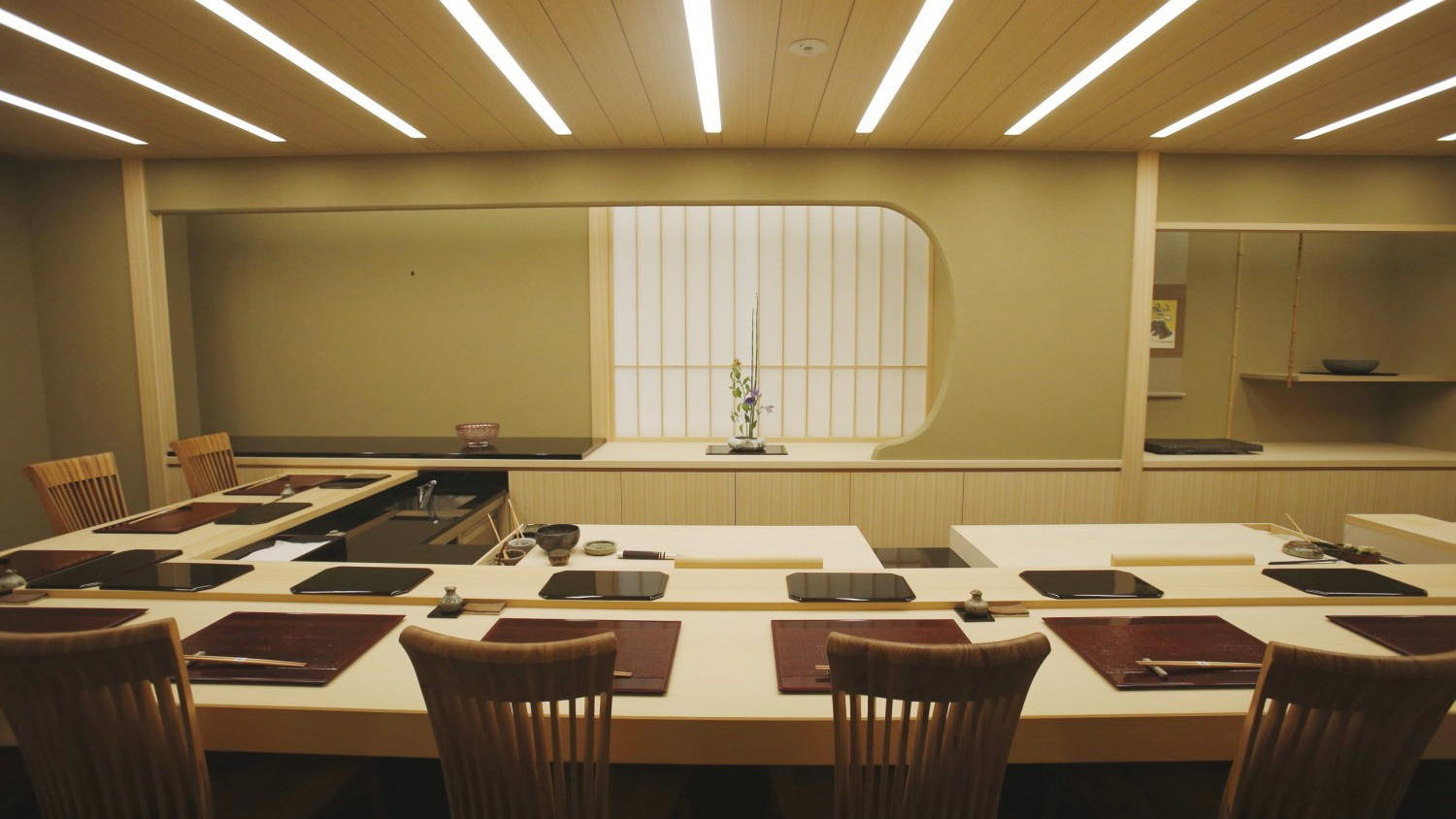

Bars in Tokyo
All bars in Tokyo →



Details
- Modern
- Elegant
- Cozy
- Sophisticated
- Date Night
- Business Dinner
- Casual Hangout
- Open Kitchen
- Sake Program
- Local Sourcing
- Tasting Menu
- A La Carte
- Small Plates
- Sake Program
Current opening hours
- Monday
- Closed
- Tuesday
- 12–3:30 PM, 6–10 PM
- Wednesday
- 12–3:30 PM, 6–10 PM
- Thursday
- 12–3:30 PM, 6–10 PM
- Friday
- 12–3:30 PM, 6–10 PM
- Saturday
- 12–3:30 PM, 6–10 PM
- Sunday
- Closed
Hours can change for holidays and private events. Hours as of .
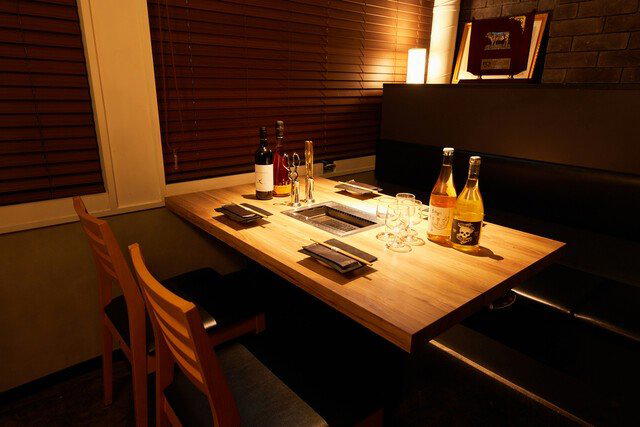
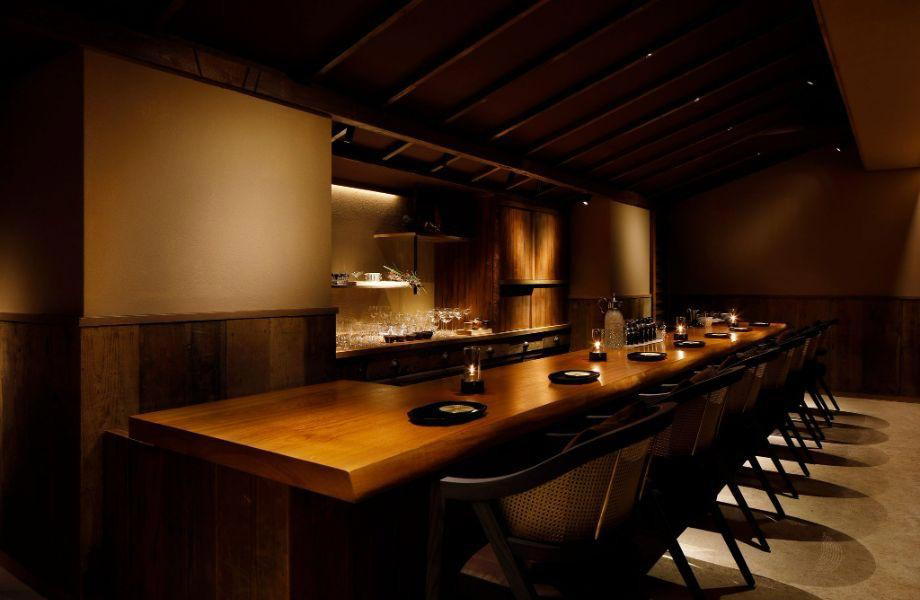
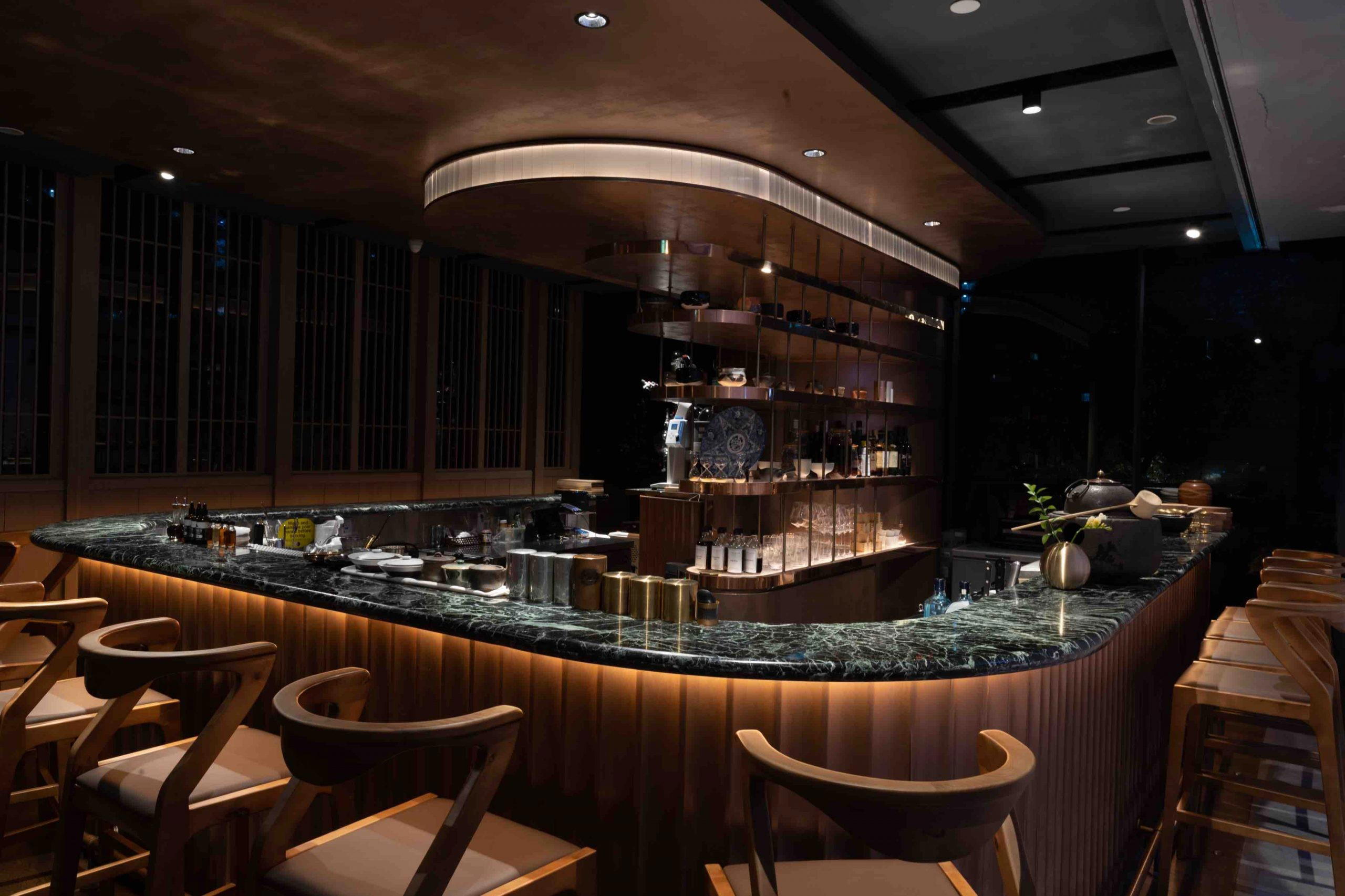
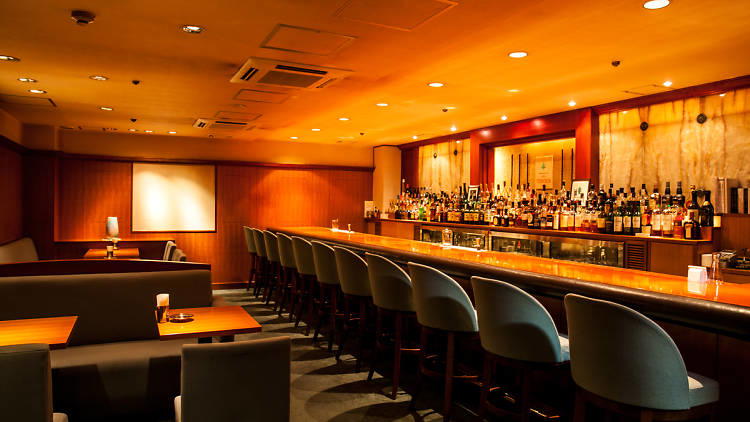
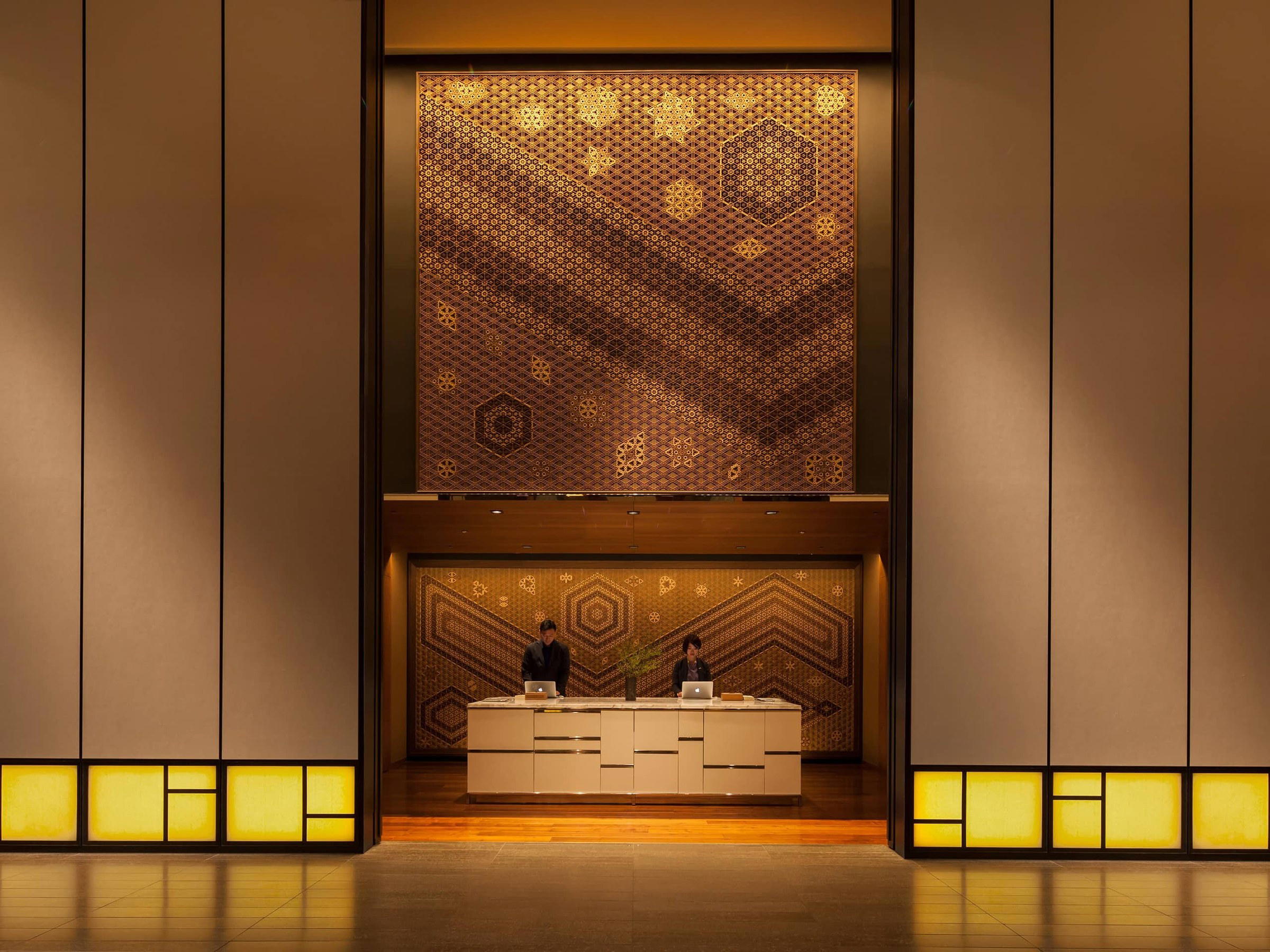
Sophisticated and calming with wooden counters, high ceilings, soft lighting, and a relaxed atmosphere ideal for conversations.