

Michelin Plate · Macarfi 8 Food Rating
Our verdict
The kitchen focuses on Costa da Morte ingredients handled with restraint, and the grill work draws particular attention from repeat visitors. Price range sits at €€€.

Pearl is the En Primeur Club membership app, where members save venues, book tables and use the concierge.
Where the Atlantic Ends and the Grill Begins
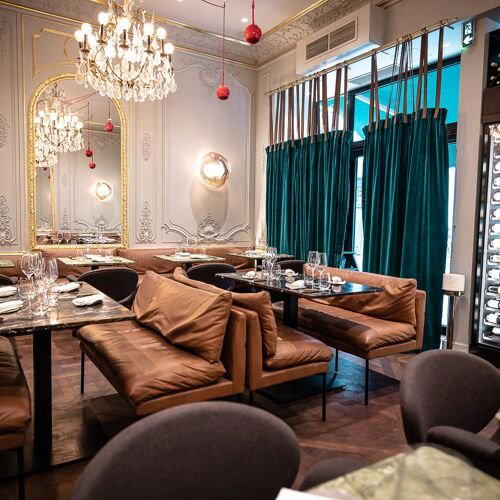
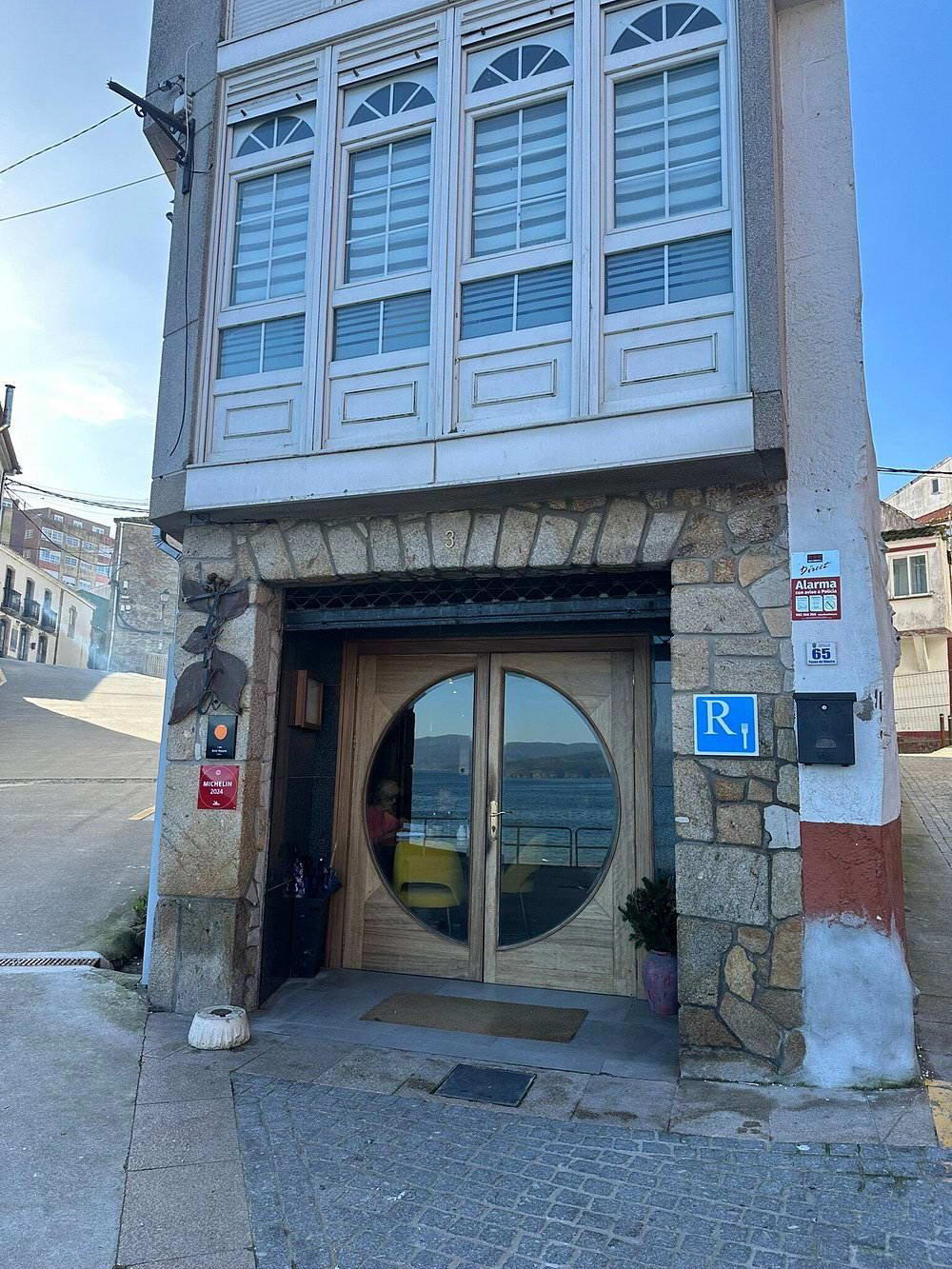
Fisterra occupies the westernmost tip of the Galician coastline, a place where the Atlantic swells hit with enough force to shape not just the rocks but the entire food culture of the surrounding Costa da Morte. This stretch of Spain has always been a working coast, fishing families, salting houses, boats out before dawn, and that industrial relationship with the sea left behind a set of buildings that the modern restaurant scene has quietly absorbed. The century-old property on Paseo Marítimo, 1 is one of them: a former salting factory with thick stone walls and a direct view of one of the area's most appealing beaches, now operating as Tira do Cordel.
The building tells you something before you look at the menu. Salting factories existed to preserve what the sea produced in abundance, and the cuisine here proceeds from the same logic: the sea provides, and the kitchen's job is to get out of the way. In an era when Spanish fine dining has splintered into elaborate technical programs, from the creative seafood rethinking at Aponiente in El Puerto de Santa María to the progressive architectures of Disfrutar in Barcelona and DiverXO in Madrid, Tira do Cordel occupies a deliberately different position. The technique is restrained. The presentation is simple. The ingredient is the argument.
The Costa da Morte Ingredient Standard
The Costa da Morte earned its name, Coast of Death, from the shipwrecks that punctuate its history, but its marine ecology is the reason serious seafood kitchens in Galicia pay close attention to what comes from here. Cold, mineral-rich Atlantic waters produce shellfish and fish with a flavour concentration that warmer southern waters rarely match. The percebes (barnacles) scraped from the rocks near Fisterra are among the most sought-after in Spain, and the local fish markets supply material that restaurants in Santiago de Compostela and A Coruña source specifically by origin.
At Tira do Cordel, the kitchen builds its menu directly around this supply. The sourcing is hyper-local: what the Costa da Morte yields in a given week shapes what arrives on the plate. This is the model that Galician seafood restaurants at the serious end of the market have always used, and it means the menu shifts with the season and the catch rather than against it. Michelin awarded the restaurant a Plate in both 2024 and 2025, a recognition reserved for kitchens producing cooking worth attention without reaching for starred complexity.
Fire and Salt: The Grill as Primary Technique
The editorial angle on raw preparation in Galician seafood culture deserves framing before the grill takes over, because the two approaches share a common philosophy. Whether a kitchen is shucking oysters, presenting shellfish simply with sea salt and lemon, or laying fish over live coals, the premise is identical: the preparation should amplify without transforming. Crudo and grill are two points on the same continuum of restraint.
At Tira do Cordel, grilled preparations draw the most consistent attention from visitors. This is not incidental. The wood-fired or charcoal grill has been the dominant technique in Galician seafood restaurants for generations, applied to whole fish, crustaceans, and cephalopods with a confidence that comes from long practice. The heat source matters: a clean, even grill bed produces the specific char and rendered fat that sets grilled percebes or whole turbot apart from anything produced in a pan. The simplicity of the output requires precision in the execution, there is no sauce to correct a miscalculation.
For visitors comparing this approach to more interventionist kitchens, the contrast is instructive. A tasting menu at Arzak in San Sebastián or El Celler de Can Roca in Girona treats the ingredient as a starting point for creative transformation. Tira do Cordel treats the ingredient as the destination. Both are legitimate positions; they represent different traditions within Spanish cooking. The question for any diner is which conversation they want to have with the sea that day.
A Location That Does Real Work
The beach-facing position on the Paseo Marítimo is not decorative. In Fisterra, proximity to the water is a logistical reality: the morning catch doesn't travel far before it arrives in a kitchen on the seafront. For a restaurant whose entire proposition depends on ingredient freshness and local specificity, the address is part of the culinary argument. The building's history as a salting factory reinforces the same point, this is a site that has processed Atlantic produce for over a century, and the current use is a continuation of that relationship rather than a departure from it.
The setting also positions Tira do Cordel within a specific category of Galician dining: waterfront, heritage-building restaurants that earn their reputation not through concept development but through sustained sourcing discipline and cooking clarity. Compare this to Gambero Rosso in Marina di Gioiosa Ionica or Alici on the Amalfi Coast, where similar combinations of coastal location and restrained seafood technique define the offer. Across southern Europe, the most credible seafood restaurants at this price tier tend to share this profile: location tied to supply, technique subordinated to ingredient, setting that explains the food.
Fisterra in Broader Context
Fisterra operates outside the main circuit of Spanish gastronomic tourism. The starred kitchens that draw international visitors, Mugaritz in Errenteria, Quique Dacosta in Dénia, Martin Berasategui in Lasarte-Oria, Azurmendi in Larrabetzu, Ricard Camarena in València, cluster in the Basque Country, Catalonia, and major urban centres. Galicia's contribution to Spanish dining culture runs through a different register: product-led, coast-rooted, less amenable to the kind of creative press that drives international reservation demand.
That makes restaurants like Tira do Cordel harder to find through conventional channels and more rewarding when found through local knowledge. For those already travelling to the end of the Camino de Santiago route that terminates in Fisterra, or making a dedicated trip to the Costa da Morte, it sits clearly as the address worth booking. The neighbouring Galician option Ó Fragón provides a point of comparison within the same town.
Planning Your Visit
Tira do Cordel sits at the €€€ price point, positioning it in the upper tier for Fisterra but below the tasting-menu pricing of Spain's starred houses. The Paseo Marítimo address in Fisterra (15155, A Coruña) is direct to reach by car from Santiago de Compostela, roughly 90 kilometres west along the AC-552. The restaurant's seafront location and beach-adjacent setting make it appropriate for extended lunches, which is the preferred format for serious seafood eating in Galicia. For a broader picture of what Fisterra offers, see our full Fisterra restaurants guide, alongside coverage of hotels, bars, wineries, and experiences in the area.
Frequently asked questions
What's the pricing like at Tira do Cordel?
Pricing at Tira do Cordel is listed as €€€.
Price and Recognition
| Venue | Cuisine | Price | Awards | Notes |
|---|---|---|---|---|
| Tira do CordelThis venue (the venue you are viewing) | Traditional Galician Grilled Seafood | $30–50 | Michelin Plate · Macarfi 8 Food Rating | Not listed |
| Aponiente | Avant-Garde Marine Seafood | $200–300 | 3 Michelin Stars · World's 50 Best #84 | Progressive - Seafood, Creative |
| Arzak | Contemporary Basque Fine Dining | $300–500 | 3 Michelin Stars · World's 50 Best #31 | Modern Basque, Creative |
| DiverXO | Avant-Garde Spanish Tasting Menu | $300–500 | 3 Michelin Stars · World's 50 Best #4 | Progressive - Asian, Creative |
| El Celler de Can Roca | Creative Catalan Fine Dining | $300–500 | 3 Michelin Stars · World's 50 Best #2 | Progressive Spanish, Creative |
| Quique Dacosta | Avant-Garde Spanish Fine Dining | $300–500 | 3 Michelin Stars · World's 50 Best #65 | Creative |
Recognition history
Dated appearances from independent guides and award organizations, with the underlying list record or original source where available.
Michelin Plate
Michelin
Macarfi 8 Food Rating
Macarfi
Full recognition history (4 entries)
Michelin Plate
Michelin
Michelin Plate
Michelin
Continue exploring
More in Fisterra
Restaurants in Fisterra
All restaurants in Fisterra →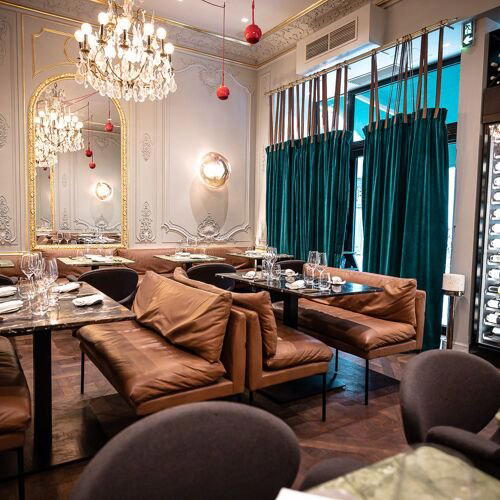

Details
- Scenic
- Classic
- Rustic
- Intimate
- Group Dining
- Waterfront
- Historic Building
- Standalone
- Beer Program
- Local Sourcing
- Sustainable Seafood
- Waterfront
- A La Carte
- Wine
- Beer
- Gluten Free Options
Current opening hours
- Monday
- 10 AM–4 PM, 8:30–10:30 PM
- Tuesday
- 10 AM–4 PM, 8:30–10:30 PM
- Wednesday
- 10 AM–4 PM, 8:30–10:30 PM
- Thursday
- 10 AM–4 PM, 8:30–10:30 PM
- Friday
- 10 AM–4 PM, 8:30–10:30 PM
- Saturday
- 10 AM–4 PM, 8:30–10:30 PM
- Sunday
- 8:30 AM–10:30 PM
Hours can change for holidays and private events. Hours as of .
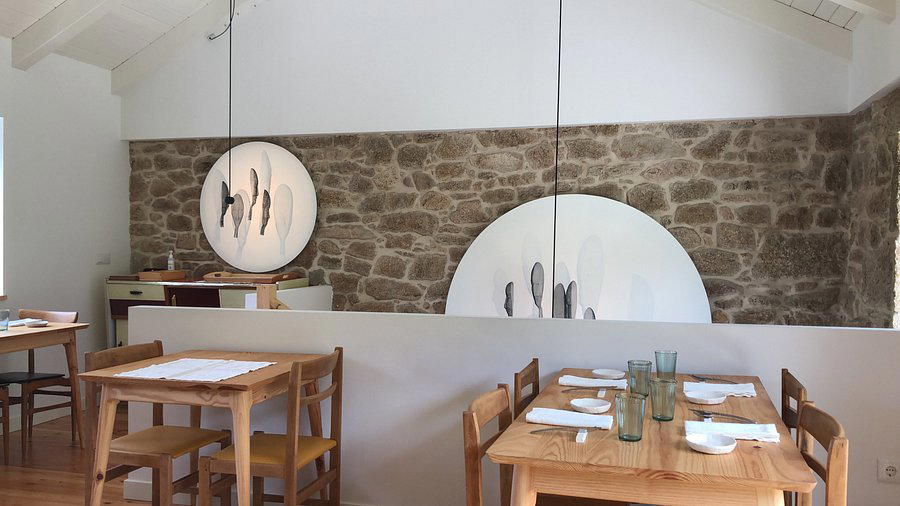
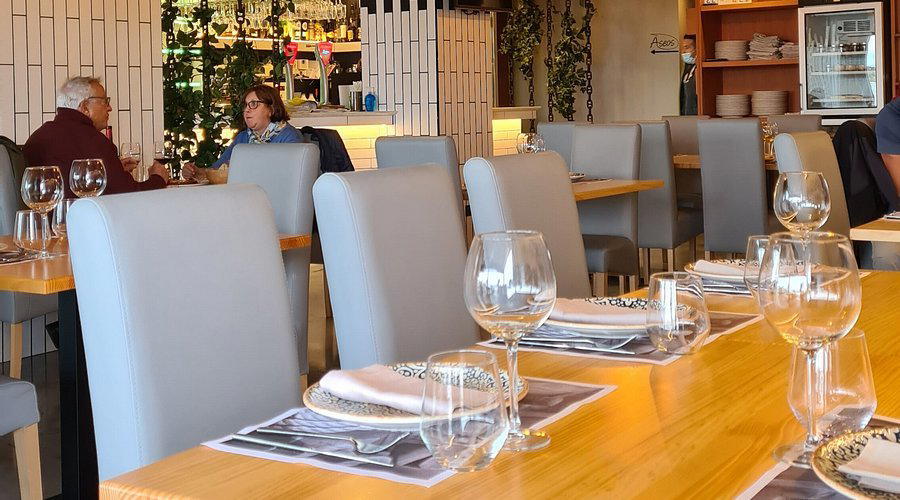
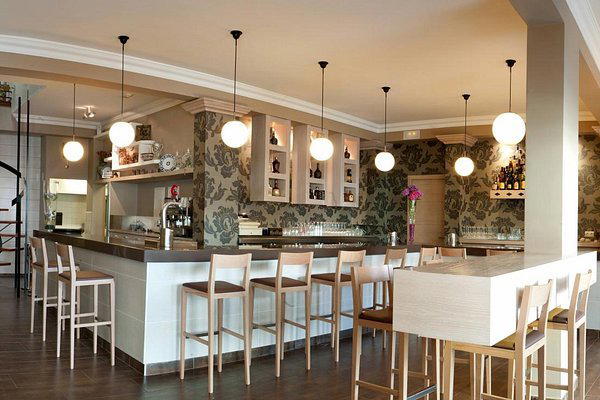
Charming coastal setting with natural light from beachfront windows, simple and unpretentious atmosphere emphasizing fresh ingredients and traditional preparation.