Skoblar serves Traditional Dalmatian Seafood in a historic building on Trg Petra Zoranića 3, with black risotto and a leisurely pace.
Pearl is the En Primeur Club membership app — saves, bookings, and concierge access live there. Same editors, same standards.
- Address
- Trg Petra Zoranića 3, 23000, Zadar, Croatia
- Phone
- +38523213236
- Website
- konoba-skoblar.eatbu.hr
- Directions
- Get directions
 Saves & bookings on Pearl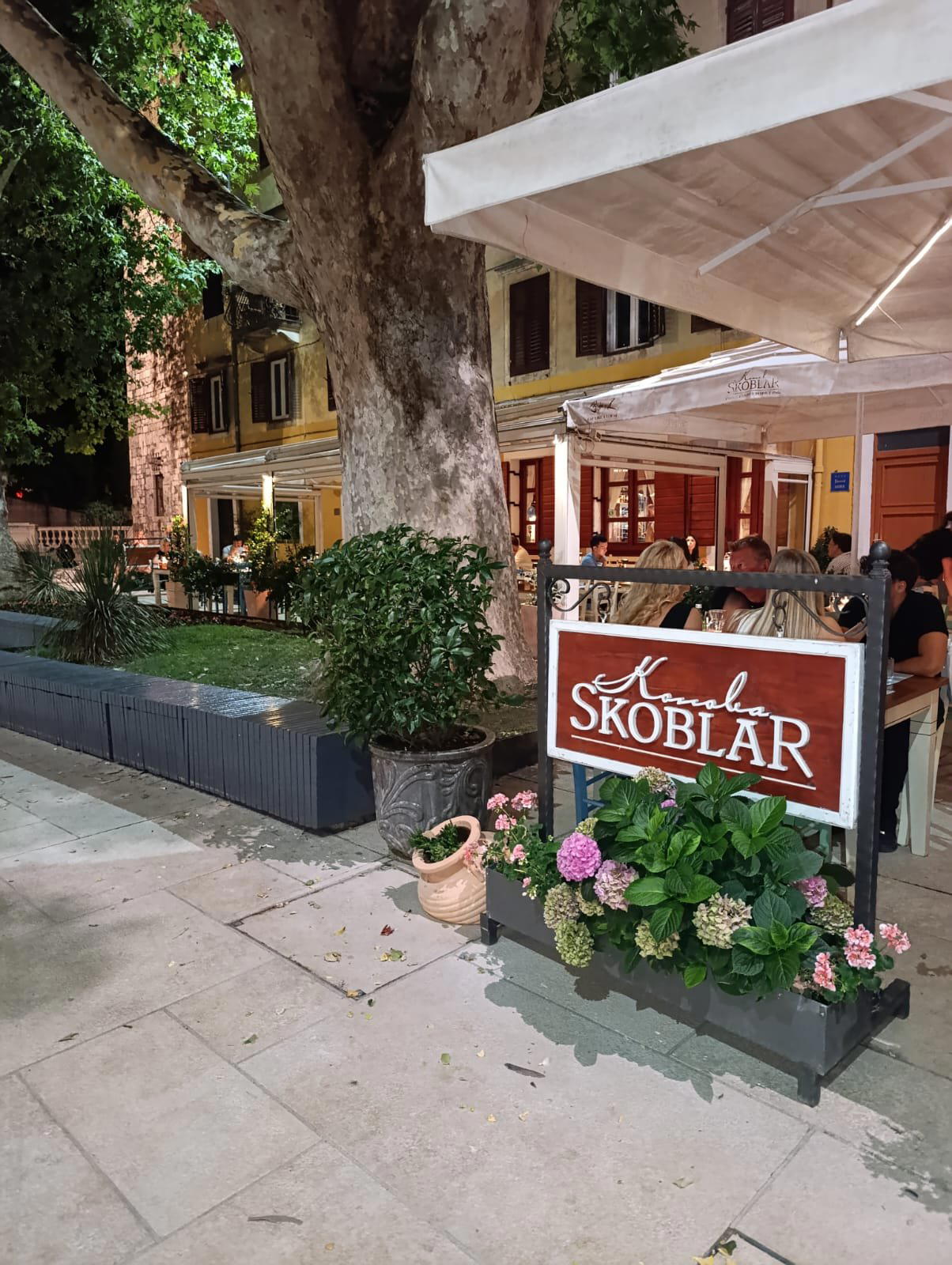
A Square with a Long Memory
Trg Petra Zoranića, the broad stone square at the edge of Zadar's old town, has absorbed centuries of daily life. Market stalls, café chairs, fishermen's conversations, and the particular light that bounces off the Adriatic in the late afternoon have all passed through this place. Restaurants that position themselves on or around this square are making a claim about permanence, that they belong to the city's rhythm rather than to a tourist season. Skoblar occupies that address at number three, a traditional Dalmatian seafood restaurant in Zadar with a price tier of about $32 per person, and the physical setting alone frames an expectation before you order anything.
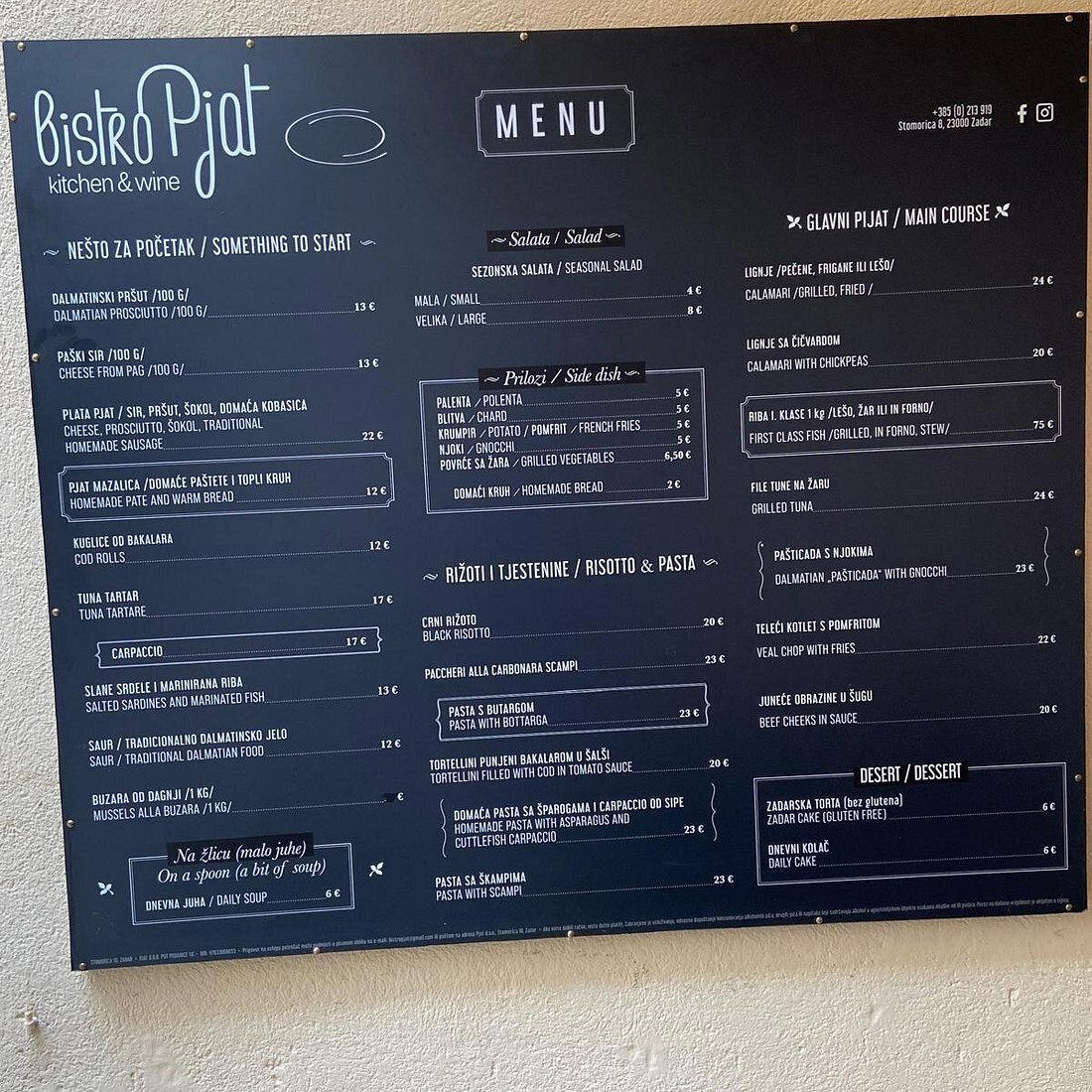
In Zadar's restaurant scene, that expectation matters more than it might in, say, Split or Dubrovnik, where higher visitor volumes can sustain a table on reputation alone. Zadar draws a more considered traveller, increasingly so since its rise in travel coverage over the past decade, and the dining room is expected to meet that visitor halfway. The squares and stone lanes of the old town support a range of options, from the seafood-forward classicism of Foša and Kornat to the contemporary Croatian cooking at Bistro Pjat and the shareable formats at A'mare POP. Skoblar, at its address on the Zoranića square, belongs inside that conversation.
How Zadar Restaurants Have Changed
Understanding where Skoblar sits today requires a brief account of how Dalmatian dining has shifted. For most of the 1990s and 2000s, Croatian coastal restaurants operated inside a format that prioritised volume and reliability: grilled fish, peka-cooked meats, house wine by the carafe. These were not failures of ambition so much as products of an industry still rebuilding after the 1990s conflict and calibrated to a northern European package-holiday market. What changed in the 2010s was the composition of the visitor. Travellers with more specific expectations began arriving, people who had eaten at Pelegrini in Sibenik or LD Restaurant in Korčula, who understood the Dalmatian larder and wanted kitchens that were taking it seriously.
Restaurants across the coast either evolved or remained in the earlier format. Those that evolved generally moved in one of two directions: toward a tasting-menu formalism influenced by what was happening at Restaurant 360 in Dubrovnik or Nebo by Deni Srdoč in Rijeka, or toward a lighter, ingredient-led approach that kept Dalmatian flavour logic intact while updating technique and presentation. The second path tends to age better. Heavy tasting menus work in a small number of contexts; relaxed, precise cooking works almost everywhere, and particularly in a city like Zadar, where the lunch culture is as important as dinner.
The Dalmatian Kitchen at This Address
The cuisine of northern Dalmatia, the region Zadar anchors, draws on the same core materials as the rest of the coast, Adriatic fish, lamb from the Velebit hinterland, olive oil, stone fruit, and wild herbs, but with a slightly more restrained hand than the southern Dalmatian style. It is food shaped by a long relationship with scarcity and by the influence of Venetian trade rather than Ottoman kitchens. Salt cod and dried fish preparations appear alongside fresh catch; pašticada, the slow-braised beef dish associated with Dalmatia, competes for table space with brodetto fish stew variations that differ between fishing villages.
Restaurants that engage seriously with this tradition, rather than simply serving grilled branzino and calling it local, occupy a different tier in the conversation. The comparison set at that tier in Zadar includes 4kantuna, which has built a following around traditional Zadar recipes, and Bruschetta, which takes an Italian-adjacent approach to the same ingredients. Skoblar's address, on one of the city's most historically loaded squares, places it in an implicit dialogue with that tradition. The building and the stone underfoot are themselves editorial statements about continuity.
For reference points outside Croatia, the discipline of cooking from a specific coastal region's ingredient logic rather than defaulting to international fine dining forms is something you see at Agli Amici Rovinj on the Istrian peninsula, or at Boskinac in Novalja on Pag island, where the kitchen uses the island's specific terroir as its organising principle. It is a different orientation from the international precision of Le Bernardin in New York or the tasting-counter formalism of Atomix, but no less considered when done well.
Where Skoblar Fits the Current Scene
Zadar's dining scene in the mid-2020s is more layered than its regional reputation suggests. The city has attracted a generation of operators and cooks who have eaten and worked elsewhere and returned with different frameworks, and that has raised the baseline of what counts as a serious restaurant here. A venue sitting on Trg Petra Zoranića needs to compete not just with the three restaurants a five-minute walk away but with what the same visitor experienced last month in Zagreb at Dubravkin Put or in Split at Krug.
That broader context is where Skoblar's evolution, whatever specific form it has taken, lands. Restaurants that open or reposition on a historically significant square in a city increasingly noticed by the travel press are under a particular kind of scrutiny. The setting creates a promise; the kitchen either keeps it or doesn't. What the Zoranića address and the name's visibility in Zadar suggest is that the restaurant has found a position inside the city's dining conversation rather than existing at its margins. For visitors planning a serious meal in Zadar, it belongs on the shortlist alongside the venues above, with the understanding that practical details, hours, booking lead times, current menu, should be confirmed directly, as format and pricing across this competitive set change with seasonal demand.
Visitors arriving at Zadar's old town typically approach Trg Petra Zoranića on foot from the Kopnena vrata, the land gate, or from the direction of the Forum and the Church of St. Donatus. The square is walkable from either end of the old peninsula in under ten minutes. For anyone building an itinerary around Zadar's dining scene, the full Zadar restaurants guide maps the city's options by format, price tier, and neighbourhood position. Reservations for popular tables in the old town during summer months typically require advance booking, particularly for Friday and Saturday evenings in July and August, when the city's visitor volume peaks. Outside peak season, same-week reservations are generally available at most addresses. For reference on what the Croatian Adriatic coast offers at its most ambitious, Alfred Keller in Mali Lošinj and Korak in Jastrebarsko represent the further range of the country's contemporary cooking, providing useful calibration for where Zadar's scene sits in the national picture. Antiquus sushi@more POP rounds out the contemporary end of Zadar's offer for visitors who want to see the full range of the city's current ambition.
Standing Among Peers
Comparable venues nearby, for context on price, style, and recognition.
| Venue | Cuisine | Price | Notes |
|---|---|---|---|
| SkoblarThis venue — the venue you are viewing | Traditional Dalmatian Seafood | $$ | Not listed |
| Pet bunara Dine&Wine | Dalmatian Slow Food | $$ | Zadar Old Town |
| Konoba Martinac | Traditional Dalmatian Seafood | $$ | Old Town |
| 4kantuna | Dalmatian Mediterranean | $$ | Old Town Zadar |
| Konoba Dalmatina | Traditional Croatian Seafood & Grill | $$ | Old Town |
| Corte | Modern Mediterranean & Croatian | $$$ | Old Town |
Continue exploring
More in Zadar
Restaurants in Zadar
Browse all →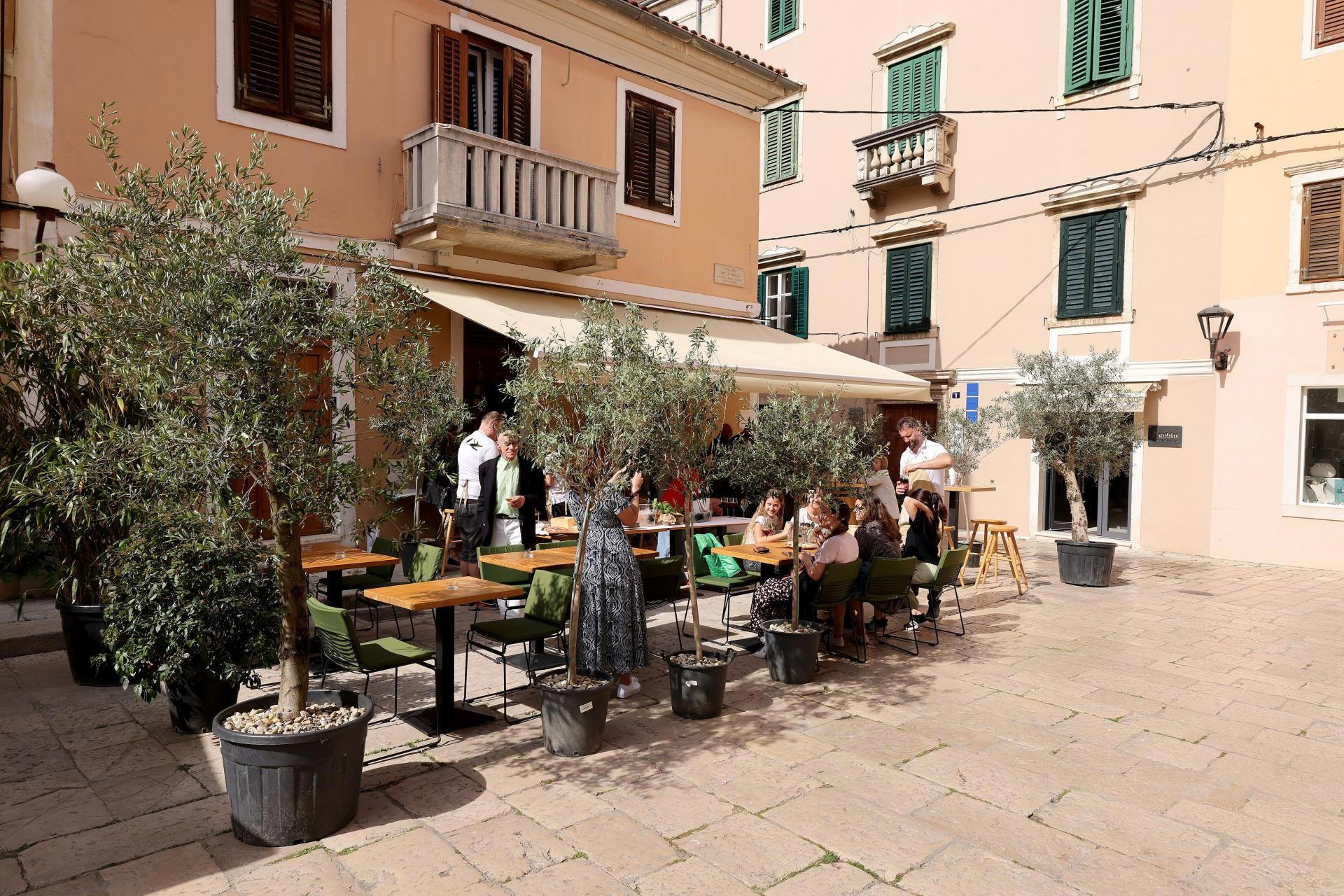
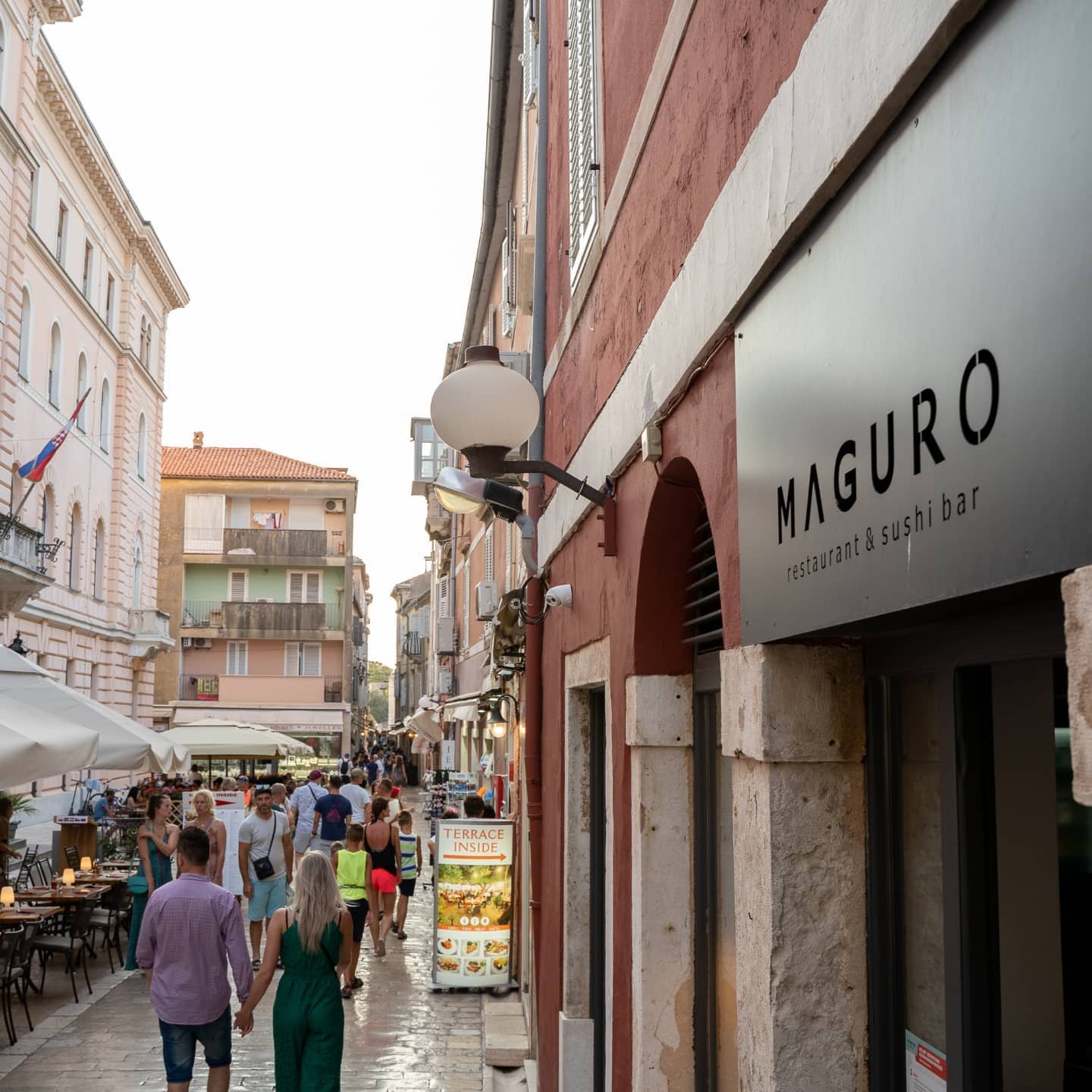
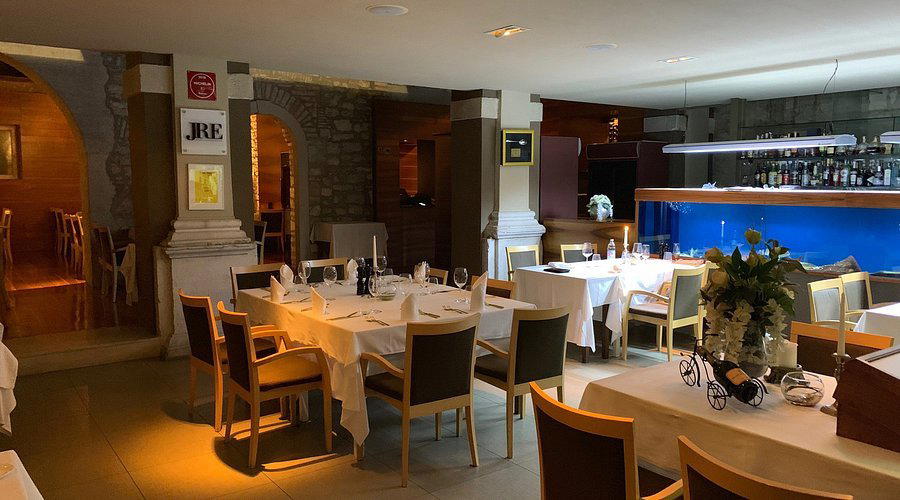
Bars in Zadar
Browse all →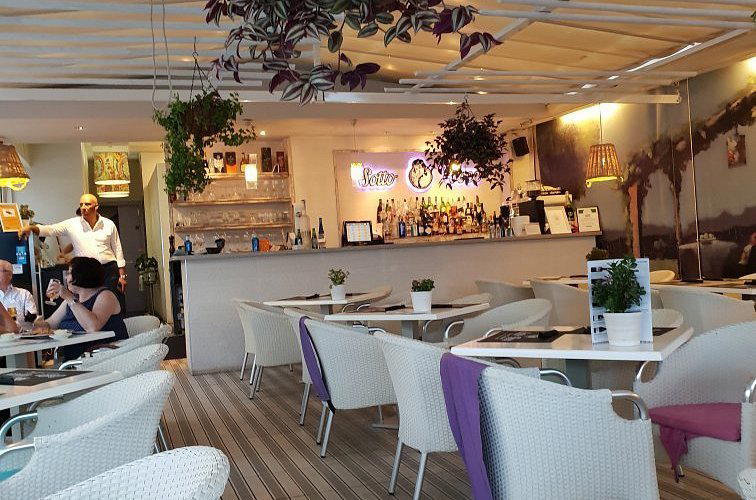
Hotels in Zadar
Browse all →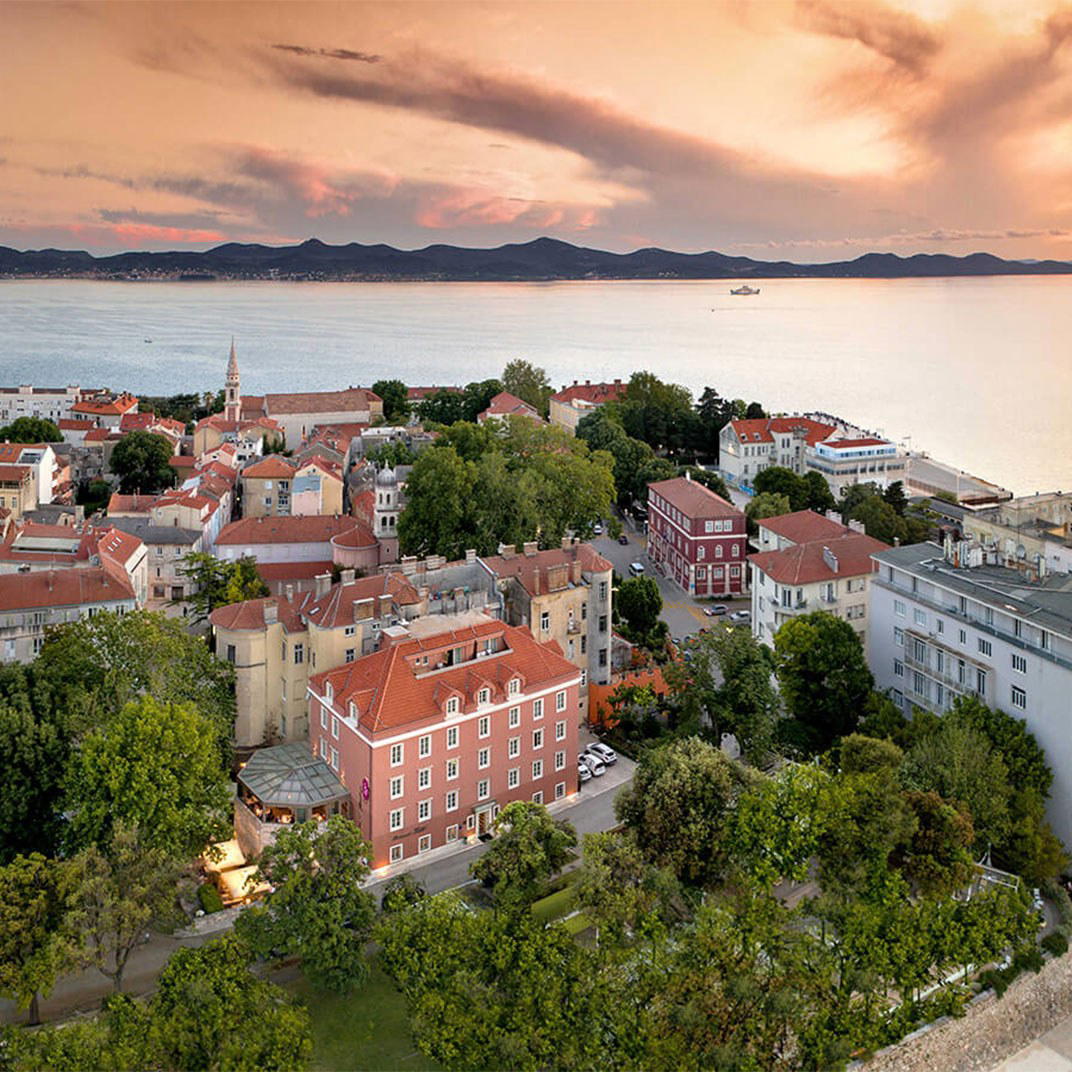
Wineries in Zadar
Browse all →
At a Glance
- Classic
- Rustic
- Cozy
- Casual Hangout
- Historic Building
- Street Scene
Current opening hours
- Monday
- 9 AM–12 AM
- Tuesday
- 9 AM–12 AM
- Wednesday
- 9 AM–12 AM
- Thursday
- 9 AM–12 AM
- Friday
- 9 AM–12 AM
- Saturday
- 9 AM–12 AM
- Sunday
- Closed
Hours can change for holidays and private events. Last verified .
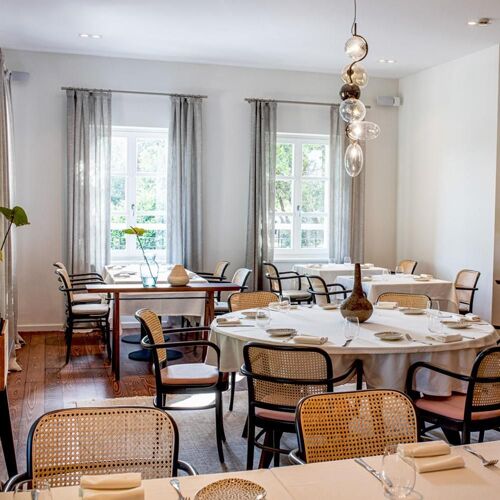
Traditional tavern atmosphere with terrace seating for shaded lunches and dinners under the stars in a picturesque old town square.