
Restaurant Labrax sits in the heart of Zadar's old town, where the Adriatic's fishing tradition meets a considered approach to what ends up on the plate. The name itself, labrax, the Latin for sea bass, signals a kitchen oriented around the Dalmatian coast's most closely watched catch. Among Zadar's mid-to-upper dining tier, it occupies a quieter register than the harbour-front crowd-pleasers.
Pearl is the En Primeur Club membership app — saves, bookings, and concierge access live there. Same editors, same standards.
- Address
- Poljana Šime Budinića 1, 23000, Zadar, Croatia
- Phone
- +38523317401
- Directions
- Get directions
 Saves & bookings on Pearl
Where the Adriatic Comes Ashore
Zadar's old town operates on a particular rhythm. The Roman forum, the Sea Organ, the long pedestrian spine of Kalelarga, these are the landmarks that draw visitors in from the ferries and the coastal road. But the dining scene that has developed around them over the past decade tells a more specific story: a city working out how to treat its extraordinary marine larder seriously, without defaulting to the tourist-facing grilled-fish formula that dominates the cheaper end of the waterfront. Restaurant Labrax, at Poljana Šime Budinića 1 in Zadar, serves modern seafood and Croatian fine dining at roughly $50 per person.
The name is not accidental. Labrax is the scientific genus that includes the European sea bass, the prized fish in the northern Dalmatian catch and the one whose quality varies most dramatically depending on whether it arrived that morning from a local boat or has been sitting in a distributor's cold chain for two days. Naming a restaurant after it is a statement of intent about sourcing, and in Zadar's dining culture that intent carries weight with the local clientele who know what in-season, properly handled sea bass tastes like versus its farmed, off-season counterpart.
The Sourcing Question Along the Dalmatian Coast
Croatia's Adriatic coast has one of Europe's more compelling sustainability stories in fine dining, even if it rarely gets framed that way in international coverage. The same geographic conditions, a fractured coastline of islands, channels, and bays, that make the region's fishing so productive also make hyper-local sourcing genuinely achievable in a way that is difficult on more industrialised stretches of European coastline. Restaurants that commit to working with day-boat fishermen from the Zadar archipelago, including the waters around Dugi Otok, Ugljan, and Pašman, are drawing from one of the cleaner, less commercially overfished zones of the Mediterranean.
This is the context in which a restaurant named for the sea bass makes its implicit argument. The fish-forward Dalmatian kitchen has always been fundamentally seasonal, certain species run at certain times, and a kitchen tracking that calendar is, by definition, working with lower food-miles, less cold-chain dependency, and less pressure on stressed species. The question is whether the kitchen in question is actually doing that, or whether the menu is seasonal in name only. Among Zadar's upper-mid dining tier, which includes Foša and Kornat at the established end, and newer entries recalibrating the price-to-ambition ratio, the restaurants that have built local reputations in recent years are largely those that have made the sourcing argument credible through consistency rather than menu copy.
Zadar's Dining Tier and Where Labrax Sits
Zadar is not Dubrovnik, and that is partly what makes it interesting to track as a dining destination. It has a functioning year-round local population, a university, and a food culture that is not entirely dependent on the summer tourism peak. The restaurants that survive and build reputations here do so across a longer season than those in more purely tourist-dependent towns. That dynamic tends to produce kitchens that are more attentive to local ingredient cycles and less prone to the compressed, high-volume summer menu approach that flattens quality elsewhere on the coast.
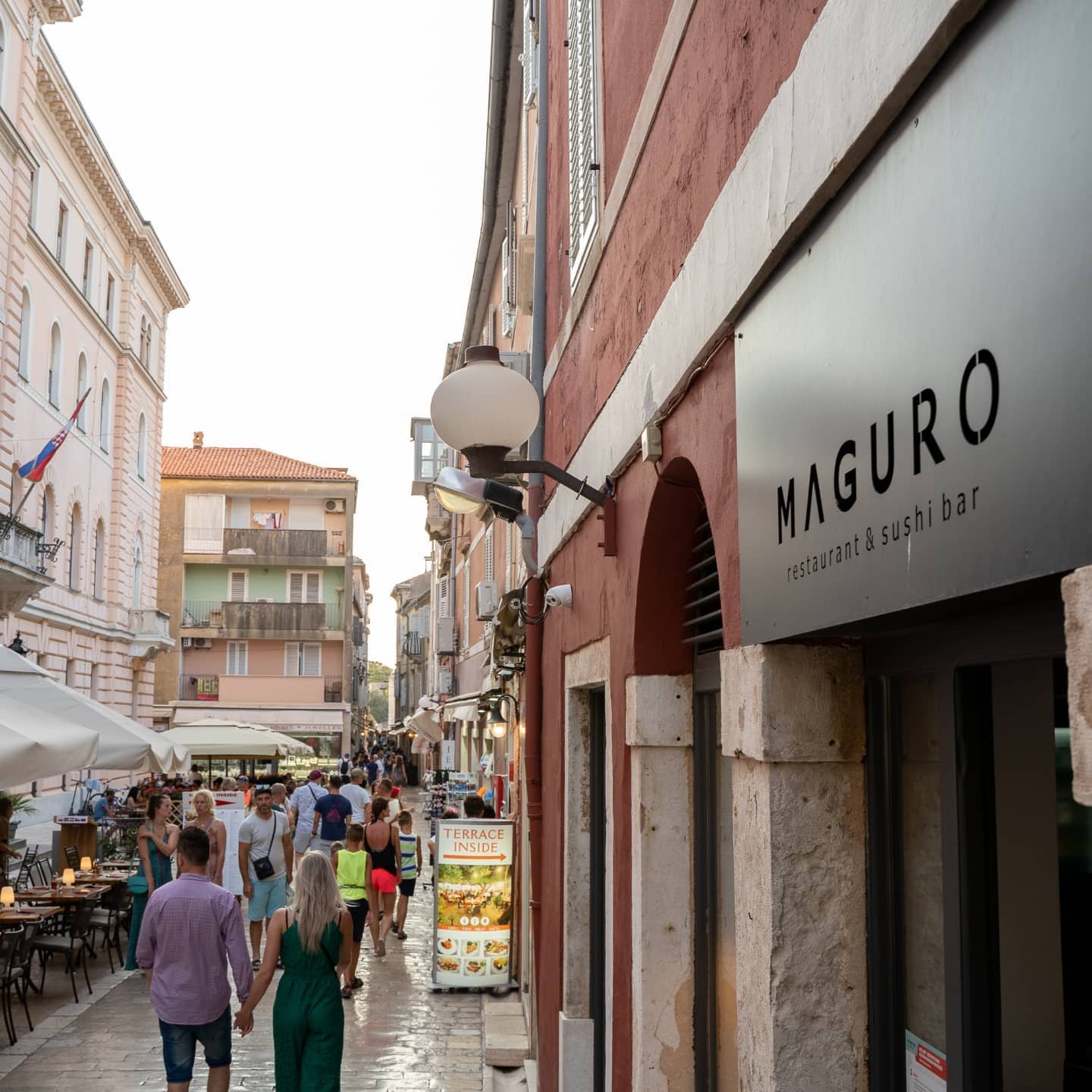
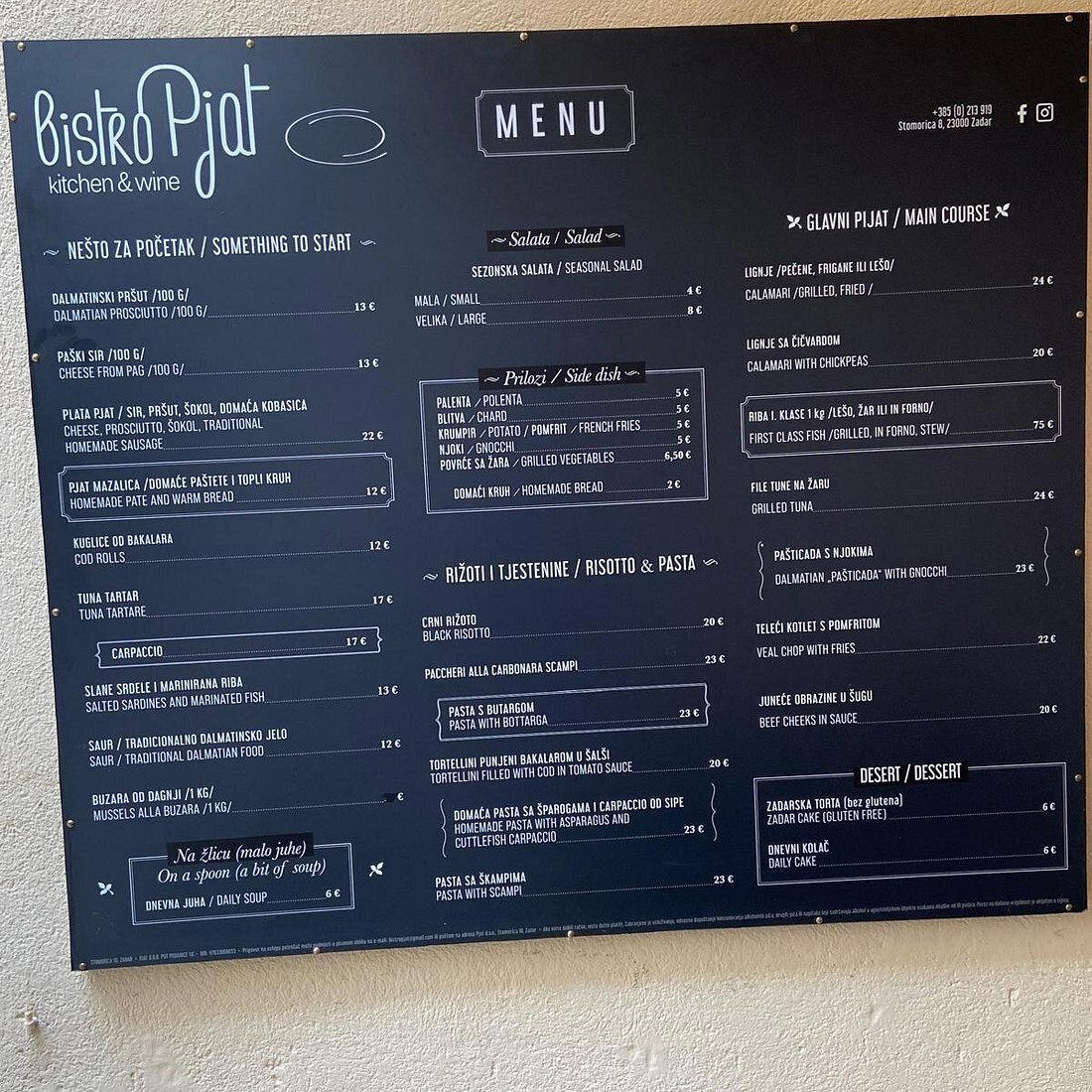
Within Zadar's current scene, the old-town addresses worth understanding as a peer group include 4kantuna, which has built its reputation on Dalmatian tradition, Bistro Pjat, which operates at a more relaxed register, Bruschetta, A'mare POP, and Antiquus sushi@more POP, which signals the city's willingness to run formats beyond the Dalmatian-classics template. Labrax occupies the fish-specialist end of this group, where the editorial argument, that the name signals sourcing discipline, is either vindicated or not by what actually arrives at the table.
For comparison across Croatian cities, the restaurants in Zadar's upper-mid tier price against places like Krug in Split and LD Restaurant in Korčula rather than the fully formal dining rooms. Zadar is playing a different game, less theatrical, more embedded in the local catch, and that is the frame through which Labrax should be read.
Internationally, the fish-forward sourcing argument has been made most rigorously at places like Le Bernardin in New York City and, in a more contemporary mode, Atomix in New York City. Croatia's version of this conversation is quieter and less codified, but the underlying logic, that sourcing integrity shows up in the fish before any technique is applied, is the same.
Planning a Visit
Restaurant Labrax is located at Poljana Šime Budinića 1 in Zadar's old town, within walking distance of the main pedestrian zone and the waterfront. Zadar is accessible by ferry from the islands and by direct flights into Zadar Airport, which has expanded its European connections significantly since the mid-2010s, making it a viable destination rather than a stopover. The practical advice for the Dalmatian coast applies here: the shoulder seasons, specifically May to June and September to October, offer the combination of reasonable weather, full kitchen focus, and menus that reflect the transition between the spring and autumn fish calendars rather than the compressed summer peak. Booking ahead is advisable for the old-town addresses in summer; outside that window, walk-ins are more reliably accommodated.
Just the Basics
Comparable venues nearby, for context on price, style, and recognition.
| Venue | Cuisine | Price | Notes |
|---|---|---|---|
| Restaurant LabraxThis venue — the venue you are viewing | Not listed | $$$ | Not listed |
| Harbor Cookhouse | Not listed | $$$ | Old Harbour, Mediterranean Seafood & Steakhouse |
| The Botanist | Zadar Old Town, Upmarket Vegan Dalmatian | $$$ | Not listed |
| Skoblar | Old Town, Traditional Dalmatian Seafood | $$ | Not listed |
| Kornat | Not listed | $$$ | Zadar Seafront, North Dalmatian Fine Dining Seafood |
| 4kantuna | Old Town Zadar, Dalmatian Mediterranean | $$ | Not listed |
Recognition history
Dated appearances from independent guides and award organizations, with the underlying list record or original source where available.
Michelin Plate
Michelin
Continue exploring
More in Zadar
Restaurants in Zadar
Browse all →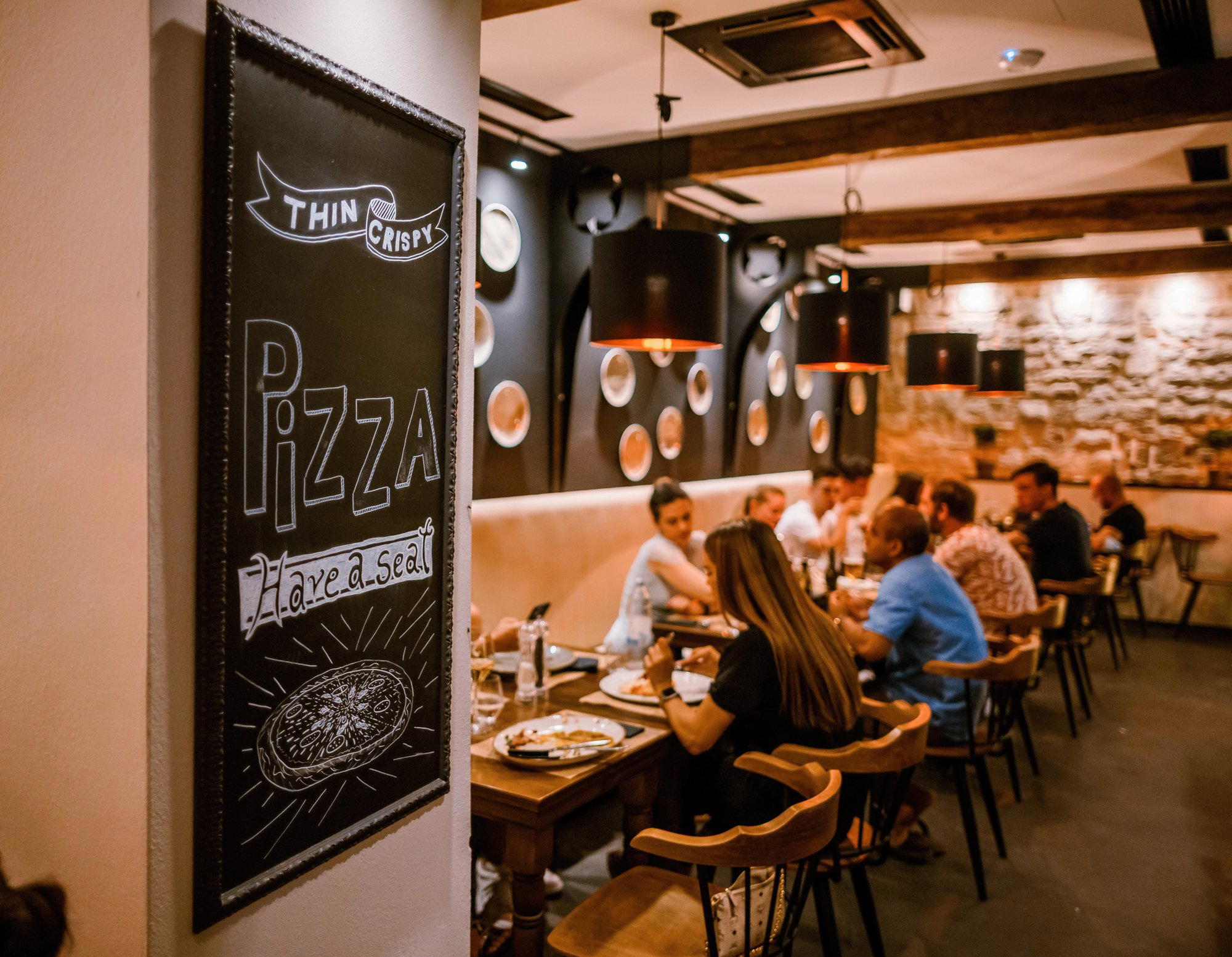
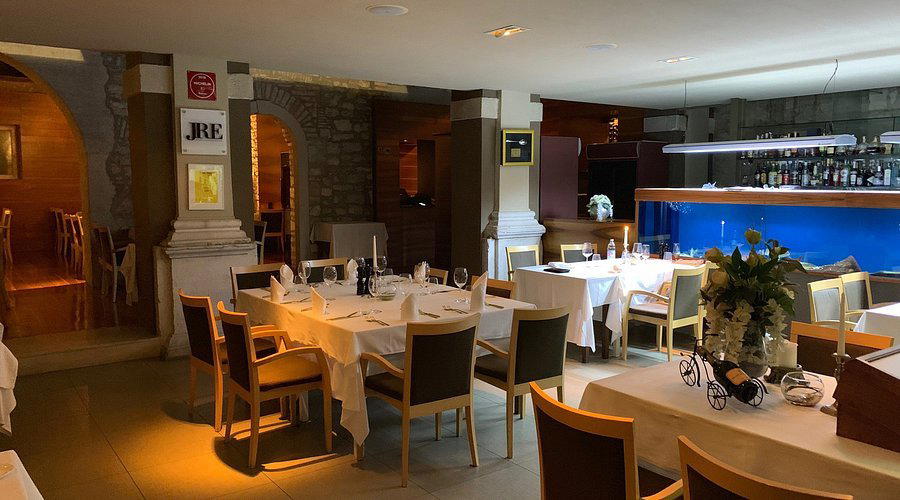
Bars in Zadar
Browse all →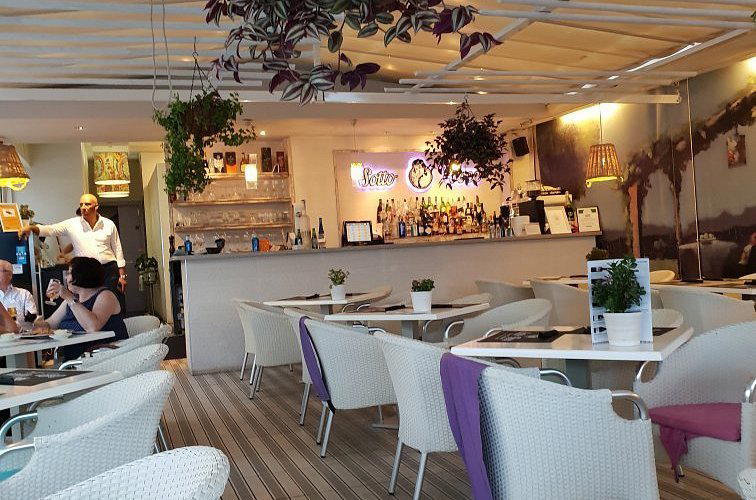
Hotels in Zadar
Browse all →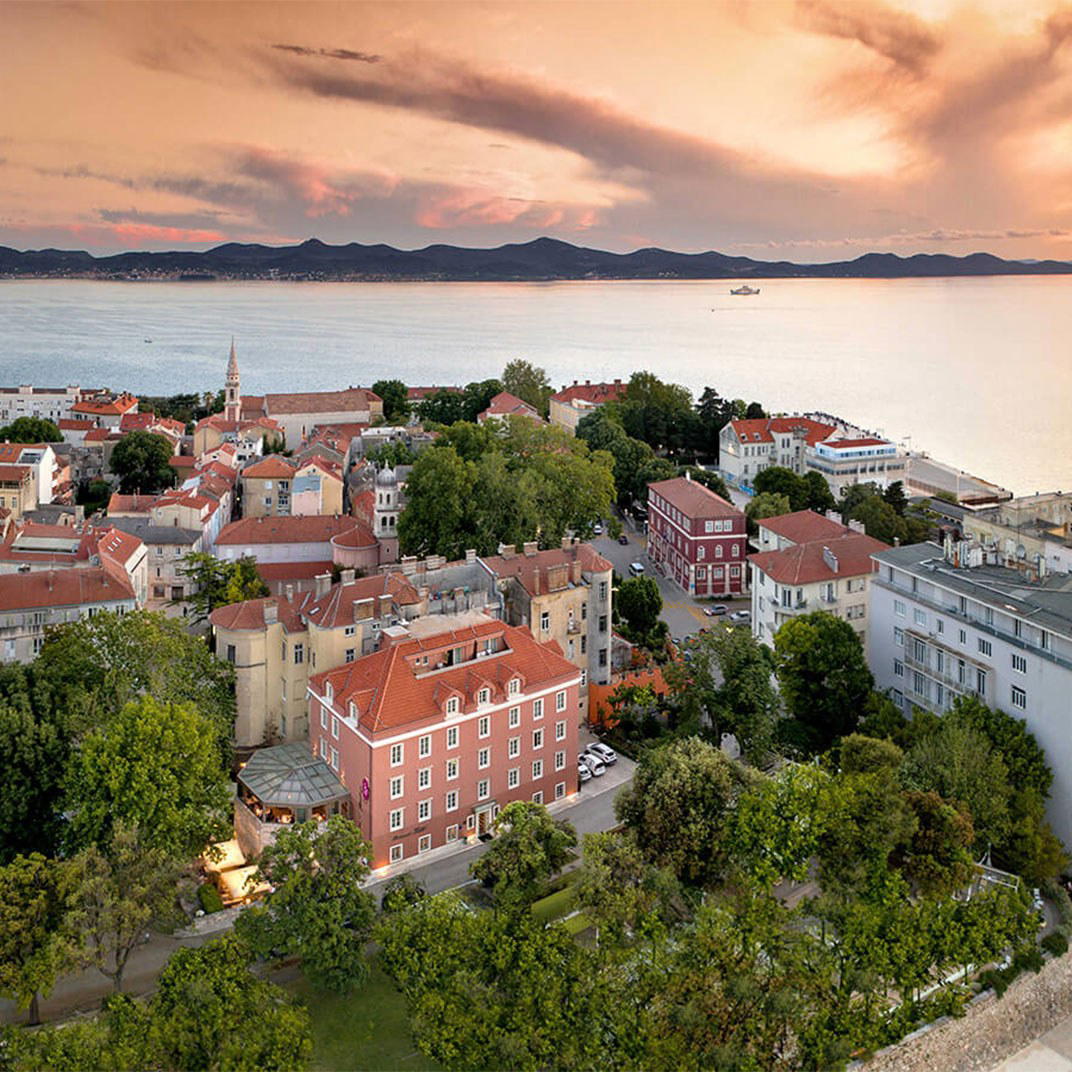
Wineries in Zadar
Browse all →
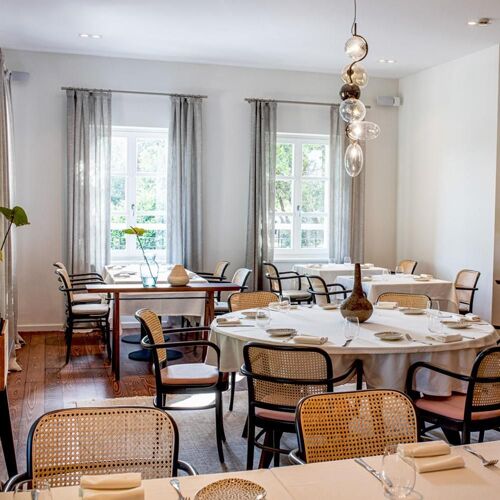
At a Glance
- Elegant
- Modern
- Intimate
- Sophisticated
- Date Night
- Special Occasion
- Open Kitchen
- Terrace
- Extensive Wine List
- Local Sourcing
- Street Scene
Current opening hours
- Monday
- 12–11 PM
- Tuesday
- 11 AM–11 PM
- Wednesday
- 12–11 PM
- Thursday
- 12–11 PM
- Friday
- 12–11 PM
- Saturday
- 12–11 PM
- Sunday
- 12–11 PM
Hours can change for holidays and private events. Last verified .
Relaxed yet refined atmosphere with casual charm, warm hospitality, and a small romantic terrace.