On a quiet address in Zadar's old town, Proto Food&More occupies a space where the Adriatic's coastal larder sets the terms of a meal that builds deliberately from first course to last. The kitchen works Dalmatian ingredients through a format that rewards attention rather than rushing, placing it alongside the city's growing number of restaurants that take the progression of a meal seriously.
Pearl is the En Primeur Club membership app — saves, bookings, and concierge access live there. Same editors, same standards.
- Address
- Stratico ul. 1, 23000, Zadar, Croatia
- Phone
- +38523386431
- Website
- m.facebook.com
- Directions
- Get directions
 Saves & bookings on Pearl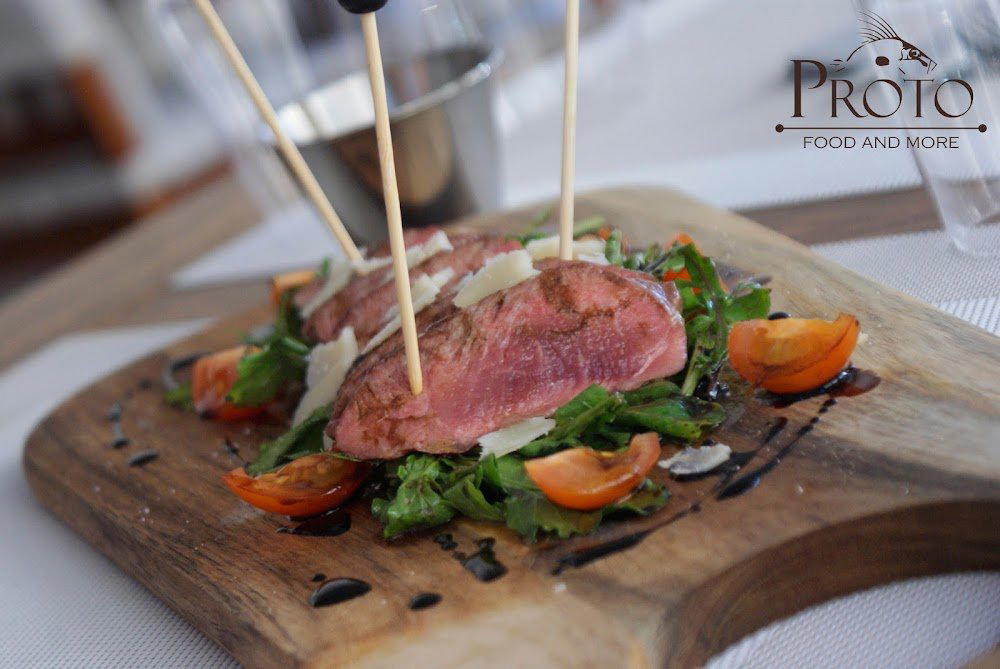
Where Zadar's Old Town Sets the Table
Zadar's historic core is a compact limestone maze where the Roman forum sits a short walk from the sea wall and restaurants occupy addresses that have housed stone buildings for centuries. Stratico ulica, where Proto Food&More sits at number one, is the kind of street that rewards a slow approach: narrow, shaded in the afternoon, and quieter than the main pedestrian arteries. The physical context matters because Zadar's dining scene has increasingly divided between places that trade on waterfront spectacle and those that rely on what arrives on the plate. Proto Food&More belongs to the second category.
The city's restaurant culture has shifted noticeably over the past decade. Venues like Foša and Kaštel have held the classic Dalmatian-Mediterranean position at the €€€ tier for years, while a younger wave has introduced more format-conscious approaches. Proto, with its name suggesting something foundational or original, positions itself in that current: a place that takes the architecture of a meal seriously rather than simply assembling Adriatic ingredients on a plate and calling it done. Across Croatia, the restaurants generating one sustained conversation are those treating multi-course sequencing as a discipline, from Pelegrini in Sibenik to Agli Amici Rovinj in Rovinj and Restaurant 360 in Dubrovnik. Proto operates in that same register, at the Zadar scale.
The Architecture of the Meal
In the restaurants along Croatia's coast that have moved beyond the catch-of-the-day formula, the meal tends to follow a deliberate arc: lighter, more acidic, or raw preparations open proceedings, giving way to cooked seafood or cured proteins in the middle, with richer, more structured dishes anchoring the final third. This progression mirrors the logic of French classical sequencing but draws its raw materials from the Dalmatian littoral: sea urchin, locally caught fish, cured meats from the Dalmatian hinterland, and stone-fruit flavors that appear in both savory and sweet applications.
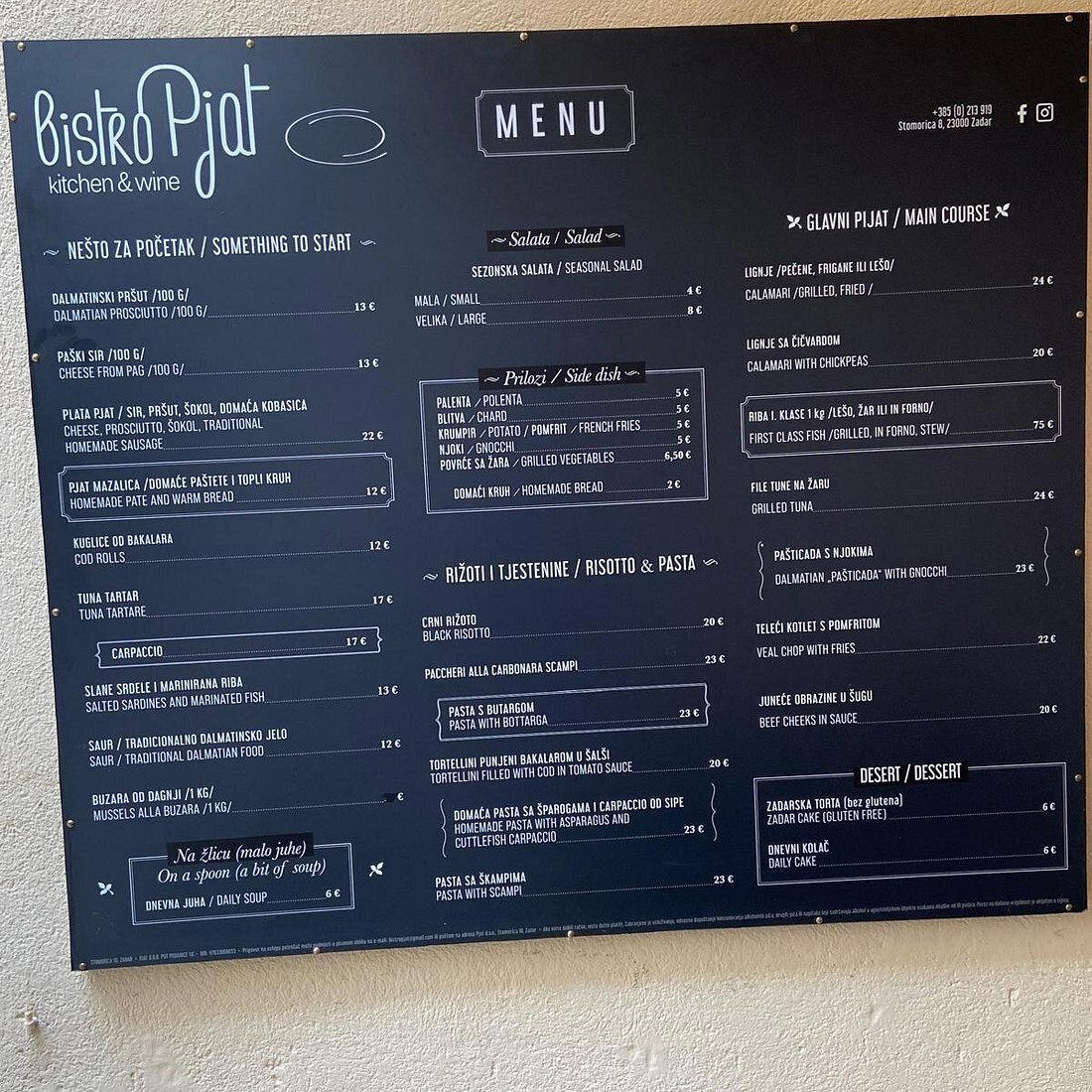
Proto's approach, as the name implies, returns to something elemental. The "Food&More" in the name signals a scope that extends beyond any single category, suggesting a kitchen that treats the meal as a complete arc rather than a collection of individual dishes. In practice, that means a progression where each stage earns its place by contrasting with or building on what came before. The restaurants in Zadar that have distinguished themselves, including nearby 4kantuna and Bistro Pjat, have done so by applying this kind of structural thinking to Dalmatian ingredients rather than simply plating them attractively.
Dalmatian Ingredients as the Through-Line
The Dalmatian coast's larder is narrower and more specific than the broader Mediterranean category suggests. The olive oils from the islands around Zadar are among the more cold-pressed and low-acidity in Croatia. The fish comes from water that is, by Adriatic standards, exceptionally clear, which affects texture at the table. The lamb from the Dalmatian hinterland is leaner and more mineral than its continental equivalents, raised on sage and wild herbs at altitude. Seasonal vegetables from the islands, particularly Ugljan and Pašman, appear in summer menus across the city's more ingredient-focused kitchens.
A well-sequenced meal in this context tends to open with preparations that highlight the brightness of the sea, moving through the richer flavors of cured or slow-cooked land proteins, and closing with stone fruit or dairy-based preparations that reflect the island agricultural traditions. The through-line is restraint applied to excellent raw material rather than technique deployed for its own sake. This positions Zadar's better kitchens alongside coastal peers on the Dalmatian riviera, from LD Restaurant in Korčula to Krug in Split, even when the budgets and ambitions differ.
Proto in the Context of Zadar's Current Restaurant Tier
Zadar has several formats competing for the attention of visitors who eat seriously. The waterfront addresses, including Kornat and the terrace-heavy spots near the Sea Organ, offer location as their primary argument. A different cohort, including A'mare POP, Bruschetta, and Antiquus sushi@more POP, operates with more format ambition, trading waterfront views for a more considered approach to what appears on the plate. Proto sits within this second group, on a street that trades spectacle for substance.
The distinction matters for trip planning. Visitors to Zadar who have eaten at restaurants like Nebo by Deni Srdoč in Rijeka or Boskinac in Novalja will recognize the sensibility: kitchens that approach Croatian ingredients with continental technique and a clear sense of how a meal should move from beginning to end. Proto's address on Stratico ulica is navigable on foot from the main old town sights, which means it functions as an anchor for an evening rather than a destination that requires planning around logistics.
Planning a Visit
Zadar's old town is pedestrianized, and Stratico ulica 1 is accessible on foot from the main landmarks including the Cathedral of St. Anastasia and the Roman Forum. The summer season, running from June through September, compresses demand across all of the city's better restaurants; visiting in May or early October means shorter waits, cooler temperatures on open terraces, and a local crowd that makes up a larger share of the room. For a meal structured around multiple courses, arriving at the start of an evening service rather than mid-sitting allows the progression to unfold at its intended pace.
For broader orientation across Croatia's coastal dining, Alfred Keller in Mali Lošinj, Dubravkin Put in Zagreb, and Korak in Jastrebarsko offer reference points for how Croatian kitchens are operating across different regions and price tiers. For global comparison of how tasting-progression formats work at the highest level, Le Bernardin in New York City and Atomix in New York City demonstrate the discipline's outer limits.
- tuna steak
- grilled squid
- monkfish
- black and white tuna
- pasticada
- gnocchi with spinach
Credentials Lens
Comparable venues nearby, for context on price, style, and recognition.
| Venue | Cuisine | Price | Notes |
|---|---|---|---|
| Proto Food&MoreThis venue — the venue you are viewing | Traditional Dalmatian Seafood & Mediterranean | $$ | Not listed |
| Bistro Pjat | Mediterranean Bistro with Croatian & Italian Influences | $$ | Old Town |
| Kod Stipe | Traditional Dalmatian Grill | $ | Zadar |
| Mamma Mia | Italian Pizza & Pasta with Croatian Influences | $$ | Borik |
| Vila Velebita | Traditional Croatian Konoba | $$ | Zadar |
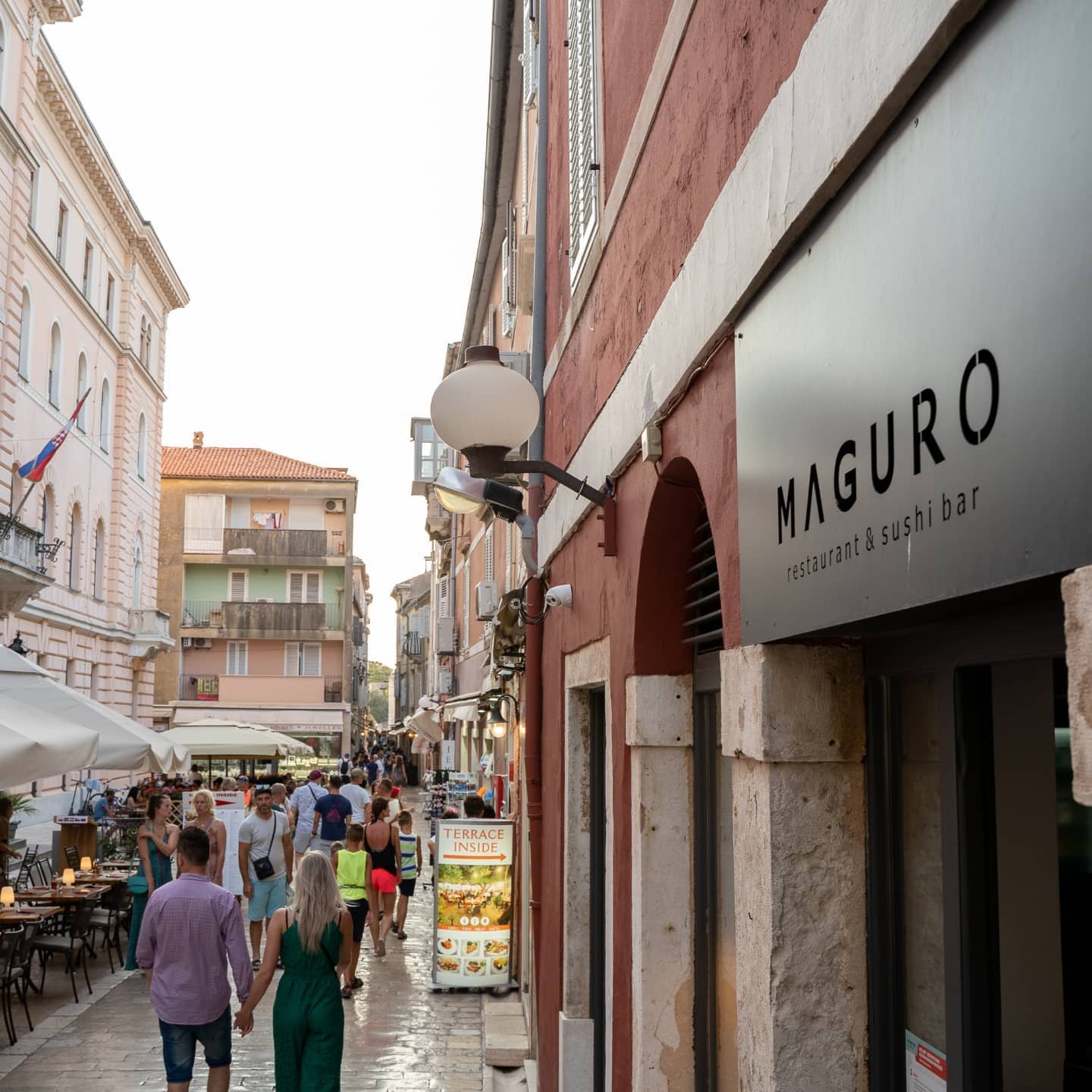
| Maguro | Japanese Sushi & Asian Fusion | $$ | Zadar Old Town |
Continue exploring
More in Zadar
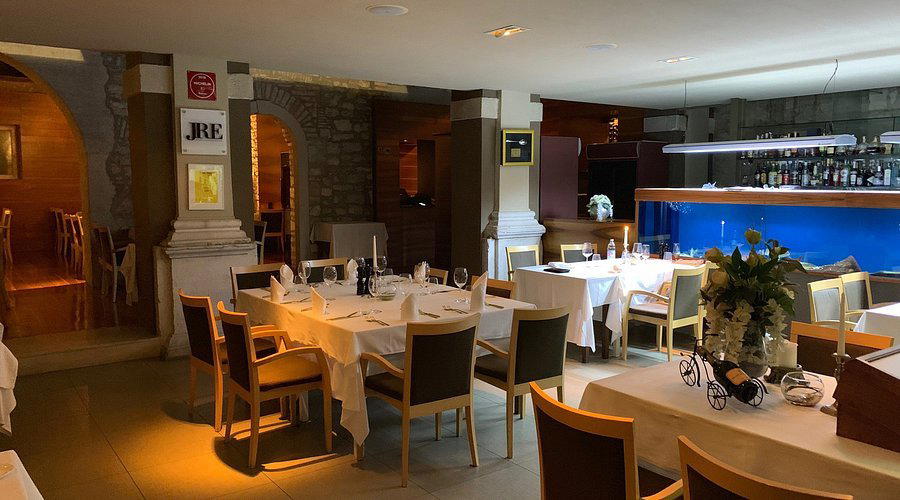
Restaurants in Zadar
Browse all →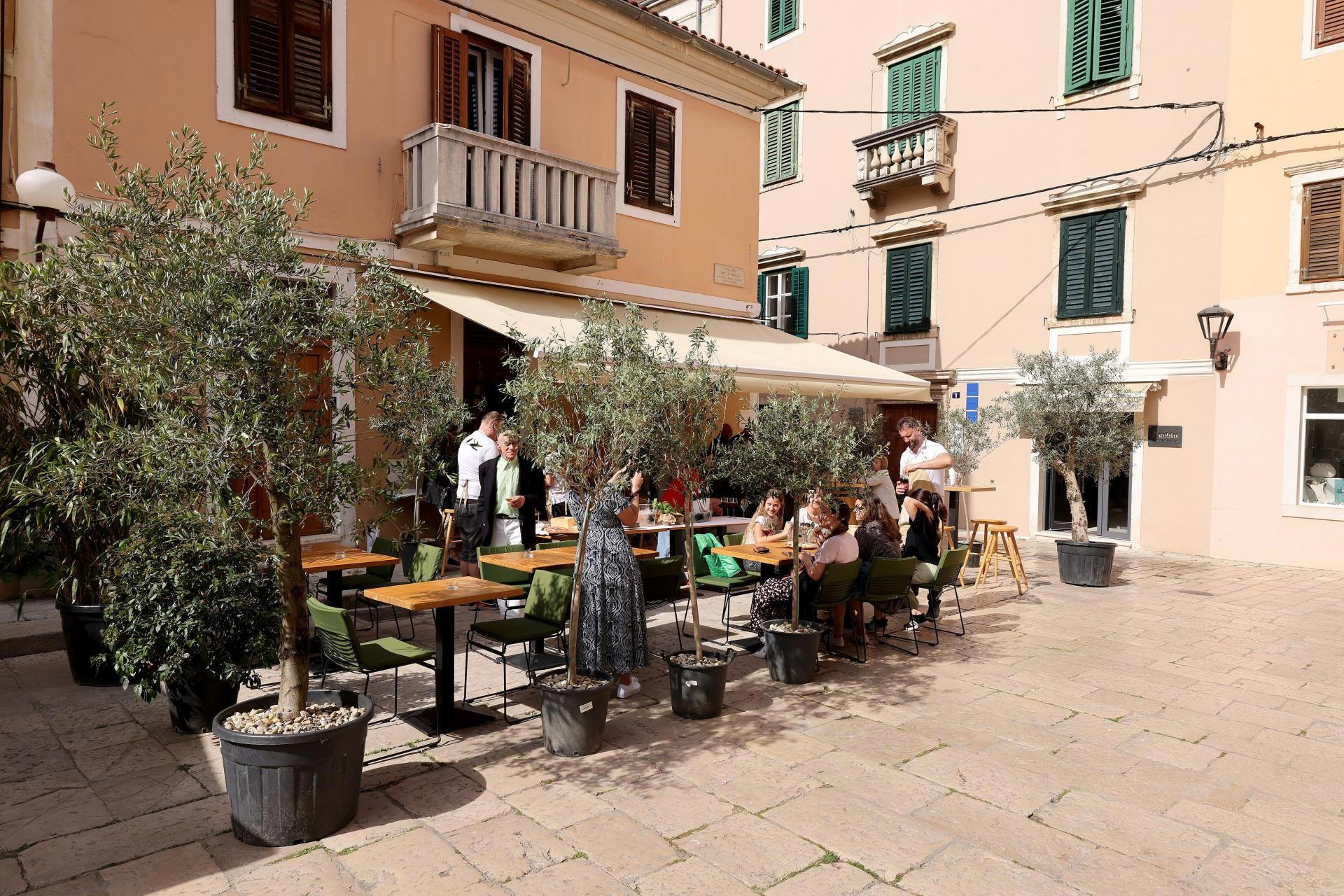
Bars in Zadar
Browse all →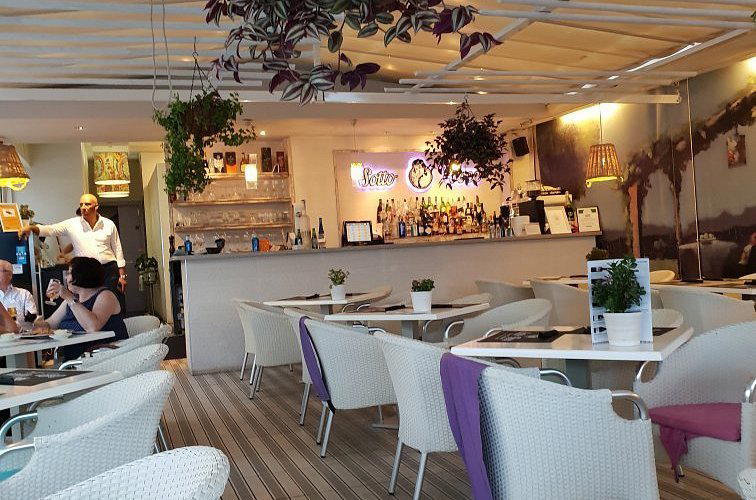
Hotels in Zadar
Browse all →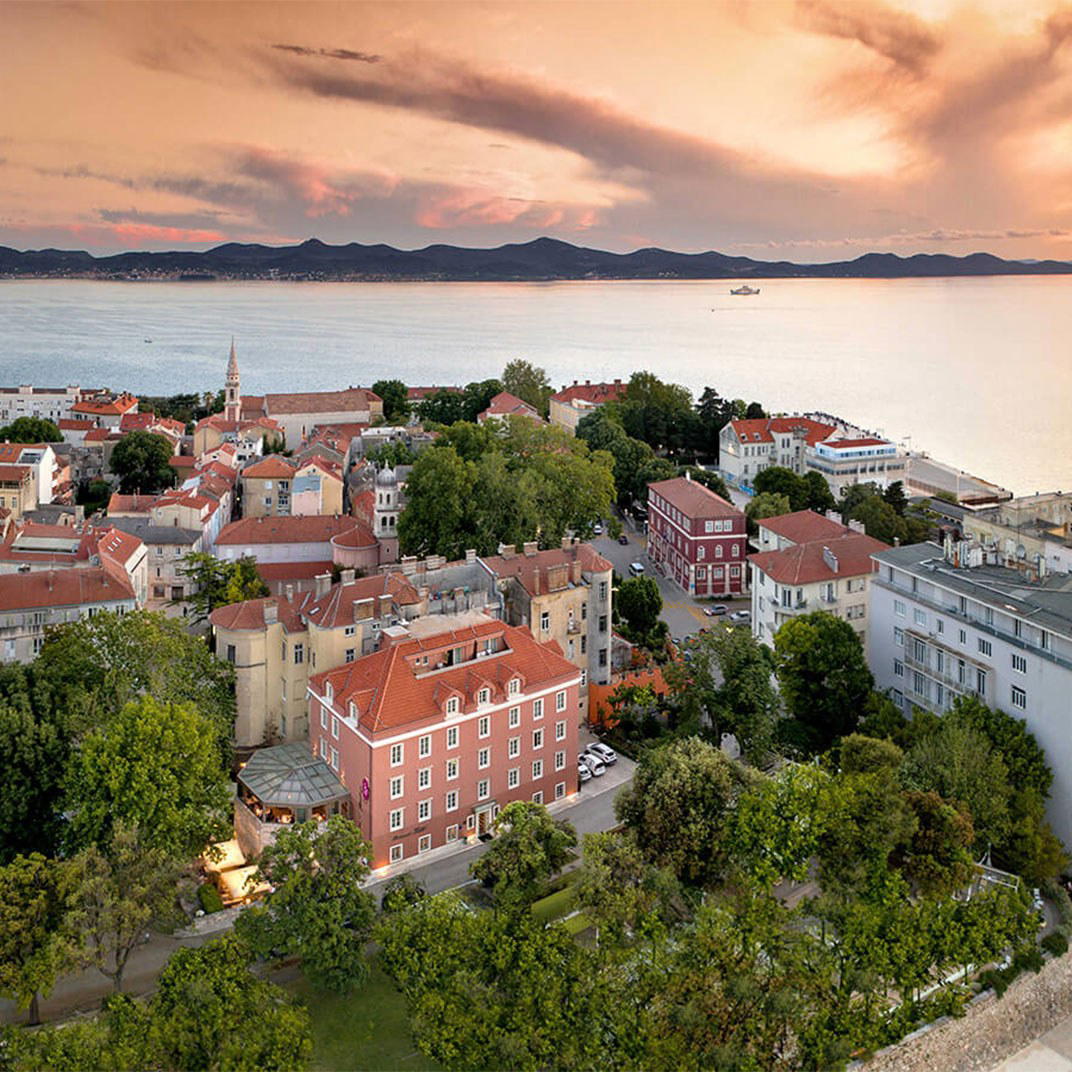
Wineries in Zadar
Browse all →
At a Glance
- Rustic
- Cozy
- Classic
- Casual Hangout
- Family
- Group Dining
- Date Night
- Terrace
- Standalone
- Beer Program
- Local Sourcing
- Sustainable Seafood
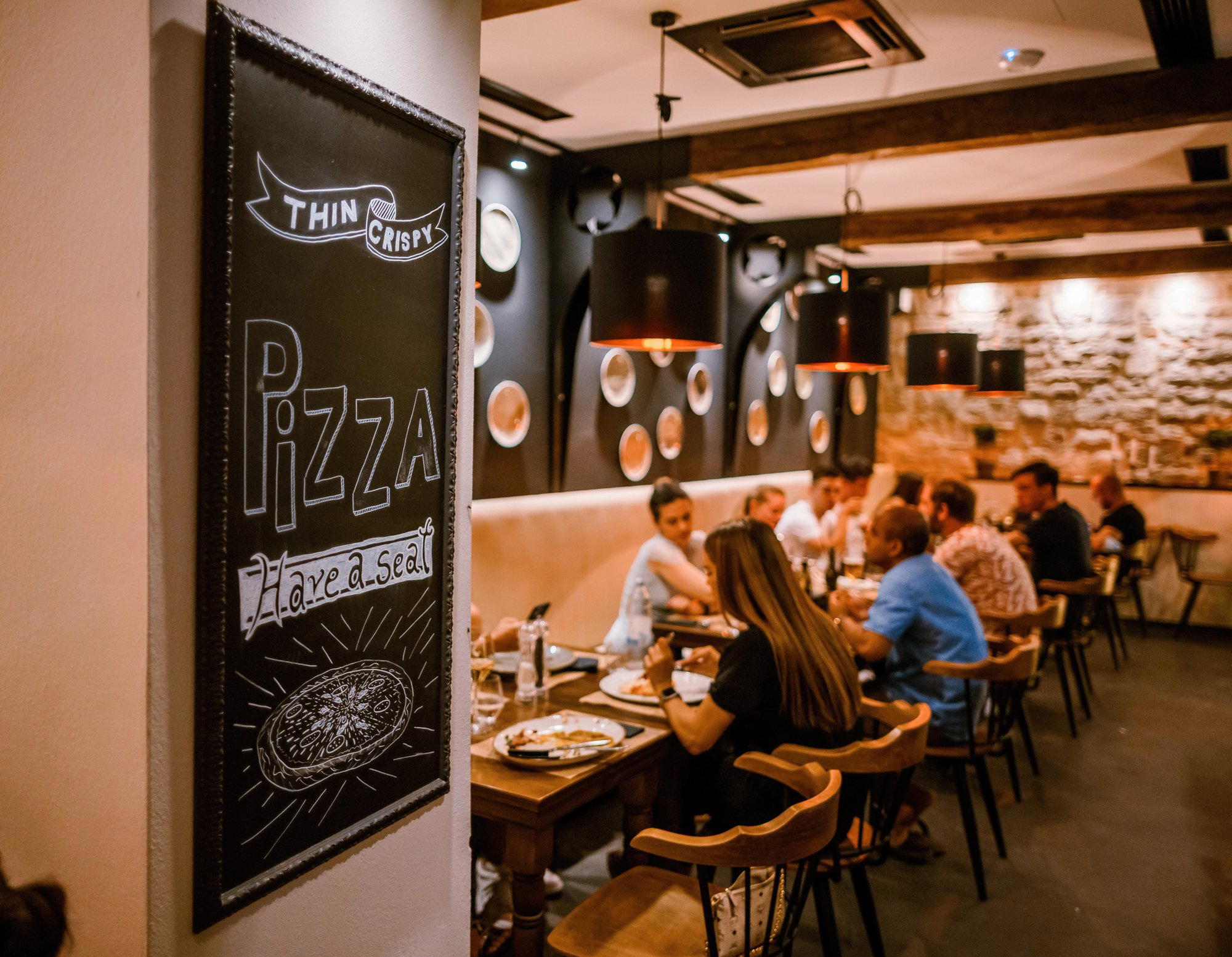
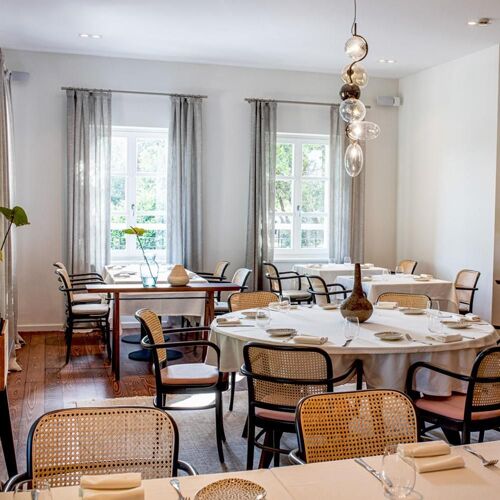
Simple, warm interior with a casual, welcoming atmosphere; outdoor terrace seating available for evening meals with pleasant ambiance.