Zadar's sushi scene is small enough that a venue combining Japanese technique with Adriatic sourcing occupies its own tier. Antiquus sushi@more POP sits on Ul. Zadarskog Mira in a city better known for its Roman forum and Maraschino liqueur than raw fish. The premise raises a genuine question about ingredient provenance in a landlocked-cuisine tradition meeting one of Europe's most productive coastlines.
Pearl is the En Primeur Club membership app — saves, bookings, and concierge access live there. Same editors, same standards.
- Address
- Ul. Zadarskog Mira 1358., 23000, Zadar, Croatia
- Phone
- +385994632577
- Directions
- Get directions
 Saves & bookings on Pearl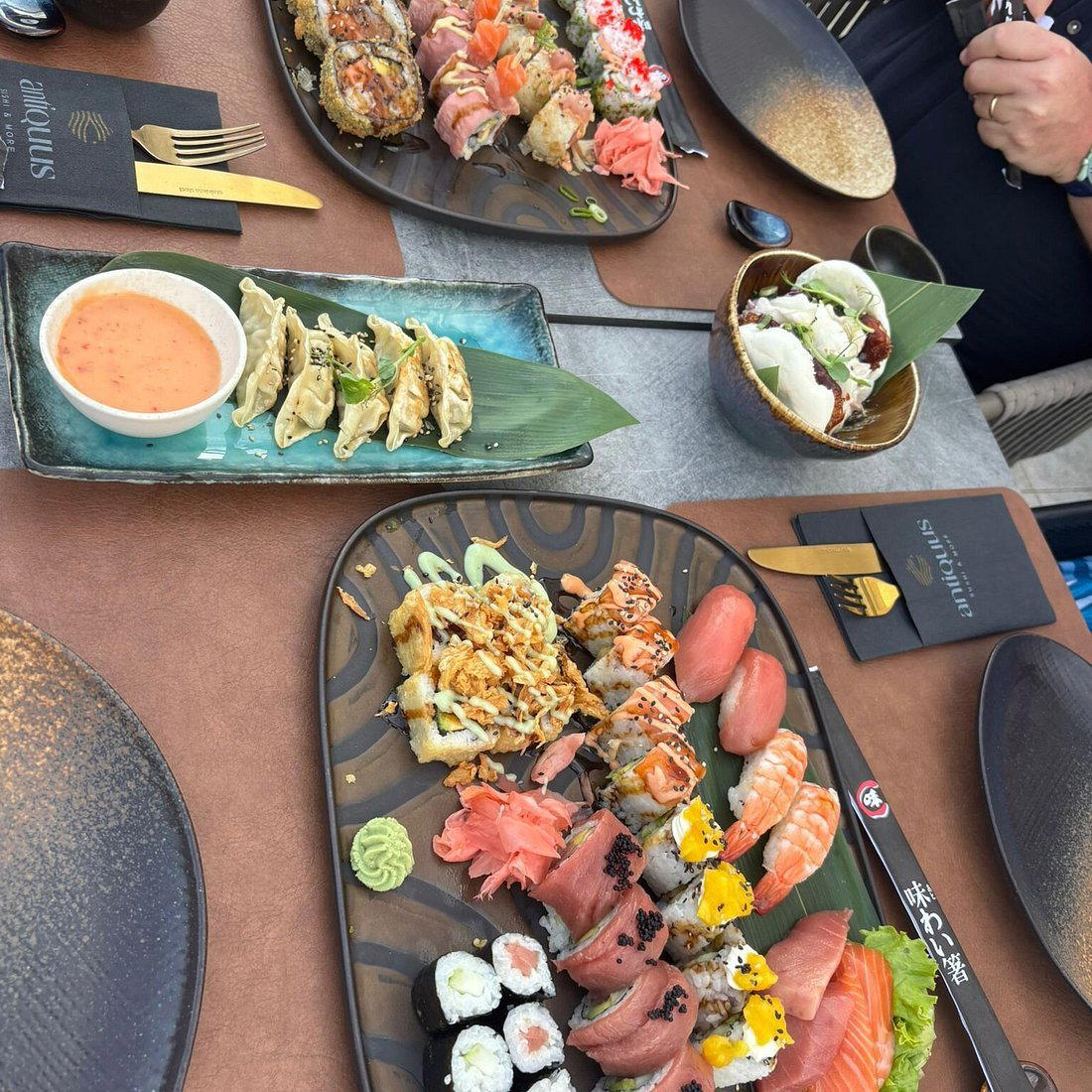
Where the Adriatic Meets the Omakase Counter
Sushi in Croatian coastal cities exists in a different register than it does in Tokyo or even London. In Zadar, a city whose culinary identity runs through grilled fish, lamb under the peka, and the briny minerality of local shellfish, Japanese technique applied to Adriatic catch is less a fusion novelty and more a logical extension of what the sea already offers. The Dalmatian coast produces sea bass, bream, and shellfish that routinely supply higher-end European kitchens; the question is whether that same ingredient quality, when redirected through Japanese prep traditions, holds up on the plate.
Antiquus sushi@more POP, addressed at Ul. Zadarskog Mira 1358 in Zadar, occupies that particular intersection. The Adriatic address puts it in Zadar, where diners have genuine expectations around seafood. Visitors already familiar with the standard of fish served at Zadar's established dining rooms will arrive with a calibrated baseline.
The Sourcing Argument for Adriatic Sushi
The credibility of any sushi program outside Japan rests heavily on the supply chain. In coastal Dalmatia, that argument is easier to make than in most European cities. The northern Adriatic and the waters around the Dalmatian islands are among the cleaner fishing grounds remaining in the Mediterranean basin, producing fish with the fat content and texture that Japanese preparation methods reward. Wild sea bass from the archipelago around Zadar, for instance, competes on specification with fish that premium sushi counters in other European capitals import at considerable cost and transit time.
That proximity matters. Where a Tokyo-trained counter in Paris or Berlin is working with fish that has crossed several logistics nodes, a Zadar operation sourcing locally can, in principle, work with catch at a freshness interval that changes what the knife can do. The geographic conditions for that standard are present in a way they simply are not in landlocked dining cities. For comparison, restaurants like Le Bernardin in New York City have built long reputations on the argument that sourcing decisions are the real menu; the same logic applies, scaled differently, to any serious seafood program.
Croatia's wider fine-dining tier has demonstrated that the country's seafood is capable of anchoring ambitious tasting menus. Pelegrini in Sibenik and LD Restaurant in Korčula both operate in the zone where Adriatic ingredient quality drives the editorial point of the menu. Antiquus sushi@more POP makes a related case from a different culinary tradition.
Zadar's Dining Room, Read Against Its Peers
Zadar's restaurant scene is more layered than its scale suggests. The old town peninsula holds everything from the terrace-facing-sea format at A'mare POP to the more composed Croatian kitchen at Bistro Pjat. Established addresses like Bruschetta and Butler Gourmet&Cocktails Garden hold different positions in the competitive set, and the Mediterranean-leaning rooms at Foša and Kaštel represent the city's more classical upper tier at the €€€ price bracket.
A sushi concept sits outside that competitive set almost entirely. It draws a different occasion: the visitor who has spent a week eating peka and grilled branzino and wants a session at a counter where the technique shifts register entirely. It also draws the traveller cross-referencing Zadar against other Croatian dining destinations. Those who have already eaten at Nebo by Deni Srdoč in Rijeka or Agli Amici Rovinj in Rovinj arrive with expectations shaped by the country's most technically demanding kitchens. Alfred Keller in Mali Lošinj and Boskinac in Novalja further illustrate how island and coastal Adriatic settings are increasingly associated with considered, ingredient-led menus rather than tourist-volume cooking.
Within Zadar specifically, 4kantuna represents a different angle on the city's dining character. Taken together, these addresses sketch a city with enough diversity that a sushi counter with a clear sourcing premise reads as a genuine addition rather than a novelty import.
Planning a Visit
The address at Ul. Zadarskog Mira 1358 places the venue within reach of the old town peninsula without sitting in its most congested tourist corridor.
For those building a broader Croatia itinerary with dining as a structuring concern, the country's most referenced restaurant programs outside Zagreb include Krug in Split, Restaurant 360 in Dubrovnik, and Dubravkin Put in Zagreb. Zadar sits naturally on a northern Dalmatian circuit that connects these points.
For those comparing Zadar's sushi offer against reference points in other global cities, Lazy Bear in San Francisco represents a useful case study in how a city's local ingredient culture can reframe a format that originated elsewhere.
A Quick Peer Check
Comparable venues nearby, for context on price, style, and recognition.
| Venue | Cuisine | Price | Notes |
|---|---|---|---|
| Antiquus sushi@more POPThis venue — the venue you are viewing | Japanese Sushi & Fusion | $$ | Not listed |
| Providur | Mediterranean Seafood | $$ | Old Town |
| A'mare POP | Dining | Not listed | Zadar |
| Bistro Pjat | Mediterranean Bistro with Croatian & Italian Influences | $$ | Old Town |
| Tinel | Traditional Mediterranean & Dalmatian | $$$ | Old Town |
| Mamma Mia | Italian Pizza & Pasta with Croatian Influences | $$ | Borik |
Continue exploring
More in Zadar
Restaurants in Zadar
Browse all →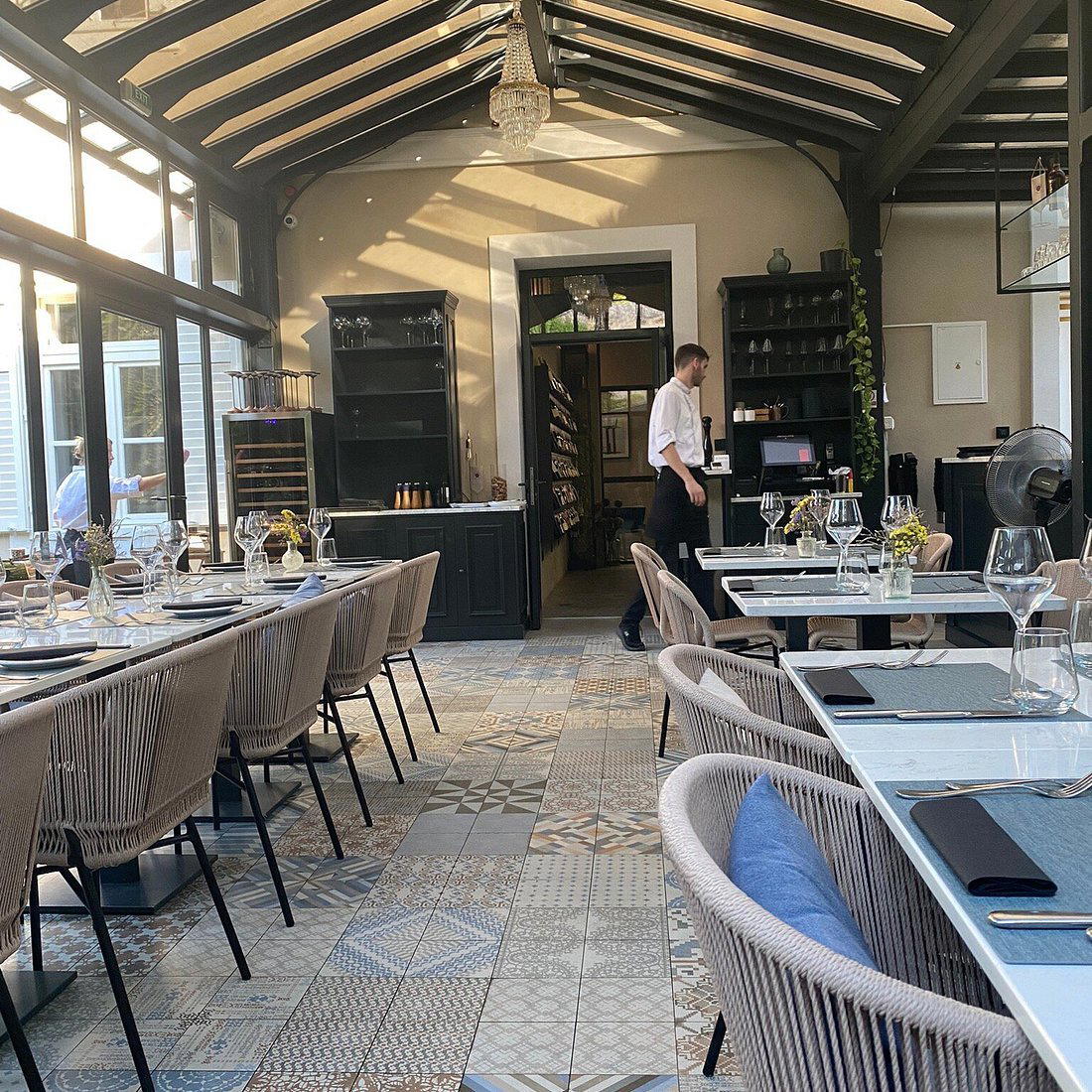
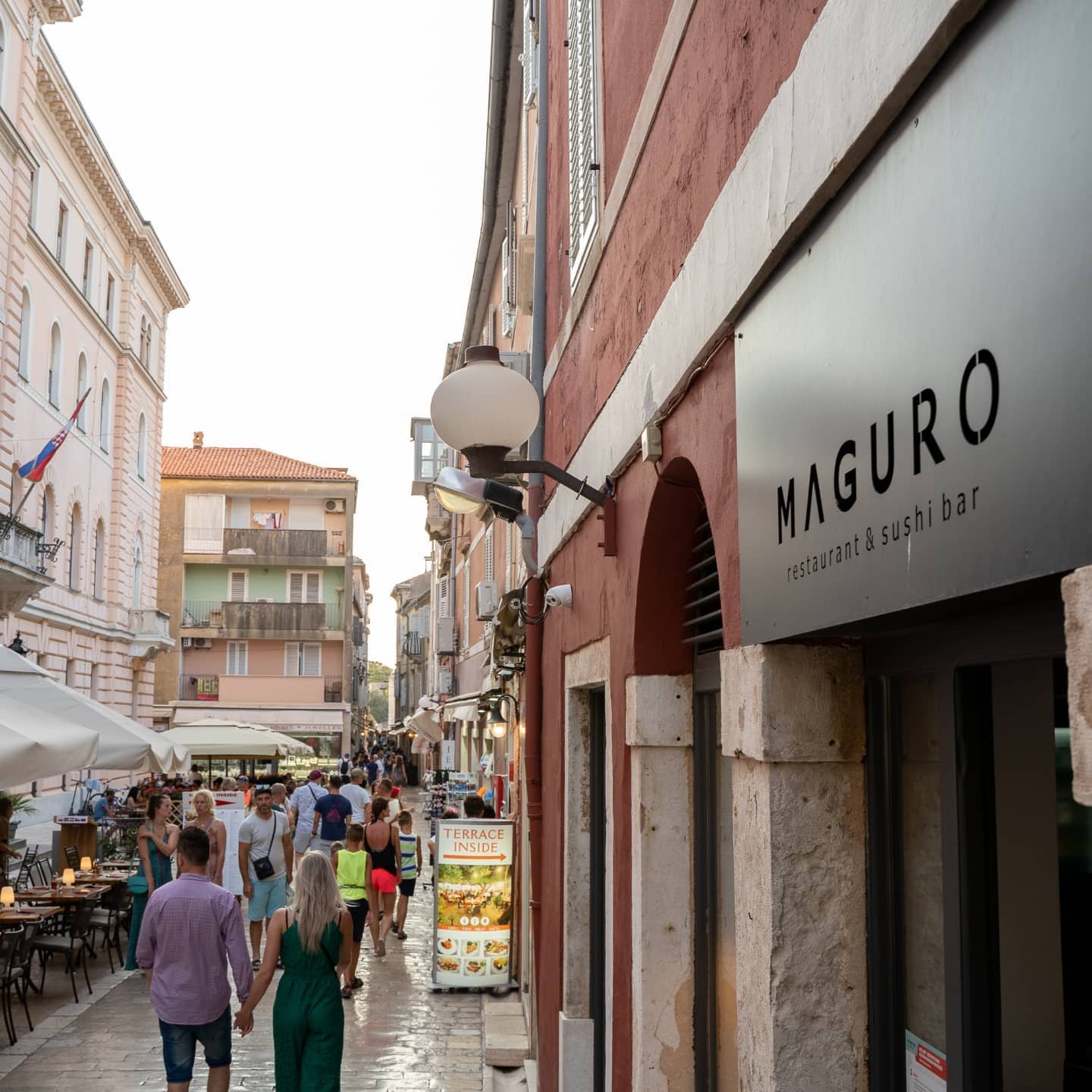
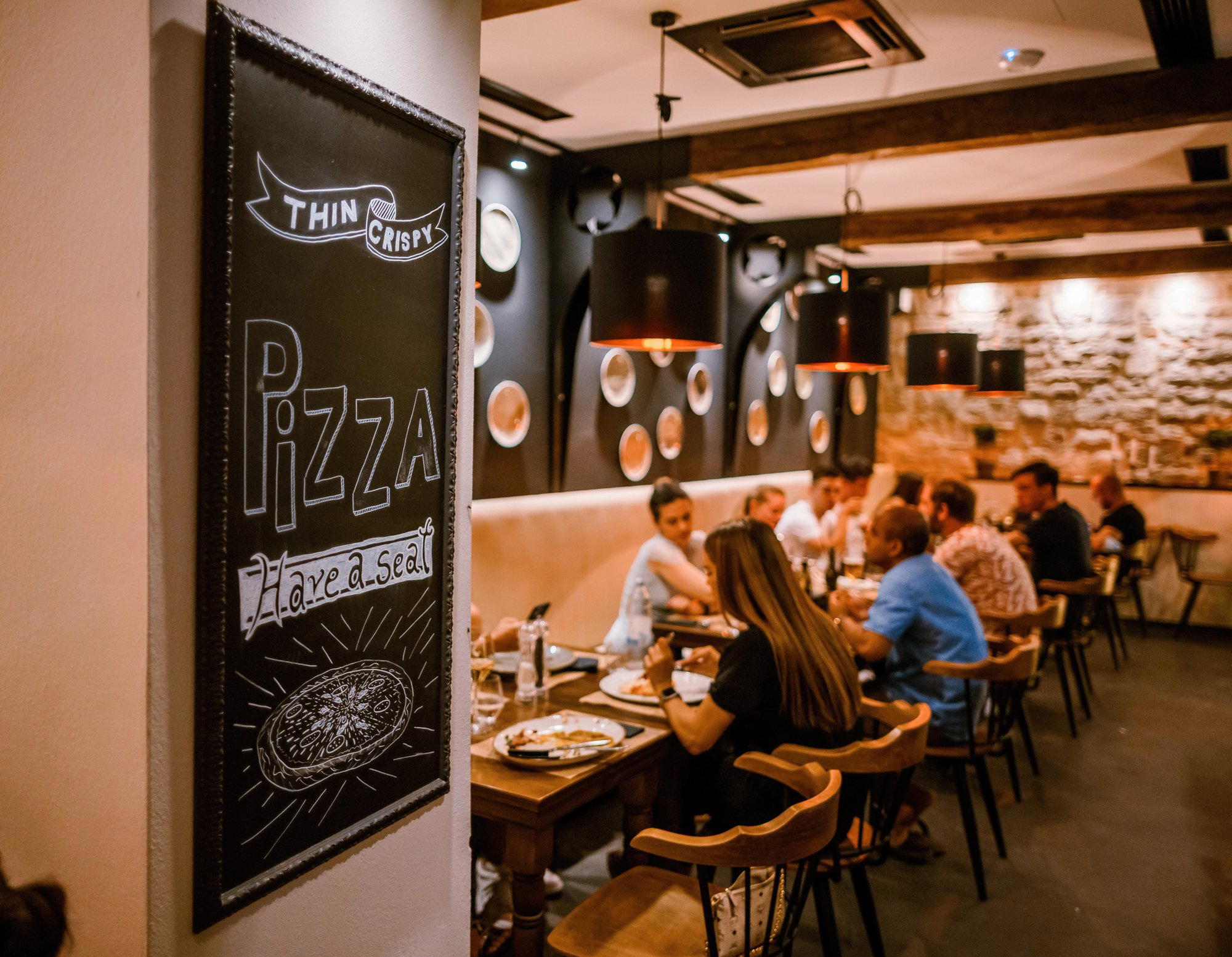
Bars in Zadar
Browse all →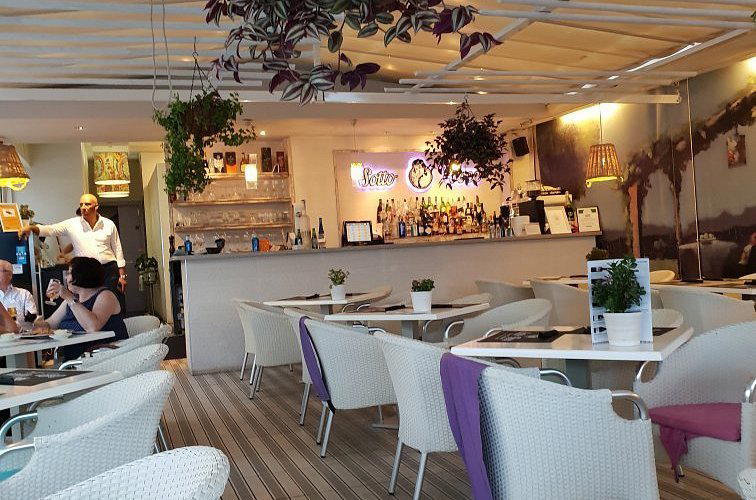
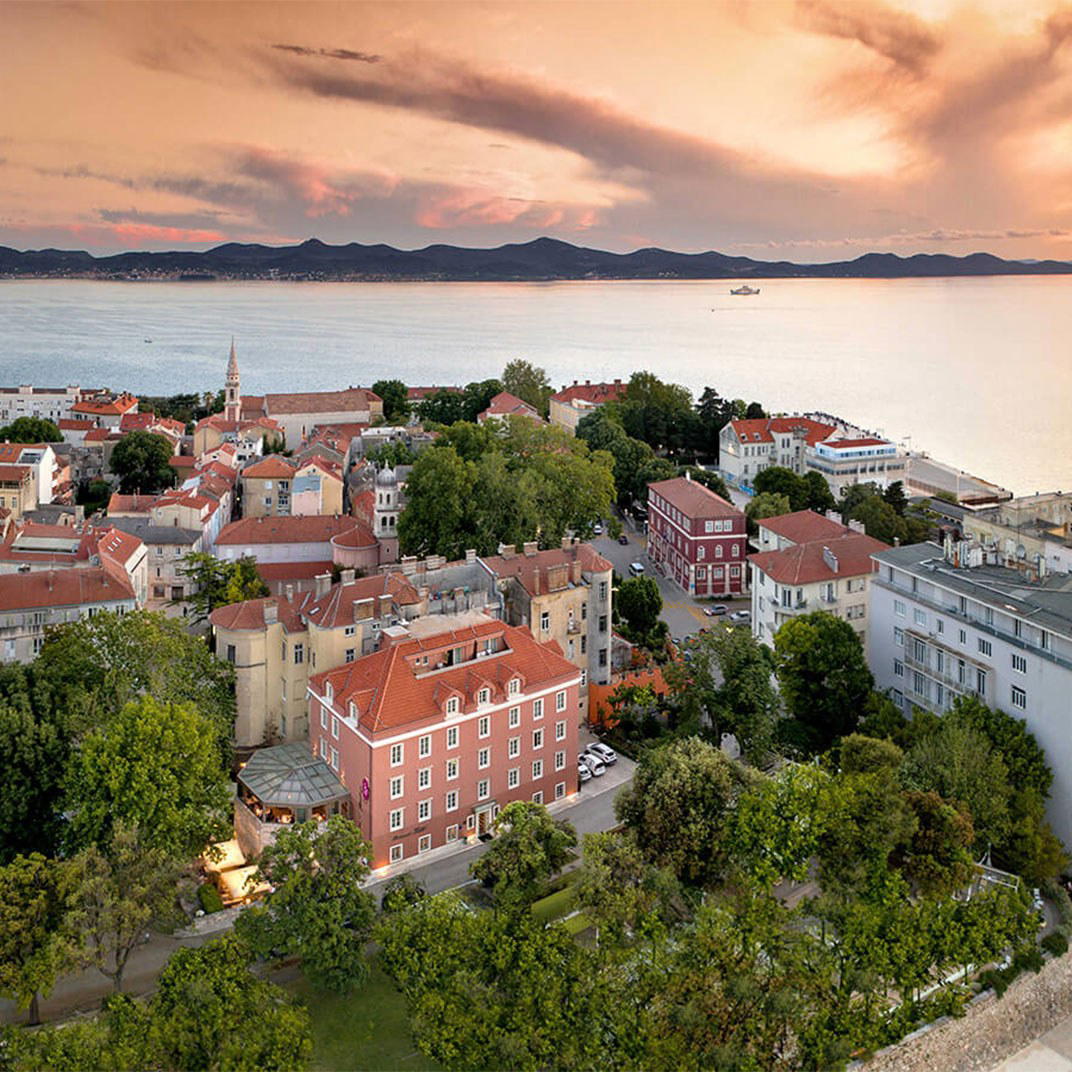
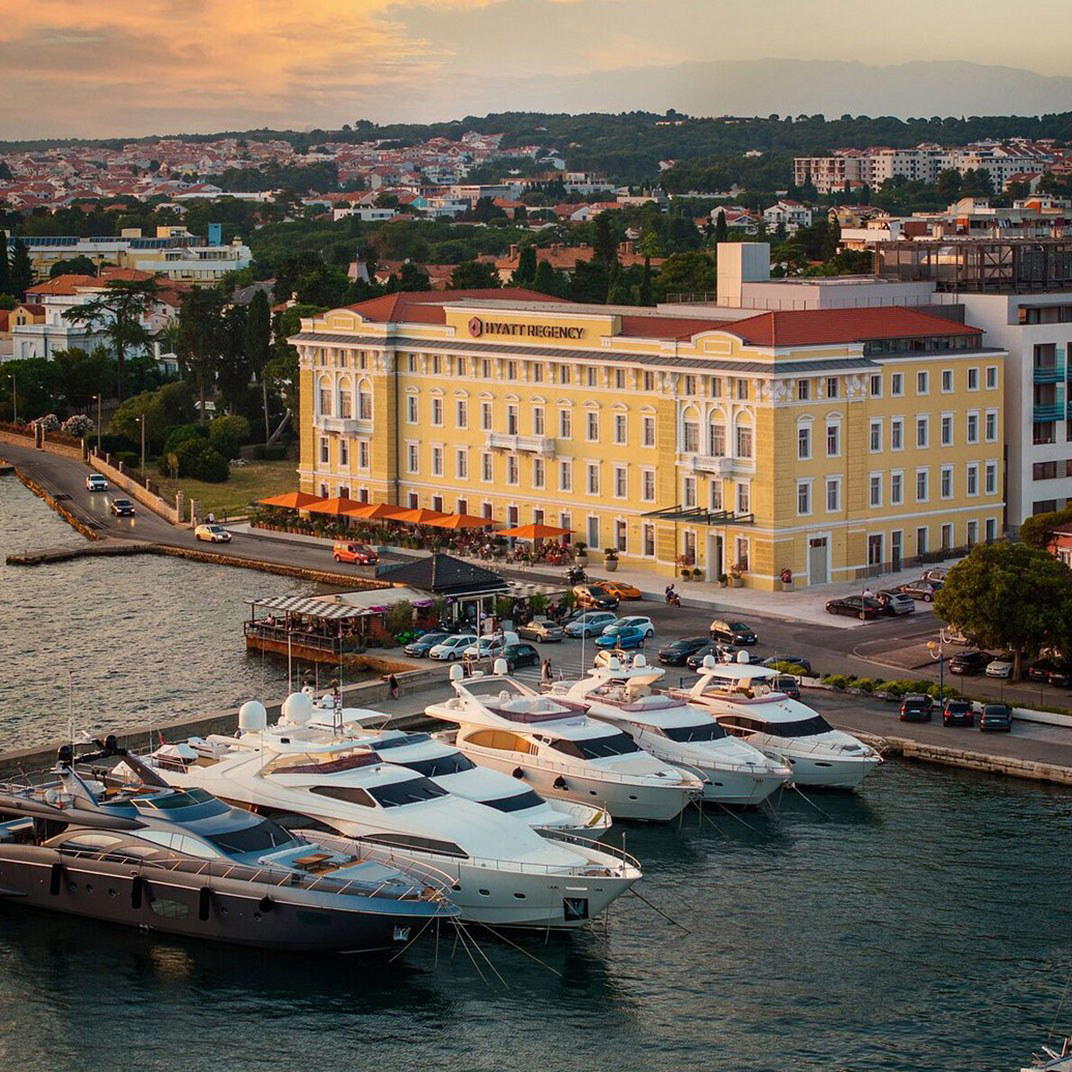
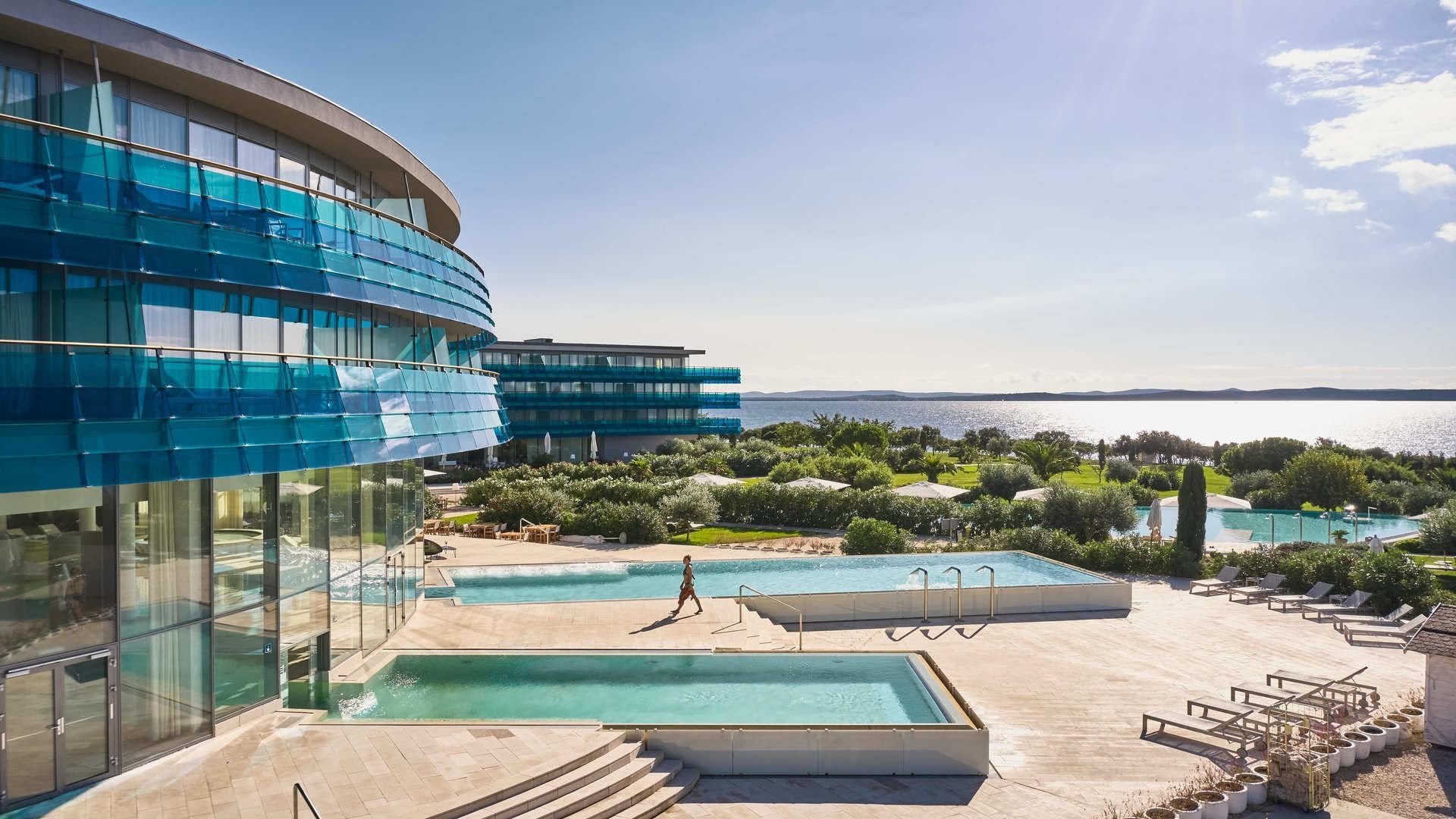
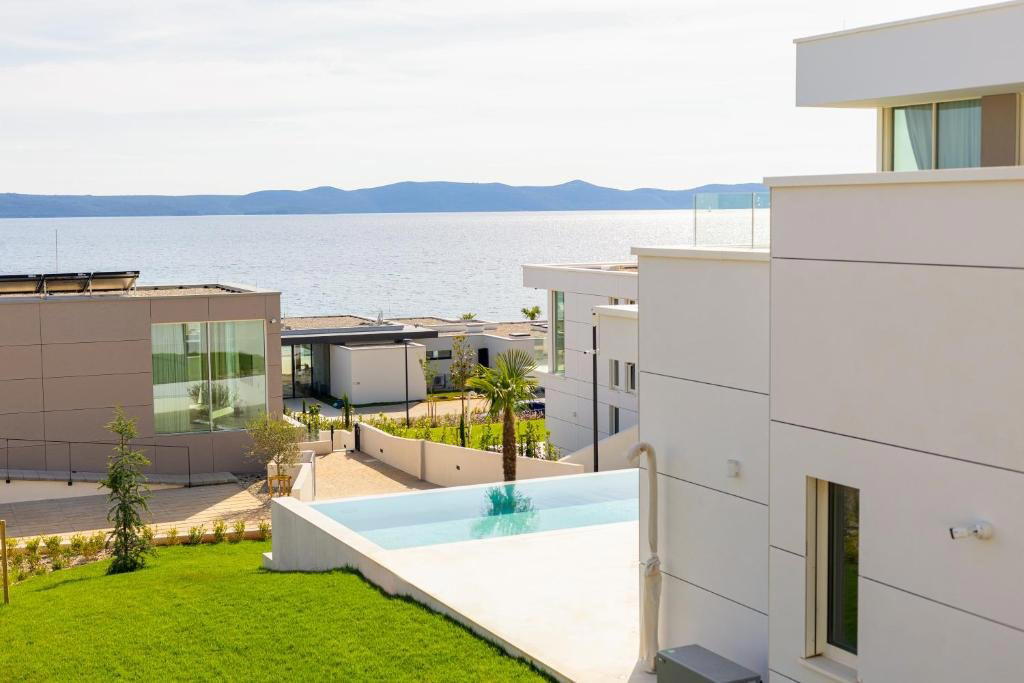
Hotels in Zadar
Browse all →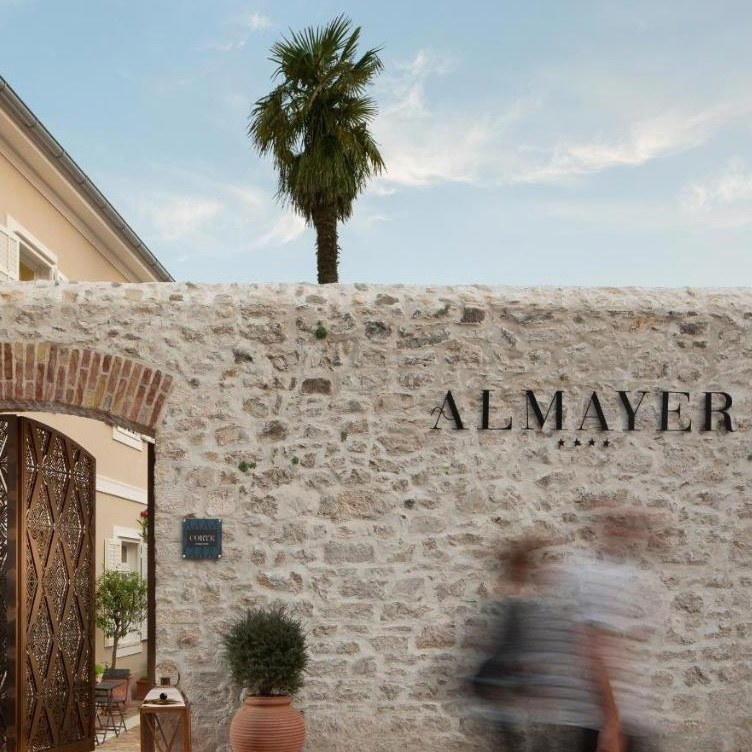
Wineries in Zadar
Browse all →
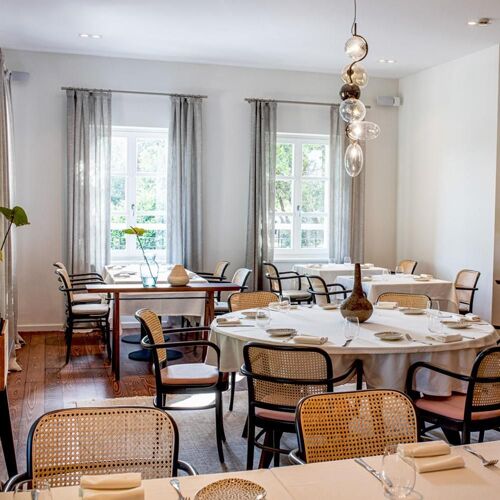
At a Glance
- Modern
- Cozy
- Casual Hangout
- Date Night
Current opening hours
- Monday
- 8 AM–10 PM
- Tuesday
- 8 AM–10 PM
- Wednesday
- 8 AM–10 PM
- Thursday
- 8 AM–10 PM
- Friday
- 8 AM–11 PM
- Saturday
- 8 AM–11 PM
- Sunday
- 8 AM–10 PM
Hours can change for holidays and private events. Last verified .
Nice atmosphere and settings with beautifully plated dishes.