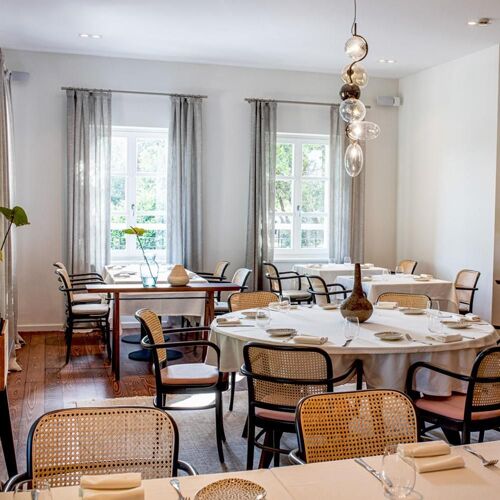
A'mare POP occupies a corner address on Ulica bana Josipa Jelačića in Zadar's old town, placing it inside the city's most concentrated corridor of serious dining. The name links it to a broader Croatian hospitality family, and its position in Zadar puts it alongside a growing tier of restaurants reinterpreting Dalmatian coastal cooking for a more international pace.
Pearl is the En Primeur Club membership app — saves, bookings, and concierge access live there. Same editors, same standards.
- Address
- Ul. bana Josipa Jelačića 4A, 23000, Zadar, Croatia
- Phone
- +385997370562
- Website
- hotelamare.com
- Directions
- Get directions
 Saves & bookings on Pearl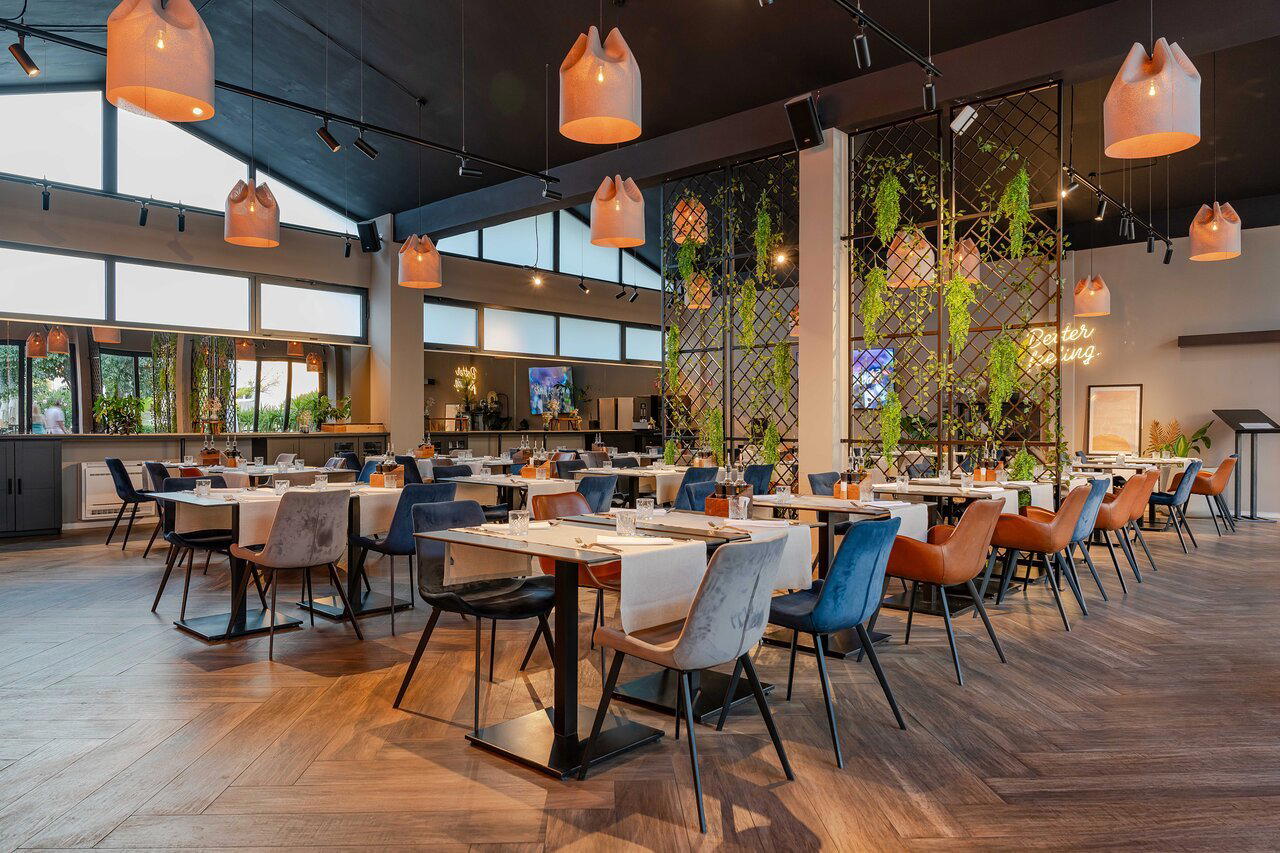
Where the Old Town's Dining Rhythm Slows Down
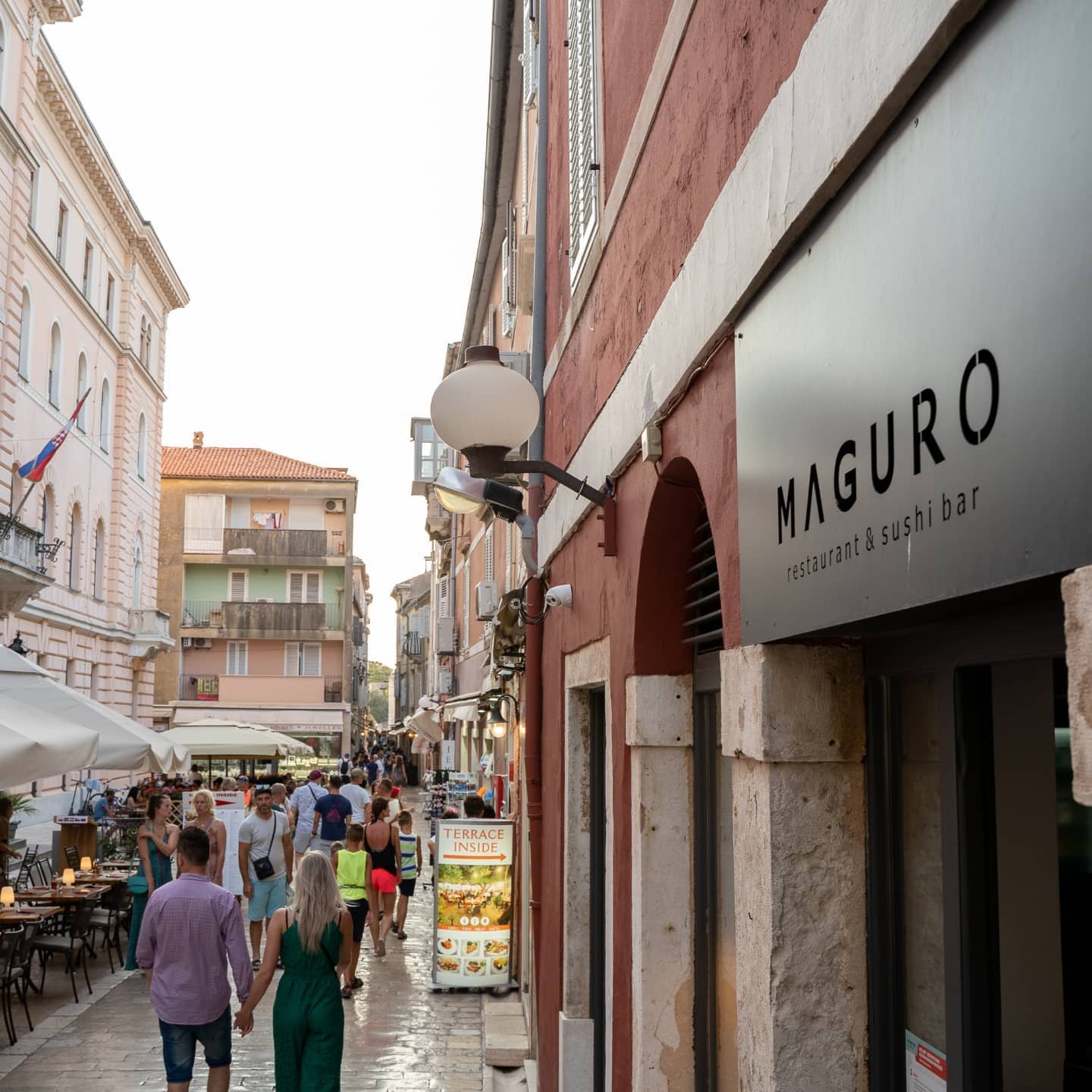
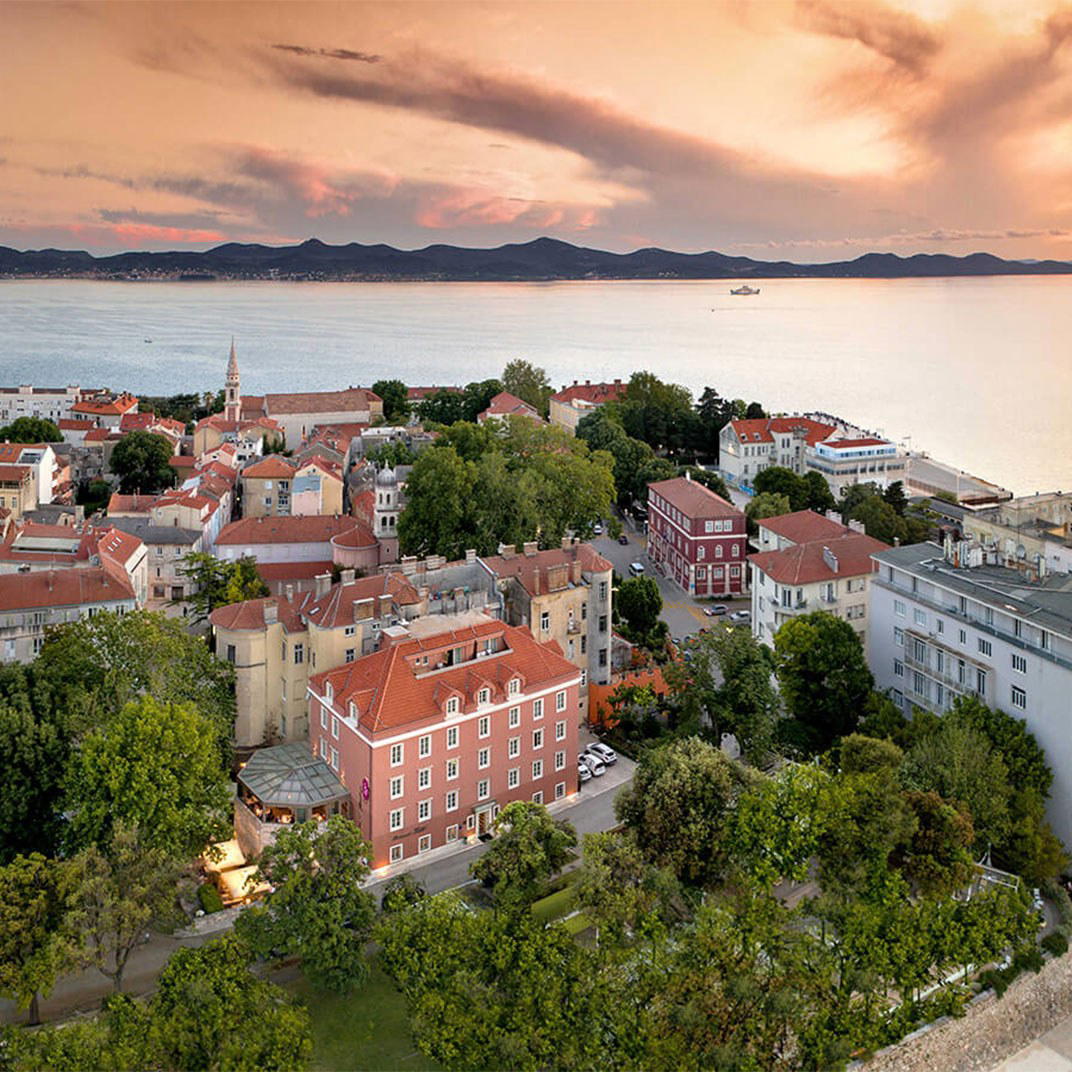
Zadar's old town operates on a particular cadence. The Venetian-era streets that run from the Forum toward the Sea Organ compress centuries of maritime commerce into a few hundred metres, and the restaurants that line them have learned to read two different audiences: Croatian families who eat late and linger, and visitors who arrive early and move on. The addresses that manage both tend to sit at intersections, literally and figuratively, and Ul. bana Josipa Jelačića 4A places A'mare POP at one of those pivots, inside a city that has become a credible dining destination in its own right over the past decade.
That trajectory matters as context. The shift toward restaurants treating Dalmatian ingredients with something closer to technique-led discipline has been gradual, and it mirrors a wider Croatian coastal pattern visible in cities like Split, where Krug has staked out a similar position, and in Šibenik, where Pelegrini operates at a Michelin-recognised level. A'mare POP fits that developing conversation from an address that signals ambition without the formality that defines the upper tier of Croatian fine dining.
The Ritual of the Dalmatian Table
Coastal Croatian dining has its own internal logic, and understanding that logic changes what a meal at a place like A'mare POP means. The pacing is slower than a northern European restaurant of equivalent standing. Courses arrive with breathing room between them. Bread, olive oil, and a small amuse typically precede any formal ordering, not as a commercial upsell, but as a genuine hospitality reflex inherited from the konoba tradition. The expectation is that you will stay, talk, and return to the menu.
That rhythm shapes how the room should be read. Arriving early misses something. Coming in the middle of the evening is when Dalmatian restaurant culture shows its character. This is a pattern shared by the better addresses across Zadar's old town, including 4kantuna and Bruschetta, both of which reward guests who treat the meal as the plan rather than a prelude to something else.
A'mare POP in the Zadar Dining Field
Zadar now sustains a range of formats across its old town, from the wine-focused approach at Butler Gourmet and Cocktails Garden to the more casual register of Bistro Pjat. The city also hosts addresses with cross-genre ambitions, notably Antiquus sushi@more POP.
Within that field, the restaurant sits in the middle-upper register, closer in tone to the Mediterranean-influenced addresses at the €€€ tier, including Foša and Kaštel, than to the casual end. That positioning matters because it sets expectations about service formality, ingredient sourcing, and the general seriousness with which the kitchen treats the Adriatic pantry. The Dalmatian coastline offers notable raw material: bream, sea bass, and cuttlefish from waters that remain among the cleaner fishing grounds in the Mediterranean, alongside lamb from the islands, pršut from the hinterland, and olive oils from Pag and the surrounding region. Restaurants operating in the middle-upper tier of Zadar's market are expected to source and handle those ingredients with care, placing them in context rather than simply presenting them.
For comparison, Croatia's most formally credentialled addresses, such as Agli Amici Rovinj in Istria or Boskinac on Pag, operate with a different degree of institutional backing. The restaurant does not sit in that tier, but it belongs to a Zadar scene that is moving toward it, producing restaurants that are credible rather than performative, and treating the local pantry with the attention it deserves.
Planning the Visit
Old town Zadar is compact and walkable from the ferry terminal, the bus station, and the main car parks on the western edge of the peninsula. Ul. bana Josipa Jelačića runs through the heart of that peninsula, making the restaurant accessible on foot from virtually every accommodation option within the walls.
Visitors building a broader itinerary along the Dalmatian coast or into inland Croatia will find useful reference points in Zagreb's Dubravkin Put, in Rijeka's Nebo by Deni Srdoč, and in Korčula's LD Restaurant, each of which represents a different tier and format within the Croatian dining conversation. For a broader map of what Zadar itself offers, the full Zadar restaurants guide sets the restaurant against the full range of options in the city.
Style and Standing
Comparable venues nearby, for context on price, style, and recognition.
| Venue | Cuisine | Price | Notes |
|---|---|---|---|
| A'mare POPThis venue — the venue you are viewing | Dining | Not listed | Not listed |
| Konoba Dalmatina | Traditional Croatian Seafood & Grill | $$ | Old Town |
| 4kantuna | Dalmatian Mediterranean | $$ | Old Town Zadar |
| Vila Velebita | Traditional Croatian Konoba | $$ | Zadar |
| Mamma Mia | Italian Pizza & Pasta with Croatian Influences | $$ | Borik |
| Providur | Mediterranean Seafood | $$ | Old Town |
Continue exploring
More in Zadar
Restaurants in Zadar
Browse all →
Bars in Zadar
Browse all →
Hotels in Zadar
Browse all →
Wineries in Zadar
Browse all →
At a Glance
Current opening hours
- Monday
- 7 AM–11 PM
- Tuesday
- 7 AM–11 PM
- Wednesday
- 7 AM–11 PM
- Thursday
- 7 AM–11 PM
- Friday
- 7 AM–11 PM
- Saturday
- 7 AM–11 PM
- Sunday
- 7 AM–11 PM
Hours can change for holidays and private events. Last verified .