
Maguro sits on Borelli Street in Zadar's Old Town, positioning itself within a city that has quietly built one of the Adriatic's more considered mid-tier dining scenes. The name signals a Japanese reference point in a Croatian coastal setting, placing it in an increasingly common cross-regional bracket where Adriatic seafood traditions meet East Asian preparation techniques.
Pearl is the En Primeur Club membership app — saves, bookings, and concierge access live there. Same editors, same standards.
- Address
- Borelli ul. 10A, 23000, Zadar, Croatia
- Phone
- +38523313870
- Website
- maguro.hr
- Directions
- Get directions
 Saves & bookings on Pearl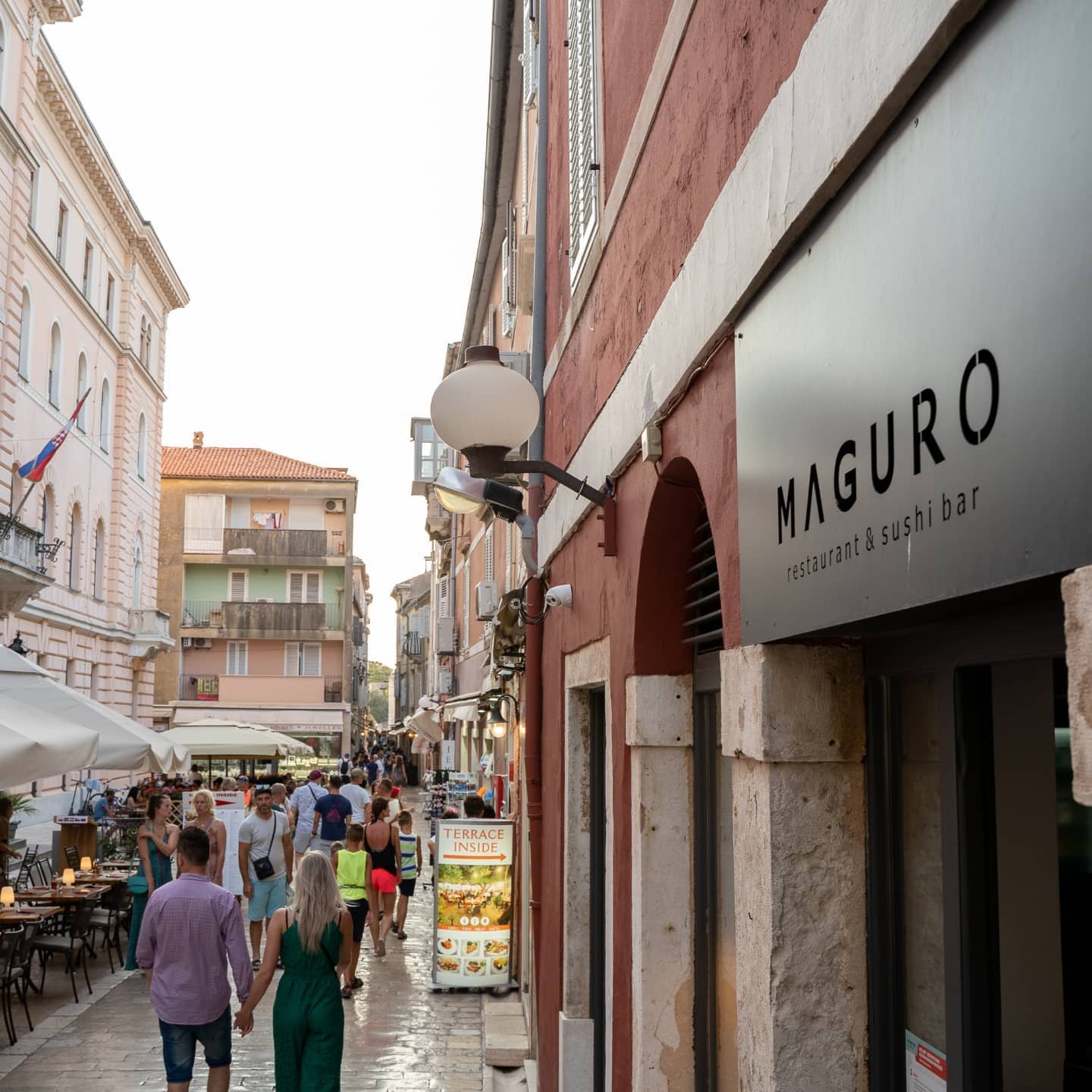
Where the Adriatic Meets the Counter
Zadar's Old Town dining scene has consolidated around a recognisable pattern: restaurants occupying Roman-era stone buildings, with narrow interiors that open onto pedestrian lanes or face the sea wall. The physical constraints of the old city are not incidental to the experience, they shape seating capacity, acoustics, and the quality of light in ways that newer purpose-built venues elsewhere on the Dalmatian coast cannot replicate. Maguro, at Borelli ul. 10A, sits within this framework, a street that runs through the residential core of the peninsula rather than along its more trafficked tourist perimeter.
The street address places it away from the immediate waterfront cluster where Foša and Kornat capture the fortress-view dining trade, and away from the main pedestrian artery where foot traffic alone fills tables. In Zadar's compact Old Town geography, that positioning is a form of editorial statement about who a restaurant expects its guests to be. Venues that require some purposeful navigation tend to attract a higher proportion of guests who arrived knowing what they were coming for.
The Name as a Frame
Maguro, the Japanese word for bluefin tuna, one of the central references in omakase and sushi tradition, signals an orientation toward Japanese technique or at minimum a conscious Adriatic-Japanese dialogue. This is a meaningful choice in a Croatian coastal city where the default register for seafood is Mediterranean: grilled, olive oil-dressed, paired with domestic white wine. The Adriatic tuna trade has deep historical roots along this coastline, and Zadar sits within reach of some of Croatia's most productive fishing waters, which gives any tuna-focused concept access to genuinely local raw material even while drawing on a non-local culinary vocabulary.
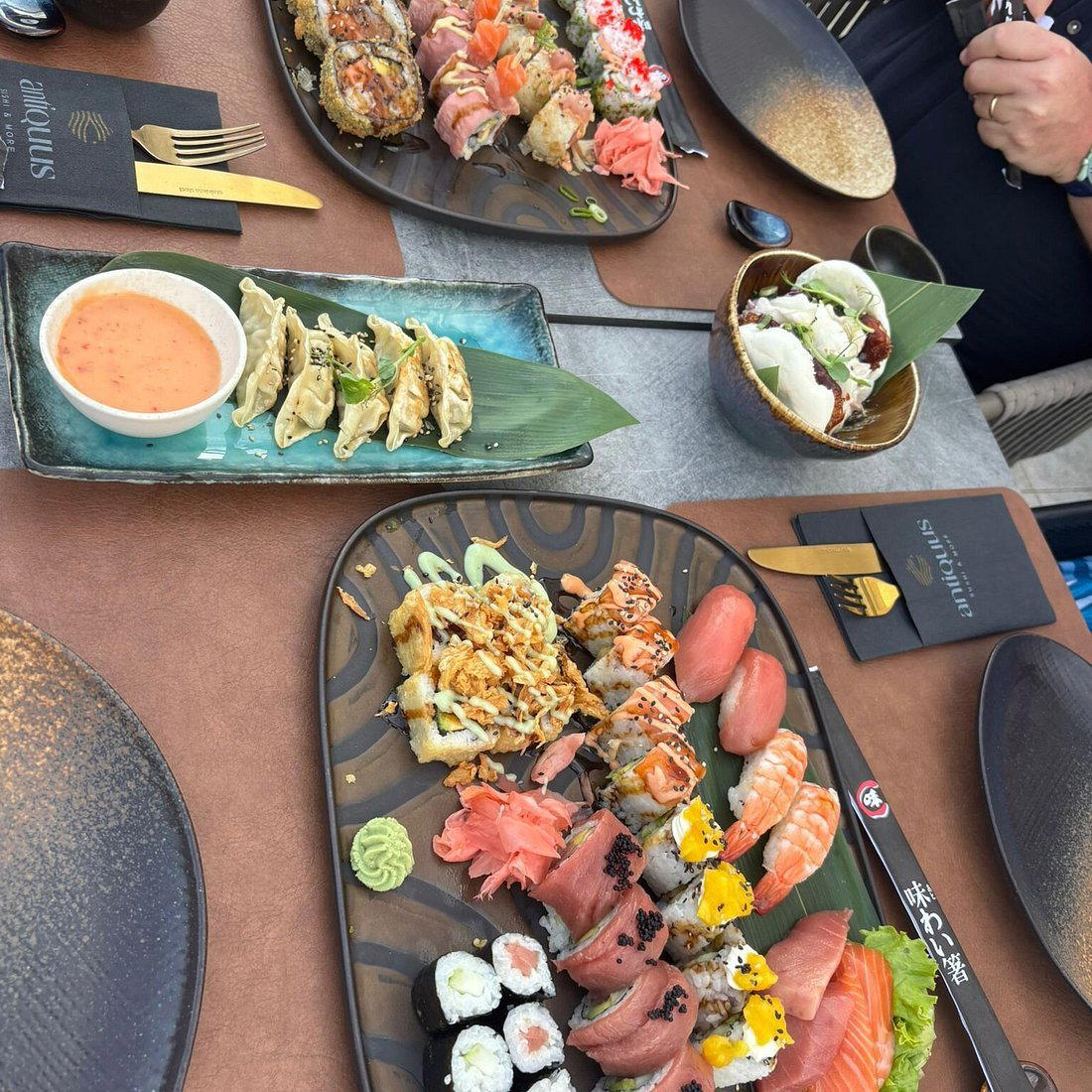
Across Croatia, a small number of venues have moved in this direction with enough seriousness to attract broader attention. Antiquus sushi@more POP in Zadar itself represents one iteration of this cross-cultural format locally. Further along the coast, the precision-cooking programs at restaurants like Pelegrini in Sibenik and LD Restaurant in Korčula demonstrate how Dalmatian kitchens have absorbed international technique without abandoning regional identity. Maguro, by name at least, positions itself in conversation with that broader movement.
The Space and What It Does
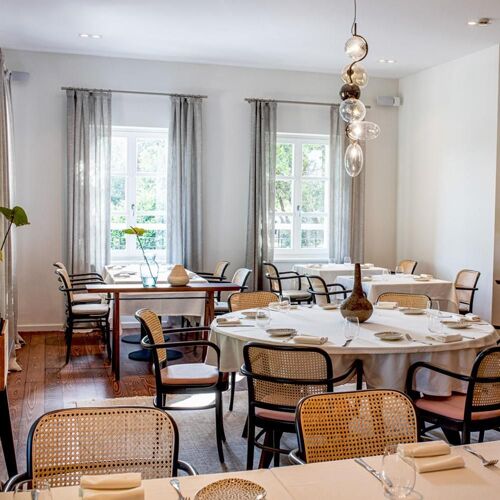
In a city where dining rooms are frequently dictated by medieval stone walls and centuries-old room dimensions, the physical container of a restaurant carries unusual weight. Zadar's Old Town buildings were not designed for commercial kitchens or the social choreography of contemporary dining, they were adapted to it, which means the leading rooms are ones where that adaptation has been handled with some intelligence. Counter-style or small-format seating arrangements tend to work well in these conditions, creating an intimacy that large-table Mediterranean-service formats sometimes struggle to achieve in compressed stone interiors.
The Borelli Street location suggests a narrower, more residential building typology than the grander palazzi closer to the Forum. That context typically favours formats where the space itself becomes part of the experience rather than a backdrop to it, where proximity to the kitchen, or to other diners, is a feature rather than a compromise. Venues in this mould across Croatia's coast often succeed by leaning into constraint rather than fighting it.
Zadar's Dining Scene in Broader Context
Zadar has built a more considered restaurant culture than its profile among international visitors might suggest. While Dubrovnik commands the headlines and Restaurant 360 anchors the south coast's prestige tier, and while Zagreb's fine dining has grown substantially around venues like Dubravkin Put, the mid-Adriatic cities have been steadier and quieter in developing their own serious restaurant culture. Zadar's Old Town concentration means that a meaningful number of quality-focused venues operate within a short walking distance of each other.
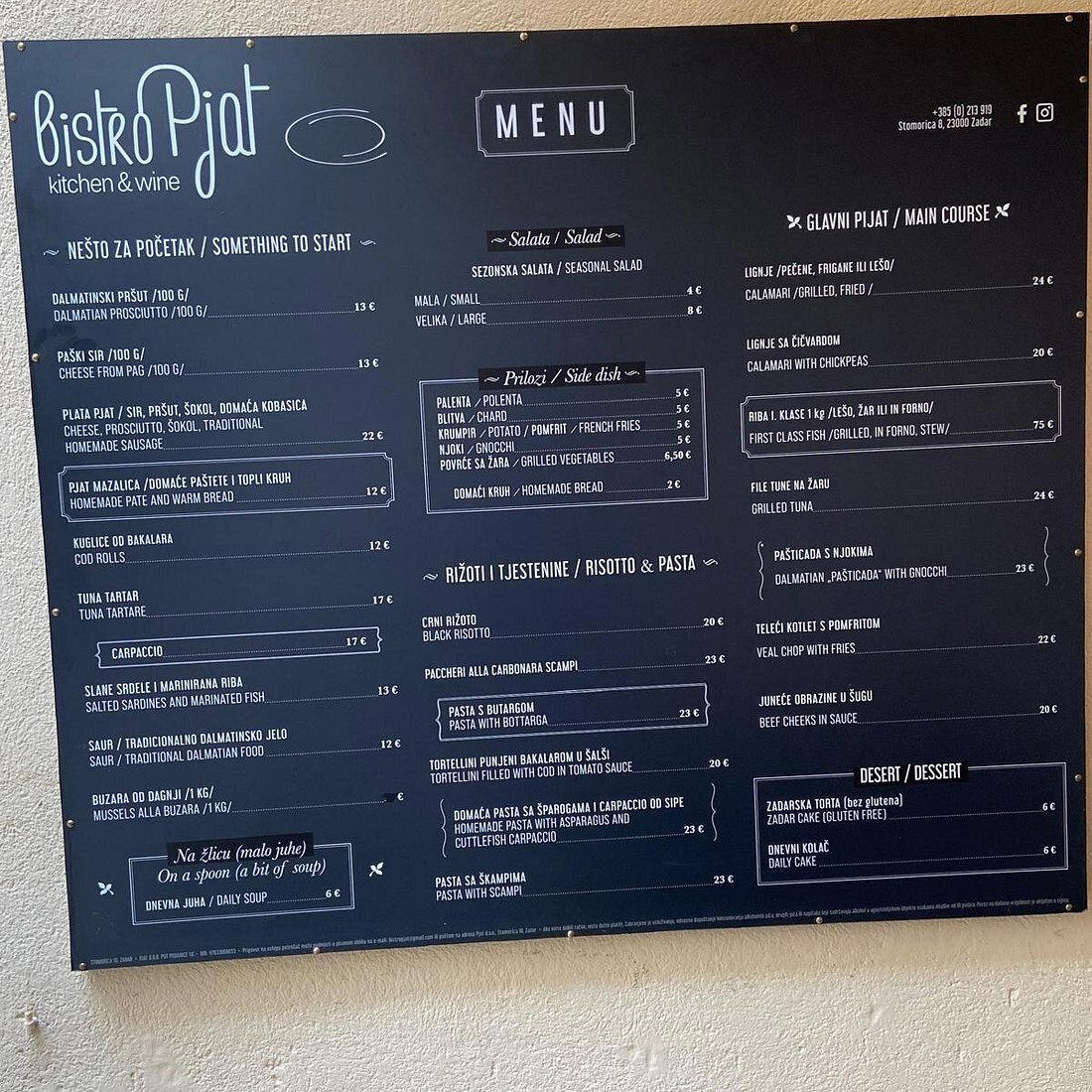
Within that concentration, the venues that have earned sustained attention tend to have clear points of view. 4kantuna represents the traditional Dalmatian end of the spectrum. Bistro Pjat occupies a more casual-contemporary register. Bruschetta and A'mare POP each stake out different positions on the local dining map. A venue arriving with a Japanese-inflected identity, even at the level of naming convention, is making a distinct claim about where it sits relative to those established reference points.
Croatia's Adriatic coast more broadly has produced serious culinary ambition in unexpected places. Boskinac in Novalja on Pag island has demonstrated that island-based restaurants can compete with mainland fine dining; Alfred Keller in Mali Lošinj holds its own against the Kvarner region's leading tables; and Nebo by Deni Srdoč in Rijeka carries Michelin recognition into a city that rarely gets credit for its food culture. Against this backdrop, Zadar's continued development of a differentiated dining scene is part of a larger Adriatic pattern rather than an isolated local story. For those tracking that pattern across Istria and the Dalmatian coast, Agli Amici Rovinj and Krug in Split provide additional reference points.
Planning Your Visit
Maguro is located at Borelli ul. 10A in Zadar's Old Town, within the walled peninsula that contains the city's historical core. The Old Town is pedestrianised, so arrival on foot from the main Old Town gate or the sea-facing promenade is the standard approach. As with most smaller-format Old Town venues, confirming opening hours and reservation availability in advance is advisable, particularly in the high summer season when Zadar's visitor numbers compress available seating across the entire peninsula. Maguro is open Tuesday through Saturday from 12 to 10 PM and Sunday from 12 to 11 PM, with Monday closed.
The Essentials
Comparable venues nearby, for context on price, style, and recognition.
| Venue | Cuisine | Price | Notes |
|---|---|---|---|
| MaguroThis venue — the venue you are viewing | Not listed | $$ | Not listed |
| Antiquus sushi@more POP | Zadarskog Mira, Japanese Sushi & Fusion | $$ | Not listed |
| Konoba Martinac | Old Town, Traditional Dalmatian Seafood | $$ | Not listed |
| Bistro Pjat | Not listed | $$ | Old Town, Mediterranean Bistro with Croatian & Italian Influences |
| Providur | Old Town, Mediterranean Seafood | $$ | Not listed |
| Mamma Mia | Not listed | $$ | Borik, Italian Pizza & Pasta with Croatian Influences |
Recognition history
Dated appearances from independent guides and award organizations, with the underlying list record or original source where available.
Michelin Plate
Michelin · 2026 Michelin Plate
Continue exploring
More in Zadar
Restaurants in Zadar
Browse all →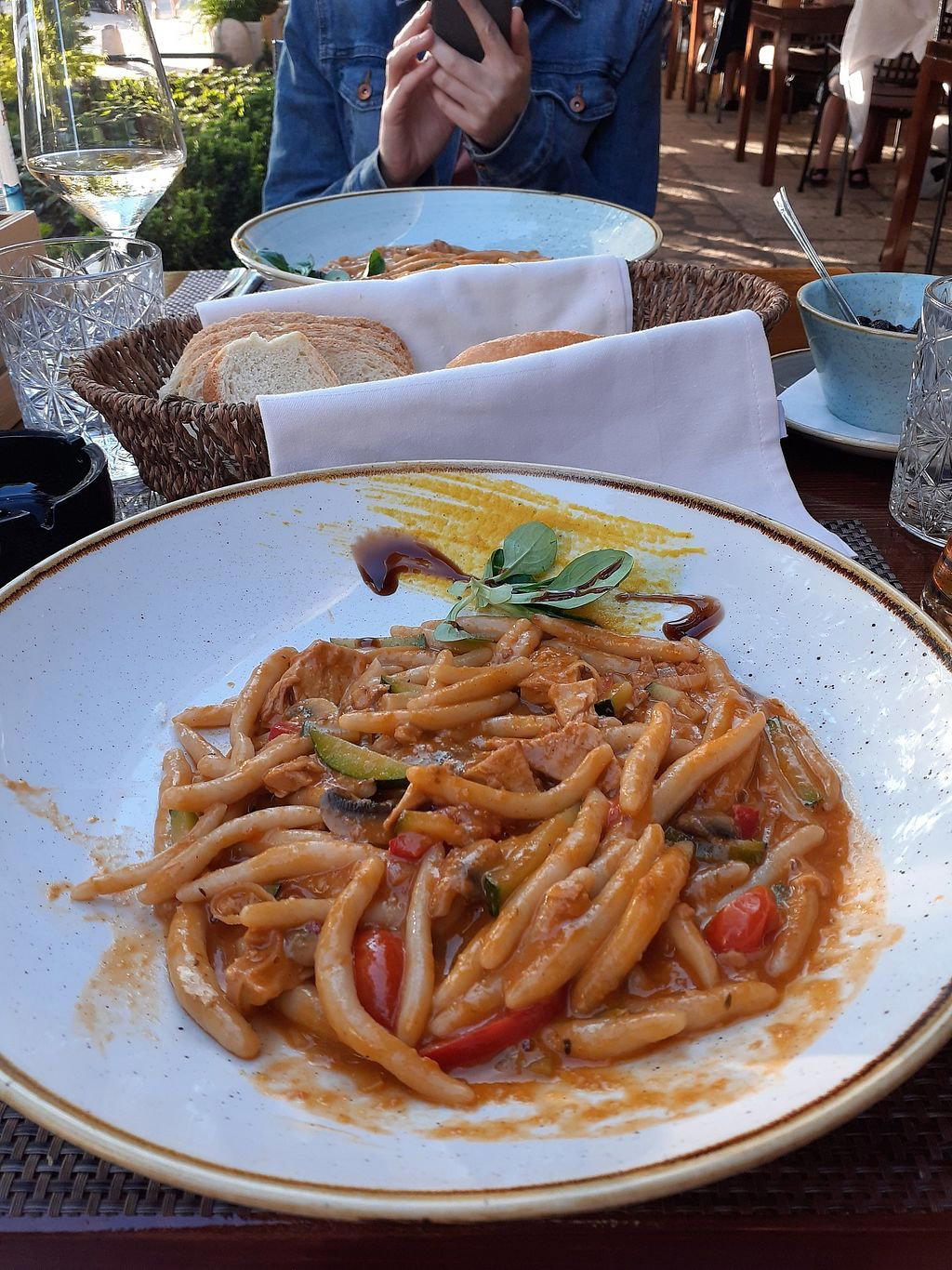
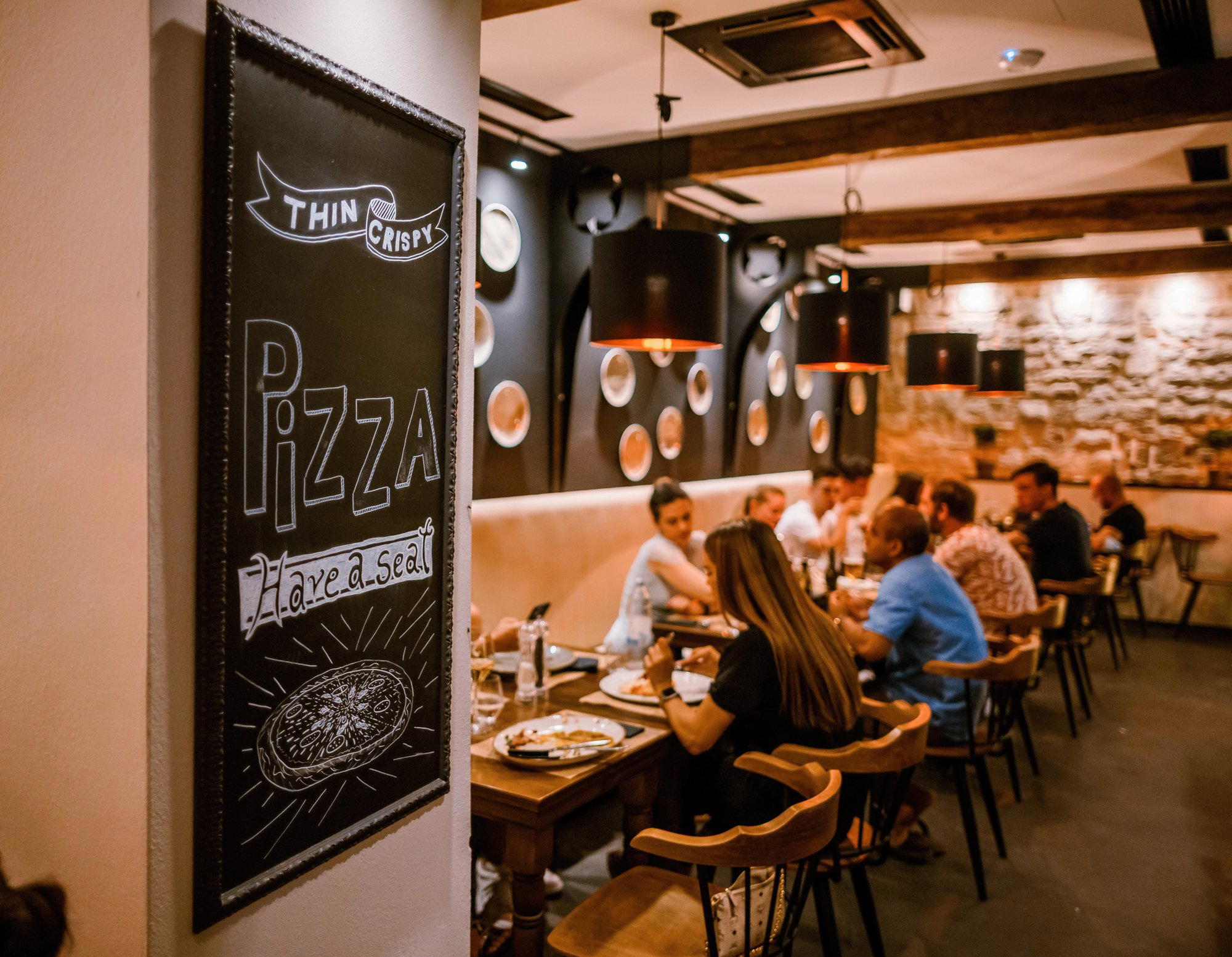
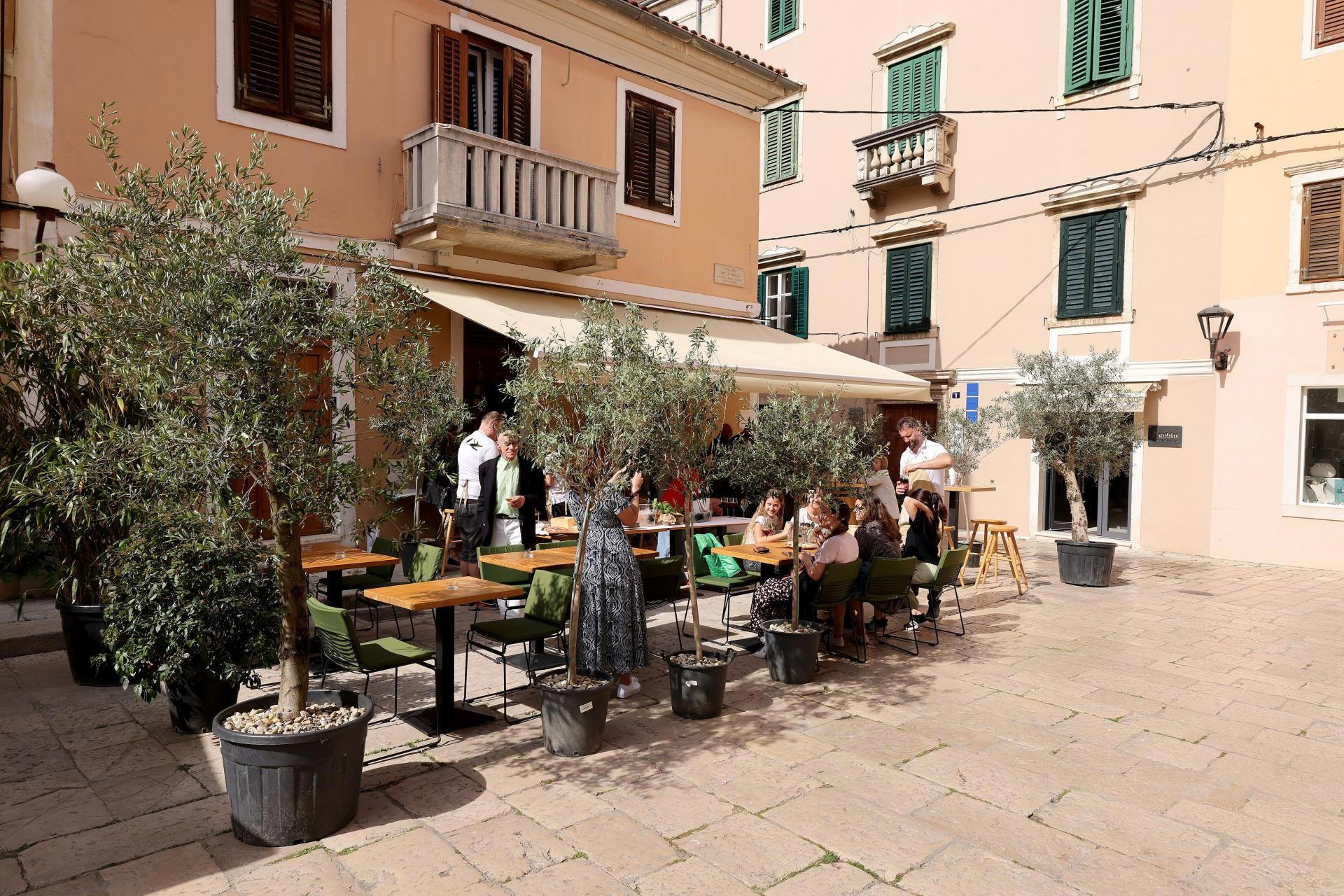
Bars in Zadar
Browse all →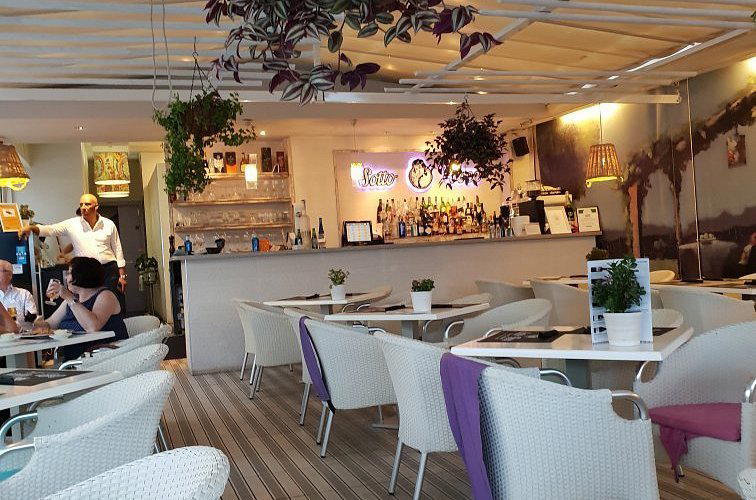
Hotels in Zadar
Browse all →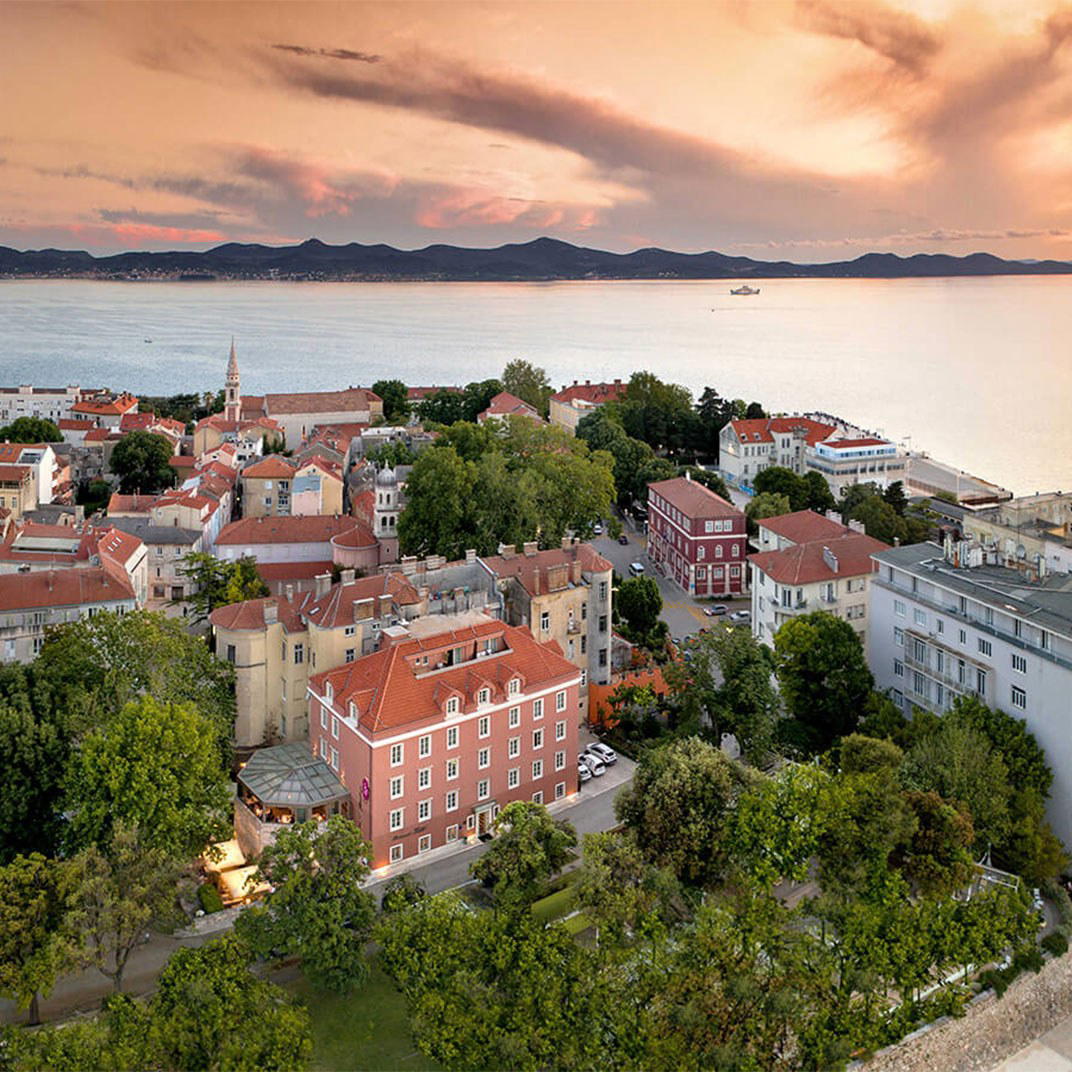
Wineries in Zadar
Browse all →
At a Glance
- Modern
- Minimalist
- Cozy
- Date Night
- Casual Hangout
- Terrace
- Local Sourcing
- Street Scene
Current opening hours
- Monday
- Closed
- Tuesday
- 12–10 PM
- Wednesday
- 12–10 PM
- Thursday
- 12–10 PM
- Friday
- 12–10 PM
- Saturday
- 12–10 PM
- Sunday
- 12–11 PM
Hours can change for holidays and private events. Last verified .
Serene minimalist Japanese-inspired interior with cozy small indoor seating and spacious outdoor terrace.