
Our verdict
One of Hong Kong's most respected Zhejiang restaurants, Tin Heung Lau on Austin Avenue in Tsim Sha Tsui has climbed the Opinionated About Dining rankings across consecutive years, reaching seventh in the Casual Asia list for 2025. The kitchen applies classical eastern Chinese technique to a cuisine that remains genuinely underrepresented in Hong Kong's dining scene, offering a counterpoint to the city's Cantonese mainstream.

Pearl is the En Primeur Club membership app, where members save venues, book tables and use the concierge.
The menu
What to order
- Crab roe noodles
Zhejiang Cooking in a Cantonese City
Hong Kong's restaurant identity is built on Cantonese cooking, and rightly so, the city's dim sum culture, roast meats, and seafood traditions form one of the world's most coherent and self-sustaining cuisines. But the Chinese culinary spectrum is considerably wider, and the kitchens serving Shanghainese, Hunanese, Sichuanese, and Zhejiang food occupy a second tier that is, in many cases, more technically demanding and far less covered by international critics. Tin Heung Lau sits inside that second tier, at 18C Austin Avenue in Tsim Sha Tsui, and it has been building a ranking trajectory that the broader food press has been slow to follow.
Zhejiang cooking, the cuisine of the coastal province south of Shanghai, is defined by a preference for fresh, clean flavours over the complexity of fermentation-forward or spice-driven styles. Techniques like hongshao (red braising), careful steaming, and precision knife work are applied to freshwater fish, pork belly, and seasonal vegetables in ways that reward attention rather than spectacle. It is not dramatic food. It does not announce itself. Which may explain why, despite Hong Kong hosting a substantial community with Zhejiang and wider Jiangnan roots, restaurants representing this tradition at a high level are scarce.
The Rankings Tell a Specific Story
Opinionated About Dining, the critic-led database that tracks restaurants across Asia and beyond through a community of experienced, name-attached evaluators, ranked Tin Heung Lau at number 7 on its Casual Asia list for 2025. In 2024, the same restaurant appeared at number 52 on that list and at number 183 on the broader Leading Restaurants in Asia ranking. In 2023, it placed at number 124 on the Leading Restaurants Asia list. That upward arc, from mid-table to the leading ten on the casual tier in a single year, is not common. It reflects consistent performance, not a single strong season.
OAD rankings operate differently from Michelin's inspector model or the 50 Best voting structure. They aggregate judgements from a defined pool of food-literate evaluators who eat widely and attach their names to their assessments. For a regional Chinese restaurant in a market where the international critical apparatus tends to favour French-influenced tasting menus, appearing in the OAD leading ten for Asia's casual category is a meaningful signal.
For context, Hong Kong's highest-profile dining continues to be anchored by French-influenced rooms and Cantonese fine dining. Tasting-menu operations like Amber, Caprice, and Ta Vie occupy a different register entirely, formal, multi-course, expensive. 8 1/2 Otto e Mezzo Bombana does the same for Italian. Forum holds its place as one of Cantonese cooking's most decorated addresses. Tin Heung Lau is doing something categorically different: it is operating in the casual register and drawing serious critical attention for the quality of a regional Chinese tradition that gets very little of it.
Technique and Tradition in the Zhejiang Kitchen
The editorial angle that matters most here is not the individual restaurant but the culinary logic it represents. Zhejiang cooking, and the broader Jiangnan tradition it belongs to, is one of China's most historically prestigious. The cities of Hangzhou and Ningbo contributed dishes to imperial court menus for centuries. The emphasis on seasonal produce, on the natural sweetness of freshwater ingredients, and on cooking methods that preserve rather than transform the base material reflects a culinary philosophy with deep roots.
What makes that tradition genuinely interesting in a contemporary Hong Kong context is the tension between its regional specificity and the city's position as a global ingredient entrepot. Hong Kong kitchens, regardless of cuisine type, have access to import channels that would have been unavailable to the Zhejiang cooks of previous generations. The question of how a kitchen committed to a regional tradition handles that access, whether it stays within the original product set, or whether it uses the city's supply networks to find better-quality versions of indigenous ingredients, is one of the more intellectually interesting ones in the Hong Kong dining scene. The trajectory of Tin Heung Lau through the OAD rankings suggests the kitchen is resolving that question in ways that experienced evaluators find compelling.
Chef Lau Ping Lui leads the kitchen. Beyond that attribution, the cooking itself is what the rankings document: a consistent enough execution of Zhejiang technique that evaluators are returning and rating upward across multiple years. In a city where culinary reputations can be built on a single high-profile opening or a Michelin visit, a multi-year ranking ascent driven by repeat assessors carries a different kind of authority.
Tsim Sha Tsui as a Dining Address
Austin Avenue sits within the dense residential and commercial grid of Tsim Sha Tsui, a neighbourhood that has historically been more tourist-facing than the locals-first enclaves of Sham Shui Po or Sai Ying Pun. But the restaurant scene in TST has always included serious local operators alongside the hotel dining rooms and tourist traps. Tin Heung Lau is the kind of address that local food communities have known about for longer than international critical coverage would suggest, a dynamic that is common in regional Chinese cooking across Hong Kong, where word-of-mouth within dialect and regional communities moves independently of Michelin inspectors and food magazine editors.
Planning a Visit
The restaurant operates a lunch service from noon to 2pm and an evening service from 6pm to 10pm, seven days a week. That consistency across the full week, both sessions, is relatively uncommon for a kitchen operating at this level and should simplify planning for visitors with fixed schedules. Tsim Sha Tsui is well-connected by MTR, and Austin Avenue is walkable from the Tsim Sha Tsui station exits. No booking method is listed in available data, so confirming reservation availability directly with the restaurant on arrival or by phone is advisable before making firm plans around the visit.
For a broader picture of where Tin Heung Lau sits in the city's dining spectrum, our full Hong Kong restaurants guide maps the competitive field across cuisines and price points. Those planning a longer stay will also find value in our Hong Kong hotels guide, bars guide, wineries guide, and experiences guide for a complete itinerary. For those who use Tin Heung Lau as an entry point to thinking about regional Chinese cooking globally, the comparison set is wide: the discipline of staying true to a regional tradition while operating in a cosmopolitan city is a challenge that kitchens from Le Bernardin in New York to Arzak in San Sebastián, from Aponiente in El Puerto de Santa María to Alain Ducasse at Louis XV in Monte Carlo, each resolve differently. The fact that Tin Heung Lau resolves it within a casual format, without the architecture of a tasting menu or a formal room, is part of what makes its OAD ranking trajectory worth paying attention to. Elsewhere in the OAD-tracked world, operations like Atomix in New York, Lazy Bear in San Francisco, Emeril's in New Orleans, and Alléno Paris au Pavillon Ledoyen show how different regional and personal commitments play out in formal contexts. Tin Heung Lau makes the argument in a neighbourhood room with lunch sittings, which is, in its own way, a more demanding proof of concept.
Frequently asked questions
Where is Tin Heung Lau located?
Tin Heung Lau is located at 18C Austin Ave, Tsim Sha Tsui, Hong Kong, Hong Kong.
Has Tin Heung Lau won any awards?
Tin Heung Lau has received recognition including: Opinionated About Dining Casual in Asia Ranked #7 (2025); Opinionated About Dining Casual in Asia Ranked #52 (2024); Opinionated About Dining Top Restaurants in Asia Ranked #183 (2024); Opinionated About Dining Top Restaurants in Asia Ranke….
What dish is Tin Heung Lau famous for?
Zhejiang cooking draws on the broader Jiangnan tradition, known for freshwater fish preparations, wine-braised meats, and restrained seasoning, and it is that culinary discipline, applied over time under chef Lau Ping Lui, that the rankings appear to reward.
Is Tin Heung Lau open every day?
Hours at Tin Heung Lau: Hours: Monday 12–2 pm, 6–10 pm Tuesday 12–2 pm, 6–10 pm Wednesday 12–2 pm, 6–10 pm Thursday 12–2 pm, 6–10 pm Friday 12–2 pm, 6–10 pm Saturday 12–2 pm, 6–10 pm Sunday 12–2 pm, 6–10 pm.
Is Tin Heung Lau chef-led?
The chef associated with Tin Heung Lau is Lau Ping Lui.
Recognition, Side-by-Side
A quick peer list to put this venue’s basics in context.
| Venue | Cuisine | Price | Awards | Notes |
|---|---|---|---|---|
| Tin Heung LauThis venue (the venue you are viewing) | Traditional Chinese with Shanghai Crab Roe Noodles | $50–100 | Not listed | Not listed |
| 8 1/2 Otto e Mezzo Bombana (Hong Kong) | 3 Michelin-Star Italian Fine Dining | $200–300 | 3 Michelin Stars · World's 50 Best #94 | Italian |
| Ta Vie | Modern French-Japanese Fine Dining | $300–500 | 3 Michelin Stars · World's 50 Best #68 | Japanese - French, Innovative |
| Caprice | Contemporary French Fine Dining | $200–300 | 3 Michelin Stars · World's 50 Best #35 | French, French Contemporary |
| Feuille | Modern Vegetable-Forward French | $200–300 | 1 Michelin Star · World's 50 Best #93 | French Contemporary |
| Neighborhood | Modern French with Asian Influences | $50–100 | 1 Michelin Star · World's 50 Best #24 | International, European Contemporary |
Recognition history
Dated appearances from independent guides and award organizations, with the underlying list record or original source where available.
Opinionated About Dining Casual in Asia Ranked #11
Opinionated About Dining
Full recognition history (5 entries)
Opinionated About Dining Casual in Asia Ranked #7
Opinionated About Dining
Opinionated About Dining Top Restaurants in Asia Ranked #183
Opinionated About Dining
Opinionated About Dining Casual in Asia Ranked #52
Opinionated About Dining
Opinionated About Dining Top Restaurants in Asia Ranked #124
Opinionated About Dining
Continue exploring
More in Hong Kong
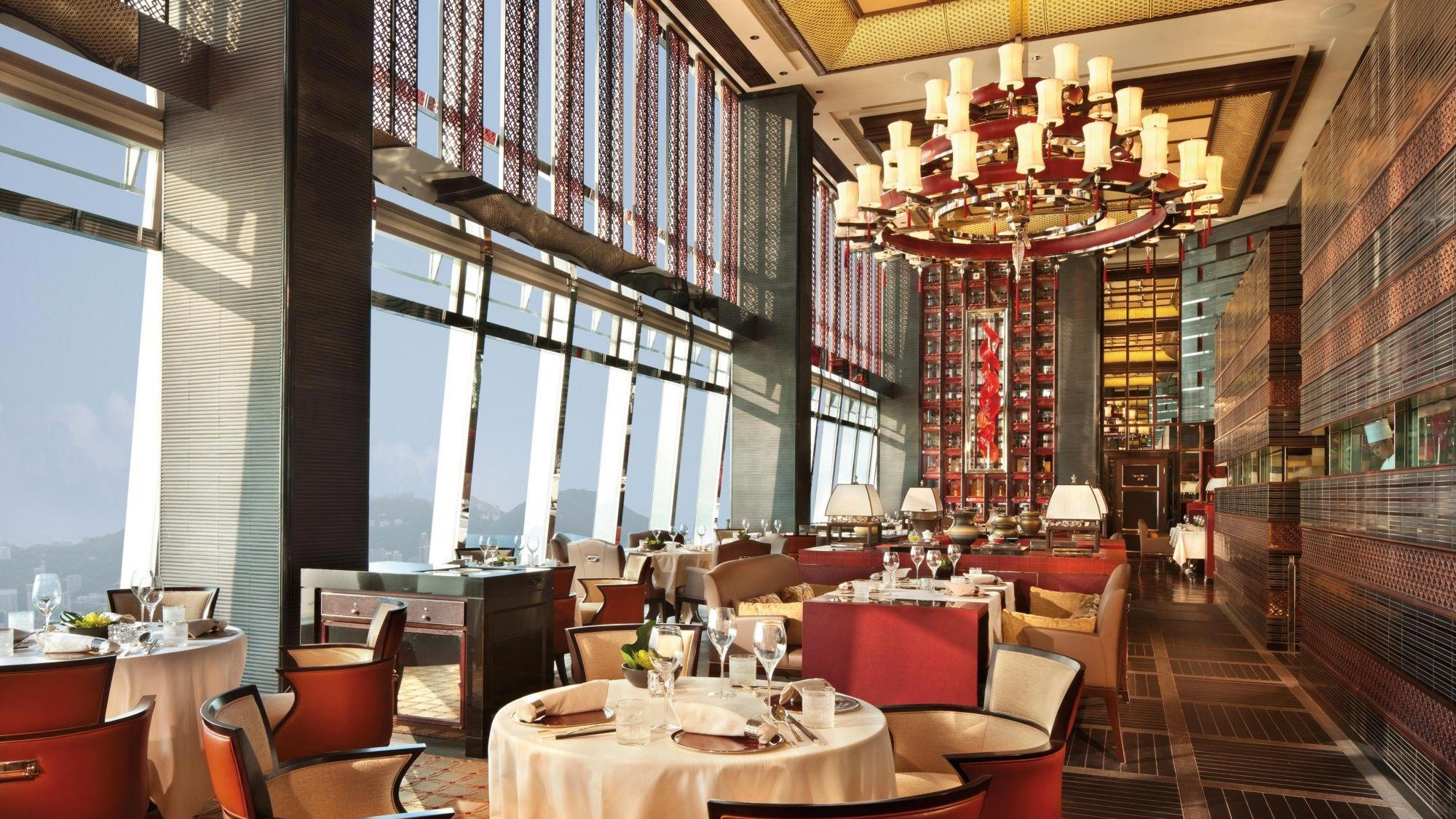
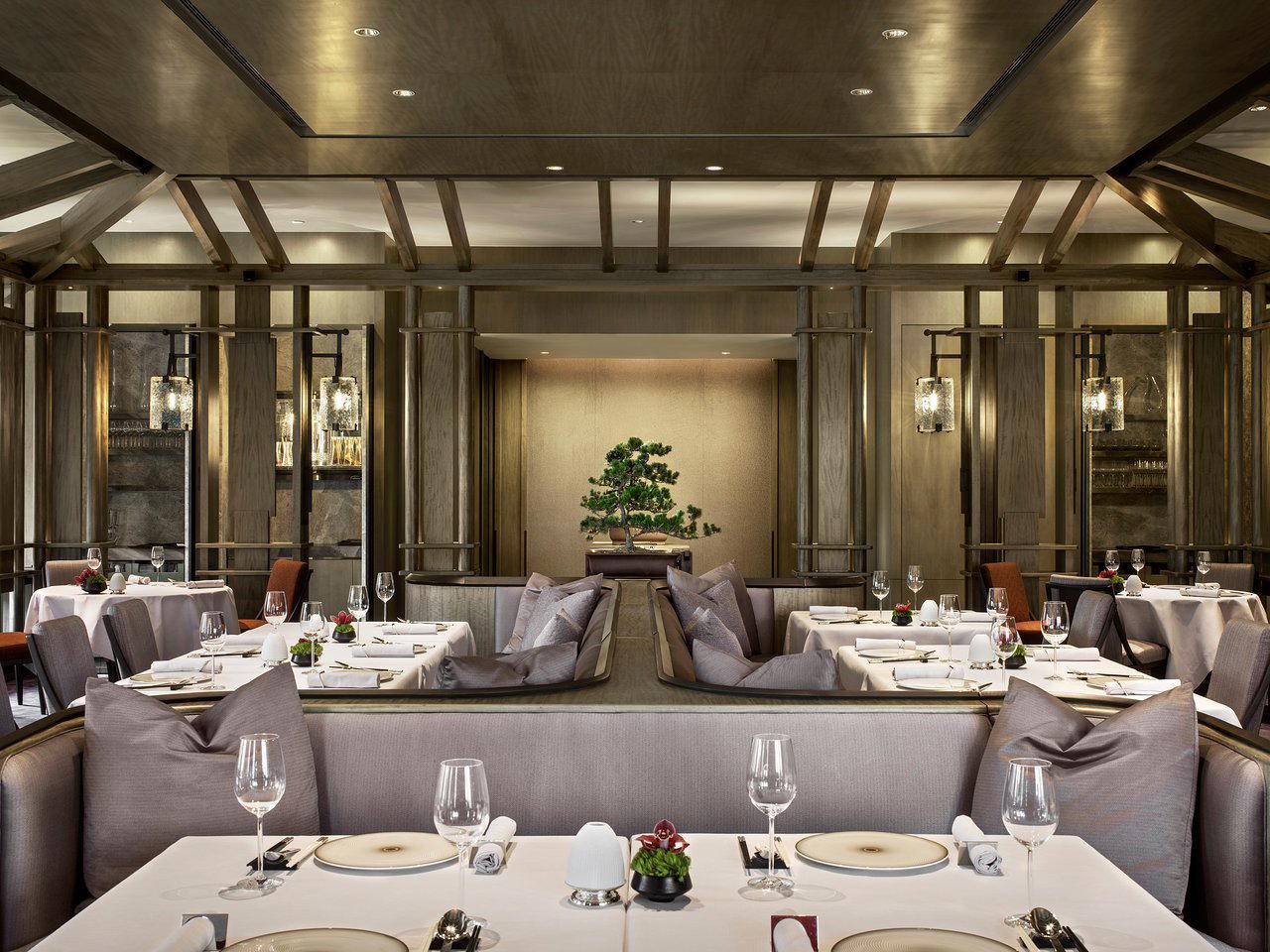
Restaurants in Hong Kong
All restaurants in Hong Kong →
Bars in Hong Kong
All bars in Hong Kong →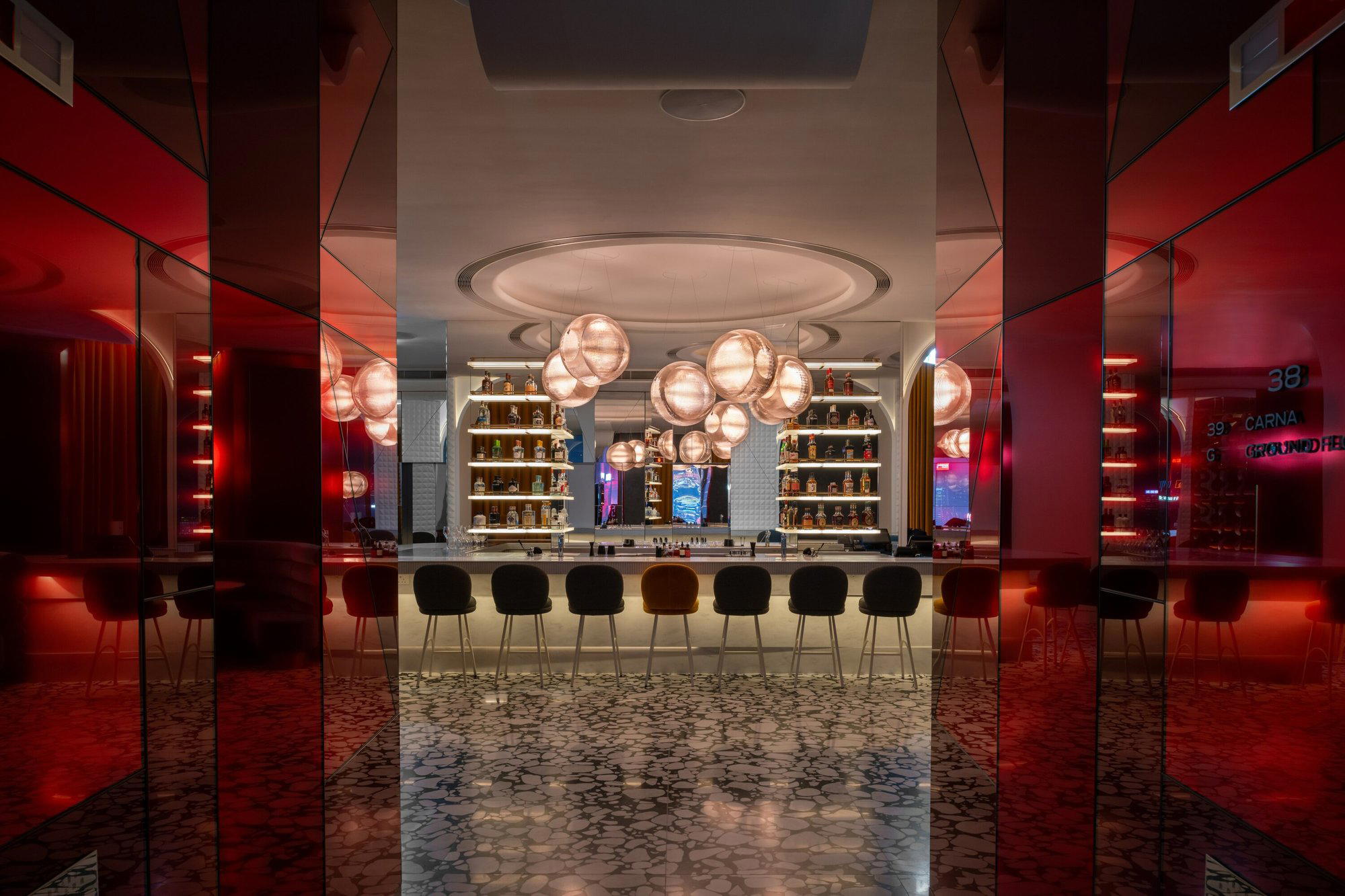
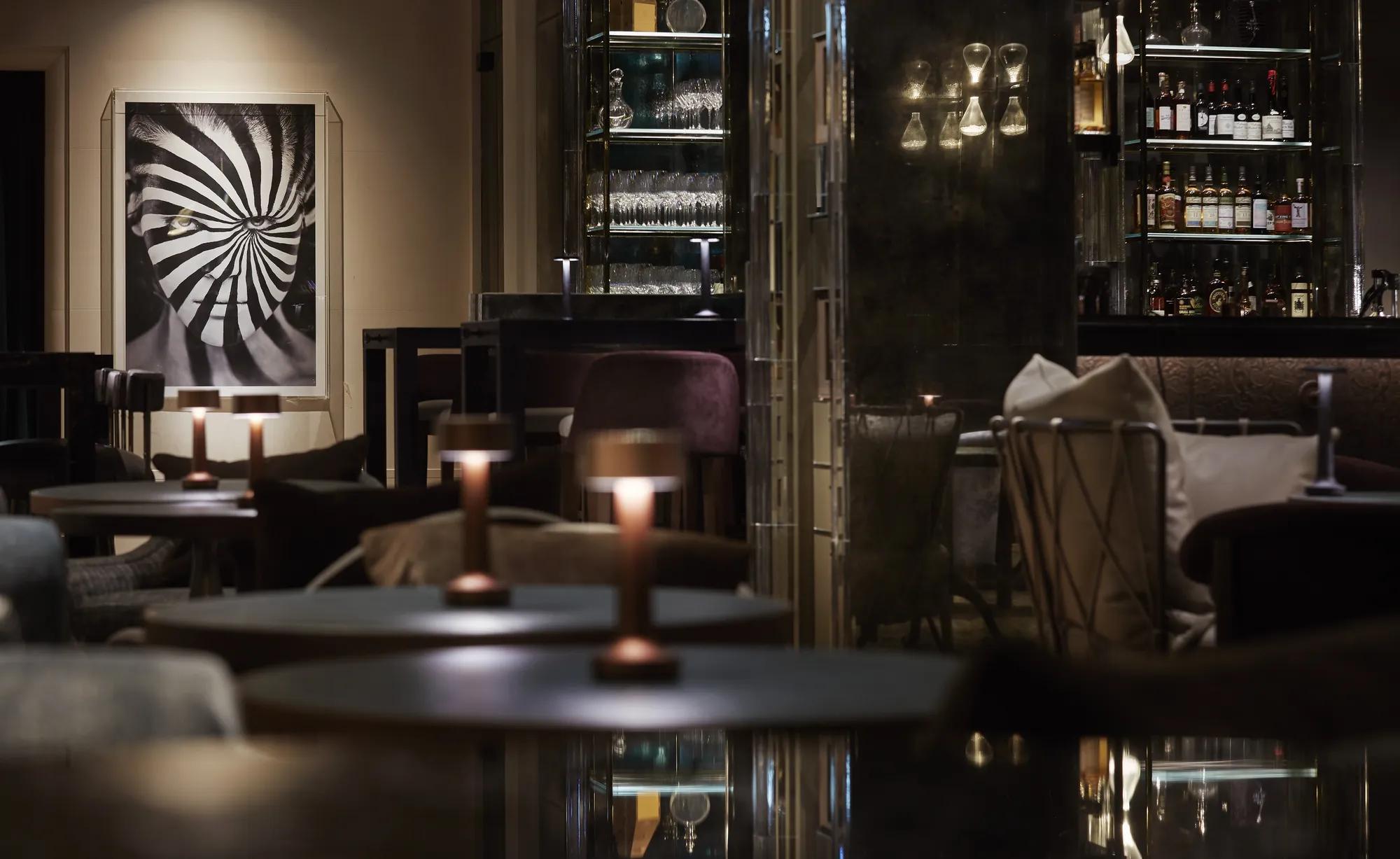
Hotels in Hong Kong
All hotels in Hong Kong →
Wineries in Hong Kong
All wineries in Hong Kong →
Details
- Classic
- Well Known
- Casual Hangout
- Historic Building
- A La Carte
Current opening hours
- Monday
- 12–2 PM, 6–10 PM
- Tuesday
- 12–2 PM, 6–10 PM
- Wednesday
- 12–2 PM, 6–10 PM
- Thursday
- 12–2 PM, 6–10 PM
- Friday
- 12–2 PM, 6–10 PM
- Saturday
- 12–2 PM, 6–10 PM
- Sunday
- 12–2 PM, 6–10 PM
Hours can change for holidays and private events. Hours as of .
Old-school traditional Chinese restaurant with a bustling, unrenovated atmosphere full of local character.