Super Uncle Claypot

Super Uncle Claypot brings the slow, communal logic of claypot cooking to Enriquez Street in Makati, earning a Michelin Plate in 2026. The format rewards patience: dishes arrive when the clay vessel is ready, not when the kitchen is rushed. For a city that has largely moved toward tasting-menu formalism, this is a deliberate counterpoint.
Pearl is the En Primeur Club membership app — saves, bookings, and concierge access live there. Same editors, same standards.
- Address
- 5887 Enriquez, Makati City, Metro Manila, Philippines
- Phone
- +63 920 522 7238
- Website
- m.facebook.com
- Directions
- Get directions
 Saves & bookings on Pearl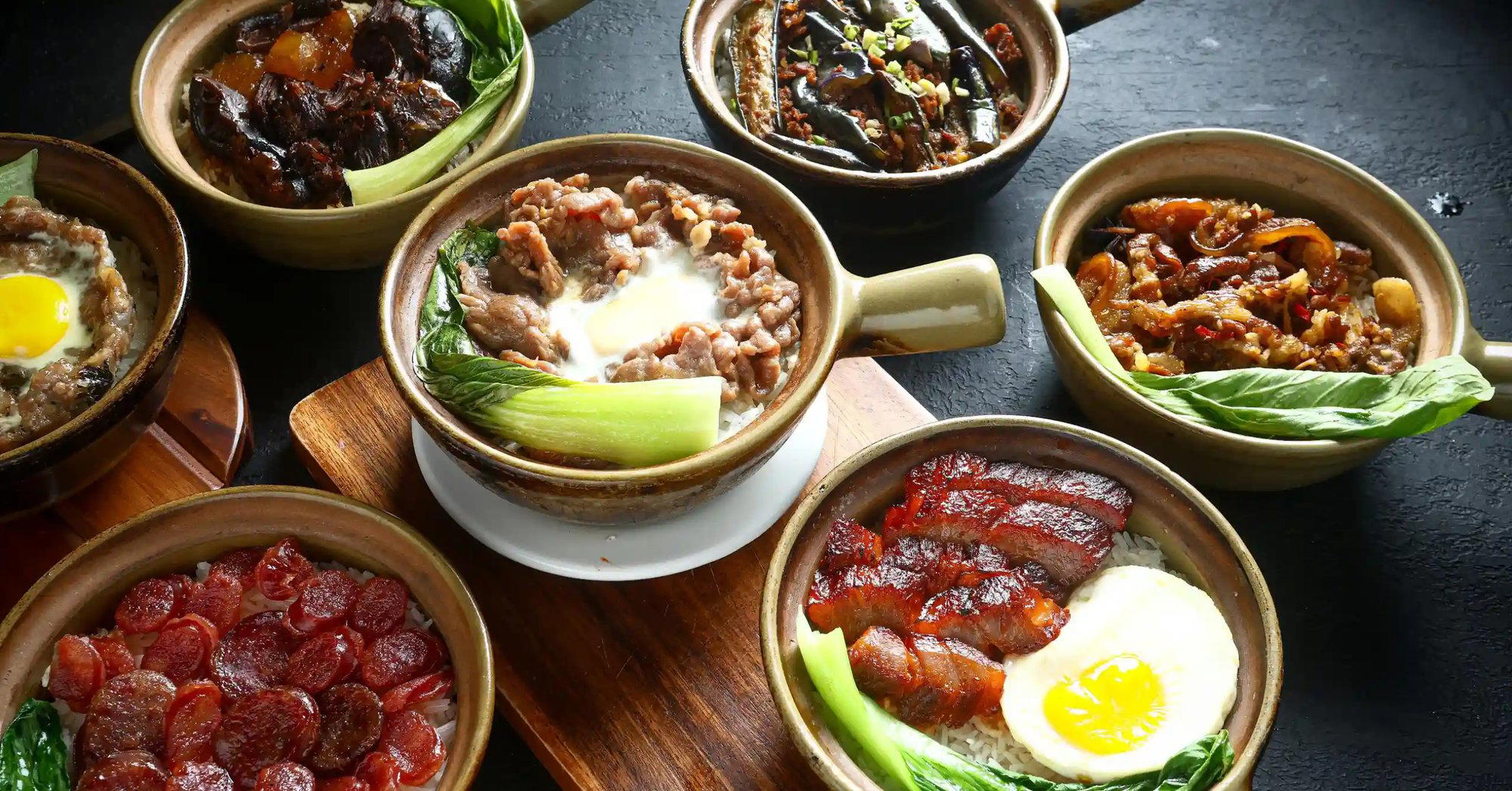
The Ritual Before the First Bite
On Enriquez Street in Makati, the claypot arrives at the table still audibly active, the contents bubbling at the rim from retained heat. That moment defines the dining rhythm here more than any menu description could. Claypot cooking is, by its nature, a format built around waiting: the vessel absorbs and redistributes heat slowly, and the meal paces itself accordingly. Diners who expect the quick-fire sequencing of a modern tasting counter will need to recalibrate. This is a tradition that demands a different kind of attention.
The claypot as a cooking method has deep roots across Southeast and East Asia, from the sand pots of Cantonese kitchens to the earthenware of Thai and Vietnamese village cooking. In the Philippines, clay vessel cooking intersects with the country's own tradition of slow, communal eating, where the act of sharing a single pot around the table carries as much social weight as the food itself. Super Uncle Claypot sits within that lineage, applying the discipline of claypot technique to a Makati dining room that has, over the past decade, tilted heavily toward European-influenced fine dining.
Where This Sits in Makati's Restaurant Scene
Makati's restaurant scene has bifurcated noticeably in recent years. On one side, a cluster of tasting-menu restaurants, several with Michelin recognition, has pushed the city into a tier of formal, multi-course dining that competes directly with the regional capitals of the broader Southeast Asian circuit. Hapag (Filipino) represents that direction clearly, as does Helm and Celera. On the other side, a smaller cohort of restaurants has resisted that format, choosing instead to center the meal around a specific technique or tradition rather than a narrative tasting arc.
Super Uncle Claypot belongs to that second group. Its 2026 Michelin Plate signals that the guide's inspectors found consistent quality here worth flagging, placing it inside a recognised tier without the star classification that would position it as a destination counter. That distinction matters for how you approach the booking. This is not a restaurant where you arrive with a fixed set of expectations about courses, pacing, and ceremony. It is a restaurant where the cooking method itself sets the terms.
The Michelin Plate designation also positions Super Uncle Claypot within a broader pattern visible across the Michelin Philippines list: the guide has shown genuine appetite for recognising technically specific, tradition-rooted cooking alongside the more conventionally structured fine-dining entries. Inatô and Kása Palma operate in adjacent registers of specificity, each anchored to a particular culinary framework rather than a generalist kitchen philosophy.
The Logic of Claypot Dining
Understanding how claypot cooking works changes how you eat. The clay vessel is not simply a decorative serving container. It functions as a second cooking stage: food that arrives at the table is still cooking, moisture still condensing against the lid, proteins still relaxing in accumulated steam. The practical implication is that the first few minutes after the pot arrives are as consequential as the time on the stove. Lifting the lid too early releases the steam that was finishing the dish. Leaving it too long moves the food past its intended texture.
This is why the dining ritual around claypot cooking carries its own etiquette in the cultures where it originated. In Cantonese clay pot rice tradition, for example, the scorched bottom layer, the guoba, is considered as desirable as the upper rice and requires waiting for the pot to rest properly before scraping. The same principle of patience governing the technique also governs the table. A claypot meal is not a meal you can rush, and restaurants that take the format seriously make that implicit from the moment the vessel is placed.
For Makati diners accustomed to the orchestrated pacing of tasting menus at venues like Blackbird Makati, the shift in rhythm here is significant. The kitchen is not in full control of the delivery sequence. The clay is. That rebalancing of authority between the stove and the table is, in its own way, a more honest reflection of how this style of cooking actually works.
Placing It in the Philippines Michelin Picture
The 2026 Michelin Guide Philippines represents a relatively young edition of the guide's presence in the country. The spread of recognised venues across Metro Manila and beyond reflects the guide's effort to map a genuinely heterogeneous restaurant culture, from the technically rigorous contemporary Filipino cooking at Gallery By Chele in Manila to regional specificity at venues like Linamnam in Parañaque and Abaseria Deli and Cafe in Cebu. The restaurant's recognition fits within this broader pattern of the guide finding value in technique-anchored cooking that does not conform to European fine-dining structure.
For international visitors building a Manila dining itinerary, this kind of distinction has practical relevance. The Michelin Plate classification indicates quality without the booking pressure of a starred counter. If you are already planning around starred venues in the region, and Makati now sits on the same regional circuit as markets where Atomix in New York City or Le Bernardin in New York City set the benchmark for what guide recognition implies, the Plate tier represents a more accessible entry point into a city's recognised dining pool.
Getting There and Planning the Visit
The restaurant is located at 5887 Enriquez, Makati City, Metro Manila. Enriquez Street sits within the wider Makati commercial district, accessible from the main BGC-Makati corridor and reachable by rideshare from most central Makati hotels in under fifteen minutes during off-peak hours. Evening traffic in Makati can extend travel times considerably, so building in buffer time before a reservation makes practical sense.
Category Peers
Comparable venues nearby, for context on price, style, and recognition.
| Venue | Cuisine | Price | Awards | Notes |
|---|---|---|---|---|
| Super Uncle ClaypotThis venue — the venue you are viewing | Cantonese Claypot Rice | $$ | Michelin Plate | Not listed |
| Pilya's Kitchen | Regional Chinese Hand-Pulled Noodles | $$ | Bib Gourmand | Rockwell, Poblacion |
| Taiwan Kitchen | Taiwanese Fast Food | $$ | Not listed | San Lorenzo |
| Aida's Chicken | Bacolod-style Chicken Inasal | $$ | Michelin Plate | Makati |
| Spices | Southeast Asian and Indian Fusion | $$$ | Michelin Plate | Makati |
| Sarsa | Filipino | Not listed | Bib Gourmand | Makati |
Recognition history
Dated appearances from independent guides and award organizations, with the underlying list record or original source where available.
Michelin Plate
Michelin



At a Glance
- Retro
- Cozy
- Classic
- Casual Hangout
- Family
- Late Night
Current opening hours
- Monday
- 11 AM–12 AM
- Tuesday
- 11 AM–12 AM
- Wednesday
- 11 AM–12 AM
- Thursday
- 11 AM–12 AM
- Friday
- 11 AM–2 AM
- Saturday
- 11 AM–2 AM
- Sunday
- 11 AM–12 AM
Hours can change for holidays and private events. Last verified .
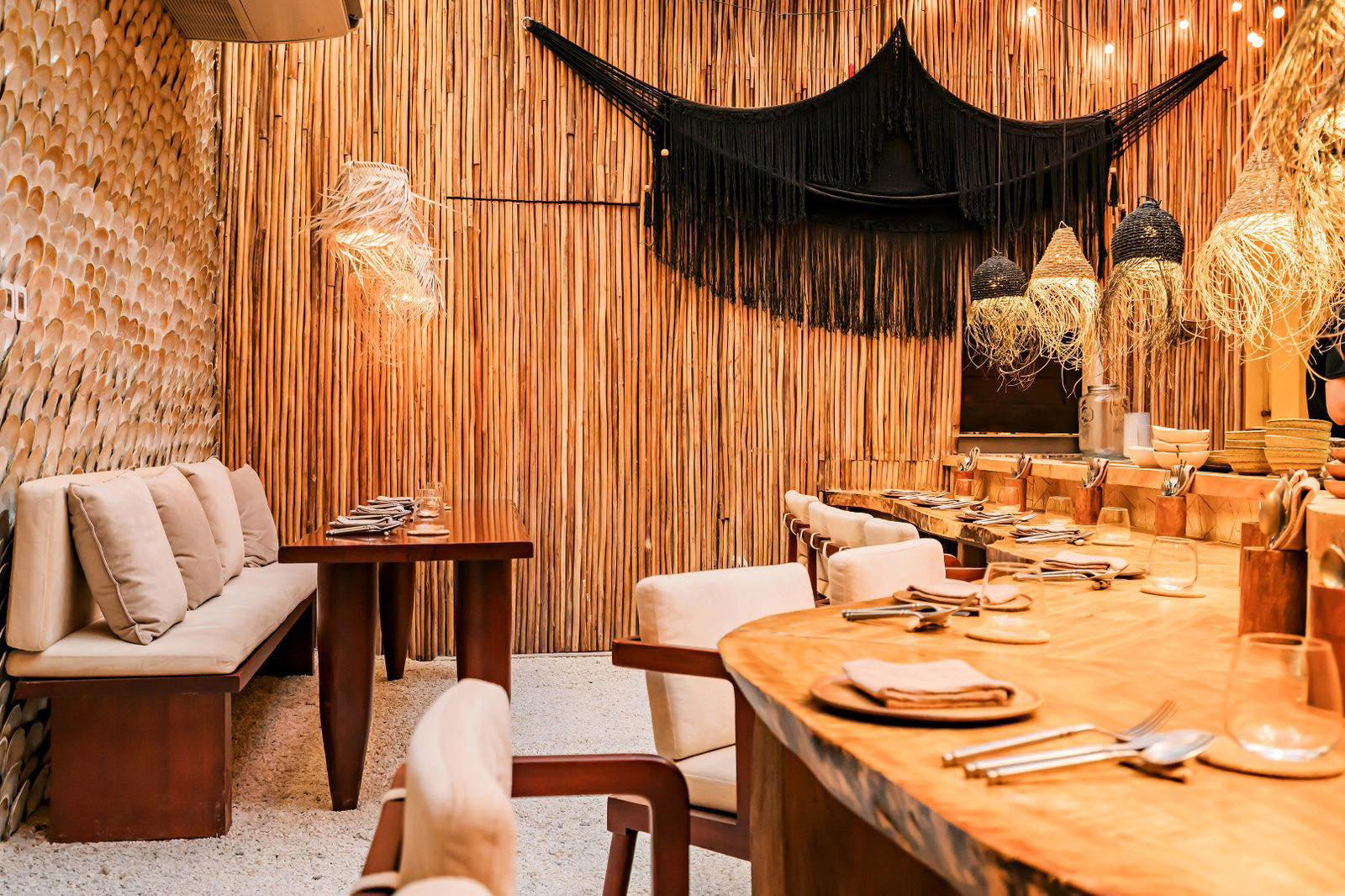
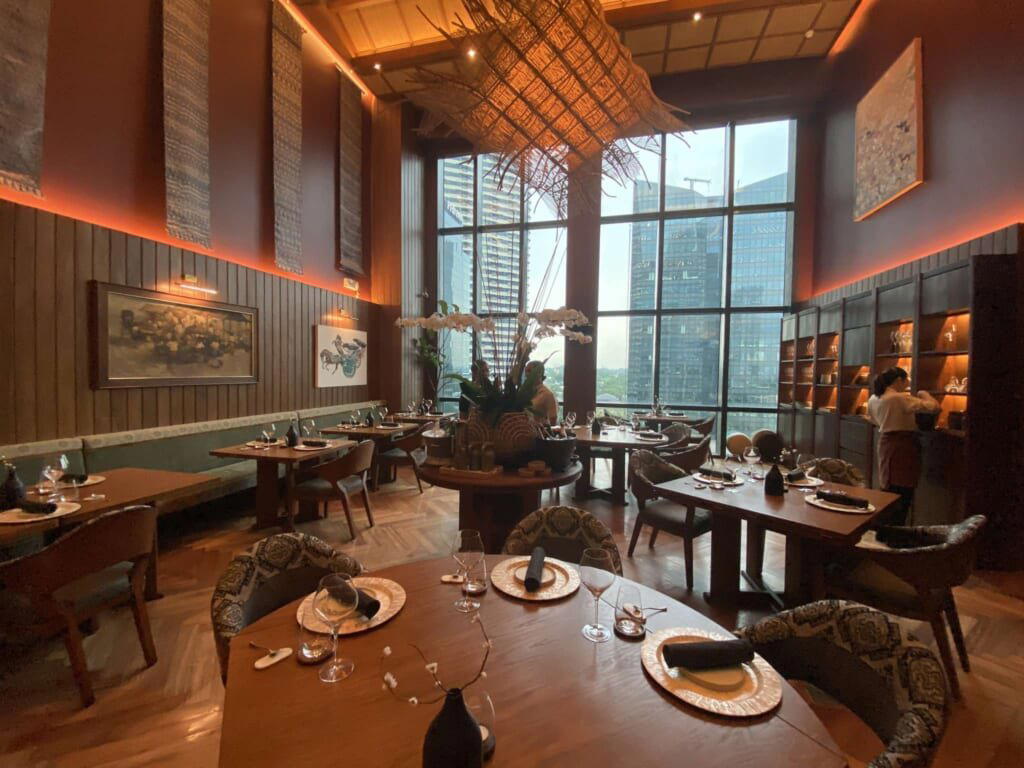
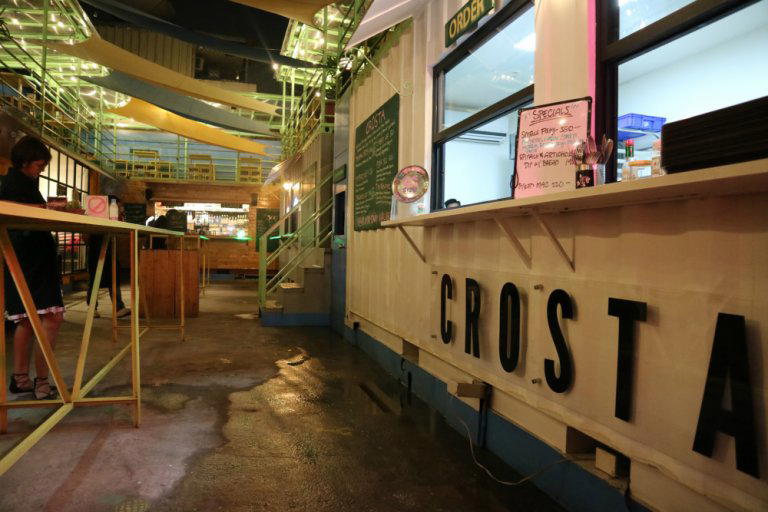
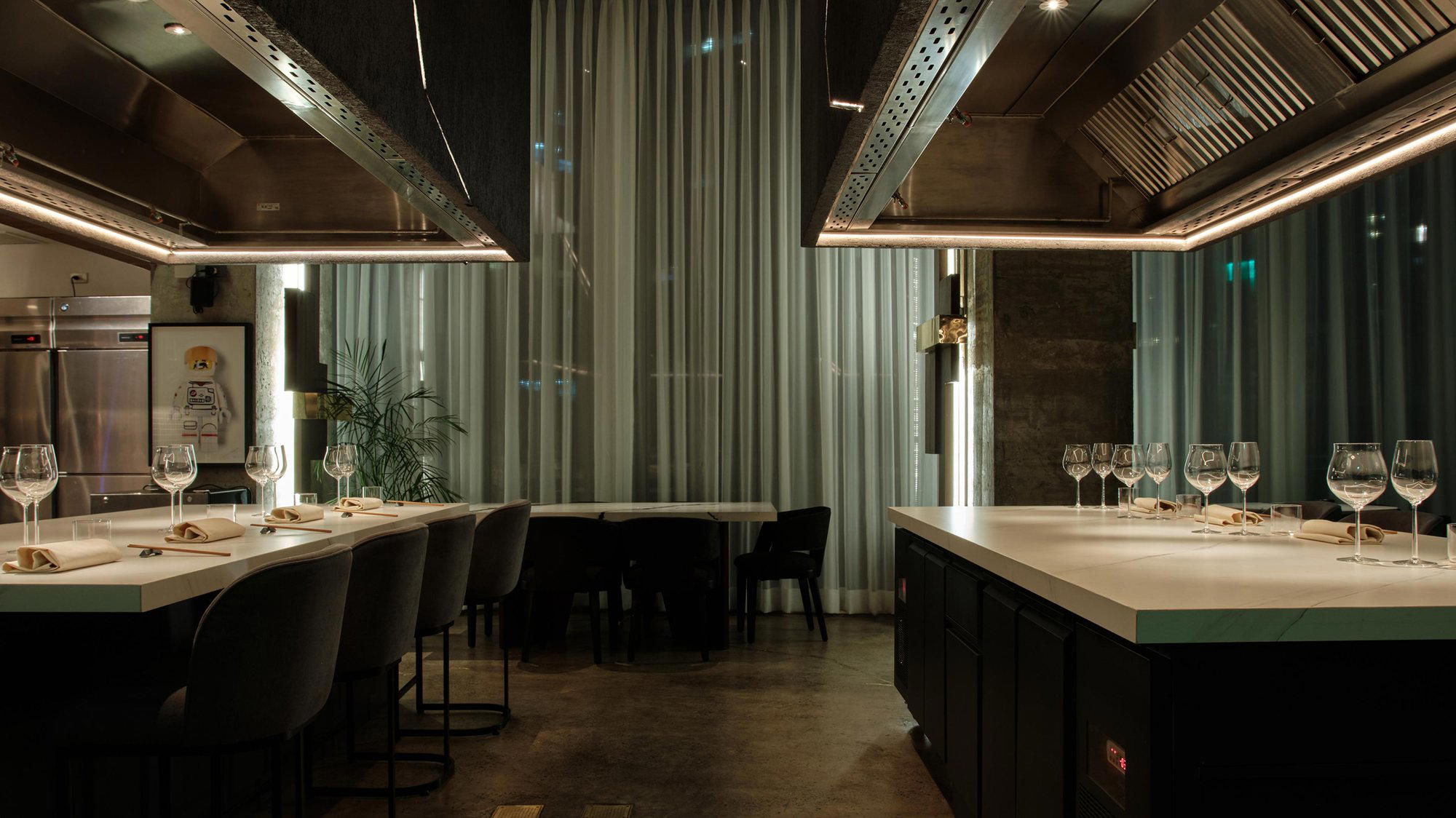
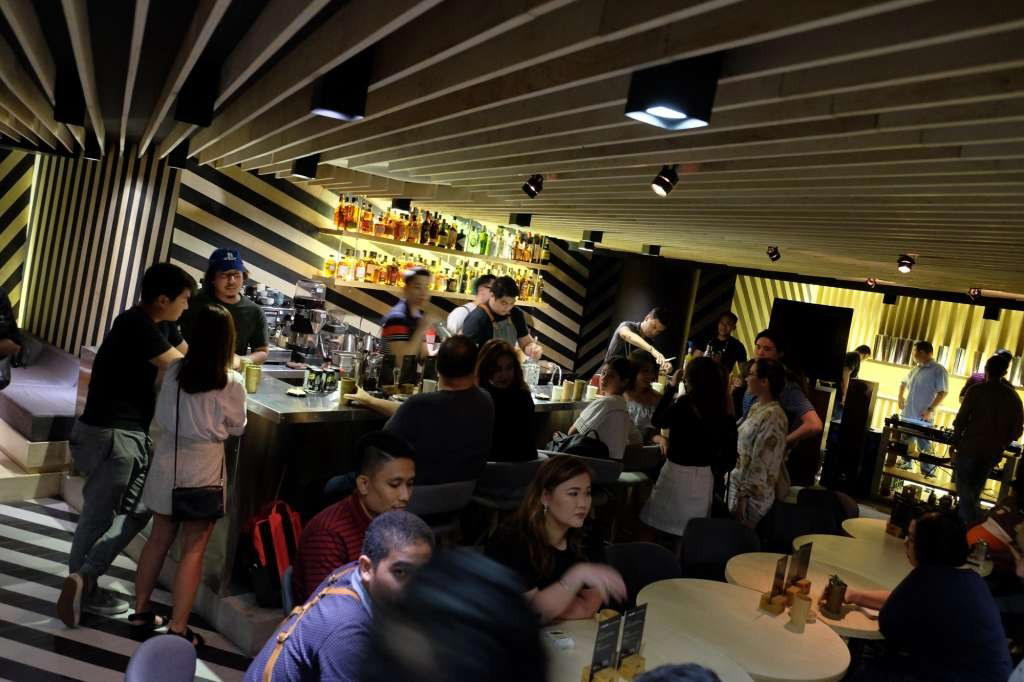
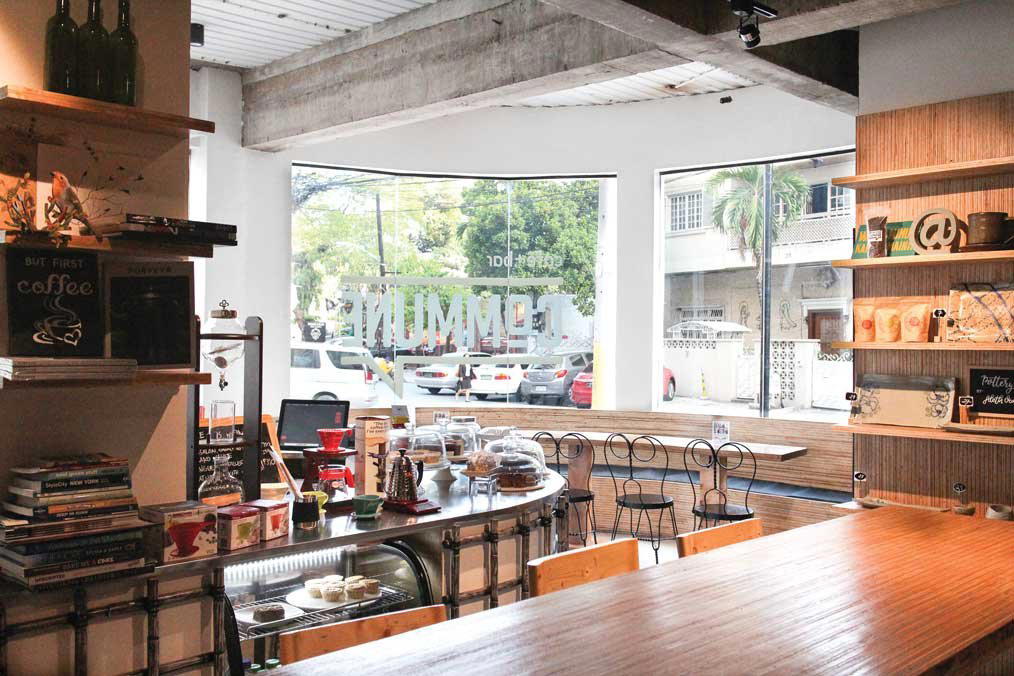
Retro aesthetic with warm lighting, practical seating, nostalgic touches, and convivial atmosphere in a small shop.