Tilak
Tilak occupies a corner of Mission Street that has long served as a proving ground for San Francisco's more independent dining voices. Sitting outside the city's established fine-dining circuit, it draws attention precisely because it operates on its own terms, in a neighborhood where price-point expectations and culinary ambition rarely align as neatly as they do here.
Pearl is the En Primeur Club membership app — saves, bookings, and concierge access live there. Same editors, same standards.
- Address
- 3501 Mission St, San Francisco, CA 94110
- Phone
- +14156474036
- Website
- tilaksf.com
- Directions
- Get directions
 Saves & bookings on Pearl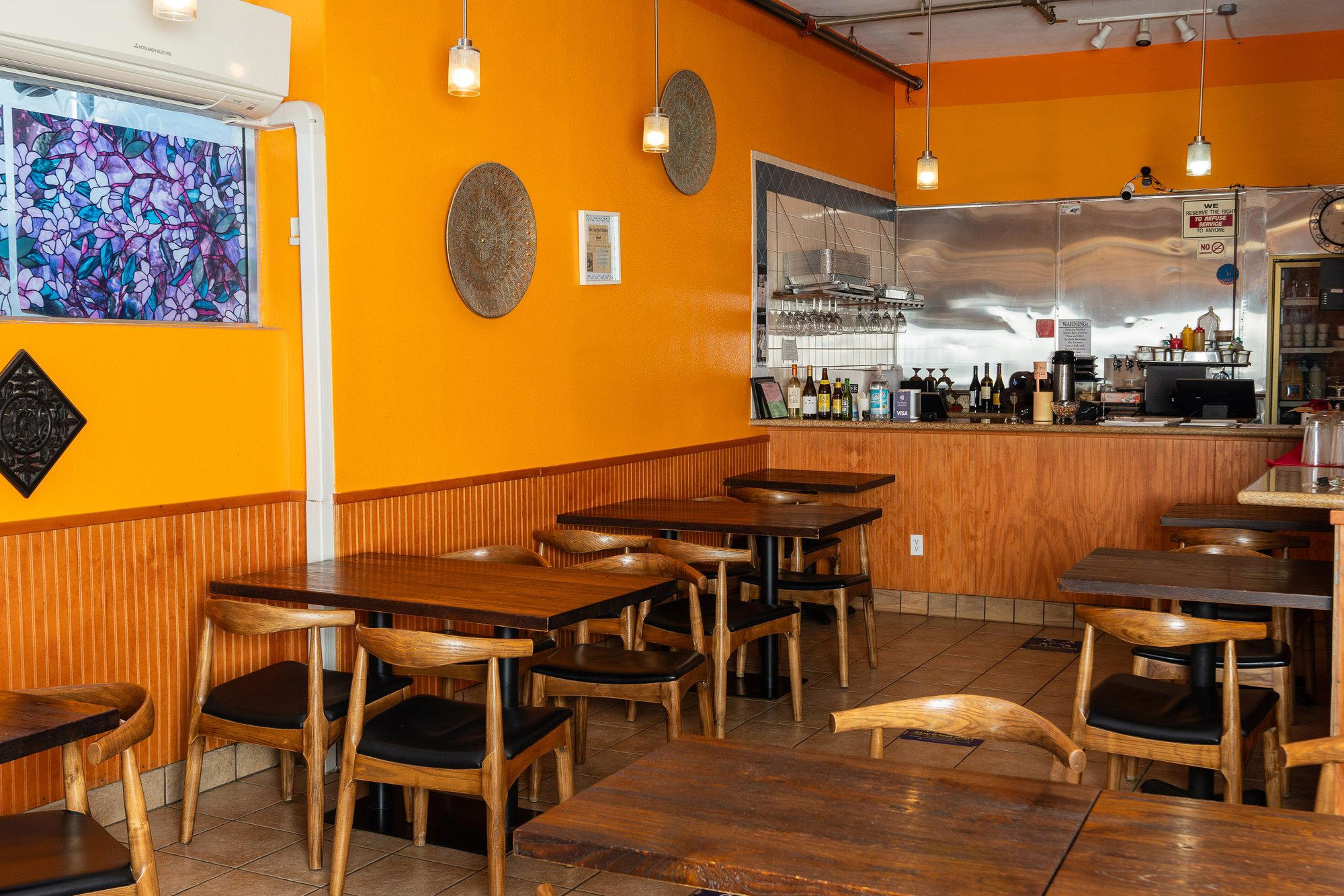
Mission Street and the Restaurants That Don't Follow the Script
San Francisco's fine-dining conversation tends to cluster north of Market Street, where Michelin inspectors and expense-account diners create a self-reinforcing circuit. The Mission runs a parallel track. At 3501 Mission Street, Tilak is an Authentic Indian restaurant at 3501 Mission St in San Francisco's Outer Mission, with. That structural tension, between a high-ambition kitchen and a neighborhood built on unpretentious eating, is exactly the kind of condition that produces something worth paying attention to.
The Mission's dining character has shifted considerably over the past two decades. What began as a corridor of taquerias and Salvadoran spots has absorbed waves of chef-driven openings, each generation pushing price points and technique further without fully abandoning the neighborhood's working-class density. The result is a district where a serious kitchen can operate without the overhead or expectation freight of, say, the Financial District or Jackson Square. Tilak operates inside that logic.
How the Wine Program Shapes the Room
In San Francisco's upper-middle dining tier, the wine list has become a primary differentiator. A list assembled with genuine curatorial intent tells you something about the chef's peer relationships, the house's financial commitments, and the kind of guest the room is designed for.
The upper-end programs at Atelier Crenn or Quince operate with sommeliers whose entire role is cellar depth and producer relationships. In a smaller, more independent room, the wine decisions are often more personal and, sometimes, more revealing. A tight list of fifty labels with clear sourcing logic can communicate more editorial confidence than five hundred bottles padded with familiar négociant names.
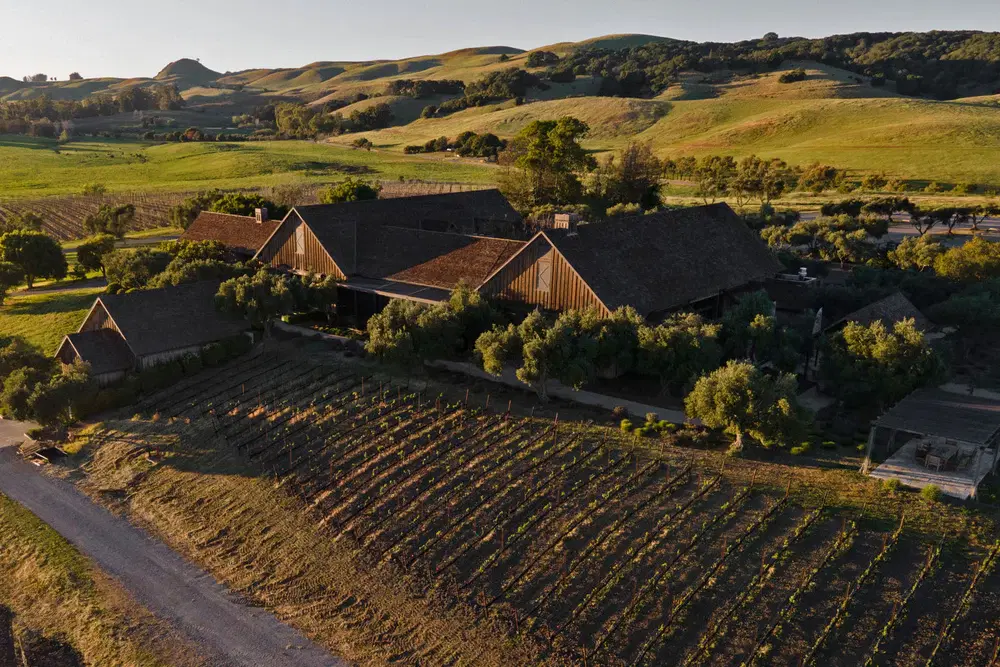
The Napa Cabernet establishment still commands stronger examples from most local programs, but a growing cohort of sommeliers has shifted attention toward the Sonoma Coast, the Santa Cruz Mountains, and producers like those found near operations such as Single Thread Farm in Healdsburg, whose farm-to-cellar philosophy has influenced how northern California restaurants think about regional sourcing. A Mission Street room operating outside the luxury tier has both the freedom and the necessity to make more unconventional choices.
The Mission as a Culinary Reference Point
Context matters when placing Tilak inside the San Francisco dining picture. The city's most decorated rooms, Lazy Bear's progressive American format, Benu's French-Chinese synthesis, the farm-driven precision of Saison, all operate at the $$$$ price point and carry the institutional weight of Michelin recognition. Tilak's address on Mission Street places it in a different conversation entirely, one defined by neighborhood dining rather than formal tasting-menu theater.
That positioning is not a liability. Particularly consequential American restaurants of the past thirty years have operated in exactly this kind of structural gap. Bacchanalia in Atlanta built its reputation by working outside the obvious fine-dining geography of its city. Blue Hill at Stone Barns chose a farm in Tarrytown over a Manhattan address. The decision to operate where real estate and expectation allow room to breathe has a track record.
The Mission also connects Tilak to a longer history of immigrant food cultures shaping San Francisco's dining identity. The neighborhood's culinary DNA runs through Mexican, Central American, and Southeast Asian kitchens that predate the chef-driven wave by decades. Any restaurant operating in this zip code is working inside that history, whether explicitly or not. Particularly interesting rooms in the Mission tend to acknowledge that inheritance in some way, even if the acknowledgment is as simple as a price point that keeps the room accessible to the neighborhood it occupies.
Placing Tilak in the National Picture
San Francisco's dining scene, taken in full, belongs in the same national-tier conversation as the rooms that define American fine dining's current moment. Le Bernardin in New York, Alinea in Chicago, The French Laundry in Napa, and Providence in Los Angeles represent the institutional anchors of American gastronomy. The city also holds its own against newer entrants: Atomix in New York and Addison in San Diego have demonstrated that cities outside New York can generate globally relevant programs.
Within that frame, the Mission Street tier occupies a specific role. It is where San Francisco tests ideas before they calcify into institution. Restaurants here operate without the structural pressure to maintain a Michelin star or a tasting menu format that justifies a $400 per head spend. That freedom produces some of the city's more genuinely curious cooking.
International comparisons are instructive too. The integration of serious wine programs with independent, neighborhood-rooted dining is a format that functions at the highest levels elsewhere: 8½ Otto e Mezzo Bombana in Hong Kong has shown that a restaurant can carry both cellar ambition and a specific cultural identity without one compromising the other. Emeril's in New Orleans built a wine program of genuine depth inside a city whose dining identity is defined by something other than Michelin validation. The Inn at Little Washington did the same from a village in rural Virginia. The geography of serious wine curation is broader than its most obvious addresses suggest.
Planning Your Visit
Tilak's address at 3501 Mission Street places it in the Outer Mission, accessible by BART to the 24th Street station and a short walk south, or by Muni along Mission Street itself. The neighborhood rewards arriving with time to walk the corridor before or after a meal. Reservations are recommended, and the restaurant is open daily from 5 to 10 PM.
Cuisine Context
Comparable venues nearby, for context on price, style, and recognition.
| Venue | Cuisine | Price | Notes |
|---|---|---|---|
| TilakThis venue — the venue you are viewing | Authentic Indian | $$ | Not listed |
| Curry Up Now | Modern Indian Street Food | $$ | Mission |
| Besharam | Modern Gujarati | $$ | Potrero Hill |
| New Delhi Restaurant | Authentic Regional Indian | $$ | Tenderloin |
| Chaat Corner | Indian Street Food and Chaat | $$ | Financial District/South Beach |
| North India | Authentic North Indian | $$ | Financial District/South Beach |
Continue exploring
More in San Francisco
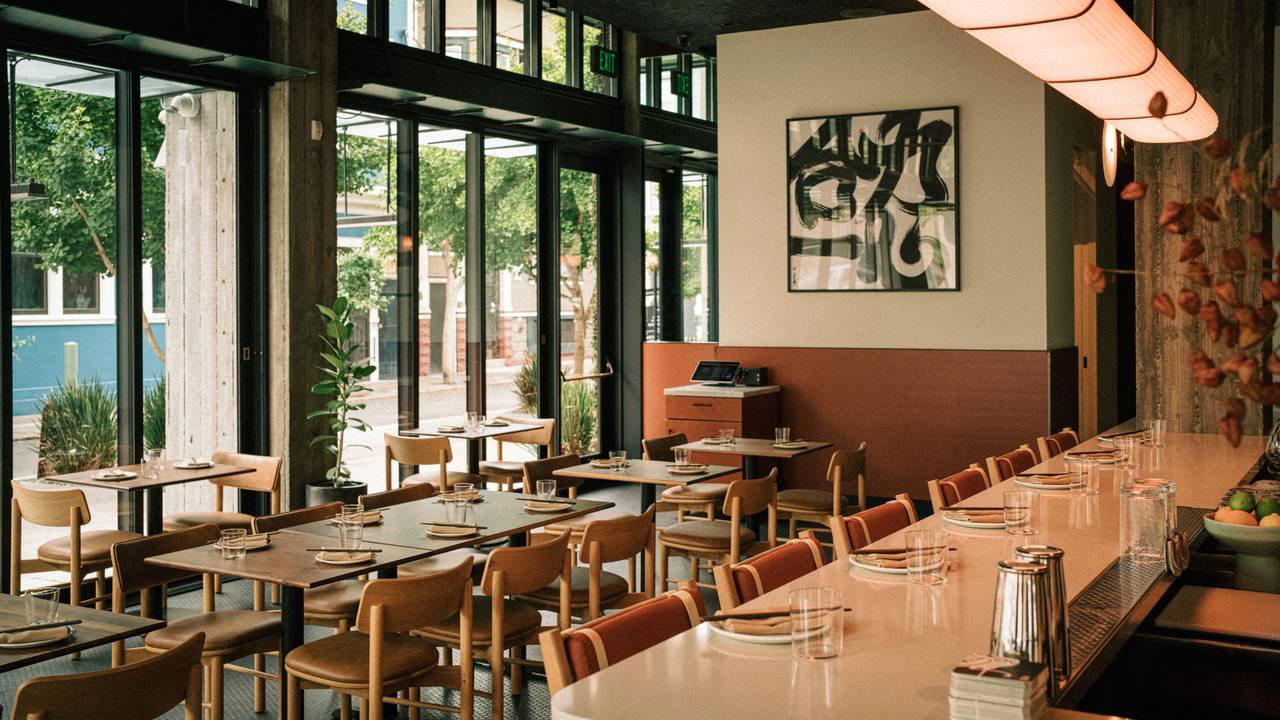
Restaurants in San Francisco
Browse all →
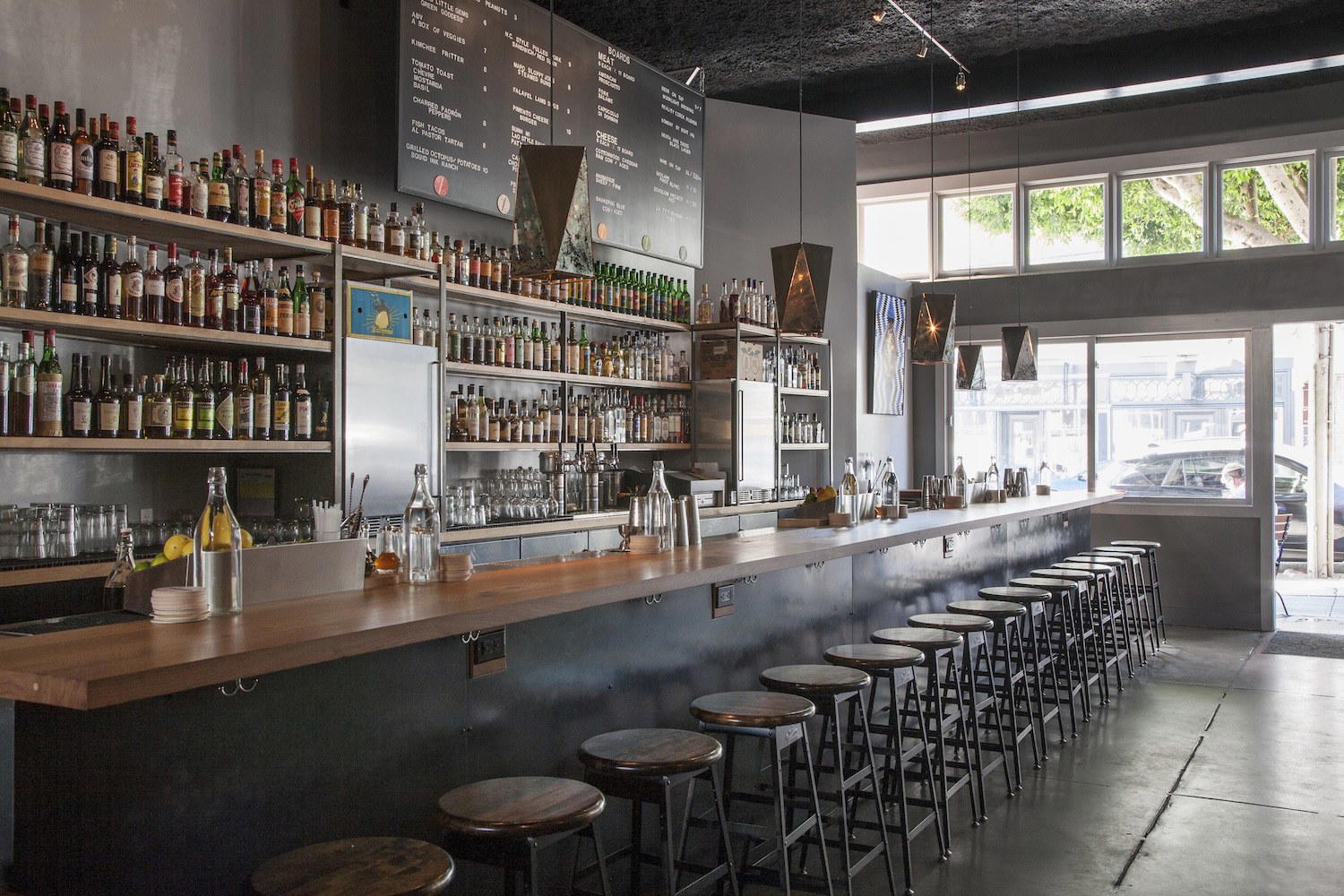
Bars in San Francisco
Browse all →
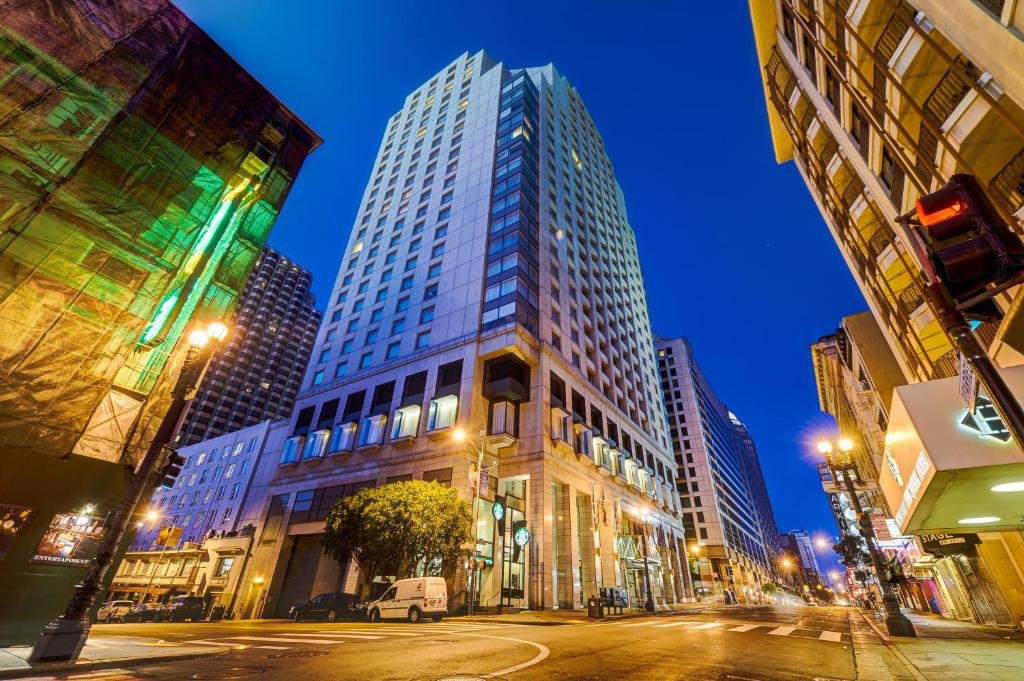
Hotels in San Francisco
Browse all →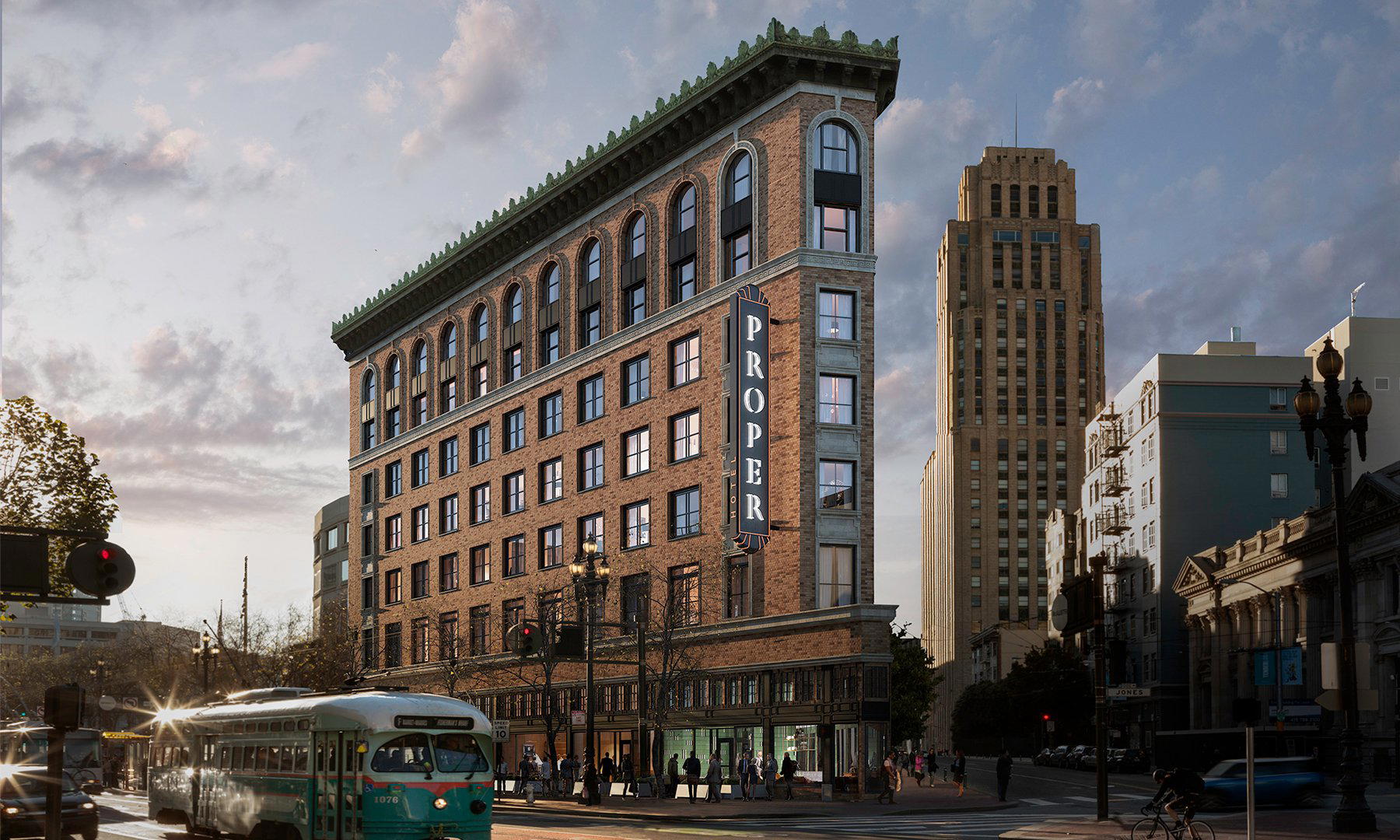

At a Glance
- Cozy
- Casual Hangout
- Family
Current opening hours
- Monday
- 5–10 PM
- Tuesday
- 5–10 PM
- Wednesday
- 5–10 PM
- Thursday
- 5–10 PM
- Friday
- 5–10 PM
- Saturday
- 5–10 PM
- Sunday
- 5–10 PM
Hours can change for holidays and private events. Last verified .
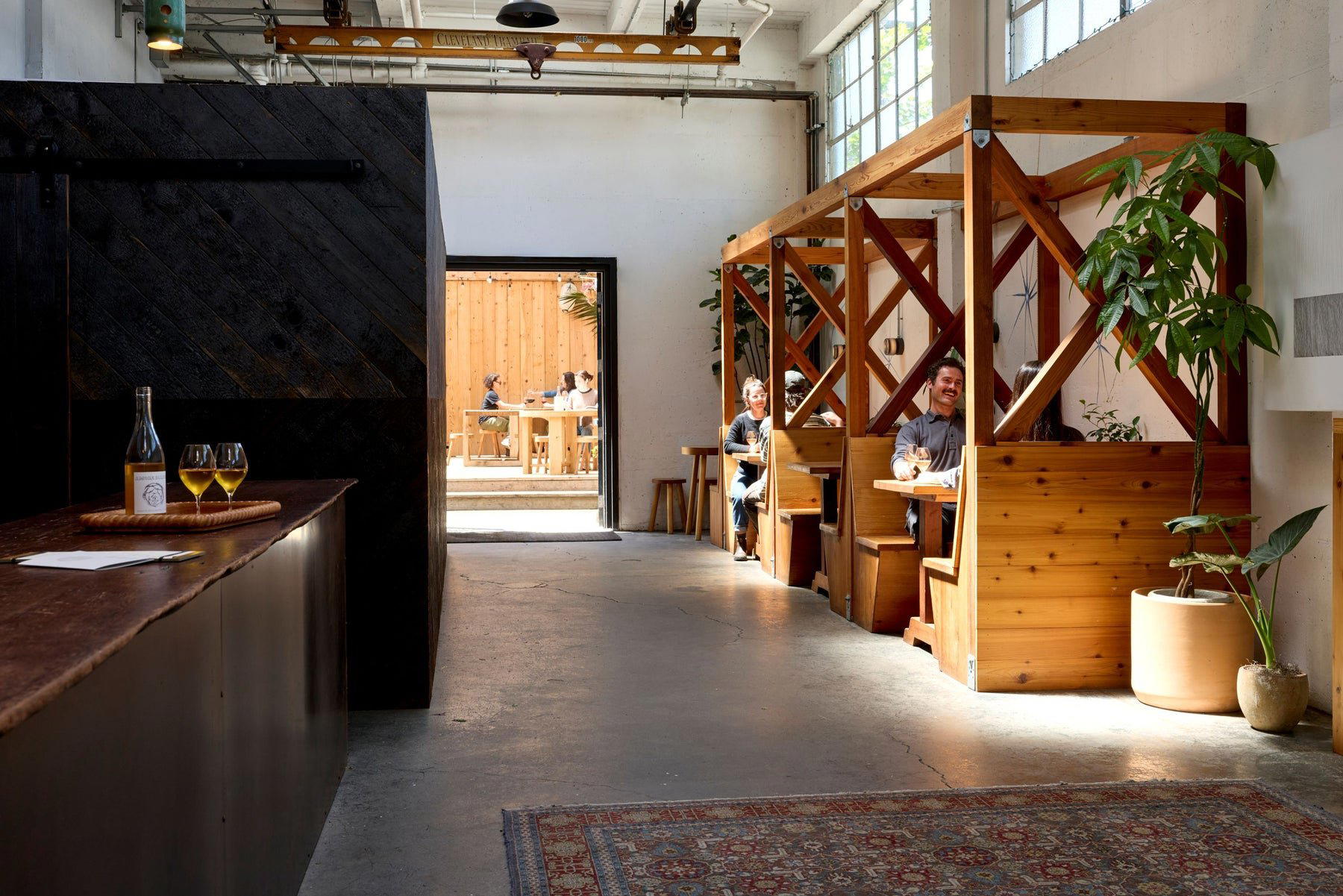
Cozy and warm with moderate noise levels, offering a welcoming neighborhood atmosphere.