Chaat Corner
Chaat Corner at 320 3rd St sits in San Francisco's SoMa district, placing it within reach of a neighborhood that has steadily absorbed a more casual, counter-service dining culture alongside the city's high-end restaurant corridor. As Indian street food formats gain ground in American cities, this address represents the genre's foothold in one of the country's most competitive dining markets.
Pearl is the En Primeur Club membership app — saves, bookings, and concierge access live there. Same editors, same standards.
- Address
- 320 3rd St, San Francisco, CA 94107
- Phone
- +14159799946
- Website
- chaatcornersf.com
- Directions
- Get directions
 Saves & bookings on Pearl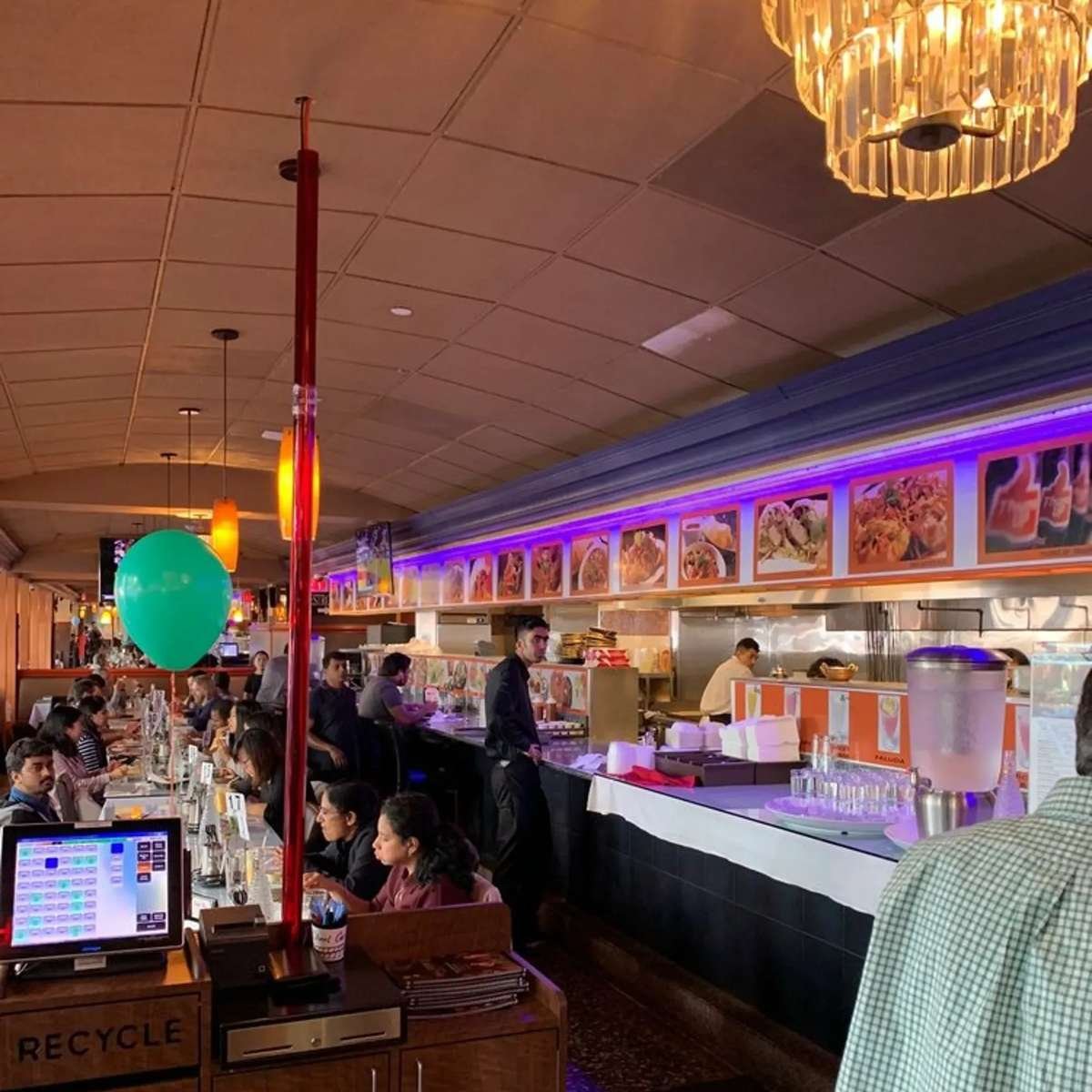
Street Food as a Structured Meal
San Francisco's dining culture has long divided between the $$$$ tasting-menu tier, represented by counters like Lazy Bear, Atelier Crenn, and Benu, and the neighborhood spots that operate outside that conversation entirely. What has grown more interesting in recent years is the middle register: formats that import the logic of a multi-course progression into casual settings. Indian chaat, as a category, lends itself to this structure more naturally than most street food traditions. The meal moves through textures and temperatures in a sequence that experienced eaters recognize as deliberate, crisp against soft, cooling yogurt against sharp tamarind, fresh herb against fried dough, even when it arrives in paper cups at a sidewalk counter.
Chaat Corner, at 320 3rd St in SoMa, occupies that position in San Francisco's Indian food scene. The format here is grounded in a tradition that rewards sequential eating, not just a single dish ordered in isolation.
The Arc of a Chaat Meal
The genre originated in the street stalls of North India, where vendors assembled dishes from a fixed pantry of components: puffed rice, fried dough (puri), boiled potato, chickpeas, chutneys, yogurt, and chaat masala. The intelligence of the tradition lies in how those components are layered and sequenced, both within a single dish and across multiple orders.
A well-ordered chaat meal moves from dry and crisp to wet and complex. Papdi or sev puri typically opens a sequence, delivering crunch and chutney contrast before any cooling element enters. Dahi puri or dahi bhalla follows, introducing yogurt and softened textures. Pani puri, which requires the eater to fill and eat each puri in a single bite before the shell softens, sits earlier in the sequence than its drama suggests, because it resets the palate rather than building on it. Dishes with heavier bases, like chole or samosas, anchor the later stages. The leading chaat counters, whether in Delhi's Chandni Chowk or in diaspora settings across North America, understand this arc implicitly and present their menu accordingly.
For diners accustomed to the sequencing logic of tasting menus at places like Quince or Saison, approaching a chaat spread with the same discipline produces a noticeably different meal than ordering at random. The casual format does not mean the structure is absent; it means the diner carries more responsibility for reading it.
SoMa and the Indian Food Corridor
San Francisco's Indian food has historically concentrated in the Tenderloin and along the Polk Gulch stretch, with a secondary cluster in the Richmond that serves a more South Indian register. SoMa represents a different pressure: the neighborhood's density of office buildings and event venues creates demand for fast, affordable, and portable food rather than sit-down experiences. Chaat fits that demand structurally. The dishes travel reasonably well, require minimal service infrastructure, and allow for a full, satisfying meal at a price point well below the city's median restaurant spend.
This positions Chaat Corner in a competitive set that looks nothing like the $$$$ tasting-menu corridor of Michelin-recognized restaurants. The relevant comparison is the city's growing inventory of Indian casual formats, including South Indian dosa counters in the Tenderloin and newer Punjabi-leaning spots in SoMa and the Mission. Across the United States, cities with significant South Asian diaspora populations, including New York, Chicago, and Los Angeles, have seen Indian street food formats move from ethnic-enclave institutions to wider-audience destinations. San Francisco has followed that pattern, though more slowly than New York, where restaurants like Atomix have demonstrated that Asian culinary traditions can command serious critical attention and significant price points in the same market.
How Chaat Compares Across Formats
The gap between chaat as street food and chaat as restaurant format has narrowed in American cities, but the underlying tension remains. Formalization brings consistency and accessibility; it also risks losing the spontaneity and vendor-specific variation that makes the leading chaat counters worth returning to. At high-end Indian restaurants, chaat elements appear as amuse-bouche or composed small plates, borrowing the vocabulary of the tradition while operating inside the grammar of fine dining. This is the route taken by some of the more prominent Indian fine dining operations in the US and UK, where the chaat element is deconstructed and replated rather than served in its original register.
Street-faithful formats, by contrast, keep the dish intact and let the components do their work without editorial intervention. The question for any chaat counter in a city like San Francisco, where the diner base includes people who have eaten chaat in Mumbai, Delhi, and Kolkata as well as people encountering the format for the first time, is whether the execution holds across that range of reference points. The bar set by the tradition's home cities is not abstract; it is carried in the memory of a significant portion of the Bay Area's population.
For context on how other American fine dining institutions have approached similar questions of tradition and formalization, the contrast with places like The French Laundry in Napa, Blue Hill at Stone Barns in Tarrytown, or Single Thread Farm in Healdsburg is instructive. Those kitchens have built their identity around formalized progression and ingredient sourcing as explicit design decisions. Chaat tradition does the same thing at a different price tier and with a different cultural inheritance.
Elsewhere in the US, the conversation around regional and casual formats gaining serious attention has played out in New Orleans with Emeril's, in Chicago with Smyth, in Los Angeles with Providence, in San Diego with Addison, in Boulder with Frasca Food and Wine, in Washington with The Inn at Little Washington, and internationally with Atelier Moessmer Norbert Niederkofler in Brunico and Le Bernardin in New York. The common thread across these cases is that culinary tradition, handled with discipline, produces a more durable dining experience than novelty alone. That principle applies to chaat formats as much as it does to tasting menus.
Planning Your Visit
Address: 320 3rd St, San Francisco, CA 94107. Neighbourhood: SoMa. Hours: Mon through Thu and Sun, 10 AM to 1 AM; Fri and Sat, 10 AM to 2 AM. Reservations: Walk-in friendly. Budget: Expect about $15 per person.
Budget and Context
Comparable venues nearby, for context on price, style, and recognition.
| Venue | Cuisine | Price | Notes |
|---|---|---|---|
| Chaat CornerThis venue — the venue you are viewing | Not listed | $$ | Not listed |
| India Clay Oven | Not listed | $$ | Outer Richmond, Authentic Northern Indian Tandoori |
| Nido Club | Dining | Not listed | Not listed |
| Orenchi Beyond | Not listed | $$ | Mission District, Authentic Japanese Ramen |
| The Halal Guys | Tenderloin, American Halal Street Food | $$ | Not listed |
| Charles Nob Hill | Dining | Not listed | Not listed |
Continue exploring
More in San Francisco
Restaurants in San Francisco
Browse all →
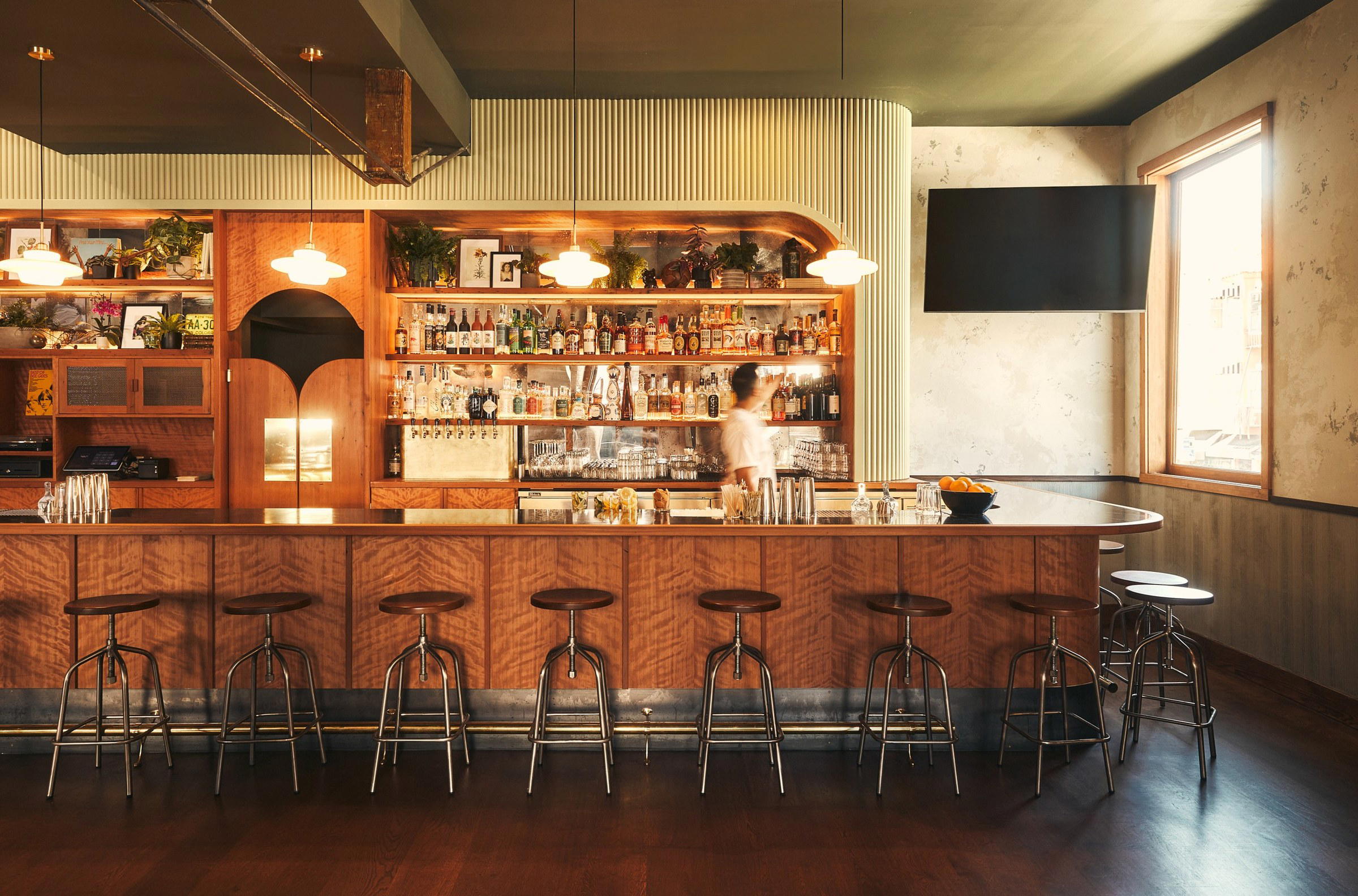
Bars in San Francisco
Browse all →

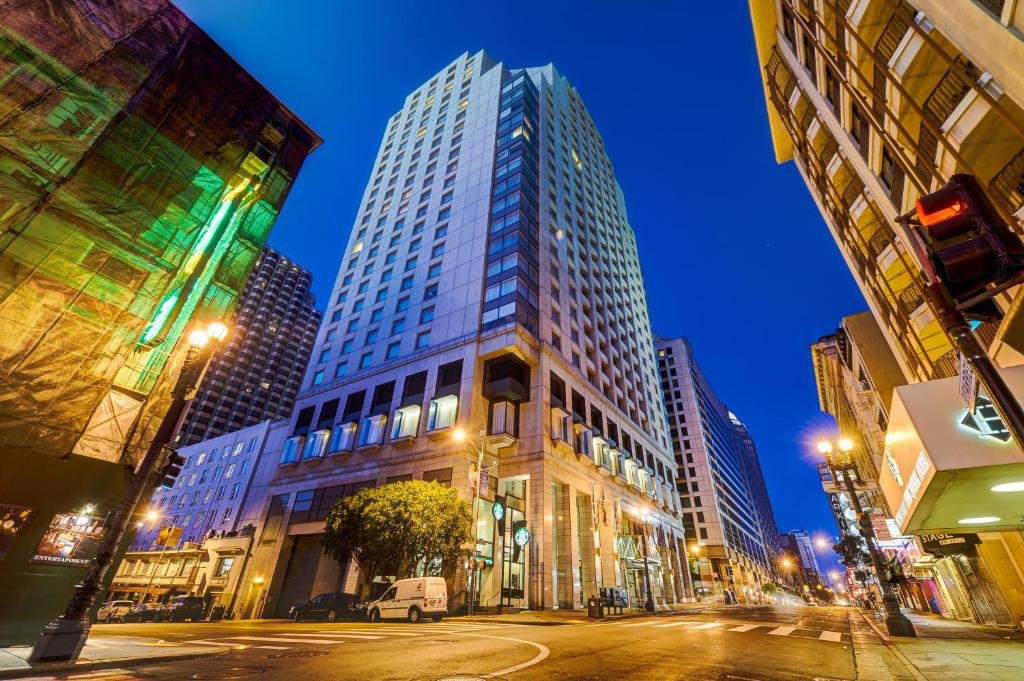
Hotels in San Francisco
Browse all →





At a Glance
- Lively
- Trendy
- Casual Hangout
- Late Night
- Group Dining
Current opening hours
- Monday
- 10 AM–1 AM
- Tuesday
- 10 AM–1 AM
- Wednesday
- 10 AM–1 AM
- Thursday
- 10 AM–1 AM
- Friday
- 10 AM–2 AM
- Saturday
- 10 AM–2 AM
- Sunday
- 10 AM–1 AM
Hours can change for holidays and private events. Last verified .
Casual and energetic atmosphere suited for quick, flavorful meals.