Our verdict
Positioned in the mid-range tier below destination restaurants like Rozbrat 20 or hub.praga, it represents the kind of locally rooted café-restaurant format that Warsaw's residential corridors do quietly well.

Pearl is the En Primeur Club membership app — saves, bookings, and concierge access live there. Same editors, same standards.
- Address
- Puławska 53, 02-508 Warszawa, Poland
- Phone
- +48884808773
- Hours
- Mon–Wed 12–10 PMThu 12–11 PMFri 12 PM–12 AMSat 10 AM–12 AMSun 10 AM–9 PM
- Website
- cafemozaika.pl
- Directions
- Get directions
- Booking
- Book on the venue's website
The menu
What to order
- Warsaw-style tartare
- Pierogi
- Soup
- Ravioli
- Fresh mussels
- Potato pancakes
That neighbourhood dynamic matters when reading the room. Warsaw's dining scene has spent the past decade bifurcating between internationally oriented tasting-menu restaurants and a quieter tier of café-restaurants that serve the city's actual daily rhythm. Places like alewino, which has built a loyal following around Modern Polish cooking at an accessible price point, or Baken, which occupies a similar mid-register slot, show that the more durable part of Warsaw's food culture often lives below the headline tier. Café Mozaika fits within that current.
The Physical Container
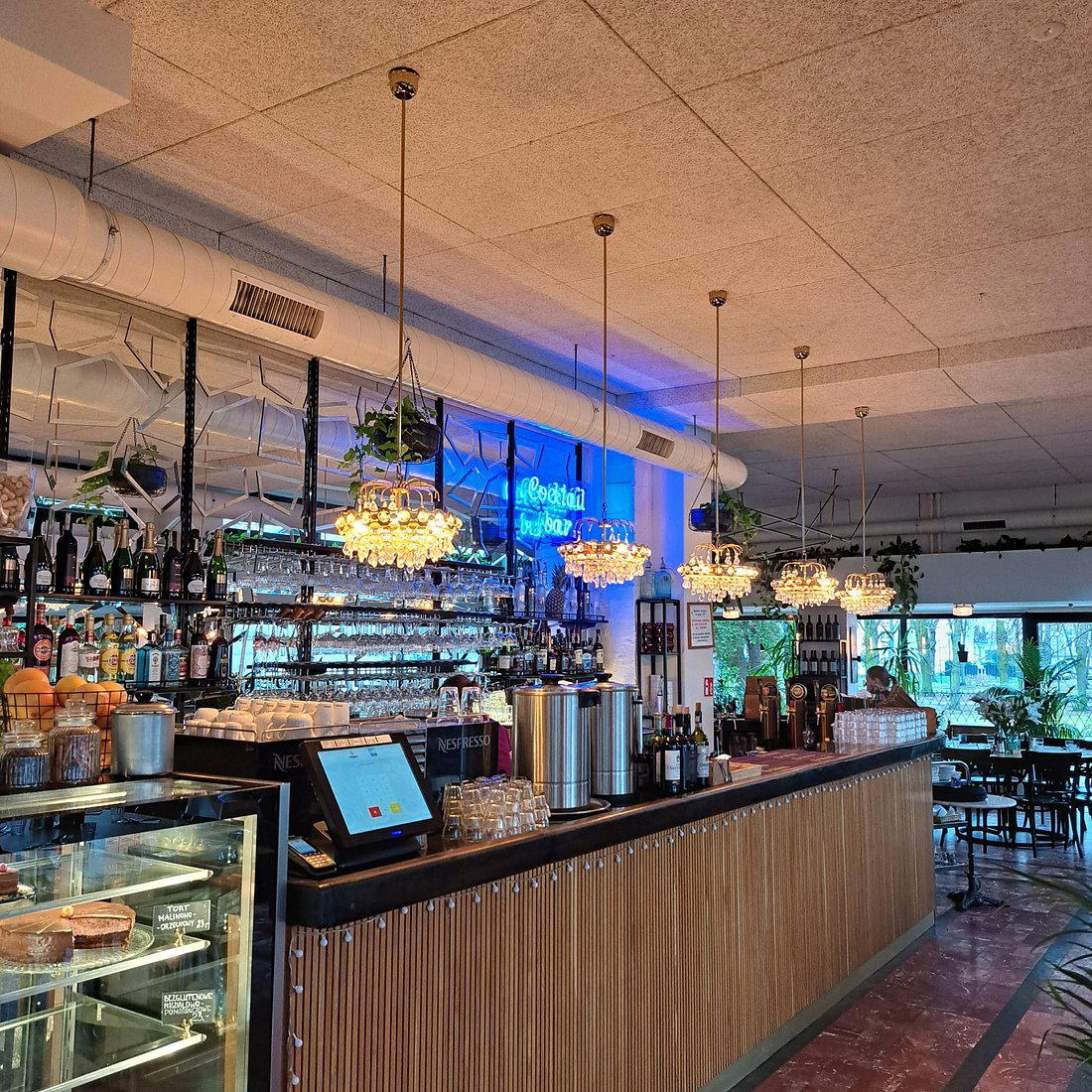
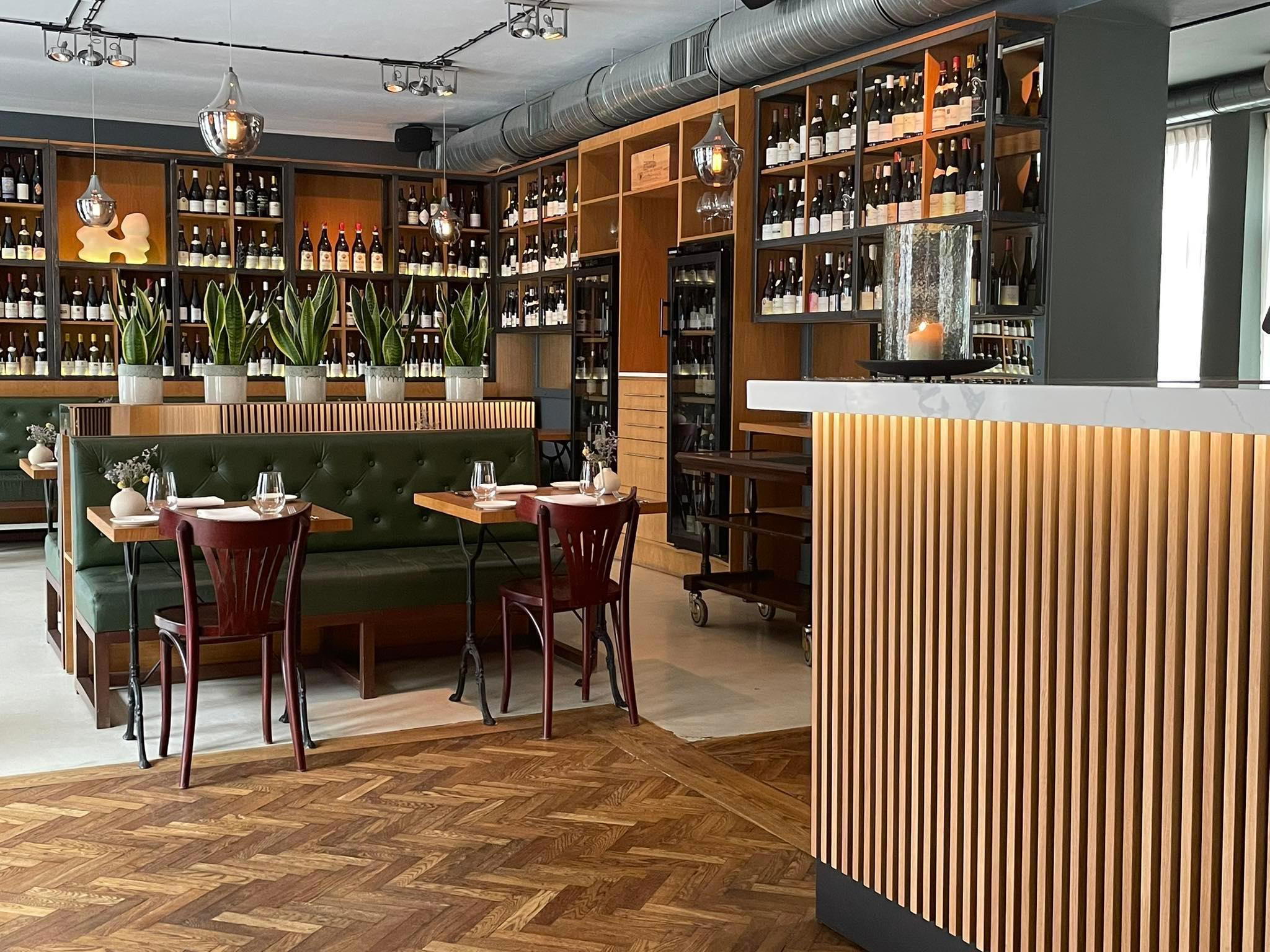
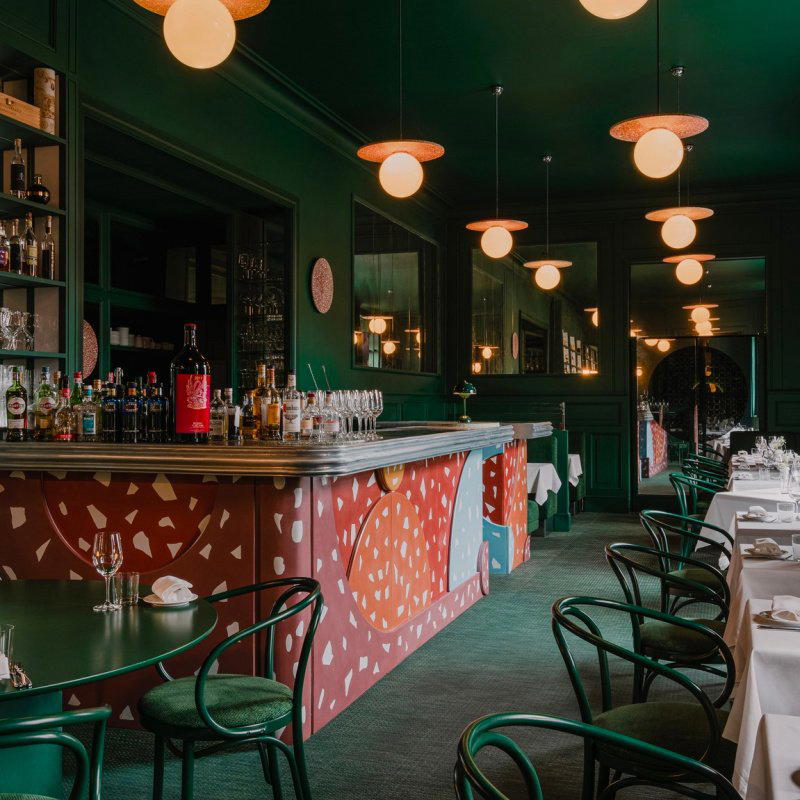
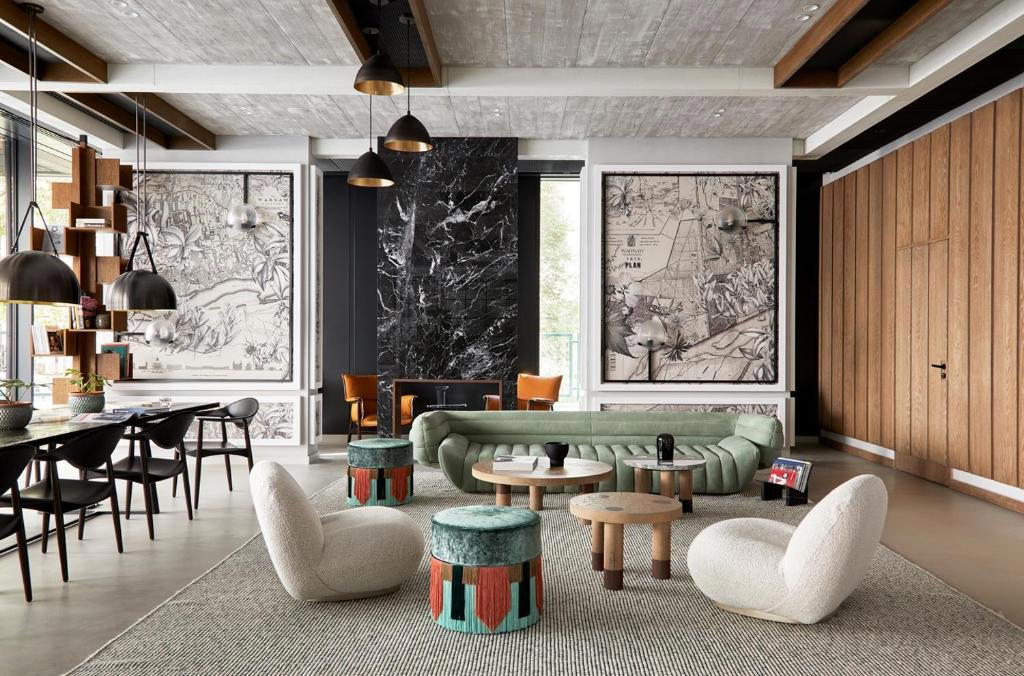
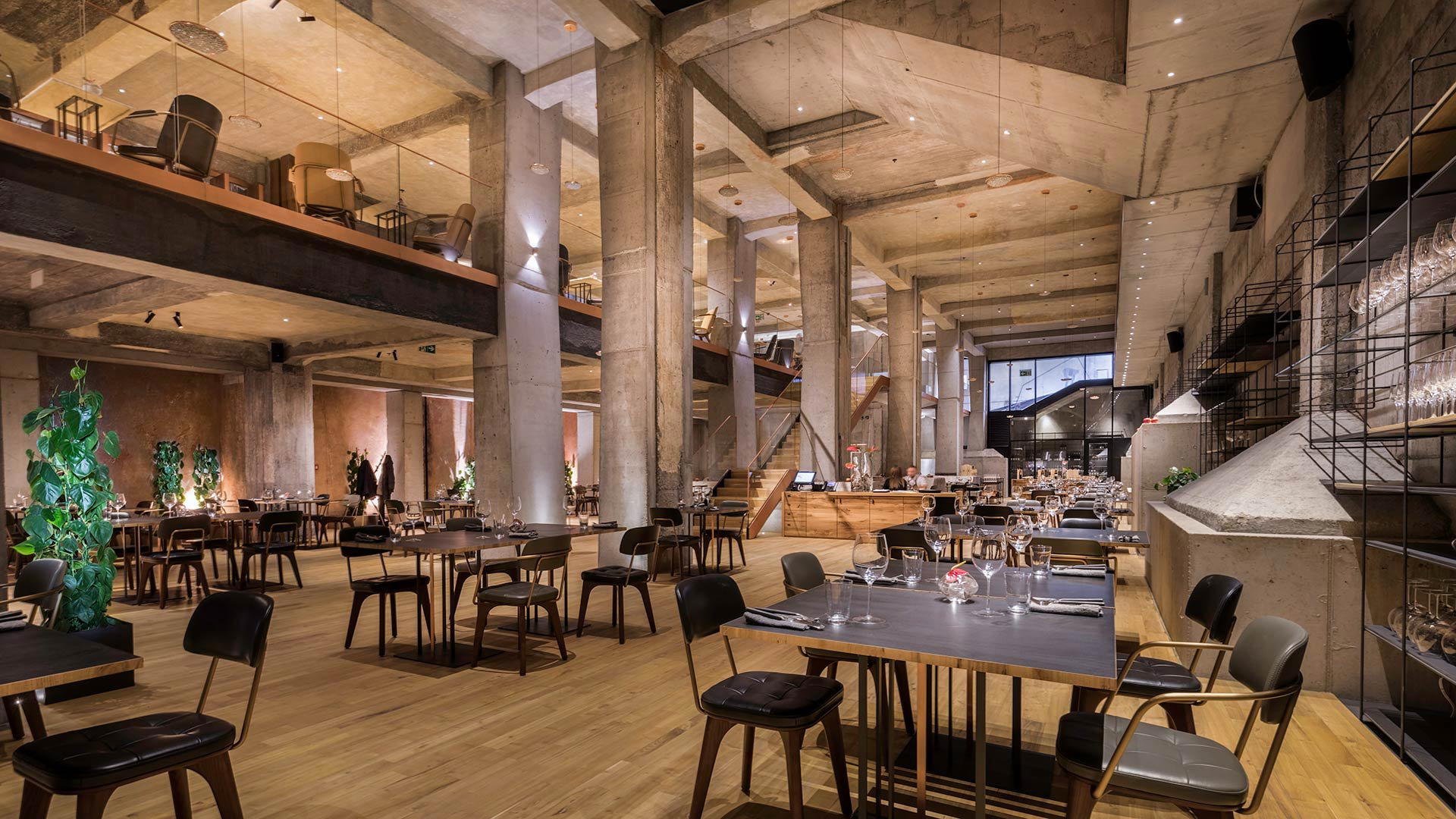
Warsaw café-restaurants in the Mokotów belt tend to share certain spatial instincts: interiors that favour warmth over statement, materials that age gracefully rather than announce a design budget, and seating arrangements built for conversations that run past a second coffee. The café format itself carries architectural implications. Unlike the open-kitchen theatre that defines places such as hub.praga or the spare modernism of Rozbrat 20, the traditional Central European café privileges enclosure: smaller tables, surfaces that absorb ambient noise, a layout where the room feels inhabited rather than staged.
That design logic is worth dwelling on because it shapes the entire experience. Spaces built for lingering rather than turning tables operate on a different social contract with their guests. The furniture does not push you toward the exit. The acoustics allow conversation without effort. What arrives at the table is read against that physical backdrop, and a dish that would feel ordinary in a louder, more transactional room often registers differently when the space itself signals that time is available.
Warsaw has several examples of this format functioning at a high level.enprimeurclub.com/restaurants/bottiglieria-1881-restaurant-krakw-restaurant">Bottiglieria 1881 occupied similar cultural ground, to the current generation of neighbourhood anchors appearing in cities like Poznań and Wrocław.
Where It Sits in Warsaw's Dining Tiers
Understanding what Café Mozaika is requires some calibration of Warsaw's price and ambition tiers. At the upper end of the city's restaurant market, places like NUTA are making the case for Warsaw as a creative-cuisine destination with reference points closer to Copenhagen or Amsterdam than to the Central European café tradition. The mid-tier, where Café Mozaika operates, competes on different terms: consistency, atmosphere, and value relative to the neighbourhood rather than reputation relative to the city.
That competitive set includes the accessible end of Modern Polish cooking, casual European café formats, and what might broadly be called the Mokotów regulars: places where the clientele is local, the reservation pressure is lower than in the centre, and the pitch is comfort rather than spectacle. For visitors accustomed to the tasting-menu circuit — the kind of experience served at Le Bernardin in New York or Lazy Bear in San Francisco — this tier requires a deliberate gear change. The reward, when a neighbourhood restaurant delivers, is something those higher-register rooms cannot replicate: the feeling of eating where people actually live. Arco by Paco Pérez in Gdańsk and Ariel in Kraków both show that Polish dining culture is capable of holding multiple registers simultaneously, from the internationally ambitious to the rooted and local. Bar Przystań in Sopot and Luneta & Lorneta Bistro Club in Ciekocinko extend that picture further, demonstrating that the neighbourhood café-restaurant is not a Warsaw-specific phenomenon but a format with genuine traction across the country. For a full picture of where Café Mozaika sits within the capital's options, our full Warsaw restaurants guide maps the broader field. The address puts it closer to the Wilanowska metro station than to the central Centrum stops, which is worth factoring in if you are combining the visit with other parts of the city. For context on timing: Warsaw's café-restaurant tier generally operates continuously through the day rather than splitting into hard lunch and dinner seatings, which makes Mozaika the kind of address suited to a late-afternoon visit as readily as an evening meal.enprimeurclub.com/restaurants/nare-sushi-skrzewo-restaurant">Nare Sushi in Skórzewo and Giewont in Kościelisko represent the variety available beyond the capital for those extending their trip.
Frequently asked questions
What's the address for Café Mozaika?
Café Mozaika is located at Puławska 53, 02-508 Warszawa, Poland, Warsaw.
How does Café Mozaika compare to Warsaw's central dining scene?
Café Mozaika sits on Puławska 53 in Mokotów, a district that draws residents rather than tourists and operates outside the price pressure of Warsaw's centre. That distinction is the point: Puławska sets its own pace.
What should I eat at Café Mozaika?
Given its position as a neighbourhood café-restaurant on Puławska 53 in Mokotów, the offer is likely calibrated to the area's mid-register dining habits rather than a formal tasting format.
Is Café Mozaika reservation-only?
No booking policy is documented for Café Mozaika. Mokotów café-restaurants at this address tier on Puławska typically accept walk-ins, though weekend evenings in Warsaw's southern neighbourhoods can fill quickly. Contacting the venue directly before a visit is advisable if you have a fixed time in mind.
Compact Comparison
| Venue | Cuisine | Price | Awards | Notes |
|---|---|---|---|---|
| Café MozaikaThis venue — the venue you are viewing | Polish & Mediterranean | $20–30 | Not listed | Not listed |
| Rozbrat 20 | Modern Polish Fine Dining | $100–150 | 1 Michelin Star · Star Wine List | Modern European, Modern Cuisine |
| alewino | Seasonal Polish Wine Bistro | $30–50 | Michelin Plate · Star Wine List | Modern Polish, Traditional Cuisine |
| Bez Gwiazdek | Modern Polish Regional | $200–300 | Michelin Plate · Star Wine List | Modern Polish, Modern Cuisine |
| Butchery & Wine | Modern Steakhouse | $50–100 | Michelin Plate · Star Wine List | Bistro, Meats and Grills |
| hub.praga | Modern Polish Fine Dining | $100–150 | 1 Michelin Star · Star Wine List | Modern Cuisine |
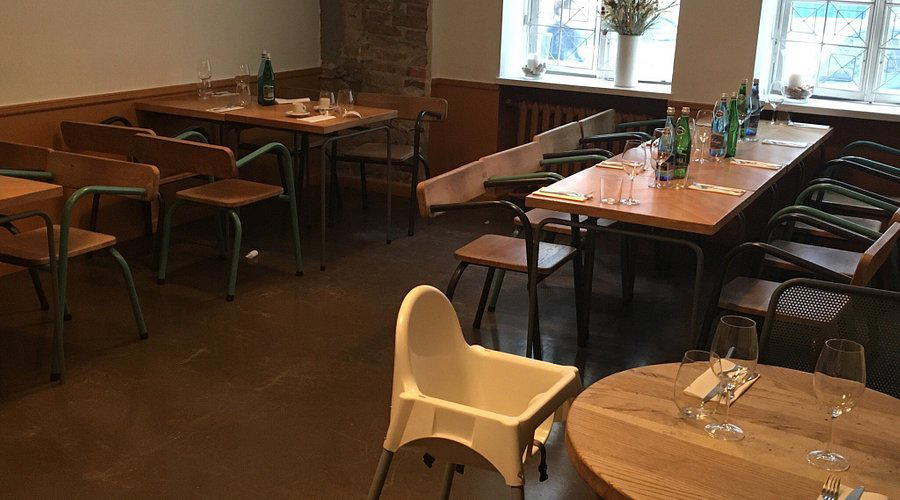
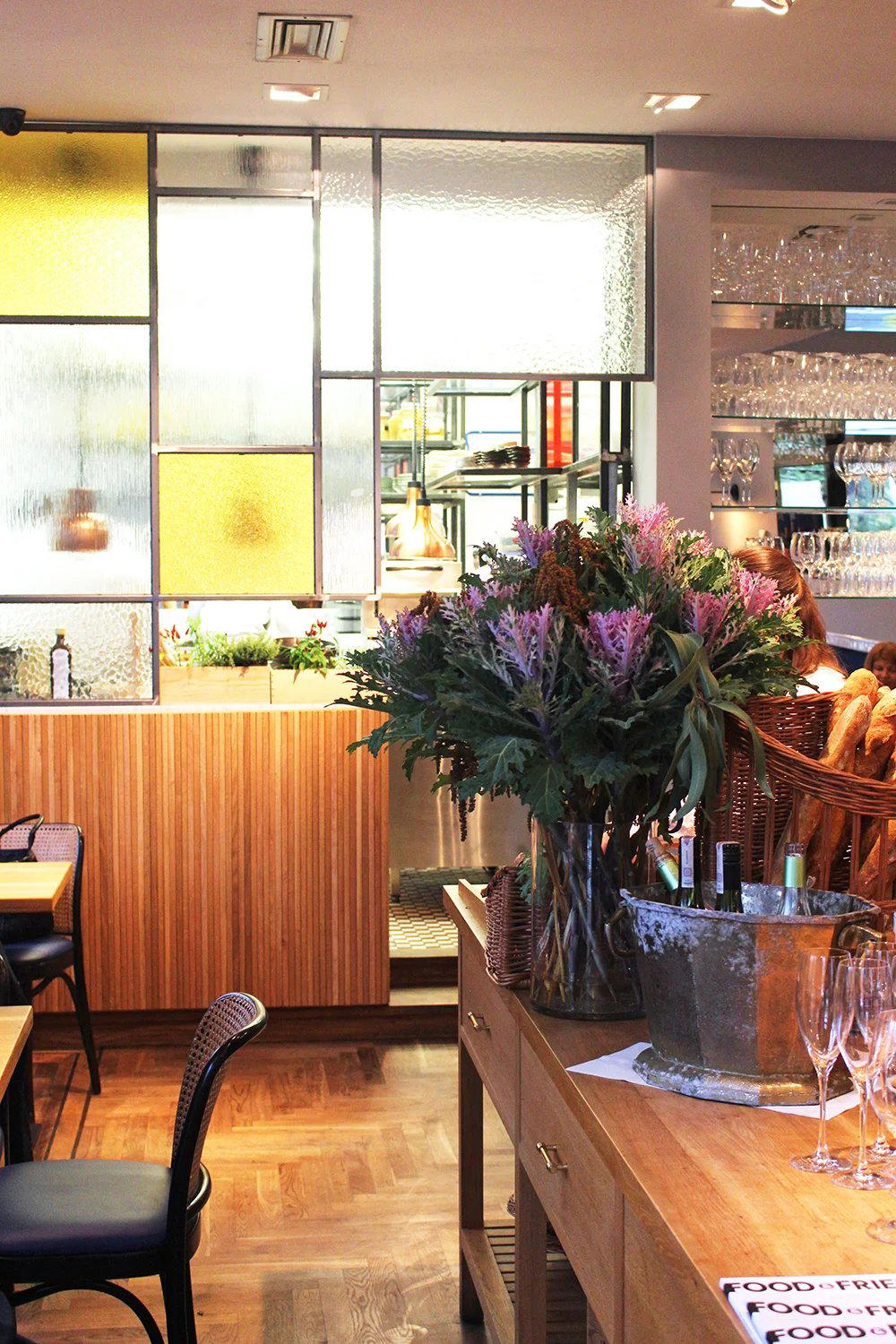
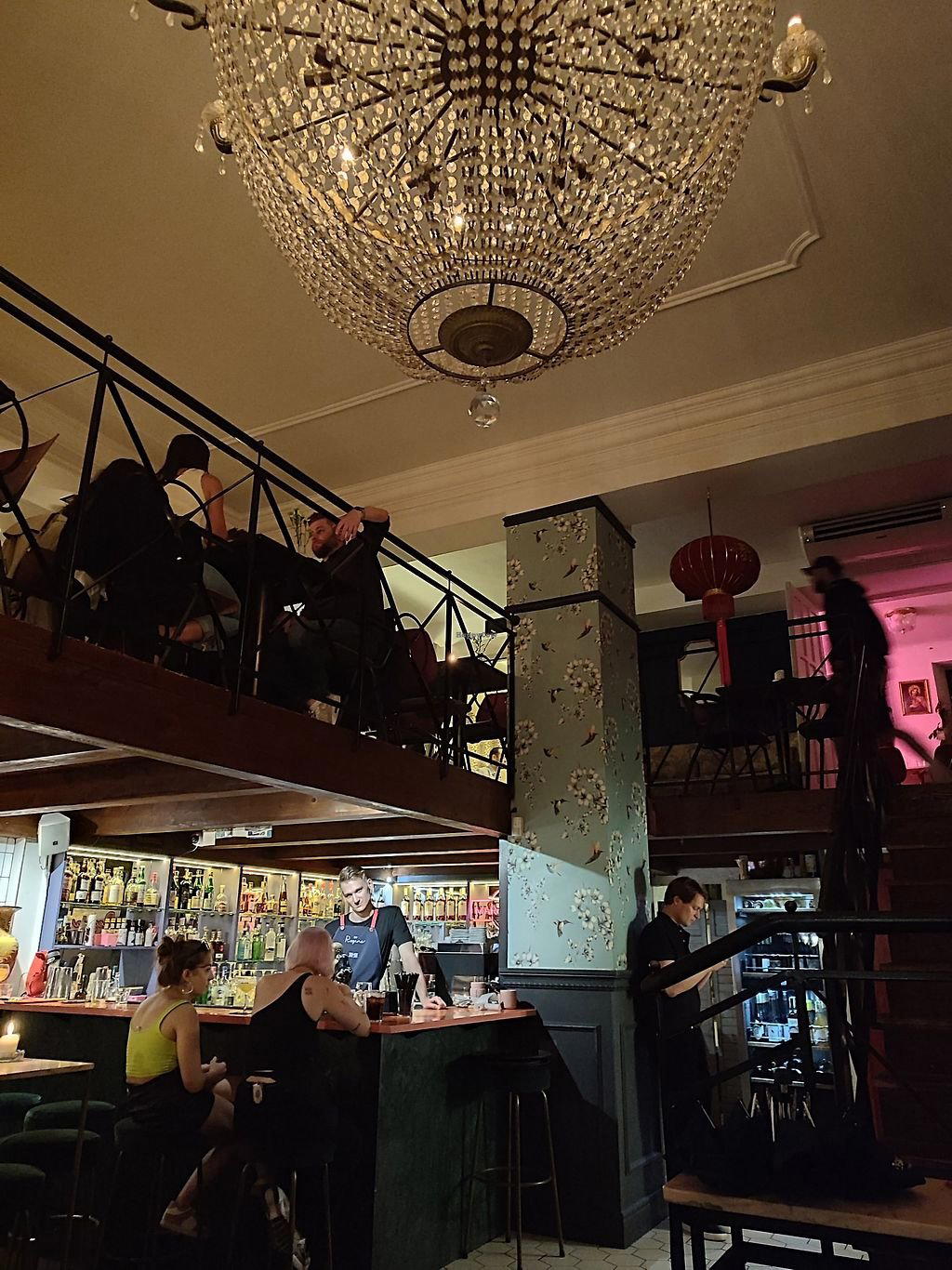
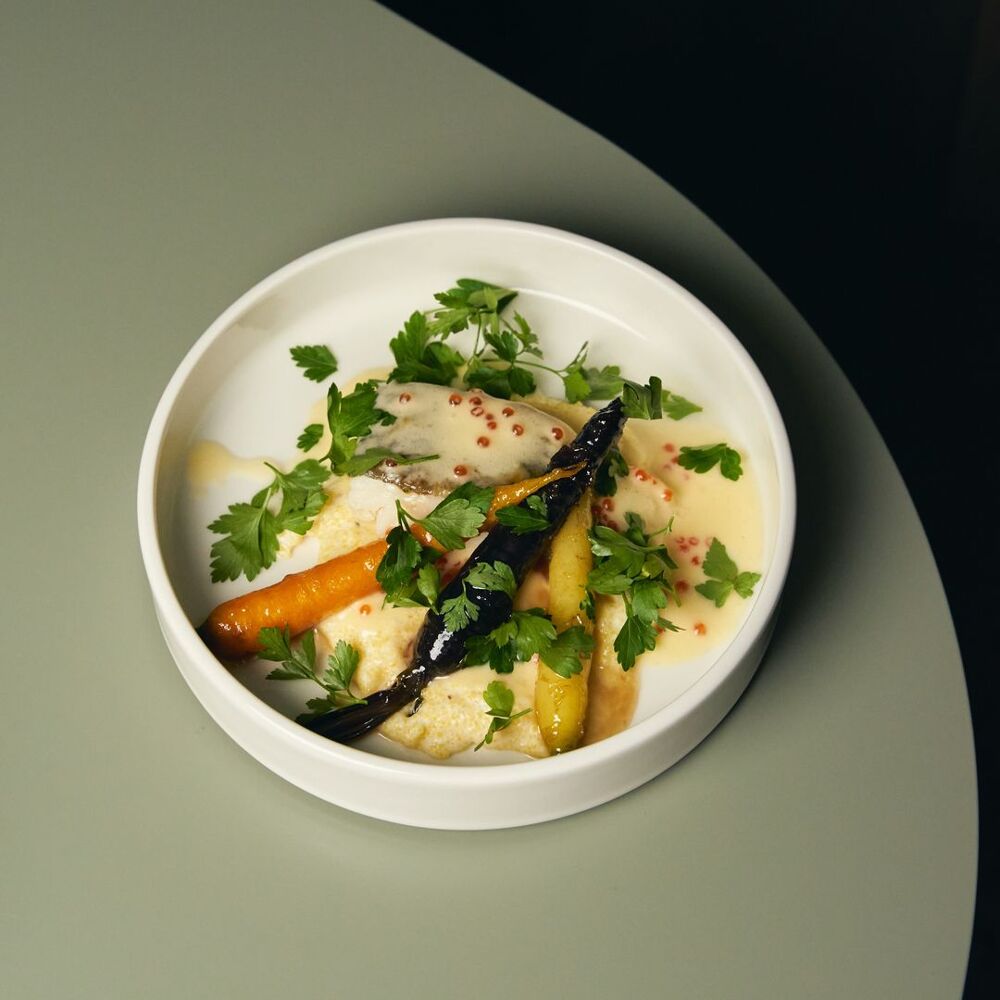
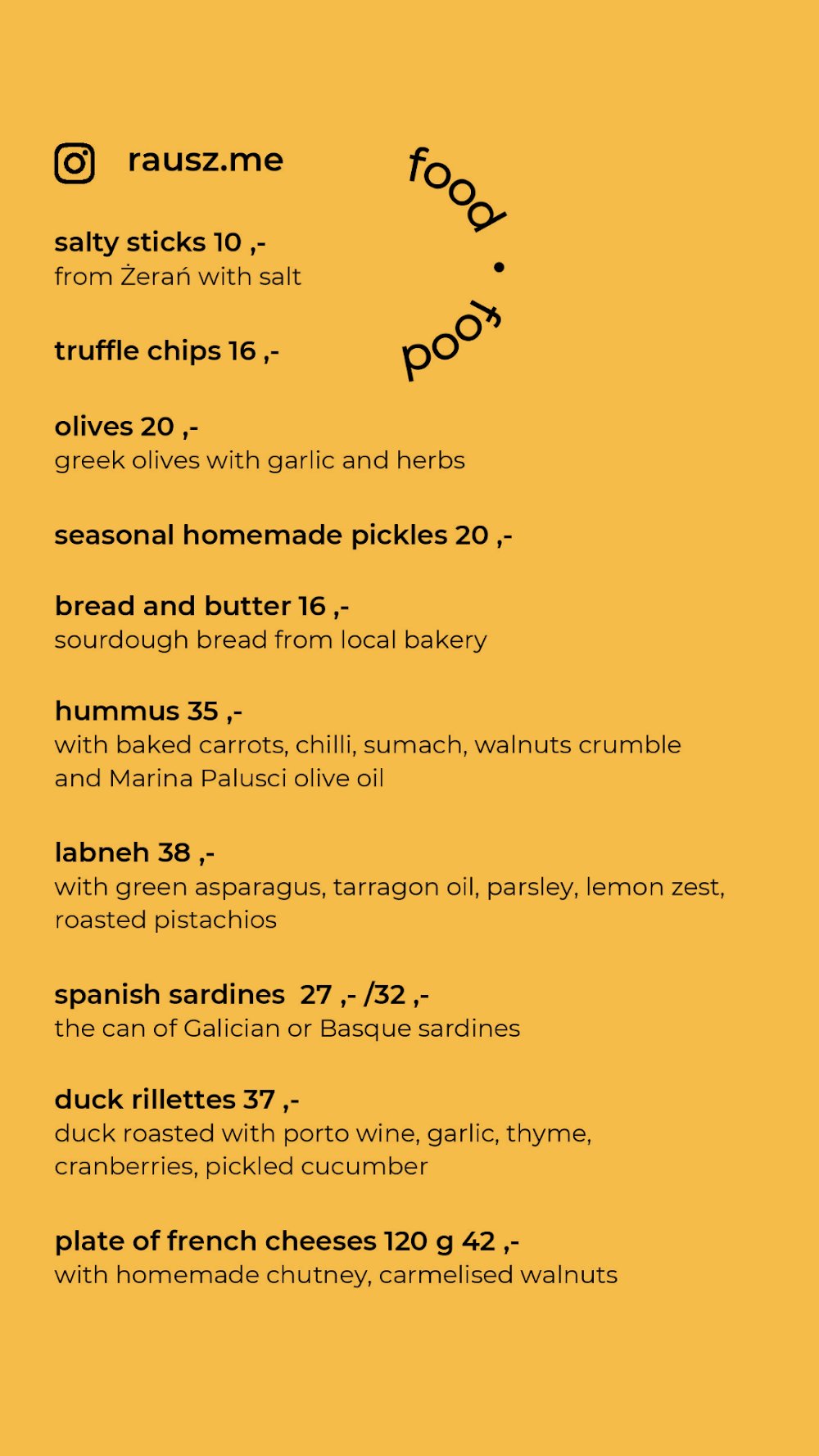
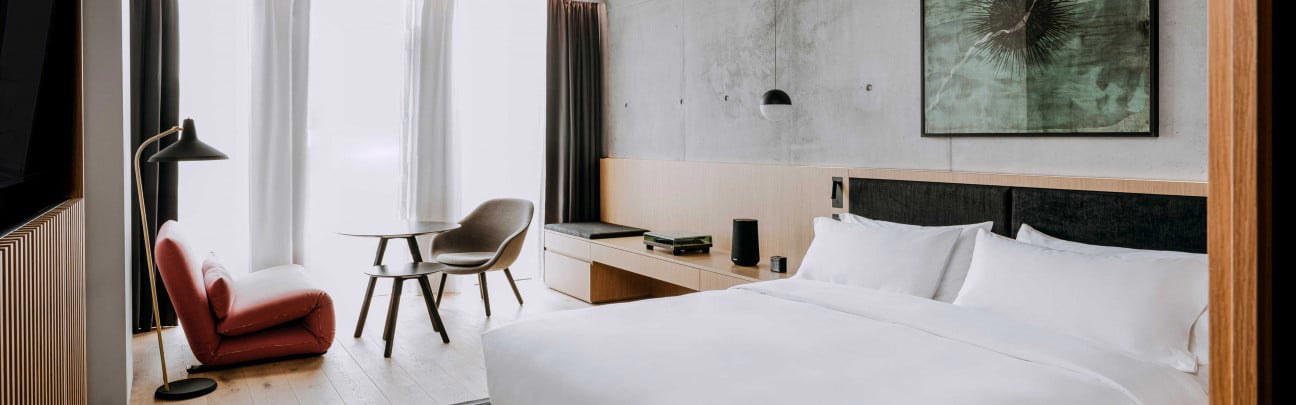
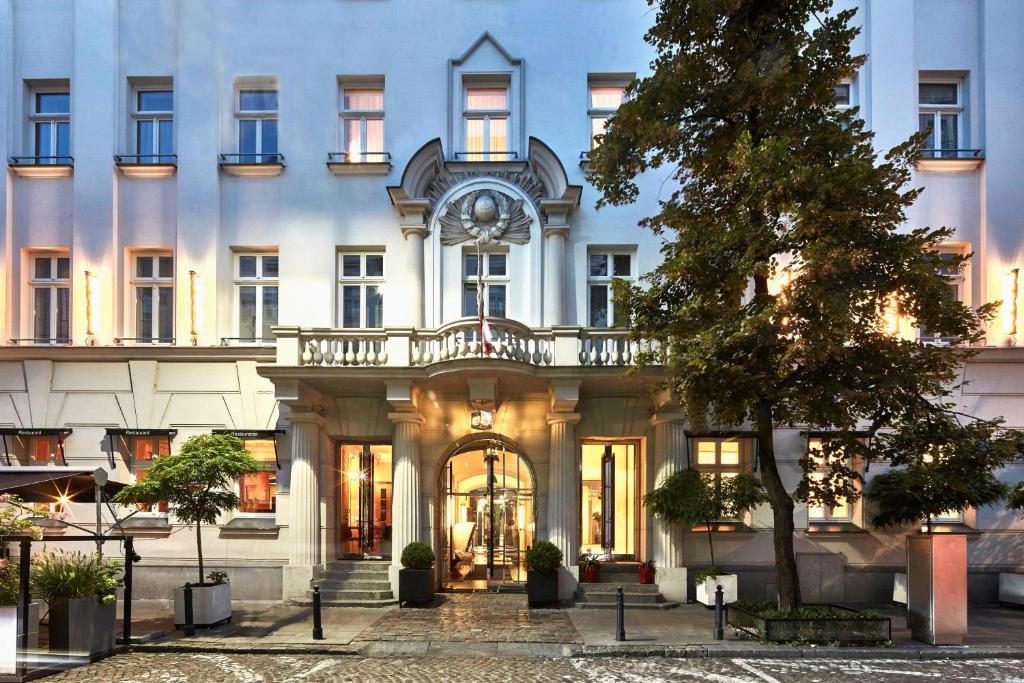
Café Mozaika
The wine
- Wine program
- Curated wine list
- Craft cocktails
- Beer program
Details
- Well Known
- Lively
- Bohemian
- Classic
- Casual Hangout
- Group Dining
- After Work
- Late Night
- Live Music
- Standalone
- Historic Building
- Craft Cocktails
- Beer Program
- A La Carte
- Family Style
- Craft Cocktails
- Wine
- Beer
- Vegetarian Friendly
Current opening hours
- Monday
- 12–10 PM
- Tuesday
- 12–10 PM
- Wednesday
- 12–10 PM
- Thursday
- 12–11 PM
- Friday
- 12 PM–12 AM
- Saturday
- 10 AM–12 AM
- Sunday
- 10 AM–9 PM
Hours can change for holidays and private events. Last verified .
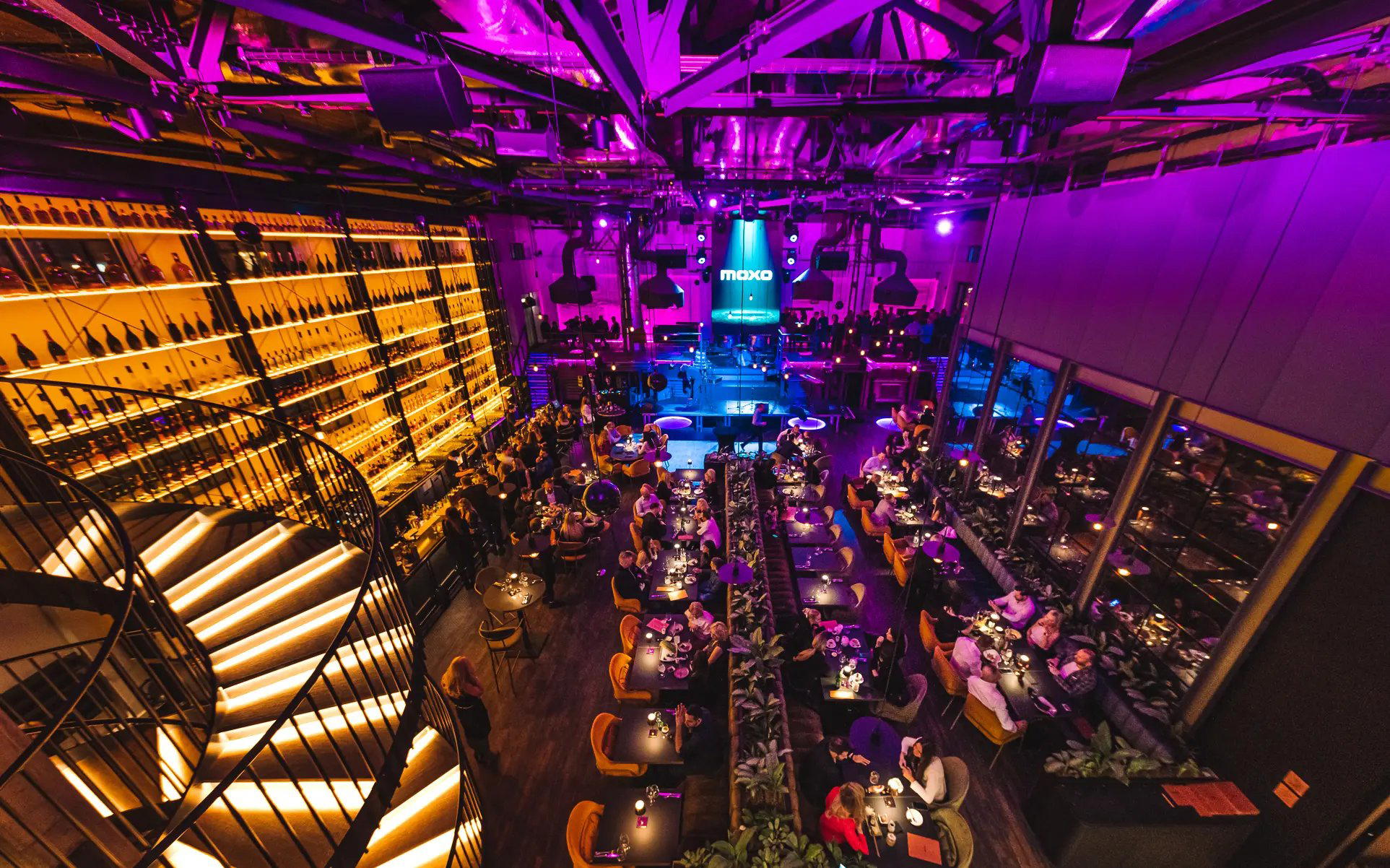
Hip yet welcoming atmosphere with live music, mixing old-school charm with contemporary design; Saturday evenings feature dancing and a lively social scene.