Piccola Italia occupies a residential stretch of Ochota in Warsaw, bringing a focused Italian kitchen to a neighbourhood that sits well outside the city's main dining circuit. The address on ul. 1 Sierpnia places it among local regulars rather than passing tourists, and that insularity tends to shape both the menu priorities and the room's atmosphere. For Warsaw's Italian dining tier, it operates at the more accessible end of the market.
Pearl is the En Primeur Club membership app — saves, bookings, and concierge access live there. Same editors, same standards.
- Address
- 1 Sierpnia 46, 02-134 Warszawa, Poland
- Phone
- +48694352323
- Website
- piccolaitalia.pl
- Directions
- Get directions
 Saves & bookings on Pearl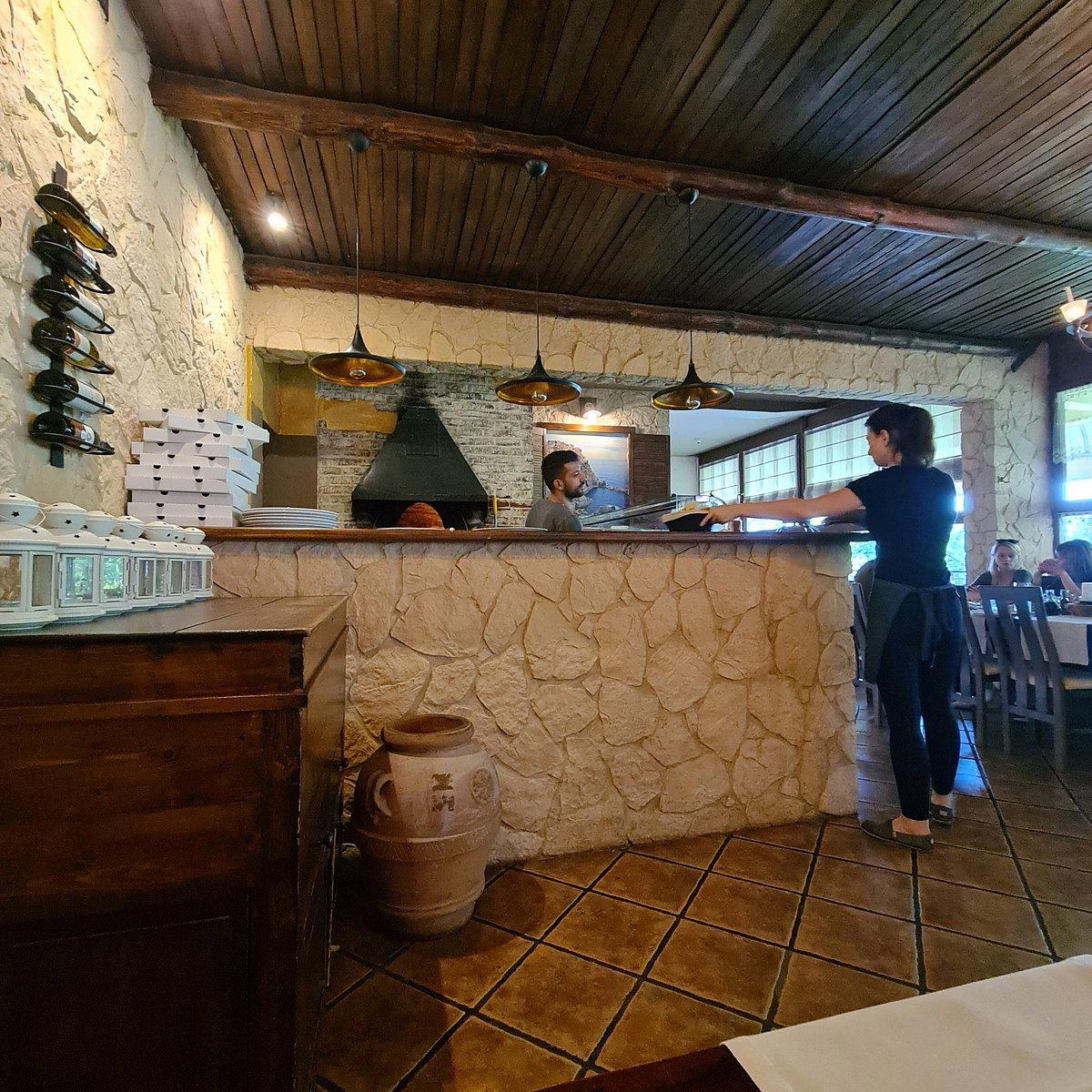
Italian Cooking in a Warsaw Neighbourhood That Doesn't Perform for Tourists
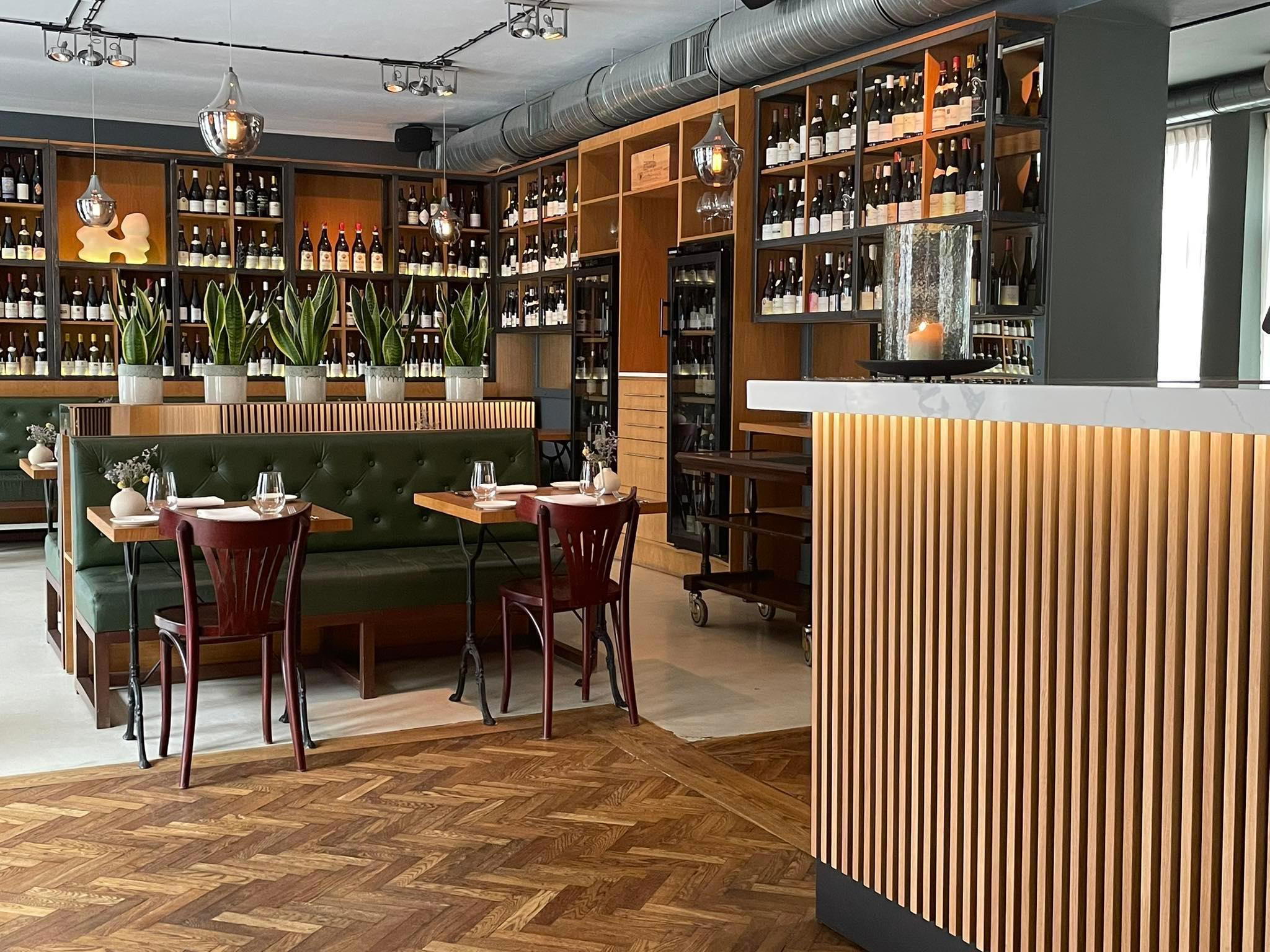
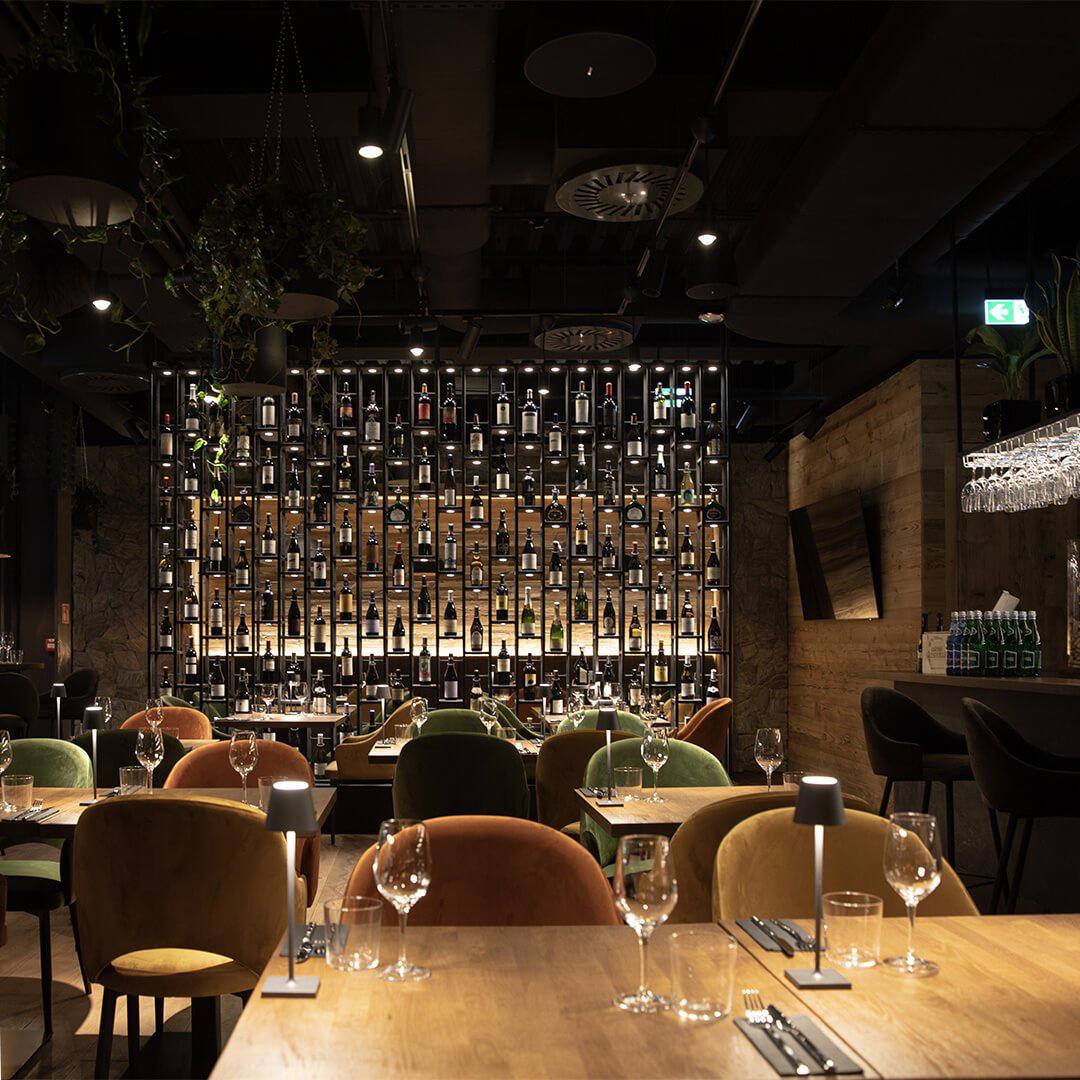
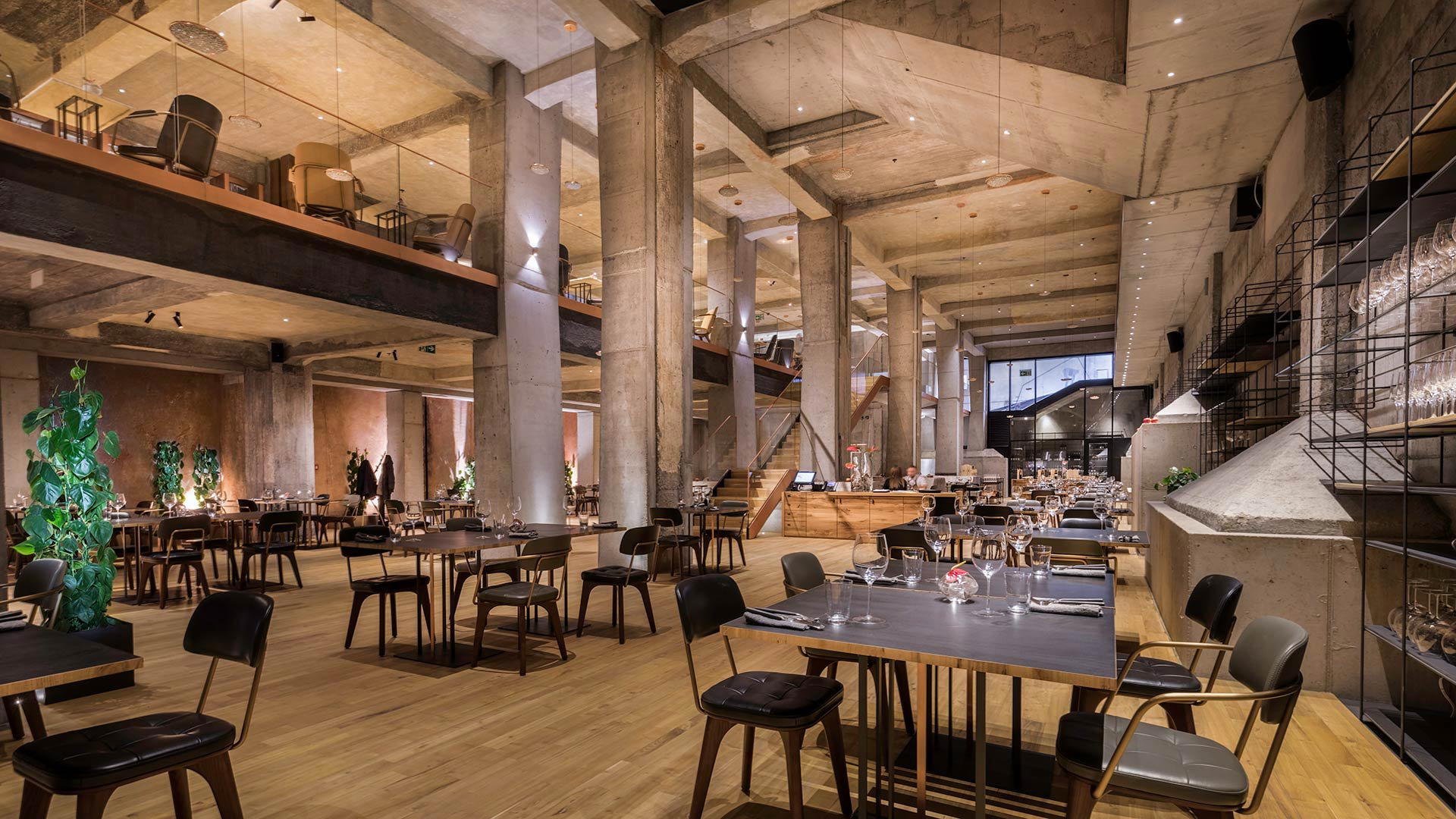
Warsaw's Italian restaurant scene divides roughly into two camps: central addresses that calibrate their menus toward visitors and expense-account lunches, and neighbourhood spots in districts like Ochota and Mokotów that operate on repeat-customer logic. Piccola Italia, at ul. 1 Sierpnia 46 in the Ochota district, belongs firmly to the second group. The street is residential in character, the foot traffic is local, and the room reflects that: no theatre, no elaborate design intervention, just the premise that the food should justify a return visit on its own terms.
That positioning matters for Italian cooking in Poland specifically. The category has expanded considerably in Warsaw over the past decade, moving from generic trattoria formats toward restaurants that take sourcing and regional specificity seriously. The question worth asking of any Italian kitchen operating in Poland is where the supply chain actually runs. Fresh pasta, cured meats, and aged cheeses sourced from Italian producers carry a different cost structure than locally approximated versions, and that difference tends to show up both on the plate and in the price point. Piccola Italia's address in a mid-density residential neighbourhood suggests it operates at an accessible price level, which in turn shapes what sourcing expectations are reasonable to hold.
Where the Ingredients Come From, and Why It Shapes the Menu
Italian regional cooking, at its core, is an argument about provenance. A carbonara made with guanciale from Lazio tastes categorically different from one built on substituted pork products. The same principle applies to San Marzano tomatoes versus generic tinned varieties, to Parmigiano-Reggiano DOP versus aged Polish yellow cheese, to 00-milled flour versus all-purpose alternatives. Warsaw's better Italian kitchens have spent the last several years making these distinctions legible to local diners, which has gradually raised the baseline expectation across the category.
For neighbourhood-tier Italian restaurants in Polish cities, the practical sourcing reality is a mix: some Italian imports for high-visibility ingredients, local dairy and produce for the rest. This isn't a failure of ambition so much as an economic reality of operating outside a major Italian-food distribution hub. Kraków's Bottiglieria 1881 Restaurant and Gdańsk's Arco by Paco Pérez operate at price points that absorb premium import costs; a neighbourhood restaurant in Ochota prices differently and sources accordingly. Understanding that hierarchy helps calibrate what you should expect from any given address.
What typically distinguishes the more committed operators at Piccola Italia's neighbourhood tier is attention to pasta and dough work, where technique compensates for supply-chain limitations. Fresh pasta made daily, bread baked in-house, and sauces built from properly reduced stocks are the markers to look for. These elements are labour-intensive rather than import-dependent, and they're where a skilled kitchen separates itself from a mediocre one regardless of price bracket.
The Ochota Context and What It Means for the Room
Ochota is one of Warsaw's older residential districts, largely rebuilt after wartime destruction but carrying a quieter, less-trafficked character than Śródmieście or the increasingly gentrified Praga across the river. Restaurants in this part of the city don't benefit from the organic footfall that places like hub.praga or NUTA draw from their more central or trend-adjacent positions. They survive on neighbourhood loyalty, which tends to produce a more settled, less performative dining atmosphere. Tables fill with regulars, service learns names over time, and the menu evolves in response to what the local clientele actually orders rather than what will photograph well for visiting food writers.
For a certain kind of diner, that insularity is the point. Warsaw's more decorated restaurants, including Rozbrat 20 and alewino, operate with a self-consciousness about their position in the city's culinary conversation. A neighbourhood Italian in Ochota operates without that pressure, and the difference shows in the room's temperature. The dining experience at addresses like this one tends to be lower-stakes and more forgiving in the ways that actually matter to a Friday-night dinner.
How Piccola Italia Sits Within Warsaw's Italian Category
Warsaw's Italian dining tier has broadened significantly since the mid-2010s. At the upper end, restaurants with serious wine lists and import-led ingredient programs compete on quality signals that align them with international Italian dining standards. Below that, a mid-tier of trattorias and osterie-style rooms offer solid pasta and pizza at prices accessible to regular dining rather than occasion dining. The restaurant's neighbourhood positioning and accessible price signals place it in that mid-tier, where it competes primarily on consistency and value rather than on sourcing credentials or chef reputation.
That isn't a diminishment. The mid-tier is where most dining actually happens, and a well-run neighbourhood Italian that executes pasta correctly, pours a reasonable house wine, and maintains consistent quality across a season is doing something worth acknowledging. Warsaw also has Italian addresses that nominally occupy this tier but underdeliver on execution; the question for any specific visit is whether the restaurant is among the ones that deliver reliably. For that assessment, local regulars and recent visitor accounts carry more weight than categorical generalisations.
Elsewhere in Poland, the Italian category shows similar stratification. Włoska Restauracja Bellanuna in Rzeszów operates in a comparable neighbourhood-Italian format in a smaller city, while the culinary conversation in Poland's dining scene is also shaped by ambitious non-Italian kitchens like Muga in Poznań and Kwestia Czasu in Białystok, which together map out how far regional Polish dining has travelled in recent years. For Italian specifically, Giewont in Kościelisko demonstrates how the cuisine adapts to different regional settings within the same country.
Planning a Visit
The area is calm in the evenings, which suits the atmosphere of the room.
Comparable Options
Comparable venues nearby, for context on price, style, and recognition.
| Venue | Cuisine | Price | Notes |
|---|---|---|---|
| Piccola ItaliaThis venue — the venue you are viewing | Classic Italian Ristorante Pizzeria | $$ | Not listed |
| Nonna Pizzeria | Neapolitan Pizza | $$ | Srodmiescie |
| Mąka i Woda | Modern Neapolitan Pizza & Handmade Pasta | $$ | Srodmiescie |
| GOŚCINIEC Polskie Pierogi | Traditional Polish Pierogi | $$ | Mariensztat |
| Qchnia Artystyczna | Modern Polish | $$ | Ujazdow |
| Paris Minuit | French Crepes | $$ | Saska Kepa |


At a Glance
- Classic
- Casual Hangout
- Standalone
- Extensive Wine List
Current opening hours
- Monday
- 12–10 PM
- Tuesday
- 12–10 PM
- Wednesday
- 12–10 PM
- Thursday
- 12–10 PM
- Friday
- 12–10 PM
- Saturday
- 12–10 PM
- Sunday
- 12–10 PM
Hours can change for holidays and private events. Last verified .