On Avinguda del Paral·lel in Barcelona's Eixample, Tickets is the Adrià family's most accessible expression of avant-garde Spanish cuisine, a tapas-format counter where theatrical small plates meet a carnival-inflected interior. Daytime and evening services draw different crowds and carry different rhythms, making the choice of when you visit nearly as consequential as whether you do.
- Address
- Avinguda del Paral·lel, 164, Eixample, 08015 Barcelona, Spain
 Saves & bookings on Pearl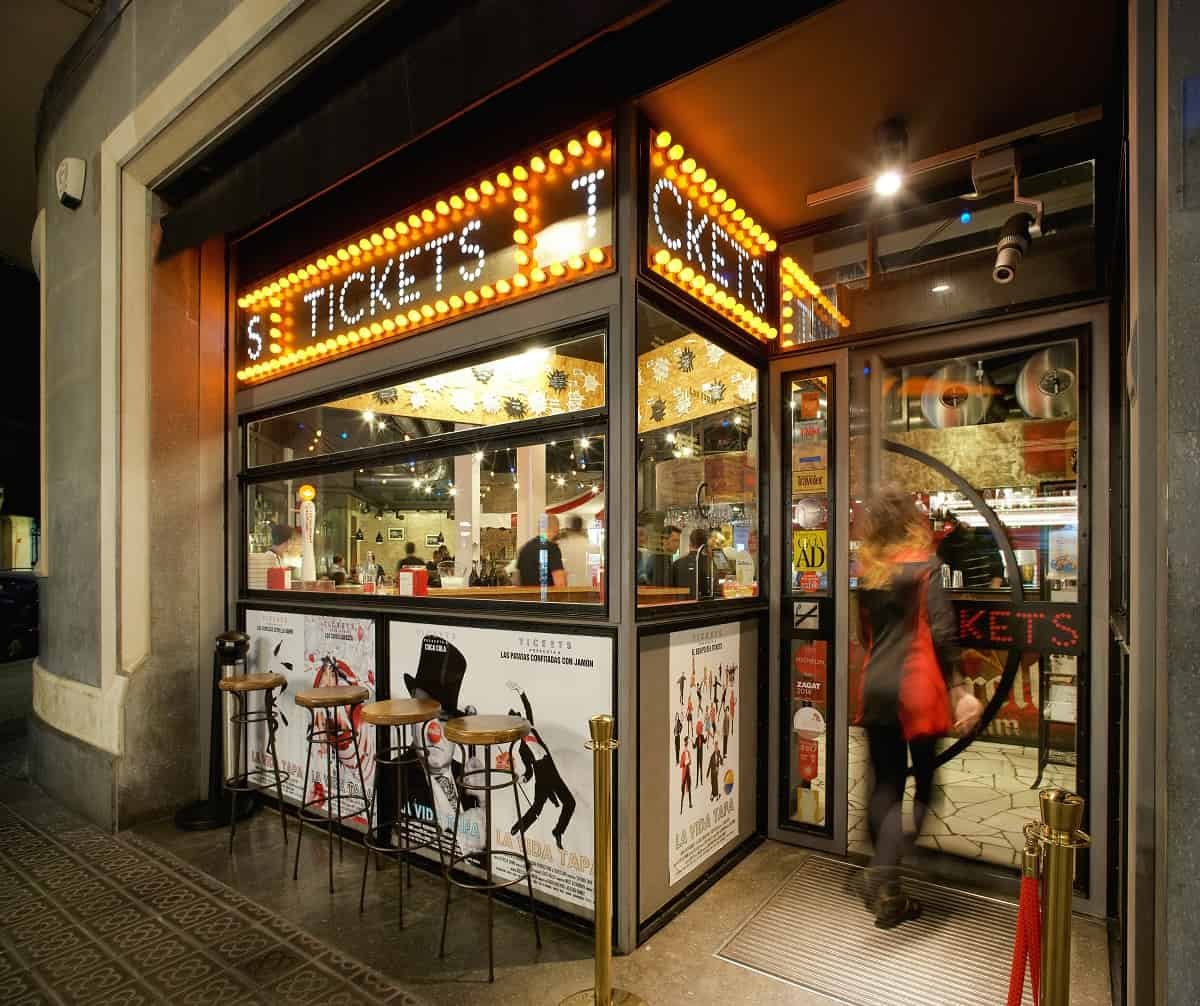
The Room Before the Food
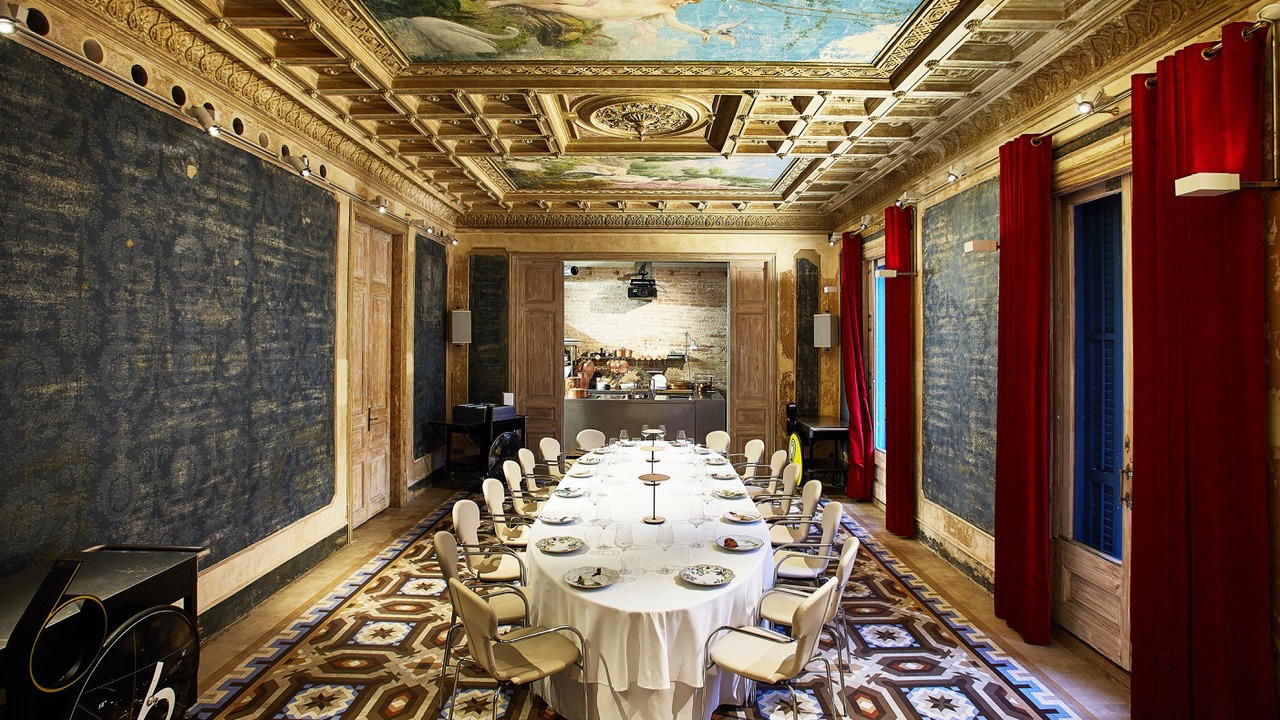
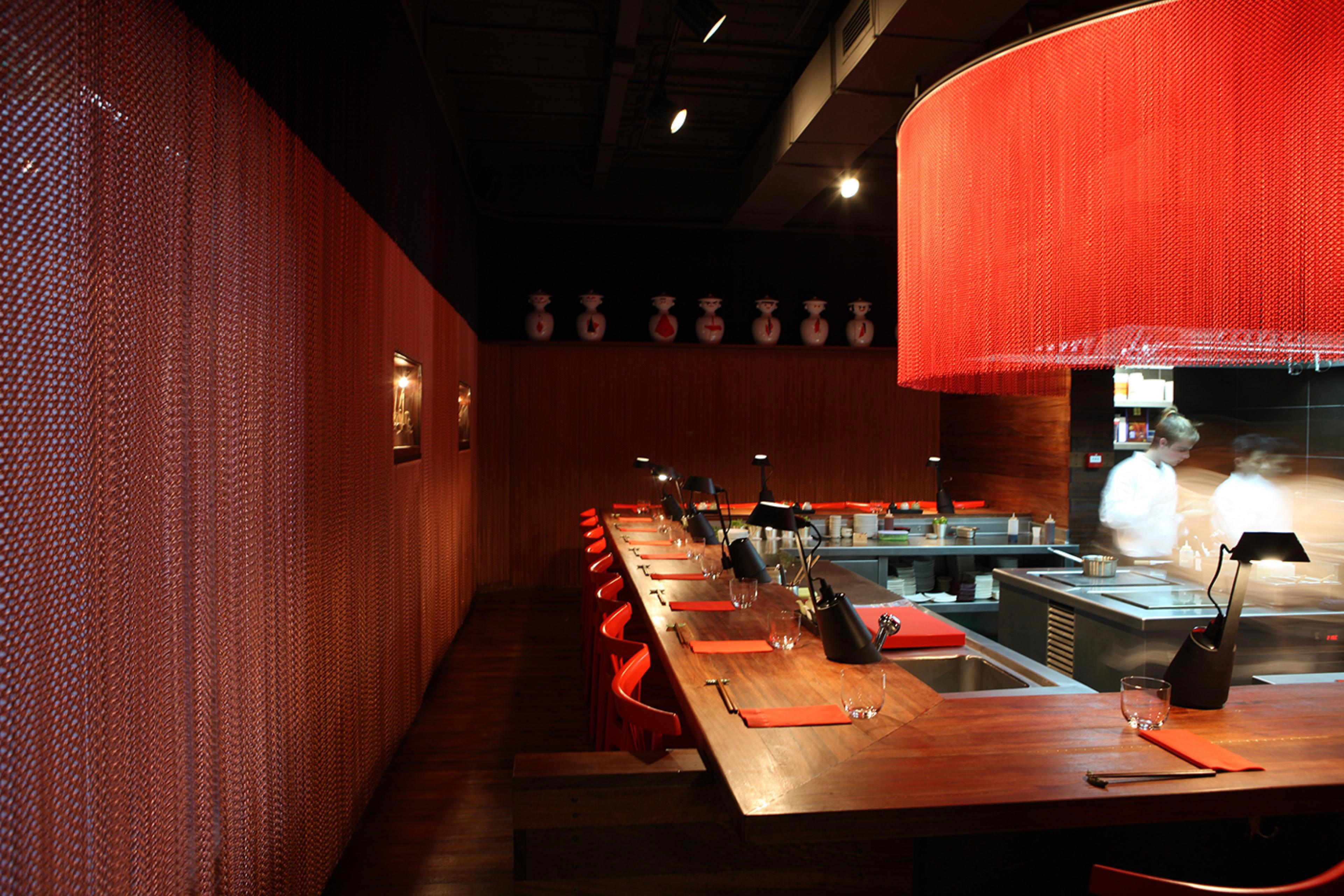
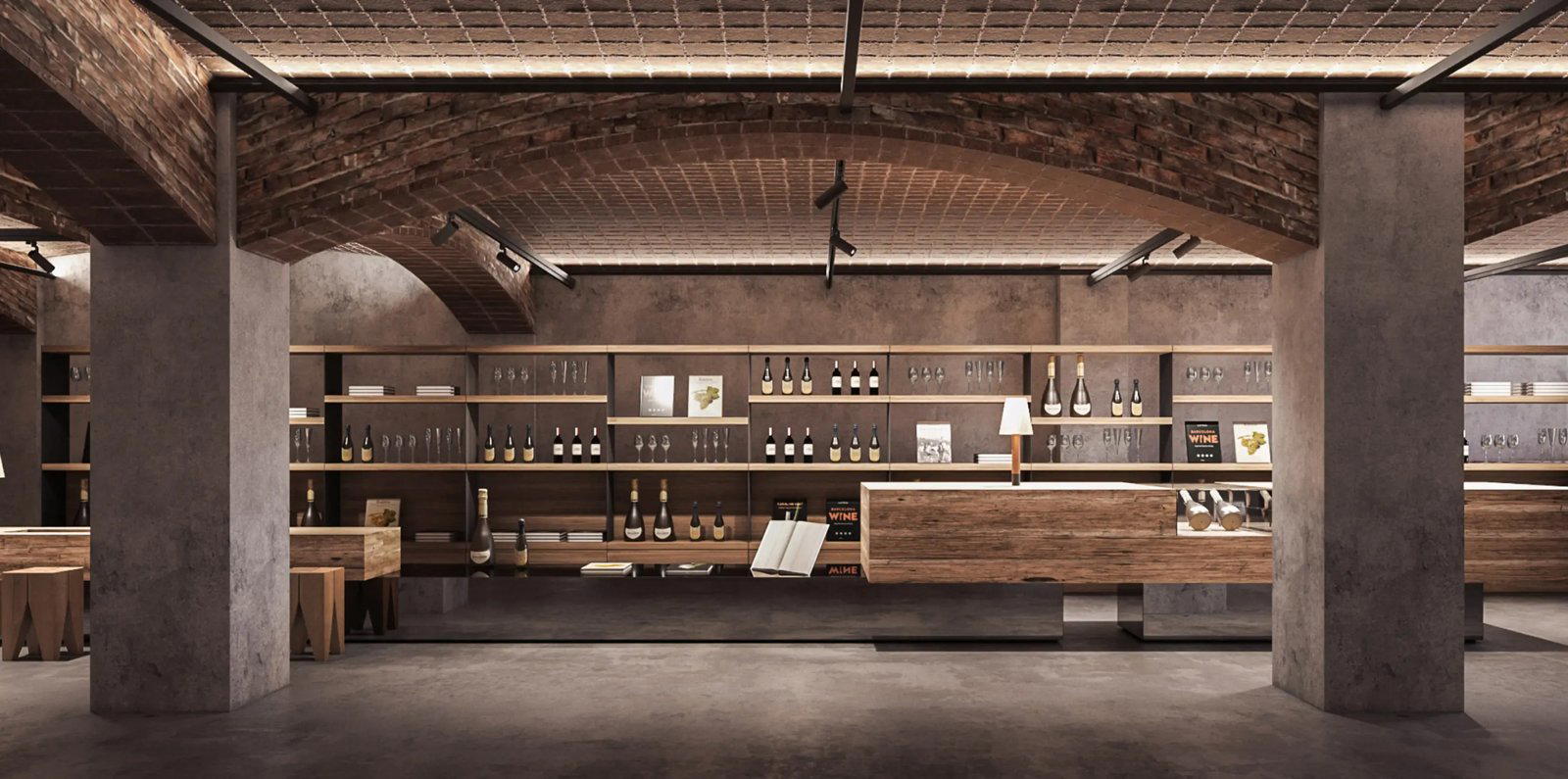
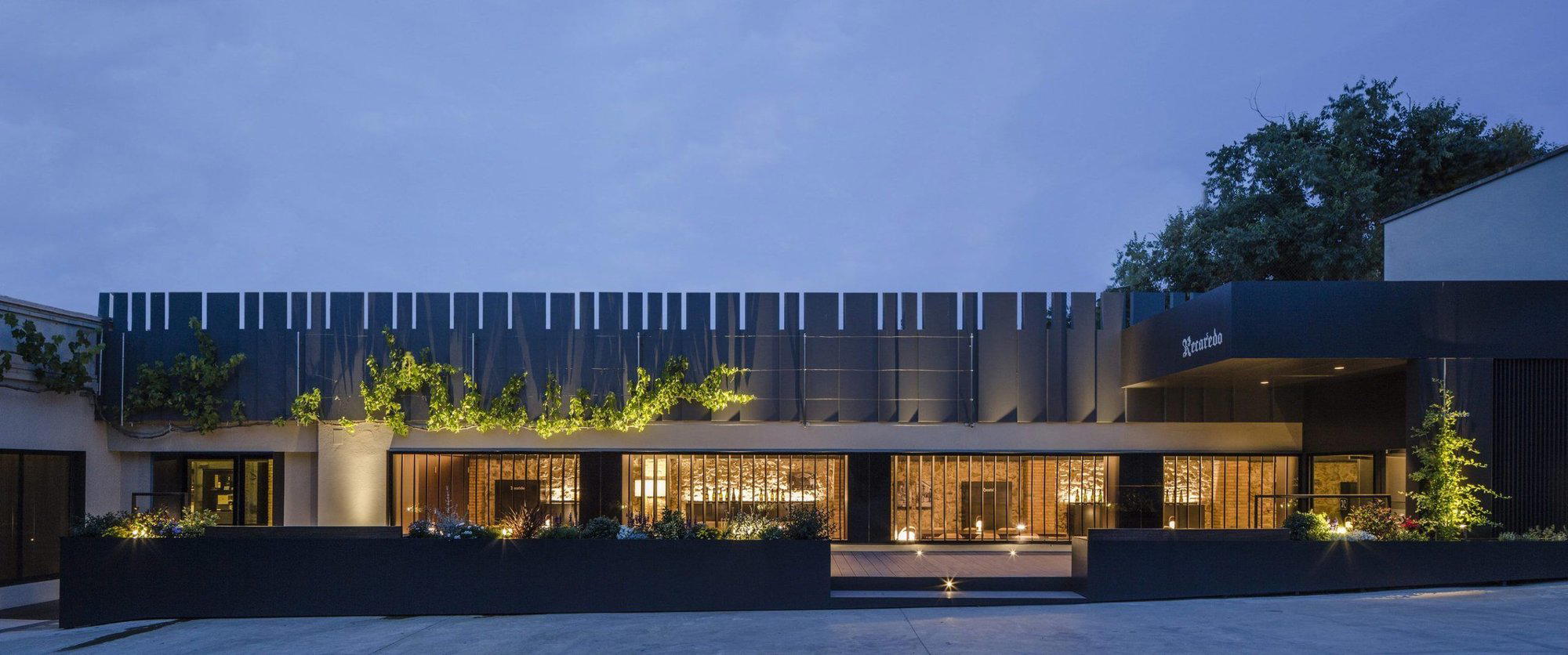
Avinguda del Paral·lel has historically been Barcelona's theatre district, a long arterial street once lined with variety halls and music venues. Tickets occupies a space that reads more like a stage set than a dining room: neon signage, circus references, and a deliberate theatricality that signals, from the moment you arrive, that the format here is not about quiet refinement. It is about spectacle contained within precise technique, a distinction that separates Barcelona's avant-garde tapas scene from the more composed, table-service fine dining that dominates in Madrid or San Sebastián.
Barcelona's tapas culture operates differently from Andalusia's or Madrid's. In a city where bar-format dining has historically meant pintxos counters and vermouth bars (for those, Boadas and Dry Martini represent two different expressions of that inheritance), Tickets positions itself as the point where Spanish culinary modernism meets casual service format. You eat small plates, but what arrives on the plate is anything but casual.
Lunch vs. Dinner: Two Different Restaurants in the Same Room
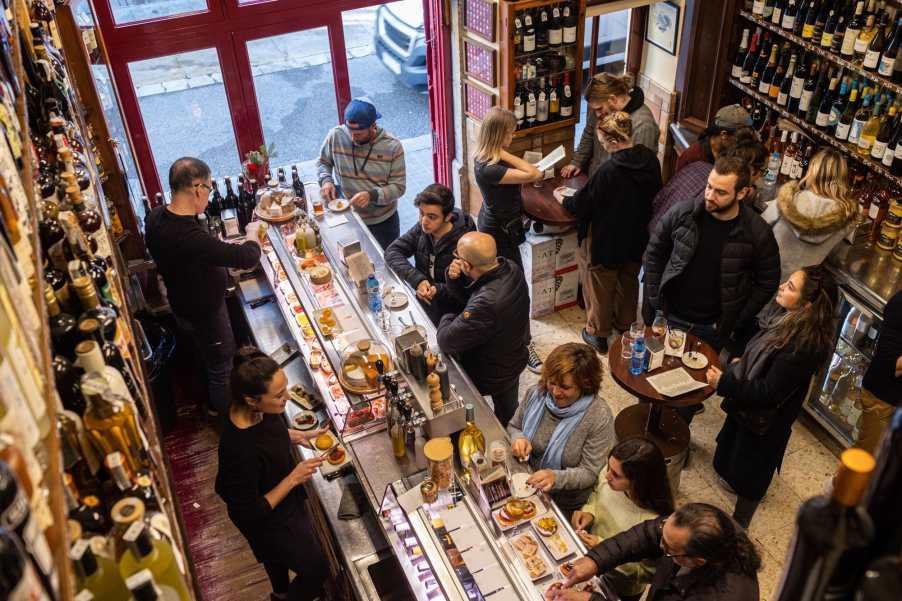
At lunch, the room carries more natural light and a looser energy. Locals on a midweek break, design and creative industry figures from nearby Eixample offices, and informed tourists who planned months in advance tend to populate the earlier service. The pace is slightly faster, the ambient noise lower, and the overall experience feels more accessible, less of an occasion, more of a serious meal.
Evening service tilts the atmosphere toward celebration. The theatrical lighting design activates fully after dark, and the crowd skews toward groups marking occasions, international visitors who have specifically itinerary-built around the reservation, and a higher ambient volume that makes it feel more like entertainment than pure dining.
Spain's daytime dining culture, supported by longer afternoon services and an ingrained belief that lunch is the serious meal of the day, means that the leading seats at many of the city's most-discussed restaurants are not always at dinner. It is a rhythm that visitors from northern Europe or North America often underestimate, and Tickets is a good venue through which to learn it.
Where Tickets Sits in Barcelona's Dining Tier
Barcelona's avant-garde dining scene remains among the more-discussed in Europe, even as the city's restaurant economy has diversified considerably since the early 2000s. The Adrià family's influence on that scene is documented and verifiable, elBulli's closure in 2011 redistributed creative talent and culinary philosophy across a generation of Barcelona kitchens, and Tickets is one direct commercial expression of that lineage still operating at scale.
Within the city's current dining map, Tickets occupies a specific position: it is not especially expensive option (that tier belongs to tasting-menu rooms with Michelin credentials and price points in excess of €200 per person), and it is not a neighbourhood bar. It sits in a middle tier that combines accessibility of format (tapas, no forced tasting menu structure) with a level of technique and sourcing that most mid-price restaurants cannot match. That position makes it one of the more interesting propositions in the city, precisely because it refuses easy categorisation.
Tickets is an earlier and more famous point on that same trajectory.
Booking and Planning
Barcelona's high season runs roughly from April through October, with August bringing the highest tourist concentration and the fullest booking calendars. March and November represent the clearest opportunity for shorter lead times, though even then, a two-to-four week advance window is a minimum assumption. Travellers building itineraries around Spain's bar and dining culture more broadly might also consider how venues in other cities compare: Angelita in Madrid, Bar Sal Gorda in Seville, and Bar Gallardo in Granada each offer a different register of the same national dining culture.
Know Before You Go
- Address: Avinguda del Paral·lel, 164, Eixample, 08015 Barcelona, Spain
- Neighbourhood: Eixample, near the Paral·lel theatre district
- Booking: Online reservations; opens on a rolling window, book as far ahead as possible
- Ideal time to visit: Lunch service for a calmer, food-focused experience; March or November for easier availability
- Format: Tapas-style small plates; no mandatory tasting menu structure
- Dress code: No formal requirement; smart-casual is the norm for evening service
City Peers
Comparable venues nearby, for context on price, style, and recognition.
| Venue | Cuisine | Price | Notes |
|---|---|---|---|
| Tickets | Dining | $$$ | Sant Antoni |
| El Nacional Barcelona | Spanish Gastronomic Multispace | $$$ | la Dreta de l'Eixample |
| Bastian Beach Club | Mediterranean Beach Club Cuisine | $$$ | Port Vell |
| Aranda's Grill | Traditional Spanish Grill | $$$ | Sant Gervasi - la Bonanova |
| Albarada | Contemporary Mediterranean with skyline views | $$$ | Vallvidrera, el Tibidabo i les Planes |
| El Cangrejo Loco | Traditional Seafood & Mediterranean | $$$ | l'Antiga Esquerra de l'Eixample |
Recognition history
Dated appearances from independent guides and award organizations, with the underlying list record or original source where available.
Chef's Table Featured on Chef's Table
Chef's Table
Continue exploring
More in Barcelona
Restaurants in Barcelona
Browse all →
Bars in Barcelona
Browse all →
Hotels in Barcelona
Browse all →
At a Glance
- Trendy
- Modern
- Sophisticated
- Celebration
- Group Outing
- Special Occasion
- Design Destination
- Seated Bar
- Standing Room
- Craft Cocktails
- Punch
Modern cocktail bar with energetic atmosphere and creative mixology focus.