Our verdict
In a city where altitude shapes everything from fermentation times to cooking temperatures, Tibetan Family Kitchen represents the domestic tradition that formal restaurants rarely capture: home-style cooking built around highland ingredients, communal portions, and recipes passed through households rather than culinary academies. For visitors seeking to understand Lhasa's food culture beyond tourist-facing tsampa demonstrations, this is a more grounded starting point.

Pearl is the En Primeur Club membership app — saves, bookings, and concierge access live there. Same editors, same standards.
- Address
- Lhasa, China
- Directions
- Get directions
The menu
What to order
- Momo dumplings
- Yak momo
- Tsampa
- Sweet rice
- Potato cakes
Cooking at Altitude: What Lhasa's Home Kitchen Tradition Actually Means
At 3,650 metres above sea level, Lhasa operates under constraints that reshape every culinary decision. Water boils at roughly 87°C here, which affects everything from dough textures to broth depths. Fat-heavy, calorie-dense preparations are not indulgence but physical necessity at altitude, and the ingredient base reflects centuries of adaptation to a plateau environment where the growing season is short and the distances between supply lines are vast. Understanding Tibetan food in Lhasa means understanding those constraints first, and then reading the cuisine as a precise response to them.
Tibetan Family Kitchen sits within this tradition rather than performing it for outside audiences. The domestic register of its name signals something that matters in Lhasa's dining scene: the distinction between places that package Tibetan food as spectacle and places that simply cook it. Across China's western regions, from Kashgar's Local Old Town Home to the Sichuan-influenced kitchens of Chengdu, the home-style format carries specific meaning. It implies a shorter distance between source and plate, a menu shaped by what is available rather than what photographs well, and a price point that reflects local economic reality rather than tourist premium.
Where the Ingredients Come From — and Why That Defines the Plate
The sourcing logic of Tibetan cooking is inseparable from its geography. Yak, the animal most associated with the Tibetan plateau, provides meat, butter, and milk across an ecosystem that could not sustain cattle at equivalent elevations. Yak butter tea — a preparation that reads as counterintuitive to most outside palates, is a functional food at altitude, providing fats and calories that the body burns faster in low-oxygen environments. Barley, specifically highland barley, is the base grain, roasted and ground into tsampa, which requires no cooking and travels as a preserved staple across the plateau.
The vegetable supply in Lhasa is more varied than the plateau's reputation suggests, partly because of proximity to lower-elevation farming regions in the Yarlung Tsangpo valley and partly because of trade routes that have moved goods across the Himalayas for centuries. Dried mushrooms, preserved meats, and fermented products extend the culinary range beyond what fresh supply alone could support. This reliance on preservation and fermentation gives Tibetan home cooking a depth that is easy to miss if you are only comparing it to cuisines with year-round fresh produce access.
Editorial point here is not about any single venue's sourcing claims. It is about how the entire cuisine operates on principles of necessity, preservation, and adaptation that make the ingredient question inseparable from the cultural question. Places like Tibetan Family Kitchen, operating within rather than above this tradition, tend to reflect that logic more honestly than hotel dining rooms that reconstruct Tibetan dishes through a contemporary fine-dining framework.
Lhasa's Dining Scene: Context Before Recommendation
Lhasa's restaurant environment is split between establishments oriented toward Han Chinese and international visitors and those functioning as part of the local residential economy. The former tend toward curated presentations of Tibetan staples alongside more familiar Chinese regional dishes; the latter operate on shorter menus, neighbourhood rhythms, and pricing calibrated to Tibetan household budgets rather than tourism margins.
This is a different calculus than you would apply in a city like Shanghai, where a restaurant such as 102 House operates within a dense competitive fine-dining tier, or even in Macau, where Chef Tam's Seasons positions itself against internationally benchmarked luxury. In Lhasa, the axis of quality runs differently. Recognition comes less from formal awards infrastructure, there is no Michelin presence in Tibet, and more from community use, ingredient integrity, and consistency across seasons when supply chains are under pressure.
For visitors arriving from cities where the dining tier system is familiar and legible, the adjustment required in Lhasa is conceptual. The metrics that signal quality in Beijing or at Xin Rong Ji, Michelin stars, celebrity chef lineage, reservation difficulty, do not apply here. What applies instead is a different set of signals: consistent local patronage, visible ingredient quality, and a menu that reflects what is actually in season on the plateau rather than what a kitchen has decided to serve year-round.
The Home-Style Format as Editorial Argument
Across China's more commercially developed dining cities, the home-style format has become a marketing position as much as an operational one. In Hangzhou, Ru Yuan and comparable venues use domestic registers as aesthetic choices within premium price brackets. In Fuzhou, Jiangnan Wok·Rong frames regional tradition within polished contemporary contexts. The gap between marketing and execution in those environments is something critics spend considerable energy assessing.
In Lhasa, that gap closes simply because the market pressure to perform domesticity does not exist in the same way. A kitchen cooking Tibetan family-style food in a Tibetan city, for a largely Tibetan and plateau-visiting clientele, has less incentive to manufacture the aesthetic. That does not mean the cooking is automatically better. It means the intention is more legible, which is a different and arguably more useful thing for a visitor trying to orient themselves within an unfamiliar culinary tradition.
Planning a Visit: Practical Orientation
Altitude acclimatisation should govern the timing of any serious eating in Lhasa. Most visitors arriving from lower elevations spend the first 24 to 48 hours in various states of physical adjustment, and appetite is often suppressed during that period. The practical recommendation is to keep early meals light and lean toward broth-based preparations, which Tibetan cooking supplies in quantity, before moving into richer dishes. The city's dining rhythm tends toward earlier meal times than major Chinese coastal cities, a pattern worth factoring into planning.
Lhasa's central areas are compact enough that most restaurant neighbourhoods are accessible without significant transport planning. The broader travel context matters: entry to Tibet requires a Tibet Travel Permit in addition to a Chinese visa, and permit conditions can affect access to specific areas of the city and surrounding regions. Any visit should be timed with permit logistics in mind, as access restrictions can shift on relatively short notice.
For a fuller picture of where Tibetan Family Kitchen sits within Lhasa's dining options, see our full Lhasa restaurants guide. Visitors building a broader China itinerary with regional cuisine as a through-line may also find useful comparative context in our coverage of Xin Rong Ji in Chengdu, Imperial Treasure Fine Chinese Cuisine in Guangzhou, Dai Yuet Heen in Nanjing, Dingshan·Jiangyan in Suzhou, Fleurs Et Festin in Xiamen, Shang Palace in Yangzhou, Ensue in Shenzhen, and 57号窑烤披萨咖啡馆. For reference points outside China's dining framework entirely, Le Bernardin and Atomix in New York represent what happens when a culinary tradition is worked through at maximum technical and institutional investment, a useful contrasting lens when thinking about what Lhasa's home-style format is deliberately not doing. Similarly, La Strada in Changzhou illustrates how imported culinary traditions adapt to Chinese city contexts, which has its own resonance when considering how Tibetan cuisine is being interpreted for non-Tibetan audiences in Lhasa's more tourist-oriented establishments.
Frequently asked questions
Is Tibetan Family Kitchen child-friendly?
The home-style format that defines Lhasa's family kitchen tradition is generally low-key and informal, which tends to suit children better than structured tasting menus or formal dining rooms. The food itself, built around staples like tsampa, butter tea, and slow-cooked yak, is straightforward and filling rather than challenging. The main practical concern for families is altitude: at 3,650 metres, Lhasa requires acclimatisation time that affects adults and children alike, and most travel health advisors recommend at least 24 to 48 hours of rest before any significant activity, including eating out.
What's the vibe at Tibetan Family Kitchen?
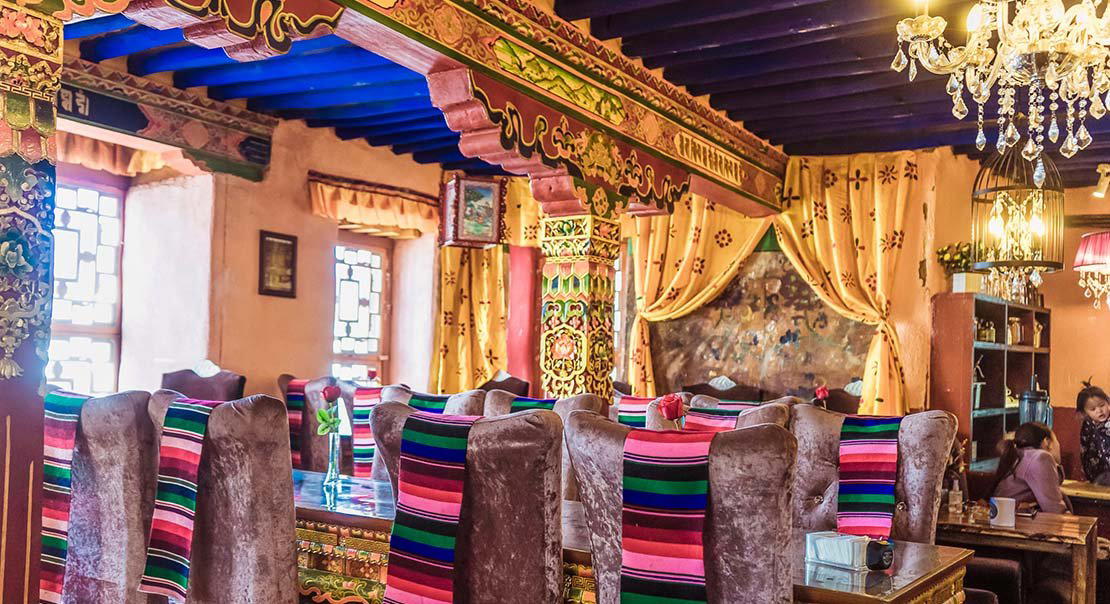
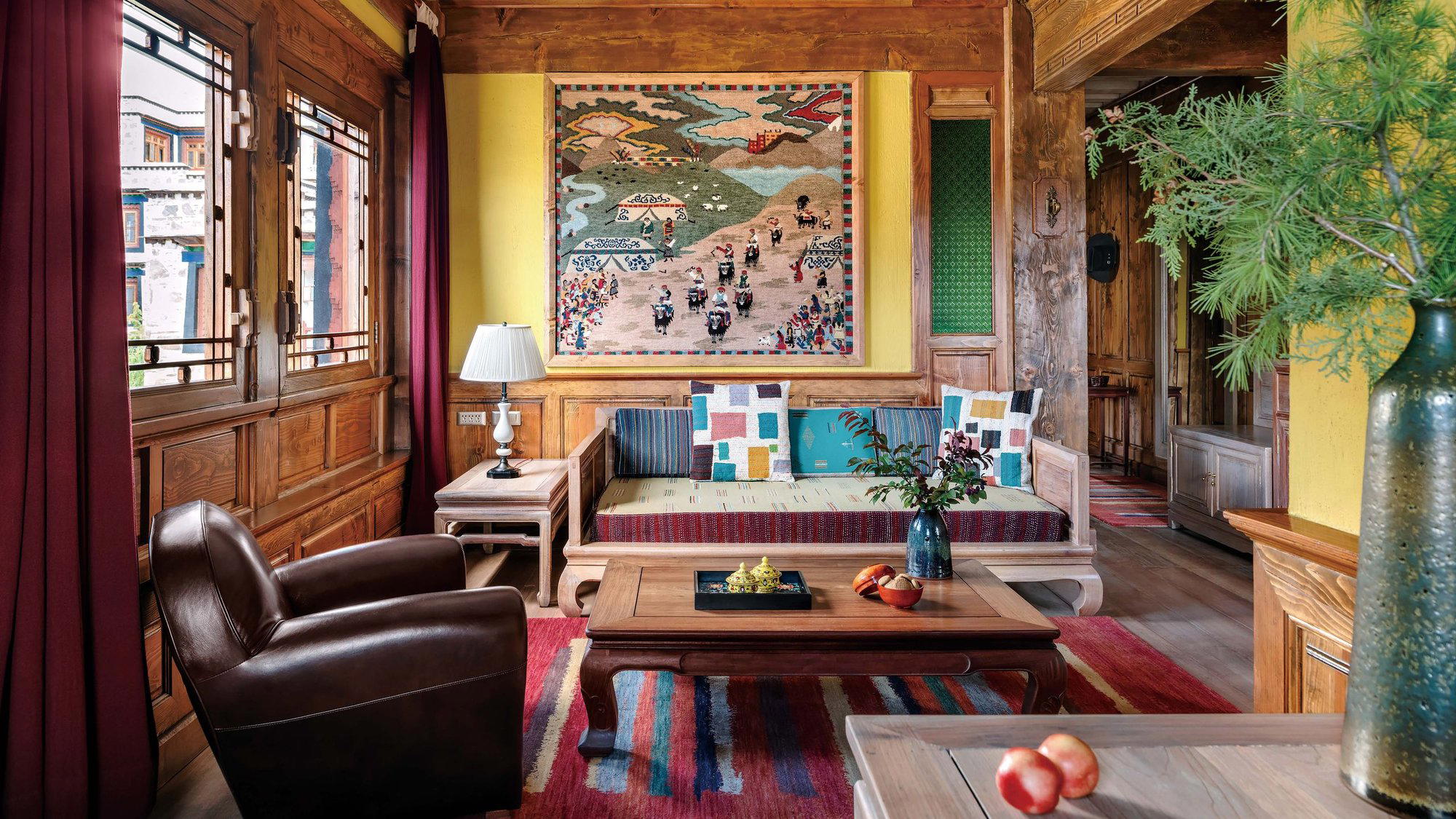
The format signals the atmosphere: this is a home-kitchen operation in a city where the most meaningful local dining happens in domestic or semi-domestic settings, not in hotel restaurants or tourist-facing dining rooms. Expect something closer to a family meal than a restaurant transaction, with communal seating, modest surroundings, and dishes that reflect the sourcing realities of the Tibetan plateau rather than any attempt to perform Tibetan culture for outside visitors. Lhasa's dining scene divides sharply between spaces built for Han Chinese and international tourists and those operating as part of actual Tibetan community life; Tibetan Family Kitchen sits firmly in the latter category.
How does dining at a Tibetan family kitchen in Lhasa differ from eating at a standard restaurant in the city?
Lhasa's restaurant sector is heavily oriented toward Han Chinese and international visitors, which means most formal dining rooms in the city reflect outside tastes rather than Tibetan culinary logic. A home-kitchen format, by contrast, sources and cooks according to plateau constraints: water boiling at roughly 87°C at 3,650 metres changes cooking times and textures, and the ingredient set is governed by what the high-altitude environment actually produces, primarily yak, barley, and fermented dairy. That operational reality produces food that cannot be replicated at lower elevations, which is the clearest reason to seek out this format specifically while in Lhasa.
What's the best thing to order at Tibetan Family Kitchen?
What the home-style format in Lhasa reliably delivers is food built around the plateau's core larder: yak meat and dairy, tsampa (roasted barley flour), and butter tea. These are not menu items added for atmosphere but the actual dietary foundation of high-altitude Tibetan life, and a kitchen operating in this tradition is likely to handle them with more authority than any restaurant targeting outside visitors.
At-a-Glance Comparison
| Venue | Cuisine | Price | Awards | Notes |
|---|---|---|---|---|
| Tibetan Family KitchenThis venue — the venue you are viewing | Tibetan / Himalayan | Not listed | Not listed | Not listed |
| Fu He Hui | Modern Seasonal Vegetarian Fine Dining | $200–300 | 2 Michelin Stars · World's 50 Best #11 | Vegetarian |
| Aji | Asian Bistronomy (Nikkei Fusion) | $50–100 | 1 Michelin Star · Wine Spectator Best of Award of Excellence | Nikkei, Innovative |
| Five Foot Road | Modern Sichuan Fine Dining | Not listed | 1 Michelin Star · La Liste Top Restaurants | Sichuan |
| Jing | Modern French with Asian Influences | $300–500 | 1 Michelin Star · Black Pearl 1 Diamond | French Contemporary |
| Lai Heen | Michelin-Starred Cantonese | $50–100 | 1 Michelin Star · Forbes 5-Star | Cantonese |
Continue exploring
More in Lhasa
Restaurants in Lhasa
Browse all →
Details
- Cozy
- Rustic
- Casual Hangout
- Solo
- Family
- Rooftop
- Standalone
- Terrace
- Street Scene
- A La Carte
- Vegetarian Friendly
- Vegan Options
- Gluten Free Options
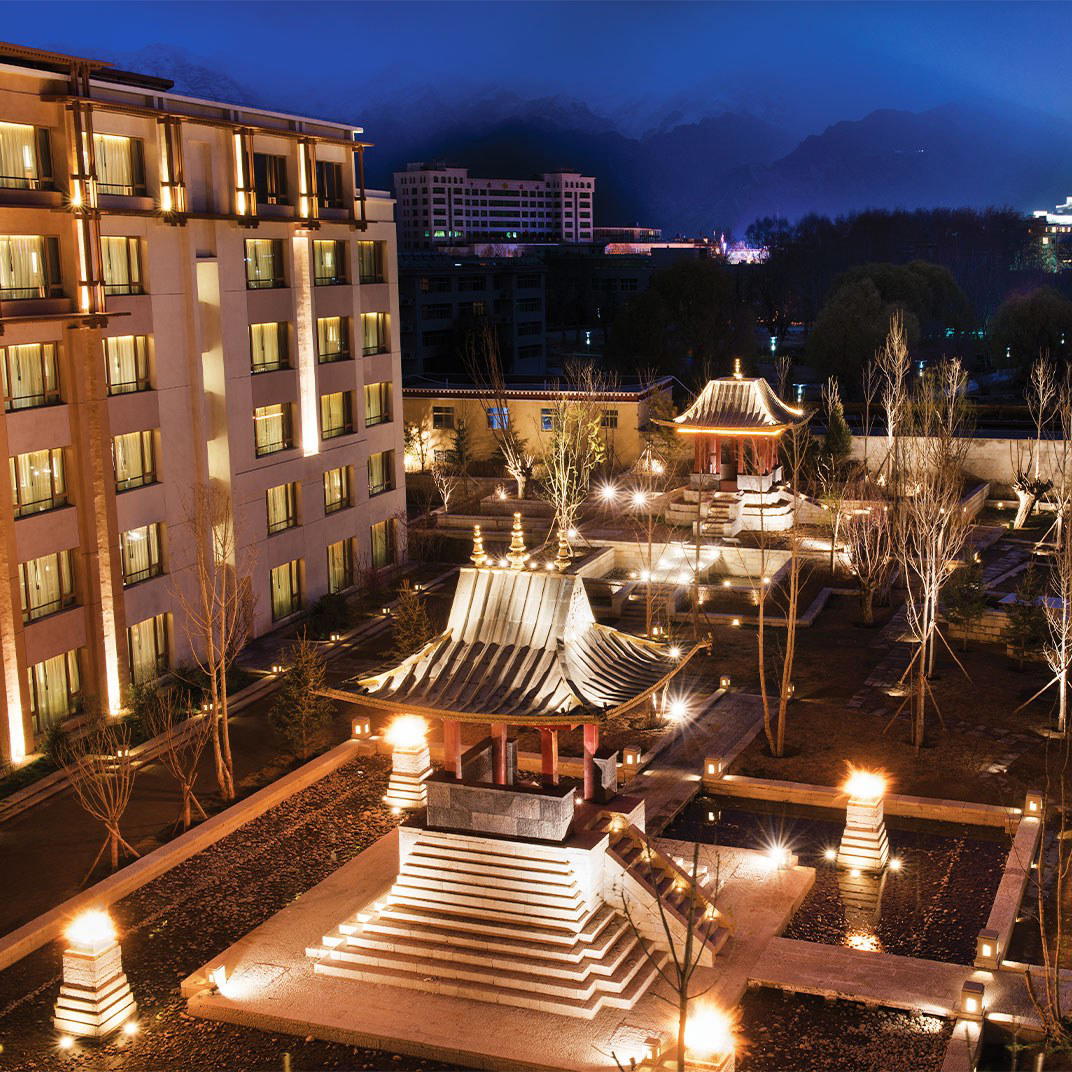
Warm, home-like, and Tibetan-style, with a cozy atmosphere and terrace views over central Lhasa.